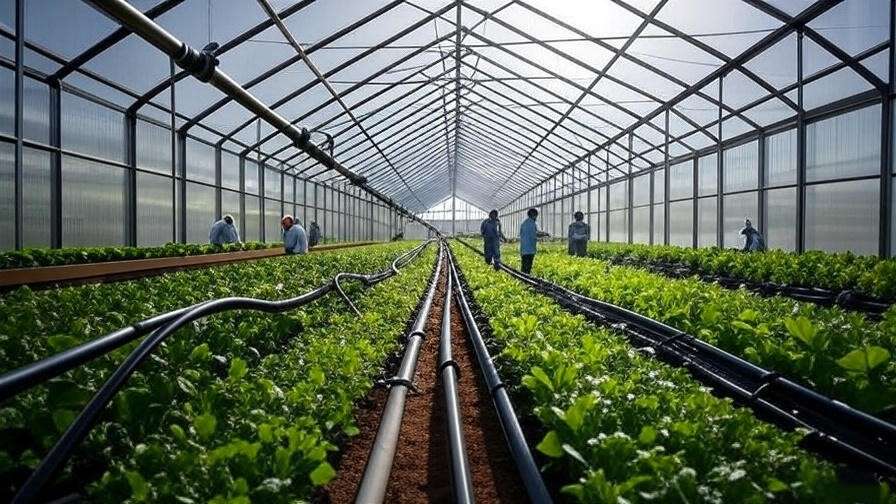
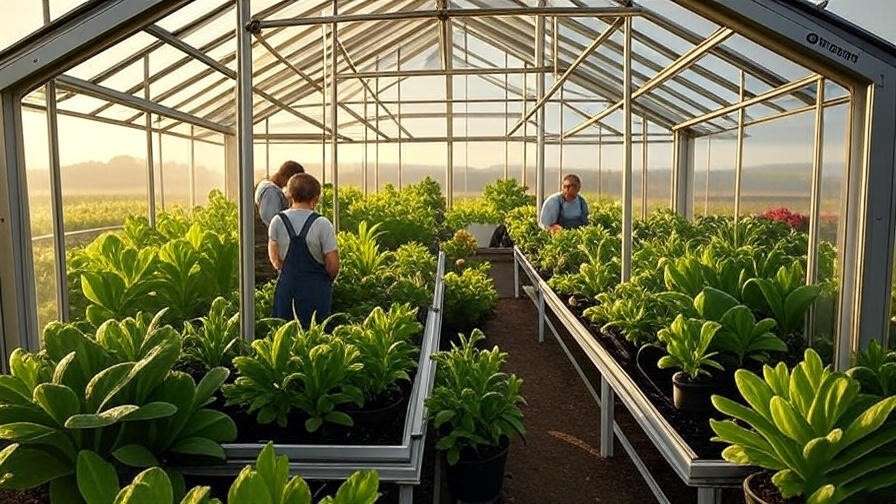
A farmer walks through a well-prepared vegetable plot expecting uniform growth—yet along the edges of raised beds, seedlings appear weak, wilted, and uneven. Often, the hidden cause is Termites in Bed Edging, a problem many growers overlook until significant crop loss occurs. These silent soil dwellers can destroy roots, weaken plant structure, and disrupt soil balance long before visible damage appears.
In modern agriculture—whether you manage raised vegetable beds, nursery plots, or irrigated ridges—understanding termite activity along bed edges is essential for protecting yield and maintaining soil health. As an agricultural practitioner who has worked closely with smallholder and commercial farmers across diverse cropping systems, I’ve seen firsthand how unmanaged termite infestations can reduce productivity and increase input costs.
This comprehensive guide explains how to identify termite infestations early, understand their causes, and apply proven, field-tested strategies to manage them effectively. By the end, you’ll have a practical roadmap for preventing damage, improving soil resilience, and sustaining crop performance.
Understanding Termites in Agricultural Bed Edging
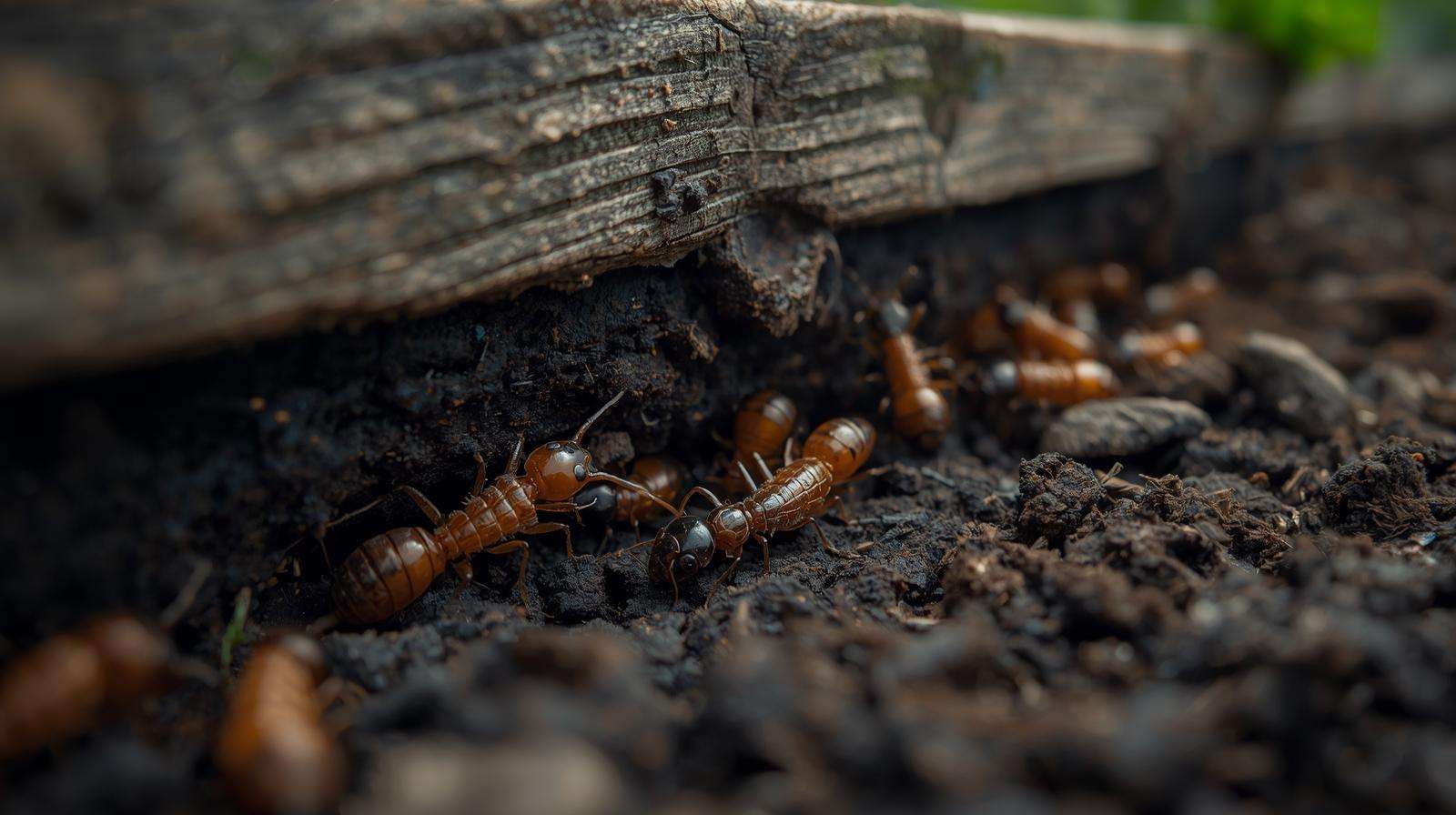
What Are Termites and Why Do They Target Bed Edging Areas?
Termites are social insects that feed primarily on cellulose-rich organic matter such as plant residues, roots, mulch, and woody materials. In agricultural systems, they typically thrive in warm, moist soils with abundant organic debris—conditions commonly found along bed edges.
Bed edging zones naturally accumulate:
-
Crop residues and mulch
-
Moist soil from irrigation runoff
-
Organic amendments like compost or manure
-
Root fragments from previous crops
These factors create ideal microhabitats for subterranean termites, which are the most common agricultural species affecting raised beds.
Common Termite Species Affecting Croplands
While species vary by region, farmers frequently encounter:
-
Subterranean termites (Rhinotermitidae family): The most destructive agricultural pests; build mud tubes and attack roots.
-
Drywood termites: Less common in fields but may infest wooden bed borders or nearby structures.
-
Dampwood termites: Thrive in high-moisture conditions and poorly drained soils.
Understanding species behavior helps farmers select appropriate control measures.
Beneficial vs Harmful Roles of Termites in Soil
Interestingly, termites are not always harmful. In natural ecosystems, they:
-
Improve soil aeration
-
Enhance nutrient cycling
-
Decompose organic residues
However, in managed cropping systems, high termite populations can become economically damaging when they:
-
Attack living roots
-
Damage seedlings
-
Reduce stand establishment
The goal is management—not complete eradication.
Signs of Termites in Bed Edging Farmers Should Never Ignore
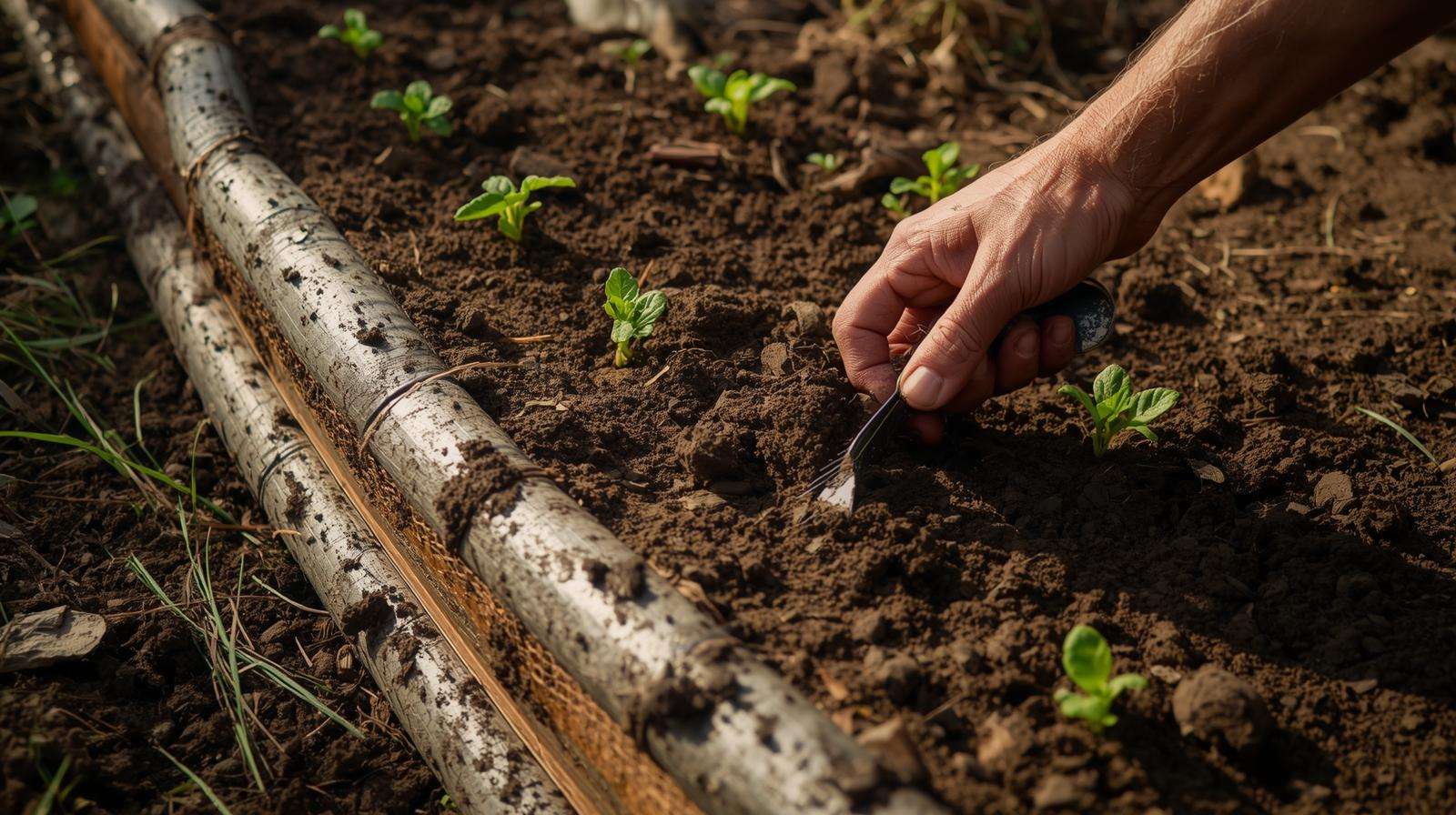
Visible Indicators
Early detection is critical. Watch for:
-
Mud tubes along bed edges or irrigation ridges
-
Wilting or lodging seedlings near borders
-
Hollow plant stems
-
Uneven crop growth patterns
These symptoms often appear before widespread infestation occurs.
Hidden Signs
Less obvious indicators include:
-
Loose or disturbed soil around roots
-
Sudden patchy crop failure
-
Weak anchorage in young plants
Farmers often misdiagnose these signs as nutrient deficiency or water stress.
How to Properly Inspect Bed Edges (Step-by-Step Field Method)
Step 1: Choose the right time
Inspect early morning or late afternoon when termite activity peaks.
Step 2: Gather tools
Carry a hand hoe, soil knife, and notebook for documentation.
Step 3: Examine systematically
Walk along bed edges and gently scrape soil around plant bases.
Step 4: Confirm infestation
Look for live termites, tunnels, or feeding damage.
Routine scouting significantly reduces risk and improves response timing.
Causes of Termite Infestation in Bed Edging Systems
Moisture Management Issues
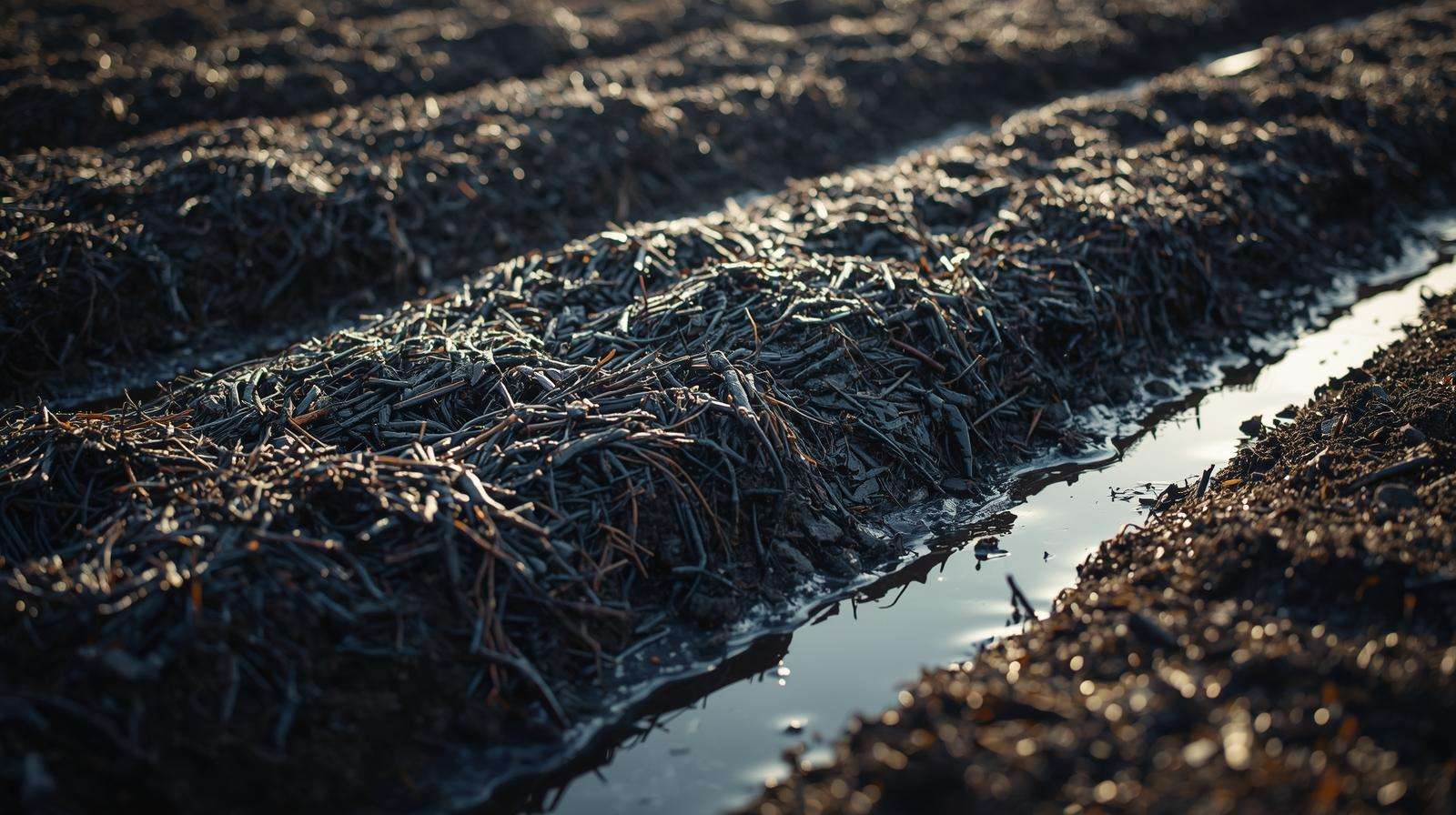
Excess moisture is a leading factor. Over-irrigation, poor drainage, and prolonged wet conditions create favorable environments for termites.
Common risk factors:
-
Flood irrigation systems
-
Waterlogging near beds
Organic Matter Accumulation
Improper residue management attracts termites. High-risk practices include:
-
Leaving crop stubble untreated
-
Thick mulch layers touching stems
-
Fresh manure placed near roots
Balanced organic management reduces pest pressure.
Soil Structure and Farm Layout Factors
Termite activity increases in:
-
Raised beds with poor spacing
-
Fields near tree lines
-
Areas with wooden stakes or edging materials
Strategic farm layout adjustments can significantly reduce infestation.
Impact of Termites on Crops and Soil Health
Crop Damage and Yield Loss
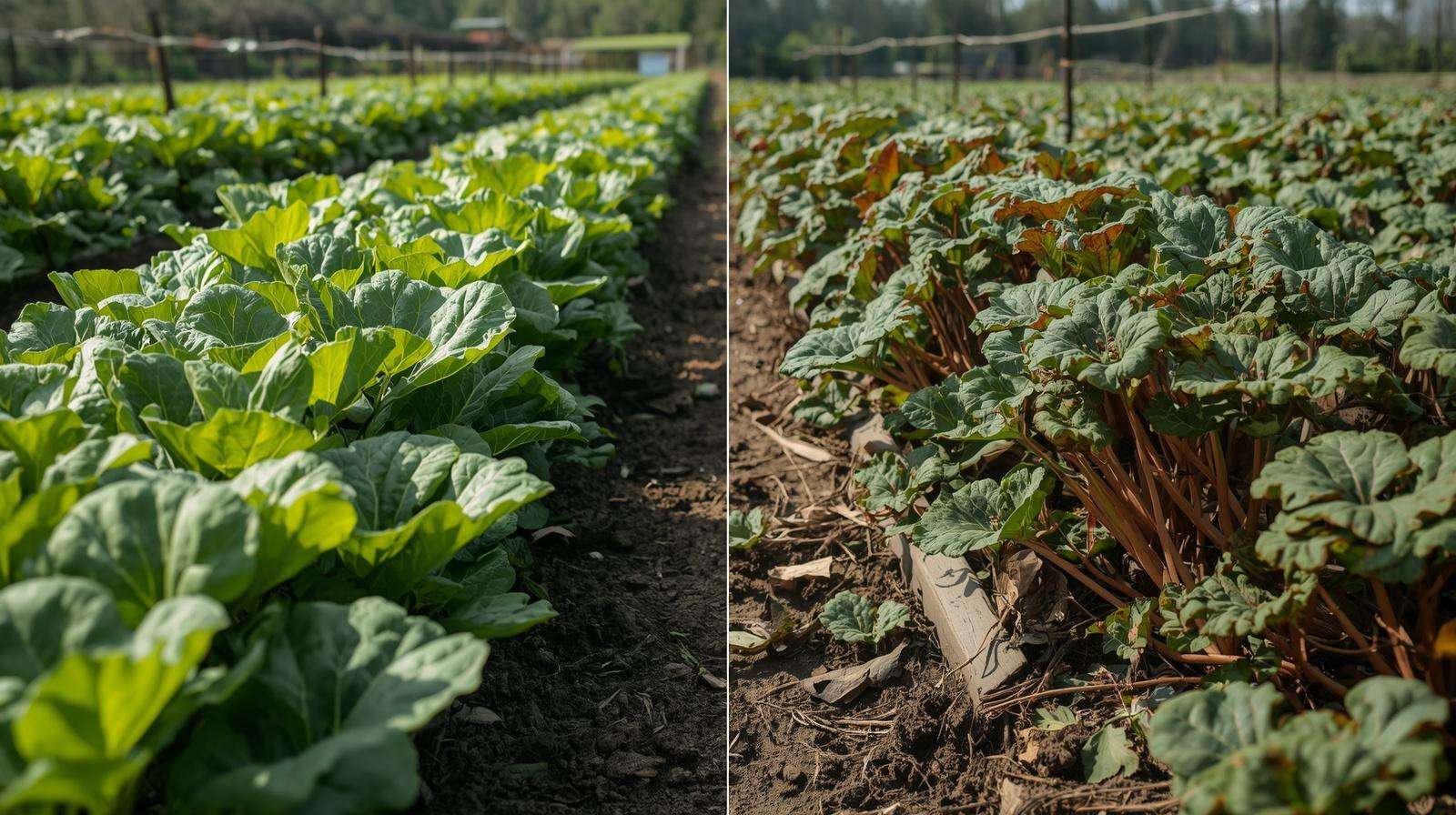
Termites attack crops by feeding on roots and lower stems. This leads to:
-
Reduced nutrient uptake
-
Wilting and plant collapse
-
Lower yield and quality
Affected crops often include:
-
Vegetables (tomato, brinjal, chili)
-
Cereals (maize, wheat)
-
Pulses (lentil, mung bean)
Economic Implications for Farmers
Unchecked termite infestations increase costs through:
-
Replanting expenses
-
Reduced harvest volume
-
Higher pesticide use
For smallholder farmers, losses can be significant.
Effects on Soil Structure and Microbial Balance
While termites enhance decomposition at moderate levels, excessive populations disrupt microbial balance and soil structure in cultivated beds.
Integrated Pest Management (IPM) Strategies for Termites in Bed Edging

Cultural Control Methods
Effective cultural practices include:
-
Removing crop residues promptly
-
Practicing crop rotation with non-host crops
-
Maintaining proper bed hygiene
These low-cost strategies often prevent outbreaks.
Mechanical and Physical Controls
Farmers can use:
-
Regular soil disturbance to disrupt colonies
-
Sand or ash barriers around beds
-
Flooding localized zones (where appropriate)
These methods work best during early infestation stages.
Biological Control Options
Environmentally friendly approaches include:
-
Beneficial nematodes
-
Entomopathogenic fungi such as Metarhizium anisopliae
These solutions are increasingly popular in sustainable farming systems.
Safe Chemical Control (When Necessary)
Chemical control should be a last resort. Use only approved agricultural termiticides.
Best practices:
-
Spot treatment rather than broadcast spraying
-
Follow label recommendations strictly
-
Use protective equipment
Responsible use minimizes environmental impact.
Preventive Measures: Long-Term Solutions for Farmers
Smart Irrigation Practices
Switching from flood irrigation to drip systems reduces excess moisture and termite attraction.
Soil Health Management
Maintain balanced soil fertility through:
-
Well-decomposed compost
-
Green manures
-
Balanced nutrient programs
Healthy soil supports resilient crops.
Farm Hygiene and Bed Design Improvements
Adopt:
-
Non-wood edging materials
-
Proper bed spacing
-
Clean cultivation practices
Preventive design minimizes pest pressure.
Seasonal Action Plan for Managing Termites in Bed Edging
Pre-Planting Season Checklist
-
Deep ploughing to expose colonies
-
Residue removal
-
Soil solarization (where feasible)
Mid-Season Monitoring Strategy
-
Weekly inspections
-
Immediate treatment of hotspots
Post-Harvest Management Routine
-
Field sanitation
-
Composting residues properly
Case Study: Successful Termite Control in Raised Vegetable Beds
A vegetable farmer noticed stunted chili plants near bed borders. Inspection revealed termite tunnels along irrigation lines. The farmer implemented:
-
Residue removal
-
Targeted biological control
-
Improved drainage
Within one season, crop performance improved significantly.
Expert Tips for Sustainable Termite Management
-
Avoid overuse of pesticides
-
Monitor regularly rather than react late
-
Combine multiple IPM strategies
Low-cost solutions often outperform chemical-heavy approaches.
Frequently Asked Questions (FAQs)
Are termites always harmful in agricultural fields?
No. In balanced populations, they contribute to soil fertility.
How fast can termites damage crops in bed edging?
Damage may appear within weeks under favorable conditions.
What is the safest termite treatment for edible crops?
Biological controls and cultural methods are safest.
Can organic farming systems control termites effectively?
Yes, through IPM practices and soil health management.
When should farmers seek professional pest management help?
When infestations spread rapidly despite basic control efforts.
Conclusion: Protecting Your Bed Edging for Healthier Crops and Higher Yields
Managing Termites in Bed Edging requires awareness, early detection, and consistent preventive action. By combining sound agronomic practices with sustainable pest management strategies, farmers can protect both crops and soil health.
Consistent monitoring, proper irrigation management, and integrated pest control approaches remain the most effective long-term solutions. With the right knowledge and proactive planning, termite-related losses can be minimized—ensuring healthier crops and stronger farm profitability.