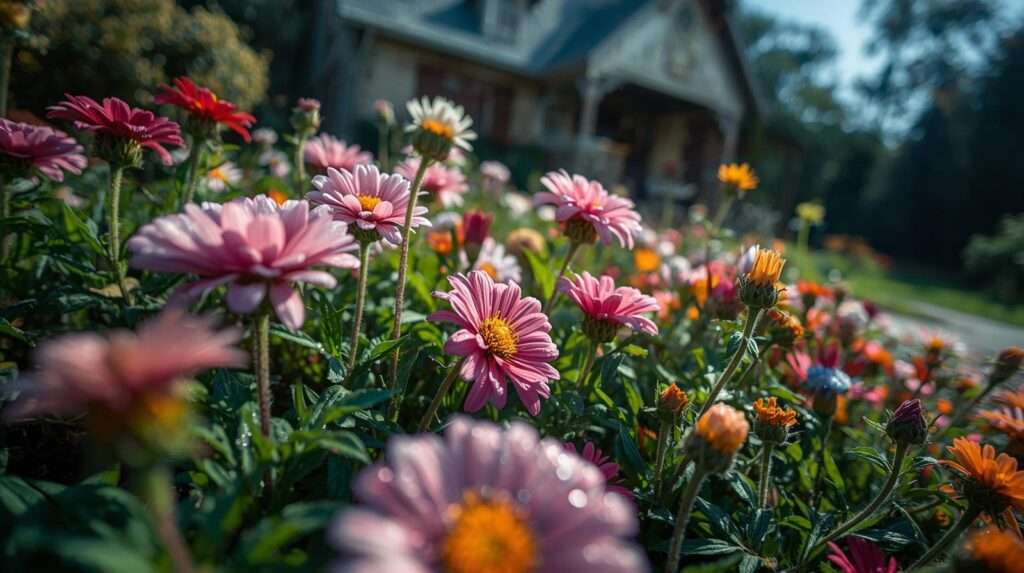
Imagine stepping outside your front door to a vibrant garden buzzing with bees, butterflies, and color throughout the year — all while requiring minimal maintenance. That’s the promise of a thoughtfully designed Native Flower Bed Close to the House. But while native landscaping offers beauty and sustainability, planting too close to your home without proper planning can lead to drainage problems, foundation concerns, pest issues, and unnecessary upkeep.
As an agricultural advisor working with homeowners and growers across varied climates, I’ve seen both successes and costly mistakes. When designed correctly, native foundation plantings enhance biodiversity, improve soil health, and reduce long-term maintenance — without compromising your home’s structure.
This comprehensive guide walks you through everything you need to know about designing, planting, and maintaining a native flower bed near your house safely and effectively.
Benefits of a Native Flower Bed Close to the House
Ecological Benefits
Native plants evolved alongside local ecosystems, making them ideal for sustainable landscaping.
Key advantages include:
-
Supporting pollinators like bees, butterflies, and beneficial insects
-
Improving soil biodiversity and microbial activity
-
Reducing water usage compared to non-native ornamentals
Native plants also require fewer fertilizers and pesticides, aligning with environmentally responsible gardening practices.
Practical Benefits for Homeowners
A well-designed native flower bed provides:
-
Lower maintenance compared to traditional foundation plantings
-
Improved drought tolerance
-
Reduced irrigation costs
These benefits make native landscaping an ideal solution for busy homeowners seeking beauty without heavy labor.
Aesthetic and Property Value Advantages
Strategically placed native flowers enhance curb appeal with:
-
Seasonal blooms
-
Natural textures
-
Harmonious color palettes
Thoughtful design can significantly improve perceived property value.
Key Considerations Before Planting Near the House
Foundation Protection and Root Behavior
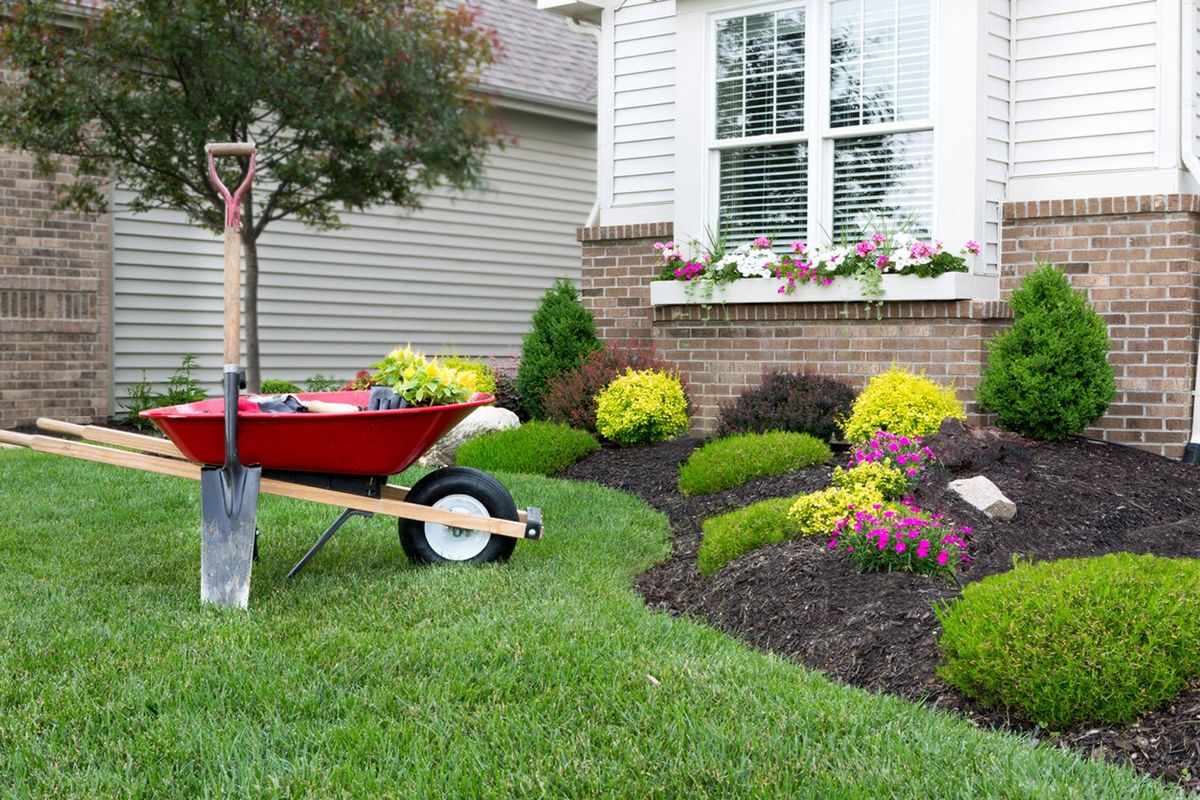
One of the biggest concerns when installing a flower bed near a house is protecting the structure.
Best practices:
-
Maintain at least 12–24 inches of clearance from walls
-
Avoid woody shrubs with aggressive roots
-
Choose herbaceous perennials over woody plants
Native flowers typically have less aggressive root systems than shrubs.
Drainage and Water Management
Improper drainage near the foundation can cause moisture buildup.
Key strategies include:
-
Ensuring soil slopes away from the house
-
Using well-draining soil mixes
-
Avoiding excessive mulch depth
Proper grading protects both plants and structure.
Pest and Wildlife Concerns
While native plants attract beneficial insects, thoughtful design minimizes nuisance pests.
Tips:
-
Avoid dense vegetation near entrances
-
Select species that don’t attract rodents
-
Maintain clean mulch areas
Designing a Native Flower Bed Close to the House (Step-by-Step Guide)
Step 1: Assess Sunlight and Microclimate
Foundation beds often experience unique microclimates due to reflected heat and wind patterns.
Evaluate:
-
Full sun vs partial shade zones
-
Wall heat reflection
-
Seasonal shade shifts
Match plant choices accordingly.
Step 2: Soil Preparation and Testing
Healthy soil supports long-term plant success.
Steps:
-
Add compost for improved structure
-
Incorporate organic matter
Avoid over-amending soil, which can reduce drought tolerance.
Step 3: Choose the Right Native Plants
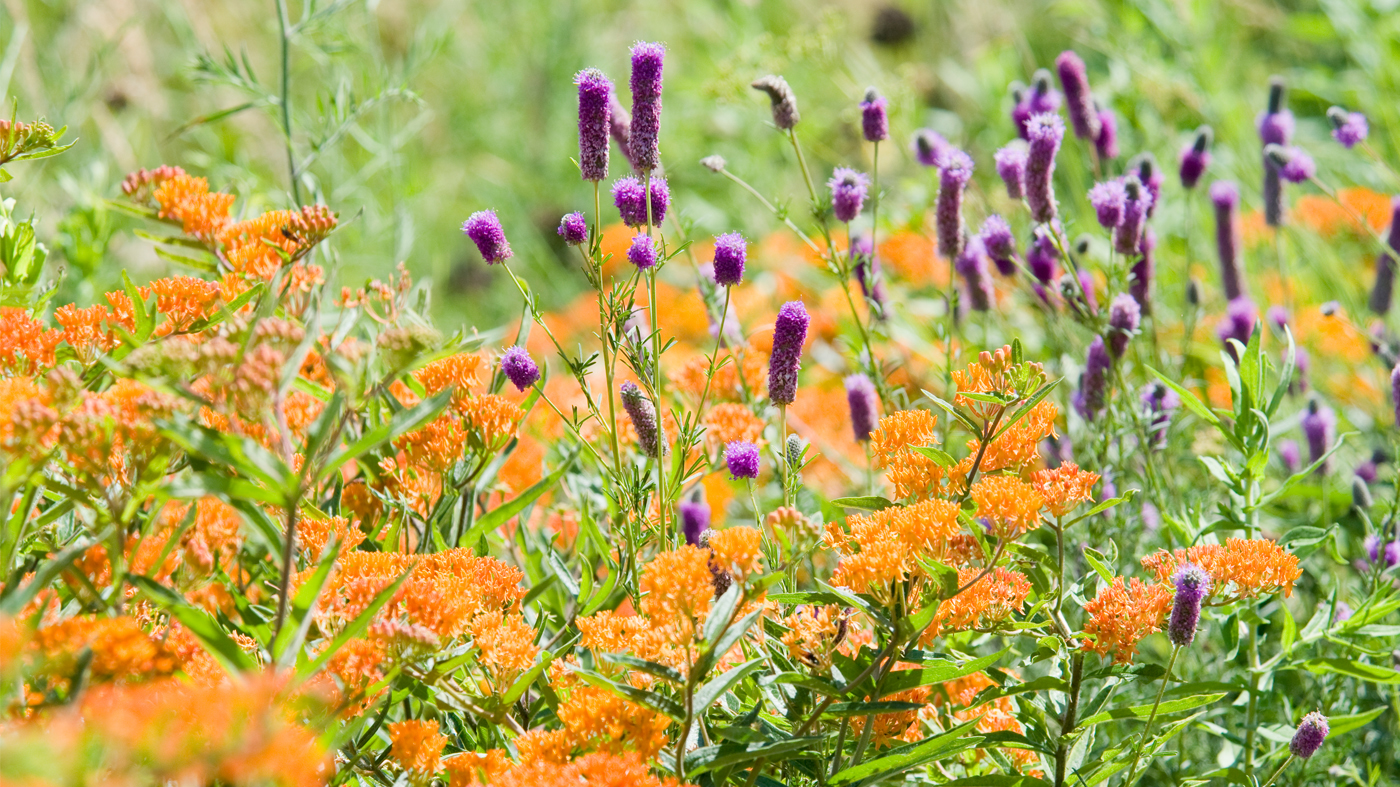
Ideal plant selection includes:
-
Low-growing species near the foundation
-
Medium-height plants for layering
-
Seasonal bloom diversity
Consider regional natives for best results.
Step 4: Plan Spacing and Layout
Use layered design principles:
-
Front: groundcovers
-
Middle: flowering perennials
-
Back: taller species
This ensures visual balance and airflow.
Step 5: Mulching and Edging Strategies

Benefits of mulching:
-
Weed suppression
-
Moisture retention
-
Soil temperature regulation
Use natural mulches like shredded bark.
Best Native Plants for Flower Beds Close to Homes
Low-Growing Native Flowers
Examples include:
-
Creeping phlox
-
Wild strawberry
-
Prairie smoke
Pollinator-Friendly Choices
Top options:
-
Coneflowers
-
Bee balm
-
Black-eyed Susan
Drought-Tolerant Options
Ideal for low-water landscapes:
-
Blanket flower
-
Yarrow
Maintenance Tips for Long-Term Success
Seasonal Care Schedule
Spring:
-
Clean debris
-
Divide perennials
Summer:
-
Water during drought
Fall:
-
Mulch lightly
Pruning and Deadheading
Encourages continuous blooming and plant health.
Natural Pest Management
Use:
-
Companion planting
-
Beneficial insects
-
Organic controls
Common Mistakes to Avoid
-
Planting too close to walls
-
Overwatering
-
Ignoring soil preparation
Native Flower Bed Design Ideas and Inspiration

Ideas include:
-
Cottage-style beds
-
Formal borders
-
Modern minimal designs
Expert Tips for Sustainable Landscaping Near the House
-
Harvest rainwater
-
Rotate plantings
-
Encourage biodiversity
Frequently Asked Questions (FAQs)
How far should plants be from the foundation?
12–24 inches minimum.
Do native plants attract pests near the house?
Mostly beneficial insects.
Are native beds low maintenance?
Yes, once established.
What’s the best mulch?
Organic mulch works best.
Conclusion: Build a Beautiful and Practical Native Flower Bed Close to the House
A carefully planned Native Flower Bed Close to the House enhances beauty, supports biodiversity, and reduces maintenance while protecting your home.
With smart plant selection, proper spacing, and sustainable care practices, you can enjoy a thriving landscape for years to come. 🌼🏡🌿