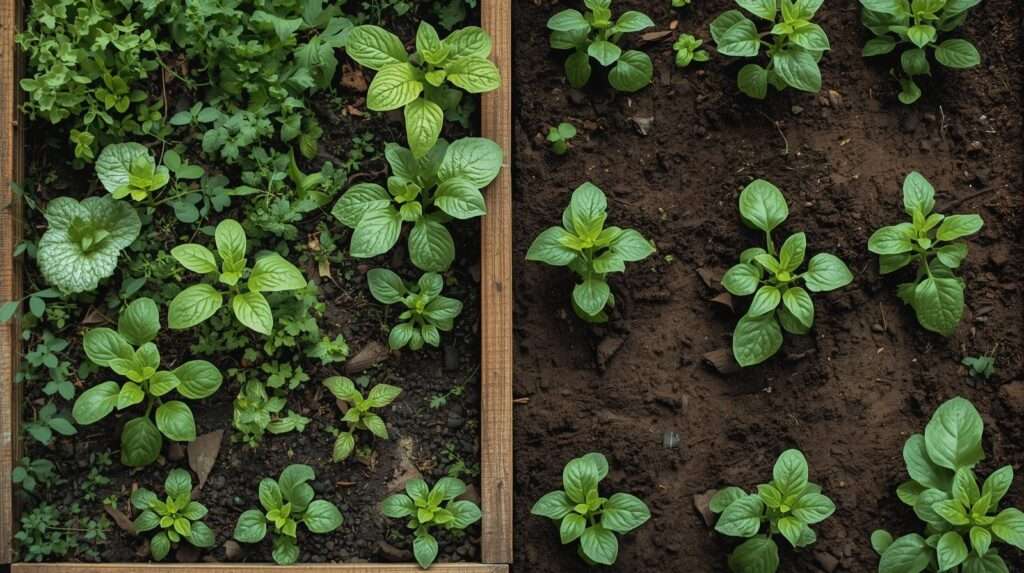
Two gardeners plant the same crops at the same time. One uses neatly framed beds filled with compost-rich soil. The other plants directly into long, traditional rows. By harvest season, their results look very different. If you’ve ever debated Raised Beds vs In-Ground Rows, you’re not alone — it’s one of the most important decisions gardeners and small-scale growers face.
The right growing system affects nearly everything: crop yield, soil health, water efficiency, weed pressure, labor requirements, and long-term sustainability. Yet many growers choose based on trends rather than understanding the real advantages and trade-offs.
As an agricultural advisor who has worked with backyard gardeners, market growers, and diversified farms, I’ve seen both systems succeed — and fail — depending on conditions. This guide provides a science-backed, experience-driven comparison so you can confidently choose the best approach for your goals, climate, soil, and resources.
Understanding the Basics of Raised Beds vs In-Ground Rows
What Are Raised Beds?

Raised beds are contained planting areas elevated above ground level, typically framed with wood, metal, or stone.
Key features include:
-
Custom soil blends
-
Improved drainage
-
Defined planting zones
They are widely used in urban gardens, small spaces, and intensive production systems.
What Are In-Ground Rows?

In-ground rows involve planting directly into native soil in long, linear beds.
Common characteristics:
-
Minimal infrastructure
-
Large-scale adaptability
-
Traditional farming approach
Row systems remain dominant in commercial agriculture due to scalability.
Raised Beds vs In-Ground Rows: Key Differences at a Glance
| Factor | Raised Beds | In-Ground Rows |
|---|---|---|
| Startup Cost | High | Low |
| Soil Control | Excellent | Limited |
| Drainage | Superior | Variable |
| Yield Density | High | Moderate |
| Weed Pressure | Lower | Higher |
| Scalability | Limited | Excellent |
| Labor | Moderate | Moderate |
Each system offers unique advantages depending on the situation.
Yield Comparison: Which System Produces More?
Crop Density and Spacing Efficiency
Raised beds allow closer spacing due to:
-
Loose soil structure
-
Minimal compaction
-
Intensive planting methods
This often increases yield per square foot.
Soil Fertility Impact on Yield
Raised beds excel in poor soils because growers control organic matter levels. In contrast, in-ground systems rely heavily on existing soil fertility and amendments.
Case Studies and Real-World Examples
Market garden studies frequently show raised beds outperforming rows in small spaces, while rows perform better in large-scale operations.
Soil Health and Management Considerations
Soil Structure and Compaction
Raised beds prevent compaction by eliminating foot traffic in planting areas. In-ground rows require careful management to avoid compaction.
Organic Matter Retention
Raised beds typically retain higher organic matter due to intensive compost use.
Microbial Activity Differences
Healthy soil microbiology thrives in both systems when managed properly, though raised beds often show faster improvement.
Water Management and Drainage Performance
Raised Bed Drainage Advantages

Raised beds drain quickly, preventing root rot and waterlogging.
Water Retention in In-Ground Rows
In-ground rows often retain moisture better in dry climates.
Irrigation Efficiency Comparison
Drip irrigation works well in both systems but is easier to install in raised beds.
Weed and Pest Management Differences
Weed Pressure Comparison
Raised beds:
-
Fewer weeds
-
Easier removal
Rows:
-
Greater weed competition
-
Mechanized cultivation options
Pest Risks by System
Raised beds often have fewer soil-borne pests but may attract more above-ground insects.
Labor, Cost, and Efficiency Analysis
Startup Costs Breakdown
Raised beds require materials and soil amendments, while in-ground rows need fewer inputs.
Maintenance Labor Requirements
Raised beds require regular soil care; rows require more weeding.
Long-Term Return on Investment
Raised beds often deliver higher returns in small areas.
Climate and Soil Type Considerations
Wet Climates
Raised beds perform better due to drainage.
Dry Climates
Rows conserve water more effectively.
Poor Soil Conditions
Raised beds solve soil quality issues faster.
Best Crops for Raised Beds vs In-Ground Rows
Crops That Thrive in Raised Beds
-
Lettuce
-
Carrots
Crops Better Suited for Rows
-
Corn
-
Potatoes
-
Pumpkins
Hybrid Systems: Combining Both Methods
Many growers combine systems:
-
Raised beds for intensive crops
-
Rows for large crops
This balances efficiency and productivity.
Common Mistakes When Choosing a Growing System
-
Ignoring climate factors
-
Poor soil assessment
-
Overestimating labor capacity
Expert Decision Framework: Which Method Is Right for You?
For Small Home Gardens
Raised beds are usually best.
For Market Gardeners
Hybrid systems offer flexibility.
For Large-Scale Growers
In-ground rows remain most practical.
Frequently Asked Questions (FAQs)
Are raised beds always better for beginners?
Often, but not always.
Do in-ground rows require less water?
Sometimes, depending on soil.
Which method is cheaper long-term?
Depends on scale and goals.
Can I switch systems easily?
Yes, with planning.
Conclusion: Choose the System That Matches Your Goals
Understanding Raised Beds vs In-Ground Rows helps you select the best system for your specific conditions. Both methods can succeed with proper planning and management.
Choose based on your soil, climate, labor, and production goals — and you’ll enjoy stronger harvests and healthier soil for years to come. 🌱📊