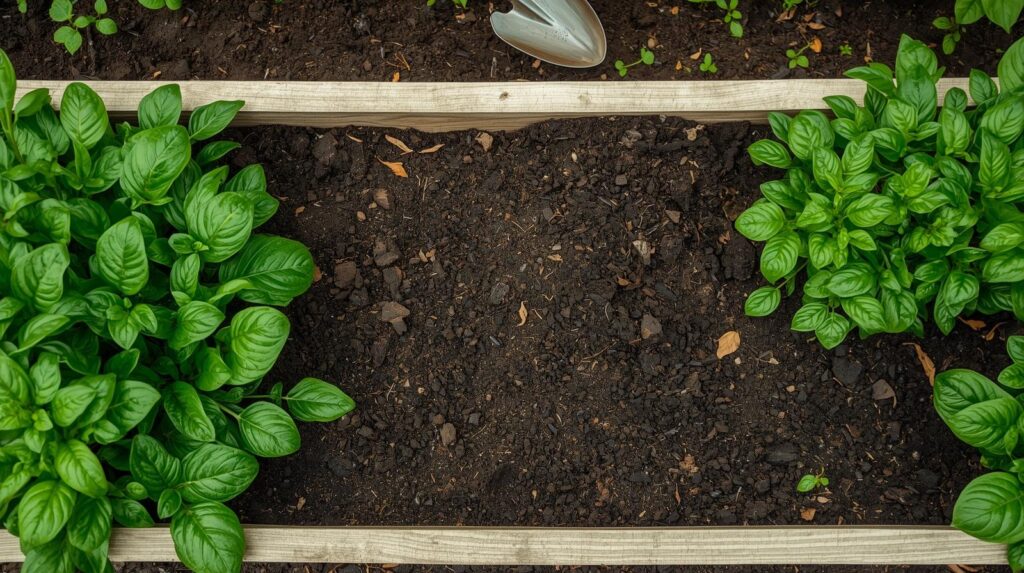
Imagine this: It’s your very first gardening season. You’ve dreamed of harvesting juicy tomatoes, crisp lettuce, and fragrant herbs straight from your own backyard. But as you stare at your yard, one question stops you cold: Should you dig straight into the soil for an in-ground garden, or invest in building raised beds? This single decision can dramatically affect your success, frustration level, and enjoyment as a beginner gardener.
If you’re like most first-time gardeners, you’re dealing with challenges like unknown or poor-quality native soil, limited time, physical effort concerns, or a small urban space. The good news? Both raised beds and in-ground gardening can yield fantastic results—but one method often gives beginners a clearer path to early wins and confidence. In this in-depth guide, we’ll compare raised beds vs in-ground head-to-head, drawing from university extension services, experienced gardeners, and real-world outcomes. You’ll get pros, cons, cost breakdowns, setup steps, decision tools, and expert tips to choose the right method for your first garden and set yourself up for success.
Whether you’re in a suburban yard, a balcony-adjacent plot, or dealing with heavy clay or sandy soil, this comprehensive comparison will help you avoid common pitfalls and start growing with less guesswork.
What Are Raised Beds and In-Ground Gardens?
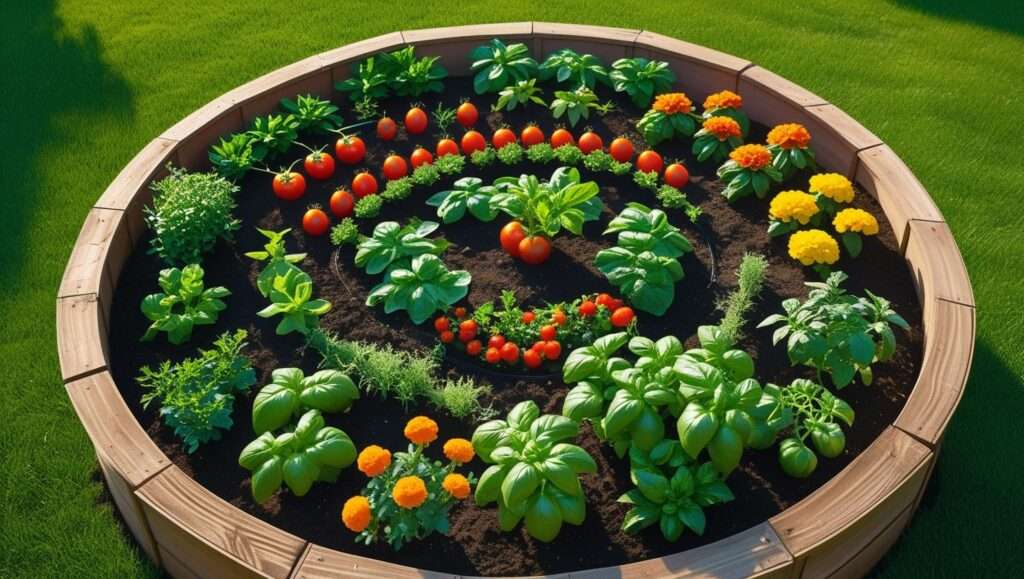
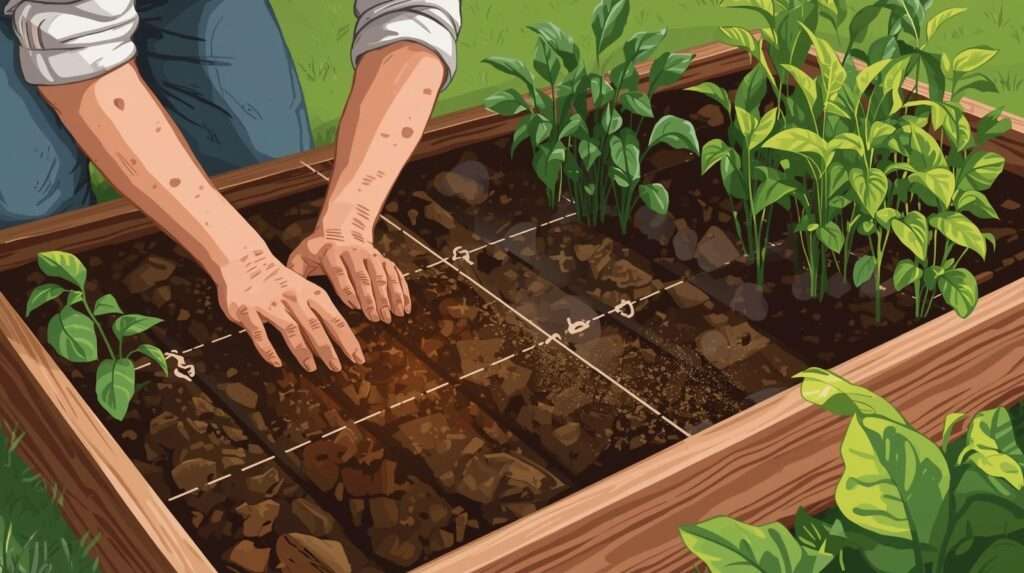
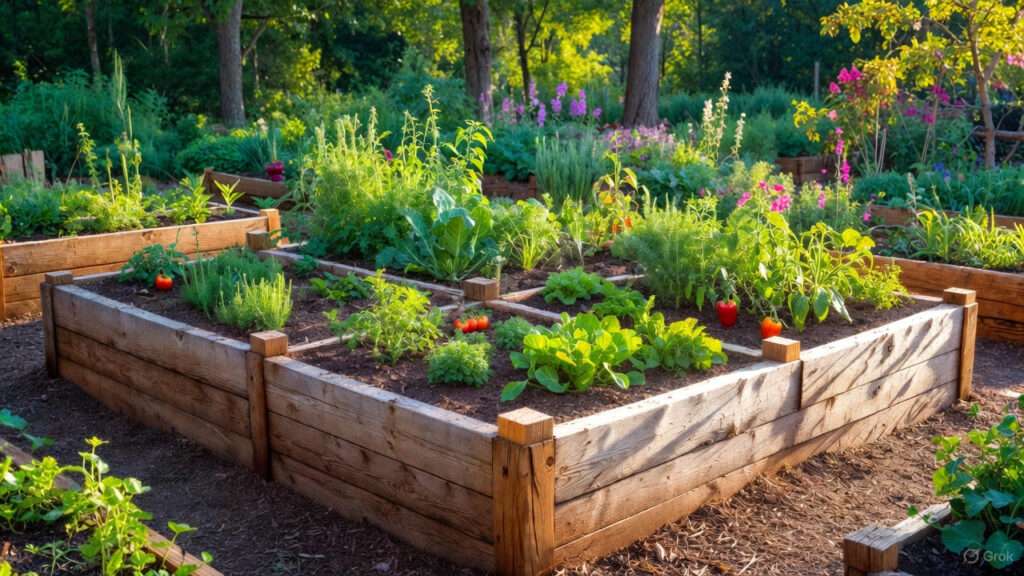
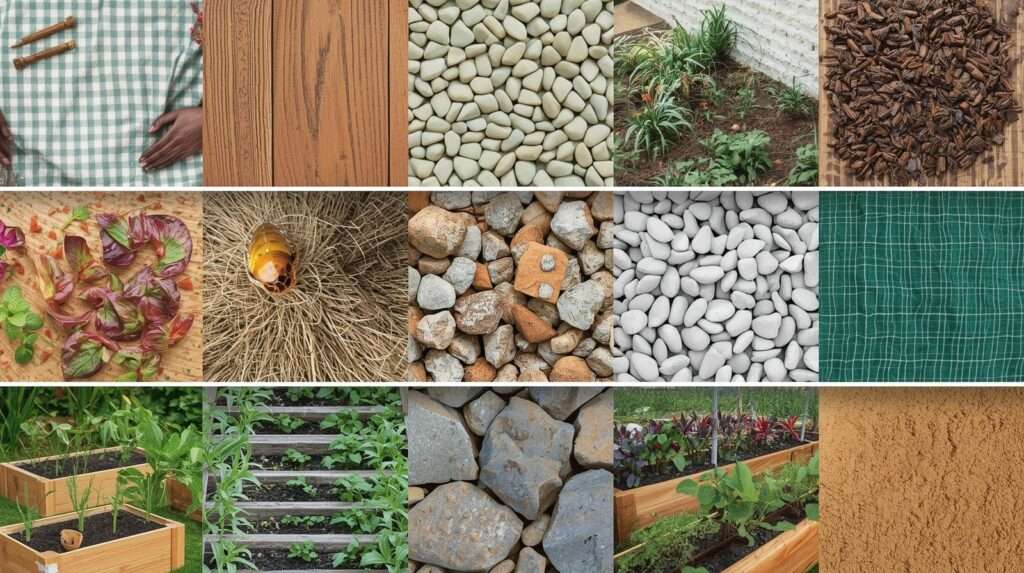
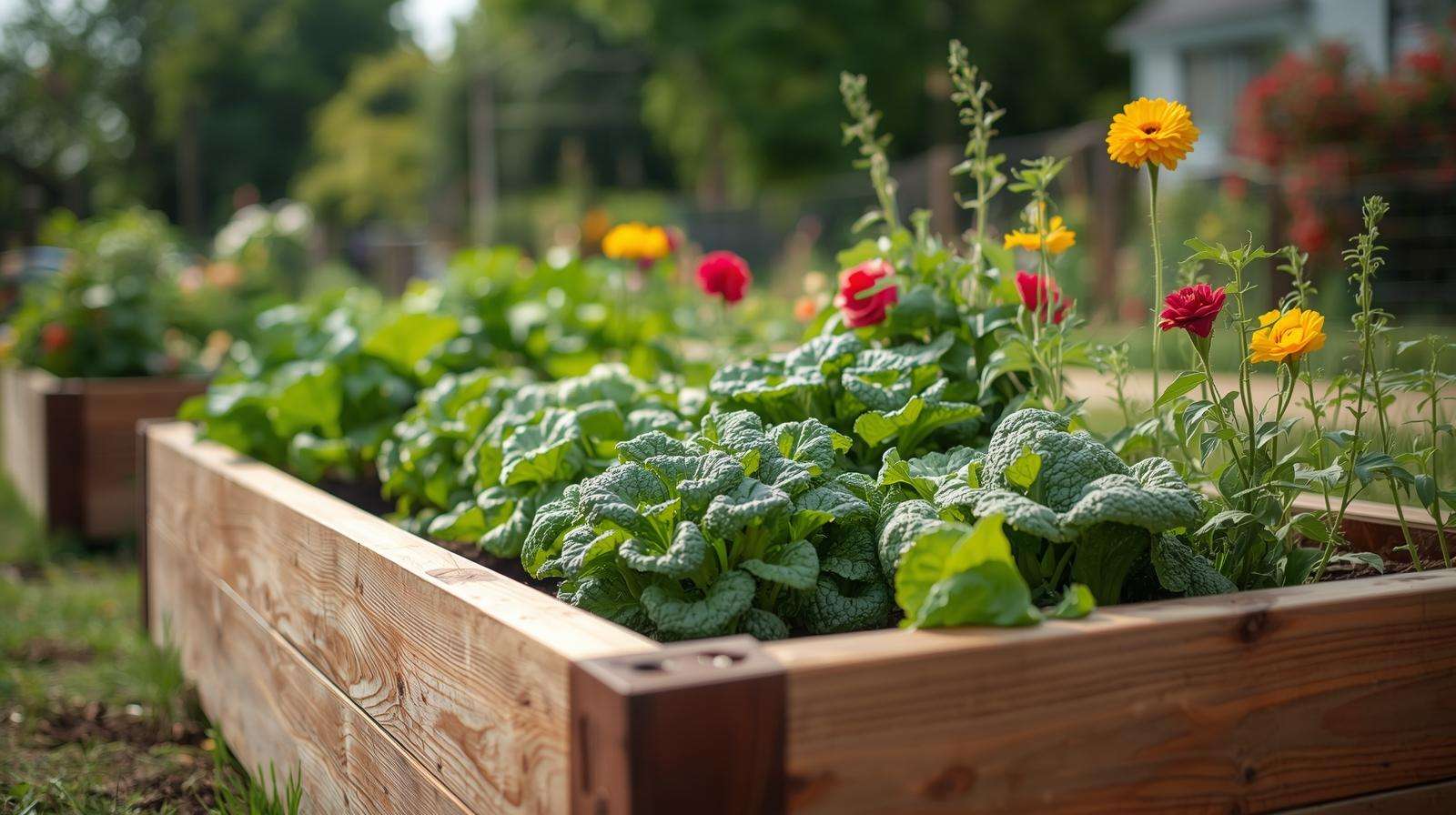
Raised beds are contained planting areas elevated above ground level, typically 6–18 inches high (or taller for accessibility). They’re framed with materials like untreated cedar, pine, metal, stone, concrete blocks, or even repurposed items, then filled with a custom soil blend of topsoil, compost, and amendments.
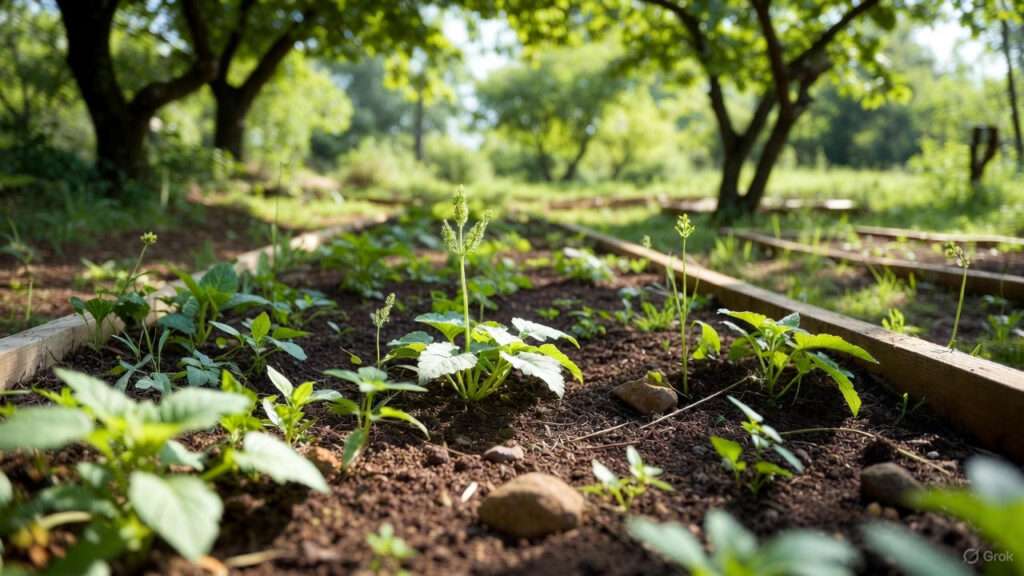
In-ground gardens, by contrast, involve planting directly into your existing native soil after tilling, amending, or using no-dig techniques like sheet mulching. This traditional row or block style relies on improving what’s already there rather than importing everything.
Quick comparison:
- Raised beds: Controlled environment, defined boundaries, custom soil.
- In-ground: Natural integration, unlimited expansion, uses on-site resources.
Many gardeners use hybrids, like mounded rows (slightly raised without frames) as a low-commitment middle ground for beginners testing the waters.
Key Factors to Consider as a Beginner
Your choice hinges on several practical realities new gardeners often overlook:
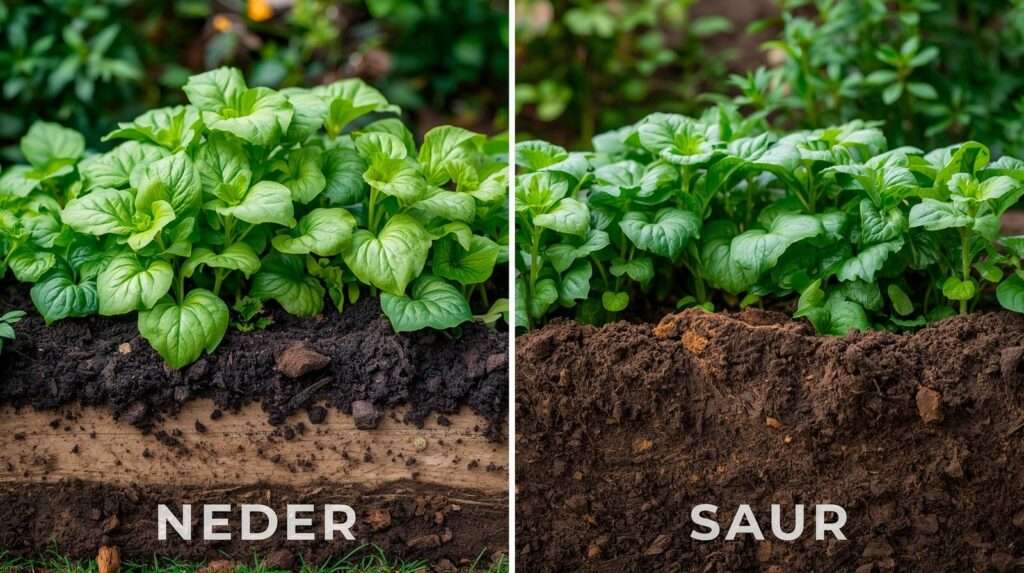
- Soil quality: Test your native soil (pH, nutrients, drainage, compaction). Poor soil is a top reason beginners fail in-ground.
- Space: Small yards or urban lots favor raised beds; larger properties suit in-ground expansion.
- Budget: In-ground starts cheaper but may require ongoing amendments; raised beds have higher upfront costs for materials and fill.
- Physical ability: Raised beds reduce bending/kneeling—ideal for back/knee issues or older gardeners.
- Climate: Wet areas benefit from raised drainage; dry climates favor in-ground moisture retention. Cooler zones appreciate raised beds’ faster soil warmup.
- Time commitment: Raised beds offer quicker setup and easier maintenance; in-ground may need more weeding/tilling initially.
- Goals: Quick veggie harvests? Experimentation? Long-term food production?
Assessing these upfront prevents regret and maximizes your first-season joy.
Advantages of Raised Beds for Beginners
Raised beds shine for first-timers because they solve many common pain points.
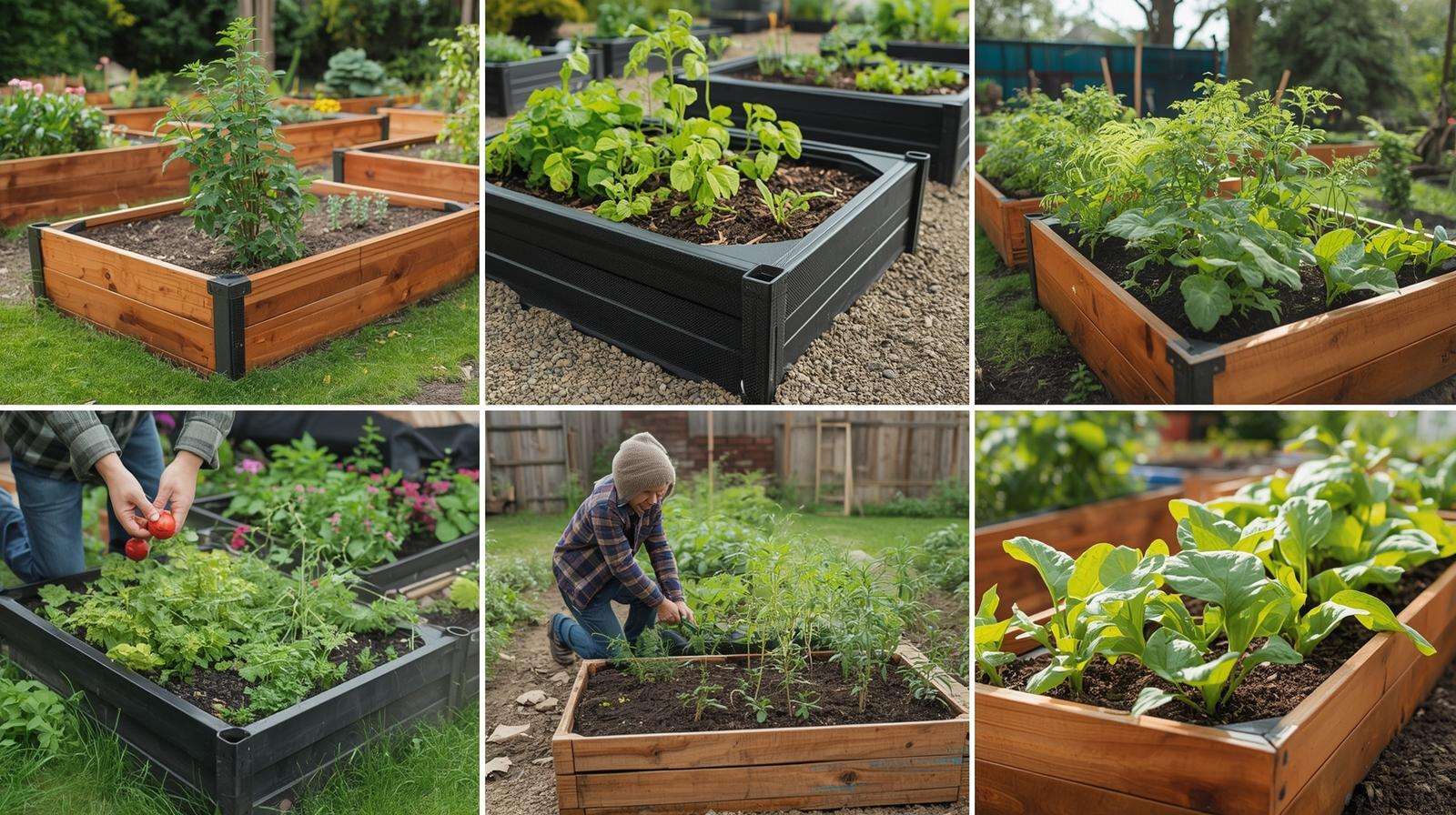
Superior Soil Control and Quality You start with ideal soil—no fighting compaction, clay, sand, or contaminants. A good mix (e.g., 1/3 topsoil, 1/3 compost, 1/3 aeration like perlite or vermiculite) promotes strong roots and healthier plants right away. University extensions like those from Iowa State and UNH highlight this as a major edge over variable native soil.
Easier Weed and Pest Management Fewer weeds invade from surrounding ground, especially with mulch on top. The barrier deters some crawling pests (slugs, cutworms), and defined paths keep feet off planting areas, reducing soil compaction.
Better Drainage and Warmer Soil Elevation improves drainage in rainy or poorly drained spots, preventing root rot. Soil warms faster in spring (often 2–4 weeks earlier), extending your growing season—crucial in cooler climates.
Reduced Physical Strain Higher beds mean less bending. At 12–18 inches, they’re ergonomic; wheelchair-accessible versions go to 30+ inches. Great for beginners with mobility limits or those gardening with kids.
Aesthetic Appeal and Organization Neat, contained look enhances yard beauty. Paths stay clean, and intensive planting (square-foot style) maximizes small spaces.
Extended Growing Season and Higher Yields Potential Warmer soil + better conditions often lead to faster growth and more produce per square foot through closer spacing.
Disadvantages of Raised Beds
They’re not perfect:
- Higher Upfront Cost — Materials (lumber, kits) plus soil/compost can run $100–500+ per bed, depending on size.
- Limited Root Depth — Standard 12-inch depth suits most veggies but restricts deep-rooted crops like long carrots or potatoes unless built taller.
- Faster Drying — Soil dries quicker, requiring more frequent watering (drip irrigation helps).
- Initial Building Effort — Assembly takes time, though kits simplify it.
Advantages of In-Ground Gardening for Beginners
In-ground appeals when simplicity and cost matter most.
Lower Cost and Simpler Setup Minimal materials—just tools, seeds, and amendments. Till a plot, add compost, and plant. Great for testing gardening without big investment.
Unlimited Space and Flexibility Easier to expand or reshape. Ideal for large yards, perennials, or sprawling crops like pumpkins.
Natural Root Growth No depth limits—deep taproots (carrots, parsnips) thrive. Plants access subsoil nutrients over time.
Better Water Retention Native soil (once improved) holds moisture longer, reducing watering needs in hot/dry weather.
Builds Long-Term Soil Health Organic practices like no-till, cover cropping, and composting create living soil ecosystems that improve yearly.
Disadvantages of In-Ground Gardens
These often challenge beginners:
- Poor Native Soil Issues — Heavy amendment or years needed if soil is compacted, nutrient-poor, or contaminated.
- More Weeds, Pests, and Compaction — Weeds encroach easily; foot traffic compacts soil, hurting roots.
- Harder Physical Work — Tilling, weeding, and harvesting involve more kneeling/bending.
- Slower Spring Warmup — Soil stays cooler longer, delaying planting.
- Higher Risk of Early Failure — Bad soil = stunted plants, discouraging new gardeners.
Head-to-Head Comparison
| Factor | Raised Beds | In-Ground Gardens | Winner for Beginners? |
|---|---|---|---|
| Initial Cost | Higher (materials + soil) | Lower | In-ground |
| Setup Time/Effort | Moderate (building) | Low to high (amending/tilling) | Raised (quicker wins) |
| Soil Control | Excellent | Variable | Raised |
| Weed Control | Better | More work | Raised |
| Drainage | Superior | Depends on site | Raised (wet areas) |
| Watering Frequency | More often | Less | In-ground (dry areas) |
| Physical Ease | Easier | More bending | Raised |
| Yield Potential | High (intensive) | High (with good soil) | Tie |
| Expansion | Limited by frames | Unlimited | In-ground |
Which Should Beginners Choose? Decision Guide
Raised Beds Are the Clear Winner for Most First-Timers If:
- Your soil is poor, rocky, or unknown.
- You have limited/small space.
- You want quicker results with less frustration.
- Physical ease or mobility matters.
- You’re in a wet climate or want earlier planting.
Many extension services and experienced gardeners recommend raised beds for beginners because they provide control and reduce variables that cause early failures.
In-Ground Makes More Sense If:
- You have naturally good/loamy soil.
- Budget is tight and yard is large.
- You plan long-term/permanent gardening.
- You’re patient with soil building.
Hybrid Approach: Start with 1–2 small raised beds for easy veggies (lettuce, radishes), experiment in-ground for potatoes or perennials. Many gardeners evolve this way.
Use this quick decision tree:
- Poor drainage or heavy clay? → Raised beds
- Excellent native soil + large space? → In-ground
- Small yard + want quick success? → Raised beds
How to Start a Raised Bed Garden as a Beginner
- Choose Location — Full sun (6–8+ hours), level ground, near water.
- Size Recommendations — 4×8 ft is classic (easy reach from sides); 12–18 inches deep.
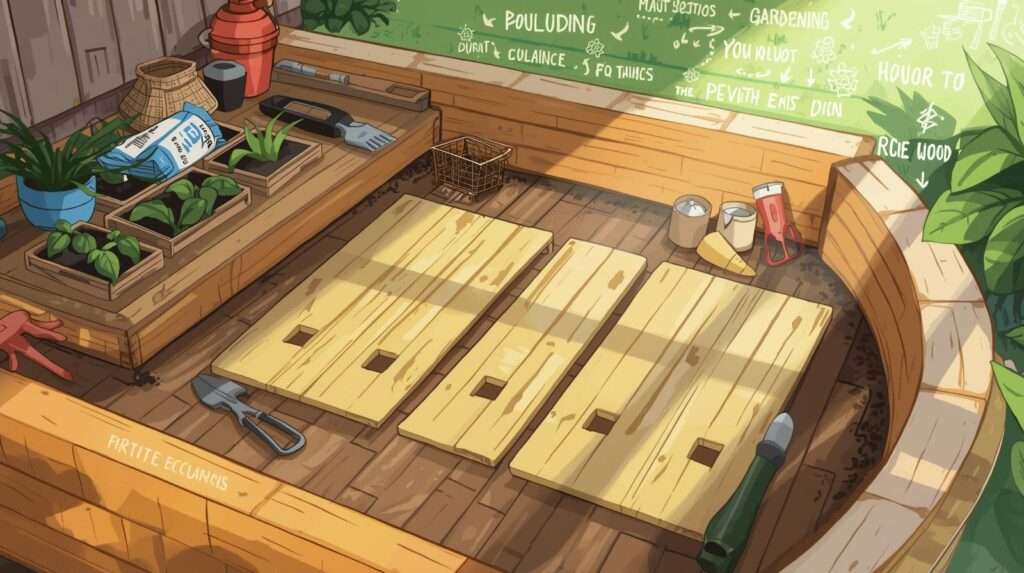
- Materials — Untreated cedar (durable, ~$100–200), metal kits, or cinder blocks.
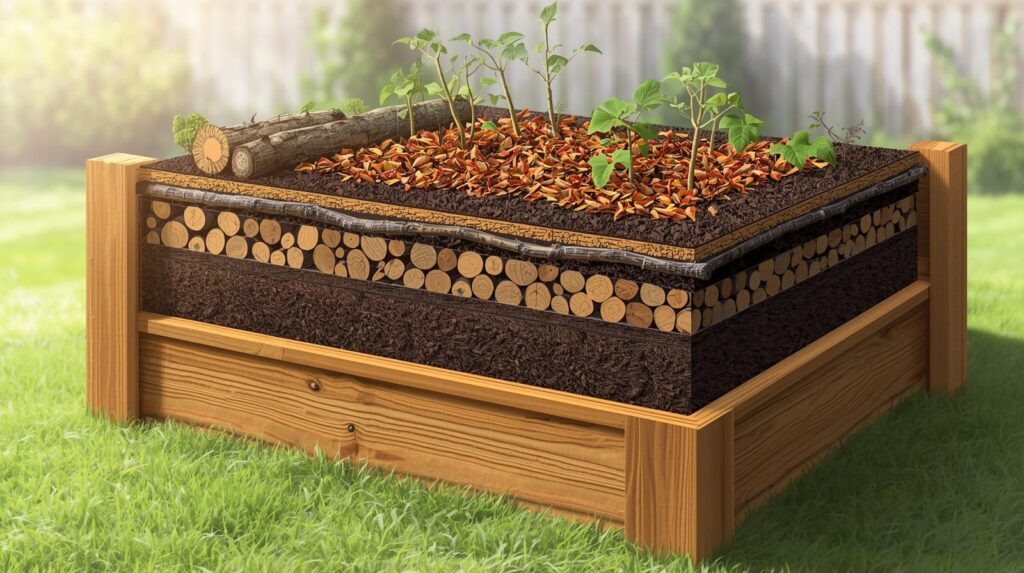
- Soil Mix — “Mel’s Mix” (1/3 compost, 1/3 peat/vermiculite, 1/3 blended compost) or local adaptations. Aim for 10–12 cubic feet per 4×8 bed.
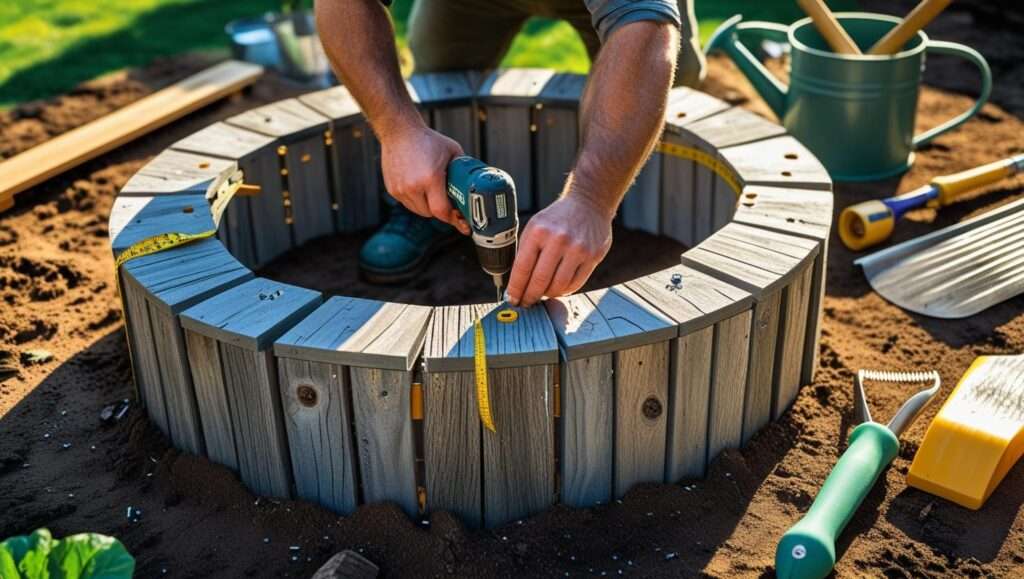
- Build Steps — Level site, assemble frame, line bottom (optional cardboard for weeds), fill, water/settle.
- Budget Tips — Use free/cheap fill (municipal compost), repurpose wood.
How to Start an In-Ground Garden as a Beginner
- Test Soil — pH/nutrients (kits or lab).
- Amend — Add 2–4 inches compost; consider no-dig (layer cardboard, mulch, compost).
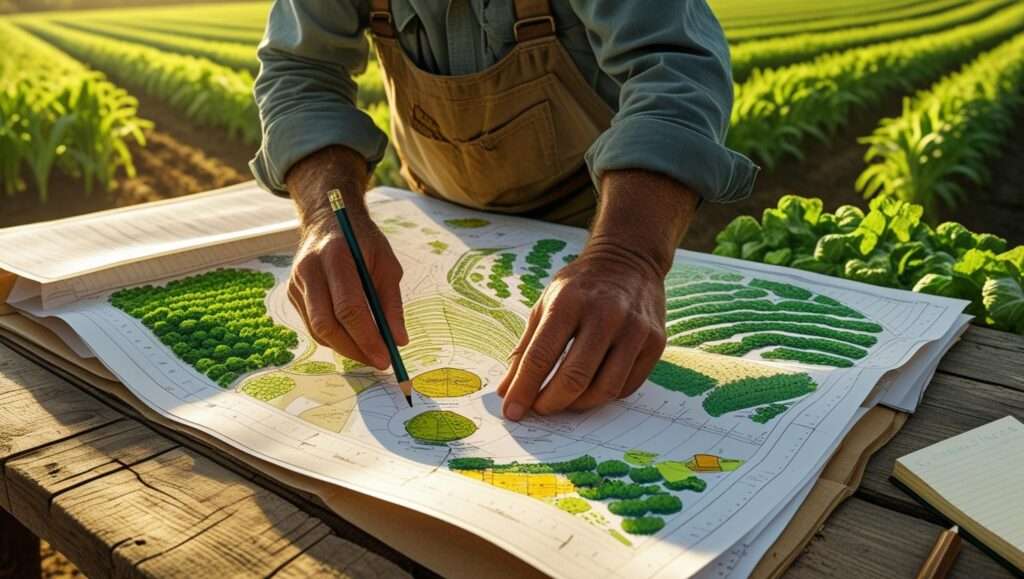
- Layout — Rows or blocks; space for paths.
- Tilling Alternatives — Broadfork or sheet mulching to avoid disrupting soil life.
- Planting — Start small (100–200 sq ft).
Beginner Tips for Success in Either Method
- Easy First Crops — Radishes (quick), lettuce, zucchini, beans, tomatoes (stakes/cages).
- Watering/Mulching — Consistent moisture; 2–3 inches organic mulch suppresses weeds, retains water.
- Common Mistakes — Overcrowding, ignoring pH (aim 6.0–7.0), skipping hardening off seedlings.
- Seasonal Checklist — Spring: Prepare/plant cool crops; Summer: Water/feed; Fall: Clean, cover crop.
Real-Life Examples
A beginner in poor urban soil built two 4×4 raised beds, filled with quality mix, and harvested salads by week 6—boosting confidence. Another tried in-ground on compacted lawn, faced weeds and stunted growth, then switched to raised and doubled yield next season.
Frequently Asked Questions
How deep should raised beds be? 12 inches for most veggies; 18–24 for roots.
Can I convert in-ground to raised later? Yes—build over existing soil (saves fill).
Are raised beds worth the cost? For beginners with challenges—often yes, due to higher success rate.
What if soil is rocky? Raised beds bypass it completely.
Best crops for each? Raised: Greens, herbs, peppers. In-ground: Potatoes, carrots, squash.
Conclusion
Raised beds vs in-ground boils down to control vs cost and simplicity. For most beginners, raised beds provide the edge—better soil, easier maintenance, fewer frustrations, and faster rewards—helping you fall in love with gardening instead of fighting it.
Assess your soil, space, and energy today. Start small, learn as you grow, and remember: The best garden is the one you actually tend. Your first harvest awaits.