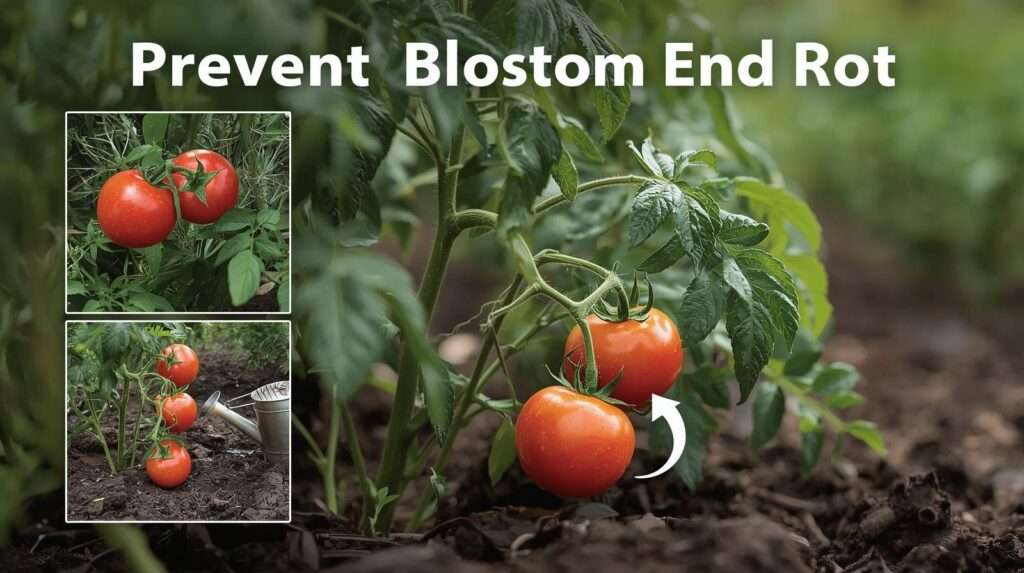
Imagine stepping into your garden, excited to harvest your first cluster of ripe, homegrown tomatoes—only to discover dark, sunken, leathery spots marring the blossom end of the fruit. This frustrating sight, known as blossom end rot, ruins otherwise perfect tomatoes and can wipe out a significant portion of your crop. If you’ve ever dealt with this issue, you’re not alone: it’s one of the most common problems tomato growers face worldwide, often striking suddenly and affecting up to 50% of fruits in severe cases.
Blossom end rot (BER) isn’t a disease caused by fungi, bacteria, or viruses—it’s a physiological disorder triggered primarily by inconsistent soil moisture that disrupts calcium transport to developing fruits. The focus keyword here is resist blossom end rot, and the good news is that you can effectively resist it through proactive, science-backed strategies. University extension services like Oregon State, Michigan State, Wisconsin Horticulture, and others emphasize that prevention is far more effective than any attempted cure, as affected fruits cannot recover once symptoms appear.
In this comprehensive guide, we’ll dive deep into the causes, debunk common myths, and provide step-by-step prevention methods drawn from horticultural research and real-world grower experiences. Whether you’re a backyard gardener in a humid climate like Bangladesh or growing in containers, these proven tips—centered on consistent watering, soil optimization, variety selection, and balanced nutrition—will help you enjoy abundant, blemish-free tomatoes this season and beyond.
Understanding the Root Cause – It’s Not Always Low Calcium in Soil
Blossom end rot develops when young, rapidly expanding tomato fruits don’t receive enough calcium to build strong cell walls at the blossom (bottom) end. This leads to cell death, resulting in the characteristic brown to black, sunken lesions that may later dry and crack.
Calcium is vital for plant cell structure, acting like mortar that holds cells together. However, unlike other nutrients, calcium is immobile once deposited in plant tissues—it moves primarily through the xylem via water flow driven by transpiration (water evaporation from leaves). Fruits transpire far less than leaves, so they rely on steady, uninterrupted water supply to pull calcium upward.
The primary trigger is fluctuations in soil moisture. Drought stress reduces water uptake, starving fruits of calcium. Sudden heavy watering after dry periods can cause rapid fruit growth that outpaces calcium delivery. Other contributing factors include:
- Low soil calcium availability (especially in acidic soils with pH below 6.5).
- Excess salts, high ammonium nitrogen, potassium, or magnesium, which compete with calcium uptake.
- Root damage from over-cultivation, nematodes, diseases, or cold/wet soils.
- Environmental stresses like high humidity (reducing transpiration) or extreme heat combined with wind.
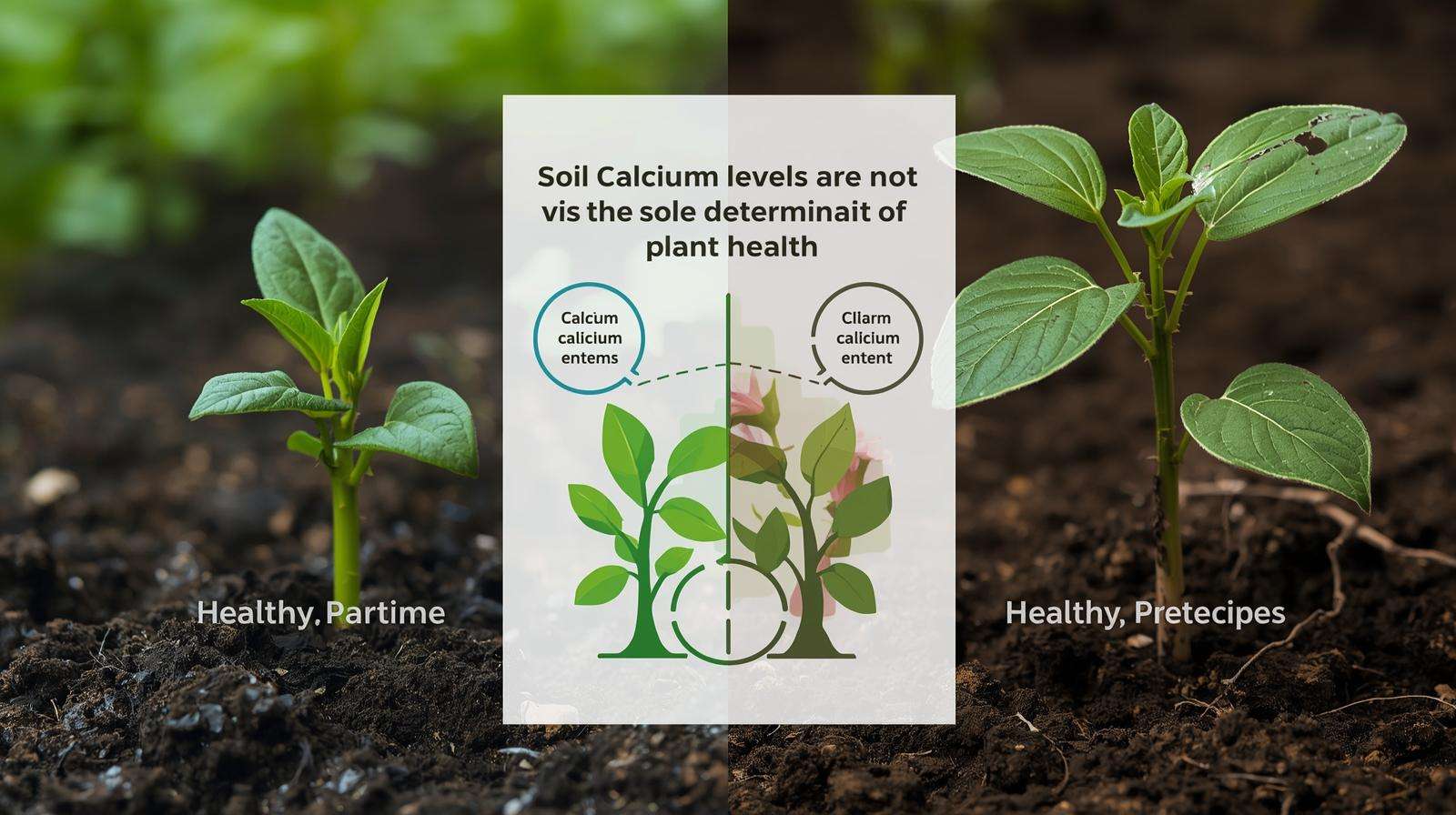
Scientific studies highlight that BER often occurs even when soil calcium levels are adequate—it’s the disruption in uptake and transport that’s key. For instance, research shows calcium homeostasis involves reactive oxygen species (ROS) and cell wall integrity, but moisture stress is the dominant real-world factor.
Why Larger or Elongated Fruits Are More Vulnerable
Paste and plum tomatoes (e.g., Roma, San Marzano) are particularly prone because their elongated shape and rapid early growth demand high calcium delivery to the distant blossom end. Cherry tomatoes, with smaller, rounder fruits, rarely show BER due to shorter transport distances and lower growth rates.
Common Myths Debunked
- Myth: Always add calcium spray. Foliar calcium applications offer limited help once BER starts, as calcium doesn’t translocate well from leaves to fruits. They’re a temporary aid at best.
- Myth: Eggshells alone fix it instantly. Crushed eggshells provide slow-release calcium but take months to break down—great for long-term soil health, not quick fixes.
Step-by-Step Prevention Strategies: How to Resist Blossom End Rot Effectively
The cornerstone of resisting blossom end rot is maintaining even soil moisture while ensuring optimal calcium availability and plant health. Here’s how to implement these strategies.
1. Master Consistent Watering – The #1 Way to Resist Blossom End Rot
Inconsistent watering tops the list of causes according to nearly every university extension (e.g., MSU, OSU, UGA). Aim for 1-2 inches of water per week, delivered deeply and infrequently to encourage strong roots.
- Water at the base using drip irrigation or soaker hoses to avoid wetting foliage (reduces disease risk).
- Avoid overhead sprinklers, which can promote fungal issues and uneven moisture.
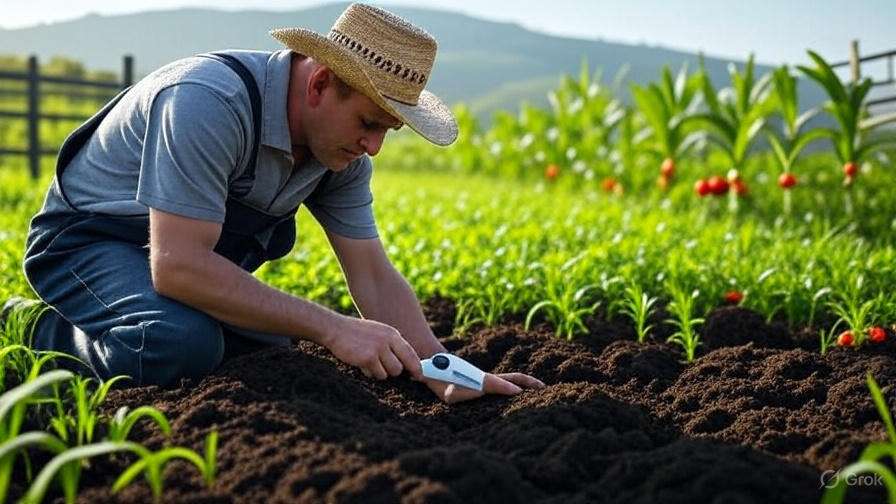
- Check soil daily: It should feel moist 4-6 inches down but not soggy. Use a moisture meter for precision.
- In containers (more prone to drying out), water daily during hot weather—pots lose moisture faster.
- Mulch heavily after soil warms (mid-June in many regions) with organic materials like straw or wood chips to retain moisture, moderate temperature, and suppress weeds.
Pro tip: Install a simple timer on drip lines for automation, especially during travel or hot spells.
2. Optimize Soil Health and Calcium Availability
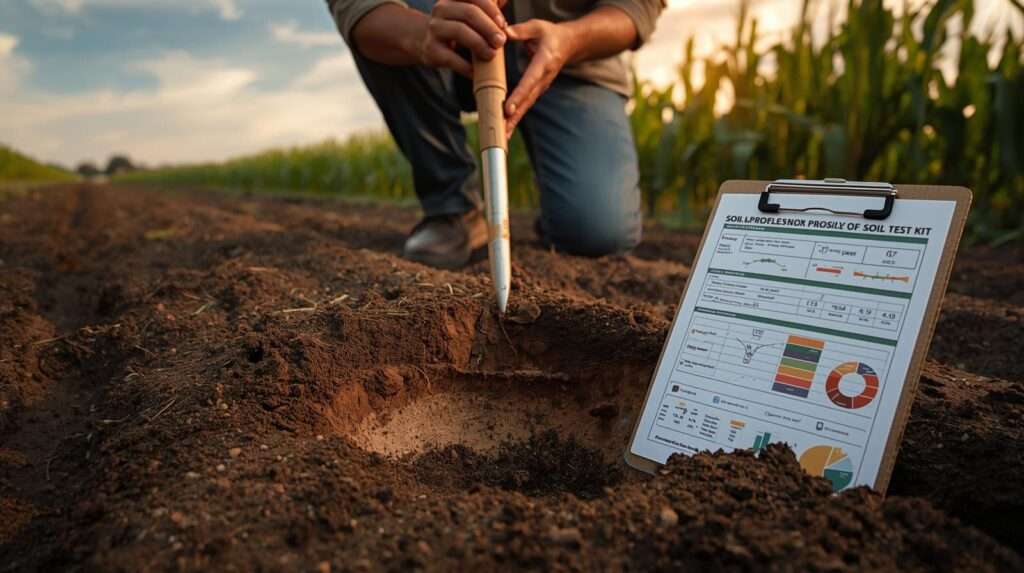
Start with a soil test—don’t guess! Most garden centers or extension services offer affordable testing.
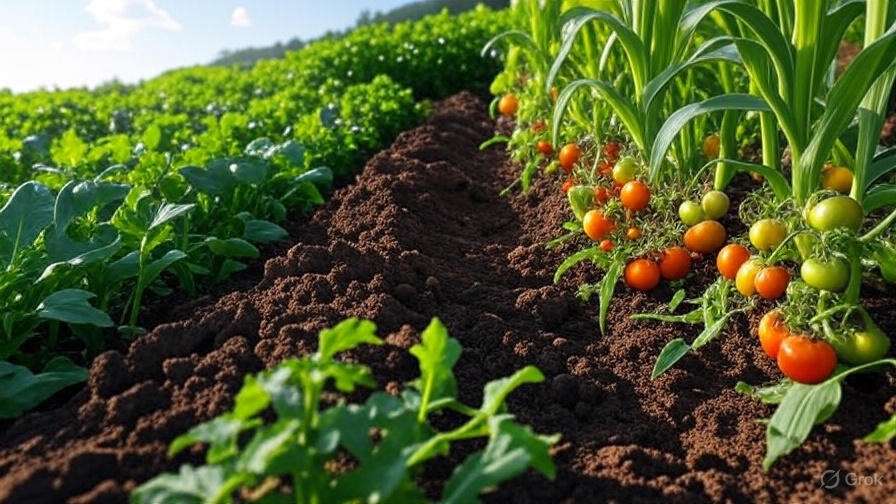
- Get a Soil Test First – Don’t Guess Target pH 6.5-7.0 for best calcium availability. If low, apply dolomitic lime (adds calcium and magnesium) or high-calcium lime months ahead—fall is ideal. For calcium without pH change, use gypsum (1-2 lbs per 100 sq ft).
- Incorporate Organic Matter and Mulch Add compost or well-rotted manure to improve water-holding capacity and drainage. Organic mulches stabilize moisture and add nutrients slowly.
- Balanced Fertilization – Avoid Excess Nitrogen Use low-nitrogen, tomato-specific fertilizers (e.g., 4-12-4 or similar) with nitrate forms over ammonium. Over-fertilizing with nitrogen promotes leafy growth that diverts calcium from fruits. Follow soil test recommendations—avoid high-potassium or magnesium excesses.
3. Choose Resistant Tomato Varieties
No variety is 100% immune, but some show significantly lower susceptibility based on grower reports, seed catalogs, and extension observations.
- Indeterminate slicers: Celebrity, Better Boy, Early Girl (drought-tolerant, reliable).
- Others: Mountain Fresh Plus, Druzba, Magnus, Manalucie, Lemon Boy, Jet Star, Mountain Pride.
- Cherry types: Rarely affected—opt for Sungold, Supersweet 100, or Juliet if BER persists.
- Avoid high-risk: Many paste types like Roma or San Marzano unless specifically bred resistant (e.g., Saucey, Rio Grande, or some hybrids like Granadero).
In regions with variable weather, hybrids like Celebrity or Early Girl often outperform heirlooms.
4. Additional Cultural Practices and Quick Fixes
- Plant in warm soil (after last frost) to avoid cold stress.
- Promptly remove affected fruits to redirect plant energy.
- As a preventive boost, apply foliar calcium sprays (e.g., calcium nitrate) weekly starting at bloom—but prioritize soil/water management.
- Home remedies: Incorporate bone meal or crushed eggshells at planting for gradual calcium; use antacid tablets like Tums in emergencies (dissolve in water for spot application).
What to Do If Blossom End Rot Appears
Remove damaged fruits immediately to prevent energy waste and secondary issues. Adjust watering urgently—mulch if dry, improve drainage if wet. Monitor new fruits closely; most growers see improvement within a week or two after fixes. Remember, no retroactive cure exists—focus on prevention for the rest of the season.
Real-World Examples and Expert Insights
In container gardens, fluctuating moisture often hits hard—growers report near-total prevention with daily checks and mulch. In rainy seasons, raised beds with good drainage help. Extension experts from OSU and UGA stress soil testing and even watering as game-changers. In humid tropical areas like Narayanganj, drip irrigation combined with heavy mulching stabilizes conditions effectively.
Real-World Examples and Expert Insights
In hot, humid climates like Narayanganj and much of the Dhaka Division, where heavy monsoon rains alternate with dry, scorching spells, blossom end rot often spikes during the transition periods. Local gardeners frequently report that inconsistent watering during early fruit set—especially in April–May and September–October—is the biggest culprit. One common success story comes from small-scale growers who switched to raised beds with heavy straw mulching and drip irrigation lines: they reduced BER incidence from 30–40% down to near zero in subsequent seasons. The key was never letting the top 2–3 inches of soil dry out completely, even during short dry spells.
In contrast, container gardeners in urban areas face amplified challenges due to smaller root zones and faster moisture fluctuations. A practical fix shared by many experienced growers is using self-watering pots or placing pots in saucers with ½ inch of water during peak heat, combined with 2–3 inches of organic mulch on top. This combination has helped many resist blossom end rot even in 35–38°C temperatures with high humidity.
Extension services provide consistent guidance that reinforces these observations:
- Oregon State University Extension stresses that “even soil moisture is more important than total calcium levels in most cases.”
- University of Georgia Cooperative Extension notes that varieties with vigorous root systems (like many modern hybrids) tolerate moisture stress better.
- Wisconsin Horticulture and Penn State Extension both highlight the value of mulching and avoiding ammonium-based fertilizers in preventing uptake competition.
These insights come from decades of field trials and diagnostic lab data, giving gardeners confidence that the strategies outlined here are not guesswork but evidence-based horticultural best practices.
Blossom End Rot FAQs
Here are answers to the most frequently asked questions from tomato growers dealing with blossom end rot:
Is blossom end rot contagious? Can it spread to other plants? No, blossom end rot is not contagious. It is a physiological disorder caused by environmental and cultural factors, not by any pathogen. It won’t spread from one plant to another or infect healthy fruit on the same plant.
Can I still eat tomatoes that have blossom end rot? Yes, the fruit is perfectly safe to eat. Simply cut away the affected brown or black area—the rest of the tomato is edible and nutritious. The disorder affects only the appearance and texture of the blossom-end tissue.
Do foliar calcium sprays really work to resist blossom end rot? Foliar sprays (calcium nitrate, calcium chloride, or commercial products) provide only limited benefit once symptoms appear, because calcium moves poorly from leaves to fruit. However, applying them preventively—starting when the first flowers open and continuing weekly—can serve as an insurance policy during periods of moisture stress. They are most helpful in soils confirmed low in available calcium.
Why do my paste/plum tomatoes get blossom end rot more often than cherry or round slicing types? Paste and plum varieties develop longer, more elongated fruits with a higher demand for calcium at the distant blossom end during rapid early expansion. The transport distance is greater, making them more sensitive to even brief moisture interruptions. Cherry tomatoes, with their small size and round shape, require far less calcium delivery to the blossom end and are rarely affected.
How soon after fixing my watering and soil issues will I see new fruits without blossom end rot? Most gardeners notice a dramatic improvement within 7–14 days. Fruits that were already small when the problem occurred may still show symptoms, but any fruit that sets and begins expanding after you stabilize moisture and nutrition usually develops normally.
Will adding crushed eggshells or bone meal stop blossom end rot right away? No—these are slow-release calcium sources that improve long-term soil health but do not provide immediate correction during an active outbreak. They are excellent to incorporate at planting time or in fall soil preparation, but rely on consistent watering as your primary defense during the growing season.
Does high humidity make blossom end rot worse? Yes, especially in tropical and subtropical regions. High relative humidity reduces leaf transpiration, slowing the movement of water (and therefore calcium) through the xylem to the fruit. This is why consistent soil moisture becomes even more critical in humid climates.
Can overwatering cause blossom end rot? Indirectly, yes. Constantly waterlogged soil damages roots, reducing their ability to take up calcium and other nutrients. Poor drainage also promotes root rot pathogens that further impair uptake. The goal is even moisture—never bone-dry and never saturated.
Conclusion
Resisting blossom end rot in tomatoes comes down to three foundational pillars: relentless consistency in soil moisture, proactive soil and nutrient management, and smart variety selection. By prioritizing deep, regular watering (ideally via drip systems or soaker hoses), mulching generously, starting with a soil test to guide amendments, avoiding excess nitrogen, and choosing more tolerant varieties like Celebrity, Early Girl, or cherry types, you can dramatically reduce—or completely eliminate—this frustrating disorder.
The difference between a season of spotted, unusable fruit and one filled with perfect, heavy clusters often comes down to small, daily habits: checking soil moisture every morning, watering before it dries out, and removing any early-damaged fruit promptly. These steps, backed by decades of university research and thousands of successful home gardeners, work reliably even in challenging climates like Bangladesh.
This season, put these proven prevention tips into action. Test your soil if you haven’t already, set up a simple watering routine, and consider planting at least a few resistant varieties as insurance. Your tomato harvest—and your peace of mind—will thank you.