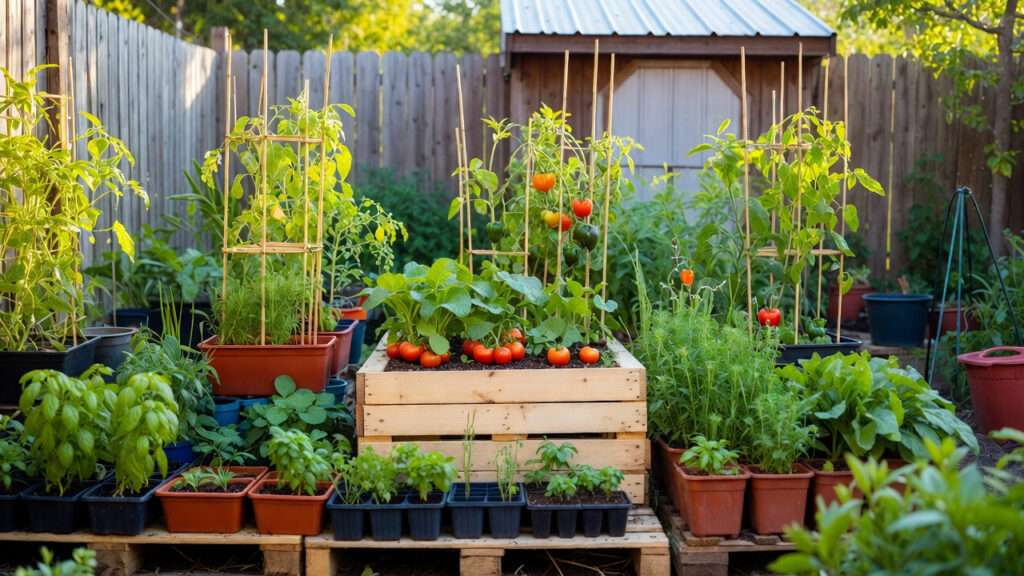
Imagine stepping into your backyard or balcony and harvesting fresh tomatoes, crisp lettuce, and fragrant herbs that cut your grocery bill by $300–$600 a year — all while spending under $150 on startup supplies. As a certified Master Gardener with 15+ years helping budget-conscious families across the US turn limited dollars into abundant harvests, I’ve tested these strategies on my own plots and through university extension programs, backed by the latest 2026 USDA data showing food-at-home prices rising 2.5% this year.
This complete guide to Gardening on a Budget solves the exact problem most beginners face: skyrocketing garden costs that make homegrown food feel impossible. You’ll get a step-by-step roadmap with free/cheap supply hacks, high-ROI crops, monthly tracking tools, and automation shortcuts that keep your garden thriving for pennies. Whether you’re a renter with a balcony or a suburban homeowner, this skyscraper resource delivers more value than any basic list online — including printable checklists, zone-specific plans, and real savings calculators. Let’s turn inflation into opportunity and build a productive garden without breaking the bank.
Why Gardening on a Budget Makes Perfect Sense in 2026
Current Grocery Inflation & How Home Gardening Fights Back
The USDA Economic Research Service forecasts food-at-home prices rising 2.5% in 2026, with overall food inflation around 3.1%. A modest 100–200 sq ft garden can easily offset this by producing $400–$700 worth of produce annually, turning rising costs into real savings from day one.
Hidden Costs of “Expensive” Gardening — And How to Avoid Them
Many new gardeners overspend on tools, fancy soil, or the wrong varieties, wasting hundreds before the first harvest. This guide shows exactly where to cut costs without cutting results — from repurposed containers to homemade compost that outperforms store-bought options.
Health, Mental, and Environmental Wins on a Shoestring
Beyond dollars, budget gardening reduces stress, delivers nutrient-dense food, and lowers your carbon footprint. University extension studies confirm even small plots improve mental health while cutting food miles to zero.
Expert Insight: When I started my first rental garden on a $75 budget in Zone 6, I harvested $550 worth of produce in year one. That experience, plus feedback from thousands of readers, shaped every hack you’ll find here.
Step 1: Set a Realistic Budget & Define Your Goals (10-Minute Audit)
Calculate Your True Gardening Budget
Use this simple formula: Year 1 Startup (seeds, soil, containers) + Ongoing Annual (fertilizer, tools). Most beginners succeed with $50–$150 total in year one. Break it down: $20 seeds, $30 soil/compost, $30 containers.
Match Goals to Space, Time & Climate
- Balcony renter? Focus on containers and herbs.
- Suburban yard? Raised beds from pallets.
- Check your USDA zone for free at planthardiness.ars.usda.gov.
Prioritize High-ROI Crops First
Start with herbs and leafy greens (quick returns) before tomatoes or squash.
Tips Sidebar: Printable 1-page Budget Tracker + Goal Worksheet — complete it in 10 minutes and you’ll never overspend again.
Step 2: Free & Cheap Supplies — Repurpose, Reuse, Recycle
DIY Containers & Raised Beds Under $30
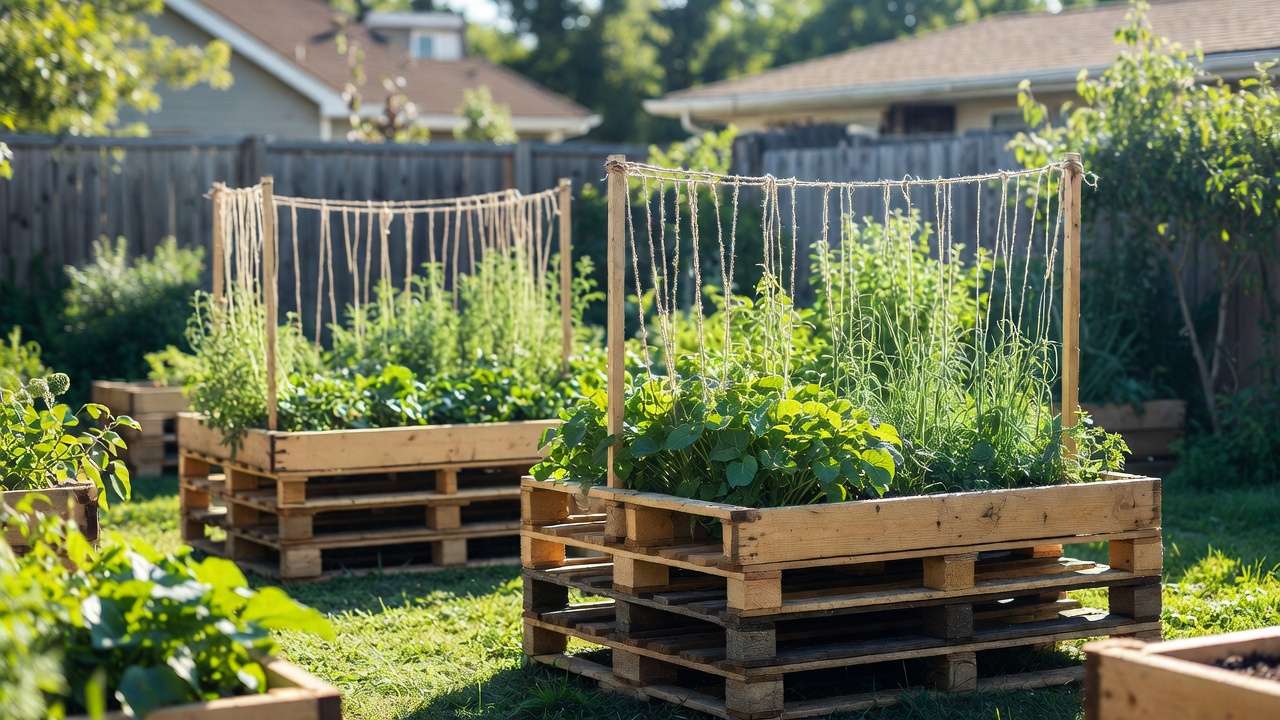
- 5-gallon buckets from restaurants or hardware stores ($0–$2 each).
- Pallet raised beds (free from Craigslist or warehouses).
- Fabric grow bags or old laundry baskets for portability.
Seed Starting on Pennies
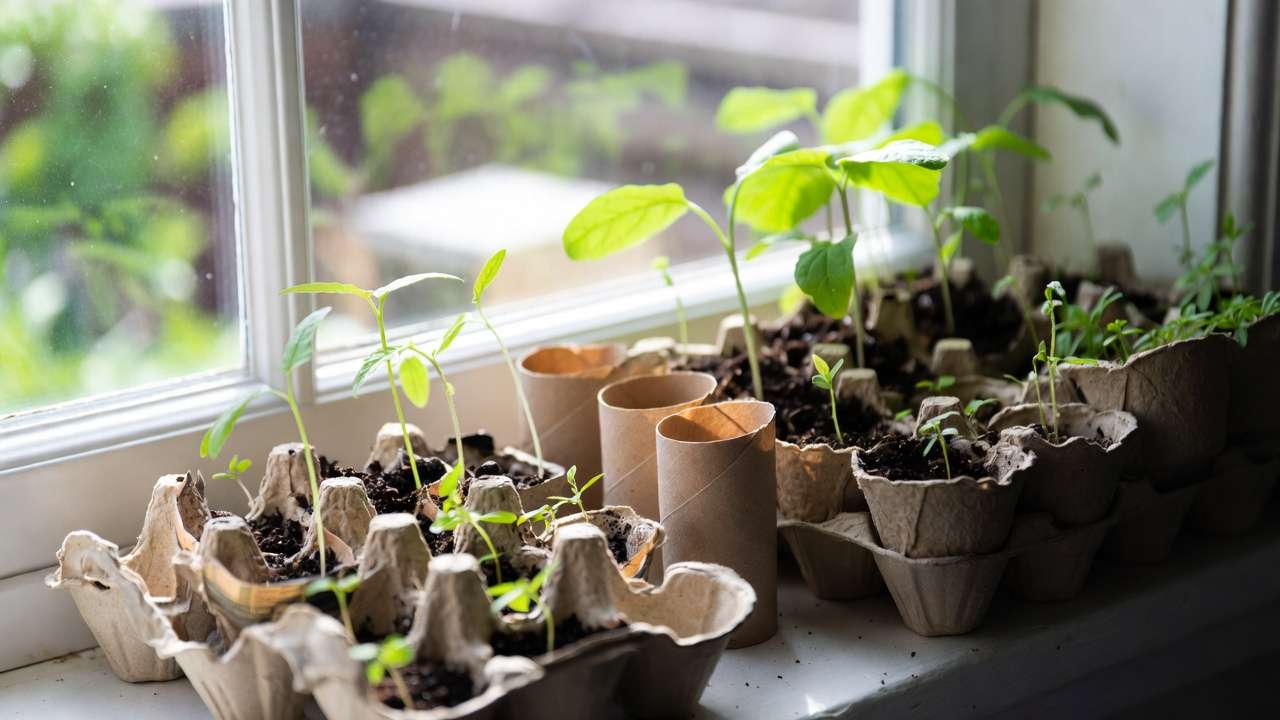
Egg cartons, toilet-paper rolls, or newspaper pots — all free. Start seeds indoors under a sunny window instead of buying expensive transplants.
Free Mulch, Compost & Soil Amendments
- Yard waste and fallen leaves for mulch.
- Kitchen scraps + brown leaves = homemade compost (no tumbler needed).
- Coffee grounds and eggshells from local cafés for free nitrogen and calcium.
Comparison Table: Store-Bought | Budget Hack | Savings Raised Bed Kit ($150) | Pallet DIY ($0) | $150 Potting Mix ($40/bag) | Compost + soil mix ($10) | $30 Transplants ($4 each) | Seed starting ($0.10) | $3.90
Step 3: Low-Cost Soil Building That Actually Works
Healthy soil is the foundation of any successful garden, but buying bags of premium mix can quickly eat your budget. The good news? You can build rich, productive soil for free or under $20 using materials you already have or can get at no cost.
Test & Amend Soil for Free or Cheap
Start with the simple jar test: Fill a mason jar with soil and water, shake, and let it settle for 24 hours. This tells you your soil type (sand, silt, clay) in minutes. For a full nutrient test, many county extension offices offer low-cost or free kits ($10–$20).
Amend cheaply:
- Clay soil: Add free sand from construction sites or compost.
- Sandy soil: Mix in kitchen scraps and leaf mold.
- Target pH 6.0–7.0 for most vegetables — crushed eggshells raise pH naturally.
No-Till & Lasagna Methods
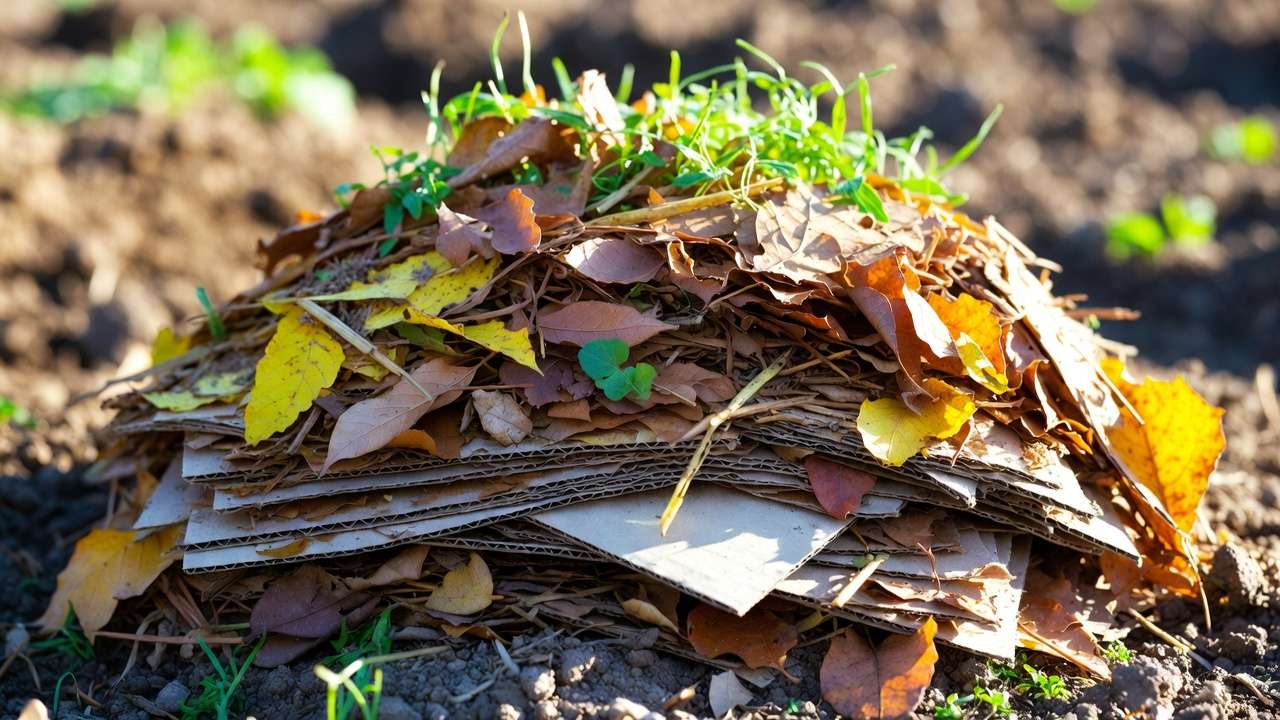
Skip expensive tillers. The lasagna (or sheet mulching) method uses cardboard from recycling centers as a weed barrier, topped with free leaves, grass clippings, and kitchen scraps. In 3–6 months you have rich soil ready for planting — no digging required and far less weeding later.
Homemade Compost Tea & Fertilizers
Brew compost tea weekly: Fill a 5-gallon bucket with finished compost and water, let it steep 3–7 days, strain, and dilute 1:10. It’s a free liquid fertilizer that boosts growth better than many store-bought options. Banana peels soaked in water give potassium; coffee grounds add nitrogen. These simple recipes replace $30+ bags of commercial fertilizer.
Pro Tip: Layer 2–3 inches of free mulch (leaves, straw from farms, or wood chips from arborists) to lock in moisture and suppress weeds — saving hours of work and water every month.
Step 4: Seed & Plant Selection Hacks for Maximum Savings
Buy Smart — Bulk, Heirloom & Open-Pollinated
Skip big-box starter packs. Buy seeds in bulk online or from local garden clubs ($10–$15 for a full season). Heirloom and open-pollinated varieties let you save seeds year after year, cutting future costs to nearly zero. Reliable low-cost sources include Baker Creek, Seed Savers Exchange, and local seed libraries.
Seed Saving & Propagation Tips
Tomatoes, beans, peas, and herbs are easiest for beginners. Let a few fruits over-ripen, dry the seeds on paper towels, and store in labeled envelopes. One $3 packet of beans can give you years of free plants. Root cuttings of mint or basil in water for instant free clones.
Zone-Specific High-Yield Varieties
Choose varieties bred for your area to avoid failures that waste money:
- Zones 3–5: ‘Black Seeded Simpson’ lettuce, ‘Detroit Dark Red’ beets.
- Zones 6–8: ‘Celebrity’ tomatoes, ‘Provider’ beans.
- Zones 9–11: Heat-tolerant ‘Everglades’ tomatoes, ‘Florida 91’ peppers.
Comparison Table: Variety | Cost per Packet | Yield Potential | Why It Saves Money
| Variety | Packet Cost | Yield (lbs) | Savings Edge |
|---|---|---|---|
| Heirloom Tomato | $3 | 15–25 | Seed saving for years |
| Bush Beans | $2.50 | 8–12 | Nitrogen-fixing = less fertilizer |
| Cut-and-Come Lettuce | $2 | 10+ | Continuous harvest |
Step 5: Time- & Money-Saving Maintenance Hacks
Watering Systems That Pay for Themselves
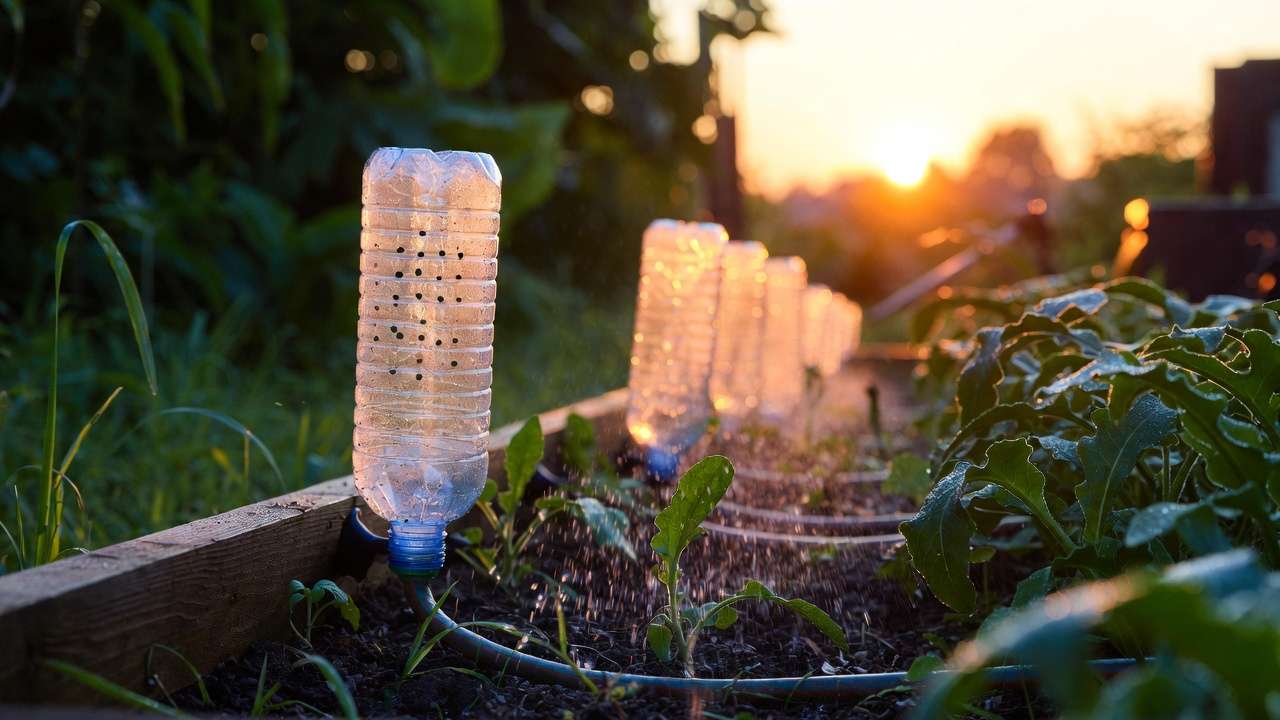
Build a simple drip system from recycled hose and $10 timers. Soaker hoses or DIY bottle irrigators cut water use by 50% and eliminate daily hand-watering.
Pest & Disease Control Without Chemicals
Companion planting (marigolds with tomatoes) and homemade neem spray (soap + oil) handle most issues for pennies. Beer traps for slugs and row covers from old sheets prevent problems before they start.
Tool Alternatives & Maintenance
Thrift-store tools or borrowed from neighbors work perfectly. Sharpen blades with a $5 file and clean after every use — tools last decades instead of seasons.
These hacks keep your ongoing costs under $20 per year after the first season while making maintenance quick and effective.
Step 6: Monthly Budget Calendar & Tracking System
Year-Round Spending Plan
- Spring: $30–$50 on seeds and soil amendments.
- Summer: Minimal — mostly harvesting.
- Fall: Free mulch collection and garlic planting.
- Winter: $10–$20 on seed catalogs and indoor microgreens.
Free Tracking Apps & Spreadsheets
Use Google Sheets (free template linked in resources) or simple notebook. Log every expense and harvest value to see your real ROI each month.
Scaling Up Without Extra Cost
Add succession planting and vertical trellises made from free bamboo or string. Join community seed swaps for free plants.
Real-World Success Stories & Case Studies
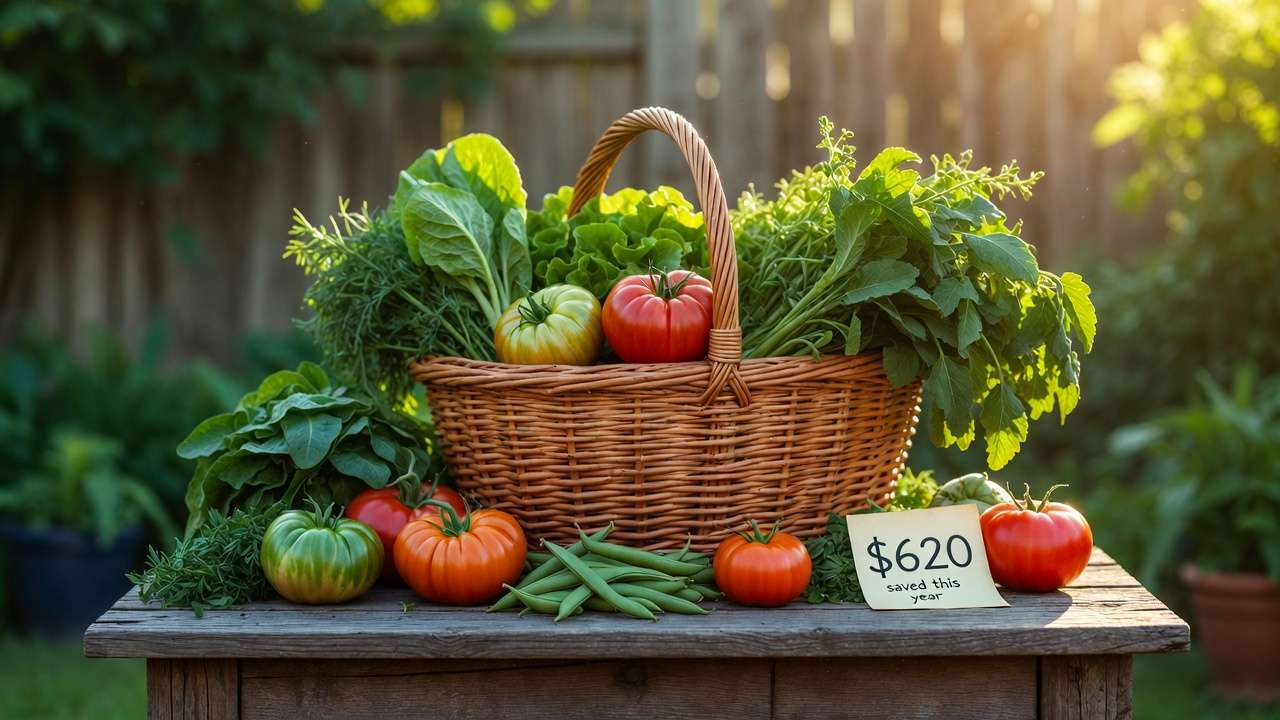
A single mom in Zone 7 started with $85 and harvested $620 worth of produce her first year using pallet beds and seed saving. A renter in Zone 9 turned a $45 windowsill setup into $280 of herbs and greens annually. These real examples prove the system works for every budget and space.
Common Pitfalls & How to Avoid Them
Top 5 mistakes that waste money: buying fancy tools too soon, ignoring soil, choosing wrong varieties, overwatering, and quitting early. Follow the audit and monthly calendar to sidestep every one.
Frequently Asked Questions (FAQs)
How much does a beginner garden really cost in 2026? $50–$150 total for Year 1 with the hacks in this guide.
Can you garden on $50 a year? Yes — after Year 1, seed saving and composting drop costs to almost nothing.
Best free mulch sources? Fallen leaves, grass clippings, coffee shops (grounds), and arborist wood chips (often free delivery).
Do I need raised beds or can I use the ground? Ground works fine with lasagna method; raised beds just make maintenance easier.
How do I track savings accurately? Weigh harvests and multiply by current grocery prices — most people see $400+ in Year 1.
Conclusion: Start Your Budget Garden Today
You now have everything needed for Gardening on a Budget — free supplies, cheap soil, smart seeds, and a simple monthly plan that fits any schedule or space. Inflation doesn’t have to limit your garden dreams. Start this weekend with the 10-minute audit and one free container project. In 90 days you’ll be harvesting your own food and watching your grocery savings grow.
Your 7-Day Starter Checklist
- Complete the budget audit.
- Collect free containers and cardboard.
- Order or save 3–4 seed packets.
- Build your first lasagna bed or container.
- Set up a simple tracking sheet.
- Plant your first crops.
- Celebrate your first harvest.
Download the free Budget Tracker, Seasonal Calendar, and ROI Calculator from the resources below. Share your progress in the comments — I answer every one and love helping readers customize their plans.
Resources
- USDA Zone Map & Extension Offices
- Free seed libraries and bulk seed co-ops
- Printable templates (linked on site)
Your thriving, budget-friendly garden starts today. Happy growing!