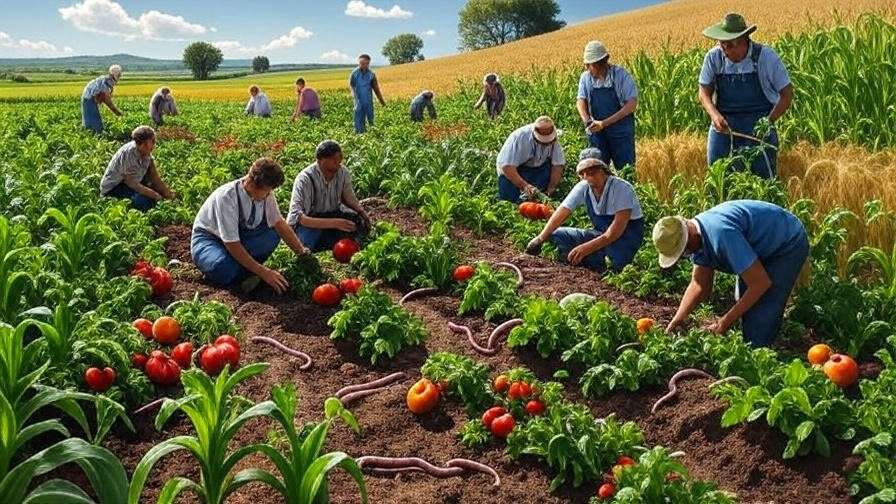
Imagine stepping into your homestead garden in late October and still harvesting crisp kale, vibrant carrots, and even a few late tomatoes — all while your neighbors have long since pulled up their frost-killed plants. For many homesteaders in northern climates, high elevations, or zones with unpredictable weather, a short homestead growing season — often just 90 to 120 frost-free days — can feel like a constant battle against the calendar. But here’s the good news: with intentional planning, the right crop selections, proven strategies, and simple season-extension techniques, you can dramatically increase your productive growing time, boost yields, and achieve greater food self-sufficiency.
In zones 3 through 5, where winter lows dip to -40°F to -10°F and the growing window is notoriously brief, homesteaders often struggle with low yields, unripe crops, and heavy reliance on stored or purchased food. This comprehensive guide draws from decades of cold-climate gardening experience, university extension research (like USDA and state programs), and real-world success stories from northern homesteaders. You’ll learn how to select fast-maturing, cold-tolerant varieties, layer succession planting and indoor starts, optimize your site and soil, and deploy low-cost to advanced extension methods that add weeks — or even months — to both ends of your season. By the end, you’ll have a clear, actionable plan to turn your short season into one of abundance.
Understanding Your Short Homestead Growing Season
A short homestead growing season typically means fewer than 120 frost-free days, common in USDA Plant Hardiness Zones 3–5. For example, Zone 3 areas (like parts of northern Minnesota or Montana) might see last spring frosts around late May and first fall frosts by mid-September, yielding only about 90–110 days. Zone 4 and 5 regions often get 100–140 days, but microclimates, elevation, wind, and soil type can shorten this further.
To assess your exact window, consult the latest USDA Plant Hardiness Zone Map (updated 2023) by entering your zip code. Cross-reference with local frost date tools from almanacs or county extension offices. Factors like south-facing slopes create warmer, while low-lying areas collect cold air and frost pockets. Understanding these details is crucial for homestead self-sufficiency — it directly influences crop choices, planting timelines, and how much you need to preserve for winter.
Why focus on this? A limited season restricts warm-season staples like tomatoes and corn, increases pressure on storage crops, and can reduce overall caloric output from your land. The goal: stretch your productive period to 150–200+ days with smart techniques, turning constraint into opportunity.
Choosing the Best Crops for Short Seasons
Success starts with varieties bred or proven for quick maturity (ideally 90 days or less from seed or transplant) and cold tolerance. Prioritize nutrient-dense, high-yield, storable options that support homestead needs like fresh eating, canning, and root cellaring.
Fast-Maturing Cool-Season Crops
These thrive in spring and fall, often tolerating light frosts down to 25–28°F.
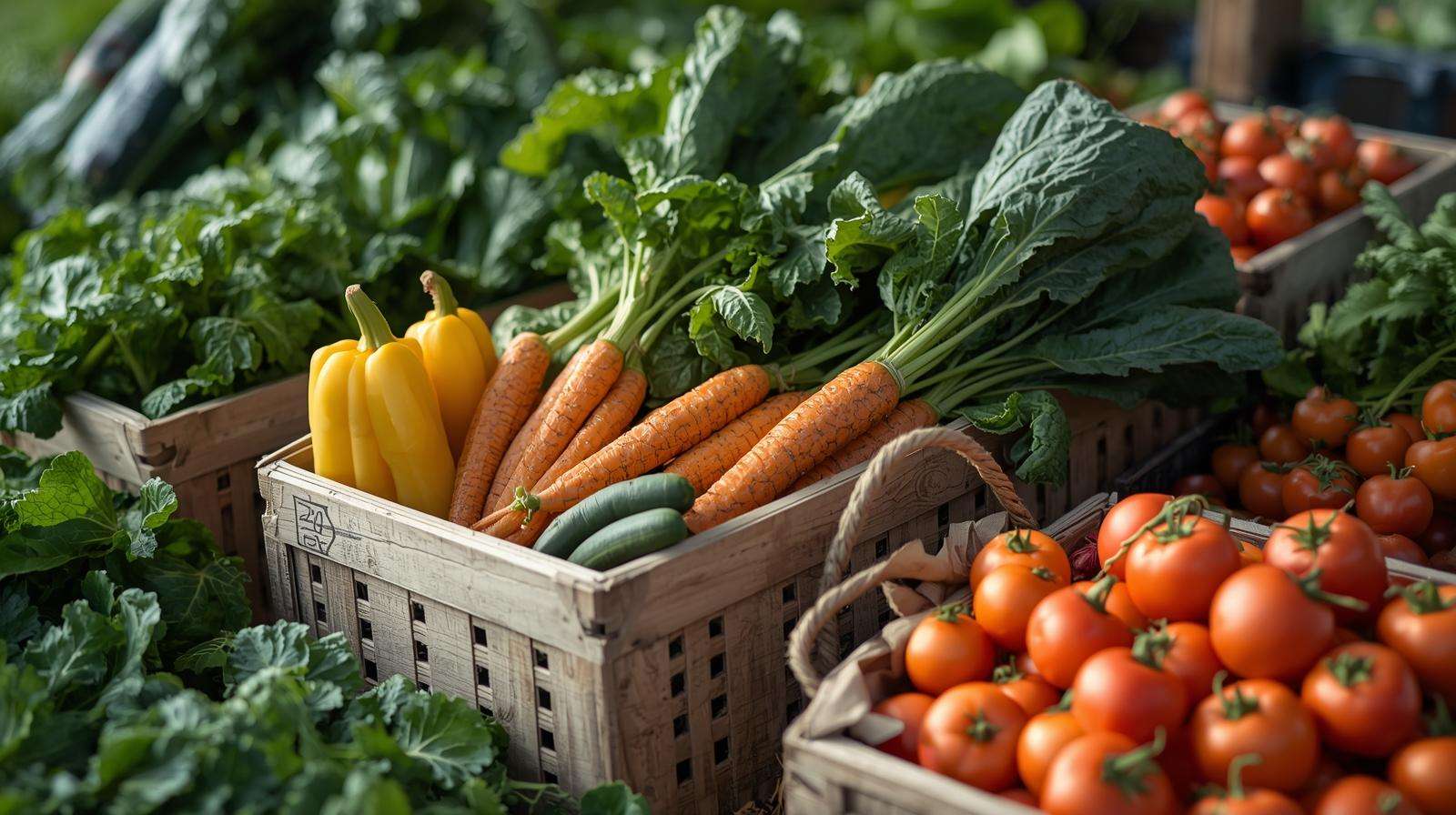
- Leafy greens: Radishes (21–35 days, e.g., Cherry Belle), arugula (21–40 days), spinach (25–45 days, bolt-resistant varieties like Bloomsdale), lettuce (30–50 days, loose-leaf types), kale (40–60 days, e.g., Lacinato), Swiss chard (50–60 days).
- Roots and brassicas: Beets (45–70 days, Detroit Dark Red), carrots (50–70 days, short Nantes types), turnips (40–55 days), pac choi or tatsoi (40–50 days), mustard greens (30–45 days).
These provide early nutrition and can be succession-planted for continuous harvest.
Reliable Warm-Season Crops for Short Windows
Focus on early-maturing varieties to beat the first frost.
- Beans and peas: Bush beans (50–60 days, e.g., Provider), snap peas (50–65 days).
- Cucurbits: Zucchini (45–55 days, e.g., Black Beauty), cucumbers (50–60 days, bush types like Spacemaster), summer squash.
- Nightshades: Tomatoes (50–75 days, e.g., Early Girl, Stupice, or Siberian varieties), peppers (60–75 days, e.g., Shishito or sweet bells like Ace), eggplant (shorter types ~70 days).
- Others: Early corn (55–70 days, e.g., Yukon Chief), potatoes (early varieties like Yukon Gold, 70–90 days).
Storage and Staple Crops That Thrive
- Winter squash (80–100 days, compact types), onions (sets for faster harvest), garlic (fall-planted for next summer).
Expert Insight: Source northern-adapted seeds from reputable breeders like Johnny’s Selected Seeds, Territorial Seed, or Baker Creek. These varieties are tested in short-season trials and often outperform standard ones by 10–20 days.
Here’s a quick reference table of top picks:
- Radishes: 21–30 days, frost-tolerant, great for succession.
- Lettuce/Spinach: 30–50 days, continuous harvest under cover.
- Bush Beans: 50–60 days, high protein yield.
- Early Tomatoes: 55–70 days, start indoors for success.
- Zucchini: 45–55 days, prolific producer.
Proven Strategies to Maximize Every Day
Layer these tactics to squeeze more from limited time.
Succession Planting for Continuous Harvests
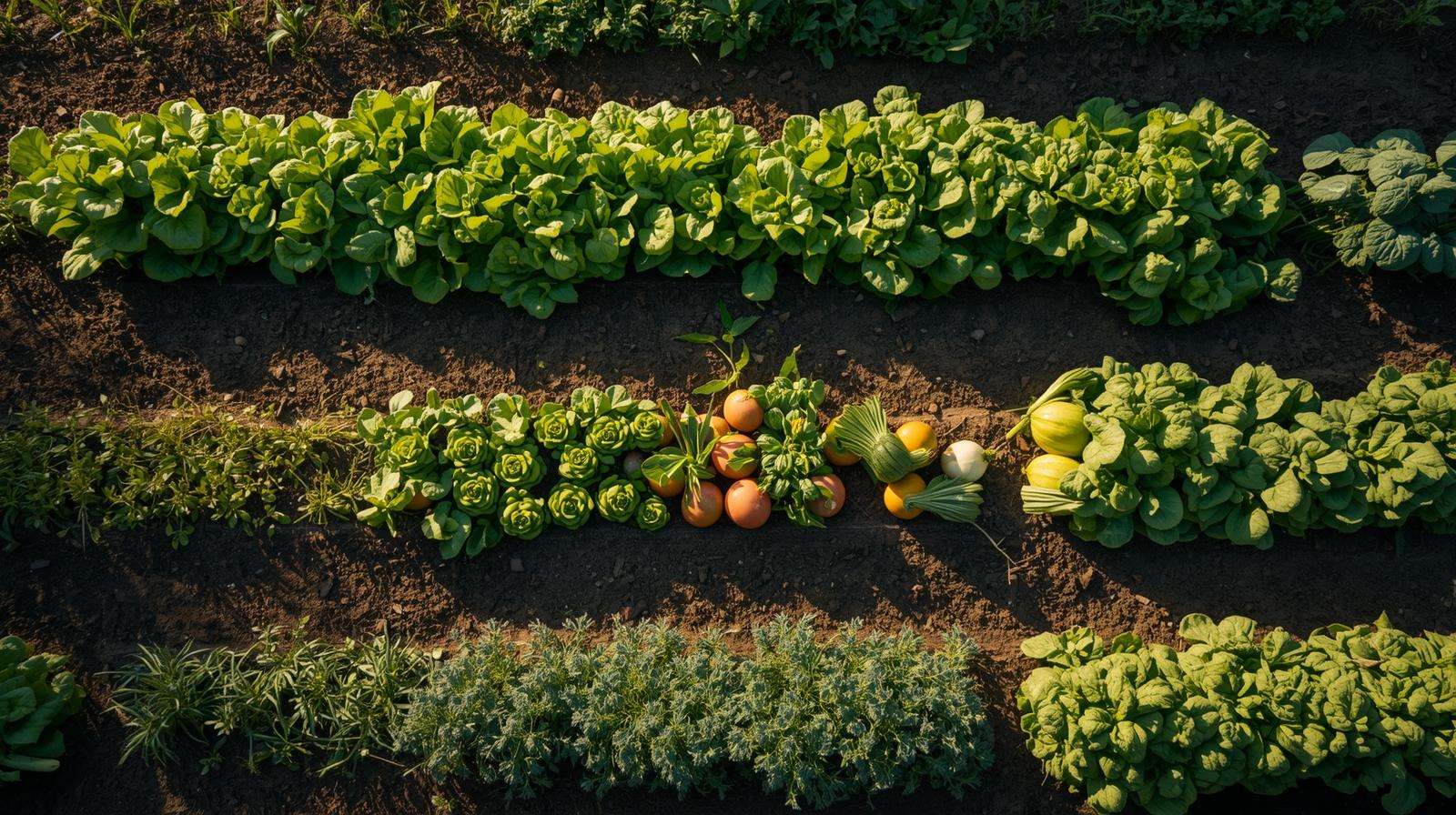
Stagger sowings every 7–14 days for steady supply without gluts.
- Early spring: Greens and radishes every 10 days.
- Summer: Beans and beets in waves.
- Late summer: Fall greens 8–10 weeks before first frost.
This method can double your harvest volume in the same space.
Start Indoors and Use Transplants
Gain 3–6 weeks by starting tomatoes, peppers, and brassicas indoors 6–8 weeks before last frost. Harden off seedlings gradually. Use grow lights and heat mats for reliable germination in cool homes.
Soil and Site Optimization
- Raised beds warm faster (up to 2–4 weeks earlier).
- Dark mulch (black plastic or compost) retains heat.
- Windbreaks (fences, evergreens) reduce chill.
- South-facing locations capture maximum sun.
These low-effort tweaks add heat units equivalent to extending your season by 10–20 days.
Season Extension Techniques: From Simple to Advanced
The real game-changer for homesteaders in short-season regions is season extension. These methods protect plants from light frosts in spring and fall, trap daytime heat, and moderate nighttime cold, effectively adding 4–12+ weeks of usable growing time depending on the technique and your climate.
Low-Cost, Beginner-Friendly Methods
Start here if you’re new to extension or working with a tight budget.
- Floating row covers (agricultural fabric): Lightweight spun-bonded polyester (0.5–1.0 oz/yd² weight) provides 2–8°F of frost protection and doubles as a pest barrier against flea beetles and cabbage worms. Drape directly over crops or hoop-supported. Cost: $20–50 for 100 ft row. Many homesteaders in Zone 4 report harvesting spinach and kale into December with row covers.
- Cloches and hot caps: Individual plant protectors made from recycled 2-liter bottles, milk jugs (bottom cut out), or commercial bell jars. Place over transplants on chilly nights. Add a water-filled jug inside for thermal mass. Adds 1–3°F protection.
- Heavy mulching: Apply 6–12 inches of straw, leaves, or wood chips around plants in fall. Insulates soil, prevents freeze-thaw cycles that heave roots, and keeps ground warmer longer. Excellent for overwintering carrots, parsnips, and leeks.
These methods are low-risk, reversible, and can be combined for cumulative effect.
Mid-Level Structures
Invest a weekend and $100–400 to gain significant extra weeks.
- Cold frames: Simple wooden boxes with hinged clear lids (old windows, polycarbonate, or greenhouse film). Place over raised beds in early spring or late fall. Vent on sunny days to prevent overheating. DIY cost: $50–150. University extension trials show cold frames allow spinach sowing in February (Zone 5) and harvest into January.
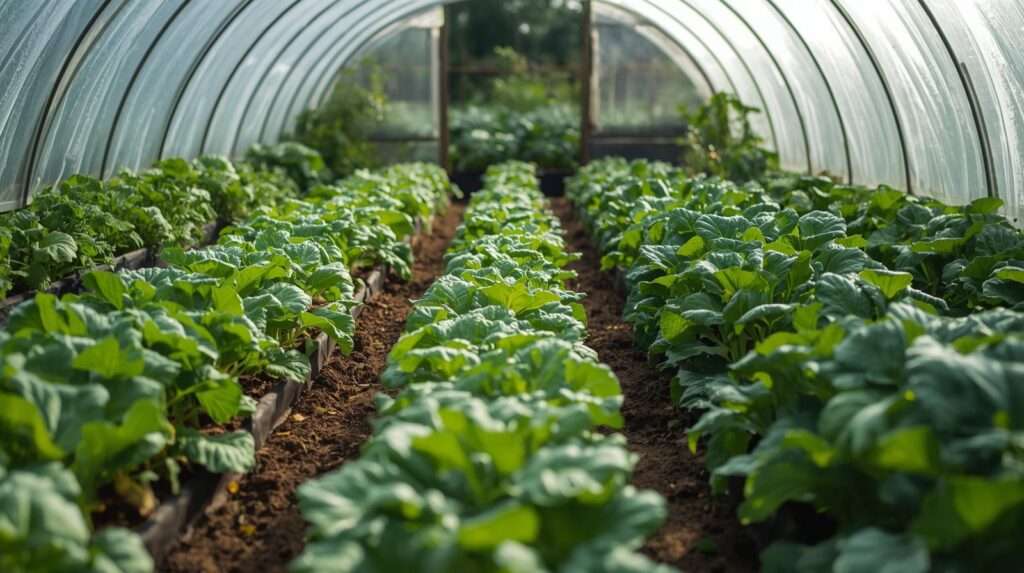
- Low tunnels / hoop houses: Bend 10-ft lengths of ½-inch PVC or metal conduit into arches every 4–5 ft, cover with 6-mil greenhouse plastic or row cover fabric. Secure with sandbags or ground stakes. Add end walls for extra protection. Extends season by 4–8 weeks on each end. Many northern homesteaders grow salad greens year-round under low tunnels with minimal supplemental heat.
Higher-Investment Options
For serious food production, these pay off over time.
- High tunnels / polytunnels: Permanent or semi-permanent structures (20–30 ft wide, 100+ ft long) with metal hoops and double-layer polyethylene covering. Passive solar heating can add 8–12 weeks in spring/fall and enable overwintering greens in Zones 4–5 with minimal supplemental heat. Cost: $1,000–5,000 depending on size. Studies from Cornell and Penn State show high tunnels increase tomato yields by 2–3x and allow earlier planting by 3–4 weeks.
- Heated greenhouses: For extreme extension (near year-round production), add a small propane heater or electric heat mats. Best for starting seeds and growing tender crops through winter.
Quick Comparison Table
| Method | Added Weeks (Approx.) | Cost Range | Frost Protection | Best For |
|---|---|---|---|---|
| Row Covers | 4–8 | $20–100 | 2–8°F | Beginners, pest control |
| Cold Frames | 6–10 | $50–200 | 5–10°F | Early/late greens |
| Low Tunnels | 6–12 | $100–500 | 6–12°F | Salad crops, brassicas |
| High Tunnels | 8–16+ | $1,000–5,000 | 10–20°F | Tomatoes, peppers, staples |
Expert Insight: Layer methods — e.g., row covers inside a low tunnel — for maximum protection. Monitor temperatures with a simple min/max thermometer and vent during the day to avoid cooking your plants.
Fall and Winter Focus
In short seasons, fall planting is often more productive than spring. Hardy crops like kale, collards, mache, spinach, and claytonia (miner’s lettuce) can survive under cover down to 10–15°F. Plant carrots and beets in mid-summer for late-fall/winter harvest under mulch and row covers. Garlic planted in fall overwinters and yields large bulbs the following summer.
Planning Your Homestead Calendar
A well-timed calendar turns chaos into abundance. Here’s a sample for a Zone 4b/5a homestead (last frost ~May 15–25, first frost ~Sept 20–Oct 5).
- February–March: Start tomatoes, peppers, eggplant indoors under lights. Sow early greens in cold frames if available.
- April: Harden off transplants. Direct-sow radishes, spinach, peas, and lettuce as soil thaws.
- May: Transplant warm-season crops after last frost. Install row covers/low tunnels.
- June–July: Succession plant beans, beets, greens. Harvest early crops.
- August: Plant fall greens, brassicas, carrots. Prep storage crops.
- September–October: Heavy mulching, cover crops, final harvests under protection.
- November–January: Overwinter hardy greens, roots, and garlic under cover.
Adjust dates ±2 weeks based on your local frost data. Use a simple spreadsheet or garden journal to track planting dates, variety performance, and first/last frost observations each year.
Harvesting, Preserving, and Maximizing Yields
Harvest strategically: Pick greens early in the morning for crispness, and gather tender crops before hard freezes (28°F or below). Use frost warnings from local weather apps to prioritize covering or harvesting.
Preservation maximizes short-season output:
- Canning: Beans, tomatoes, beets.
- Fermenting: Cabbage (sauerkraut), carrots.
- Root cellaring: Potatoes, carrots, onions, winter squash.
- Freezing: Greens, zucchini, berries (if you have any hardy types).
- Drying: Herbs, beans for soup mixes.
Boost yields further with vertical supports (pole beans, cucumbers), interplanting (radishes between slower crops), and regular harvesting to encourage production.
Common Mistakes to Avoid in Short Seasons
- Choosing long-season varieties (e.g., 90+ day tomatoes) that rarely ripen.
- Planting too late in spring without indoor starts or protection.
- Ignoring microclimates — low spots freeze first.
- Skipping soil prep — cold, compacted soil delays warming.
- Overcrowding — reduces airflow and increases disease risk.
- Forgetting to vent covered structures on sunny days.
FAQs
What is the minimum frost-free days needed to grow tomatoes reliably? About 70–80 days for early varieties (e.g., Stupice, Siberian). Start indoors 6–8 weeks early to make it work in 100-day seasons.
Can I grow fruit trees or berries in a short homestead growing season? Yes — choose hardy, early-ripening varieties (e.g., Zone 3 apples like Goodland, raspberries like Boyne, strawberries like Honeoye). They require less summer heat than many vegetables.
How much can row covers actually extend my season? Typically 4–6 weeks in fall and 2–4 in spring, more when combined with hoops or mulch.
What’s the best beginner season-extension method? Floating row covers — inexpensive, easy to deploy, and versatile for both frost and pest protection.
Do I need to heat anything in winter? Rarely. Most homesteaders rely on passive solar (high tunnels, cold frames) and hardy crops. Supplemental heat is usually only for tropicals or seed starting.
How do I choose between low tunnels and high tunnels? Low tunnels are cheaper and easier for small homesteads. High tunnels offer more space and better heat retention for serious production.
A short homestead growing season doesn’t have to limit your self-sufficiency. By selecting fast-maturing, cold-hardy crops, layering succession planting and indoor starts, optimizing your site, and implementing season-extension tools from simple row covers to high tunnels, you can realistically add 2–4 months of productive growing time. Many homesteaders in Zones 3–5 now enjoy fresh salads in December, ripe tomatoes by July, and root crops through winter — all from the same small plot.
Start small this year: Pick 3–5 fast varieties, try row covers on a bed of greens, and track your frost dates. Each season you experiment, you’ll gain knowledge and yields. The reward is greater food independence, resilience against unpredictable weather, and the deep satisfaction of harvesting from your land long after others have given up.