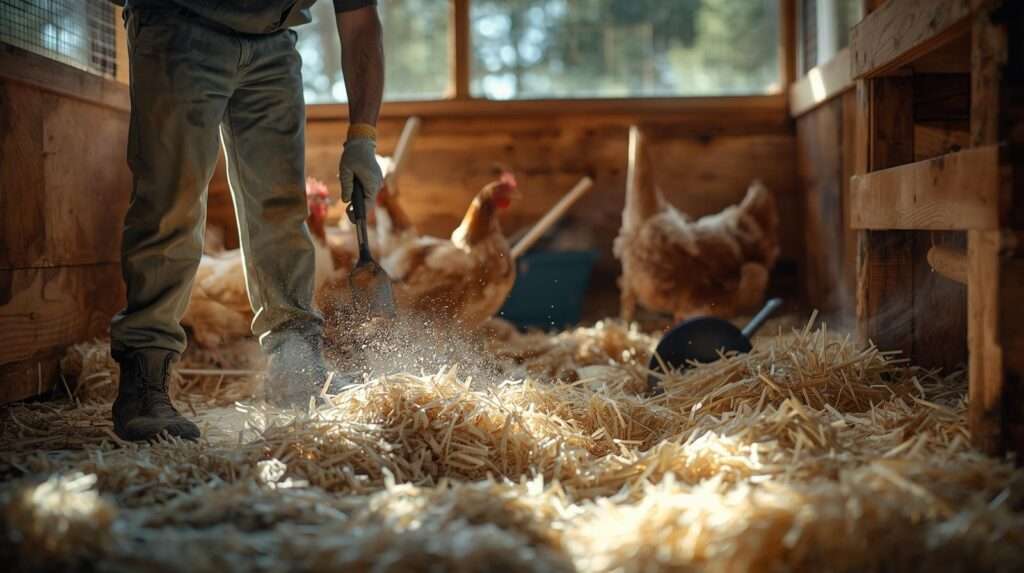
You step into your chicken coop expecting a calm start to the day — but instead, you’re hit with a strong ammonia smell, damp bedding, and restless birds. Sound familiar? If so, mastering Quick Coop Cleanups can make the difference between a healthy, productive flock and ongoing health problems.
Many poultry keepers underestimate how quickly waste buildup, moisture, and poor ventilation can affect flock performance. From my experience working with backyard poultry owners and small-scale farmers, most coop issues — including flies, respiratory disease, and dirty eggs — stem from inconsistent or inefficient cleaning routines rather than lack of effort.
This guide provides a practical, expert-level system for maintaining coop hygiene with minimal time and labor. You’ll learn fast daily cleanup methods, weekly sanitation strategies, time-saving systems, and proven techniques to keep your coop fresh, dry, and safe year-round.
Understanding Coop Hygiene and Its Impact on Flock Health
Why Cleanliness Directly Affects Egg Production and Welfare
Clean coop conditions directly influence:
Respiratory Health:
Ammonia buildup from droppings irritates airways, increasing disease risk.
Stress Levels:
Dirty environments elevate stress hormones, lowering egg production.
Egg Quality:
Clean nesting boxes produce cleaner eggs with fewer contaminants.
Maintaining hygiene supports flock welfare and consistent productivity.
Signs Your Coop Needs Immediate Cleaning
Watch for these warning signs:
-
Strong ammonia smell
-
Damp or clumped bedding
-
Fly infestations
-
Dirty eggs
-
Visible droppings buildup
Ignoring these signs leads to long-term problems.
Essential Tools for Quick Coop Cleanups
Must-Have Cleaning Equipment
Efficient cleaning starts with the right tools:
-
Scrapers for roosts
-
Flat shovels for bedding removal
-
Durable gloves
-
Buckets for waste transport
-
Stiff-bristle brushes
Investing in proper tools significantly reduces cleaning time.
Safe Cleaning Products
Use poultry-safe options:
-
Vinegar solutions
-
Mild detergents
-
Approved disinfectants
Avoid harsh chemicals that harm birds and beneficial microbes.
Step-by-Step Quick Coop Cleanup Routine (Daily to Weekly)
Step 1: Remove Waste and Wet Bedding Quickly
Daily spot-cleaning prevents buildup:
-
Remove wet bedding under waterers
-
Scoop droppings beneath roosts
-
Add fresh dry material
Deep litter systems reduce labor but still require monitoring.
Step 2: Clean Roosts and Nest Boxes

Focus areas:
-
Roost bars (high waste zones)
-
Nesting boxes (for egg hygiene)
Quick scraping prevents long-term buildup.
Step 3: Manage Moisture and Ventilation
Moisture is the main cause of odor.
Improve conditions by:
-
Increasing airflow
-
Elevating waterers
-
Using absorbent bedding
Proper ventilation reduces ammonia levels.
Step 4: Disinfect High-Traffic Areas
Weekly sanitation helps prevent disease:
-
Doorways
-
Feed areas
-
Perches
Allow surfaces to dry completely before birds return.
Time-Saving Cleaning Systems for Busy Poultry Keepers
Deep Litter Method

Benefits:
-
Less frequent cleaning
-
Odor reduction
-
Compost production
Requires proper management to work effectively.
Sand Flooring Systems
Advantages:
-
Easy waste removal
However, sand can be labor-intensive initially.
Automated Coop Solutions
Automated options include:
-
Dropping boards
These reduce manual effort significantly.
Seasonal Coop Cleaning Strategies
Summer Sanitation Tips

Hot weather increases odor and flies.
Solutions:
-
Frequent bedding changes
-
Enhanced airflow
Winter Cleaning Adjustments
Focus on moisture control while maintaining warmth.
Rainy Season Challenges
Prevent mud buildup with proper drainage and flooring.
Common Mistakes That Make Cleaning Harder
-
Overcrowding birds
-
Poor ventilation design
-
Skipping daily routines
Expert Tips for Maintaining a Fresh Coop Daily
-
Clean in short sessions
-
Keep tools nearby
-
Follow a consistent schedule
Health and Safety Tips for Coop Cleaning
Protecting Yourself During Cleaning
Wear:
-
Gloves
-
Masks
-
Protective clothing
Avoid inhaling dust and ammonia.
Biosecurity Best Practices
-
Clean footwear
-
Separate tools
-
Wash hands thoroughly
Frequently Asked Questions (FAQs)
How often should I clean my coop?
Spot clean daily, deep clean monthly.
What’s the fastest way to remove odor?
Dry bedding and ventilation help most.
Can I use bleach safely?
Yes, diluted and rinsed properly.
Does deep litter reduce cleaning time?
Yes, with proper management.
Conclusion: Keep Your Coop Clean Without Losing Time
Mastering Quick Coop Cleanups keeps your birds healthy, productive, and comfortable without demanding hours of work. With the right tools, routines, and systems, you can maintain a fresh coop efficiently year-round.
A clean coop isn’t just about appearance — it’s the foundation of successful poultry keeping.