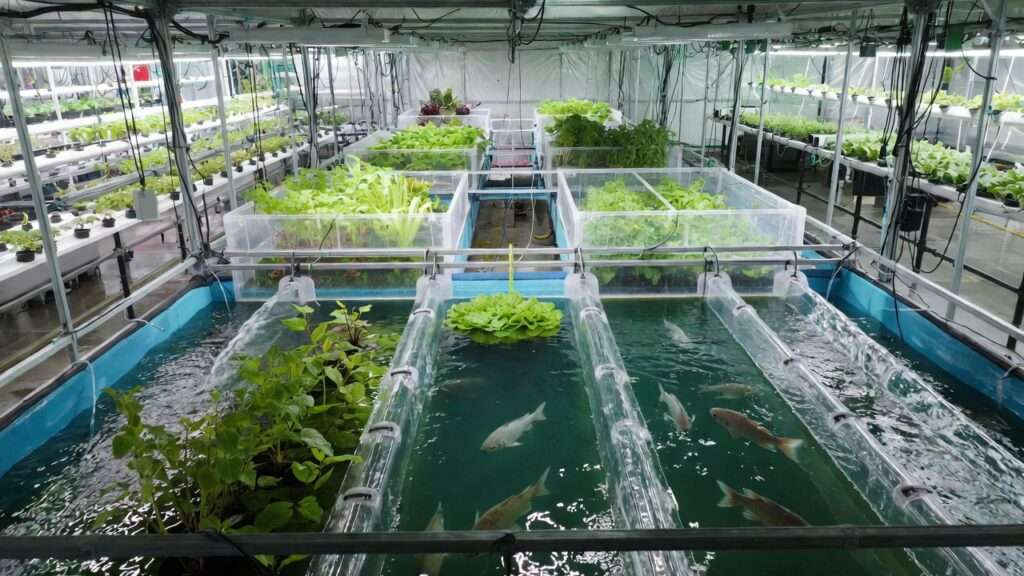
In an era where traditional soil-based agriculture is challenged by soil depletion, water scarcity, and climate variability—impacting up to one-third of global arable land—modern aquaculture and aquaponics emerge as powerful, closed-loop alternatives. These systems integrate fish farming (aquaculture) with soilless plant cultivation, recycling nutrients from fish waste to fertilize crops while plants filter water for healthier fish. This symbiosis achieves remarkable water efficiency, often reusing 90% or more compared to conventional methods, and supports year-round production even in urban or arid environments.
However, many operators, from backyard hobbyists in the US to commercial farms in Europe and Asia, face persistent issues: nutrient imbalances leading to deficiencies (e.g., iron, potassium, or calcium), pH drifts, pest or pathogen buildup in recirculating water, and inconsistent yields from over-relying on monoculture practices like continuous leafy greens. These challenges reduce sustainability and profitability, especially as global demand rises for eco-friendly, locally sourced food.
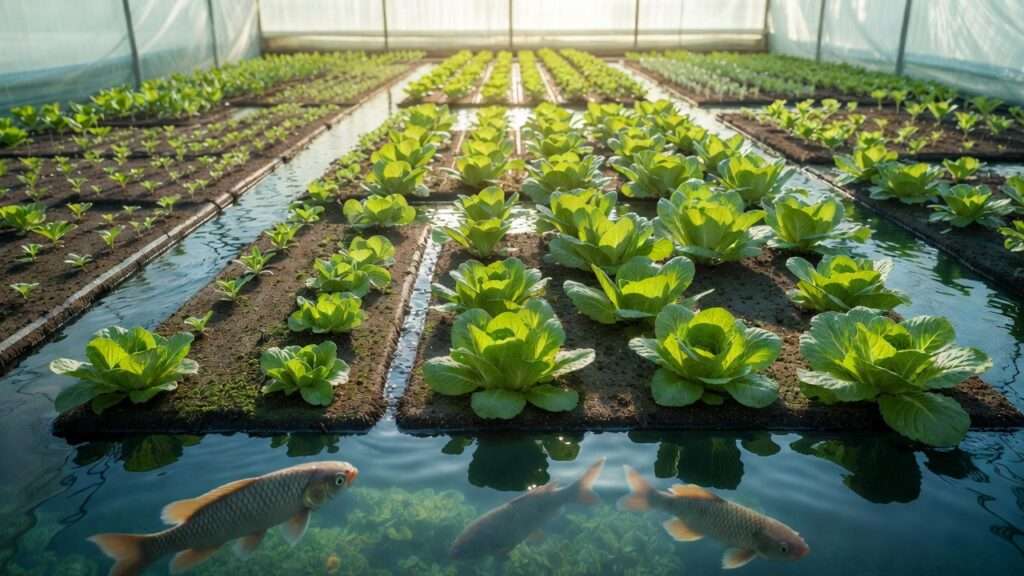
The solution lies in adapting time-tested crop rotation strategies—through succession planting, nutrient-demand matching, diversification, and advanced decoupled designs—to modern aquaculture and aquaponics. By rotating plant types, staggering harvests, and optimizing system phases, growers can balance nutrient uptake, disrupt disease cycles, enhance water quality, and achieve resilient, higher yields. Drawing from established research by the University of the Virgin Islands (UVI), FAO guidelines, and recent studies on feed optimization and decoupled systems, this in-depth guide provides actionable strategies for both hobby and commercial setups in the US and globally. Whether you’re managing a tilapia-lettuce system in Dhaka’s humid climate or a trout-herb operation in cooler US regions, these methods promote sustainable high yields while minimizing inputs and environmental impact.
Understanding Crop Rotation in Soil vs. Modern Aquaculture and Aquaponics
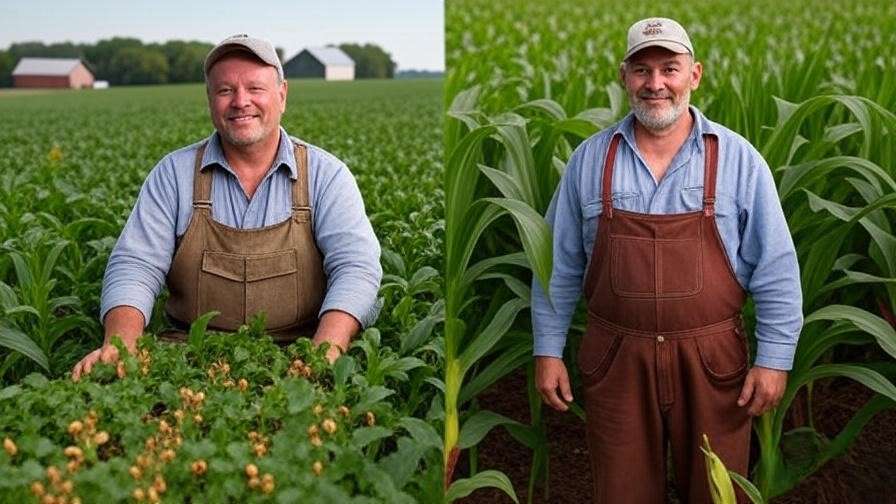
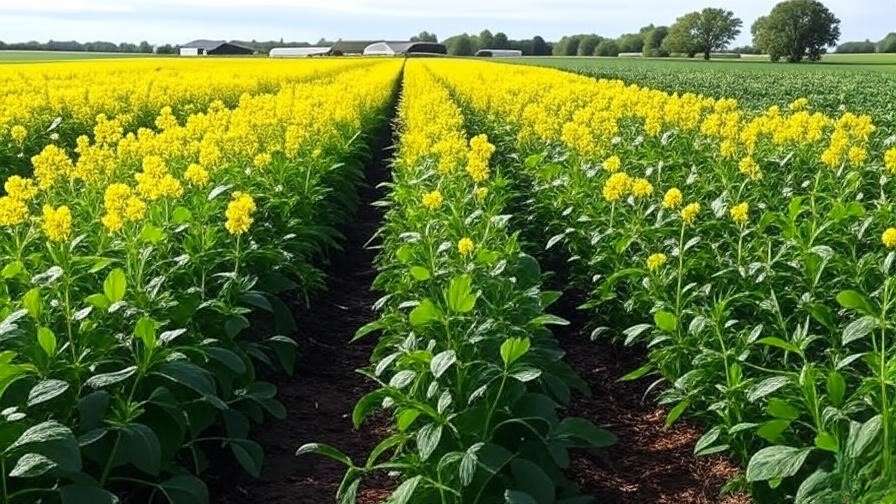
Traditional soil crop rotation has long been a cornerstone of sustainable farming, primarily to replenish nutrients (e.g., legumes fixing nitrogen after heavy feeders like corn deplete it), disrupt pest and disease cycles specific to plant families, improve soil structure through varied root systems, and reduce weed pressure. Rotating families—such as brassicas followed by legumes, then cereals—prevents the buildup of host-specific pathogens and maintains long-term fertility without heavy synthetic inputs.
In modern aquaculture and aquaponics, the absence of soil changes the dynamics fundamentally. Nutrients derive continuously from fish feed and waste, processed by nitrifying bacteria into plant-available forms (primarily nitrates). Water recirculates in closed or semi-closed loops, eliminating soil depletion but introducing risks like persistent waterborne pathogens, micronutrient lockout at suboptimal pH (ideal 6.8–7.2 for most systems), or uneven uptake leading to excesses (e.g., high nitrates stressing fish) or deficiencies (e.g., potassium in fruiting crops).
True “crop rotation” as in soil doesn’t directly translate—no soil microbes or structure to rebuild—but equivalent strategies achieve similar benefits:
- Succession and staggered planting: Planting cohorts of the same crop at intervals for continuous harvest, preventing nutrient spikes from batch harvesting.
- Nutrient-based rotation: Alternating low-demand leafy greens (e.g., lettuce, basil) with medium (herbs) and high-demand fruiting crops (tomatoes, peppers) to match uptake rates.
- Diversification and polyculture: Mixing plant families in beds or zones to balance macro- and micronutrient removal and naturally deter pests.
- System-level adaptations: In decoupled systems, independently managing aquaculture and hydroponics loops for tailored rotations.
Pioneering work from James Rakocy at UVI demonstrated staggered basil and lettuce production for consistent output, while FAO’s small-scale aquaponics guide emphasizes crop diversity to stabilize systems. Recent research highlights feed input optimization (e.g., 20–60 g/m²) influencing nutrient availability, allowing better rotation planning.
These adaptations prevent monoculture fatigue—common in lettuce-heavy commercial setups—and promote balanced biofiltration, where plants act as dynamic filters.
Benefits of Implementing Rotation Strategies in Modern Aquaculture and Aquaponics
Adopting rotation-like strategies delivers multifaceted gains, addressing key pain points for sustainable yields.
First, enhanced nutrient balance and higher yields: Leafy greens remove nitrogen efficiently but less potassium or calcium; rotating to fruiting crops prevents deficiencies and avoids toxicities. Studies show optimized feed-to-plant ratios in rotated systems boost biomass (e.g., lettuce yields up to 14 kg/m² at higher feed levels) while maintaining water quality.
Second, pest and disease prevention: Continuous monoculture allows buildup of waterborne issues like Pythium or aphids. Rotating disrupts host cycles, especially in media or DWC beds, reducing reliance on interventions. Integrated pest management (IPM) combines with companions for natural control.
Third, improved water quality and fish health: Diverse uptake stabilizes pH, EC, and DO. Plants biofilter more effectively, lowering ammonia/nitrite spikes and supporting tilapia or trout health—critical in US RAS or global tropical setups.
Fourth, resource efficiency and cost savings: Reduced need for supplements (Fe, K) cuts inputs; lower water exchange aligns with UN SDGs and US regenerative trends. Decoupled systems further optimize, achieving near-zero discharge.
Fifth, economic and environmental advantages: Consistent harvests improve marketability; diversified crops spread risk and appeal to premium markets (e.g., organic aquaponic produce). Globally, this supports food security in water-scarce regions.
Real-world evidence from UVI’s staggered systems and decoupled European farms shows 20–36% yield gains, proving these strategies elevate modern aquaculture and aquaponics toward true sustainability.
Key Crop Rotation Strategies for Aquaponics and Integrated Aquaculture
Succession and Staggered Planting for Continuous Production
Staggered planting—dividing grow space into cohorts—is the closest equivalent to rotation for fast-cycle crops. Plant 1/4 or 1/6 of beds weekly for weekly harvests, maintaining steady nutrient demand.
Ideal for leafy greens (lettuce, kale, spinach) and herbs (basil, mint) in DWC or NFT systems. UVI’s commercial model uses staggered lettuce for market consistency, with feed rates adjusted to match uptake.
Implementation: Seed/transplant equal portions; harvest mature plants to free space. Benefits include moderated nutrient fluctuations (vs. batch harvesting causing spikes) and reliable income. In temperate US climates, combine with seasonal shifts; in tropical areas like Bangladesh, year-round staggering maximizes output.
Challenges: Requires precise scheduling; monitor for uniformity.
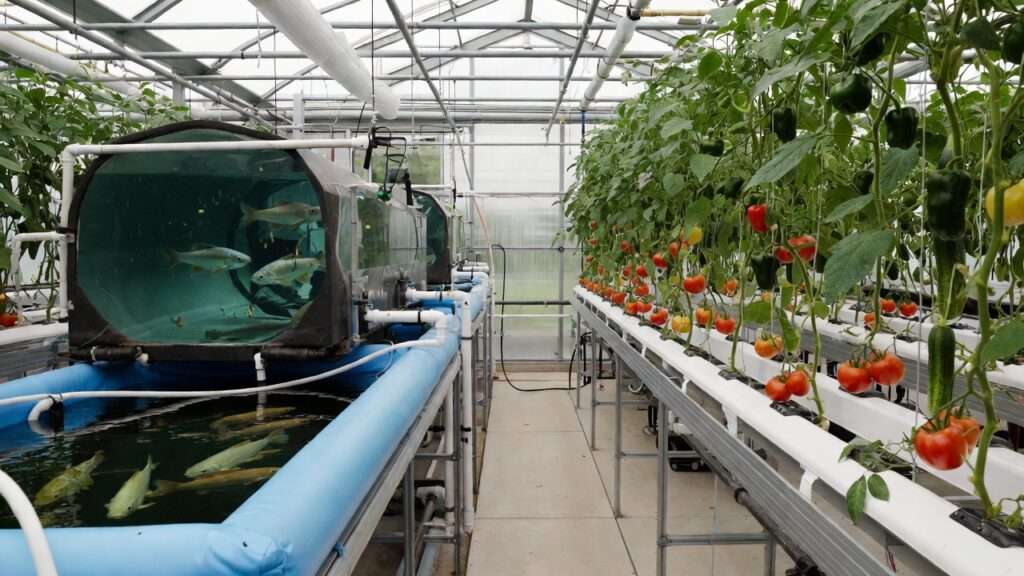
Nutrient-Based Rotation: Matching Plant Demands to System Phases
Group crops by uptake:
- Low-demand: Leafy greens (lettuce, Swiss chard) – high N, low K/Ca.
- Medium: Herbs (basil, cilantro).
- High-demand: Fruiting (tomatoes, peppers, cucumbers) – heavy K, P, Ca feeders.
- Restorative/low-uptake: Nitrogen-efficient or light feeders to “reset” after heavy cycles.
Rotate seasonally: Cool-season greens in winter (US northern states), warm-season fruiting in summer. Avoid consecutive heavy feeders to prevent deficiencies.
In media beds, zone sections for different groups; intercrop short-cycle with long-cycle plants.
Research shows higher feed inputs (60 g/m²) support fruiting rotations with better mineral uptake, but monitor pH/EC to avoid lockout.
This strategy prevents common issues like Fe deficiency in tomatoes or K shortages in peppers.
Diversification and Companion Planting in Modern Systems
Polyculture mixes families (e.g., avoid consecutive brassicas) for balanced uptake and pest deterrence. Companions like marigolds or herbs repel aphids; legumes-inspired low-N users “rest” the system.
Global applications: Tilapia-lettuce baselines in US/Asia; trout-cool crops in cooler regions. Diversification reduces risk—crop failure in one doesn’t tank the system.
Advanced Techniques: Decoupled Systems and Hybrid Rotations
Decoupled (multi-loop) systems separate fish and plants, allowing independent optimization. Rotate hydroponic crops freely while maintaining stable aquaculture.
Benefits: Tailor pH/nutrients (e.g., acidic for tomatoes); re-mineralize solids for extra P/K; achieve higher yields (up to 36% in studies).
Hybrid: Use feed optimization and buffer tanks for nutrient tuning during rotations.
These suit commercial scales, enhancing sustainability in water-limited areas.
Practical Implementation: Step-by-Step Guide
Implementing crop rotation strategies in modern aquaculture and aquaponics requires systematic planning, monitoring, and adjustment. Below is a practical, step-by-step roadmap suitable for hobbyists in urban Dhaka apartments, small-scale farmers in rural Bangladesh, commercial growers in California’s Central Valley, or integrated farms in the Netherlands.
Step 1: Assess Your Current System (1–2 weeks)
- Document key parameters: Coupled vs. decoupled design? Media beds, deep water culture (DWC), nutrient film technique (NFT), or hybrid?
- Fish species and stocking density (e.g., tilapia at 20–40 kg/m³ common in tropical climates; trout or barramundi in cooler systems).
- Grow bed area vs. fish tank volume ratio (ideal 1:1 to 2:1 for coupled systems).
- Baseline water quality: pH (target 6.8–7.2), EC (0.8–2.0 mS/cm), nitrates (20–150 mg/L), ammonia/nitrite (<0.5 mg/L), dissolved oxygen (>5 mg/L).
- Current crops: Identify if you’re in monoculture mode (e.g., 80%+ lettuce) and note recurring issues (e.g., yellowing leaves = possible iron deficiency, tip burn = calcium/pH issue).
- Tools needed: Digital pH/EC meter, test kits for nitrates/iron/potassium, thermometer, dissolved oxygen probe.
Step 2: Choose Rotation Type and Crops (Planning phase)
-
Beginners: Start with succession planting of leafy greens only (easiest to manage).
-
Intermediate: Introduce nutrient-based rotation (leafy → fruiting → restorative).
-
Advanced/commercial: Decoupled system with full polyculture and mineral supplementation.
-
Recommended crops by demand category (adapted to US and global climates):
- Low-demand (N-heavy, fast cycle 4–8 weeks): Lettuce varieties (romaine, butterhead), kale, Swiss chard, pak choi, spinach, watercress.
- Medium-demand (6–12 weeks): Basil, cilantro, mint, parsley, chives, strawberries (in cooler seasons).
- High-demand (10–20+ weeks): Tomatoes, bell peppers, chili peppers, cucumbers, eggplants, beans (bush varieties), okra.
- Restorative/low-uptake (reset phase): Lemongrass, vetiver (for heavy metal binding in research settings), or light feeders like radish greens, microgreens.
-
Seasonal adaptation: In Dhaka/Bangladesh (tropical, hot-humid), prioritize heat-tolerant varieties year-round with shade cloth in summer. In northern US states, use greenhouse lighting for winter leafy production.
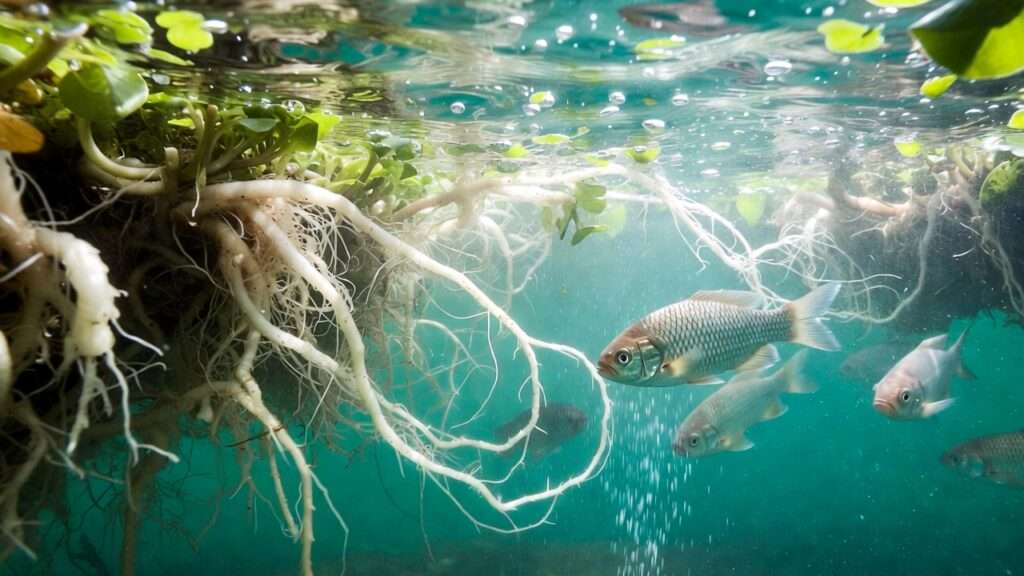
Step 3: Design a 12-Month Rotation Schedule Here’s a sample template for a medium-scale coupled or decoupled system (adjust based on your grow area):
- Months 1–3 (Cooler/wet season in tropics; winter in temperate zones): 70% leafy greens (lettuce, kale, spinach) + 30% herbs. Focus on nitrogen removal.
- Months 4–6: Transition to 50% fruiting crops (tomatoes, peppers) + 30% leafy + 20% herbs. Increase potassium/iron supplementation if needed.
- Months 7–9: 60% fruiting + 20% medium-demand (basil, strawberries) + 20% new leafy cohorts. Monitor for calcium/pH stability.
- Months 10–12: 40% restorative/light feeders + 40% leafy reset + 20% fruiting carry-over. Use this phase to flush excess salts if EC creeps up.
Stagger planting: Divide beds into 4–6 sections; start new transplants every 1–2 weeks.
Step 4: Execute and Monitor (Ongoing)
- Weekly tasks: Harvest mature plants, transplant seedlings, seed new trays, test water parameters, adjust fish feed rate (target 1–2% of fish biomass daily, scaled to plant demand).
- Monthly deep checks: Inspect roots for rot/pathogens, check fish appetite/behavior, flush media beds if solids accumulate.
- Supplementation protocol: Use chelated iron (weekly foliar or root drench), potassium sulfate, calcium nitrate, or commercial aquaponic mineral mixes during high-demand phases.
- Pest/disease IPM: Introduce beneficial insects (ladybugs, lacewings), use neem oil or beneficial bacteria (Bacillus subtilis), avoid broad-spectrum chemicals.
Step 5: Troubleshoot Common Transition Issues
- pH drift upward during leafy phases → Add small amounts of phosphoric/nitric acid or increase CO₂.
- Nutrient deficiencies during fruiting → Test and supplement targeted minerals (e.g., 2–5 ppm Fe weekly).
- Pathogen flare-ups → Increase water exchange temporarily, UV sterilization, or beneficial microbes.
- Yield drop after rotation → Give system 2–4 weeks to stabilize; adjust feed rate gradually.
This structured approach turns rotation from a theoretical concept into a repeatable protocol that delivers consistent, sustainable yields.
Case Studies and Real-World Examples
University of the Virgin Islands (UVI) Commercial Aquaponics System (US Virgin Islands, Caribbean context) Developed by Dr. James Rakocy, this iconic coupled system uses staggered planting of romaine lettuce and basil across multiple raceways and floating rafts. By dividing production into six cohorts, the farm achieves near-continuous harvest (up to 6 crops per year per bed) while maintaining stable water quality for tilapia. Feed input is carefully calibrated (≈40–60 g feed per m² grow area daily), supporting both fish growth and plant nutrient needs. This model has influenced commercial farms worldwide, including adaptations in arid Middle Eastern and Southeast Asian regions.
Decoupled Aquaponic Farms in Europe (Netherlands, Germany) Modern decoupled systems separate fish RAS from hydroponic plant loops, allowing full crop rotation without compromising fish health. One leading Dutch operation rotates tomatoes, cucumbers, and peppers in NFT channels after leafy greens, using remineralization of fish solids to supply phosphorus and potassium. Reported benefits include 25–36% higher vegetable yields, near-zero discharge, and premium pricing for “sustainably integrated” produce in EU markets.
Small-Scale Success in Bangladesh and South Asia Local adaptations using low-cost tarpaulin tanks and media beds often start with tilapia + lettuce/spinach succession planting. Farmers in peri-urban Dhaka have added seasonal okra and bitter gourd rotations during warmer months, improving income diversity and reducing reliance on imported vegetables. FAO-supported pilot projects demonstrate that even basic diversification cuts fertilizer costs by 40–60% and stabilizes production against monsoons.
These examples illustrate that rotation strategies scale from backyard setups to industrial operations, delivering measurable sustainability and profitability gains.
Expert Tips and Best Practices
- Maintain detailed logs: Use spreadsheets or apps (e.g., FarmLogs, Aquaponics Tracker) to record planting dates, harvests, water tests, and observations.
- Buffer your system: Keep a small “nursery” or separate hydroponic loop for seedlings to avoid shocking the main system during transitions.
- Organic alternatives: Use fermented plant juices, compost tea, or worm castings leachate for micronutrient boosts instead of synthetics.
- pH stability trick: Add crushed coral or oyster shell in media beds for slow-release buffering during high-uptake phases.
- Feed smart: Reduce feed by 10–20% during low-demand leafy phases; increase gradually for fruiting crops.
- Extension resources: Consult USDA NRCS aquaponics guides, Oklahoma State University fact sheets, or Purdue University’s aquaponics publications for region-specific advice.
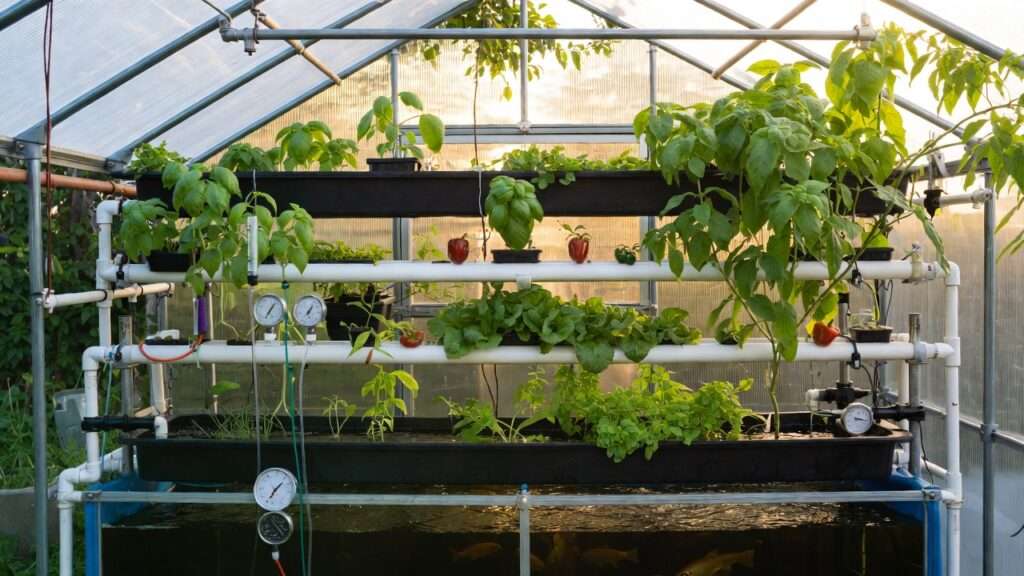
Frequently Asked Questions (FAQ)
1. Is true crop rotation possible in aquaponics since there’s no soil? Not in the classical sense, but succession planting, nutrient-demand cycling, diversification, and decoupled designs achieve the same goals: balanced nutrients, reduced pests, and sustained yields.
2. What are the best beginner crops for rotation? Start with lettuce, kale, basil, and Swiss chard. They’re fast-growing, forgiving, and excellent nitrogen removers—ideal for learning system dynamics.
3. How do I handle iron or potassium deficiencies during fruiting crop phases? Use chelated iron (Fe-EDDHA or Fe-DTPA) weekly via foliar spray or root drench. For potassium, add potassium sulfate or potassium bicarbonate; test regularly.
4. Can I rotate in a small backyard system? Yes—divide your grow beds into quarters and stagger planting. Even 4 m² can support continuous small harvests with proper planning.
5. Does rotation reduce the need for water changes? Absolutely. Diverse uptake stabilizes nitrates and pH, often reducing exchange rates from weekly to monthly or less in well-managed systems.
6. Are there risks when switching from leafy to fruiting crops? Yes—potential pH rise and calcium/iron lockout. Mitigate by gradual transition, supplementation, and close monitoring for the first 3–4 weeks.
7. How important is fish feed quality in supporting rotations? Critical. High-quality, balanced feeds (35–45% protein) provide consistent nutrient profiles. Adjust feed rate to match plant demand phases.
8. Can these strategies be applied to RAS-only (no plants) or hydroponics-only systems? RAS benefits indirectly from decoupled plant rotations via better nutrient recycling. Pure hydroponics can adopt full nutrient-based rotations with external fertilization.
Conclusion
Mastering crop rotation strategies in modern aquaculture and aquaponics transforms these innovative systems from fragile monocultures into resilient, high-yielding, sustainable food production platforms. By staggering harvests, matching plant nutrient demands to system phases, diversifying crops, and leveraging decoupled designs, growers worldwide—from Dhaka’s urban rooftops to California’s commercial greenhouses—can achieve consistent output, healthier fish, lower input costs, and alignment with global sustainability goals.