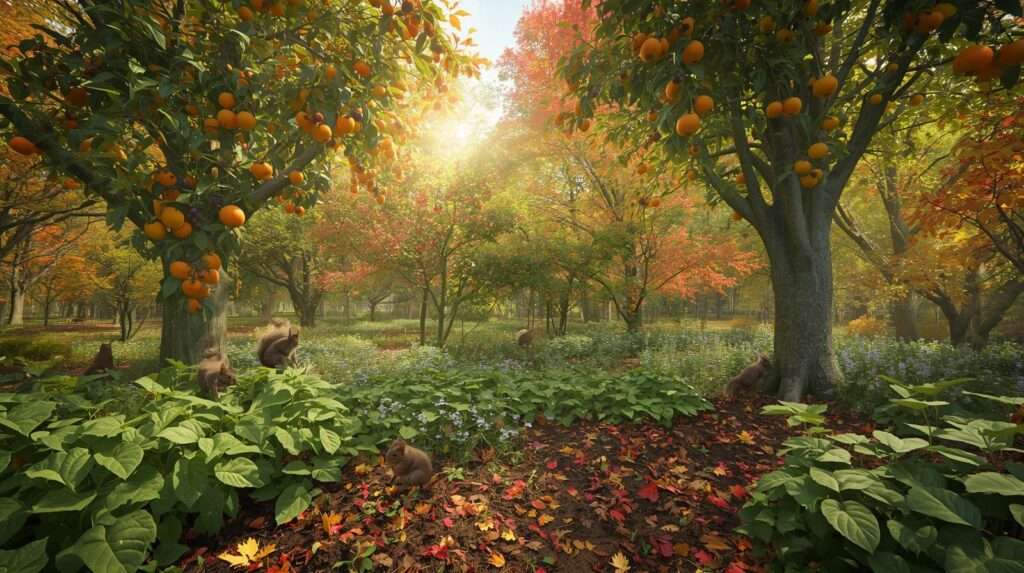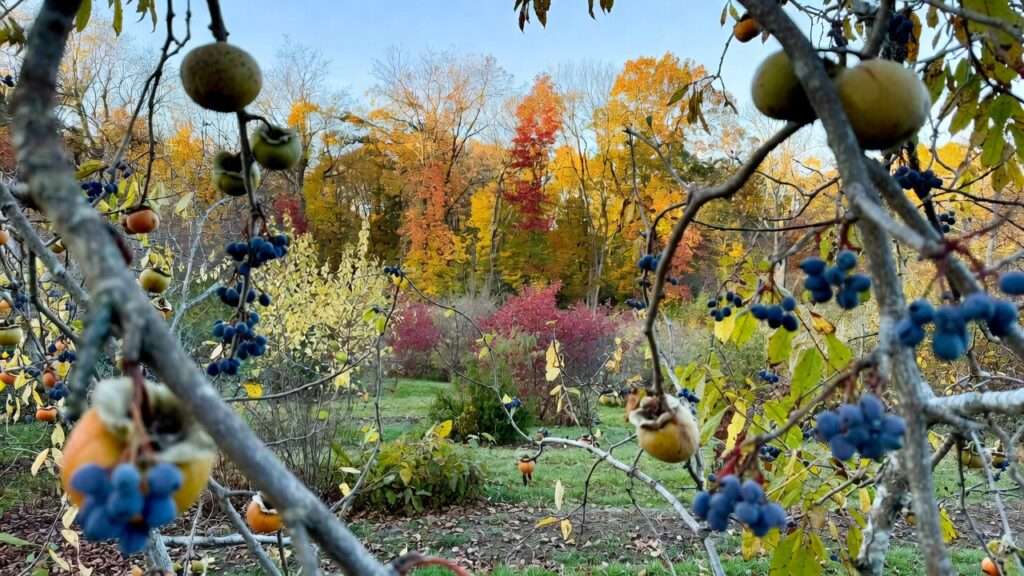
Imagine stepping into your Zone 5 orchard on a crisp fall morning, harvesting sweet, custard-like pawpaws that taste like banana-mango-pineapple custard, juicy serviceberries reminiscent of blueberries with a hint of almond, and rich, honey-sweet American persimmons—all without spraying pesticides or hauling in heavy fertilizers. These cold hardy native fruit trees zone 5 thrive in the harsh winters of the northern U.S. (from the Midwest to the Northeast and Upper Plains), where temperatures drop to -20°F or lower, short growing seasons challenge conventional orchards, and late frosts wipe out non-native blooms.
For organic farmers, homesteaders, and permaculture enthusiasts, the real struggle is finding productive, resilient crops that align with low-input principles while supporting biodiversity and soil health. Non-native fruits like peaches or certain apples often demand sprays, irrigation, and protection that defeat the purpose of sustainable farming. Enter these underutilized North American natives: American persimmon (Diospyros virginiana), serviceberry (Amelanchier spp.), and pawpaw (Asimina triloba). Adapted over millennia to local pests, soils, and climates, they require minimal intervention, boost pollinators, provide wildlife habitat, and deliver superior nutrition—high in antioxidants, vitamins, and unique flavors that command premium prices at markets or through value-added products like jams and smoothies.
This in-depth guide draws from university research (including Kentucky State University’s pioneering pawpaw program), extension services, regional trials, and proven organic practices to help you establish thriving stands of these trees. Whether you’re scaling a small farm, building a food forest, or diversifying your homestead, you’ll gain step-by-step strategies to overcome Zone 5 challenges and achieve abundant, eco-friendly yields.
Why Choose Native Cold Hardy Fruit Trees for Zone 5 Organic Farming?
Native plants like these are ecological powerhouses in organic systems. Co-evolved with local conditions, they exhibit natural resistance to common diseases and pests, drastically reducing the need for inputs. This aligns perfectly with organic certification standards and permaculture ethics—building soil fertility through deep roots, leaf litter, and mycorrhizal associations rather than synthetic amendments.
Key advantages include:
- Resilience to extremes: They handle Zone 5’s cold snaps, variable springs, and occasional droughts better than many exotics.
- Biodiversity boost: Flowers attract early pollinators (bees, flies, beetles); fruits feed birds, mammals, and beneficial insects.
- Low maintenance and cost savings: Once established, they need little pruning, watering, or pest control—ideal for organic operations.
- Market niche: Unique flavors create opportunities for direct sales, U-pick, or processing into high-value goods (e.g., pawpaw pulp for ice cream or persimmon leather).
- Environmental benefits: Carbon sequestration, erosion control, and habitat restoration in agroforestry setups.
Compared to conventional fruit trees:
| Aspect | Conventional (e.g., Apple/Peach) | Native Zone 5 Options (Persimmon, Serviceberry, Pawpaw) |
|---|---|---|
| Winter Hardiness | Often marginal in Zone 5 | Reliable to Zone 4-5 or colder |
| Pest/Disease Pressure | High (requires sprays) | Low (organic-friendly) |
| Input Needs | Fertilizers, irrigation, pruning | Minimal after establishment |
| Yield Reliability | Frost-sensitive blooms | Adapted timing avoids late frosts |
| Ecological Impact | Monoculture risks | Supports wildlife and soil health |
Understanding USDA Zone 5 Challenges & How Natives Solve Them
USDA Zone 5 features average minimum temperatures of -20°F to -10°F, with 120–180 frost-free days, significant chill hours, and risks from late spring frosts, early fall freezes, and heavy snow. Non-natives often fail due to bud damage or insufficient ripening time.
Natives counter these:
- Timing adaptations: Serviceberries bloom early but set fruit reliably; persimmons ripen late (September–November) after frost sweetens them; pawpaws flower mid-spring, avoiding worst frosts.
- Deep root systems: Tolerate drought and poor soils once established.
- Pest co-evolution: Few serious issues—persimmons resist borers better than exotics; pawpaws have natural acetogenins deterring insects.
These traits make them ideal for climate-resilient organic farming amid increasing weather variability.
Spotlight on Key Species: Detailed Profiles
American Persimmon (Diospyros virginiana)
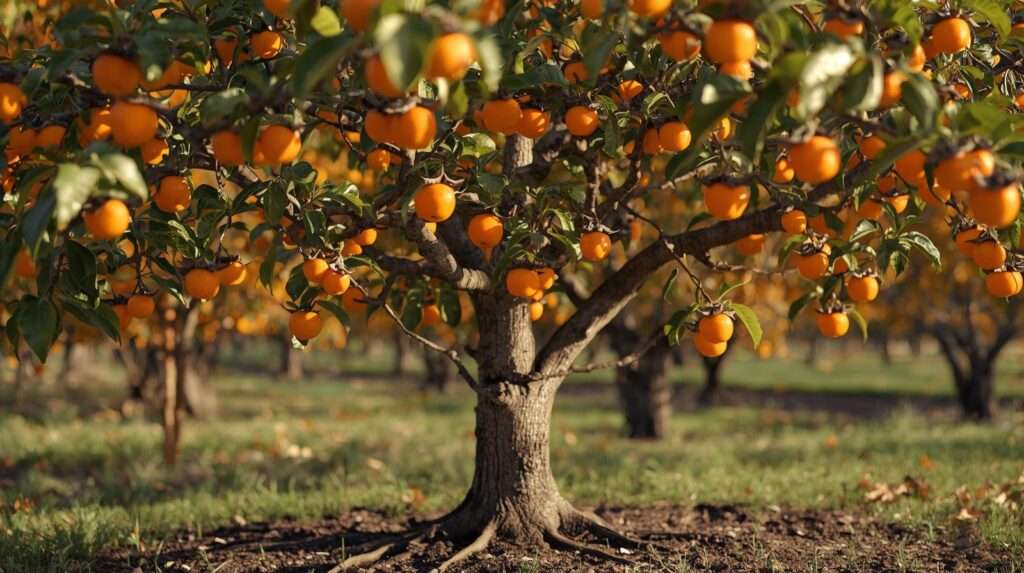
Native from the Southeast to southern New England, this tree is hardy in Zones 4–9 and excels in Zone 5 with proper cultivar selection. It produces small, orange fruits (1–2 inches) that turn sweet and pudding-like after frost, losing astringency.
Nutritionally rich in vitamins A and C, fiber, and manganese, persimmons offer a honey-date flavor for fresh eating, drying, or baking.
Recommended Cultivars for Zone 5:
- ‘Meader’: Self-fertile, exceptionally cold-hardy (to Zone 4), prolific, early bearing (often by year 10), seedless fruits.
- ‘Yates’: Large, rich flavor, late-ripening.
- ‘Early Golden’: Medium fruits, high yield (needs pollinator).
- ‘Prok’ or ‘Deer Luscious’: Early, northern-adapted.
Growth: 20–60 ft tall (prune to 25 ft in Zone 5); dioecious (most need male/female, but self-fertile options exist); alligator-like bark; full sun preferred.
Serviceberry (Amelanchier spp., e.g., A. alnifolia, A. canadensis)
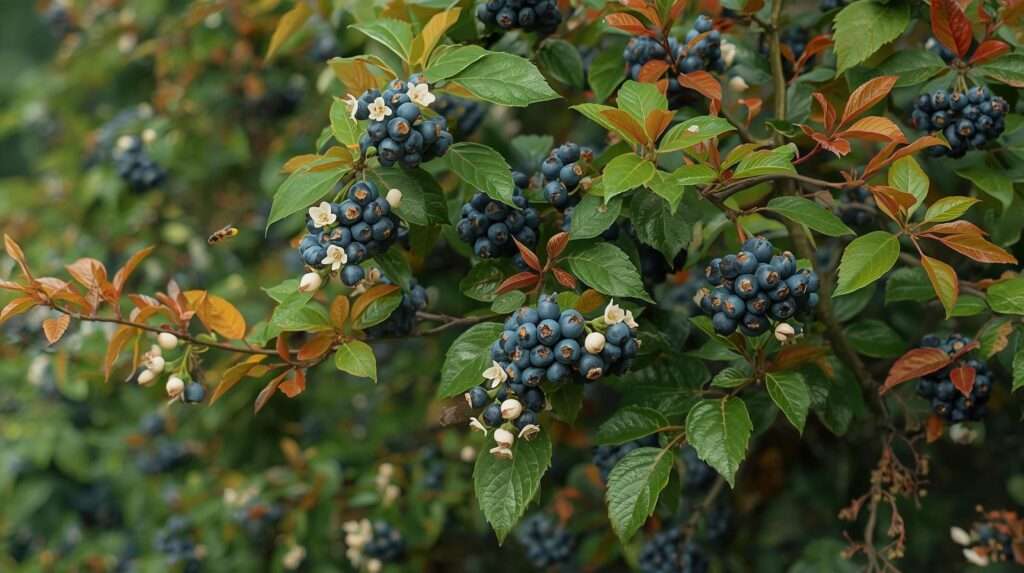
Hardy in Zones 2–9, serviceberries are multi-stemmed shrubs or small trees (10–25 ft) producing blueberry-like fruits in June (hence “Juneberry”). Sweet-tart with almond notes, they’re excellent fresh, in pies, jams, or dried.
Multi-season value: White spring flowers, edible berries, brilliant fall color (orange-red), and wildlife appeal.
Top Cultivars:
- ‘Regent’: Compact (6–10 ft), heavy producer, excellent flavor.
- ‘Northline’: Medium-large berries, few seeds, early-mid season.
- ‘Thiessen’ or ‘Smoky’: Large fruit, reliable in cold zones.
- ‘Autumn Brilliance’: Ornamental hybrid with stunning fall color.
Versatile: Full sun to part shade; tolerates various soils; self-fertile but better with multiples.
Pawpaw (Asimina triloba)
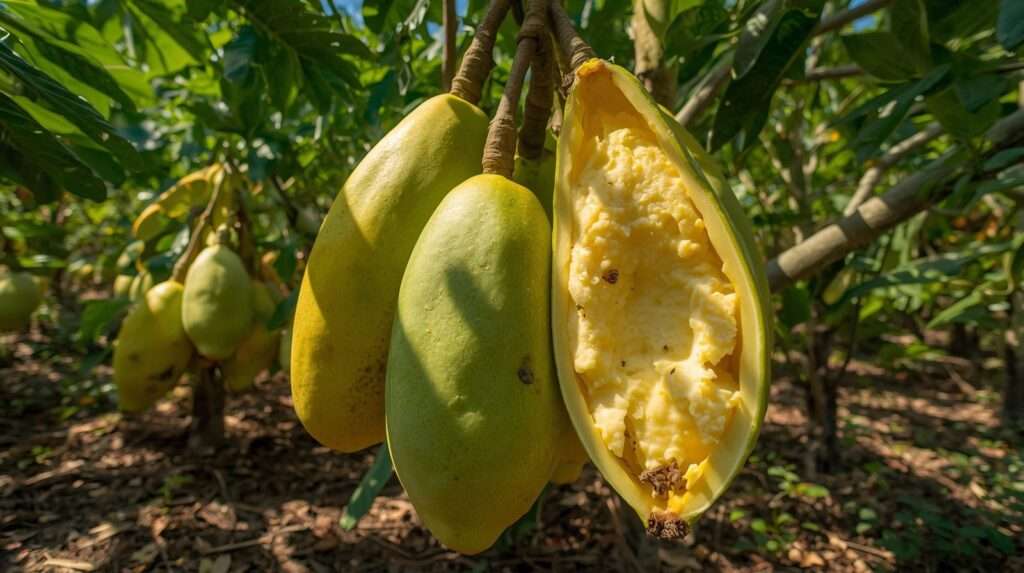
The largest native North American fruit, hardy in Zones 5–8, pawpaw delivers a “tropical” custard texture and flavor (banana-mango-pineapple) in temperate climates. High in vitamins, antioxidants, and unique acetogenins.
Cultivars from Breeding Programs (e.g., Kentucky State University):
- ‘Shenandoah’, ‘Allegheny’, ‘Susquehanna’: Large fruits (up to 1 lb), reliable set, excellent flavor.
- ‘NC-1’, ‘Overleese’, ‘Potomac’: Proven performers in northern trials.
Growth: 15–25 ft; understory in wild but fruits best in sun; needs cross-pollination (plant 2+ cultivars); pollinated by flies/beetles.
Other Underutilized Zone 5 Native Options
- American plum (Prunus americana): Tart-sweet plums, suckering shrub.
- Aronia (chokeberry): Antioxidant powerhouse berries.
- Highbush cranberry or elderberry: For broader food forest layers.
These integrate easily for diversity.
Organic Site Selection & Preparation for Success
Choose well-drained, fertile loamy soil (pH 5.5–7.0). Test soil; amend with compost. Full sun maximizes fruiting; provide wind protection and avoid frost pockets. Natives tolerate clay but hate wet feet—raise beds if needed.
Step-by-Step Planting Guide
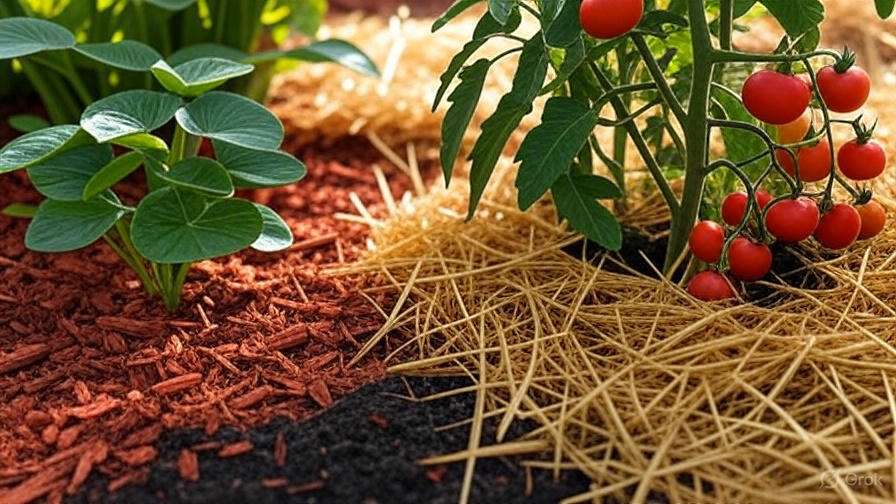
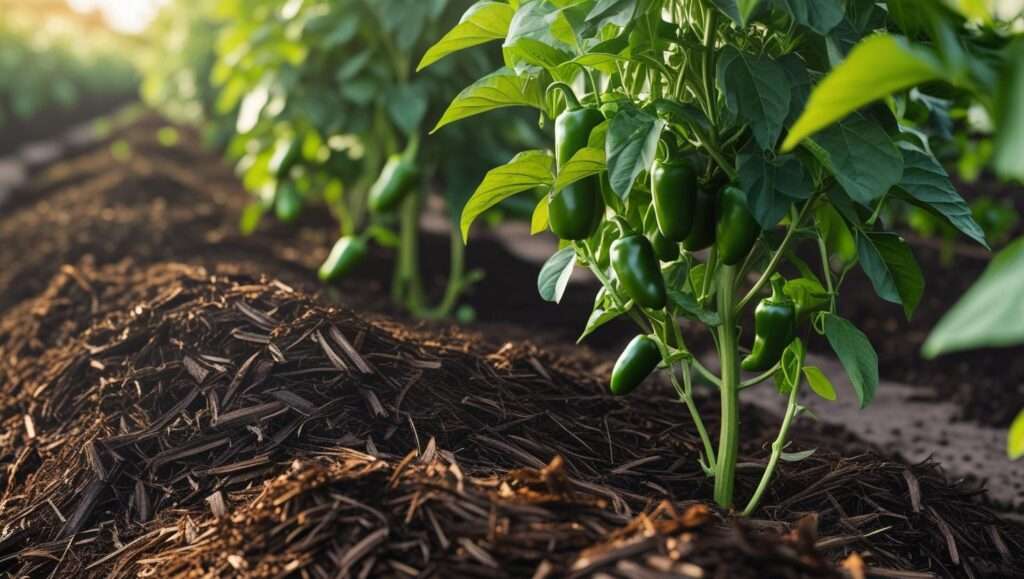
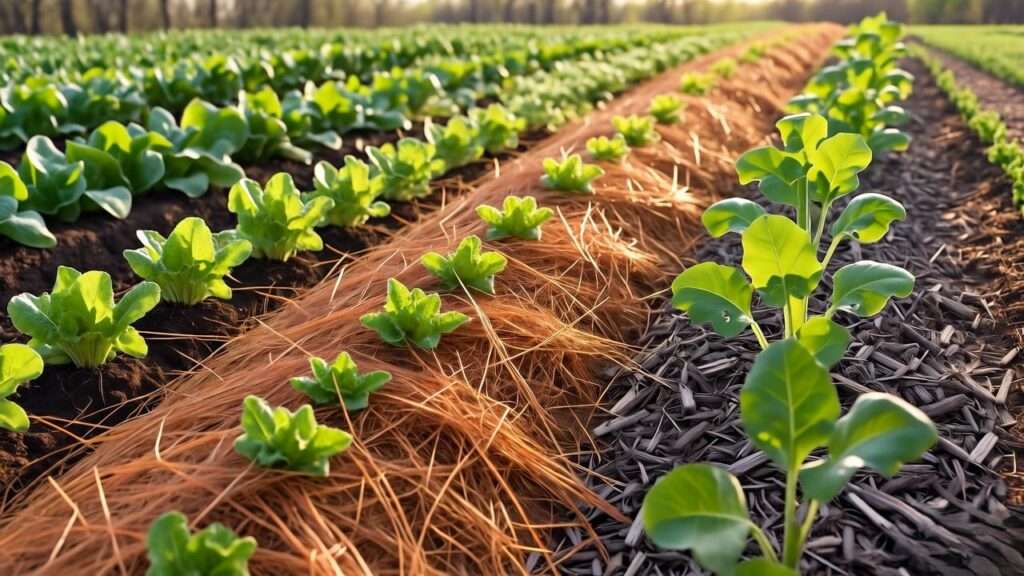
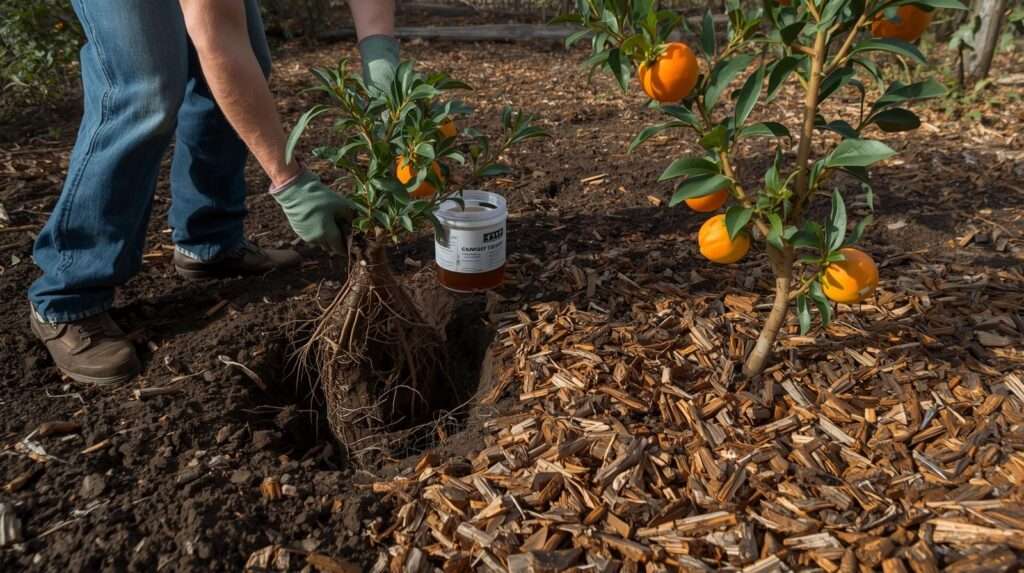
Plant in early spring (bare-root) or fall (container). Space 15–25 ft apart. Dig wide holes, tease roots, mulch heavily with organic matter (wood chips, leaves). Water deeply initially; stake young trees. For pawpaws, use shade cloth first 1–2 years.
Organic Maintenance & Management Practices
Prune in late winter for shape/airflow. Build fertility with compost teas, cover crops (clover, vetch). Use drip irrigation and thick mulch. Monitor pests—rare issues; encourage beneficials. Natives rarely need sprays.
Pollination, Harvesting & Storage Tips
Persimmon/pawpaw: Plant multiples or self-fertile cultivars; hand-pollinate pawpaws if needed. Harvest when soft/fully colored. Store short-term refrigerated; process quickly (freeze pulp).
Integrating into Organic Farming Systems & Permaculture
Layer in food forests: Pawpaw understory, serviceberry mid, persimmon canopy. Companion with nitrogen-fixers (comfrey, beans). Scale for agroforestry profitability.
Common Mistakes to Avoid & Troubleshooting
Avoid over-fertilizing (causes weak growth); ensure pollination; protect young trees from deer. Slow start? Patience—natives establish slowly but thrive long-term.
Expert Insights & Real-World Success Stories
Kentucky State University trials highlight pawpaw cultivars yielding reliably in Zone 5–6. Midwest/Northeast farmers report resilient harvests in organic setups, with pawpaws and persimmons surviving polar vortex extremes.
FAQs
Do I need multiple trees for fruit? Yes for most persimmon/pawpaw; serviceberry often self-fertile but better with cross.
How long until first harvest? 3–7 years grafted; longer from seed.
Are they deer-resistant? Moderately—pawpaw less browsed; protect young trees.
Can they grow in clay soil? Yes, with drainage amendments.
Best organic fertilizer? Compost and mulch suffice.
Winter protection needed? Mulch roots; established trees hardy.
Fruit storage? Freeze pulp for year-round use.
Commercial potential? Niche markets for unique natives growing.
And more…
Conclusion & Call to Action
These cold hardy native fruit trees zone 5 offer a path to resilient, productive organic farms with minimal inputs and maximum ecological benefit. Start small with grafted cultivars from reputable native nurseries, experiment in your conditions, and watch your land transform into a bountiful, sustainable haven.
Ready to plant? Source from trusted suppliers and share your progress in the comments—we’d love to hear your Zone 5 successes!