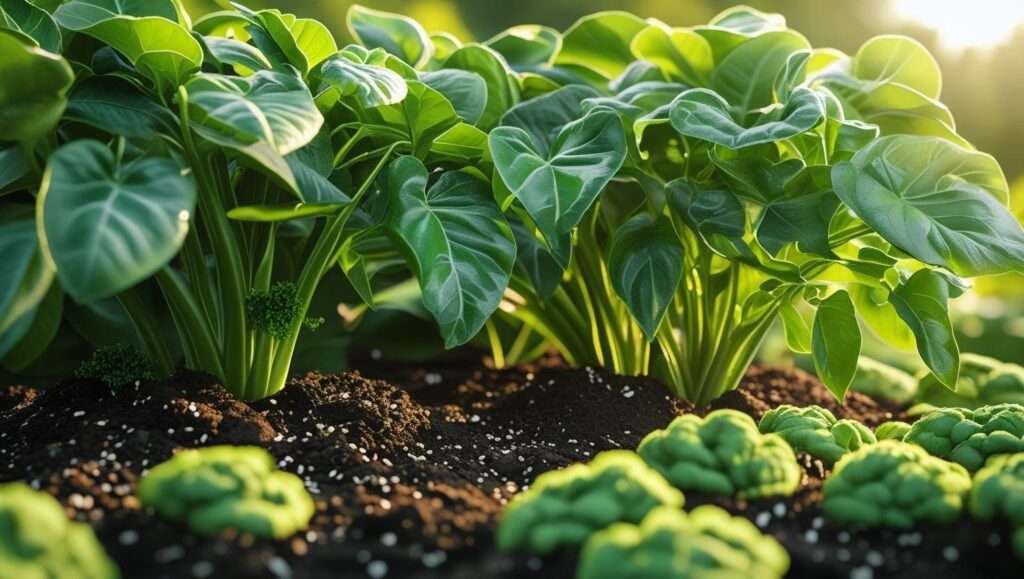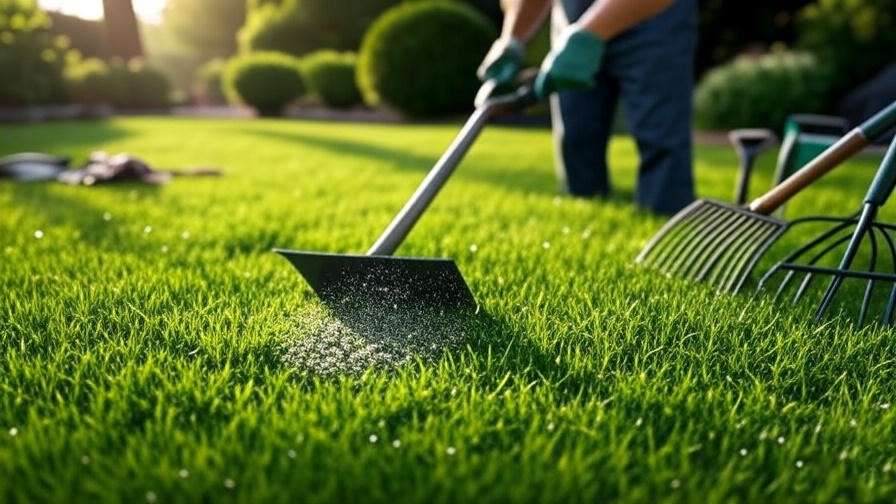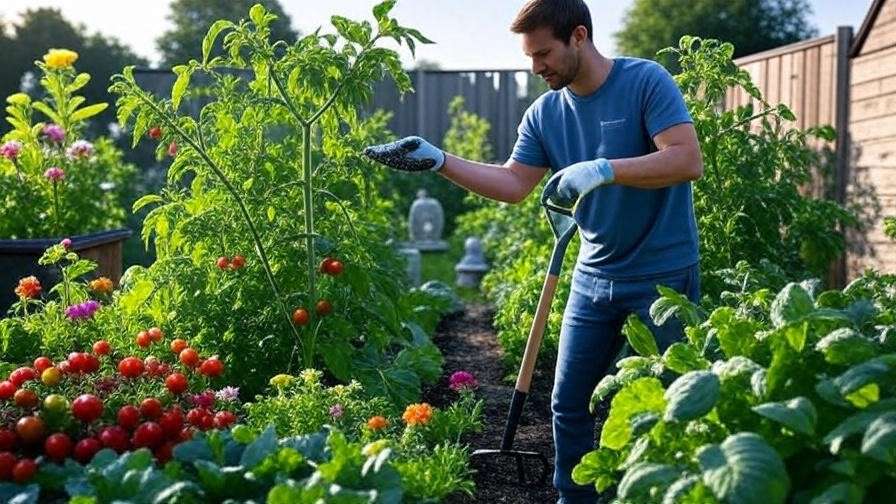
Picture this: It’s midsummer, and your backyard vegetable garden is bursting with potential — vibrant green tomato vines heavy with fruit, crisp lettuce heads ready for harvest, and cucumber plants climbing vigorously. Yet something feels off. Your plants grow fast but the tomatoes lack that deep, rich flavor you remember from childhood. The soil feels compacted and lifeless after a few seasons, and you’re left wondering if your fertilizer choices are helping or quietly holding back your harvest.
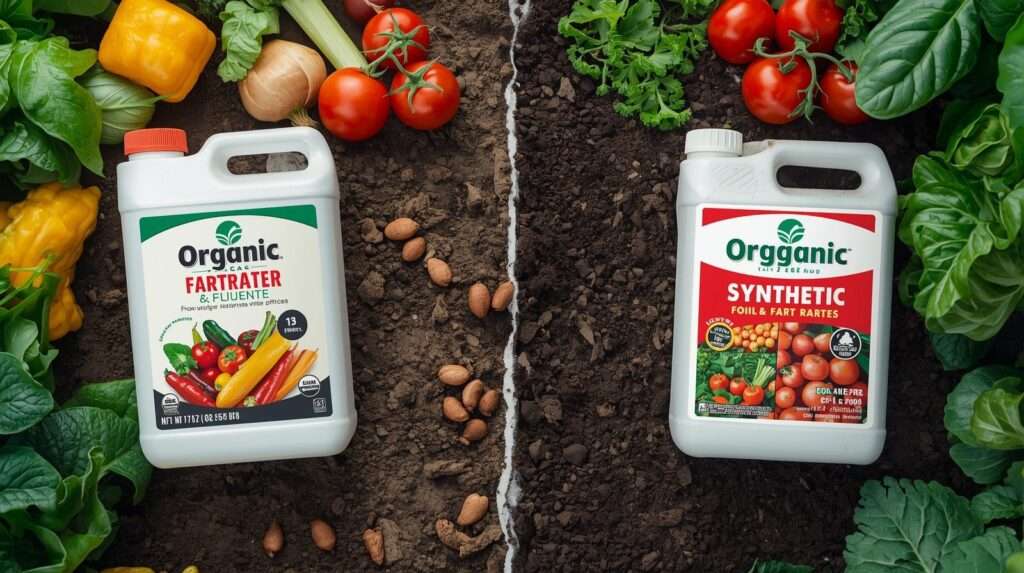
Many home gardeners face this exact dilemma when deciding between organic vs synthetic fertilizers for veggie gardens. Quick-acting synthetic options promise fast growth and bigger yields, while organic alternatives promise healthier soil and more nutritious produce over time. Which one truly delivers a better harvest for your vegetable garden?
As an agricultural expert with over 15 years of hands-on experience advising home gardeners and testing both fertilizer types in real backyard settings across varying climates and soil conditions, I’ve seen the results firsthand. This guide draws from university extension research, long-term soil health studies, and practical vegetable garden trials to provide a balanced, evidence-based comparison.
Whether you’re a beginner aiming for reliable yields or an experienced grower focused on sustainability and flavor, this comprehensive article will help you understand the real differences, weigh the trade-offs, and choose (or combine) the right approach for healthier plants and more satisfying harvests. Let’s dig in.
Understanding the Basics: What Are Organic and Synthetic Fertilizers?
To make an informed decision, start with clear definitions.
Organic fertilizers come from natural, once-living sources. They include compost, well-rotted animal manure, bone meal, blood meal, fish emulsion, seaweed extracts, and plant-based materials like alfalfa meal or cottonseed meal. These materials are rich in organic matter and contain a broad spectrum of macro- and micronutrients, plus beneficial microbes.
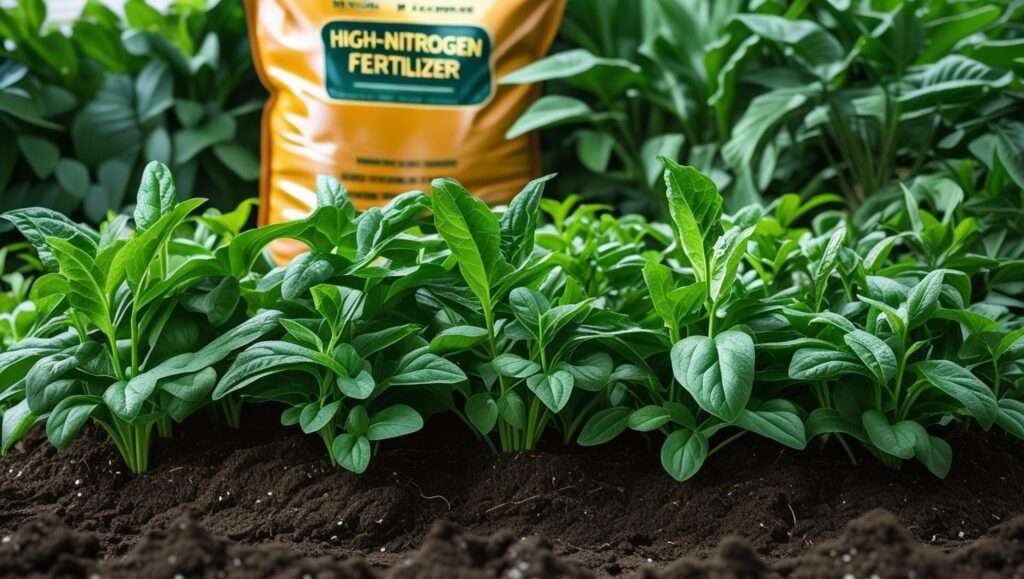
Synthetic (or chemical/inorganic) fertilizers are manufactured from mineral salts or petroleum byproducts. Common examples include granular NPK blends (such as 10-10-10 or 20-20-20), urea, ammonium nitrate, and superphosphate. They deliver concentrated, immediately available forms of nitrogen (N), phosphorus (P), and potassium (K).
Key difference at a glance:
- Organic fertilizers feed the soil ecosystem first. Soil microbes break them down slowly, releasing nutrients over weeks or months.
- Synthetic fertilizers feed the plants directly. Nutrients dissolve quickly in water and become available almost immediately.
This fundamental distinction — soil-first versus plant-first feeding — drives most of the pros, cons, and long-term outcomes in vegetable gardens.
How Each Type Works in a Vegetable Garden
Nutrient delivery mechanisms differ significantly.
In organic systems, beneficial bacteria, fungi, earthworms, and other soil organisms consume the organic material. As they digest it, they release nutrients in plant-available forms while producing natural compounds that improve soil structure. This slow-release process aligns well with the steady needs of most vegetables and reduces the risk of nutrient burn or leaching during heavy rains.
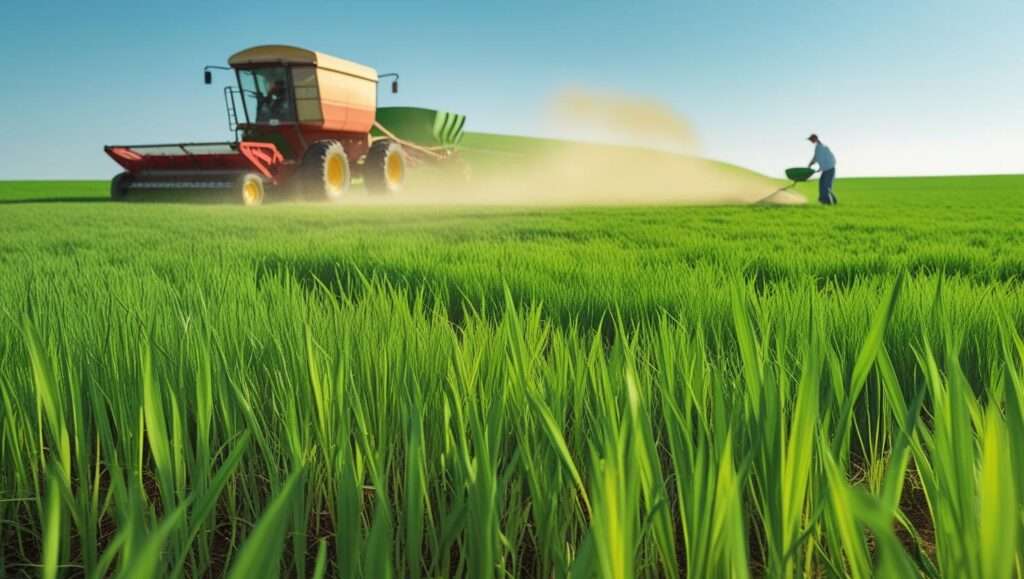
Synthetic fertilizers dissolve rapidly in soil moisture. Plants absorb the ions directly through their roots, often triggering a visible growth spurt within days. This fast action benefits heavy-feeding crops during critical growth stages but can lead to luxury consumption (plants taking up more nutrients than needed) and subsequent leaching if not timed perfectly.
Impact on soil biology and structure is where the biggest divergence appears. Organic amendments increase soil organic matter (SOM), which improves water retention, aeration, and microbial diversity. Healthy soil acts like a sponge and a nutrient bank, making your vegetable garden more resilient to drought, pests, and temperature swings.
Repeated use of synthetic fertilizers, especially without organic inputs, can reduce microbial activity and earthworm populations over time. Some studies note potential salt buildup and reduced soil aggregation, making soil harder and less productive in the long run. However, when used judiciously alongside organic matter, synthetics do not inevitably destroy soil life.
Head-to-Head Comparison: Organic vs Synthetic Fertilizers for Veggie Gardens
Here’s a detailed breakdown of the factors that matter most to home vegetable gardeners:
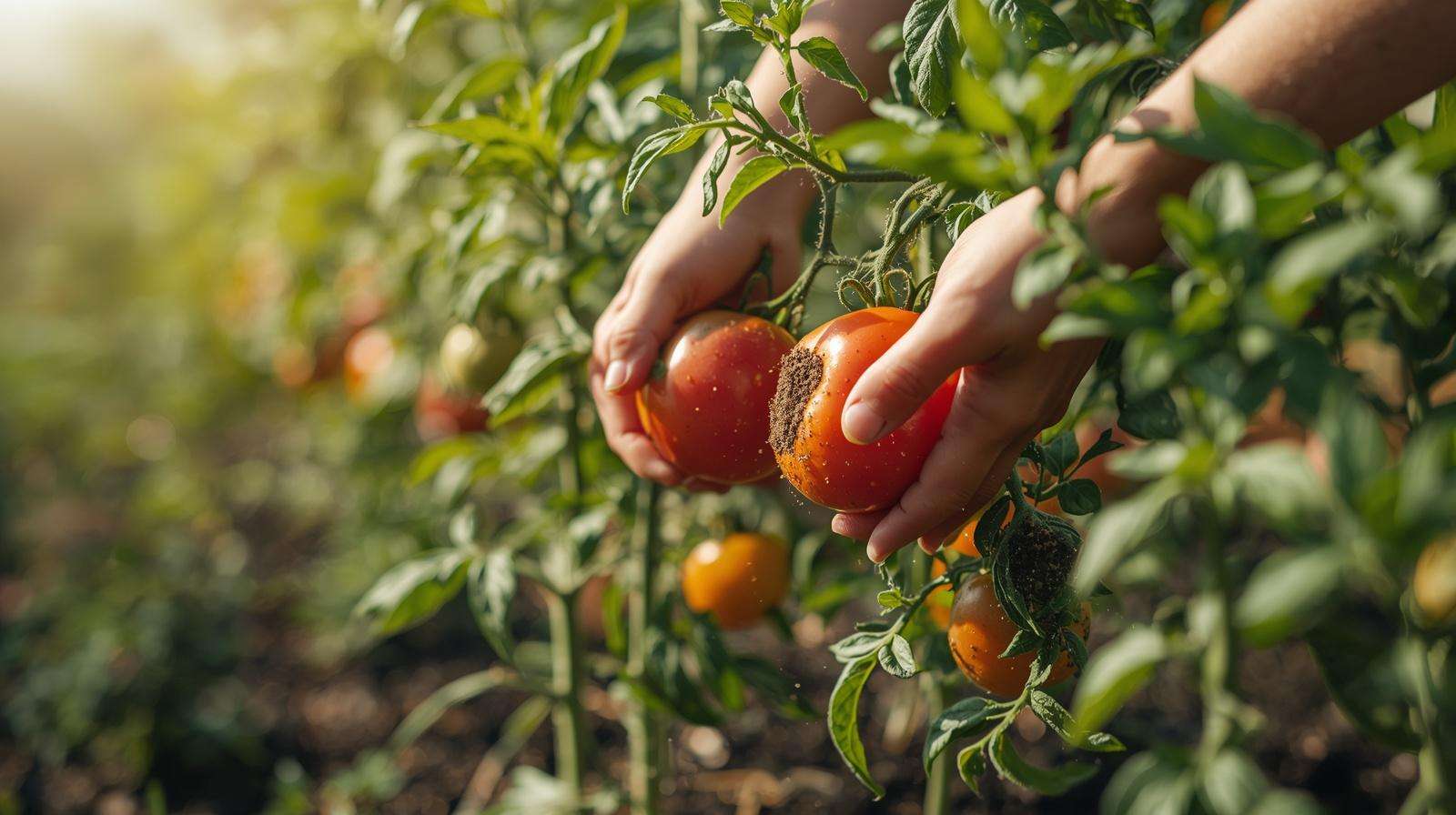
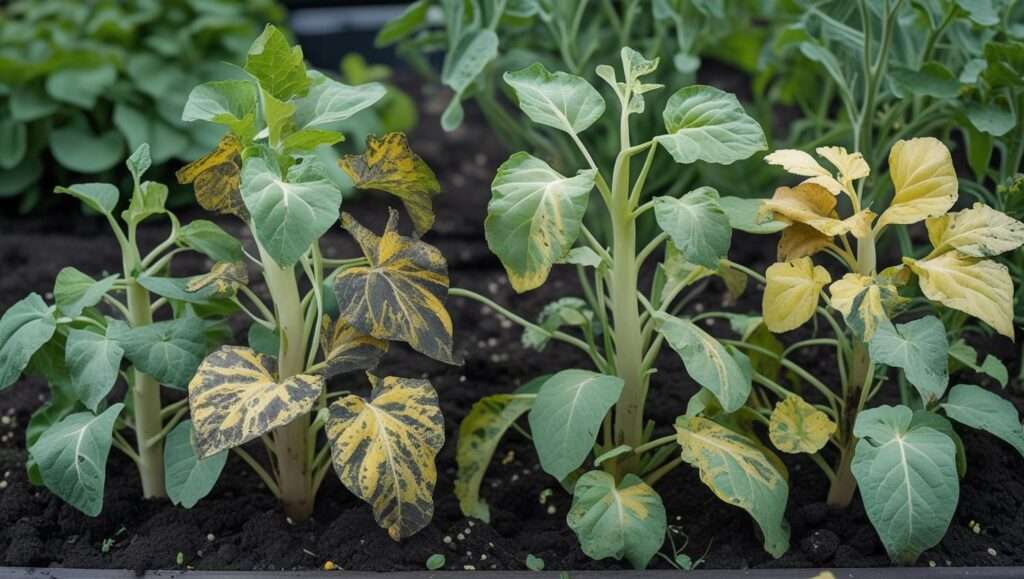
Nutrient Availability and Plant Growth Speed Synthetic fertilizers win for speed. A side-dressing of balanced synthetic NPK can green up yellowing leaves or boost fruit set in tomatoes within a week. Organic fertilizers work more gradually — often taking 2–6 weeks for full effect — but provide a steadier supply that matches plant uptake better and includes trace minerals often missing in synthetics.
Effects on Vegetable Yield and Quality Short-term yields are frequently higher or comparable with synthetics, especially for fast-growing crops like lettuce, spinach, or zucchini in nutrient-poor soils. However, many studies show that organic or hybrid systems can produce vegetables with higher nutritional density (e.g., elevated antioxidants or vitamin levels) and better flavor. Long-term trials indicate that after several seasons of building soil health, organic-amended gardens often close or eliminate the yield gap while improving resilience.
Long-Term Soil Health and Sustainability Organic fertilizers clearly excel here. They build humus, enhance microbial diversity, and improve soil structure, leading to better water-holding capacity and natural disease suppression. Synthetic-only approaches risk gradual degradation of these qualities if organic matter is not replenished. University extension services consistently recommend maintaining or increasing soil organic matter for sustainable vegetable production.
Cost, Availability, and Ease of Use Synthetics are usually cheaper per unit of nutrient and more predictable in analysis (exact NPK percentages). They store well and are easy to apply precisely. Organic options can be more expensive upfront and variable in nutrient content, but many gardeners produce their own compost or source affordable bulk manure, making them cost-effective over time. Organics also require less precision in timing because of slower release.
Environmental Impact and Runoff Risks Both types can contribute to nutrient pollution if over-applied, but synthetics — being highly soluble — pose a higher immediate risk of nitrate leaching into groundwater or causing runoff that fuels algal blooms. Organics release nutrients more slowly, reducing peak leaching events, though poorly composted manure can still cause issues. Hybrid strategies often minimize overall environmental footprint by reducing total synthetic use.
Safety for Edible Crops and Human Health Properly used, both are safe for vegetables. However, fresh or inadequately composted manure (organic) carries risks of pathogens like E. coli if applied too close to harvest. Synthetic fertilizers can lead to higher nitrate accumulation in leafy greens if overused. Always follow waiting periods and good agricultural practices. Studies show mixed results on human health links, but excessive synthetic nitrogen has raised concerns about nitrate levels in produce and water.
Expert Insight: In my garden trials with tomatoes and peppers, beds relying heavily on synthetic fertilizers produced impressive early harvests but showed signs of stress during dry spells by year three. Organically amended plots started slower but maintained steadier production and better flavor across seasons, with noticeably improved soil tilth.
Pros and Cons of Organic Fertilizers for Vegetable Gardens
Pros:
- Builds long-term soil fertility and structure.
- Supports diverse soil microbiome, improving natural pest and disease resistance.
- Provides a wide range of micronutrients and growth-promoting compounds.
- Lower risk of nutrient burn and leaching when applied correctly.
- Enhances vegetable flavor and nutritional quality in many cases.
- Environmentally friendlier over time, with potential for carbon sequestration.
Cons:
- Slower nutrient release — not ideal for correcting acute deficiencies quickly.
- Nutrient content is variable and often lower per pound.
- Can be bulkier and messier to apply.
- Higher initial cost if purchasing commercial products.
- Risk of pathogens or weed seeds if not properly composted.
Mitigation tips: Always use well-composted materials, combine with cover crops or mulch, and supplement with targeted organic liquids (like fish emulsion) during peak growth.
Vegetable-specific notes: Leafy greens (lettuce, spinach) respond beautifully to steady organic nitrogen from compost. Root crops (carrots, beets) benefit from improved soil structure that organics provide. Fruiting crops (tomatoes, cucumbers) gain drought resistance from healthier root systems.
Pros and Cons of Synthetic Fertilizers for Veggie Gardens
Pros:
- Rapid, predictable nutrient delivery for quick corrections.
- Precise NPK ratios tailored to specific crop needs.
- Cost-effective for large areas or heavy feeders.
- Easy to store and apply with consistent results.
- Excellent for boosting yields in poor or depleted soils during the first 1–2 seasons.
Cons:
- Does not build (and may gradually degrade) soil organic matter and biology.
- Higher potential for leaching, runoff, and environmental pollution.
- Can cause salt buildup or nutrient imbalances if overused.
- May produce lush growth that is more susceptible to pests or disease.
- Does not improve flavor or micronutrient density as effectively as organics in long-term use.
Mitigation: Use soil tests to guide applications, apply in smaller split doses, incorporate organic matter regularly, and avoid application before heavy rain.
Vegetable-specific notes: Heavy feeders like corn, tomatoes, and squash can benefit from targeted synthetic side-dressings during fruit set. Light feeders like beans and peas often need little to no supplemental fertilizer beyond initial soil preparation.
Which Is Better for Your Harvest? Factors to Consider
There is no single “best” choice — it depends on your specific situation.
Garden Goals: If maximum short-term yield is priority (e.g., feeding a large family quickly), synthetics or a hybrid may serve best initially. For flavor, nutrition, and sustainability, lean toward organics or hybrid systems.
Soil Test Results: Always start here. Most university extensions recommend testing pH, organic matter, and nutrient levels every 2–3 years. If your soil is severely depleted, a short course of synthetics plus heavy organic additions can rebuild it faster.
Crop-Specific Needs:
- Heavy feeders (tomatoes, peppers, eggplant, corn): Benefit from balanced approaches.
- Leafy greens: Respond well to both but gain quality from organics.
- Root vegetables: Prioritize soil structure improvements from organics.
- Legumes (beans, peas): Often need minimal nitrogen fertilizer.
Climate, Season, and Garden Size: In short-season or poor-soil areas, synthetics help establish plants faster. In established gardens with good organic matter, organics often suffice. Smaller home gardens make it easier to manage bulky organics.
Use this simple decision guide: Test your soil → Assess your timeline and goals → Start with organic base amendments → Add targeted synthetics only where deficiencies appear.
The Hybrid Approach: Combining Organic and Synthetic Fertilizers
Many experts and long-term trials now point to a hybrid or integrated approach as the smartest strategy for most home vegetable gardeners.
Research shows that replacing 20–50% of synthetic nitrogen with organic sources can maintain or even increase yields while significantly improving soil health, reducing nutrient losses, and lowering environmental impact. The organic component feeds microbes and builds structure; the synthetic provides a timely boost during peak demand.
Practical example: Apply compost or aged manure in fall or early spring as a base, then use a controlled synthetic side-dressing (e.g., when tomatoes begin flowering) for reliable fruit production. This combination often delivers the best of both worlds — robust harvests plus improving soil for future seasons.
Practical Application Guide: How to Use Fertilizers in Your Veggie Garden
Step 1: Soil Testing and Preparation Collect samples from multiple spots in your garden beds. Send to a reputable lab or use a reliable home kit. Aim for soil organic matter above 4–5% for optimal vegetable production. Incorporate 2–4 inches of compost before planting.
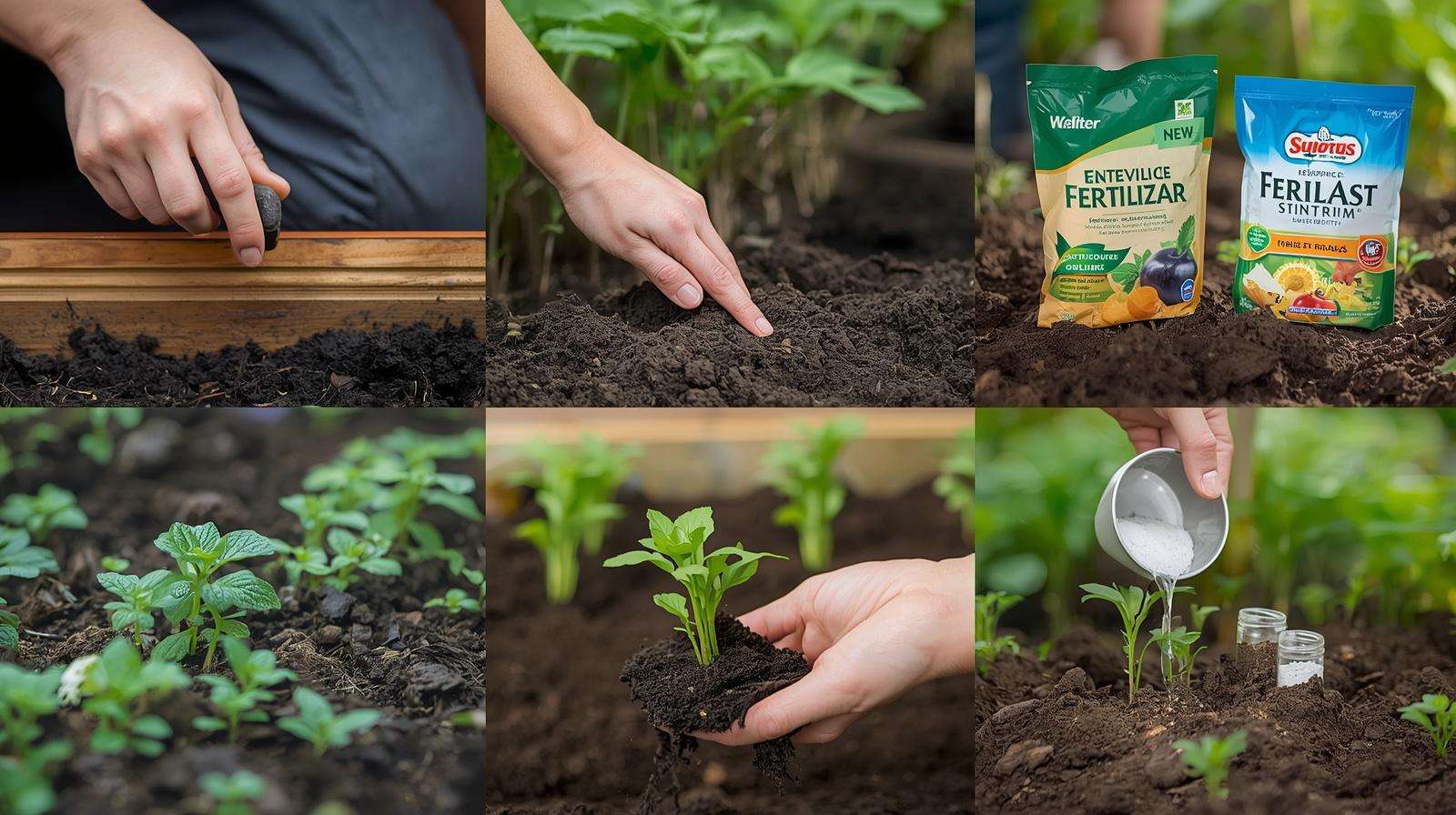
Step 2: Timing and Methods
- Pre-plant: Work organic amendments into the top 6–8 inches of soil.
- At planting: Use a starter solution (diluted fish emulsion or synthetic transplant fertilizer).
- Side-dressing: Apply when plants show rapid growth or fruit set (usually 4–6 weeks after transplanting for tomatoes).
- Foliar feeding: Use liquid organics (kelp, fish) for quick micronutrient boosts.
Step 3: Dosage Guidelines Follow soil test recommendations or general rules: 2–3 pounds of balanced 10-10-10 (or equivalent organic) per 100 sq ft for most gardens. Split applications to reduce waste.
Common Mistakes to Avoid:
- Over-fertilizing (leads to weak plants, pollution, and nutrient burn).
- Applying before heavy rain.
- Ignoring pH (nutrients lock up outside ideal ranges).
- Using fresh manure near harvest.
Vegetable-Specific Fertilizer Schedules (General Guidelines):
- Tomatoes: Base compost + calcium source. Side-dress with balanced fertilizer when first fruits set, then every 3–4 weeks.
- Lettuce/Leafy Greens: Steady nitrogen from compost tea or diluted synthetic. Avoid excess late in growth to prevent bitterness.
- Carrots/Root Crops: Focus on phosphorus and loose soil structure. Light feeding; excess nitrogen causes forking.
- Cucumbers/Squash: Moderate feeding. Boost potassium when fruits form for better quality.
Always water thoroughly after application and monitor plants for signs of deficiency or excess (yellowing, scorching, etc.).
Real-World Results and Case Studies
In extension trials and my own observations, gardens transitioning to hybrid systems often see initial yield stability or gains while soil organic matter rises 1–2% over 3–5 years. One notable pattern: Vegetable plots using only synthetics required increasing inputs over time to maintain yields, while organic-enriched beds became more self-sustaining and drought-tolerant.
Frequently Asked Questions (FAQs)
Can I switch from synthetic to organic mid-season? Yes, but gradually. Reduce synthetics and increase organic top-dressings or teas. Monitor plants closely.
Are organic fertilizers worth the higher cost? For long-term soil health and produce quality, yes — especially when you factor in reduced inputs over time and potential savings on water and pest control.
Do synthetic fertilizers harm beneficial insects or earthworms? High rates can reduce populations indirectly by altering soil chemistry, but moderate use with organic matter usually minimizes harm.
How do I make my own organic fertilizer for vegetables? Compost kitchen scraps and yard waste, brew compost tea, or create mixes like alfalfa meal + bone meal + kelp for balanced nutrition.
Is there a risk of nutrient burn with either type? Yes — synthetics burn more easily due to high solubility; organics can if applied in excessive fresh amounts. Always follow rates and water in well.
What about certified organic gardening rules? Use only approved inputs (check OMRI lists). Avoid prohibited synthetics if seeking certification.
Conclusion: Making the Smart Choice for Your Veggie Garden
Organic vs synthetic fertilizers for veggie gardens ultimately comes down to balance and context. Organic options build the foundation for resilient, flavorful, and sustainable harvests. Synthetic fertilizers offer speed and precision when needed. A thoughtful hybrid approach — using organics as the base and synthetics as targeted supplements — often delivers the best results for home vegetable gardeners seeking abundant, healthy produce without compromising future soil productivity.
Start with a soil test, prioritize building organic matter, and experiment on a small scale. Your garden will thank you with better harvests season after season.
Ready to improve your vegetable garden? Share your experiences with organic or synthetic fertilizers in the comments below. For more practical agricultural tips, explore our guides on soil testing, composting at home, and companion planting for vegetable