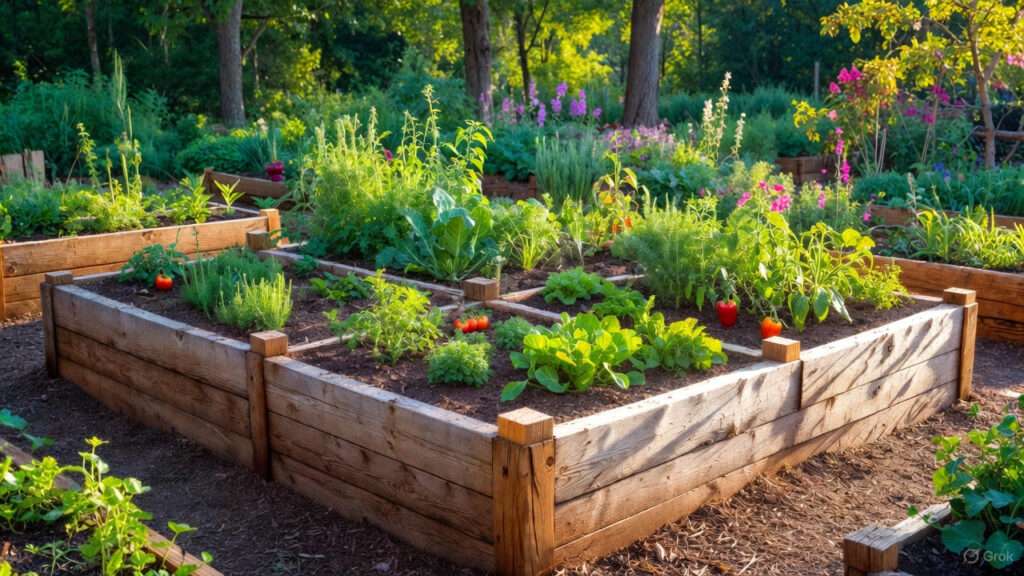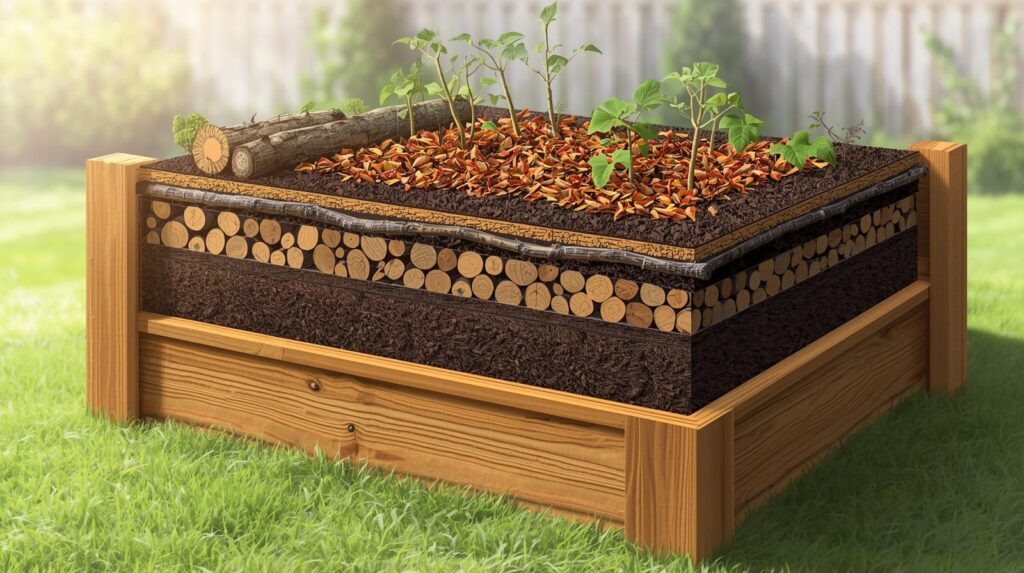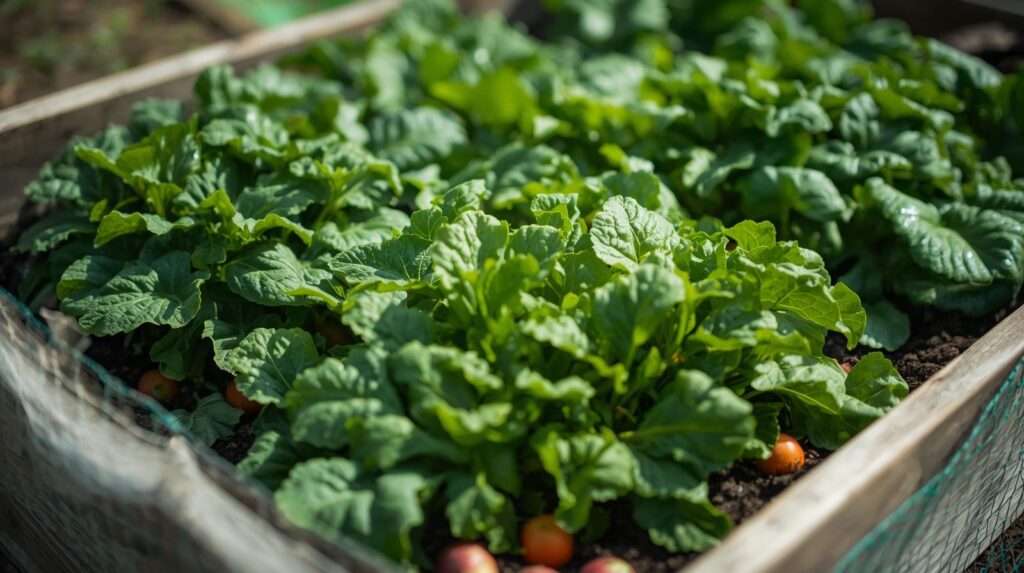
Imagine stepping into your backyard garden on a sunny morning, only to discover your carefully tended raised beds raided overnight. Tender lettuce leaves nibbled to stubs, carrot tops vanished, and fresh seedlings dug up or trampled. For many home gardeners, this frustrating scene is all too familiar. Raised beds offer excellent soil control, better drainage, and easier access, but they can also become an inviting buffet for local wildlife.
Keeping critters out of raised beds is one of the most common challenges faced by vegetable gardeners who want to grow their own food organically without resorting to harmful chemicals. Whether you’re dealing with rabbits, deer, squirrels, birds, raccoons, or burrowing pests like voles, moles, and gophers, unchecked animal activity can destroy weeks of hard work and lead to disappointing harvests.
In over two decades of organic gardening and helping countless homeowners design productive raised bed systems, I’ve learned that effective protection doesn’t require expensive commercial solutions or toxic sprays. Instead, a smart combination of physical barriers, natural repellents, strategic planting, and good garden habits delivers reliable, long-term results while preserving beneficial insects, pollinators, and the health of your soil.
This comprehensive guide shares 12 proven ways to keep critters out of raised beds naturally. You’ll find step-by-step instructions, material recommendations, real-world effectiveness insights, pros and cons, and practical tips drawn from extensive field experience. By the end, you’ll have a layered defense strategy tailored to your local wildlife, ensuring healthier plants and more abundant organic harvests.
Why Critters Love Raised Beds (and Why You Need Protection)
Raised beds concentrate nutrient-rich soil and tender young plants in an accessible, elevated space—making them particularly appealing to hungry animals. Loose, well-amended soil is easier to dig than compacted ground, and the borders often provide convenient perches or hiding spots.

Common culprits include:
- Rabbits and groundhogs: They clip seedlings and leafy greens close to the ground.
- Deer: They browse taller plants and can clear entire beds in one visit.
- Squirrels and raccoons: They dig for bulbs, seeds, or stored food and knock over containers.
- Birds: They peck at ripening fruit or pull up newly planted seeds.
- Burrowing pests (voles, moles, gophers): They tunnel from below, eating roots and disrupting soil structure.
The cost of inaction adds up quickly: wasted seeds and transplants, repeated replanting, lost produce value, and mounting frustration that can discourage gardeners altogether. Prevention through natural methods protects your investment, maintains an organic garden ecosystem, and supports biodiversity by avoiding broad-spectrum pesticides that harm pollinators and beneficial predators.
Expert insight: The most successful gardens use “defense in depth”—multiple overlapping strategies rather than relying on any single method. This approach adapts to changing wildlife pressure throughout the seasons and reduces the chance of animals habituating to one deterrent.
Identify the Culprits – Know Your Local Critters
Effective protection starts with accurate identification. Different animals require tailored solutions, so spend a few days observing signs before investing in barriers.
Common Above-Ground Pests:
- Rabbits: Look for clean, angled cuts on stems (like a 45-degree bite), small round droppings, and tracks with four toes on front feet. They prefer tender greens and rarely climb but can jump short heights.
- Deer: Jagged browsing damage higher up on plants, hoof prints, and rubbed bark on nearby trees. They are excellent jumpers and browsers.
- Squirrels: Dug holes in soil or mulch, chewed fruits or nuts, and scattered debris. They are agile climbers and diggers.
- Birds: Pecking holes in tomatoes or strawberries; pulled seeds or seedlings.
- Raccoons: Larger digging, overturned containers, and distinctive five-toed tracks. They are nocturnal and opportunistic.
Burrowing Pests:
- Voles: Shallow surface runways, gnawed roots, and small holes (often under mulch). They cause extensive root damage.
- Moles: Raised tunnels and mounds; they eat insects but indirectly damage roots by disturbing soil.
- Gophers: Larger fan-shaped dirt mounds with plugged holes; they eat roots, tubers, and bulbs from below.
Quick Identification Tips:
- Set up a trail camera or check early morning for fresh activity.
- Note damage patterns: clean cuts suggest rabbits; ragged edges point to deer or insects.
- Regional factors matter—urban gardens often see more squirrels and raccoons, while rural areas deal with deer and groundhogs. Climate and season also influence behavior (e.g., more pressure in spring when natural food is scarce).
Understanding your specific pests allows you to prioritize methods and avoid wasting time on ineffective solutions.
12 Proven Ways to Keep Critters Out of Raised Beds Naturally
Here are 12 battle-tested methods, ranked roughly from foundational (bottom protection) to supplemental (repellents and habits). Each includes materials, installation steps, effectiveness rating (based on gardener reports and field experience), approximate cost range (for a standard 4×8 bed), pros/cons, and troubleshooting tips. Combine 2–4 methods for best results.
1. Install Hardware Cloth at the Bottom of Your Beds This is the gold standard for burrowing pests like gophers, voles, and moles. Hardware cloth (galvanized welded wire mesh) creates an impenetrable underground barrier while allowing water and roots to pass.
Materials: 1/4-inch or 1/2-inch mesh hardware cloth (1/4-inch for voles; 1/2-inch often suffices for gophers), heavy-duty staples or landscape pins, wire cutters.
Step-by-Step Installation:
- For new beds: Cut hardware cloth to size, allowing 6–12 inches extra on all sides. Lay it in the bottom of the frame before adding soil. Staple securely to the wooden sides, overlapping seams by 4–6 inches.
- For existing beds: Empty the soil (or partially), line the bottom and sides (extending outward in an “L” shape at the base to deter tunneling), then refill.
- Secure edges firmly so animals cannot push underneath.
Effectiveness: Very high against burrowers; moderate added benefit against surface diggers. Cost: $20–60 per bed (depending on mesh size and bed dimensions). Pros: Long-lasting (decades), permanent, allows drainage. Cons: Labor-intensive for retrofits; roots may initially hit the mesh (they grow around it). Tips: Use rust-resistant galvanized cloth. Combine with surface barriers for complete protection. Many gardeners report near-zero burrowing damage after proper installation.
2. Use Livestock Panels or Goat Panels as Surface Barriers These sturdy welded wire panels deter digging by cats, dogs, squirrels, and light rabbit activity while doubling as plant supports or spacing guides.
Materials: 4×8 or 5×10 livestock/goat panels (smaller grid for better protection), bolt cutters or angle grinder.
Installation:
- Cut panels to fit the top of your raised bed.
- Lay them flat on the soil surface or elevate slightly on bricks/blocks so plants can grow through the openings.
- Secure with zip ties or clips if needed; remove or adjust as plants mature.
Effectiveness: High for surface diggers and cats; good for squirrels. Cost: $15–40 per panel (reusable). Pros: Dual-purpose (spacing + protection), durable, easy to store. Cons: Less effective against determined burrowers or tall jumpers; can look industrial initially. Tips: Choose goat panels with smaller openings near the bottom. Great temporary solution while establishing other barriers.
3. Build Hoop Frames with Netting or Row Covers Flexible hoop tunnels provide overhead protection against birds, squirrels, rabbits, and some deer while creating a microclimate for earlier/later harvests.
Materials: PVC conduit, EMT conduit, or fiberglass rods for hoops; bird netting, insect mesh, or floating row cover fabric; clamps, clips, or sandbags for securing.
Step-by-Step:
- Insert hoops every 2–3 feet along the bed length (arch height 2–4 feet depending on crops).
- Drape netting or fabric over hoops.
- Secure edges with soil, boards, or clips; use longer fabric for easy access (roll up sides for weeding/harvesting).
Effectiveness: High for birds and flying pests; good for light mammal pressure. Cost: $10–50 per bed (reusable hoops). Pros: Versatile, protects from frost/insects too, easy to remove. Cons: Needs regular adjustment; wind can displace loose covers. Tips: Use UV-resistant netting. For deer, add taller hoops or combine with fencing.
4. Construct a Simple Fence or Enclosure Around Beds A well-built fence is one of the most reliable long-term solutions, especially for rabbits and deer.
Height Recommendations: 2–3 feet for rabbits (bury base 6–12 inches); 6–8 feet for deer (or use double strands at 5 and 7 feet to create a psychological barrier).
Materials: Chicken wire, welded wire, or plastic mesh; T-posts or wooden stakes; zip ties.
Installation:
- Drive posts at corners and every 4–6 feet.
- Attach mesh, burying the bottom edge outward in an L-shape.
- For individual beds, create a removable frame that lifts off for access.
Effectiveness: Very high when properly installed and maintained. Cost: $30–150 depending on height and materials. Pros: Customizable, long-lasting. Cons: Initial cost and visual impact; requires maintenance. Tips: Use small-mesh chicken wire at the base for baby rabbits. Portable versions work well for seasonal gardens.
5. Add Solid Raised Edges or Cold Frame-Style Borders Increasing the visual and physical height of bed walls deters jumpers like rabbits who prefer not to leap into unseen spaces.
Materials: Cinder blocks, additional wood planks, or low walls; optional hinged covers.
Installation:
- Stack blocks or extend existing frames to 16–20+ inches total height.
- Add a temporary cold frame lid with mesh for extra protection.
Effectiveness: Moderate to high for rabbits and cats. Cost: $20–80. Pros: Attractive, adds warmth/soil depth. Cons: Less effective alone against deer or determined diggers.
6. Apply Natural Repellents and Homemade Sprays These scent- and taste-based options make plants less appealing without harming wildlife long-term.
Popular Recipes:
- Cayenne-Garlic Spray: Blend 2 tbsp cayenne pepper, 4–6 garlic cloves (or powder), 1 tbsp dish soap, and 1 gallon water. Strain and spray foliage weekly or after rain.
- Egg-Based Repellent: Mix 1 raw egg, 1 cup milk or water, 1 tbsp oil, and dish soap in 1 gallon water. The sulfur smell mimics predators.
- Hot Pepper Wax or Commercial Natural Options: Rotate with predator urine granules (coyote/fox) for variety.
Application: Spray in early morning/evening; reapply frequently. Test on a small area first.
Effectiveness: Moderate (best as supplement); animals may habituate, so rotate formulas. Cost: Very low ($5 or less per batch). Pros: Inexpensive, organic, easy. Cons: Weather washes them off; requires consistency. Tips: Combine with physical barriers for better results. Avoid spraying edible parts close to harvest.
7. Plant Companion and Deterrent Plants Strong-scented or textured plants create natural “fences” that confuse or repel critters.
Effective Options:
- Alliums (garlic, onions, chives): Pungent smell deters deer and rabbits.
- Herbs: Rosemary, lavender, mint, sage—plant around bed borders.
- Marigolds and Nasturtiums: Strong scent and trap crops.
- Other: Catmint, Russian sage, or ornamental grasses for texture.
Strategic Placement: Border beds or interplant among vegetables.
Effectiveness: Moderate to good as part of a system. Cost: Low (seeds/plants). Pros: Adds beauty and biodiversity; edible or pollinator-friendly. Cons: Not 100% reliable alone.
8. Use Physical Deterrents and Scare Tactics Motion and visual/audio surprises disrupt animal comfort zones.
Options:
- Motion-activated sprinklers (highly effective for deer/rabbits).
- Reflective tape, old CDs, or pinwheels.
- Fake predators (owl decoys—move them regularly).
- Wind chimes or ultrasonic devices (mixed results; better for birds/squirrels).
Effectiveness: Variable; works best short-term or rotated. Cost: $20–100. Pros: Humane, low maintenance once set. Cons: Animals habituate quickly.
9. Mulch Strategically and Maintain Garden Hygiene Reduce attraction by eliminating food sources and cover.
Tips:
- Use coarse mulch or gravel that discourages digging (avoid deep loose mulch near beds).
- Clear fallen fruit, debris, and weeds promptly.
- Keep compost bins secure and away from beds.
- Avoid leaving pet food or birdseed accessible.
Effectiveness: Supportive; enhances other methods. Pros: Improves soil health. Cons: Requires ongoing effort.
10. Elevate or Modify Bed Design for Better Protection Taller beds (18–24+ inches) or integrated features make access harder.
Ideas:
- Build beds with built-in hoop anchors or fencing channels.
- Use modular systems with hinged lids or removable covers.
- Position beds closer to the house for natural human deterrence.
Effectiveness: High when combined with other barriers. Cost: Varies with new construction.
11. Combine Multiple Methods for Layered Defense The “defense in depth” principle: Bottom hardware cloth + surface panels + perimeter fencing + repellents + deterrent plants creates redundancy. Animals must overcome several obstacles, making your garden far less appealing than surrounding areas.
12. Implement Ongoing Monitoring and Adaptive Strategies Success requires observation. Keep a simple garden journal noting damage, weather, and what worked. Adjust seasonally (tighter protection in spring/fall). Consider humane live trapping and relocation for persistent individuals, or encourage natural predators (hawks, owls, foxes) by providing habitat nearby without inviting more problems.
For each method above, success stories from experienced gardeners show that consistent application and combination yield the best outcomes. Start with identification and one or two foundational barriers, then layer as needed.
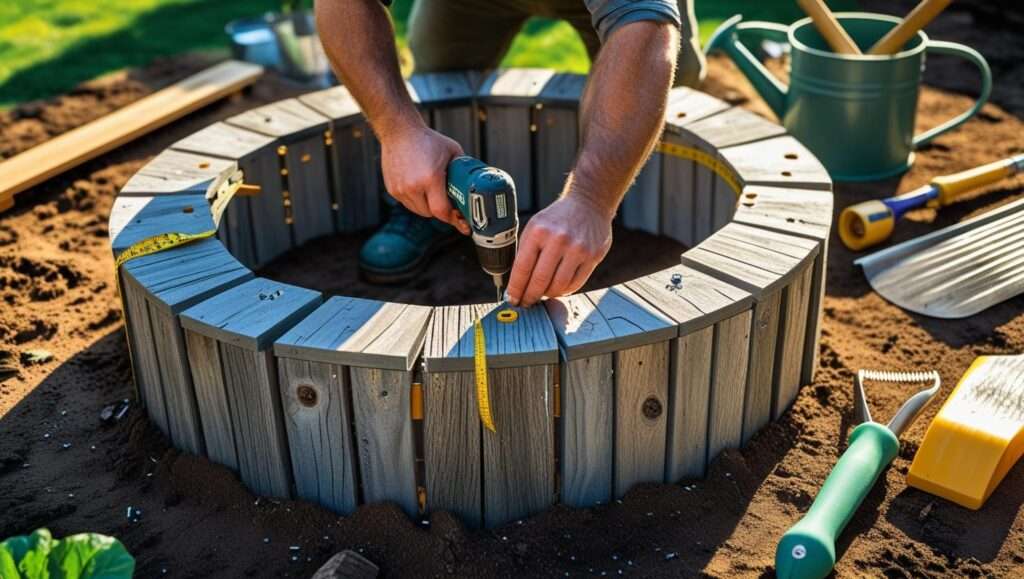
Building Critter-Resistant Raised Beds from Scratch
When constructing new beds, incorporate protection during planning:
- Choose durable materials (cedar or composite for sides).
- Line bottoms with hardware cloth from the start.
- Design wider borders or integrated fencing posts.
- Plan for hoop frames or removable covers.
Cost Comparison: Basic DIY bed ~$50–150; fully pest-proofed version adds $50–200 but saves money long-term through reduced losses.
Common Mistakes to Avoid When Protecting Raised Beds
- Relying on a single method (e.g., spray only—animals adapt).
- Using toxic chemicals that harm pollinators and soil life.
- Poor installation (gaps at corners, insufficient burial depth, loose netting).
- Ignoring local behavior (e.g., not accounting for deer jumping ability).
- Neglecting maintenance (torn mesh or washed-off sprays invite reinvasion).
- Over-mulching, which provides cover for voles.
Avoid these pitfalls by testing small areas first and scaling what works.
Maintenance and Seasonal Tips for Long-Term Success
- Inspect barriers weekly, especially after storms.
- Store removable covers cleanly over winter to prevent mildew.
- Adjust protection by growth stage (tighter for seedlings, looser for mature plants).
- Integrate with organic practices: healthy soil grows resilient plants less appealing to pests.
- Rotate crops and use succession planting to minimize vulnerable periods.
In winter, focus on repairs and planning; in spring, reinforce before planting.
Eco-Friendly Considerations and Benefits
Natural protection methods support a balanced ecosystem. By avoiding chemicals, you protect bees, butterflies, earthworms, and predatory insects that naturally control garden pests. Sustainable materials (reused panels, biodegradable sprays) reduce waste. Ultimately, a critter-proof raised bed garden delivers fresher, chemical-free produce, greater self-sufficiency, and the joy of successful harvesting.

Keeping critters out of raised beds doesn’t have to be an endless battle. By identifying your specific pests and implementing a layered strategy from the 12 proven methods above—starting with hardware cloth for burrowers, fencing or hoops for surface protection, and natural repellents/companion plants for added deterrence—you can enjoy a thriving, productive garden with far less frustration.
Start small: Assess your local wildlife this week, install one foundational barrier, and build from there. Most gardeners see dramatic improvement within a single season when combining physical and behavioral approaches.
A well-protected raised bed garden means more fresh vegetables on your table, less wasted effort, and greater satisfaction from your agricultural efforts. Share your own successful critter solutions in the comments below—I’d love to hear what works in your region. For more organic gardening tips, explore our guides on soil building for raised beds, companion planting strategies, and season extension techniques.
Happy gardening! With these tools, your raised beds can finally deliver the bountiful, worry-free harvests you’ve been working toward.
FAQs
What is the best way to keep rabbits out of raised beds? A 2–3 foot fence with buried base combined with hardware cloth or solid raised edges is highly effective. Add repellent plants like alliums or lavender for extra deterrence.
Does hardware cloth work against gophers? Yes—1/2-inch mesh is usually sufficient for gophers; use 1/4-inch for smaller voles. Proper installation with overlapped seams and secure attachment is key.
How high should a fence be to keep deer out? At least 6–8 feet, or use a psychological double-wire setup at 5 and 7 feet. For smaller areas, 6 feet can sometimes suffice with additional deterrents.
Are there natural repellents that actually work? Homemade cayenne-garlic or egg-based sprays can be effective when rotated and reapplied regularly. They work best alongside physical barriers.
Can I use raised beds in areas with heavy squirrel activity? Yes—livestock/goat panels on the surface, combined with netting or elevated designs, significantly reduce digging and damage.
How do I make a hoop cover for my raised bed? Insert flexible hoops every 2–3 feet, drape with bird netting or row cover, and secure edges well. Use PVC or conduit for durability.
Will these methods harm beneficial insects or birds? When using physical barriers and natural plant-based repellents, the impact is minimal. Avoid broad-spectrum chemicals to protect pollinators.