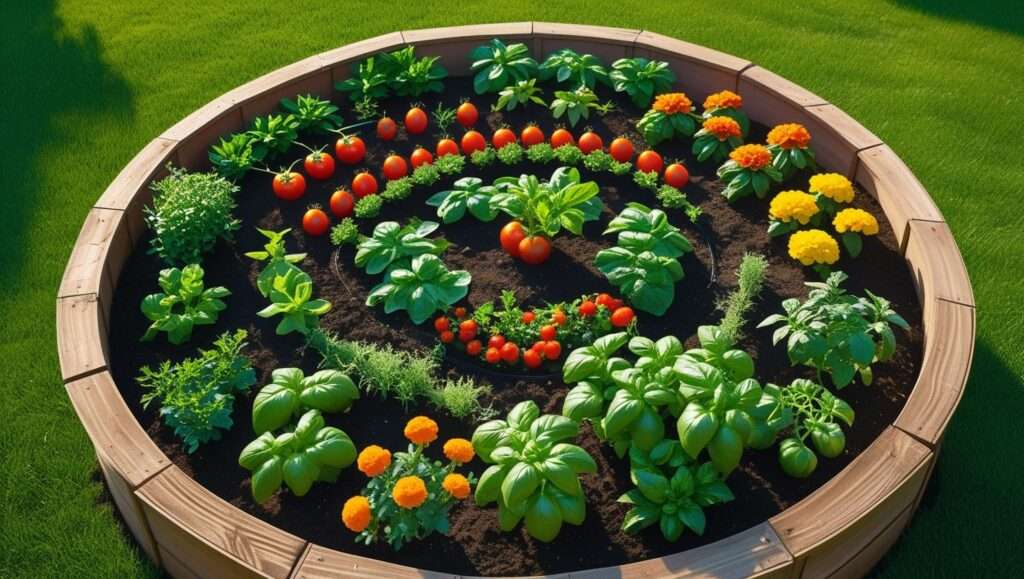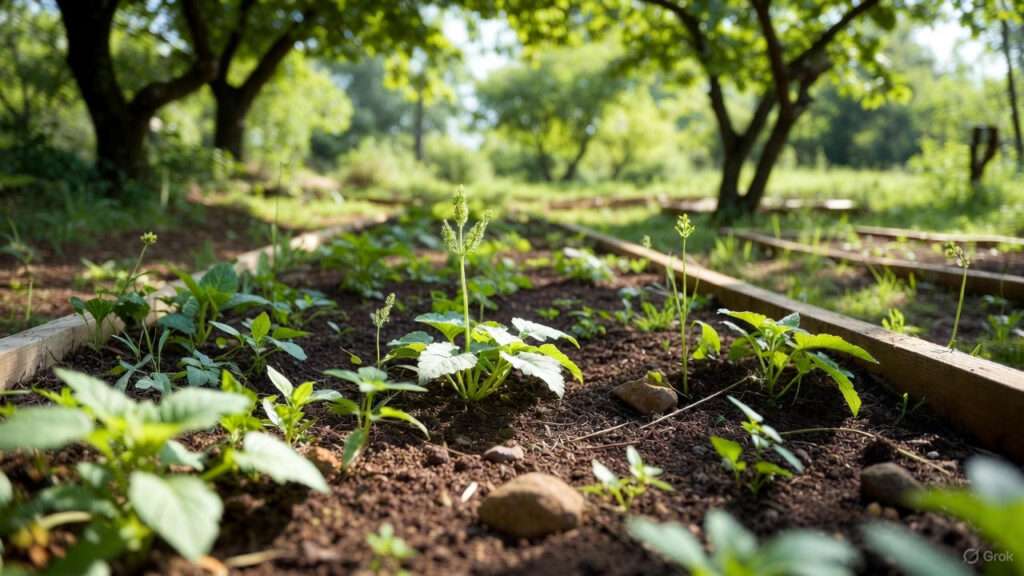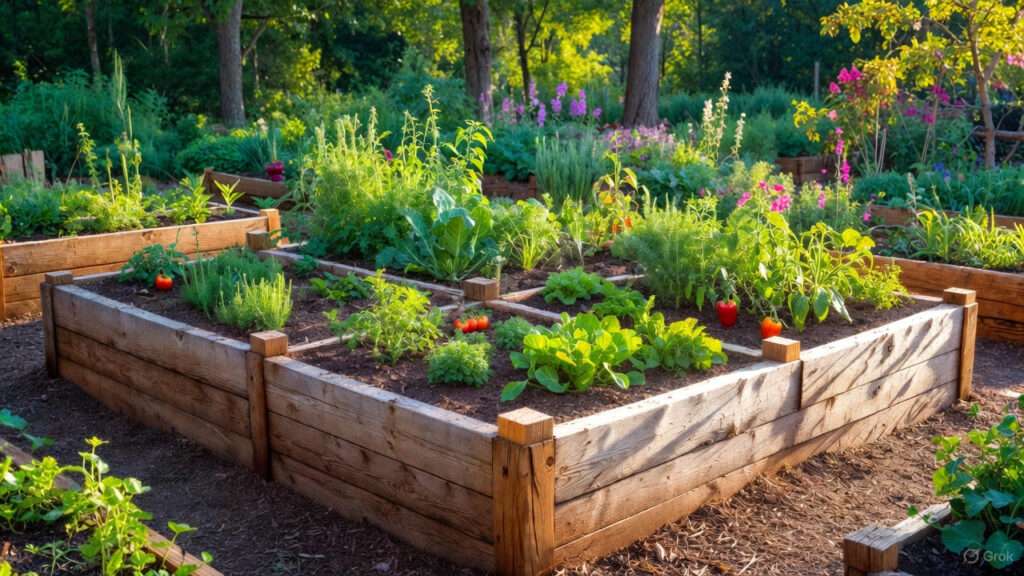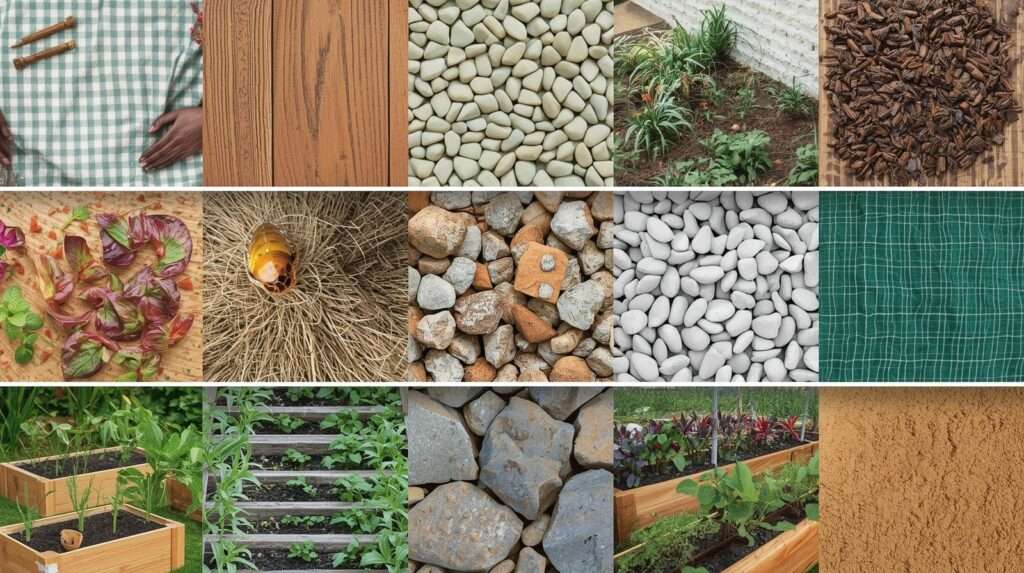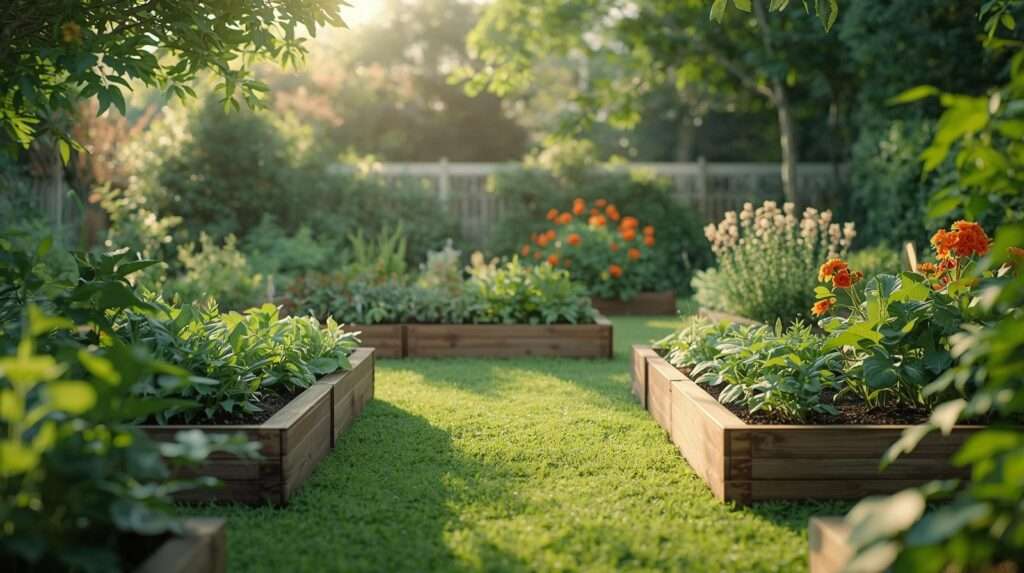
Imagine building beautiful raised beds filled with vibrant vegetables, herbs, and flowers—only to realize they demand hours of weeding, watering, and tending every single weekend. For many busy homeowners, urban gardeners, and families juggling work and life, this common frustration turns a joyful hobby into another chore on the to-do list.Maintaining Raised Beds Without Spending Every Weekend
The good news? Maintaining raised beds without spending every weekend is entirely achievable with the right proactive strategies. Raised bed gardening offers excellent drainage, warmer soil for earlier planting, reduced soil compaction, and higher yields, but it doesn’t have to consume your free time. By shifting from reactive weekend marathons to smart, set-it-and-forget-it systems, you can enjoy fresh harvests while reclaiming your weekends for family, relaxation, or other passions.
In this comprehensive guide, drawing from over 15 years of hands-on experience helping home gardeners optimize their spaces (including collaborations with extension services and testing in diverse climates), I’ll share seven proven strategies. These approaches focus on prevention, efficiency, and long-term soil health rather than constant intervention. Whether you’re a beginner or seasoned gardener tired of endless upkeep, these time-saving techniques—rooted in soil science, water conservation principles, and practical field-tested methods—will transform your raised beds into low-maintenance productivity powerhouses.
You’ll learn how to build or upgrade beds for durability, create self-sustaining soil, harness mulch and automated watering, choose smarter plants, prevent problems before they start, and establish simple seasonal routines. By the end, you’ll have a complete roadmap to maintain thriving raised beds with just occasional check-ins instead of full weekends devoted to the garden.
Why Raised Beds Often Demand Weekend Time (And How to Break the Cycle)
Raised beds are popular for good reason: they warm up faster in spring, drain better after rain, keep pathways clean, and make gardening more accessible by reducing bending and kneeling. However, without thoughtful design and management, they can quickly become high-maintenance. Common time sinks include frequent hand-watering (raised beds dry out faster than in-ground gardens due to better drainage and exposure), relentless weeding (especially if soil isn’t properly mulched), soil nutrient depletion requiring repeated amendments, and pest or disease flare-ups from stressed plants.
The cycle often starts with enthusiasm—filling beds with fresh soil mix and planting densely—followed by reactive fixes when issues arise. The mindset shift that breaks this cycle is moving from “maintenance mode” to “preventive design.” Small upfront investments in quality materials, infrastructure, and habits pay off by saving dozens of hours annually. University extension research consistently shows that practices like mulching and drip irrigation can dramatically reduce labor while improving plant health and yields.
By implementing the strategies below, many gardeners report cutting weekend garden time by 70% or more, allowing consistent harvests without burnout.
Strategy 1: Build or Choose the Right Foundation for Low Maintenance
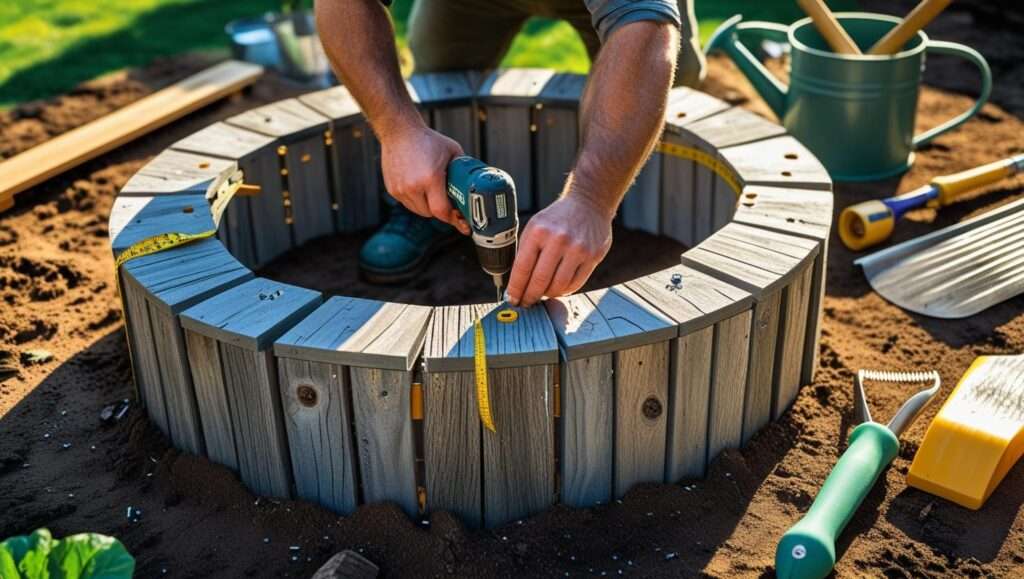
The foundation of low-maintenance raised beds starts before you even fill them. Poor design choices lead to rotting frames, uneven settling, difficult access, and constant repairs.
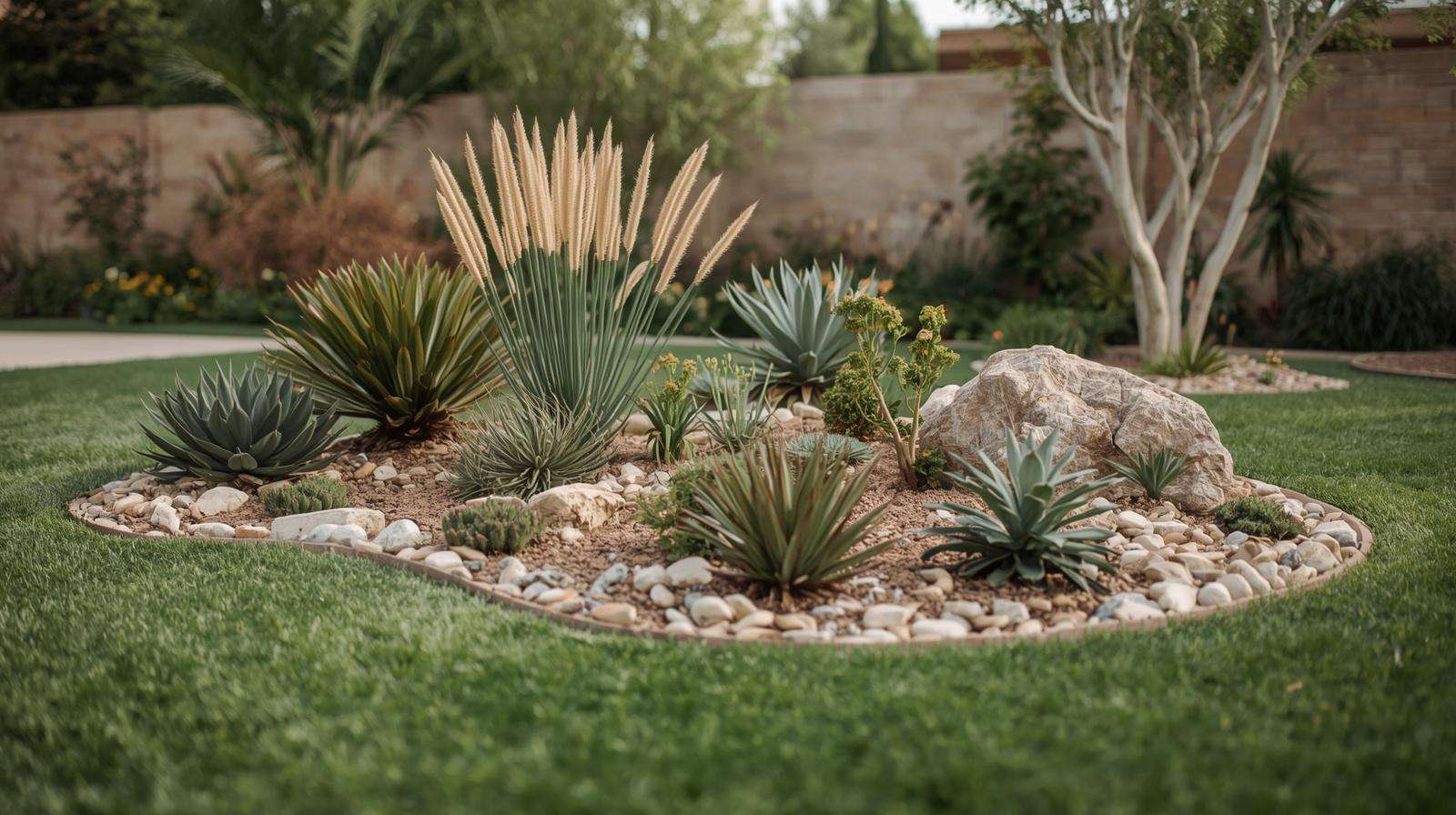
Optimal Bed Design and Materials
Aim for beds no wider than 4 feet so you can reach the center from either side without stepping on the soil (which causes compaction). Height of 12–24 inches is ideal for most gardeners—it provides enough root depth for vegetables while minimizing bending. Longer beds (8–12 feet) work well if accessible from both ends.
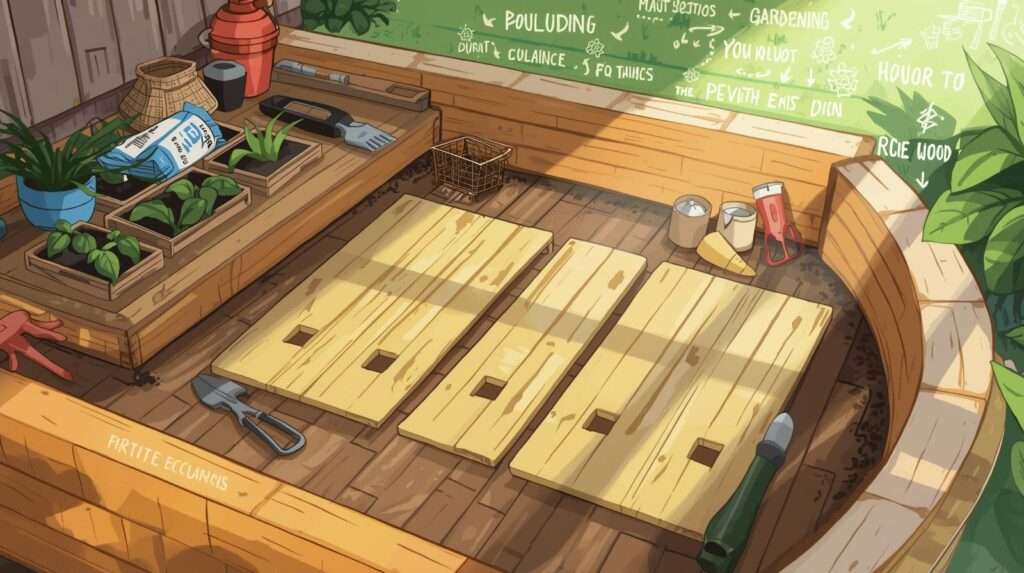
Material choice dramatically affects longevity and upkeep:
- Cedar or redwood: Naturally rot-resistant, lasts 10–15+ years, attractive, but more expensive upfront.
- Composite or recycled plastic lumber: Extremely durable, no rotting or splintering, low maintenance, though higher initial cost.
- Galvanized steel or corrugated metal: Long-lasting (20+ years), modern look, excellent for hot climates as they heat soil quickly, but can require liners in very hot areas to prevent excessive root heating.
- Avoid untreated pine or cheap softwoods—they rot within 3–5 years, leading to frequent rebuilds.
Site selection matters: Choose level ground with at least 6–8 hours of full sun for most vegetables. Ensure good underlying drainage to prevent water pooling under beds. If placing on grass or weeds, lay cardboard or landscape fabric first to suppress growth.
Proper base preparation includes leveling the area and adding a thin layer of gravel or coarse sand for drainage if needed. Taller beds (18–24 inches) reduce physical strain and make monitoring easier for busy gardeners.
Common Design Mistakes That Create Extra Work (and How to Avoid Them)
- Beds too wide (>4 ft): Forces awkward reaching or stepping inside, compacting soil.
- Inadequate drainage holes or poor base: Leads to waterlogged soil and root rot.
- Using pressure-treated wood (older types with arsenic): Potential safety concerns for edible gardens; opt for modern safe alternatives.
- Placing beds far from water sources: Turns watering into a major chore.
Expert tip: Invest in durable materials and ergonomic design once. It’s far cheaper long-term than replacing failing beds every few seasons. Many gardeners find that well-built beds require structural attention only every 10+ years.
Strategy 2: Master Soil Health Once So You Maintain Less Later
Healthy, living soil is the secret to low-effort raised beds. Nutrient-rich, biologically active soil retains moisture better, suppresses diseases, and feeds plants steadily—reducing the need for frequent amendments or rescues.
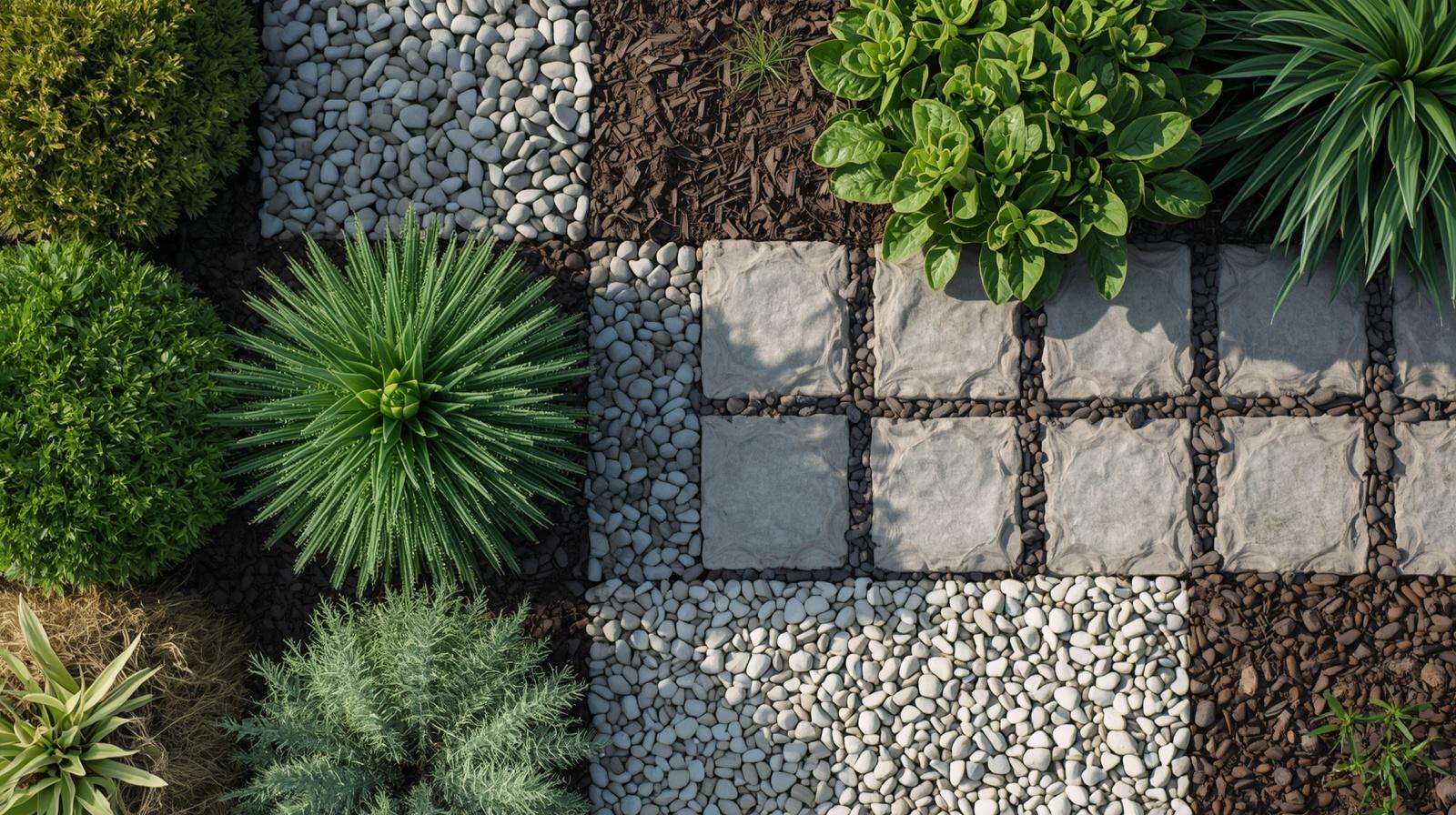
Creating the Ideal Raised Bed Soil Mix
A classic recommended ratio is roughly 60–70% high-quality topsoil blended with 30–40% mature compost. Avoid cheap “garden soil” or pure compost, which can compact or lack structure. Quality matters: Source screened topsoil free of weeds and contaminants, and compost that’s fully finished (dark, crumbly, earthy-smelling).
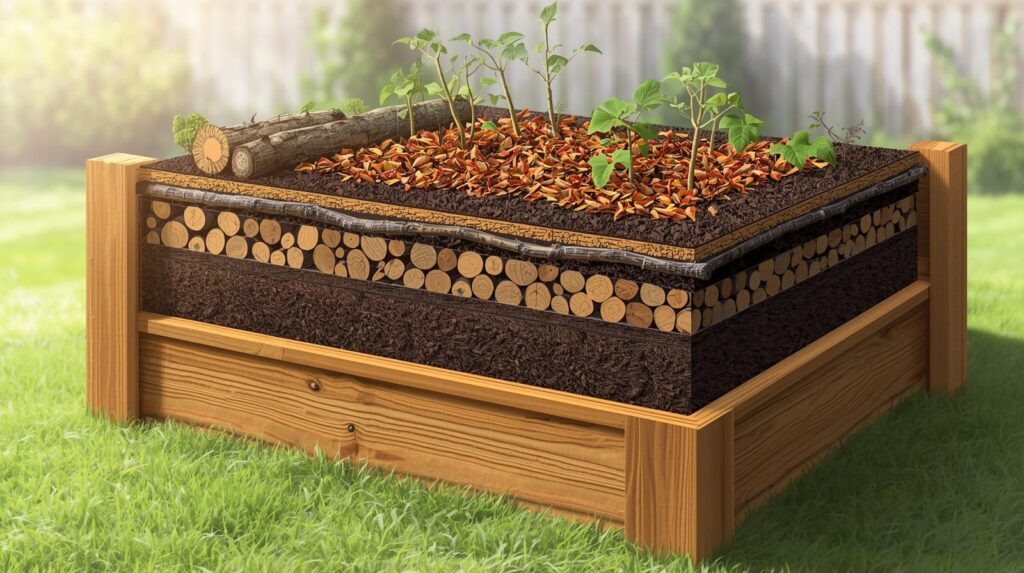
For even better long-term performance, incorporate hugelkultur elements at the base: layered woody debris, branches, and leaves that slowly decompose, releasing nutrients and improving water retention for years. This mimics forest floor ecology and can reduce watering needs significantly.
Fill beds in layers, watering each thoroughly to settle. Initial setup is the heaviest lift, but it sets the stage for minimal future intervention.
Annual and Seasonal Soil Refresh Without Heavy Labor
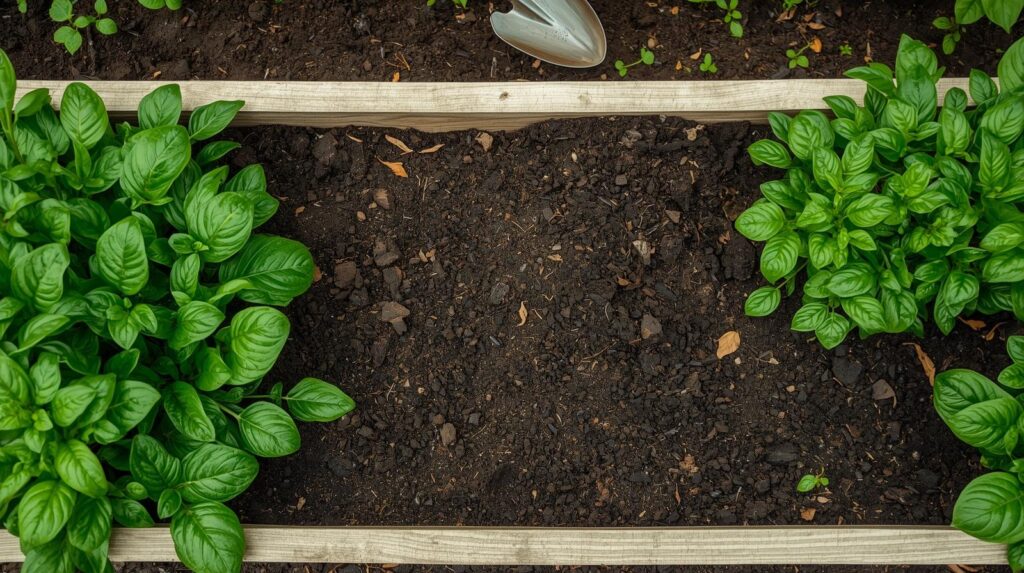
Instead of emptying and refilling beds (a back-breaking weekend project), adopt top-dressing. Each fall or early spring, add 1–2 inches of compost or aged manure across the surface. This replenishes nutrients, feeds soil microbes, and improves structure without disturbing roots.
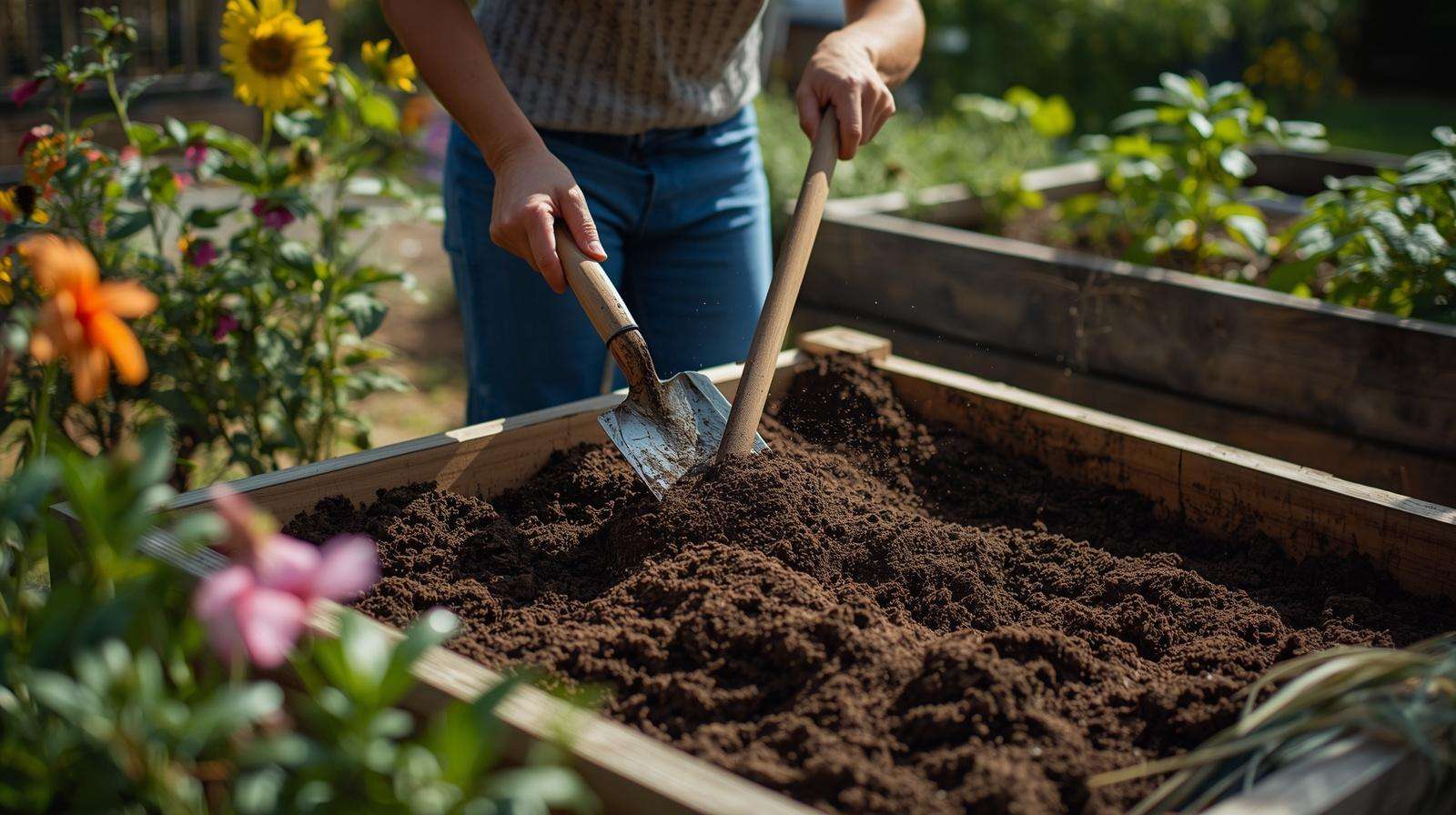
Test soil every 1–2 years (simple home kits or local extension services) to guide targeted amendments like slow-release organic fertilizers, bone meal for phosphorus, or kelp for trace minerals. In off-seasons, sow cover crops (such as clover, rye, or buckwheat) or simply leave a thick mulch layer to protect and build soil naturally. No-till methods preserve beneficial fungi and bacteria, leading to more resilient beds over time.
Avoiding Soil Compaction and Depletion
Never walk on the soil inside beds. Use dedicated paths (mulched or graveled) between them. Consistent organic matter additions prevent compaction while enhancing water-holding capacity—crucial since raised beds can dry faster than in-ground plots.
Real-world example: A busy professional family I advised started with declining productivity in their third year. Switching to annual compost top-dressing plus cover cropping restored yields within one season, cutting their amendment time from full weekends to under an hour per bed annually.
Strategy 3: Use Mulch as Your Primary Weed and Moisture Manager
Mulch is arguably the single biggest time-saver in raised bed gardening. A proper layer transforms maintenance by suppressing weeds, conserving moisture, moderating soil temperature, and adding organic matter as it breaks down.
Why Mulching Is the #1 Time-Saver in Raised Beds
Mulch creates a physical barrier that prevents weed seeds from germinating while reducing evaporation by up to 50–70% in many conditions. It also minimizes soil splash (which spreads disease) and supports earthworms and beneficial microbes. Studies and extension guidelines confirm mulch significantly cuts weeding and watering labor.
Best Mulch Options for Raised Vegetable Beds (Pros, Cons, and Application Tips)
Choose based on your climate, crops, and availability:
- Straw (weed-free rice or wheat straw): Excellent coverage, lightweight, breaks down slowly. Pros: Suppresses weeds well, adds organic matter. Cons: Can harbor slugs in wet climates; ensure it’s seed-free. Apply 3–4 inches thick after soil warms and plants are established.
- Shredded leaves: Free or cheap in fall, improves soil as it decomposes. Pros: Nutrient-rich, excellent moisture retention. Cons: Can mat if not shredded; best mixed or replenished yearly.
- Grass clippings (untreated): Free, nitrogen-rich. Pros: Quick to apply, decomposes fast to feed soil. Cons: Can heat up or mat if applied too thick/wet; use thin layers and dry first. Avoid if herbicides were used.
- Compost: Dual-purpose as mulch and amendment. Pros: Builds soil health directly. Cons: May contain weed seeds if not mature; best as a base layer topped with coarser material.
- Pine straw or wood chips: Longer-lasting in some climates. Use sparingly around acid-loving plants; wood chips are better for pathways than direct vegetable beds as they tie up nitrogen initially.
Apply mulch after planting or when soil has warmed (usually late spring). Maintain 3–4 inches depth, replenishing as it decomposes—usually once or twice per season. For extra weed suppression, use a “sheet mulching” base of cardboard or newspaper under organic mulch.
Strategy 4: Install Set-It-and-Forget-It Watering Systems
One of the biggest weekend time sinks in raised bed gardening is manual watering. Because raised beds have excellent drainage and exposed sides, soil can dry out faster than in-ground gardens, especially in warm or windy conditions. Hand-watering often leads to shallow watering, wasted time, and inconsistent moisture that stresses plants and invites problems.
The solution is shifting to automated or passive watering systems that deliver water directly to the root zone—saving hours while promoting deeper roots and healthier plants.
The Power of Drip Irrigation for Raised Beds
Drip irrigation stands out as one of the most effective tools for low-maintenance raised beds. It delivers water slowly and precisely to the soil near plant roots, minimizing evaporation, reducing weed growth on dry surfaces, and keeping foliage dry to lower disease risk. Extension services and experienced gardeners consistently recommend it for busy growers because it can cut watering time dramatically—often to just checking a timer occasionally.
Benefits include:
- Water conservation (up to 50% or more savings compared to sprinklers or hoses).
- Even moisture distribution when properly spaced.
- Compatibility with timers and smart controllers for true automation.
- Reduced soil compaction since you’re not walking around with hoses.
For a standard 4-foot-wide raised bed, install multiple parallel drip lines spaced about 8–12 inches apart to ensure uniform coverage. Use 1/2-inch main lines with 1/4-inch emitter tubing or drip tape. Emitters spaced 6–12 inches apart work well for most vegetables.
Simple setup guide:
- Plan your layout: Run a main supply line along one end of the bed or use risers to bring lines over the frame.
- Connect to a garden faucet with a programmable timer (battery or solar-powered options are reliable and inexpensive).
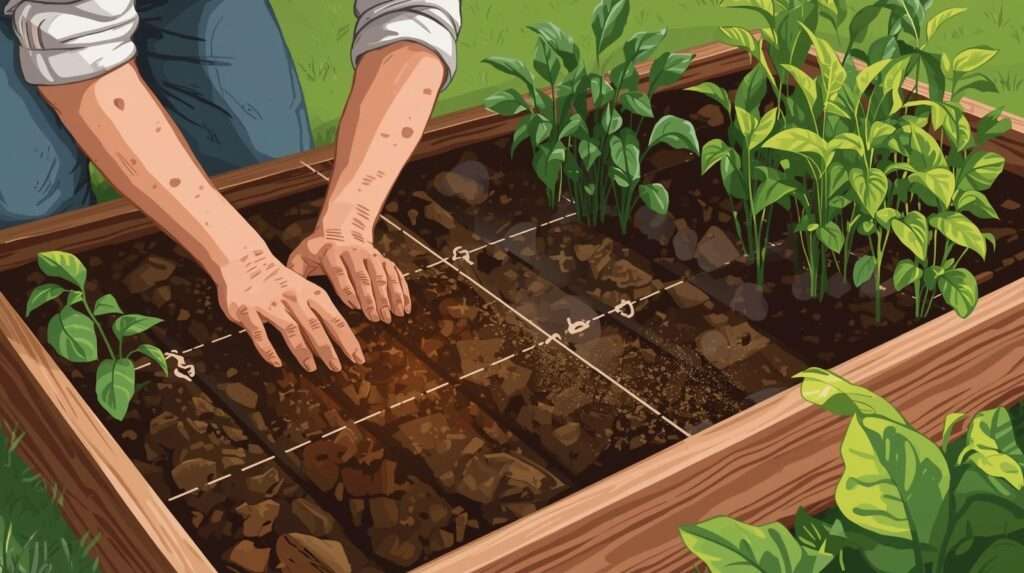
- Lay drip tubing or tape in straight lines or loops, securing with landscape pins.
- Cover with mulch to protect lines and further conserve moisture.
- Test the system and adjust flow rates.
Many affordable kits are available, and basic installations can be completed in a single afternoon. Once set, you can program deep, infrequent waterings that encourage strong root systems.
Alternative Low-Tech Options
If full drip systems feel intimidating or you want backups:
- Ollas: Unglazed ceramic pots buried in the soil that release water slowly through porous walls. Excellent for spot-watering larger plants and ideal when traveling.
- Self-watering reservoirs or wicking systems: Simple setups using buckets or reservoirs with wicks that draw water into the soil.
- Rainwater collection: Direct gutters or barrels to beds with overflow hoses for passive supplementation.
These options complement drip systems and provide resilience during power outages or absences.
Watering Schedules and Monitoring Without Daily Checks
Aim for deep watering that reaches 6–12 inches deep rather than frequent shallow sessions. Use a soil moisture meter or the finger test (soil should feel like a wrung-out sponge at root depth) during occasional checks. With mulch and drip, many gardeners water only 2–3 times per week in peak summer, far less in cooler or rainy periods.
Expert insight: Proper irrigation not only saves time but reduces fungal diseases (like powdery mildew or blight) by keeping leaves dry and maintaining consistent soil moisture that supports beneficial microbes. In my experience working with clients in varying climates, combining drip with thick mulch has allowed families to go on weekend trips or vacations without worrying about wilting gardens.
Strategy 5: Smart Planting and Companion Strategies That Reduce Work
Plant selection and layout play a huge role in how much ongoing labor your raised beds require. Thoughtful choices create self-supporting systems where plants help each other, shade out weeds, and minimize pest issues.
Choose Low-Maintenance, High-Return Crops and Varieties
Focus on resilient, productive plants suited to your region:
- Perennials and hardy herbs: Asparagus, rhubarb, oregano, thyme, chives, and sage return year after year with minimal care.
- Compact or disease-resistant vegetables: Bush beans, determinate tomatoes, compact cucumbers, kale, Swiss chard, and lettuce varieties bred for heat or pest tolerance.
- High-yield, low-fuss options: Root crops like carrots and beets (once established), or pole beans on trellises that use vertical space efficiently.
Avoid high-maintenance crops like indeterminate tomatoes or sprawling melons unless you have dedicated support and time for pruning.
Intensive Planting, Succession Planting, and Interplanting
Dense planting (intensive or square-foot gardening style) shades the soil, suppressing weeds naturally. Succession planting—staggering sowings every 1–2 weeks—ensures continuous harvests without large bare patches that invite weeds.
Interplanting (growing compatible crops together) maximizes space. For example, plant quick-growing radishes or lettuce between slower-maturing tomatoes or broccoli.
Companion Planting for Natural Pest Control
Classic combinations like the “Three Sisters” (corn, beans, squash) or marigolds with tomatoes help deter pests and improve growth. Basil near tomatoes can repel certain insects while enhancing flavor. These ecological approaches reduce the need for manual interventions or sprays.
Tip: Group plants with similar water and nutrient needs into zones within or across beds. This streamlines monitoring and any necessary care. Vertical growing with sturdy trellises, cages, or obelisks saves ground space and makes harvesting easier without bending as much.
By designing beds with these strategies, many gardeners find their raised beds become largely self-managing during the growing season, requiring only light harvesting and occasional checks.
Strategy 6: Proactive Pest, Disease, and Weed Management
Prevention is far less time-consuming than curing problems after they explode. Healthy soil, mulch, and smart planting form the foundation, but additional proactive steps keep issues minimal.
Prevention Over Cure
- Build resilience through the soil health and mulching practices already covered.
- Use physical barriers: Floating row covers for young plants to block insects, bird netting for berries or fruiting crops, and hardware cloth at bed bases to deter digging animals.
- Choose disease-resistant varieties and rotate crops within beds (or across multiple beds) annually to break pest and disease cycles.
Quick Monitoring Routines (5–10 Minutes per Visit)
Make inspections part of a pleasant routine rather than a chore. Walk beds every few days during peak season, looking under leaves for early signs of aphids, slugs, or fungal spots. Address small problems immediately—hand-pick pests, prune affected leaves, or apply targeted organic solutions like neem oil or insecticidal soap only when needed.
Organic Solutions That Don’t Require Weekend Projects
Keep simple, ready-to-use options on hand:
- Beneficial insects (release ladybugs or lacewings for aphids).
- Homemade or commercial organic sprays.
- Traps for slugs or specific pests.
Avoid over-reacting; a diverse, balanced garden with healthy soil often self-regulates through natural predators.
Common mistake: Ignoring early signs or applying broad treatments that harm beneficial organisms. Consistent light monitoring prevents most issues from becoming weekend rescue operations.
Strategy 7: Seasonal Routines and Off-Season Prep for Minimal Weekend Effort
Low-maintenance gardening shines when you align tasks with natural seasons rather than fighting them weekly.
End-of-Season Cleanup in One Session
In late fall or after final harvest, spend one focused session per bed:
- Cut back spent plants (leaving roots in place to feed soil life where possible).
- Remove diseased material (compost healthy residue).
- Add a fresh 1–2 inch layer of compost, then top with 3–4 inches of coarse mulch (straw, leaves, or wood chips) to protect soil over winter.
This single effort prevents winter weeds, reduces erosion, and builds soil for spring.
Winter Protection and Early Spring Setup
In colder climates, cover beds with row covers or low tunnels for season extension if desired. In early spring, simply pull back mulch where needed, test soil if desired, and plant directly into the enriched top layer. No heavy digging required with no-till approaches.
Creating a Simple Maintenance Calendar (Monthly/Seasonal Checklist)
A visual calendar or checklist keeps everything manageable:
- Early Spring: Soil test/top-dress compost, install/inspect drip lines, plant cool-season crops.
- Late Spring/Summer: Monitor mulch depth, check irrigation, light harvesting and weeding as needed, succession plant.
- Fall: Major cleanup and mulching, plant cover crops or garlic.
- Winter: Minimal checks; plan next season.
Use a notebook, app, or printable sheet. Many gardeners find that dedicating just 30–60 minutes monthly (spread out) replaces entire weekends of reactive work.
Bonus tools that speed tasks: Ergonomic long-handled tools, soil moisture sensors paired with smart timers, wheelbarrow alternatives like garden carts, or even simple scoops for quick mulch replenishment.
Additional Time-Saving Hacks and Long-Term Tips
- Design wide, weed-suppressing paths (mulch, gravel, or stepping stones) between beds to avoid tracking soil and weeds.
- Group beds by crop type or water needs for efficient care.
- Integrate multifunctional elements: Trellises that double as privacy screens or compost bins near beds for easy amendments.
- Adopt automation gradually—start with a timer on one bed and expand as you see results.
- Scale thoughtfully: Master techniques on 2–4 beds before expanding to avoid overwhelming yourself.
These hacks compound over time. Gardeners who implement several often report their raised beds require less than 1–2 hours of attention per week during the growing season.
Common Mistakes That Turn Low-Maintenance Into High-Effort
Even well-intentioned gardeners can create extra work. Watch for these pitfalls:
- Using poor-quality or weed-seed-filled soil/mulch initially.
- Overwatering or inconsistent irrigation leading to disease or weak roots.
- Neglecting mulch replenishment, allowing weeds to establish.
- Choosing overly ambitious plant varieties or planting too densely without support.
- Failing to prepare beds for off-season, leading to compacted, depleted soil by spring.
- Ignoring drainage or site issues, causing structural problems later.
- Reactive rather than preventive pest management.
Fixes are straightforward: Prioritize quality materials upfront, observe regularly, and adjust based on your specific climate and soil feedback.
Real Gardener Success Stories and Case Studies
A busy working parent in a suburban backyard reduced weekend garden time from 6–8 hours to under 2 hours after installing drip irrigation, committing to annual compost top-dressing, and switching to a thick straw mulch layer. Their raised beds now produce consistent tomatoes, greens, and herbs with occasional 15-minute checks.
Another example: A retired couple with multiple beds incorporated hugelkultur elements at the base during a one-time rebuild. Combined with companion planting and row covers, they now enjoy near self-sustaining beds that need minimal watering even in dry spells.
These stories illustrate that the strategies work across different experience levels and garden sizes when applied consistently.
Conclusion
Maintaining raised beds without spending every weekend transforms gardening from a time burden into a sustainable, rewarding practice. By focusing on durable foundations, living soil, effective mulching, automated watering, intelligent planting, proactive protection, and seasonal rhythms, you create systems that largely care for themselves.
Start small: Pick one or two strategies—perhaps adding mulch and a simple drip timer this season—and build from there. The cumulative effect will free your weekends while delivering healthier plants and better harvests.
Your garden should support your life, not dominate it. With these evidence-based approaches grounded in soil science and real-world gardening experience, thriving raised beds and reclaimed weekends are well within reach.
Implement even a few changes, and you’ll likely wonder why you ever spent entire weekends tending beds. Share your own low-maintenance successes or questions in the comments—I’m here to help refine these strategies for your specific setup and climate.
For more practical guides, explore our articles on optimal raised bed soil mixes or season-extending techniques. Consider downloading a free seasonal maintenance checklist (sign up below) to keep your garden on autopilot.
Happy gardening—may your beds thrive with minimal effort!
FAQ Section
How often do I really need to water raised beds with mulch and drip irrigation? With proper mulch (3–4 inches) and drip systems, many beds need watering only 1–3 times per week in summer, depending on climate, soil, and crops. Use the finger test or a moisture meter to confirm—deeper, infrequent watering is best.
What is the best mulch for raised beds in hot/humid/cold climates? In hot areas, straw or shredded leaves excel for moisture retention. In humid regions, coarser materials like pine straw help with airflow to reduce fungal issues. In cold climates, leaves or compost provide insulation and soil building. Always use weed-free sources.
Do raised beds need to be replaced or rebuilt often? Durable materials like cedar, composite, or metal can last 10–20+ years with minimal care. Annual top-dressing and proper drainage extend life significantly. Inspect frames seasonally for any repairs.
Can I use raised beds if I travel frequently? Absolutely. Combine drip irrigation with timers, thick mulch, and drought-tolerant or olla systems. Many gardeners successfully maintain beds while away for 1–2 weeks.
How do I refresh soil in raised beds without emptying them? Top-dress with 1–2 inches of compost annually. Add cover crops in off-seasons or incorporate slow-release amendments based on soil tests. No-till methods preserve structure.
Is drip irrigation worth the initial cost for busy gardeners? Yes—most recover the modest investment quickly through time and water savings, plus healthier plants. Basic setups are affordable and expandable.
What height should raised beds be for low maintenance? 12–24 inches balances root depth, accessibility, and reduced bending. Taller beds (18–24 inches) often feel easier for monitoring and harvesting.
How can I prevent weeds in raised beds permanently? No method is 100% permanent, but combining sheet mulching (cardboard base), thick organic mulch, dense planting, and drip irrigation comes very close. Consistent top-dressing and cover cropping further suppress weeds over time.