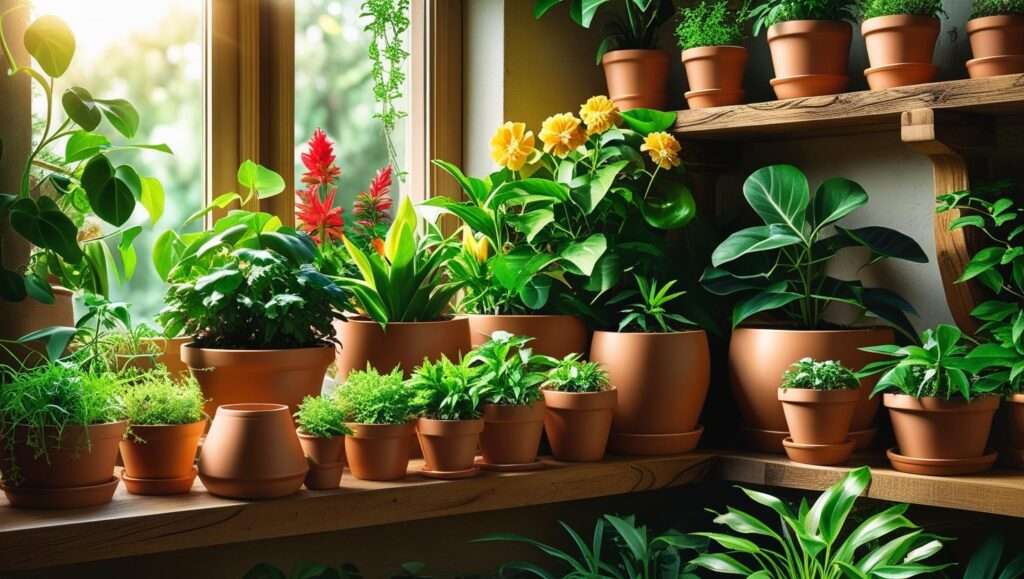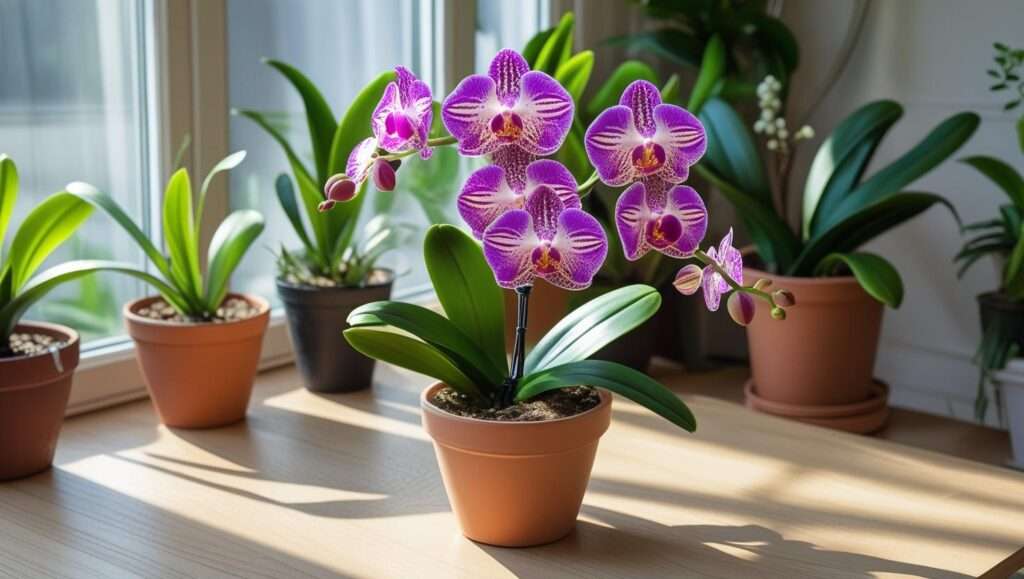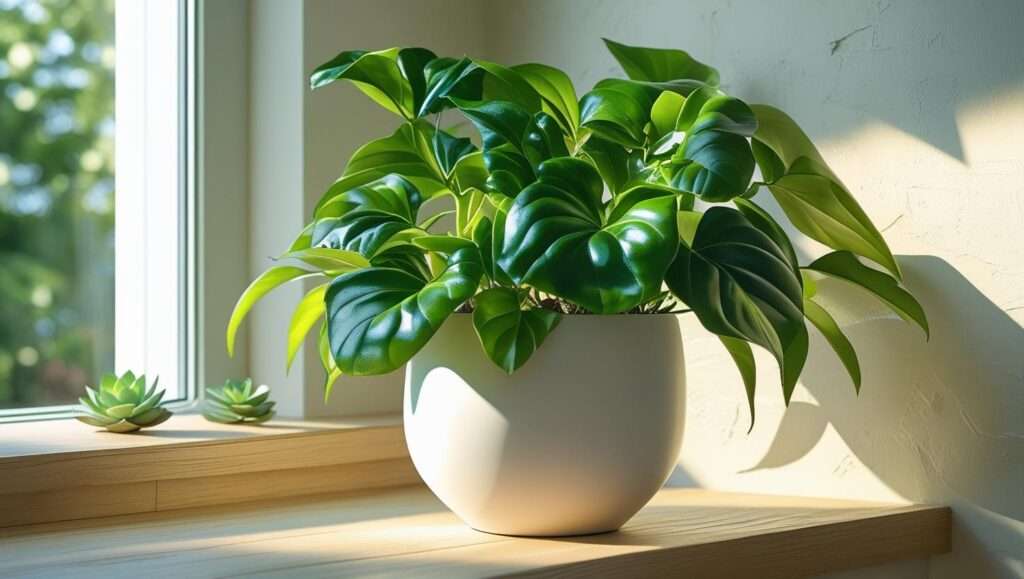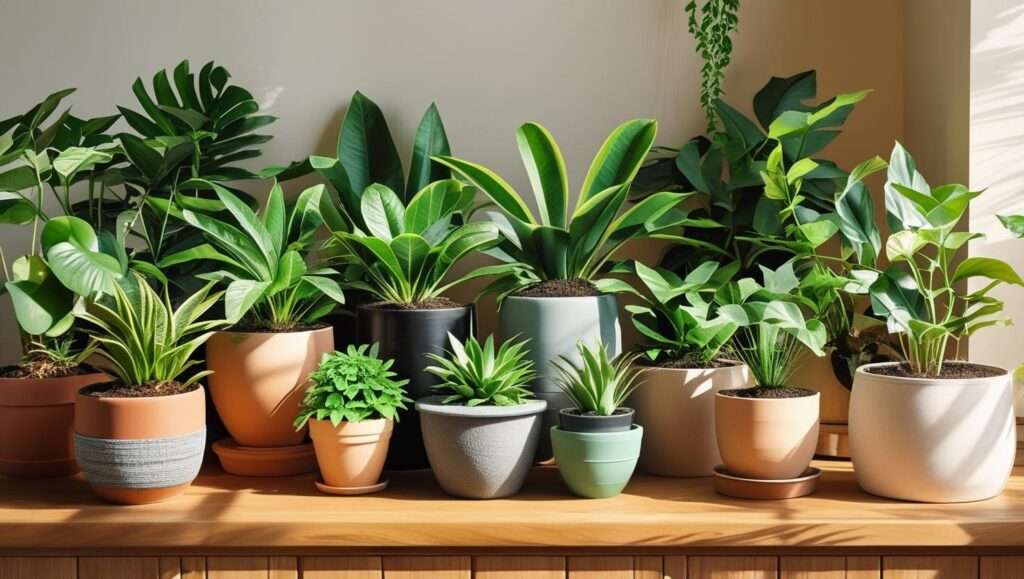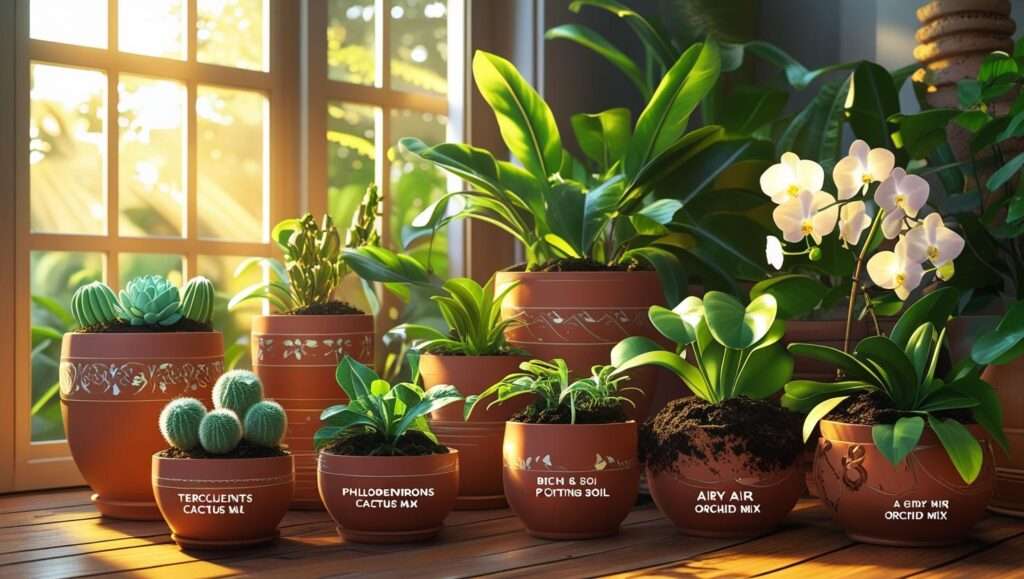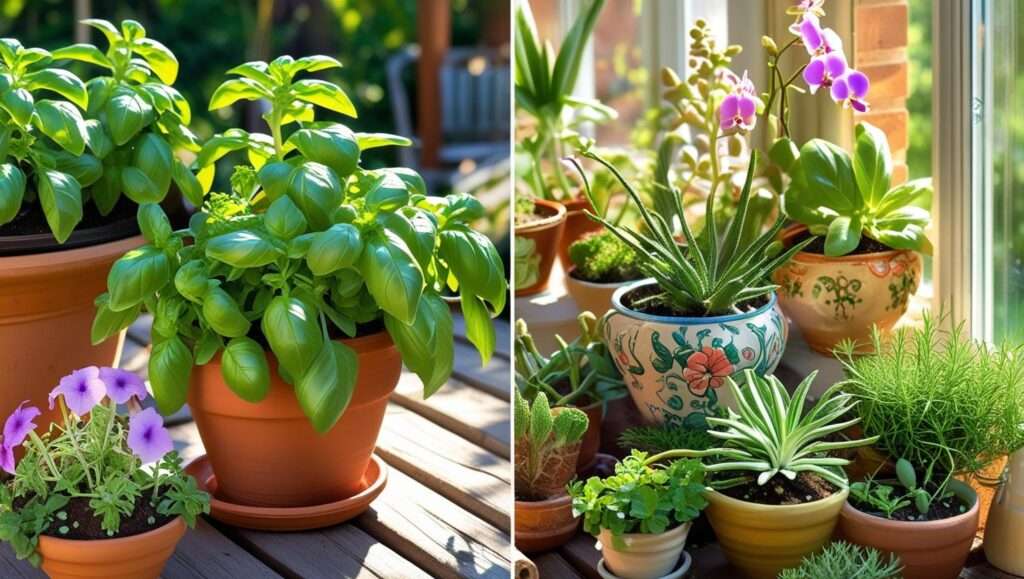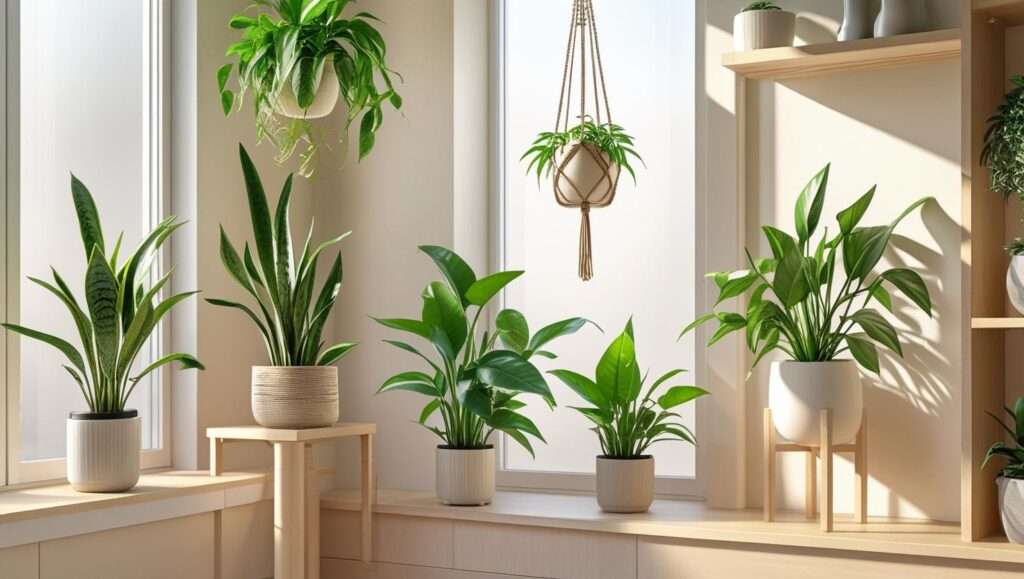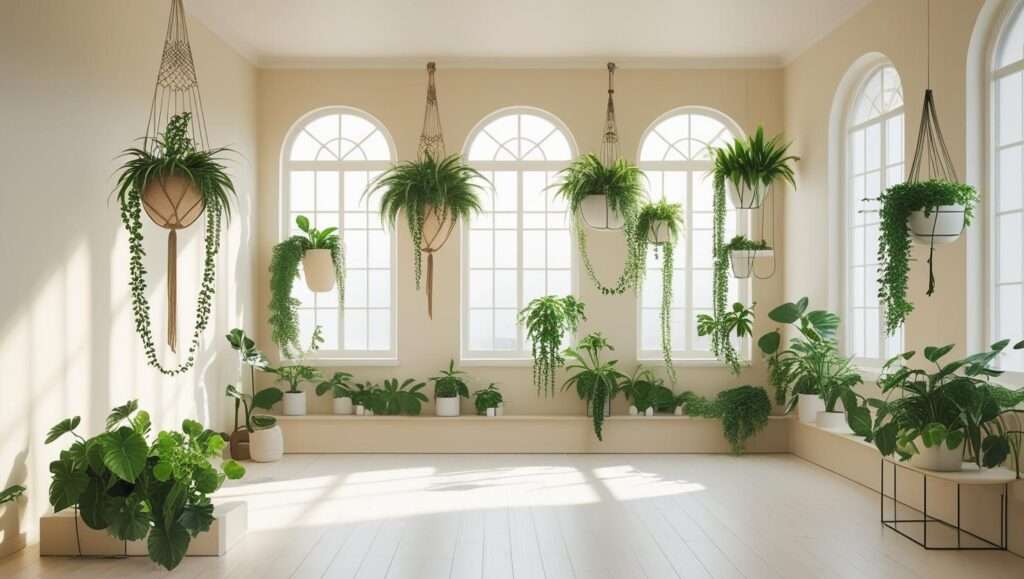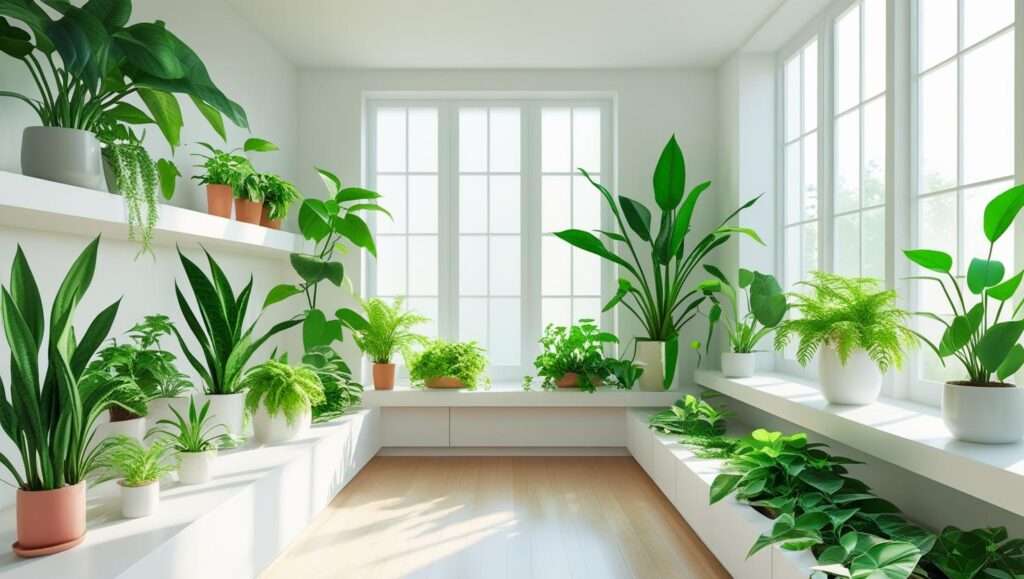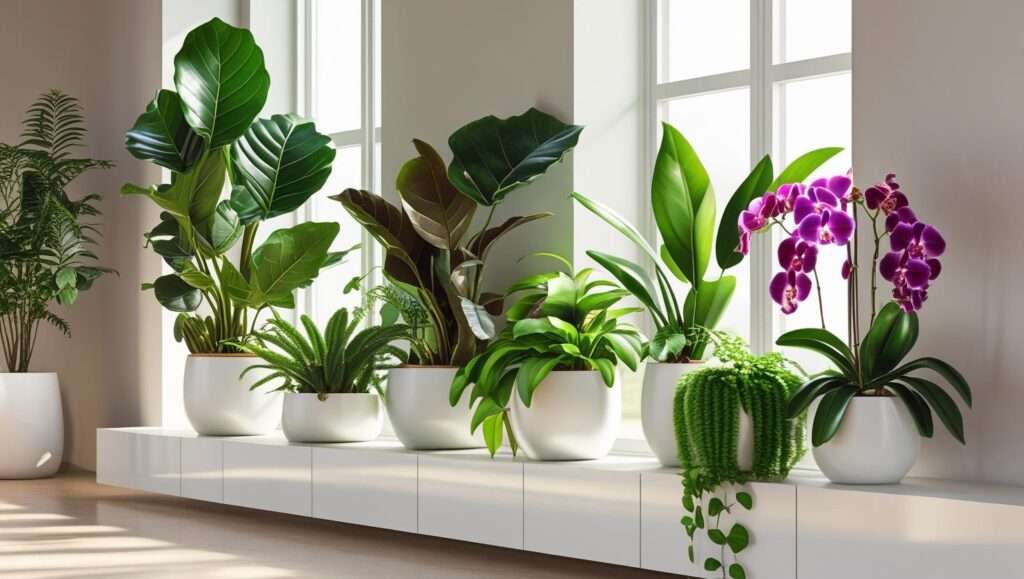
Indoor plants offer far more than decoration. They improve indoor air quality by filtering common pollutants, boost mental well-being through biophilic design, regulate humidity in climate-controlled spaces, and bring a calming natural element into our increasingly indoor lives. Many US homes benefit particularly from these advantages: NASA’s Clean Air Study highlighted several houseplants for removing volatile organic compounds (VOCs) like formaldehyde and benzene, which can accumulate from furniture, paints, and cleaning products.
Yet beginners frequently face challenges specific to US homes. North-facing windows or short winter days create low-light conditions in many rooms. Central heating and air conditioning dry out the air, stressing tropical plants. Busy lifestyles lead to inconsistent watering, while limited space in apartments favors compact or trailing varieties. Pet and child safety also rank high on many families’ priority lists.
The 12 plants featured here were carefully selected because they tolerate these real-world conditions exceptionally well. They handle low to medium light, infrequent watering, and typical indoor temperature fluctuations (usually 65–75°F / 18–24°C) without demanding constant attention. Many are also excellent air purifiers and relatively forgiving of the occasional missed care day.
How to Choose the Right Beginner-Friendly Indoor Plant for Your US Home
Success with indoor gardening starts with honest assessment of your space rather than picking the prettiest plant at the store.
Key Factors to Evaluate:
- Light Conditions: Observe your windows. South-facing windows usually provide bright indirect light; north-facing ones offer low light. East or west windows deliver medium light with some direct sun (which can scorch sensitive leaves). Use a light meter app or simply note how much natural light a spot receives over a day. Low-light tolerant plants like snake plant or ZZ plant perform well in dimmer corners, while others may need brighter indirect light.
- Humidity and Temperature: US winters often bring dry indoor air from furnaces. Plants that tolerate lower humidity (snake plant, ZZ plant, pothos) are safer bets than high-humidity lovers unless you use a pebble tray or humidifier.
- Space and Growth Habit: Trailing plants (pothos, spider plant) suit shelves and hanging baskets in small apartments. Upright varieties (snake plant, parlor palm) work as floor statements in larger rooms.
- Lifestyle Fit: If you travel often or forget watering, prioritize drought-tolerant succulents and rhizomatous plants like ZZ or cast iron plant.
- Safety: For households with pets or young children, opt for non-toxic options such as spider plant, parlor palm, or cast iron plant.
Quick Self-Assessment Checklist
- Mostly low light? Prioritize snake plant, ZZ plant, or cast iron plant.
- Medium to bright indirect light? Pothos, heartleaf philodendron, or spider plant will flourish.
- Pets present? Choose spider plant, parlor palm, or certain dracaena varieties (always double-check current ASPCA lists as safety can vary by species).
- Want air purification? Look for snake plant, peace lily, or pothos.
Basic Starter Supplies
- Well-draining potting mix (avoid garden soil, which compacts indoors).
- Pots with drainage holes to prevent root rot.
- A watering can with a narrow spout and basic fertilizer for the growing season (spring/summer).
Seasonal Considerations in US Homes: In winter, reduce watering frequency as growth slows and evaporation decreases. Protect plants from cold drafts near windows or doors. In summer, watch for heat buildup near south-facing glass. In milder climates (USDA zones 8–10), some hardy plants can spend time outdoors in shaded spots during warm months, but acclimate them gradually.
12 Beginner-Friendly Indoor Plants That Thrive in US Homes
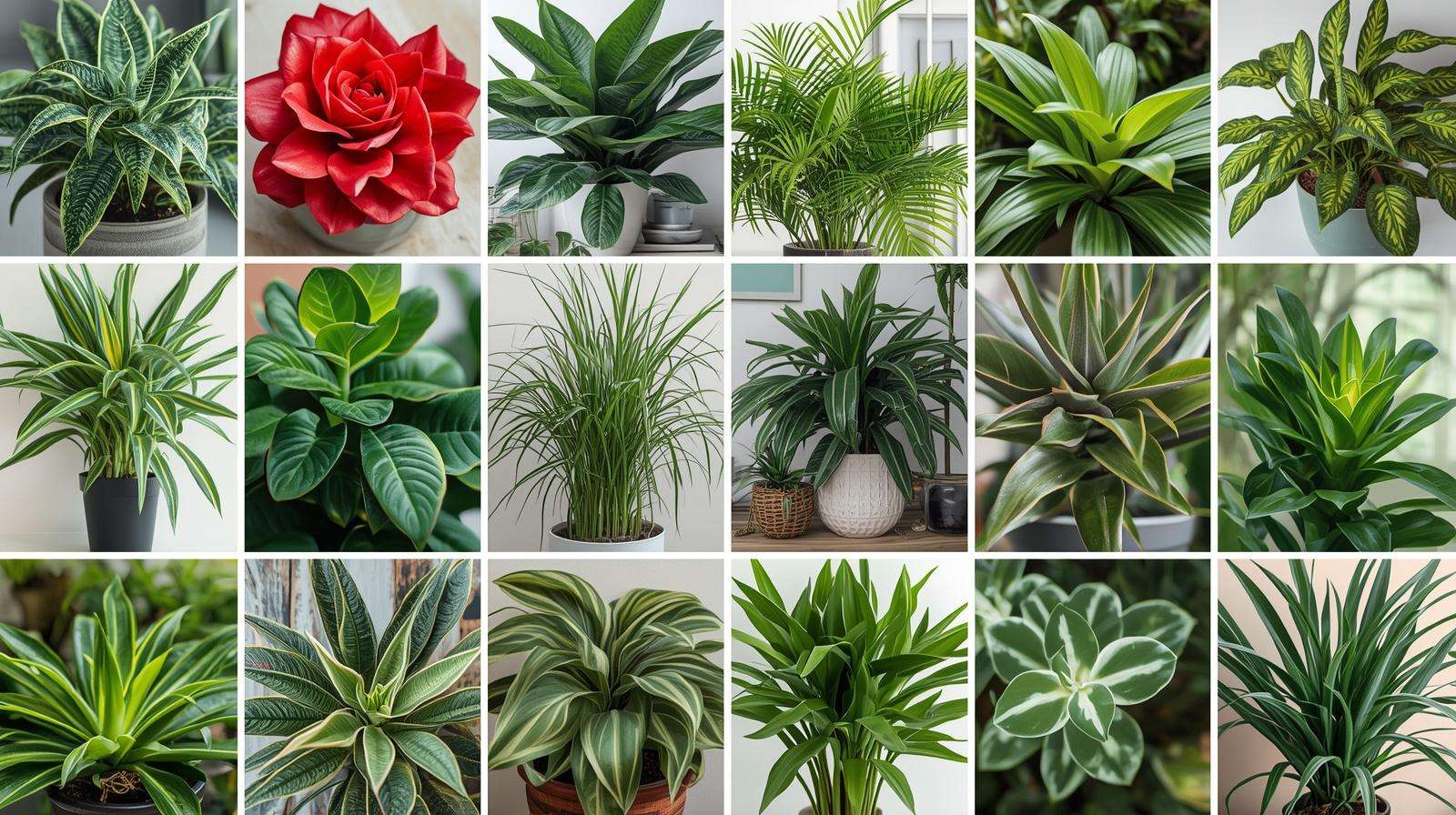
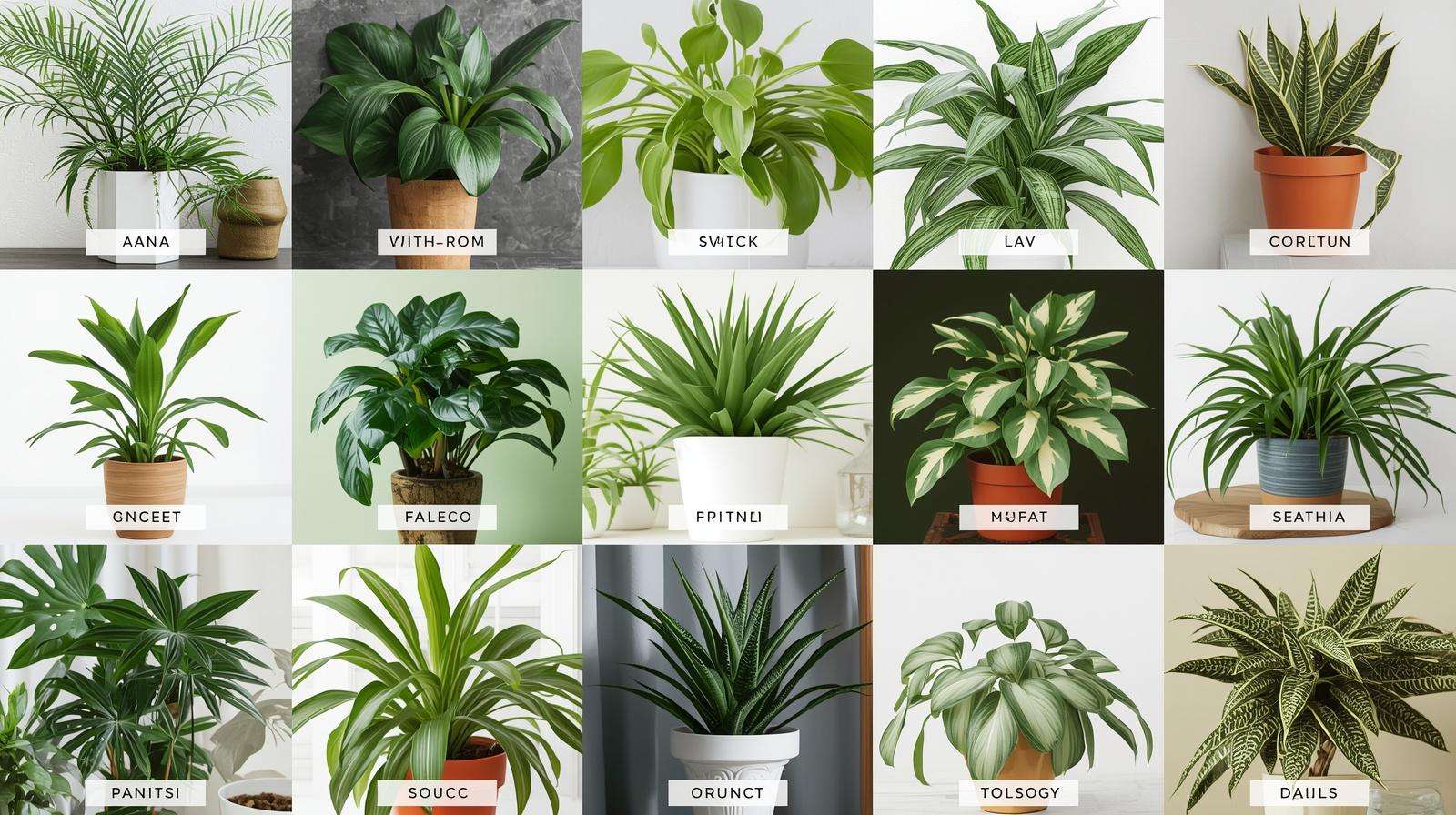
These selections represent some of the most reliable, easy-care houseplants recommended by experts for American homes. Each is detailed with practical, US-specific advice for light, water, and care.
1. Snake Plant (Dracaena trifasciata, formerly Sansevieria)
Often called “mother-in-law’s tongue,” the snake plant tops nearly every list of beginner-friendly indoor plants for good reason. Its upright, sword-like leaves with striking green and yellow patterns add modern architectural interest while being nearly indestructible.
Why Beginner-Friendly for US Homes: Extremely drought-tolerant and adaptable to low light — perfect for busy households or dim apartments. It continues photosynthesizing and releasing oxygen at night, making it excellent for bedrooms.
Light: Low to bright indirect; tolerates fluorescent office lighting. Watering: Allow soil to dry completely between waterings — every 2–4 weeks in summer, even less in winter. Overwatering is the main risk. Soil & Temperature: Well-draining cactus/succulent mix; comfortable at 60–85°F. Growth & Styling: Slow-growing; ideal as a floor plant or on shelves. Variegated varieties add visual pop. Propagation: Easy division of rhizomes when repotting. Common Issues: Soft, mushy leaves signal overwatering. Brown tips often indicate dry air or fluoride in tap water (let water sit overnight). Pet Note: Mildly toxic if ingested; keep out of reach of curious pets. Unique Benefit: One of the top NASA-recommended air purifiers for removing formaldehyde and benzene.
2. ZZ Plant (Zamioculcas zamiifolia)
The ZZ plant earns its reputation as one of the most forgiving houseplants available. Glossy, dark green leaflets on sturdy stems give it a polished, tropical look without the fuss.
Why Beginner-Friendly for US Homes: Stores water in its rhizomes, making it highly drought-resistant. It thrives in the low-light conditions common in many US apartments and offices and handles dry indoor air exceptionally well.
Light: Low to medium indirect; can survive in quite dim spots. Watering: Every 3–4 weeks or when soil is fully dry. “Set it and forget it” describes it best. Soil & Temperature: Standard well-draining potting mix; prefers 60–75°F. Growth & Styling: Slow-growing and upright; excellent for tabletops or corners where you want low-maintenance greenery. Propagation: Leaf or rhizome cuttings (though slower than other plants). Common Issues: Yellowing lower leaves are normal as the plant sheds older growth. Wrinkled stems mean it needs water. Pet Note: Toxic to pets; safer to choose alternatives if animals chew plants. Unique Benefit: Its waxy leaves resist dust and pests, staying attractive with minimal cleaning.
3. Pothos (Epipremnum aureum)
Known as “devil’s ivy,” pothos is a fast-growing trailing vine with heart-shaped leaves in solid green, golden, or variegated forms. It’s frequently recommended as the single best starter plant for beginners.
Why Beginner-Friendly for US Homes: Adapts to almost any light level and forgives irregular watering. Its rapid growth provides quick satisfaction and easy propagation wins.
Light: Low to bright indirect; variegated types need more light to maintain color. Watering: Allow top 1–2 inches of soil to dry; roughly weekly in active growth, less in winter. Soil & Temperature: Any well-draining mix; 65–85°F. Growth & Styling: Excellent in hanging baskets, on shelves, or trained up a moss pole. Perfect for small spaces. Propagation: Simply cut a stem with a node and place in water or soil — roots form quickly. Common Issues: Leggy growth indicates insufficient light; move closer to a window. Pet Note: Mildly toxic; consider spider plant instead for pet households. Unique Benefit: Excellent air purifier and one of the easiest plants to share with friends.
4. Heartleaf Philodendron (Philodendron hederaceum)
Very similar to pothos but with smoother, more classically heart-shaped leaves, this trailing beauty is equally forgiving and versatile.
Why Beginner-Friendly for US Homes: Tolerates low light and inconsistent care while adding soft, cascading greenery ideal for shelves or bookcases in typical US living rooms.
Light: Low to medium indirect. Watering: Similar to pothos — let top soil dry slightly. Soil & Temperature: Well-draining mix; average room temperatures. Growth & Styling: Trailing or climbing; pairs beautifully with pothos for mixed displays. Propagation: Stem cuttings in water. Common Issues: Brown leaf edges often from low humidity or dry soil. Pet Note: Toxic if ingested. Unique Benefit: Fast grower that quickly fills empty vertical space.
5. Spider Plant (Chlorophytum comosum)
This classic produces long, arching leaves and “spiderettes” (baby plants) that dangle like spiders on a web. It’s cheerful, productive, and highly adaptable.
Why Beginner-Friendly for US Homes: Forgives neglect and produces pups for easy propagation or gifting. Excellent choice for families.
Light: Medium to bright indirect; tolerates some low light. Watering: Keep soil lightly moist but not soggy; drooping leaves signal thirst. Soil & Temperature: Standard potting mix; 65–75°F. Growth & Styling: Great in hanging baskets or on pedestals where pups can cascade. Propagation: Root pups in water or soil. Common Issues: Brown tips from dry air or fluoride; use rainwater or distilled if possible. Pet Note: Non-toxic and safe for cats and dogs — a major plus for pet owners. Unique Benefit: Strong air-purifying qualities and fun, family-friendly reproduction.
6. Peace Lily (Spathiphyllum)
With elegant dark green foliage and graceful white “flowers” (actually modified leaves called spathes), the peace lily brings a sophisticated, tropical touch to any room.
Why Beginner-Friendly for US Homes: It dramatically signals when it needs water by drooping — a built-in reminder that prevents over- or underwatering mistakes common among beginners. It performs well in the medium-light conditions found in many US living rooms and bedrooms.
Light: Low to medium indirect light; avoid direct sun that can scorch leaves. Watering: Water thoroughly when the plant droops slightly (usually every 7–10 days). It prefers consistently moist but not soggy soil. Soil & Temperature: Rich, well-draining potting mix; thrives at 65–80°F. Growth & Styling: Compact to medium size; excellent on tabletops or as a floor plant in corners. Propagation: Division during repotting. Common Issues: Brown leaf tips often result from dry air or tap water chemicals. Yellow leaves usually indicate overwatering. Pet Note: Toxic to pets if ingested; keep elevated or choose safer alternatives for homes with curious animals. Unique Benefit: One of the strongest air-purifying plants, especially effective against ammonia and benzene. It also adds humidity to dry indoor air.
7. Chinese Evergreen (Aglaonema)
This plant features beautiful patterned leaves in shades of green, silver, pink, and red, making it both decorative and resilient.
Why Beginner-Friendly for US Homes: Extremely tolerant of low light and low humidity — ideal for darker US apartments or offices with artificial lighting and winter heating.
Light: Low to medium indirect; colorful varieties need slightly more light to maintain vibrant hues. Watering: Allow top inch of soil to dry; roughly every 10–14 days. Soil & Temperature: Well-draining mix; prefers warmer temperatures (70–80°F). Growth & Styling: Bushy, upright growth; perfect for desks or low-light shelves. Propagation: Stem cuttings or division. Common Issues: Leaf drop can occur from sudden temperature changes or cold drafts near windows. Pet Note: Mildly toxic. Unique Benefit: Striking foliage that brightens dim spaces without demanding much care.
8. Rubber Plant (Ficus elastica)
Large, glossy, deep green (or burgundy) leaves give the rubber plant a bold, statement-making presence.
Why Beginner-Friendly for US Homes: Once established, it is quite forgiving and grows steadily with basic care, rewarding beginners with dramatic size increases over time.
Light: Bright indirect light preferred; tolerates medium light but grows slower. Watering: Water when top 2 inches of soil feel dry; every 7–14 days depending on light and season. Soil & Temperature: Well-draining potting mix; 60–75°F. Growth & Styling: Can become a tall floor plant; pinch tips for bushier growth. Wipe leaves regularly for a healthy shine. Propagation: Stem cuttings (use rooting hormone for better success). Common Issues: Leaf drop often from overwatering or sudden relocation. Dusty leaves reduce photosynthesis. Pet Note: Toxic if ingested. Unique Benefit: Excellent at improving indoor air quality and adding a luxurious, tropical feel to modern US interiors.
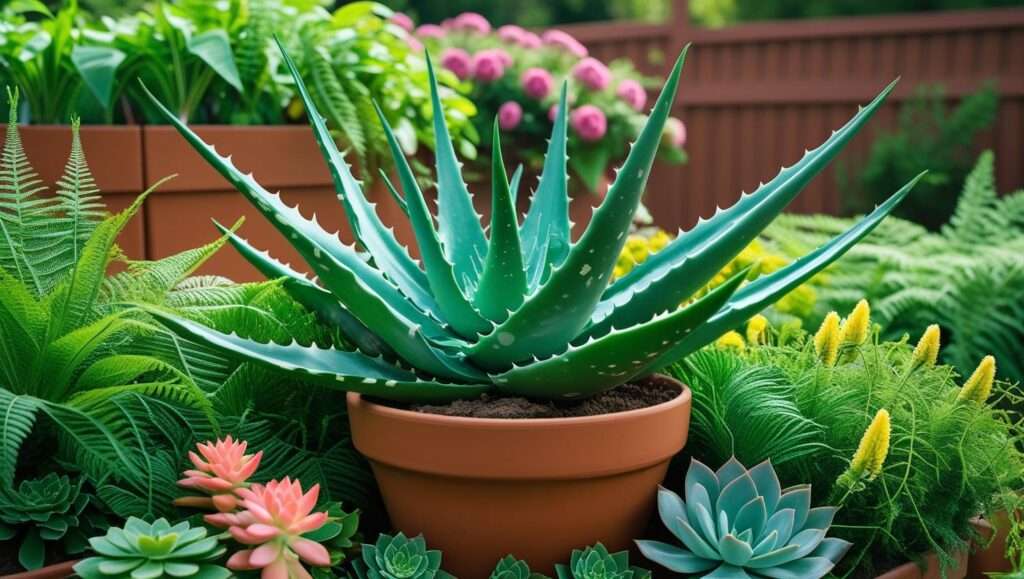
9. Aloe Vera
This succulent offers both beauty and practical benefits with its fleshy, spiky leaves filled with soothing gel.
Why Beginner-Friendly for US Homes: As a succulent, it is highly drought-tolerant and thrives on neglect, making it perfect for forgetful beginners or sunny windowsills common in many US homes.
Light: Bright indirect to some direct sun; south or west-facing windows work well. Watering: Sparse — every 2–3 weeks or when soil is completely dry. Less frequent in winter. Soil & Temperature: Cactus/succulent mix for excellent drainage; 55–80°F. Growth & Styling: Compact rosette form; ideal for kitchen counters (handy for minor burns or skin care). Propagation: Offsets (pups) that form at the base. Common Issues: Soft, mushy leaves from overwatering; leggy growth from insufficient light. Pet Note: Mildly toxic; keep away from pets. Unique Benefit: Natural first-aid plant — the gel inside leaves soothes sunburns, cuts, and dry skin.
10. Parlor Palm (Chamaedorea elegans)
This graceful palm adds a tropical, elegant vibe with feathery fronds and a slender form.
Why Beginner-Friendly for US Homes: Slow-growing and tolerant of lower light and average indoor humidity, it suits apartments and homes where space and light are limited.
Light: Low to medium indirect; avoids harsh direct sun. Watering: Keep soil evenly moist but not wet; every 7–10 days. Soil & Temperature: Well-draining mix; prefers 65–75°F. Growth & Styling: Excellent floor plant for corners or grouped displays; adds height without spreading widely. Propagation: Division of clumps when mature. Common Issues: Brown frond tips from dry air or fluoride; spider mites in very dry conditions. Pet Note: Non-toxic and safe for pets and children. Unique Benefit: Creates a calming, vacation-like atmosphere while being one of the easiest palms for beginners.
11. Cast Iron Plant (Aspidistra elatior)
True to its name, this tough plant withstands neglect, low light, and poor conditions that would kill most others.
Why Beginner-Friendly for US Homes: Nearly indestructible — ideal for the darkest corners, forgetful owners, or challenging spots like hallways and bathrooms with fluctuating conditions.
Light: Very low light tolerant; can handle deep shade. Watering: Allow soil to dry between waterings; very infrequent. Soil & Temperature: Standard potting mix; tolerates wide temperature range (50–85°F). Growth & Styling: Upright, dark green leaves; works well as a floor plant in low-traffic areas. Propagation: Division of rhizomes. Common Issues: Rare, but yellowing can indicate overwatering. Pet Note: Non-toxic. Unique Benefit: One of the hardiest houseplants available, perfect for building beginner confidence in difficult spaces.
12. Dracaena (Janet Craig, Corn Plant, or similar varieties)
Upright with architectural foliage in green, yellow, or striped patterns, dracaena varieties offer height and structure.
Why Beginner-Friendly for US Homes: Adaptable to indoor conditions and forgiving once basic routines are established.
Light: Medium to low indirect; brighter light enhances variegation. Watering: Allow top soil to dry; every 10–14 days. Soil & Temperature: Well-draining mix; 65–80°F. Growth & Styling: Tall floor plants or smaller desk versions; excellent for modern or minimalist décor. Propagation: Stem cuttings or air layering. Common Issues: Brown tips from dry air or tap water chemicals. Pet Note: Toxic if ingested. Unique Benefit: Strong air-purifying abilities and striking vertical interest.
Comparison Table: Quick Overview of the 12 Plants
| Plant | Light Needs | Watering Frequency | Pet Safe? | Max Height (indoors) | Best For | Air Purifying |
|---|---|---|---|---|---|---|
| Snake Plant | Low to Bright | Every 2–4 weeks | No | 3–6 ft | Low light, neglect | Excellent |
| ZZ Plant | Low to Medium | Every 3–4 weeks | No | 2–4 ft | Forgetful owners | Good |
| Pothos | Low to Bright | Weekly | No | Trailing 6+ ft | Trailing décor | Excellent |
| Heartleaf Philo | Low to Medium | Weekly | No | Trailing | Shelves & cascading | Good |
| Spider Plant | Medium to Bright | Weekly | Yes | 1–2 ft + pups | Families, hanging | Excellent |
| Peace Lily | Low to Medium | 7–10 days | No | 2–3 ft | Medium light rooms | Excellent |
| Chinese Evergreen | Low to Medium | 10–14 days | No | 2–3 ft | Colorful low light | Good |
| Rubber Plant | Bright Indirect | 7–14 days | No | 6–10 ft | Statement pieces | Good |
| Aloe Vera | Bright | 2–3 weeks | No | 1–2 ft | Sunny spots, first aid | Moderate |
| Parlor Palm | Low to Medium | 7–10 days | Yes | 4–6 ft | Tropical feel | Good |
| Cast Iron Plant | Very Low | 2–4 weeks | Yes | 2–3 ft | Dark corners | Moderate |
| Dracaena | Medium to Low | 10–14 days | No | 4–8 ft | Vertical interest | Excellent |
This table helps you quickly match plants to your specific US home conditions.
Essential Care Guide for All Beginner Indoor Plants
Mastering a few core practices dramatically increases success rates.
Watering 101: Overwatering causes more plant deaths than any other issue. Use the “finger test” — insert your finger 1–2 inches into the soil. Water only if it feels dry. Always use pots with drainage holes and empty saucers after 30 minutes. In US winters, reduce frequency as plants enter semi-dormancy.
Lighting Deep Dive: Match plants to your actual light levels. Supplement with affordable full-spectrum LED grow lights during short winter days common across much of the northern US. Rotate plants occasionally for even growth.
Soil, Repotting, and Fertilizing: Use high-quality, well-draining indoor potting mix. Repot every 1–2 years in spring when roots fill the container. Fertilize lightly with balanced houseplant fertilizer during spring and summer only — skip in fall/winter.
Humidity, Cleaning, Pruning, and Pest Prevention: Most of these plants tolerate average US indoor humidity (30–50%), but grouping plants or using pebble trays helps. Wipe leaves monthly to remove dust. Prune yellow or damaged leaves with clean shears. Watch for common pests like spider mites, mealybugs, or fungus gnats — treat early with neem oil or insecticidal soap.
Simple Weekly/Monthly Plant Care Routine:
- Weekly: Check soil moisture, water as needed, rotate plants.
- Monthly: Wipe leaves, inspect for pests, fertilize in growing season.
- Seasonally: Adjust watering and light as days shorten or lengthen.
Common Beginner Mistakes and How to Avoid Them
Even with easy plants, mistakes happen. Here are the top ones and proven fixes:
- Overwatering — Leads to root rot. Solution: Always check soil before watering and ensure excellent drainage.
- Wrong Light Placement — Leggy or scorched plants result. Solution: Observe your space honestly and choose plants accordingly.
- Poor Drainage or Wrong Soil — Compacted garden soil suffocates roots. Solution: Use proper indoor mix and drainage holes.
- Ignoring Seasonal Changes — US winters mean less water and light. Solution: Reduce care frequency from November to February.
- Sudden Temperature Shifts or Drafts — Causes leaf drop. Solution: Keep plants away from heating vents, cold windows, or doors.
- Using Tap Water High in Chemicals — Brown tips appear. Solution: Let tap water sit overnight or use filtered/rainwater.
Troubleshooting Guide:
- Yellow leaves: Usually overwatering or poor drainage.
- Brown tips/edges: Low humidity, dry soil, or fluoride.
- Leggy growth: Insufficient light — move closer to window or add grow light.
- Wilting despite moist soil: Root rot — repot and trim damaged roots.
- Pests: Isolate plant and treat promptly.
Learning from these prevents frustration and builds long-term confidence.
Styling and Displaying Your Indoor Plants in US Homes
Create beautiful, functional displays without overwhelming your space. In small apartments, use vertical space with hanging planters or wall shelves for trailing pothos and spider plants. Larger living rooms benefit from grouped floor plants like snake plant, rubber plant, and parlor palm for a lush “jungle corner.”
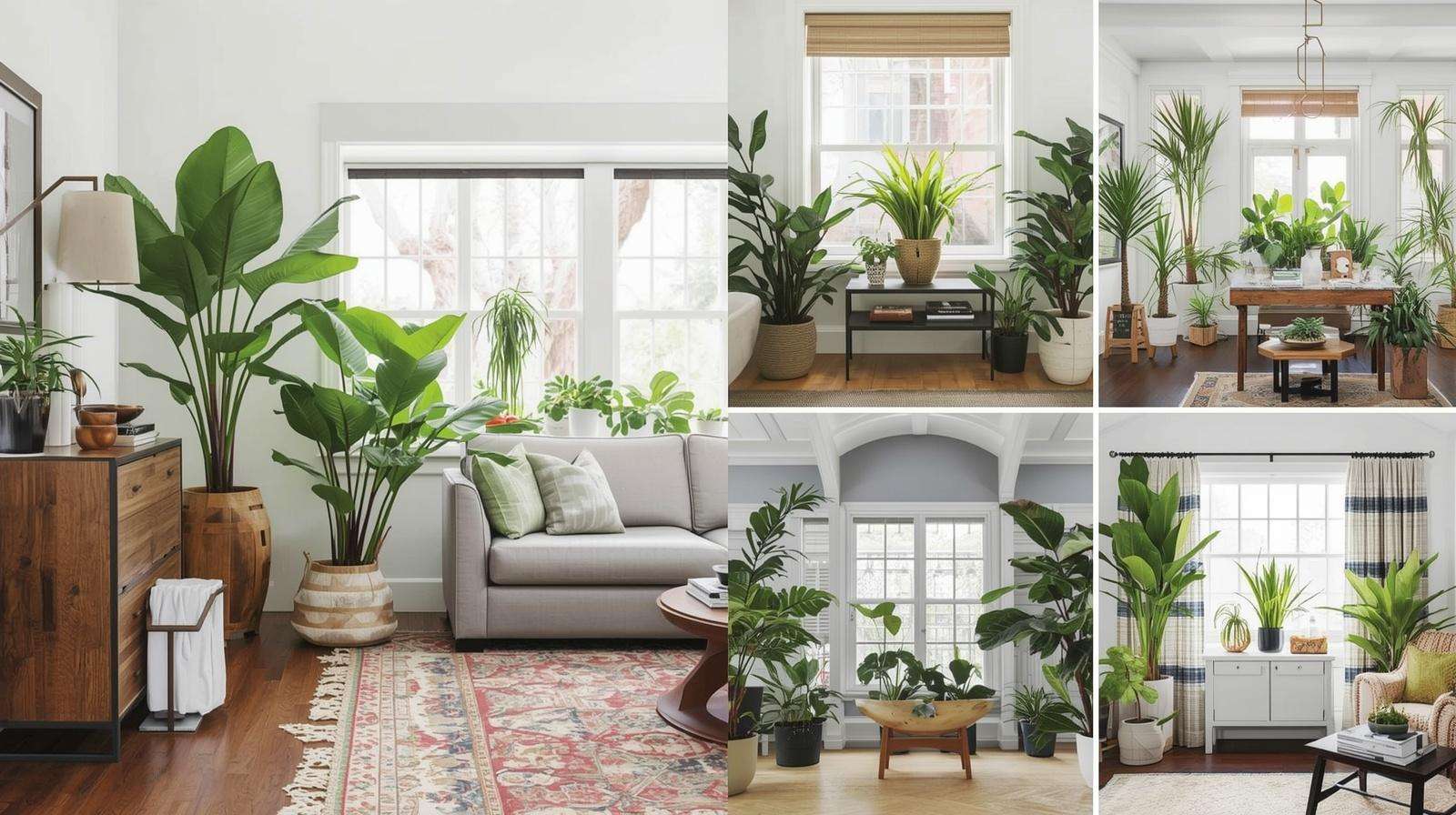
Bathrooms with medium light suit peace lilies and ferns (if expanding later). Kitchens welcome aloe vera near sunny windows. Bedrooms gain from snake plants and peace lilies for overnight air purification and calming presence.
Safety tips: Secure tall plants against tipping in homes with children or pets. Keep all plants away from heat vents, air conditioners, and direct cold drafts. Group plants with similar needs together for easier care.
Advanced Tips for Long-Term Success and Expanding Your Collection
Once comfortable with these 12, propagate extras to share or expand. Most root easily in water (pothos, spider plant, philodendron) or by division (snake plant, ZZ plant).
Track your plants in a simple journal or app noting watering dates and observations. This builds intuitive knowledge faster than any guide.
When ready, transition to slightly more challenging plants like monstera or fiddle leaf fig. The confidence gained from these beginner-friendly indoor plants for US homes provides the perfect foundation.
Sustainability note: Choosing resilient, long-lived plants reduces waste and consumption compared to short-lived trendy varieties.
Frequently Asked Questions (FAQs)
What are the easiest indoor plants for low-light apartments in the US? Snake plant, ZZ plant, and cast iron plant are the top choices for truly dim spaces.
How often should I water beginner-friendly houseplants? It varies by plant and season — generally every 7–14 days for most, but always check soil moisture rather than following a strict schedule.
Are these plants safe for pets and children? Spider plant, parlor palm, and cast iron plant are non-toxic. Others like pothos, peace lily, and dracaena are mildly to moderately toxic — keep out of reach or elevated.
Can these plants survive US winter heating? Yes — most listed here tolerate dry indoor air well. Group plants or use a humidifier if brown tips appear.
Where should I buy healthy starter plants? Local nurseries, garden centers, or reputable online sellers (The Sill, Etsy shops, or big-box stores like Home Depot/Lowe’s during spring). Inspect for pests and firm leaves before purchasing.
How do I know if my plant is getting enough light? Healthy new growth, stable leaf color, and compact form indicate good light. Leggy stems or pale leaves suggest more light is needed.
Do I need special fertilizer for these plants? A balanced, water-soluble houseplant fertilizer used at half strength during spring/summer is sufficient for most.
Conclusion
Mastering beginner-friendly indoor plants for US homes doesn’t require a green thumb — just the right selections and basic knowledge. The 12 plants detailed here — from the nearly indestructible snake plant and ZZ plant to the cheerful spider plant and elegant peace lily — are chosen specifically for their ability to thrive in real American living conditions while forgiving the learning curve every new plant parent experiences.
Start with just one or two that match your light and lifestyle. Observe, adjust, and celebrate small wins as your indoor garden comes to life. You’ll soon enjoy cleaner air, reduced stress, and the quiet satisfaction of nurturing living greenery that enhances your home.
Indoor gardening is a rewarding journey that teaches patience, observation, and connection with nature — even from within four walls. Your first thriving snake plant or cascading pothos will prove that anyone can succeed.
Ready to begin? Visit your local garden center this week, pick one forgiving plant from this list, and take the first step. Share your success stories or questions in the comments below — I’m here to help you grow.
For more agricultural tips and guidelines, explore our guides on container gardening, seasonal plant care, and creating sustainable home gardens.