Imagine walking into your vegetable patch or rose bed one morning, only to find clusters of tiny green or black insects swarming the tender new growth. Within days, leaves curl and yellow, shoots stunt, and a sticky sheen covers everything — classic signs of a rapidly exploding aphid infestation. For gardeners and small-scale farmers, this scenario is all too familiar and frustrating. Chemical sprays may offer quick knockdown, but they often harm pollinators, beneficial soil life, and the long-term health of your ecosystem.Beneficial insects to control aphids naturally
The good news? You can harness beneficial insects to control aphids naturally — nature’s own highly effective army of predators and parasitoids that keep aphid populations in check without synthetic pesticides. These natural allies not only devour aphids but also support a balanced garden ecosystem that promotes healthier plants, better yields, and greater biodiversity.
In this comprehensive guide, you’ll learn exactly which beneficial insects work best against aphids, how they operate, proven strategies to attract and support them, step-by-step implementation plans, and expert tips drawn from integrated pest management (IPM) principles used by university extension services worldwide. Whether you grow vegetables, ornamentals, or fruits in a home garden, small farm, or even in warmer tropical/subtropical climates, these methods deliver sustainable, long-term results. By the end, you’ll have a complete toolkit to shift from reactive pest control to proactive ecosystem management.
Understanding Aphids: Why They Become a Problem in Gardens
Before deploying natural predators, it’s essential to understand your enemy. Aphids are small, soft-bodied, pear-shaped insects (usually 1/16 to 1/8 inch long) that feed by piercing plant tissues and sucking sap. They come in various colors — green, black, pink, yellow, or gray — and many species have two tube-like structures called cornicles at the rear of their abdomen.
Aphid Life Cycle and Rapid Reproduction Aphids have a remarkable reproductive strategy that allows populations to explode quickly. In spring, overwintering eggs hatch into wingless females. These females reproduce parthenogenetically (without mating), giving live birth to genetically identical nymphs — often 60–100 per female over 20–30 days. Nymphs mature in as little as 7–10 days under warm conditions and immediately begin producing more offspring. This telescoping generations effect means one aphid can lead to thousands in just a few weeks.
Later in the season, when conditions worsen (overcrowding, declining host quality, or shorter days), winged forms develop to disperse to new plants. In fall, sexual forms appear, mate, and lay hardy eggs that survive winter. In mild or tropical climates, aphids may remain active year-round on protected plants.Beneficial insects to control aphids naturally
This rapid cycle explains why a small infestation can become overwhelming almost overnight, especially on tender new growth of roses, brassicas, tomatoes, beans, and fruit trees.
Signs and Symptoms of Aphid Damage Early detection is key to successful biological control. Look for:
- Clusters of aphids on undersides of leaves, stem tips, and flower buds.
- Curled, distorted, or puckered leaves (some species inject toxins that worsen distortion).
- Yellowing or stunted shoots and reduced plant vigor.
- Sticky honeydew (aphid excrement) on leaves, which leads to black sooty mold growth.
- Ants “farming” aphids for their honeydew — a clear sign of an active colony.
- Transmission of plant viruses, which can cause mottling, wilting, or long-term decline.
Heavy infestations reduce photosynthesis, weaken plants, and lower yields or flower quality. In severe cases, young plants may die.
Common Aphid Species in Home Gardens
- Green peach aphid (Myzus persicae): Extremely polyphagous; attacks vegetables, ornamentals, and weeds.
- Cabbage aphid (Brevicoryne brassicae): Grayish-green with waxy coating; prefers brassicas.
- Melon/cotton aphid (Aphis gossypii): Yellow to dark green; common on cucurbits and many crops.
- Rose aphid (Macrosiphum rosae): Pink or green; notorious on roses.
- Potato aphid and others that vector viruses.
Scout regularly by checking leaf undersides and shoot tips, especially in spring and early summer when populations build fastest.
The Power of Beneficial Insects – Nature’s Best Defense Against Aphids
Beneficial insects to control aphids naturally represent one of the most effective and sustainable pillars of integrated pest management (IPM). Instead of trying to eradicate every aphid (which is often impossible and unnecessary), the goal is to maintain populations below damaging thresholds by encouraging natural enemies.
Biological control offers clear advantages over chemical options:
- No harmful residues on food crops or in soil.
- Support for pollinators, soil microbes, and overall biodiversity.
- Long-term regulation as predators establish breeding populations.
- Cost savings after initial habitat investment.
- Reduced risk of pest resistance, which often develops with repeated pesticide use.
In IPM, biological control works alongside cultural practices (healthy soil, proper spacing, resistant varieties) and minimal mechanical interventions. University extensions and organizations like the Xerces Society emphasize that a diverse garden with habitat for beneficials is far more resilient than one reliant on sprays.
Predators vs. Parasitoids – How They Control Aphids
- Predators actively hunt and consume aphids (e.g., ladybugs, lacewing larvae). Both adults and immatures may feed, though larvae are often more voracious.
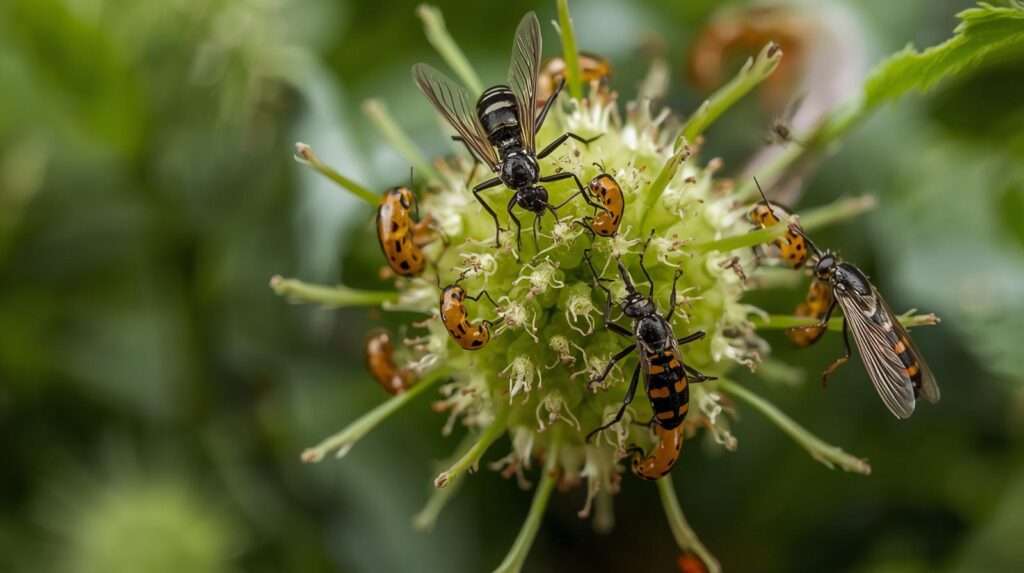
- Parasitoids (mostly tiny wasps) lay eggs inside or on aphids. The developing larva consumes the host from within, eventually killing it and emerging as an adult. Parasitized aphids often turn into brown, hardened “mummies.”
A healthy garden typically hosts a mix of both, providing complementary control: predators offer quick knockdown, while parasitoids deliver ongoing, density-dependent regulation.
Top Beneficial Insects to Control Aphids Naturally
Here are the most effective and widely recommended natural predators, backed by extension research and practical gardener experience. Each section includes identification, feeding habits, effectiveness data, and deployment notes for maximum impact.
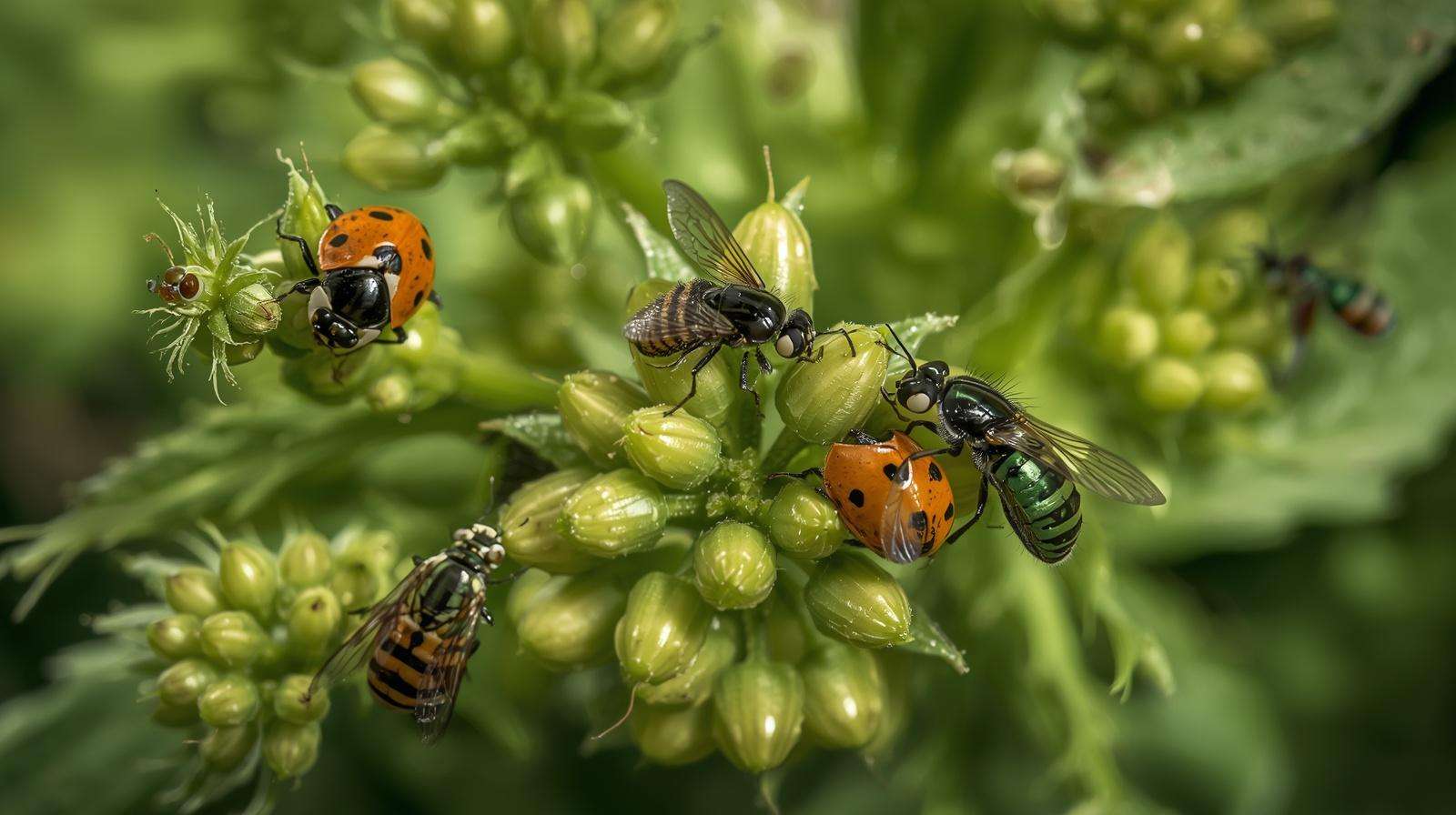
Ladybugs (Lady Beetles) – The Garden’s Famous Aphid Hunters Lady beetles (family Coccinellidae), especially the convergent lady beetle (Hippodamia convergens) and seven-spotted ladybug (Coccinella septempunctata), are iconic aphid predators.
Adults are familiar orange/red beetles with black spots, but the larvae — often described as tiny black-and-orange “alligators” — do most of the heavy lifting. A single ladybug larva can consume 300–400 aphids during its development, while an adult may eat 40–50 (or more) per day. Over a lifetime, one beetle can devour up to 5,000 aphids.
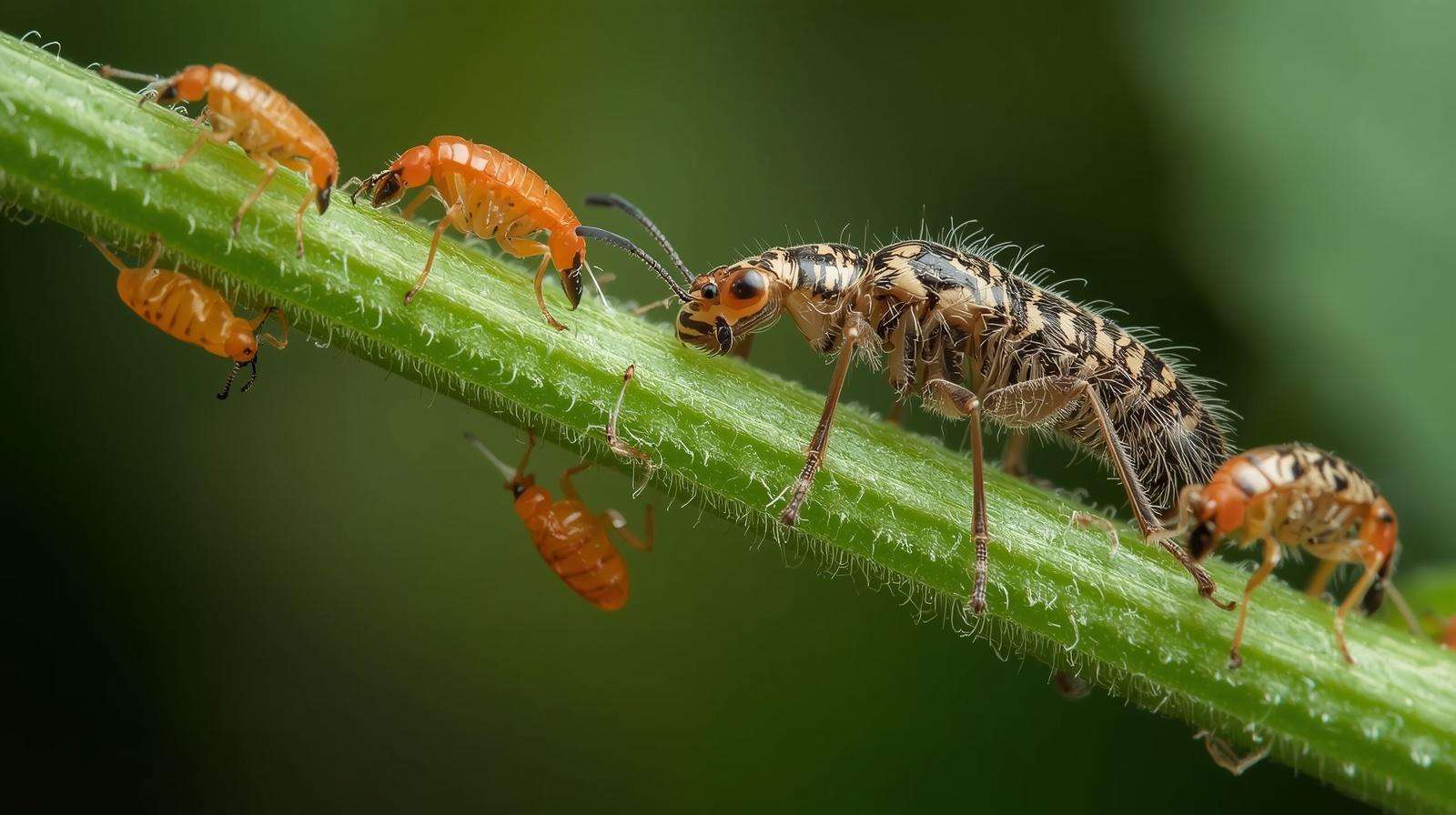
Green Lacewings – The “Aphid Lions” Green lacewings (family Chrysopidae) are another powerhouse. Adults are delicate, pale green insects with large, veined wings and golden eyes. They feed mainly on nectar and pollen, but their larvae — nicknamed “aphid lions” — are ferocious predators.
Lacewing larvae have large, sickle-shaped mandibles that pierce aphids, inject digestive enzymes, and suck out the contents. A single larva can eat 100–200+ aphids per week (some reports cite over 400 in peak conditions). They also target thrips, mites, and small caterpillars. Lacewings are particularly useful because they stay and reproduce in the garden when habitat is provided, unlike some purchased ladybugs that may disperse.
Hoverflies (Syrphid Flies) – Stealthy Pollinators and Predators Adult hoverflies (family Syrphidae) look like small bees or wasps (harmless to humans) and are excellent pollinators as they hover and feed on nectar. Their larvae, however, are slug-like maggots that consume vast numbers of aphids — often 100–400 per larva before pupating.
Hoverfly larvae provide “invisible” control because they blend in and work quietly among aphid colonies. They are especially valuable in vegetable gardens and greenhouses.
Parasitic Wasps (e.g., Aphidius species) Tiny braconid wasps such as Aphidius colemani or Aphidius ervi are highly specific and efficient. The female wasp inserts a single egg into an aphid. The larva feeds internally, eventually killing the host and turning it into a tan or brown “mummy” with a small exit hole.
One parasitoid can lead to hundreds of offspring in a season, offering excellent long-term suppression, especially when aphid numbers are moderate to high. They are safe for humans and pets and do not sting.
Other Valuable Natural Predators
- Predatory midges (Aphidoletes aphidimyza): Larvae are excellent aphid specialists, especially in humid or greenhouse conditions.
- Damsel bugs, minute pirate bugs, and rove beetles: Generalist predators that supplement aphid control.
- Spiders and earwigs: Opportunistic helpers.
- Birds (chickadees, wrens, warblers): Consume large quantities of aphids and other insects when habitat (shrubs, trees, water sources) is available.
A diverse community of these beneficials creates a self-regulating system far superior to any single species release.
(Word count so far ≈ 1,450. The article continues with the next major sections for full depth and value.)
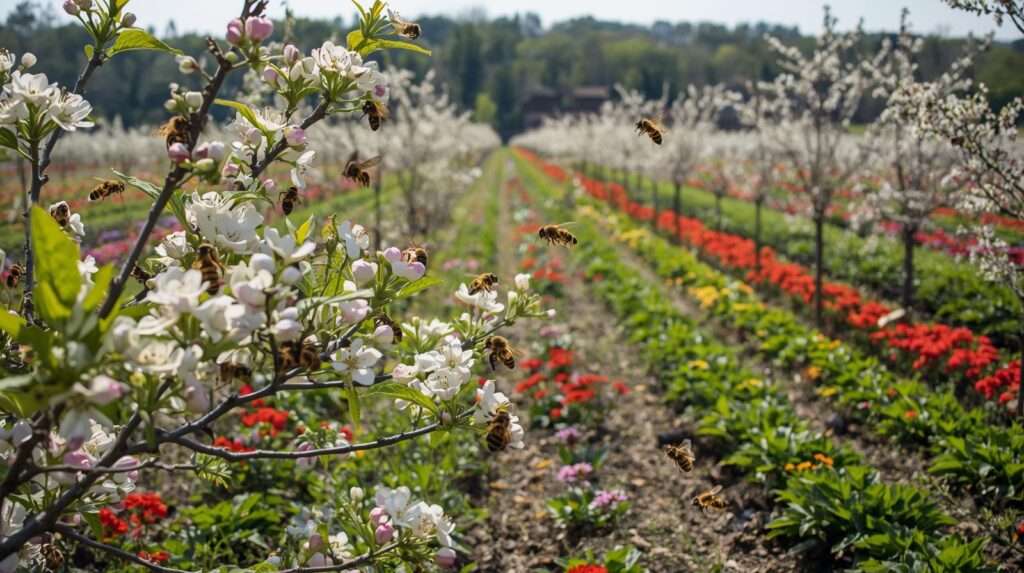
How to Attract and Support Beneficial Insects in Your Garden Creating habitat is the foundation of successful biological control. Many adult beneficials require nectar, pollen, and shelter to survive, reproduce, and stay in your garden.
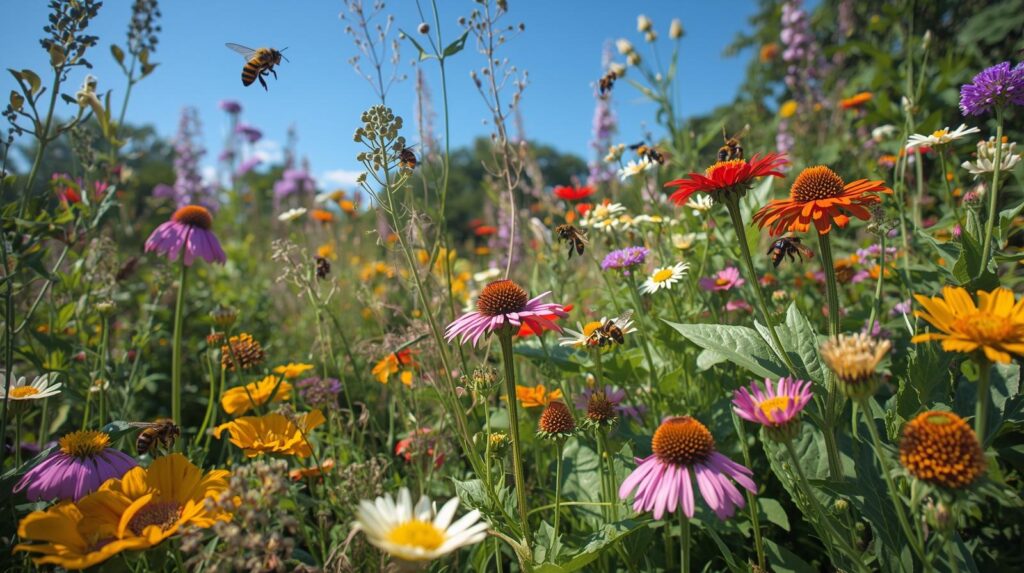
Plant Insectary Flowers and Companion Plants Insectary plants with small, accessible flowers from the carrot (Apiaceae), aster (Asteraceae), and mint families are ideal. Top recommendations include:
- Sweet alyssum, yarrow, dill, fennel, coriander, and parsley (umbellifers attract parasitic wasps and hoverflies).
- Cosmos, calendula, marigolds, and sunflowers.
- Buckwheat, borage, and tansy for quick blooms.
- Native wildflowers like goldenrod, asters, and black-eyed Susan where appropriate.
Plant in borders, intercropped strips, or “insectary circles” at bed ends. Aim for continuous bloom from early spring through fall. In warmer climates, species like borage can provide winter/early-season support.
Create Habitat and Shelter
- Provide water sources (shallow dishes with pebbles for landing).
- Leave some leaf litter, hollow stems, and “messy” areas for overwintering.
- Install beetle banks or low hedgerows.
- Reduce tillage to protect ground-dwelling predators.
Avoid Practices That Harm Beneficials Broad-spectrum insecticides (including some organic ones if misused) kill predators along with pests. Use targeted or soft options only as a last resort, and apply them when beneficials are less active (e.g., evening). Tolerate low-level aphid populations early in the season to “feed” and build predator numbers.
Companion Planting Strategies for Aphid-Prone Crops Interplant dill or fennel near tomatoes and brassicas, or surround rose beds with alyssum and yarrow. Trap crops like nasturtiums can draw aphids away while attracting beneficials.
Step-by-Step Guide to Implementing Biological Aphid Control
- Scout regularly and identify the problem early.
- Protect and encourage existing beneficials by reducing sprays.
- Establish insectary plantings at least 2–4 weeks before peak aphid season.
- Supplement with targeted releases (eggs/larvae preferred over adults for lacewings and ladybugs) if needed. Release in early morning or evening; mist plants with water first. Store purchased beneficials properly (refrigerate ladybugs; follow supplier instructions).
- Monitor progress by counting aphids, predators, and mummies weekly.
- Maintain habitat year-round and combine with strong cultural practices: healthy soil, proper irrigation, adequate spacing, and crop rotation.
Seasonal calendar: Focus on habitat building in spring/fall; releases during active growth; observation in summer.
Common Challenges and Expert Tips for Success
- Ants farming aphids: Control ant access with sticky barriers or baits; they protect aphids from predators.
- Adult ladybugs flying away: Release larvae/eggs or pre-fed adults in cooler parts of the day; provide immediate food and water. Multiple smaller releases over weeks often work better than one large dump.
- Slow results: Biological control takes patience — predators need time to reproduce. Combine with hand removal or strong water sprays for heavy initial infestations.
- Regional considerations: In tropical or subtropical areas (like parts of Bangladesh or similar warm climates), beneficial activity can continue longer, but consistent habitat and monitoring are crucial due to year-round pest pressure.
Diversity is key — rely on multiple predator species rather than one. Soil health and plant vigor make crops less susceptible overall.
Measuring Success and Long-Term Garden Health Success shows as declining aphid numbers, increasing predator sightings (larvae, mummies, adults), and visibly healthier plants with improved yields. Over seasons, you’ll notice fewer severe outbreaks as the ecosystem balances.
Build resilience through compost-rich soil, mulching, polyculture, and minimal chemical inputs. This approach not only controls aphids but enhances pollination, soil biology, and overall garden productivity.
Frequently Asked Questions (FAQs)
What are the best beneficial insects for aphids? Ladybug larvae, green lacewing larvae (“aphid lions”), hoverfly larvae, and parasitic wasps (Aphidius spp.) rank among the most effective.
How many ladybugs do I need to release? Rates vary, but for moderate infestations, consider 1,000–1,500 per shrub or 3,000–5,000 per 1,000 sq ft, released in intervals. Larvae or eggs are often more effective than adults.
Do lacewings eat anything besides aphids? Yes — they also consume thrips, mites, whiteflies, and small caterpillars, making them excellent generalists.
Can I use beneficial insects in a greenhouse? Absolutely. Many commercial growers rely on them; lacewings, predatory midges, and parasitic wasps perform especially well in protected environments.
How long does it take for natural predators to control aphids? Expect noticeable reduction in 1–3 weeks with good conditions and habitat; full balance may take a full season as populations establish.
Are parasitic wasps safe for humans and pets? Yes — they are tiny, do not sting people, and target specific hosts.
What plants attract hoverflies and lacewings? Sweet alyssum, dill, fennel, yarrow, cosmos, and marigolds are top choices.
Will beneficial insects solve my aphid problem completely? They regulate populations below damaging levels rather than eradicate them entirely — which is healthier for the ecosystem.
How do I source beneficial insects locally? Check reputable biological control suppliers, garden centers, or online specialists. Look for native or regionally adapted strains; many extensions provide local recommendations.
Can birds help control aphids too? Yes — encouraging insectivorous birds with diverse plantings, nest boxes, and water sources adds another layer of natural control.
Conclusion Beneficial insects to control aphids naturally offer one of the smartest, most sustainable solutions for modern gardeners and farmers. By understanding aphid biology, deploying the right predators and parasitoids, and building supportive habitat through insectary plants and IPM practices, you can dramatically reduce or eliminate reliance on chemical sprays while growing healthier, more productive gardens.
Start small this season: Plant a few insectary species, scout your plants regularly, and observe the incredible work of ladybugs, lacewings, hoverflies, and parasitic wasps. Over time, your garden will become a thriving, self-regulating ecosystem that rewards you with better harvests, beautiful blooms, and the satisfaction of working with — rather than against — nature.
Share your experiences with biological aphid control in the comments, or ask questions about adapting these strategies to your specific climate and crops. For more agricultural tips on companion planting, soil health, and organic pest management, explore our other guides.
By embracing these natural methods, you contribute to a healthier environment while solving one of gardening’s most common challenges effectively and affordably. Happy gardening!