Imagine dreaming of fresh eggs from your own backyard, crisp vegetables picked minutes before dinner, and a pantry stocked with home-preserved foods — all while watching grocery bills shrink instead of your savings. Yet many aspiring homesteaders feel stuck, believing true self-sufficiency requires acres of land, expensive equipment, or a big upfront investment. The good news? It doesn’t.Budget-First Homesteading
Budget-First Homesteading is a practical, realistic approach that lets you begin building self-sufficiency right where you are — even with limited space and almost no money. By focusing on resourcefulness, gradual skill-building, and using what you already have (or can source for free or cheap), you can start producing food, improving your soil, and gaining independence without going into debt.
In this comprehensive guide, you’ll discover 15 proven, low-cost ways to launch your homesteading journey, along with mindset shifts, planning strategies, budgeting tips, common pitfalls to avoid, and a step-by-step roadmap for long-term success. Whether you live in an apartment, have a small backyard, or manage a modest plot, these agricultural tips will help you turn constraints into creative advantages. Many successful homesteaders began exactly where you are today — with more determination than dollars — and built productive, resilient systems over time.
As an agricultural expert who has guided numerous beginners through frugal homesteading setups (drawing from real-world practices in diverse climates, including tropical and subtropical regions), I’ve seen how starting small and smart leads to sustainable results. This isn’t about overnight transformation; it’s about consistent, budget-conscious steps that deliver real savings on food costs, greater food security, and the satisfaction of growing your own.
Why Budget-First Homesteading Makes Sense in Today’s Economy
Food prices continue to rise due to inflation, supply chain issues, and global uncertainties. In many regions, including areas like Barishal in Bangladesh where seasonal flooding, humidity, and monsoon patterns shape agriculture, families are looking for ways to reduce reliance on expensive market produce while building resilience.

Budget-First Homesteading offers multiple benefits:
- Lower grocery bills: Homegrown vegetables, herbs, and eggs can cut food expenses significantly within the first year.
- Improved food security: Produce your own nutrient-dense food and preserve it for lean seasons.
- Skill development: Learn practical agricultural techniques like soil building, seed saving, and natural pest management that pay dividends for years.
- Mental and physical well-being: Gardening and small-scale livestock care reduce stress and encourage outdoor activity.
- Environmental gains: Reduce plastic waste through composting and reuse materials, promoting sustainable living.
The core principle is simple: Homesteading is a journey and a mindset, not a luxury purchase. You don’t need perfect land or fancy tools to begin. Start with what you have — a windowsill, balcony, backyard corner, or community space — and scale responsibly.
Step 1 – Mindset and Planning Before Spending a Dime
Successful budget-first homesteading begins long before any purchase. Rushing into projects often leads to wasted money and frustration.
Define your “why”: Is it cutting costs, eating healthier, teaching children agricultural skills, or preparing for uncertain times? Clear goals keep you focused.
Assess your resources:
- Space: Measure available area (even 10–20 square feet works for starters).
- Time: Be honest about daily/weekly availability.
- Skills: List what you already know (cooking, basic gardening) and what you need to learn.
- Local conditions: Consider climate (heavy rains, heat, poor soil), soil type, and regulations (urban livestock rules, for example).
Create a simple homestead budget: Use a free notebook or spreadsheet. Categories might include:
- Seeds & plants: Under $10–20 initially
- Tools: Repurpose or buy secondhand
- Infrastructure: Salvaged materials
- Livestock: Start with low-cost options
H3: How to Audit Your Current Spending and Redirect Money Track grocery, dining out, and convenience purchases for one month. Redirect even small amounts (e.g., skipping one takeout meal weekly) toward seeds or a rain barrel. Many beginners find $20–50 monthly savings easily redirected to homesteading.
H3: Setting Priorities – What to Tackle First Focus on the “food first” hierarchy:
- Soil health and composting (foundation for everything)
- Easy edible plants (quick wins for motivation)
- Food preservation skills
- Small livestock (once you have feed sources)
- Infrastructure
This phased approach prevents overwhelm and ensures early successes.
15 Practical Ways to Start Homesteading on a Tight Budget
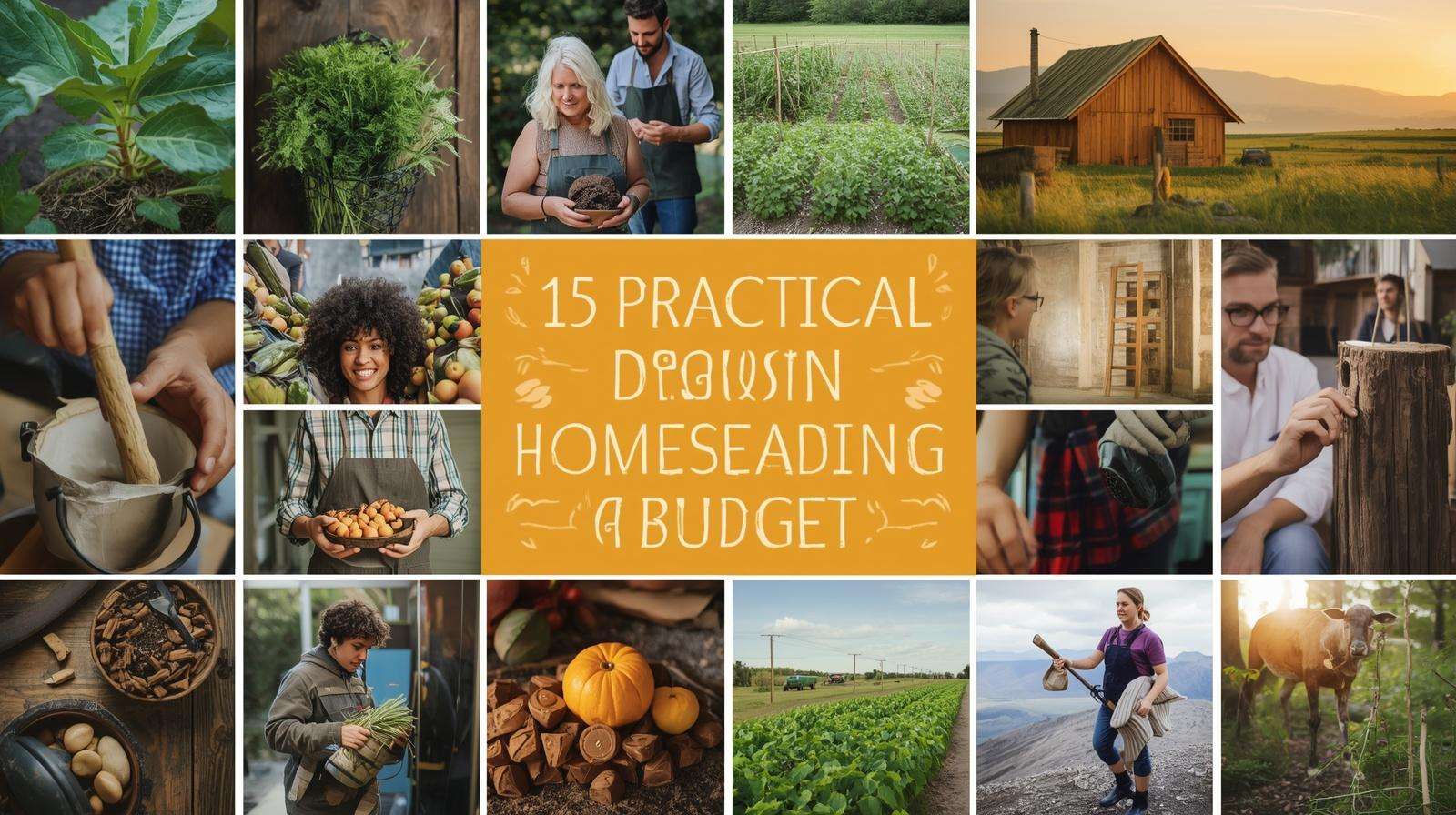
Here is the heart of budget-first homesteading — 15 actionable methods, each with step-by-step guidance, realistic cost estimates (based on 2025–2026 averages), expected returns, and practical tips. Many rely on free or salvaged materials like wooden pallets, recycled buckets, and kitchen scraps.
1. Start a No-Cost or Low-Cost Kitchen Garden (Even in Containers) Container gardening is ideal for apartments, balconies, or small yards. Use old buckets, plastic bottles, grow bags from recycled fabric, or wooden crates.
Steps:
- Drill drainage holes in containers.
- Fill with a mix of garden soil, compost, and sand (or coconut coir in tropical areas for better drainage).
- Plant high-yield, fast-growing crops suited to your climate: lettuce, radish, spinach, herbs (basil, mint), beans, or tomatoes (cherry varieties perform well in pots).
- Place in areas with 4–6+ hours of sunlight; use vertical stacking or hanging planters for space efficiency.
Startup cost: $0–15 (seeds or seedlings; many from kitchen scraps like green onion roots or potato eyes). Returns: Fresh produce worth $50–200+ in the first season; reduces vegetable spending immediately. Pro tip: In humid or monsoon-prone areas, elevate containers to prevent waterlogging and choose disease-resistant varieties. Mulch with dried leaves to retain moisture and suppress weeds.
2. Master Composting and Soil Building for Free Healthy soil is the backbone of any productive homestead. Composting turns “waste” into black gold at zero ongoing cost.
Methods:
- Simple pile or bin made from four wooden pallets wired together.
- Trench composting directly in garden beds.
- Worm bin using a recycled bucket with holes (red wigglers or local earthworms).
- Ingredients: Kitchen scraps (veggie peels, eggshells, coffee grounds — avoid meat/dairy initially), yard waste, shredded paper, and animal manure (once you have chickens).
Steps:
- Layer “browns” (dry leaves, cardboard) and “greens” (nitrogen-rich scraps) at roughly 2:1 ratio.
- Turn every 1–2 weeks; keep moist like a wrung-out sponge.
- In 3–6 months, you’ll have rich compost.
Cost: $0 (pallets often free from markets or construction sites). Savings: Eliminates need for commercial fertilizer (prices have risen sharply); improves soil structure for better yields. Pitfall to avoid: Anaerobic smells — ensure good airflow and balance materials.
3. Learn Seed Starting and Seed Saving Buying seeds every year is unnecessary. Start your own and save from successful harvests.
How-to:
- Make seed trays from egg cartons, yogurt cups, or newspaper pots.
- Use a windowsill or cheap plastic cover for a mini greenhouse effect.
- Save seeds from open-pollinated varieties (tomatoes, beans, okra, leafy greens). Dry thoroughly and store in cool, dry conditions.
Cost: Near zero after the first packet. Long-term value: Builds a self-perpetuating seed bank tailored to your local conditions.
4. Grow Perennials and Fruit Trees on a Budget Perennials return year after year with minimal effort.
Ideas:
- Propagate from cuttings or divisions (sweet potato vines, moringa, banana suckers in tropical settings).
- Source cheap bare-root fruit trees or grafts during off-season.
- Plant guild systems: Combine fruit trees with ground covers and nitrogen-fixers.
Cost: $5–30 per tree initially; many free via community swaps. Benefit: Long-term food production with decreasing maintenance.
5. Raise Backyard Chickens (or Quail) the Frugal Way Chickens are one of the best beginner livestock options for eggs and natural pest control/manure.
Budget approach:
- Source day-old chicks or point-of-lay hens cheaply via local markets or groups (often $2–5 each).
- Build a coop and run using wooden pallets, scrap wood, and chicken wire from salvaged sources.
- Feed with kitchen scraps, garden weeds, insects, and homemade mash (grow fodder like barley or azolla in water).
Startup cost for 4–6 birds: $50–150 if DIY coop (commercial coops can exceed $400+). Ongoing feed cost drops dramatically with foraging and scraps. Returns: 4–6 eggs daily; manure for compost; meat birds as option later. Tip: In tropical climates, provide shade and good ventilation to prevent heat stress. Start small to learn biosecurity and predator protection.
6. Build Simple Infrastructure with Salvaged Materials Avoid buying new raised beds, fences, or shelters.
Examples:
- Raised beds from pallets or cinder blocks (free bricks often available).
- Trellises from bamboo or pruned branches.
- Chicken tractors or movable pens for rotational grazing.
Many homesteaders report building functional coops and beds for under $20 using free marketplace finds.
7. Master Food Preservation Techniques Grow more than you can eat fresh? Preserve it.
Low-cost methods:
- Sun drying or solar dehydrator (simple box with screen).
- Fermenting (kimchi, pickles) using salt and jars.
- Water-bath canning for high-acid foods (tomatoes, fruits) with reused jars.
- Root cellaring in cool, dark spots or buried containers.
Equipment: Start with what you have; pressure canners can come later. These skills stretch harvests and reduce waste.
8. Forage, Hunt, or Trade for Supplemental Food Learn safe foraging for wild edibles (consult local experts for identification, especially in diverse ecosystems). Join seed/ produce swaps or barter networks — trade excess herbs for eggs or tools.
9. Start Small Livestock Alternatives If chickens feel too big, consider:
- Rabbits (quiet, efficient converters of greens to meat).
- Ducks (better foragers in wet areas).
- Or even black soldier fly larvae for protein-rich chicken feed.
10. DIY Tools and Equipment Repurpose: Old knives as weeders, buckets as waterers, broomsticks as stakes. Build trellises and hoes from scrap.
11. Create a Homemade Feed and Supplement System Grow comfrey, duckweed, or azolla as high-protein supplements. Use garden and kitchen waste to cut commercial feed costs by 50%+.
12. Implement Water Conservation and Harvesting Collect rainwater in recycled drums or barrels. Use greywater (from laundry/washing) for non-edible plants or fruit trees after proper filtering. Mulching and swales help in dry periods.
13. Learn Basic Repair and Maintenance Skills Mend clothes, sharpen tools, fix leaks. Free online tutorials or local workshops build independence and save money long-term.
14. Build a Community and Barter Network Join local agricultural groups, Facebook homesteading communities, or extension services. Share tools, knowledge, and excess produce. Community support accelerates learning and reduces individual costs.
15. Generate Early Income from Your Homestead Sell or trade surplus: Seedlings, fresh herbs, eggs, or value-added items like herbal teas or preserves at local markets. Many beginners recoup startup costs within months through small sales.
Each of these 15 ways can start for under $50 (often much less), delivering quick wins that build momentum and confidence in your budget-first homesteading journey
Essential Budgeting and Money-Saving Strategies
Once you begin implementing the 15 practical ways, smart budgeting keeps your budget-first homesteading journey sustainable and debt-free. The goal is to treat every taka, dollar, or rupee as an investment in long-term food security rather than an expense.
Track Every Homestead Expense Use a simple notebook, free Google Sheets template, or phone app. Categorize spending clearly:
- One-time startup (seeds, basic tools)
- Recurring (feed, water, minor repairs)
- Hidden costs (transport to markets, replacement items)
Review monthly. Many new homesteaders discover they spend more on “convenience” items than realized, freeing up funds for productive assets.
Phased Implementation Never try all 15 methods at once. A realistic first-year plan:
- Months 1–3: Focus on composting + container kitchen garden + seed saving.
- Months 4–6: Add food preservation skills and simple infrastructure.
- Months 7–12: Introduce small livestock (chickens or rabbits) once you have consistent feed sources from your own land.
This prevents burnout and financial strain.
Sample First-Year Budget Breakdown (Backyard Scale – Approx. 200–500 sq ft)
Note: Costs vary by region. In areas like Barishal, Bangladesh, monsoon-friendly adaptations (elevated beds, azolla for feed) can further reduce expenses.
Avoid Debt Completely Budget-first homesteading means never borrowing for setups. If something feels too expensive, wait, improvise, or find a free alternative. Patience compounds into greater self-reliance.
Leverage Free and Low-Cost Resources
- Government agricultural extension services (often provide free seedlings, training, or soil testing).
- Library books on permaculture and organic gardening.
- Online communities and YouTube channels (search for “frugal homesteading” or climate-specific tutorials).
- Local markets for end-of-day produce scraps or free pallets.
H3: Bulk Buying and Seasonal Planning Buy seeds in bulk during off-season sales and store properly. Plan plantings around local seasons — cool-season crops in winter, heat-tolerant varieties (okra, eggplant, amaranth) during hot/monsoon periods.
Common Mistakes to Avoid When Homesteading on a Budget
Even with the best intentions, beginners often stumble. Learning from these pitfalls will save you time, money, and frustration:
- Starting Too Big, Too Fast Buying 20 chickens or digging a large garden before building soil or skills leads to overwhelm and dead plants/animals. Start with 4–6 containers or one small bed.
- Spending on “Must-Have” Gadgets Fancy raised-bed kits, automatic waterers, or expensive tools are rarely necessary. Master basic hand tools and DIY versions first.
- Ignoring Ongoing Costs Chickens need year-round feed and protection. Factor these in before acquiring livestock. Calculate monthly feed costs versus egg value.
- Poor Climate and Soil Adaptation Planting temperate crops in tropical/subtropical zones without adjustment often fails. Choose resilient local varieties (e.g., local brinjal, leafy greens, or drumstick trees that thrive in humid conditions).
- Underestimating Time and Learning Curve Homesteading requires daily attention. Begin while you still have a stable income or schedule.
- Neglecting Biosecurity and Safety Introducing sick animals or using contaminated water can wipe out early progress. Learn basic hygiene practices early.
- Skipping Documentation Track what works and what doesn’t in a simple journal. This becomes your personalized agricultural guide over time.
Real-world example: One beginner I advised started with ambitious plans for a large poultry setup but lost birds due to poor housing during heavy rains. Switching to a smaller, elevated DIY coop built from pallets and focusing first on garden feed sources turned the project profitable within six months.
Scaling Your Budget-First Homestead Over Time
Year 1: Foundation Building Focus on soil improvement, basic food production, and skill acquisition. Aim for consistent small harvests and composting system maturity. Goal: Reduce grocery vegetable spending by 30–50%.
Year 2: Expansion and Diversification Add small livestock if feed is reliable. Expand perennials and fruit trees. Begin value-added products (dried herbs, fermented pickles). Target: Cover most household fresh produce needs and generate small side income.
Year 3 and Beyond: Toward Greater Self-Sufficiency Integrate systems (chickens fertilize garden, garden feeds chickens). Build better infrastructure as savings accumulate. Explore micro-enterprises like selling seedlings or eggs locally.
Seasonal Planning Calendar (Adaptable Example)
- Pre-Monsoon: Start seedlings indoors, prepare raised beds.
- Monsoon: Focus on water harvesting, elevated growing, flood-resistant crops.
- Post-Monsoon/Dry Season: Plant root crops, preserve harvests, maintain soil moisture with mulch.
- Winter: Cool-season greens, planning for next year.
Regular evaluation each season ensures steady, stress-free growth.
Expert Insights and Real-World Tips
Drawing from years of working with beginner homesteaders across varied agricultural settings, here are key principles for success in budget-first homesteading:
- Work with Nature, Not Against It: Observe your specific microclimate — sun patterns, wind, water flow. In flood-prone or humid areas, prioritize drainage, raised structures, and disease-resistant plants.
- Integrate Livestock and Plants Early: Animals and gardens should support each other. Chicken manure composted properly becomes powerful fertilizer; garden waste becomes animal feed.
- Prioritize Perennials Where Possible: They require less annual replanting and labor.
- Emphasize Food Safety and Sustainability: Always wash produce thoroughly. Use natural pest control (neem, companion planting, manual removal) instead of chemicals. Practice ethical animal care.
- Build Resilience: Diversify crops and income sources so one failure (pest outbreak, bad weather) doesn’t derail progress.
Additional low-cost techniques that deliver high returns:
- Companion Planting: Marigolds with tomatoes for pest control; beans with corn for natural nitrogen.
- Mulching: Thick layers of dried leaves or grass clippings conserve water and suppress weeds.
- Succession Planting: Stagger sowings for continuous harvest.
For readers in regions with challenging soils or climates, test small areas first before scaling. Soil testing through local agricultural offices (often low-cost or free) provides valuable data.
Final defination
Budget-first homesteading proves that self-sufficiency is not reserved for those with deep pockets or large properties. By adopting a resourceful mindset, starting small, and following the 15 practical ways outlined — from container gardening and free composting to DIY infrastructure and community bartering — anyone can begin producing their own food and reducing expenses today.
The journey rewards patience and consistency. Your first handful of homegrown salad greens or fresh eggs will taste better and feel more satisfying than anything from the market. Over time, these small steps compound into significant savings, improved health, and genuine independence.
Start today with something simple: Collect kitchen scraps for compost or plant a few herbs in recycled containers. Track your progress, learn from setbacks, and celebrate every harvest.
You don’t need perfect conditions or a big budget to homestead successfully — you only need to begin with what you have.
What is your biggest budget challenge or first step you plan to take? Share in the comments below. For more agricultural tips, container gardening guides, and frugal livestock ideas, explore other articles on this site or subscribe to stay updated.
Happy homesteading — may your soil be rich and your harvests abundant!
Frequently Asked Questions (FAQs)
Can I really start homesteading with no money at all? Yes. Begin with composting using kitchen waste and growing from scraps (green onions, potato eyes, lettuce bases). Many early successes come from zero-cost methods before adding minimal investments.
What is the cheapest livestock to start with? Chickens or quail are often the most accessible for eggs. Rabbits are another quiet, space-efficient option. Start very small (4–6 birds) and ensure you have feed sources first.
How much land do I actually need? Very little to begin. A balcony or 50–100 sq ft backyard can support a productive kitchen garden and a few chickens. Even apartment dwellers succeed with container methods.
How long until I see actual savings? Most people notice reduced vegetable and herb costs within 2–4 months. With chickens, egg savings appear within 4–6 months once birds start laying. Full return on modest investments often happens within the first year.
Is homesteading legal in urban or suburban areas? It depends on local regulations. Many places allow backyard chickens with limits on numbers and roosters. Check zoning rules, HOA guidelines, or consult your local agricultural extension office. Starting with plants and composting is almost always permitted.
What if I live in a tropical climate with heavy rains? Focus on elevated beds, excellent drainage, raised coops, and water-loving or flood-tolerant plants (taro, kangkong, certain rice varieties for small plots). Rainwater harvesting becomes a major advantage.
How do I prevent pests without spending much? Use companion planting, neem sprays (made from local neem leaves), hand-picking, and healthy soil to grow strong plants. Physical barriers like netting from old curtains work well.
This complete guide to Budget-First Homesteading delivers actionable, realistic strategies that go far beyond generic advice. Implement even a few of these methods consistently, and you’ll be amazed at how quickly your homestead begins to thrive — all while keeping costs firmly under control.