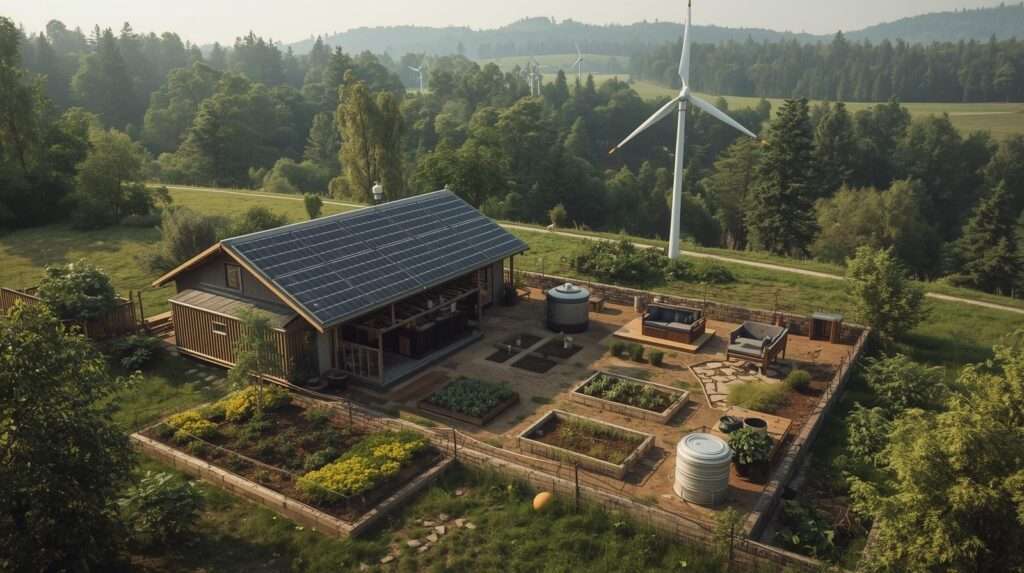
Imagine stepping outside your front door at dawn, harvesting fresh vegetables from a thriving garden just steps away, drawing water collected from last night’s rain, and knowing your home runs entirely on sunlight and wind — with no utility bills arriving in the mail. This vision of independence and resilience draws thousands of families toward efficient off-grid homestead design every year. Rising energy costs, concerns over food security, and a deepening desire for sustainable living make thoughtful homestead planning more relevant than ever.
Efficient off-grid homestead design goes far beyond simply installing solar panels or digging a well. It means creating a smart, integrated system that minimizes resource use while maximizing productivity, comfort, and long-term self-sufficiency. When done right, your layout reduces daily labor, cuts energy and water demands dramatically, builds soil fertility through agriculture, and creates closed-loop systems where waste from one element becomes a resource for another.
In this comprehensive guide — drawing on permaculture principles, passive solar strategies, real-world agricultural integration, and practical lessons from established off-grid homesteaders — you’ll discover a complete framework for designing (or improving) an efficient off-grid homestead. Whether you have 1 acre or 50, a tight budget or more flexibility, this article provides actionable steps tailored to agricultural productivity and sustainable living. By the end, you’ll have the tools to turn your land into a resilient, productive haven that supports your family for generations.
Why Efficient Design Matters for Off-Grid Homesteading
Many people start off-grid projects with enthusiasm but quickly discover that a poorly designed homestead creates endless frustration: long walks between the house and garden, excessive energy consumption in winter, water shortages during dry spells, or constant maintenance on oversized systems. Efficient design solves these problems from the beginning.
An efficient off-grid homestead focuses on four key efficiencies:
- Energy efficiency — reducing demand through passive design before adding generation.
- Water efficiency — harvesting, storing, and reusing every drop intelligently.
- Labor and time efficiency — placing elements according to how often you need them.
- Biological efficiency — integrating agriculture, livestock, and waste systems so the land becomes more fertile over time.
Well-designed systems can cut long-term operating costs by 70-90% compared to conventional setups while increasing food production and resilience to climate extremes, power outages, or supply disruptions. Permaculture-based layouts, in particular, emphasize working with natural patterns rather than fighting them, leading to lower maintenance and higher yields.
From an agricultural perspective, efficiency means your homestead becomes a self-reinforcing system: animal manure feeds the garden, garden waste feeds the animals or compost, and strategic planting (guilds and food forests) builds soil without synthetic inputs. This closed-loop approach is especially valuable for readers focused on agricultural tips and guidelines, as it turns design decisions directly into higher productivity and soil health.
Step 1 – Assessing Your Land and Climate for Optimal Design
No efficient off-grid homestead design succeeds without thorough site assessment. Skipping this step is one of the most common and costly mistakes.
Conducting a Thorough Site Analysis
Begin with a detailed evaluation of your property:
- Topography and slopes: Identify south-facing slopes for passive solar gain and natural drainage. Use contour mapping to plan swales for water harvesting.
- Soil types and quality: Test soil for pH, nutrients, and structure. Poor soil can be amended, but knowing your starting point guides garden placement and earthworks.
- Sun exposure and microclimates: Track sunlight hours throughout the year. Note frost pockets, wind corridors, and warmer areas near rocks or walls.
- Water sources and risks: Locate natural springs, streams, or potential well sites. Assess flood zones, erosion risks, and drought patterns.
- Wind patterns: Strong winds can damage structures or provide energy opportunities; they also affect pollination and evaporation.
Practical tools include free satellite imagery (Google Earth), a simple compass or smartphone apps for sun tracking, and professional soil tests from local agricultural extension services. Spend at least one full year observing seasonal changes if possible — winter snow load, summer heat, and spring flooding all influence design.
Understanding Your Local Climate and Microclimates
Climate dictates core design choices. In colder regions, prioritize passive solar orientation and thermal mass (e.g., concrete floors or earth walls) to store daytime heat. In hot or humid areas like parts of Bangladesh or tropical zones, emphasize natural ventilation, shading, and evaporative cooling.
Microclimates — small variations within your land — offer hidden opportunities. A sheltered south-facing pocket might support tender crops earlier in spring, while a windy ridge could suit wind turbines or hardy perennials.
Legal and Zoning Considerations
Check local regulations early: building permits for off-grid structures, water rights for wells or rainwater catchment, zoning for livestock or composting systems, and any restrictions on renewable energy installations. In many rural areas, off-grid living is encouraged, but codes for septic alternatives (like composting toilets) or greywater systems vary widely. Consulting agricultural departments or extension offices can provide valuable, region-specific guidance.
Expert Tip: Create a simple checklist before purchasing land: reliable water access? Minimum 6-8 hours of winter sun? Gentle slopes for easy management? Good road access for initial construction materials? Answering these prevents expensive regrets.
Core Principles of Efficient Off-Grid Homestead Layout
Efficient design rests on timeless principles, particularly permaculture’s zones and sectors for energy-efficient planning.
Permaculture and Zone Planning for Maximum Efficiency
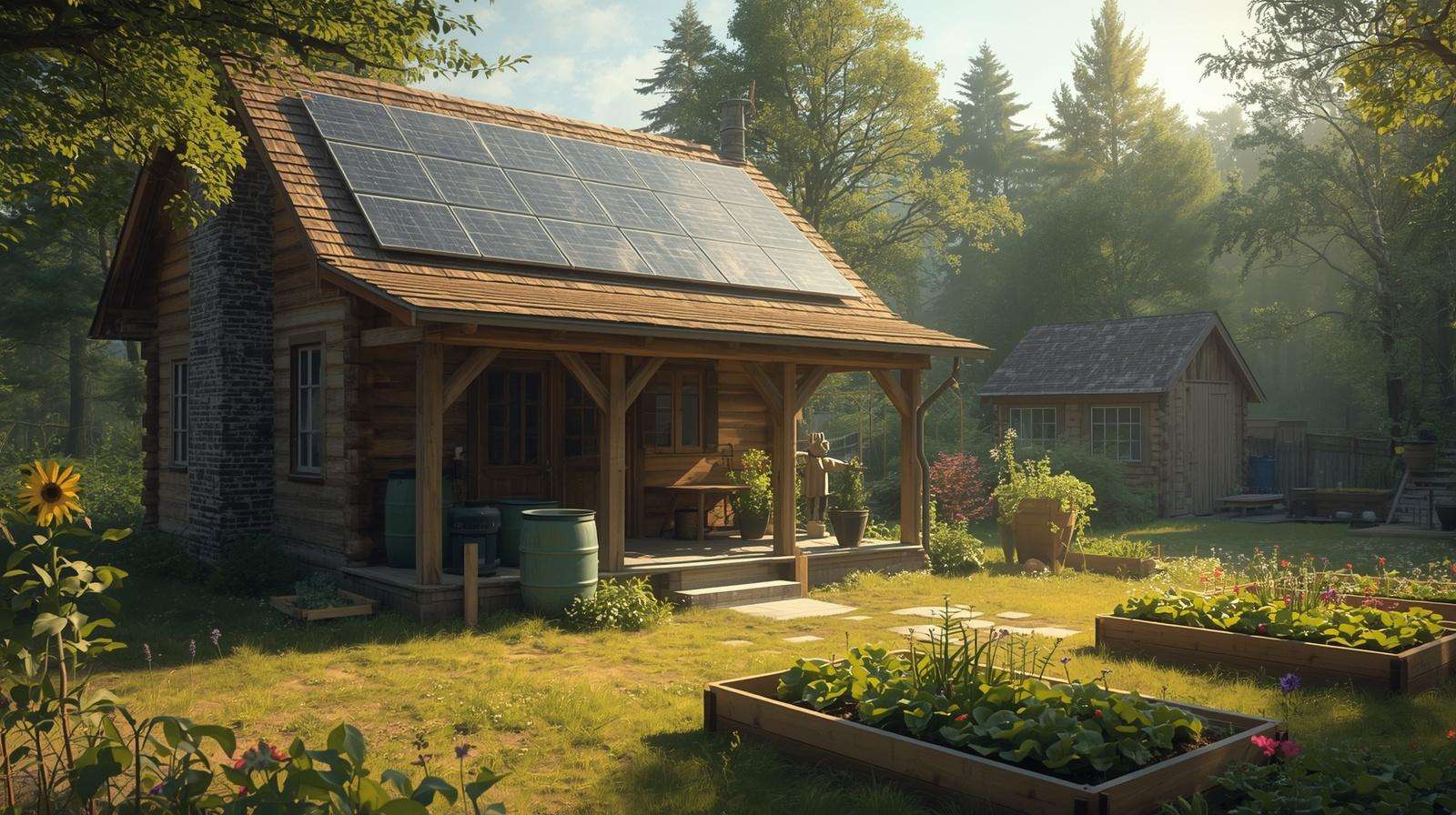
Permaculture zones organize the homestead by frequency of human interaction, minimizing unnecessary movement and resource waste:
- Zone 0: Your home — the center of daily activity. Design it for maximum energy efficiency.
- Zone 1: High-intensity areas visited multiple times daily — kitchen garden, herb beds, composting toilet output, small livestock (chickens or rabbits), and rainwater barrels. Place these closest to the house for convenience and easy integration with greywater systems.
- Zone 2: Semi-intensive — main vegetable gardens, larger orchards, greenhouses, and workshops. Still within easy reach but requiring less daily attention.
- Zone 3: Production-focused — larger crop fields, pasture for livestock, main orchards, and aquaculture ponds. Managed weekly or seasonally.
- Zone 4: Semi-wild — forage areas, timber, nut trees, and larger water features with minimal intervention.
- Zone 5: Wild zone — left largely untouched for biodiversity, wildlife habitat, and observation. This zone provides inspiration and genetic resources.
Sector analysis considers external energies: sun path (for solar gain and garden placement), prevailing winds (for windbreaks or turbines), fire risk, water flow, and views/noise. For example, position a greenhouse on the south side of the house to capture winter sun and share passive heat with living spaces.
A well-zoned layout on even a small plot can dramatically reduce daily walking time and improve agricultural output by placing pollinator plants near crops and manure sources near gardens.
Passive Solar Design and Orientation Strategies
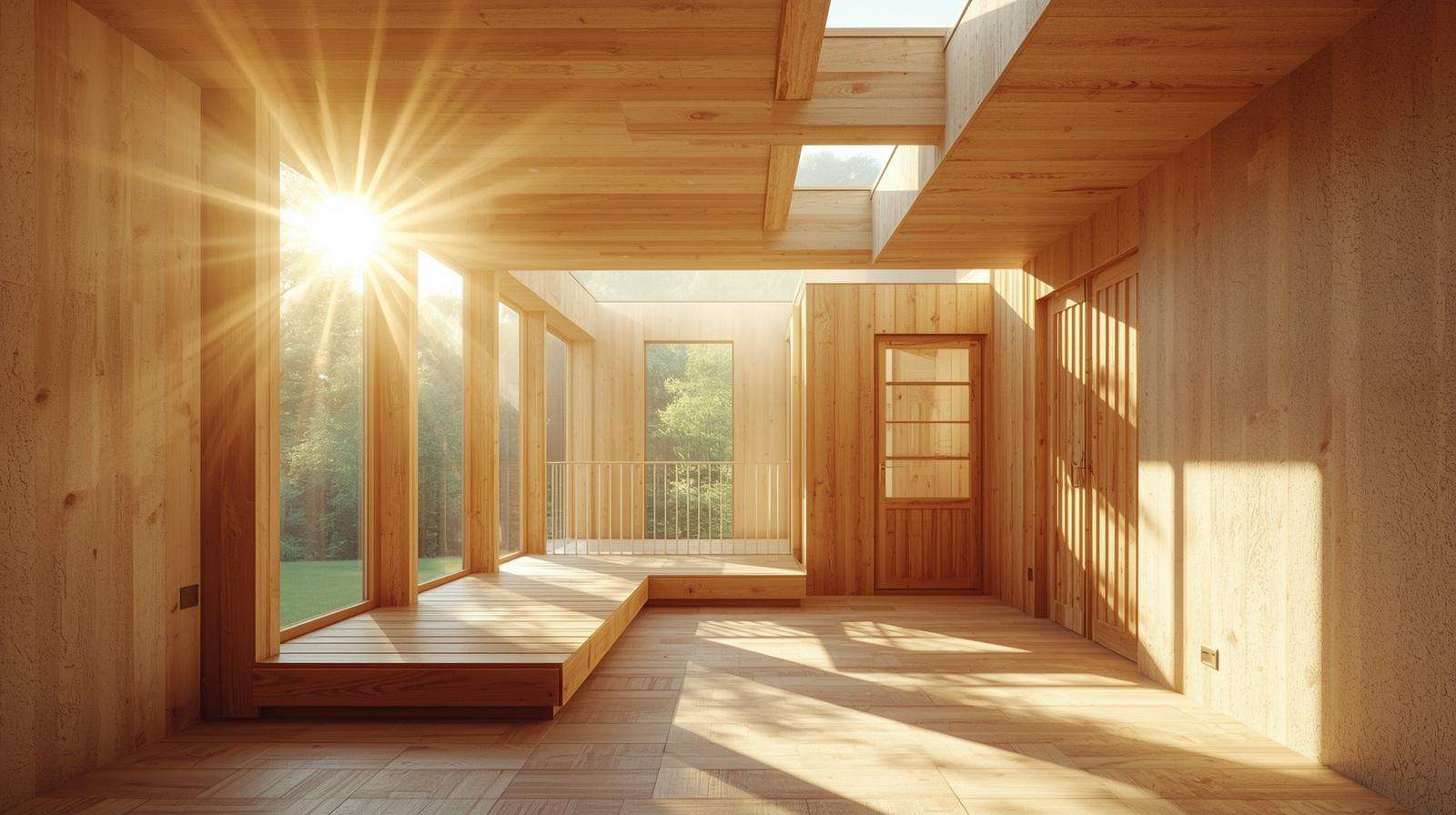
Passive solar is one of the highest-ROI elements in efficient off-grid homestead design. Orient the main living areas and greenhouse toward true south (in the Northern Hemisphere) with appropriate overhangs to allow low winter sun while blocking high summer sun. Use thermal mass materials (rammed earth, concrete, or stone) inside to store heat. Proper insulation and airtight construction further reduce heating/cooling needs by 50% or more in many climates.
Water Management and Harvesting Systems
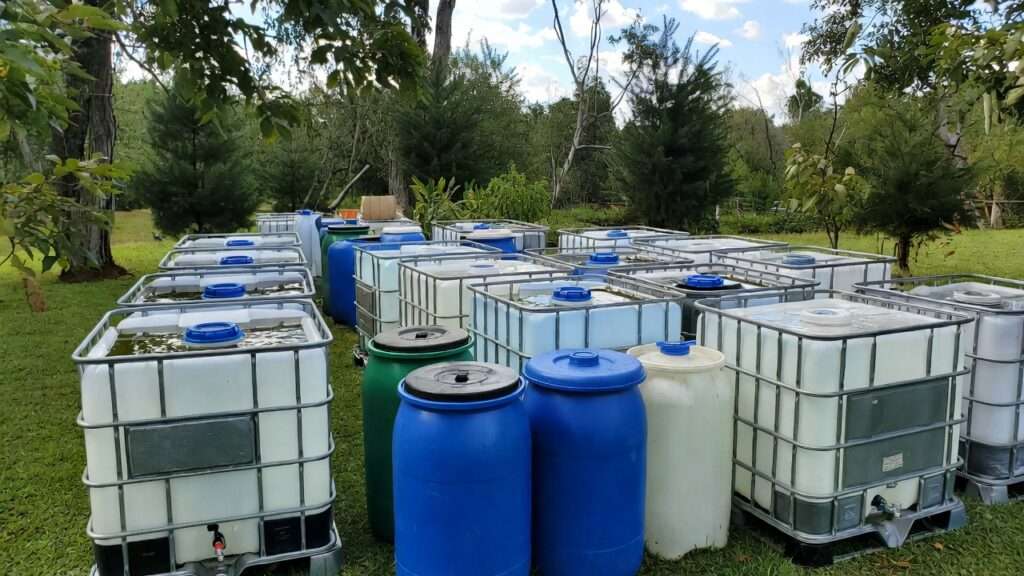
Incorporate water features from day one. Design swales and berms on contour to slow, spread, and sink rainwater, recharging the soil and preventing erosion. Place cisterns or ponds in lower zones to gravity-feed gardens. Roof catchment systems on the house and outbuildings can provide clean water for household use, while greywater from sinks and showers irrigates fruit trees and ornamentals.
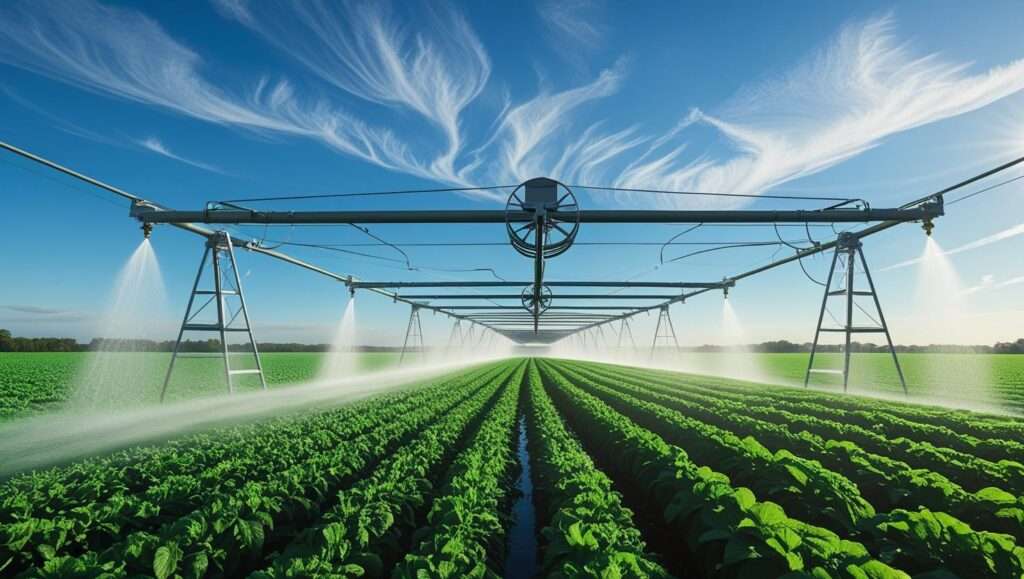
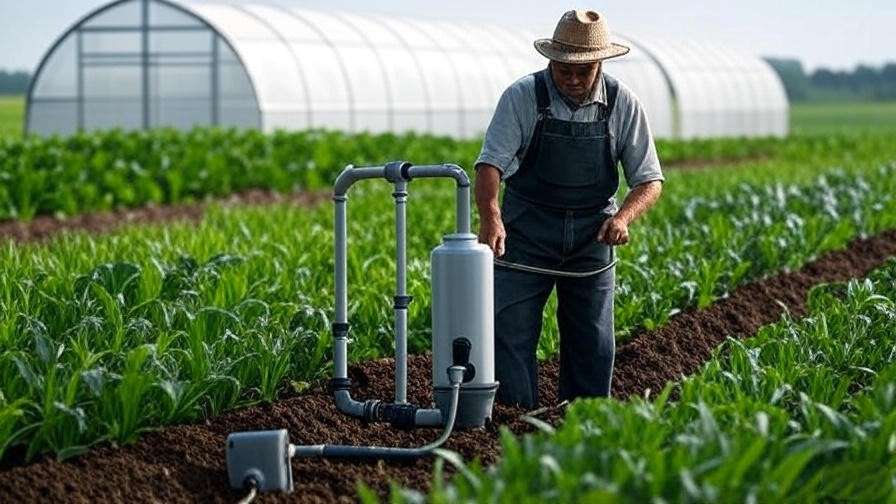
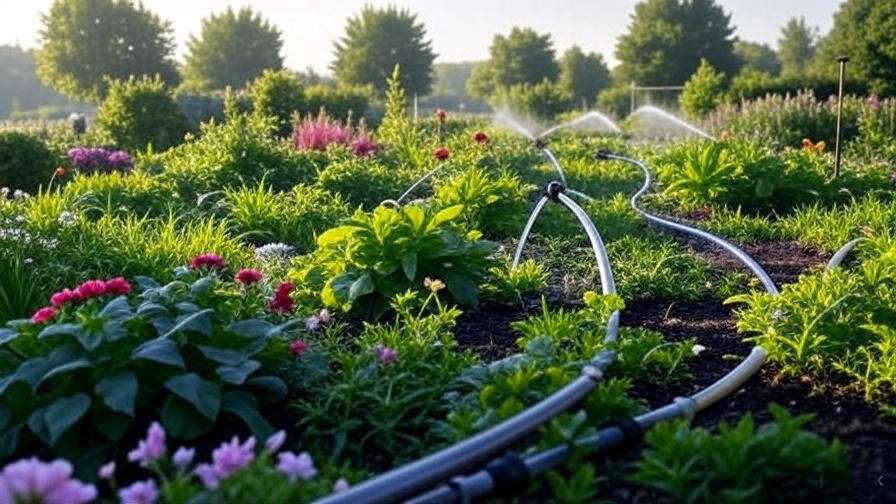
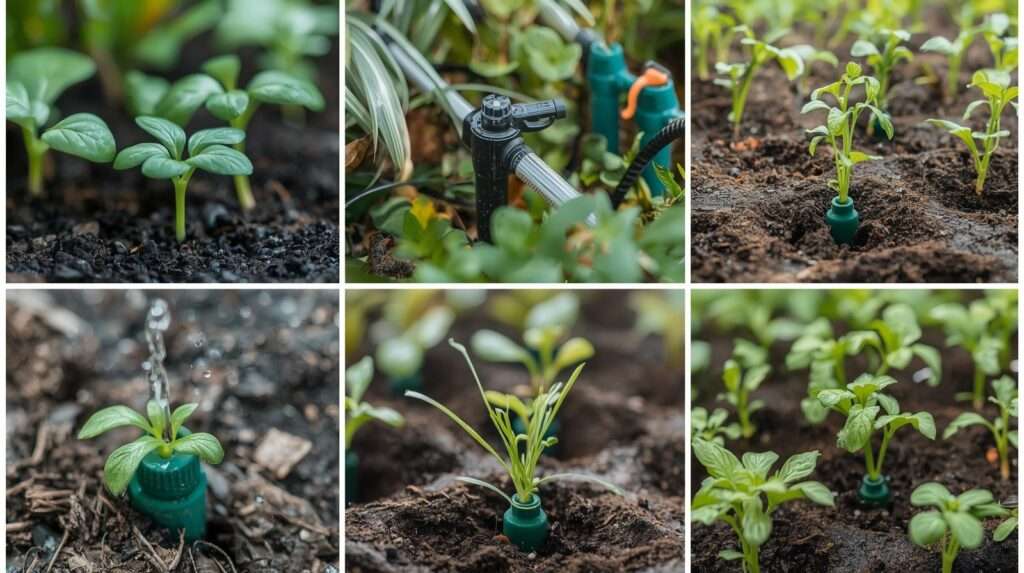
Integrate drip irrigation and mulching to minimize evaporation — critical for agricultural productivity in variable climates.
Energy Efficiency from the Ground Up
Before installing any renewable system, design the entire homestead to minimize demand. Right-size your home (many efficient off-grid families thrive in 800–1500 sq ft well-designed spaces), choose high-efficiency appliances, and use natural daylighting and ventilation. Every watt saved on the demand side means a smaller, cheaper generation and storage system.
Visual Recommendation: Sketch a simple zone map of your property showing house placement, garden locations, water flows, and energy sectors. Even a hand-drawn version reveals inefficiencies quickly.
(Word count so far ≈ 1,450. Continuing with the next major sections.)
Designing Your Home and Key Structures for Off-Grid Efficiency
The home is the heart of any efficient off-grid homestead. Focus on right-sizing and passive performance rather than luxury square footage.
Choosing the Right Home Size and Footprint
Many beginners overestimate space needs. A compact, well-laid-out home with smart storage and multi-purpose rooms often feels larger and functions better off-grid. Consider your family size, climate, and agricultural workflow — for example, a mudroom near the garden entrance prevents tracking soil inside.
Energy-Efficient Building Materials and Techniques
Prioritize high insulation values (R-40+ walls/roof in colder climates), natural or recycled materials where suitable (straw bale, earthbag, cordwood, or reclaimed timber), and durable roofing for rainwater catchment. Earth-sheltered or bermed designs offer excellent thermal stability in extreme climates. Avoid materials that off-gas or require frequent replacement to maintain long-term efficiency.
Integrated Outbuildings and Infrastructure
Plan workshops, greenhouses, root cellars, and animal shelters as part of the zone system. A greenhouse attached or adjacent to the south side of the house can provide passive solar gain while extending the growing season for agricultural self-sufficiency. Root cellars dug into north-facing slopes store produce without electricity.
Composting Toilets, Greywater, and Waste Systems
Composting toilets eliminate the need for large septic systems and turn “waste” into valuable garden compost after proper curing. Pair them with simple greywater systems that divert shower and sink water (filtered through mulch basins or reed beds) to fruit trees and perennials — a perfect agricultural integration that conserves potable water and builds soil.
Always follow local health guidelines and use biodegradable, plant-friendly soaps.
Powering Your Homestead – Efficient Renewable Energy Systems
Once the home and layout minimize demand, size your power system accurately.
Calculating Your Real Energy Needs
Perform a detailed energy audit: list every appliance, lighting, and tool with its wattage and daily usage hours. Factor in seasonal differences — more lighting and perhaps heating in winter. Efficient designs often target 3–8 kWh per day for a family through careful conservation, compared to 30+ kWh on-grid.
Solar, Wind, Hydro, and Hybrid Options
Solar PV remains the most accessible and scalable choice for most homesteads, especially with falling panel prices. Ground mounts or pole mounts in open areas allow optimal tilt and easy agricultural integration (agrivoltaics concepts can even combine grazing or low crops beneath raised arrays). Wind works well in consistently breezy locations but requires higher towers. Micro-hydro is excellent if you have a reliable stream with sufficient drop.
Hybrid systems (solar + wind + generator backup) provide the greatest resilience. Battery storage — preferably lithium for longevity and efficiency — bridges nighttime and cloudy periods.
Battery Storage and Backup Solutions
Aim for 2–3 days of autonomy minimum. Modern lithium iron phosphate (LiFePO4) batteries offer deep cycling and long life (10+ years). Include a backup generator for extended poor weather, sized efficiently to run only high-load or emergency needs.
Expert Insight: The biggest design mistake is oversizing the system instead of reducing load first. A well-insulated, passively designed home might need only half the panels and batteries of a conventional build.
Water Systems – From Source to Self-Sufficiency
Water is the lifeblood of any efficient off-grid homestead design. A thoughtful layout integrates water harvesting, storage, distribution, and recycling from the very beginning, turning every rainfall into a productive asset while supporting robust agricultural systems.
Start with comprehensive rainwater harvesting. Design roof surfaces on the house, greenhouse, and outbuildings with gutters leading to large cisterns (food-grade polyethylene or concrete tanks). In many climates, a 1,000–5,000 gallon cistern per 1,000 sq ft of roof can provide significant household and garden needs. Position cisterns at higher elevations where possible for gravity-fed distribution, reducing the need for energy-intensive pumps.
Incorporate swales and berms on contour across the landscape. These earthworks slow runoff, spread water evenly, and allow it to infiltrate the soil, recharging groundwater and creating fertile growing zones downslope. Swales are particularly effective in permaculture designs for hilly or sloped land, turning potential erosion problems into productive agricultural features. Mulch heavily in these areas to retain moisture and build soil organic matter.
For potable water, combine rainwater with filtration systems (sediment filters, activated carbon, and UV sterilization if needed) or a reliable well. In regions with variable rainfall, plan for redundancy — a hand-pump well or backup hauling option ensures resilience during droughts.
Greywater recycling is a cornerstone of efficiency. Divert water from sinks, showers, and laundry (using plant-friendly, biodegradable soaps) through simple mulch basins or reed beds planted with nutrient-loving species like comfrey or fruit trees. This closes the loop: household water directly nourishes Zone 1 and 2 gardens, boosting food production without drawing from stored potable supplies.
Blackwater (from composting toilets) is handled separately and turned into rich compost after 12–24 months of curing. This nutrient-dense material feeds perennial beds and orchards, enhancing long-term soil fertility — a perfect integration of waste management with sustainable agriculture.
Conservation strategies include drip irrigation, heavy mulching, and selecting drought-tolerant crop varieties suited to your climate. In humid or tropical areas, focus on raised beds with good drainage to prevent waterlogging while capturing excess moisture.
A well-designed water system can reduce external water needs by 80–95% while turning your homestead into a more productive agricultural ecosystem. Monitor usage with simple gauges and adjust seasonally — more storage and conservation in dry periods, more aggressive harvesting during monsoons.
Integrating Sustainable Agriculture into Your Homestead Design
Efficient off-grid homestead design shines brightest when agriculture is woven seamlessly into the layout. The goal is a closed-loop system where plants, animals, water, and energy support one another, producing abundant food with minimal external inputs.
Garden and Food Production Layouts
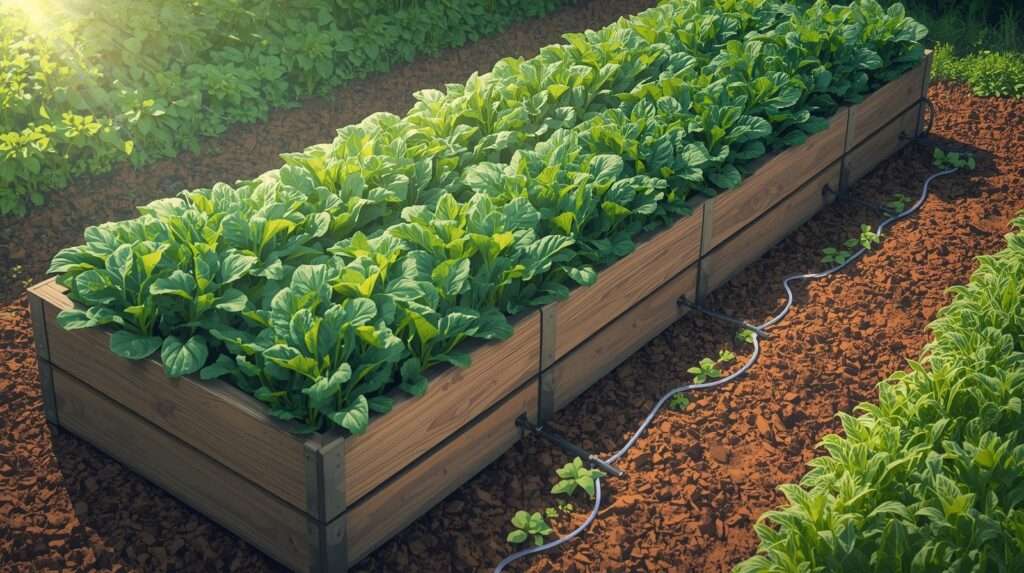
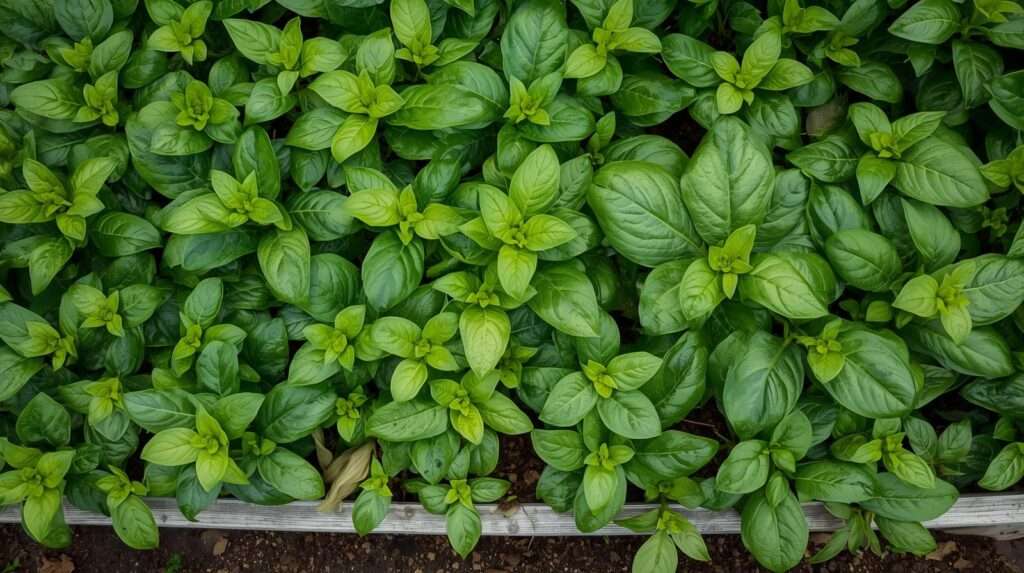
Place the intensive kitchen garden in Zone 1, right outside the kitchen door for daily harvesting of herbs, salad greens, and quick crops. Use raised beds with companion planting (e.g., tomatoes with basil and marigolds for pest control) and vertical trellising to maximize small spaces.
Main production gardens fit in Zone 2, benefiting from swales for passive irrigation and proximity to compost sources. Incorporate food forests with layered planting: tall nut trees, fruit trees, shrubs, herbaceous perennials, and ground covers. These guilds mimic natural ecosystems, building soil, attracting pollinators, and providing yields with decreasing maintenance over time.
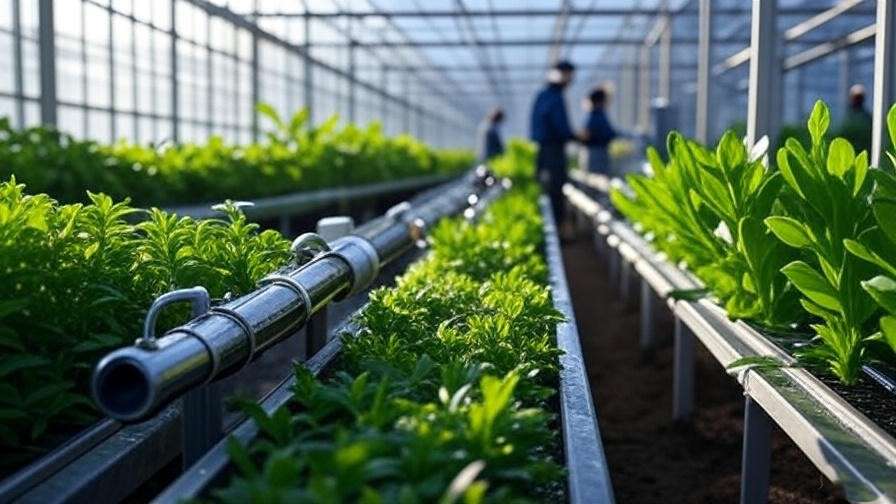
Season extension is essential for self-sufficiency. Attach or position a passive solar greenhouse near the house to capture heat and extend growing periods. Cold frames and hoop houses in strategic microclimates protect tender crops.
No-till and sheet mulching methods preserve soil structure and microbial life, aligning with regenerative agricultural tips. Rotate crops and integrate cover crops to maintain fertility naturally.
Livestock Integration for Closed-Loop Systems
Animals turn an efficient homestead into a truly regenerative system. Position chicken coops or tractors in Zone 1–2 so they can forage garden edges, control pests, and deposit manure directly onto compost or beds. Mobile chicken systems allow rotational grazing that fertilizes while reducing labor.
Larger livestock (goats, sheep, or a small cow) belong in Zone 3 pastures designed with rotational paddocks and water access via gravity lines. Their manure becomes premium compost or is applied via deep litter bedding that later enriches orchards.
Pigs can be used strategically for tillage in new garden areas or food forest establishment, turning waste vegetation into soil-building activity. Ducks or geese manage ponds and provide slug control while fertilizing aquatic plants or adjacent gardens.
The key is integration: animal housing near gardens minimizes transport of manure and feed, while plants provide forage and shade for animals. This creates a symbiotic loop that enhances soil health, increases biodiversity, and boosts overall homestead resilience.
Orchard, Perennials, and Soil-Building Strategies
Design perennial systems in outer zones with water-harvesting features (swales, keyhole beds). Plant fruit and nut trees in guilds that include nitrogen-fixers, dynamic accumulators, and pest-repellent companions. Over time, these systems require almost no irrigation or fertilization as the soil biology improves.
Focus on soil building from day one: compost everything possible, use chop-and-drop mulching from prunings, and encourage earthworms and beneficial microbes. In agricultural terms, this approach can double or triple yields over conventional methods while eliminating synthetic inputs.
Practical Example: On a 5-acre homestead, Zone 0–1 holds the house, herb spiral, and small poultry. Zone 2 features intensive vegetables and a greenhouse. Zone 3 includes main orchards with integrated sheep grazing under trees (silvopasture). Zone 4 provides timber and forage, while Zone 5 remains wild for biodiversity.
Phased Implementation: Building Your Efficient Off-Grid Homestead Step by Step
Rushing into a full off-grid setup often leads to overwhelm and wasted resources. A phased approach ensures efficiency and sustainability.
Phase 1 – Essentials (Shelter, Water, Basic Power)
Prioritize a small, well-insulated shelter (even a tiny home or yurt initially), reliable water source with basic filtration, and a modest solar setup sized for lights, small appliances, and phone charging. Establish the first swales and a small kitchen garden. This phase builds skills and confidence while keeping costs manageable.
Phase 2 – Food Production and Infrastructure
Expand the garden, add composting systems and greywater, integrate small livestock, and scale up energy storage. Build outbuildings like a workshop or root cellar. Focus on soil improvement and perennial planting.
Phase 3 – Optimization and Expansion
Add advanced features: larger battery banks, wind or hydro if suitable, expanded food forests, and value-added processing (canning, drying). Monitor and tweak the system based on real performance data. At this stage, the homestead often generates surplus food or energy.
Budget realistically and prioritize high-impact, low-cost elements first — passive design and water harvesting deliver returns immediately without heavy upfront investment.
Common Mistakes in Off-Grid Homestead Design and How to Avoid Them
Even experienced designers encounter pitfalls. Here are the most frequent ones, with practical solutions:
- Poor Site Selection: Choosing land without adequate sun, water, or access. Solution: Observe for a full year and use checklists for topography, climate, and regulations.
- Building Too Big Initially: Oversized homes create massive energy and maintenance demands. Solution: Right-size based on actual needs and expand only as necessary.
- Ignoring Passive Design: Relying solely on active systems (large solar arrays) instead of reducing demand first. Solution: Orient structures, add insulation, and use thermal mass before sizing renewables.
- Underestimating Water Needs: Assuming rainwater or a single well will suffice year-round. Solution: Plan for storage, recycling, and redundancy; calculate based on family size plus agriculture.
- Starting Too Many Projects at Once: Spreading resources thin across gardens, animals, and building. Solution: Phase implementation and focus on Zone 0–1 first.
- Inadequate Energy Load Calculation: Under- or over-sizing solar systems. Solution: Perform a detailed audit including seasonal variations and future growth.
- Neglecting Soil and Agriculture Integration: Treating food production as an afterthought. Solution: Design zones and sectors with livestock and gardens in mind from the start.
- Skipping Legal and Maintenance Planning: Discovering code issues late or lacking backup systems. Solution: Research permits early and build monitoring routines.
Avoiding these through careful planning saves years of frustration and thousands in corrections.
Cost Considerations and Budget-Friendly Design Strategies
Efficient off-grid homestead design can be achieved on various budgets by emphasizing demand reduction over expensive generation.
Basic shelter and water systems might start at $10,000–$30,000 for a small setup using natural building techniques. A modest solar system (3–5 kW with batteries) often ranges $15,000–$40,000 depending on components and DIY level. Full off-grid solar for a family home typically falls in the $45,000–$65,000 range before incentives, but smart passive design can cut this by half by lowering actual needs.
Save money by:
- Using free or low-cost earthworks for water management.
- Sourcing reclaimed materials for building.
- Starting small and scaling organically.
- Integrating agriculture early to offset food costs.
Long-term, efficient designs pay for themselves through eliminated utility bills, higher food self-sufficiency, and increased land value.
Maintenance, Monitoring, and Long-Term Optimization
Sustainability requires ongoing attention. Schedule seasonal reviews: clean gutters and filters, prune food forests, rotate livestock, and check battery health. Simple monitoring tools (voltage meters, water level gauges, soil moisture probes) help catch issues early.
Adjust for changing needs — growing family, climate shifts, or expanded production. Over years, a mature system becomes increasingly efficient and productive as soil improves and ecosystems stabilize.
Final word
Efficient off-grid homestead design is not about perfection on day one — it’s about intelligent, integrated planning that works with nature to create resilient, productive, and fulfilling living spaces. By assessing your land thoroughly, applying permaculture zones and sectors, prioritizing passive systems, and weaving in sustainable agriculture, you build a homestead that minimizes waste, maximizes self-sufficiency, and supports abundant food production.
Start where you are. Assess your site, sketch a basic zone plan, and take the first small steps toward water harvesting or a kitchen garden. Over time, these thoughtful decisions compound into true independence and a deeper connection to the land.
The journey toward sustainable living rewards patience and observation. Your efficient off-grid homestead can become a model of agricultural productivity and environmental stewardship — providing for your family while regenerating the earth.
What part of your homestead design are you tackling first? Share your goals or challenges in the comments — I’d love to offer tailored agricultural tips. For more practical guidance on soil health, livestock integration, or seasonal gardening, explore our other articles on agricultural tips and guidelines. Subscribe for updates and consider downloading a free homestead planning checklist to get started today.
You have the power to design a self-sufficient future. Begin thoughtfully, build efficiently, and watch your land thrive.
FAQs
What is the most important factor in efficient off-grid homestead design? Thoughtful site assessment and zone planning. Everything else — energy, water, and agriculture — flows from understanding your land’s unique patterns.
How much land do I need for a self-sufficient homestead? For a family of 4, 1–5 acres is often sufficient with intensive permaculture methods. Focus on quality design over quantity of land.
Can I design an efficient off-grid homestead on a tight budget? Yes. Prioritize passive solar, water harvesting, and small-scale gardening. Use natural building and phase implementation to spread costs.
How do I integrate gardening into my off-grid layout? Place intensive gardens in Zone 1–2 near the house and greywater sources. Use swales for passive irrigation and companion planting for productivity.
What are the best renewable energy options for beginners? Start with solar PV paired with energy-efficient design. Add wind or hydro later if site conditions support them. Always reduce demand first.
How long does it take to build a functional off-grid homestead? Phase 1 can be livable in 6–12 months. Full optimization often takes 3–5 years as systems mature and soil builds.