Imagine pouring hours into brewing a special liquid for your garden, only to wonder if it’s truly delivering bigger harvests, fewer diseases, and thriving plants—or if you’re just wasting time and electricity on another gardening trend. Many gardeners face this exact dilemma after struggling with compacted soil, disease-prone vegetables, or lackluster growth despite regular composting. They hear glowing testimonials about compost tea as a miracle microbial booster and wonder: Is compost tea worth the effort?
As an agricultural expert with years of hands-on experience in organic soil management and sustainable farming practices, I’ll cut through the hype. Compost tea is a liquid extract made by steeping high-quality compost (or vermicompost) in water to pull out beneficial microbes, soluble nutrients, and organic compounds. It aims to deliver these directly to plant roots or foliage in an easy-to-apply form. While it can provide targeted benefits in specific situations, it’s rarely the “silver bullet” promoters claim—and it’s not always the best use of your limited gardening time.
This honest guide weighs the real science against practical experience, outlines clear pros and cons, and gives you step-by-step instructions so you can make an informed decision. By the end, you’ll know whether compost tea fits your garden setup or if focusing on foundational practices like adding solid compost and mulch will serve you better. Let’s dive in and solve the core question for gardeners seeking healthier soil and stronger plants without unnecessary effort.
What Is Compost Tea? Understanding the Basics
Compost tea is essentially “liquid compost.” It extracts the water-soluble nutrients and living biology from mature compost, creating a brew rich in bacteria, fungi, protozoa, and other microorganisms that support the soil food web. The goal is faster delivery of these beneficial elements compared to spreading solid compost, especially for large areas, containers, or foliar applications.
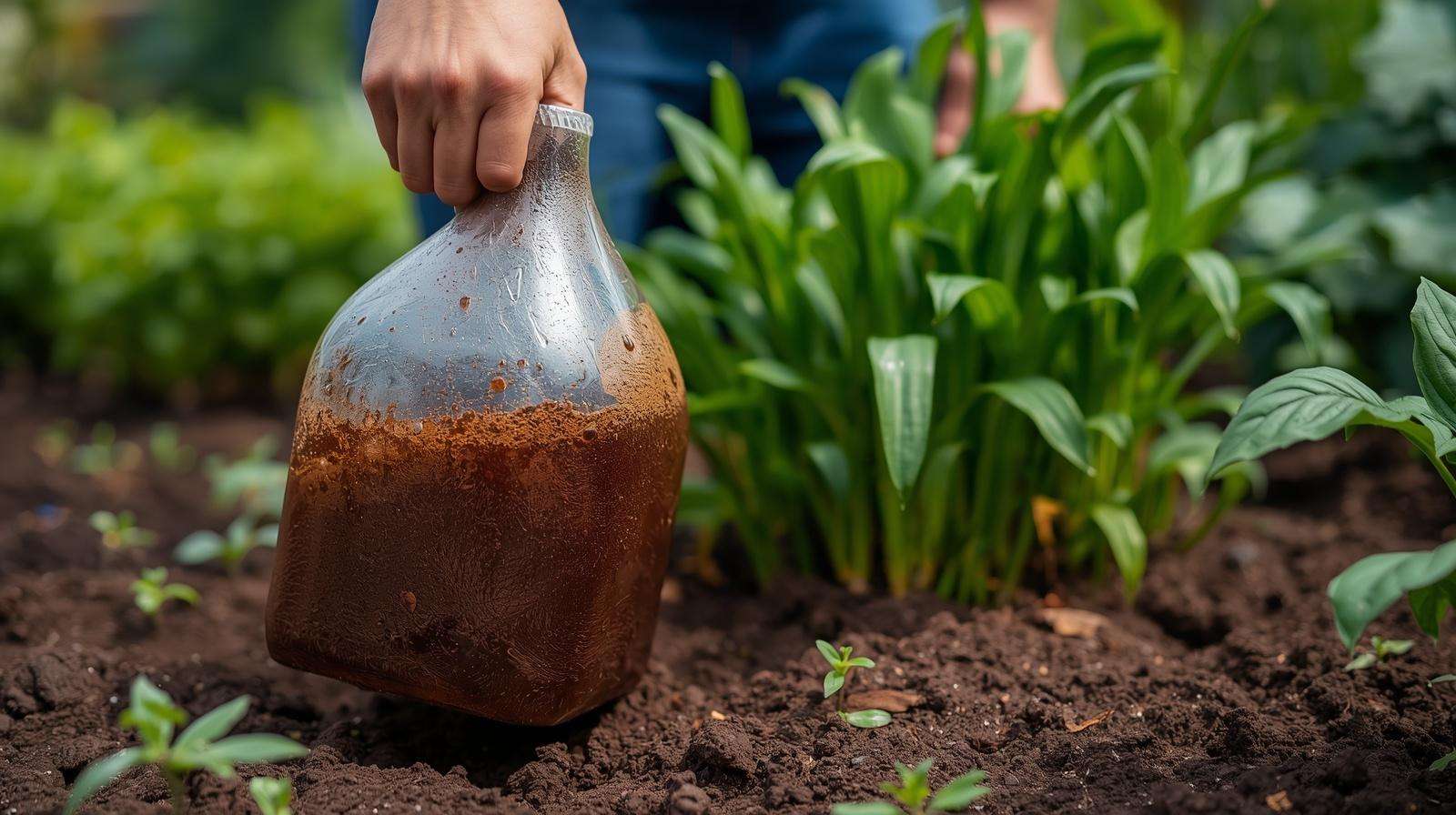
Unlike plain compost leachate (the dark liquid that drains naturally from a compost pile, which can be anaerobic and potentially problematic), intentional compost tea involves controlled steeping. It comes in two main forms:
Aerated vs. Non-Aerated Compost Tea
Actively Aerated Compost Tea (AACT or ACT) uses an air pump and bubbler to keep oxygen levels high during brewing (typically 24–36 hours). Proponents argue this favors aerobic beneficial microbes while discouraging harmful anaerobic ones. It often includes “microbial foods” like unsulfured molasses, kelp, or fish hydrolysate to multiply populations.
Non-aerated compost tea (NCT or passive/fermented tea) is simpler: compost steeps in water for 3–10 days with occasional stirring, without forced aeration. It requires less equipment but can shift toward anaerobic conditions, potentially producing odors or phytotoxic compounds if not managed carefully.
Key differences include:
- Time and effort: ACT needs electricity and monitoring; NCT is mostly hands-off.
- Microbial profile: ACT aims for higher aerobic bacterial and fungal diversity; NCT may favor different organisms but carries higher risk of off odors or pathogens.
- Smell and safety: A good brew (especially ACT) should smell earthy and sweet, like fresh soil. Bad anaerobic brews smell rotten and should never be used.
- Practicality: NCT is easier for beginners or small-scale use.
There’s also a distinction between compost tea and compost extract—the latter is a quicker, often non-aerated soak with less microbial multiplication, sometimes preferred for simplicity.
In sustainable agriculture and home gardening, both types serve as tools to inoculate soil or foliage, but results vary based on compost quality, water source (dechlorinated is essential), brewing conditions, and application method.
The Science Behind Compost Tea: What Research Actually Shows
Gardening forums and product marketing often promise dramatic disease suppression, massive yield boosts, and superior soil health from compost tea. But what does peer-reviewed research and university extension services actually say? As experts, we must prioritize evidence over anecdotes to maintain trustworthy recommendations.

Potential Benefits Supported by Evidence
Some studies and field observations show modest positive effects:
- Microbial inoculation and soil activity: Compost tea can introduce or stimulate beneficial bacteria and fungi, potentially improving nutrient cycling and water retention in depleted soils. Certain trials on crops like lettuce, soybean, and sweet corn noted growth improvements or slight yield increases.
- Foliar disease suppression: Non-aerated teas have shown variable success against pathogens like powdery mildew, gray mold (Botrytis), or downy mildew on grapes, tomatoes, and cucumbers in specific lab or greenhouse settings. Mechanisms may include competition, antibiosis (antimicrobial compounds), or induced plant resistance.
- Nutrient delivery and water efficiency: The liquid form allows quick uptake of soluble nutrients and humic substances. Some arid-region studies link compost tea to better water-holding capacity and reduced fertilizer needs.
- Potato and other crop trials: Recent research has reported advances in sprouting, tuber quality, and partial suppression of Rhizoctonia solani with certain compost tea applications.
These benefits appear most noticeable when used as a supplement in already improving systems or on high-value crops.
Limitations and Mixed Results
However, the broader scientific consensus from respected sources like Washington State University Extension, Illinois Extension, and LSU AgCenter is more cautious:
- Many controlled studies find no consistent disease suppression from aerated compost tea, and some report neutral or even increased disease in certain cases. Solid compost mulch often outperforms tea for soil-borne disease control through physical barriers, sustained microbial activity, and passive leaching.
- Variability is a major issue: Results differ wildly between batches due to compost source, brewing method, additives, temperature, and application timing. What works in one garden or lab trial may fail in another.
- Pathogen risks: Poorly made teas (especially with sugary additives like molasses) can amplify harmful bacteria such as E. coli or Salmonella, particularly concerning for edible crops. Aeration was once thought to eliminate this risk, but evidence shows it’s not foolproof.
- Nutrient contribution: Diluted tea provides only modest, short-term nutrients compared to solid compost or targeted organic fertilizers. It’s rarely a full replacement.
- University reviews often conclude that claims of broad “miracle” effects lack strong, repeatable evidence. Aerated teas, in particular, have fewer peer-reviewed successes for disease control than non-aerated versions in older studies.
Expert Consensus
Horticulturists and extension specialists generally agree: Compost tea is a supplementary tool, not a substitute for core soil-building practices. It shines in biologically active systems or for foliar boosts but won’t fix underlying problems like compaction, low organic matter, or poor plant selection. Over-reliance on tea (or any single amendment) can distract from proven methods like mulching and adding bulk compost.
This balanced view comes from decades of combined research and on-the-ground experience across diverse climates and soil types.
Pros and Cons: Is Compost Tea Worth Your Time and Effort?
To answer the focus question directly, here’s a clear-eyed evaluation:
Key Advantages
- Easy liquid application: Covers large areas, containers, or lawns quickly via watering can, sprayer, or irrigation—ideal when solid compost is hard to spread.
- Microbial diversity boost: Can introduce beneficial organisms to tired or sterile soils, potentially enhancing the soil food web.
- Foliar feeding potential: Delivers nutrients and protective microbes directly to leaves for quicker uptake or disease competition.
- Educational and engaging: Many gardeners enjoy the brewing process and experimenting with recipes.
- Stretching compost: A small amount of quality compost can “brew” into many gallons of tea.
Drawbacks and Real Costs
- Time and equipment: ACT requires an air pump, bubbler, clean buckets, and 24+ hours of monitoring. Even NCT takes days and daily stirring.
- Inconsistent results: Batch variability means you might see great plant response one time and nothing the next.
- Risk factors: Anaerobic brews can harm plants or introduce pathogens. Additives increase complexity and potential issues.
- Opportunity cost: Time spent brewing might be better used adding solid compost, mulching, or planting cover crops—practices with stronger, more reliable evidence.
- Not a fix-all: It won’t overcome poor soil structure, nutrient deficiencies, or cultural mistakes. Some studies show minimal impact compared to plain water or fertilizer in short-term trials.
- Safety for edibles: Extra caution (and withholding periods) is needed near harvest.
Honest Verdict: For dedicated organic gardeners with time, healthy base compost, and a desire to experiment on high-value crops or lawns, compost tea can be worth the effort as a supplemental boost. For beginners, time-strapped gardeners, or those with already vibrant soil, it’s often not—the fundamentals deliver more bang for your buck. Start small, track results, and compare against simpler methods.
How to Make High-Quality Compost Tea at Home (Step-by-Step Guide)
If you decide to try it, quality starts with the source material. Always use mature, well-cured aerobic compost or vermicompost that smells earthy (never sour or ammonia-like). Avoid fresh manure or unfinished piles.
Essential Ingredients and Equipment
- Compost base: 2–4 cups (or about 1:10–1:20 ratio by volume) of high-quality compost per 5 gallons of water.
- Water: Dechlorinated (rainwater, pond, or tap water left to sit 24 hours—or treated with ascorbic acid).
- Optional microbial foods (use sparingly, especially for safety): 1–2 tablespoons unsulfured molasses, kelp meal/powder, fish hydrolysate, or humic acid.
- Basic setup (for 5 gallons): Clean bucket, mesh bag or old sock/stockings for the compost, aquarium air pump with tubing and airstone (for ACT).
- Advanced: Larger brewers, dissolved oxygen meter (optional but helpful for consistency).
Detailed Recipe for Aerated Compost Tea (ACT) – Beginner-Friendly 5-Gallon Batch
- Fill a clean 5-gallon bucket with dechlorinated water.
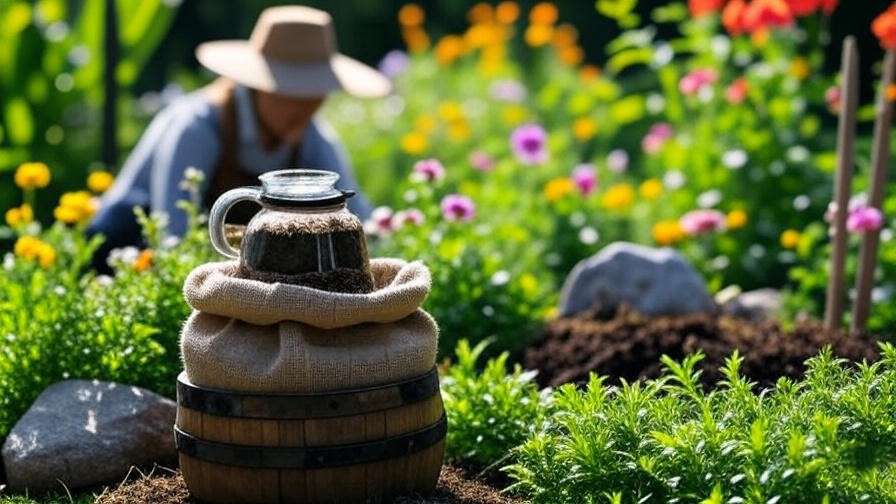
- Place 2–3 cups of mature compost (or mix with worm castings) into a mesh bag and suspend it in the water (or add loose and strain later).
- Add optional foods: 1 tablespoon unsulfured molasses + 1 tablespoon kelp or fish hydrolysate.
- Insert the airstone and run the air pump vigorously to create fine bubbles.
- Brew for 24–36 hours at 60–75°F (15–24°C), keeping it out of direct sun. Stir or agitate occasionally if needed.
- The tea should smell sweet and earthy. If it smells bad, discard it.
- Strain if necessary, then use immediately (best within 4–6 hours; microbes die off quickly).
Simpler Non-Aerated Method
- Use the same ratios in a covered bucket.
- Steep 3–7 days, stirring 1–2 times daily.
- Strain and apply. This method is lower-effort but monitor for odors.
Safety First – Avoiding Pathogens and Bad Brews
- Use only fully matured compost (hot-composted to kill pathogens).
- Avoid excessive sugary additives on edibles.
- For food crops, follow guidelines like 90–120 day withholding if using manure-based inputs (consult local extension rules).
- Test small areas first. Never use if the brew smells rotten.
Scale up recipes proportionally for larger batches, but maintain aeration and cleanliness.
How to Apply Compost Tea Effectively
Once you’ve brewed a quality batch, proper application determines whether you see real results or waste the effort. The liquid nature of compost tea makes it versatile, but timing, dilution, and method matter significantly for soil health and plant response.
Best Timing and Methods
Apply compost tea during active growing seasons when soil biology is most responsive:
- Early morning or late evening — Avoid midday sun, which can kill beneficial microbes through UV exposure and rapid drying.
- Soil drench — Pour directly around the base of plants or across garden beds to inoculate the root zone. This supports long-term microbial establishment and nutrient cycling.
- Foliar spray — Use a fine-mist sprayer to coat leaves. This can help with above-ground disease competition and minor nutrient absorption. Add a natural surfactant (like a few drops of castile soap) to improve coverage and sticking.
Dilution rates:
- For soil applications: Use full-strength or dilute 1:1 to 1:4 with dechlorinated water.
- For foliar sprays: Dilute 1:5 to 1:10 to prevent leaf burn, especially on tender seedlings.
Frequency depends on your goals:
- Soil building: Every 2–4 weeks during the growing season.
- Foliar disease prevention: Weekly during high-risk periods (humid weather for tomatoes or cucumbers).
- Maintenance: Monthly for lawns or established perennials.
Always apply to moist (not waterlogged) soil for better microbial survival.
Tailoring to Different Gardens
- Vegetable gardens: Excellent for tomatoes, peppers, leafy greens, and root crops. Use as a side-dressing boost after transplanting or during heavy fruiting. Combine with mulch for synergistic effects on soil moisture and biology.
- Fruit trees and berries: Apply as a soil drench in early spring and post-harvest to support root health and resilience against stress. Foliar sprays can help with fungal issues on apples or grapes.
- Lawns: Brew larger batches for broad coverage. Soil applications improve microbial activity and thatch breakdown; foliar use may enhance color and drought tolerance.
- Containers and houseplants: Dilute more heavily (1:10+) and apply every 3–4 weeks. This is one area where compost tea shines due to limited soil volume—delivering microbes without adding bulk weight.
- Raised beds or no-till systems: Pairs well with cover cropping. Use tea to “wake up” biology after winter dormancy.
In hotter climates (common in many parts of Bangladesh and tropical regions), brew and apply during cooler parts of the day and monitor for faster microbial die-off.
Common Mistakes to Avoid
- Using chlorinated tap water — It kills beneficial microbes instantly.
- Brewing or storing in direct sunlight — Heat and UV destroy the biology you’re trying to build.
- Over-application — Too much can lead to temporary nutrient imbalances or anaerobic pockets in soil.
- Storing brewed tea — Use within hours; microbes consume oxygen and can turn anaerobic quickly.
- Relying on it as a fertilizer replacement — It provides modest nutrition at best.
- Ignoring compost quality — Garbage in (poor or immature compost) equals garbage out.
Track your applications in a simple garden journal: note brew date, method, weather, and plant response over 2–4 weeks. This helps refine your process and objectively evaluate if the effort is paying off.
When Compost Tea Is (and Isn’t) Worth the Effort
The honest answer depends on your specific situation:
Compost tea is often worth the effort when:
- You have access to consistently high-quality mature compost or vermicompost.
- Your soil is biologically depleted (e.g., after construction, heavy chemical use, or sandy soils with low organic matter).
- You grow high-value crops or maintain a large organic vegetable plot where even small improvements in resilience matter.
- You enjoy the process and have time for consistent brewing (enthusiasts or market gardeners).
- You’re targeting foliar issues or need quick liquid inoculation for containers and seedlings.
- You’re already practicing good basics (mulching, crop rotation, minimal tillage) and want an extra biological layer.
Skip or deprioritize compost tea when:
- You’re a beginner still building core soil health — focus first on adding bulk compost, worm castings, and organic mulch.
- Time or equipment is limited — the opportunity cost is too high compared to simpler methods.
- Your soil is already rich in organic matter and showing good structure, earthworm activity, and plant vigor.
- You have very small gardens or houseplants where solid amendments are easy to apply.
- You’re concerned about food safety near harvest or lack consistent access to quality inputs.
Real-world example: A home gardener with heavy clay soil in a humid area might see noticeable improvements in drainage and disease resistance after 2–3 seasons of combining compost tea with generous mulching. In contrast, a busy urban container gardener with limited balcony space often gets better results from top-dressing with finished compost and occasional vermicompost tea lite.
The key insight: Compost tea amplifies an already improving system but rarely transforms a neglected one on its own. Test it on a small section of your garden first—compare treated vs. untreated plants over one season. Many gardeners discover that consistent mulching and solid compost applications deliver 70–80% of the benefits with far less ongoing effort.
Better or Simpler Alternatives to Build Soil and Plant Health
Before investing heavily in brewing equipment, consider these proven, lower-effort practices that often outperform compost tea for long-term soil improvement:
- Solid compost and mulch layering: Apply 2–4 inches of mature compost topped with organic mulch (straw, leaves, wood chips). This provides sustained nutrient release, moisture retention, weed suppression, and continuous microbial feeding—far more reliable than intermittent tea applications.
- Vermicompost (worm castings): Richer in beneficial microbes and plant growth hormones than regular compost. Use as a top-dress or mild tea for quicker results with less risk.
- Mycorrhizal inoculants: Fungi that form symbiotic relationships with plant roots, dramatically improving nutrient and water uptake. Especially valuable for new plantings or poor soils.
- Compost extracts: A faster, non-brewed soak (steep for 1–2 hours and strain). Less microbial multiplication but much simpler and still delivers soluble benefits.
- Cover crops and green manures: Plant legumes or grasses between seasons to build organic matter and fix nitrogen naturally.
- Biochar: When charged with compost or tea, it provides long-term habitat for microbes and improves soil structure in sandy or clay soils.
- Crop rotation and polyculture: Reduces disease buildup and balances nutrient demands without added inputs.
Integrated approach recommendation: Use compost tea sparingly as a “booster shot” on top of these fundamentals. For most gardeners, prioritizing soil organic matter (aim for 5–8% in garden beds) through bulk additions and minimal disturbance yields the biggest, most consistent returns in plant health and productivity.
Expert Tips and Best Practices for Success
Drawing from extension guidelines and years of practical testing:
- Always start with the best compost possible — test small batches from different sources if buying.
- Maintain brewing temperatures between 60–75°F (15–24°C) for optimal microbial balance.
- Clean all equipment thoroughly between batches to prevent contamination.
- Combine with other biology-friendly practices: Avoid synthetic pesticides and fungicides that harm the microbes you’re adding.
- Monitor soil health simply: Dig a small hole periodically to check for earthworms, crumbly structure, and pleasant earthy smell.
- Scale wisely — begin with 5-gallon batches before investing in larger brewers.
- In tropical or monsoon climates (like many areas in Bangladesh), brew more frequently during dry periods but reduce during heavy rains to avoid leaching.
- Record results photographically and with notes on yield, disease incidence, and plant vigor for objective evaluation.
- Share excess brew with neighbors — it’s a great way to build community knowledge while testing larger applications.
Remember: The most successful organic gardeners treat compost tea as one tool in a diverse toolkit, not the centerpiece.
Frequently Asked Questions (FAQs)
Can compost tea replace chemical or organic fertilizer? No. While it supplies some soluble nutrients and improves uptake efficiency, it is not a complete fertilizer. Use it alongside balanced organic amendments for best results.
Is aerated compost tea always better than non-aerated? Not necessarily. Aerated tea aims for higher beneficial aerobic populations, but non-aerated versions have shown good results in some disease suppression studies and require far less equipment. Choose based on your time and goals.
Will compost tea fix my diseased plants? It may help suppress certain foliar diseases through competition and induced resistance, but it won’t cure severe infections or soil-borne problems. Address root causes (overwatering, poor airflow, nutrient imbalance) first.
How long does brewed compost tea last? Use within 4–6 hours for maximum microbial activity. It can be stored up to 24 hours in a shaded, aerated container, but effectiveness drops quickly.
Is compost tea safe for edible crops? Yes, when made from fully matured, hot-composted material and applied with proper timing (avoid close to harvest if using manure-based compost). Follow local food safety guidelines.
What should I do if my brew smells bad? Discard it immediately. A rotten or ammonia smell indicates anaerobic conditions and potential harmful compounds—do not apply to plants.
Does compost tea work better for lawns or vegetable gardens? Both benefit, but lawns often respond well to regular soil drenches for microbial activity and thatch reduction, while vegetable gardens gain more from targeted foliar and root zone applications during key growth stages.
Can I make compost tea without any equipment? Yes—the non-aerated method requires only a bucket and compost. It’s a great starting point for testing whether the concept delivers value for you.
Making an Informed Decision for Your Garden
So, is compost tea worth the effort? The evidence-based answer is: It depends.
For many dedicated gardeners and small-scale organic growers, a well-made aerated or non-aerated compost tea can provide a meaningful supplemental boost to soil microbial diversity, plant resilience, and minor nutrient delivery. It’s especially valuable in container gardening, depleted soils, or when targeting specific foliar issues. The process itself can be educational and satisfying.
However, for the majority of home gardeners—particularly those short on time or still building basic soil health—compost tea is often not the highest-leverage activity. Consistent addition of solid compost, generous mulching, cover cropping, and good cultural practices deliver more reliable, longer-lasting improvements with significantly less ongoing effort.
The smartest approach is to focus first on the fundamentals of soil building. Once your garden soil shows good structure, earthworm activity, and vigorous plant growth, experiment with compost tea on a small scale. Track results objectively over at least one full season. Many gardeners ultimately use it occasionally as a “luxury boost” rather than a weekly chore.