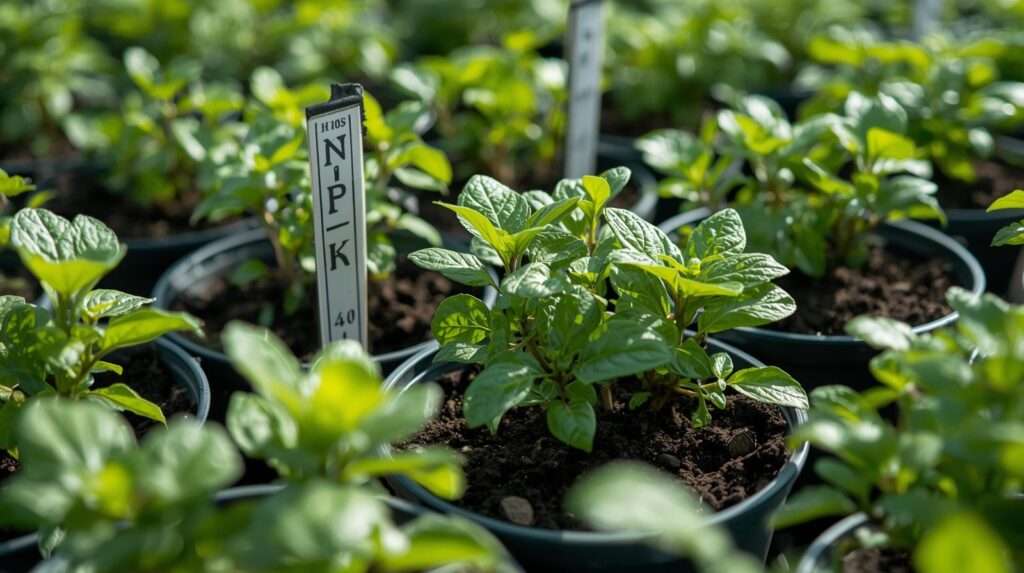
Have you ever stood in a garden center staring at rows of fertilizer bags marked with confusing numbers like 10-10-10, 20-5-5, or 5-10-10, wondering which one your plants actually need? You’re not alone. Many gardeners and small-scale farmers waste money, damage their crops, or see disappointing yields simply because they don’t understand what those three numbers on every fertilizer label really mean.Understanding Fertilizer Numbers (N-P-K)
Understanding Fertilizer Numbers (N-P-K) is the key to unlocking healthier plants, stronger roots, vibrant foliage, and abundant harvests. These numbers represent the percentages of the three primary macronutrients—Nitrogen (N), Phosphorus (P), and Potassium (K)—that plants depend on for growth. Mastering them helps you stop guessing and start making informed choices tailored to your soil, crops, and growth stages.
In this comprehensive guide, you’ll learn exactly how to decode any fertilizer label, match the right N-P-K ratio to your plants, avoid common mistakes that lead to nutrient burn or environmental harm, and apply fertilizers effectively for maximum results. Whether you grow vegetables in a backyard plot, maintain a lawn, or manage small farm fields, this knowledge will transform your approach to soil fertility and boost your yields sustainably. Let’s dive in and turn confusion into confidence.
What Do Fertilizer Numbers (N-P-K) Actually Mean?
The three numbers you see on every commercial fertilizer package form the guaranteed analysis or N-P-K label. They always appear in the same fixed order: Nitrogen – Phosphorus – Potassium.
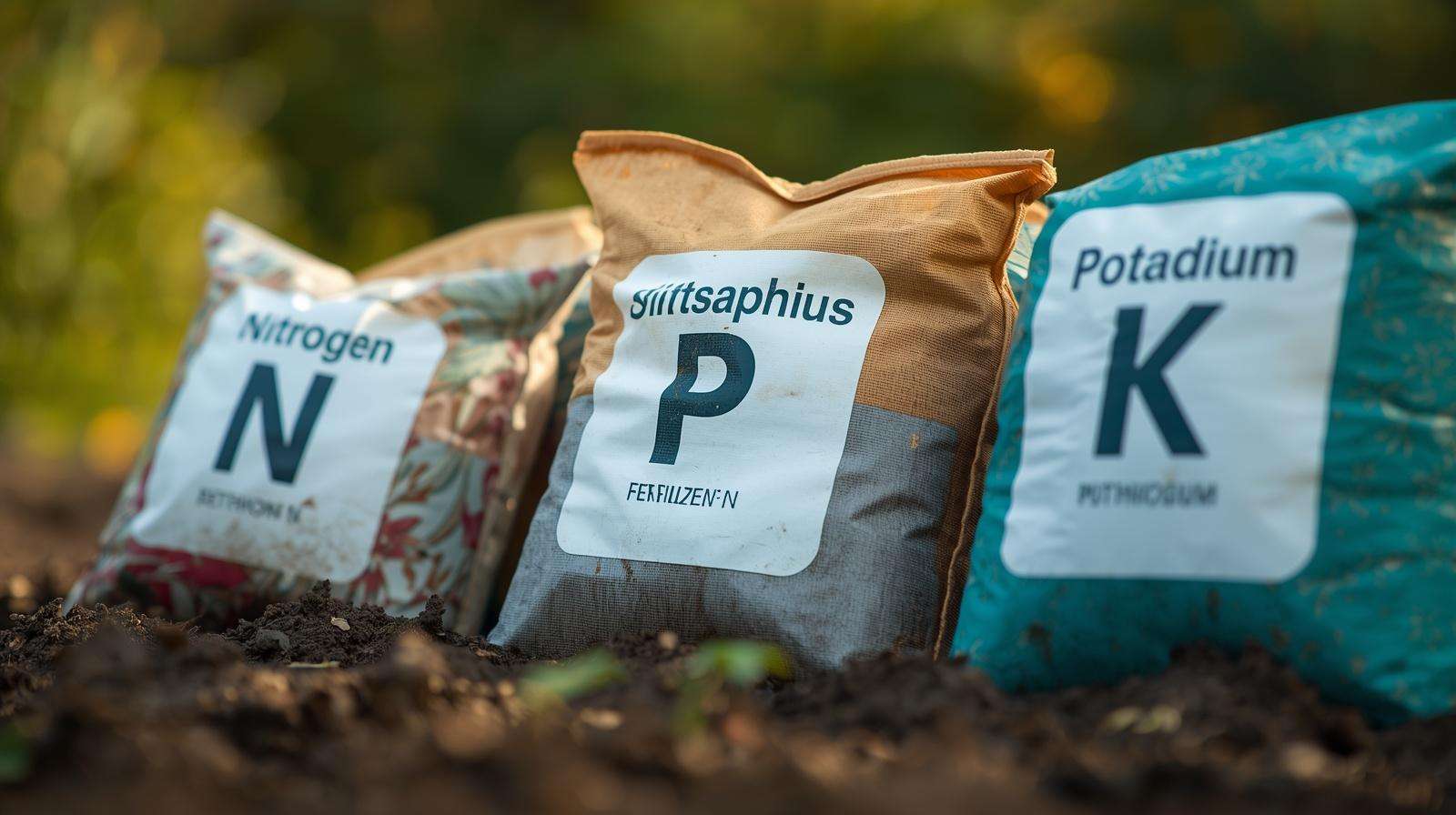
For example, a bag labeled 10-10-10 contains:
- 10% Nitrogen (N)
- 10% Phosphorus (as P₂O₅, the oxide form used in labeling)
- 10% Potassium (as K₂O)
The remaining percentage (70% in this case) consists of fillers, carriers, secondary nutrients, micronutrients, or inert materials that help with even distribution and stability.
Real-world calculation example: In a 20-pound bag of 10-10-10 fertilizer, you get approximately 2 pounds of actual Nitrogen, 2 pounds of Phosphorus (P₂O₅), and 2 pounds of Potassium (K₂O). The rest supports handling and application.
A fertilizer like 20-5-5 is nitrogen-heavy (four times more N than P or K), ideal for promoting leafy growth but not balanced for flowering plants. A 5-10-10 or 0-10-10 shifts focus toward root development and fruiting. Fertilizers with a “0” in one position are specialized—such as a 46-0-0 urea (pure nitrogen source) or 0-0-60 muriate of potash.
Why the oxide forms (P₂O₅ and K₂O)? This is the historical and regulatory standard for labeling. It doesn’t change how plants use the nutrients, but it’s important when comparing products or calculating actual elemental amounts. Phosphorus as P₂O₅ is about 44% actual P; Potassium as K₂O is about 83% actual K.
Here’s a quick comparison table for common fertilizers:
- 10-10-10: Balanced, all-purpose for general garden use.
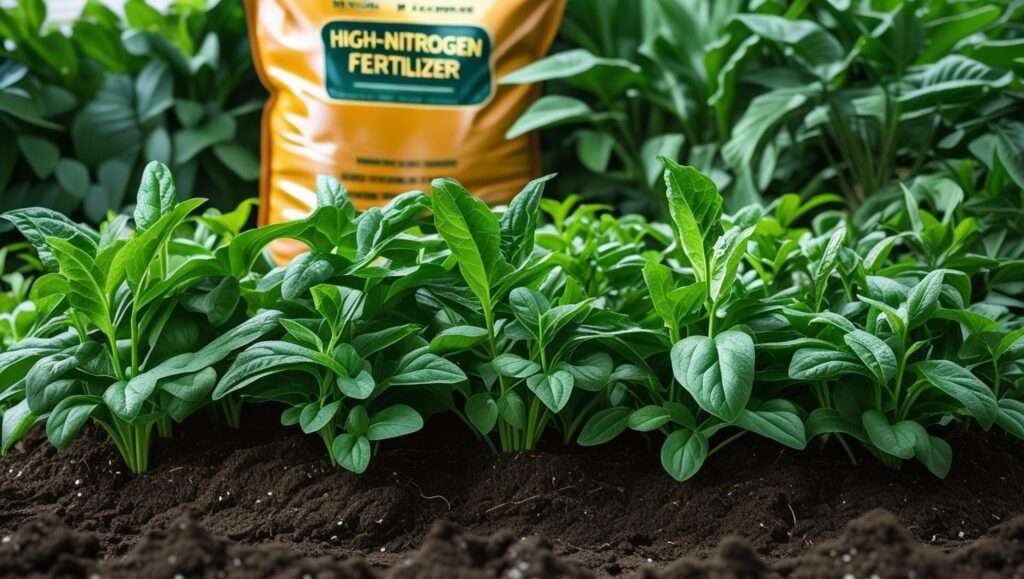
- 20-10-10: High-nitrogen for lawns or leafy greens.
- 5-10-10: Higher P and K for root crops or flowering/fruiting stages.
- 32-0-5: Lawn-specific, emphasizes green growth with some potassium for stress resistance.
Understanding these percentages prevents over- or under-fertilizing. Higher numbers mean more concentrated nutrients, so you apply less product per area—but always follow label rates to avoid issues.
The Role of Each Macronutrient in Plant Growth
Plants require 17 essential nutrients, but Nitrogen, Phosphorus, and Potassium are the “Big Three” because plants use them in the largest quantities. Each plays a distinct, irreplaceable role.
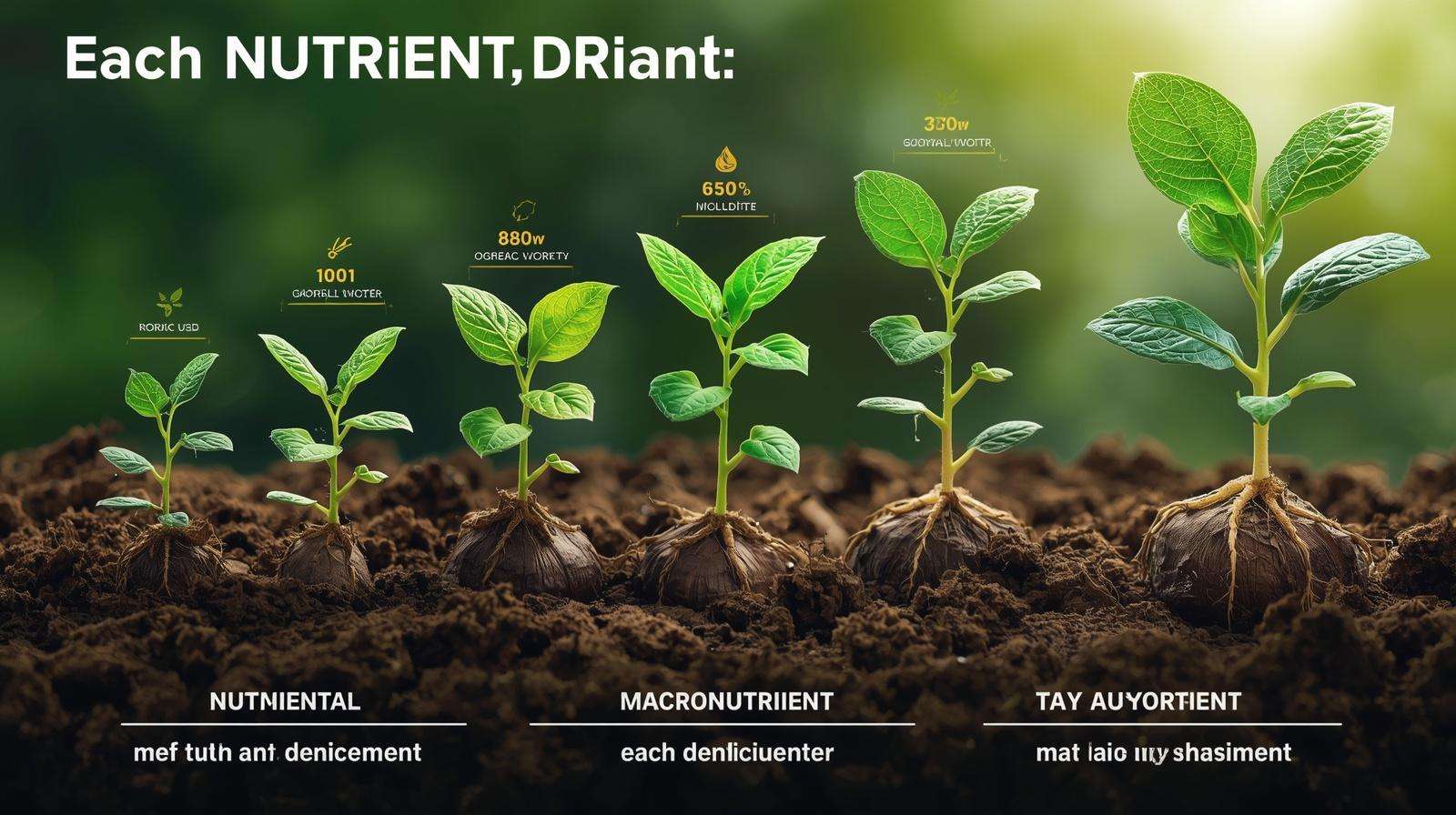
Nitrogen (N) – The Growth Engine for Lush Foliage
Nitrogen is the building block of chlorophyll, the green pigment that powers photosynthesis. It drives protein synthesis, enzyme production, and rapid vegetative growth. Adequate N produces deep green leaves, sturdy stems, and vigorous overall development.
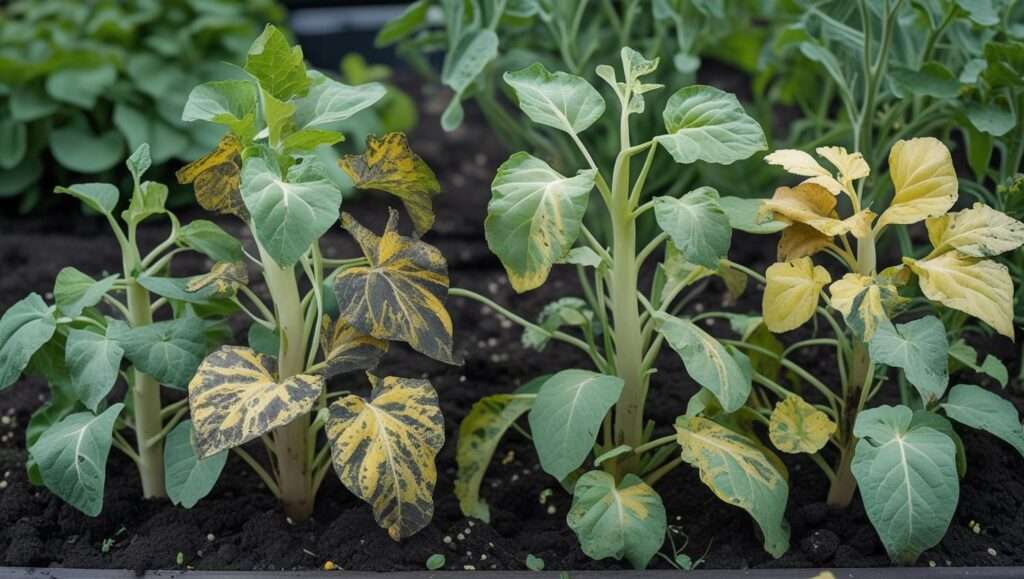
Deficiency symptoms (appear first on older leaves because N is mobile in the plant):
- Uniform yellowing (chlorosis) starting from the tips and moving inward.
- Stunted growth, smaller leaves, and reduced yields.
- In severe cases, leaves drop prematurely.
Excess risks: Too much nitrogen causes “lush but weak” growth—leggy plants, delayed flowering/fruiting, and increased susceptibility to pests and diseases. It can also lead to nitrate buildup in leafy vegetables, raising food safety concerns.
Best uses: Lawns, leafy vegetables (lettuce, spinach, kale), early vegetative stages of most crops, and grasses. In tropical or high-rainfall areas like many parts of Bangladesh, nitrogen leaches quickly from sandy soils, requiring split applications or slow-release forms.
Phosphorus (P) – Powering Roots, Flowers, and Fruits
Phosphorus is critical for energy transfer (in the form of ATP and ADP), root development, seed formation, and reproductive growth. It supports strong root systems in seedlings and transplants and enhances flower and fruit quality.
Deficiency symptoms (also show first on older leaves):
- Stunted growth and delayed maturity.
- Dark green or purplish/reddish tint on leaves and stems (especially in cool weather).
- Poor root development, fewer flowers, and small or misshapen fruits.
Excess risks: Rare in home gardens but can interfere with uptake of zinc, iron, or other micronutrients if over-applied.
Best uses: Seedlings, transplants, flowering and fruiting plants (tomatoes, peppers, eggplants, strawberries), root crops (potatoes, carrots), and bulbs. Starter fertilizers often have higher middle numbers (e.g., 10-20-10) to encourage early root establishment.
Potassium (K) – The All-Rounder for Health and Resilience
Potassium regulates water movement (stomatal control), activates enzymes, improves disease resistance, and enhances fruit flavor, size, and storage quality. It helps plants withstand drought, cold, and other stresses.
Deficiency symptoms (begin on older leaves):
- Yellowing or scorching (necrosis) along leaf margins and tips.
- Weak stems, poor fruit quality, and increased disease susceptibility.
- In corn or rice, edges may look burned or “fired.”
Excess risks: Can cause magnesium or calcium deficiencies due to competition for uptake.
Best uses: Fruiting vegetables, root crops, trees and shrubs, and any plants under environmental stress. Potassium is especially valuable in sandy or heavily leached soils common in monsoon-prone regions.
Quick Reference Table of Roles and Symptoms:
| Nutrient | Primary Functions | Deficiency Signs (Older Leaves First) | Excess Signs |
|---|---|---|---|
| Nitrogen (N) | Leaf growth, chlorophyll, proteins | Yellowing, stunting | Leggy growth, few flowers, soft tissue |
| Phosphorus (P) | Roots, energy, flowering/fruiting | Purpling, stunting, poor roots | Micronutrient lockout (rare) |
| Potassium (K) | Water regulation, disease resistance, fruit quality | Marginal scorch, weak stems | Antagonism with Mg/Ca |
Visual identification of these symptoms, combined with soil testing, prevents misdiagnosis (many issues like overwatering or pests mimic nutrient problems).
How to Choose the Right N-P-K Ratio for Your Plants
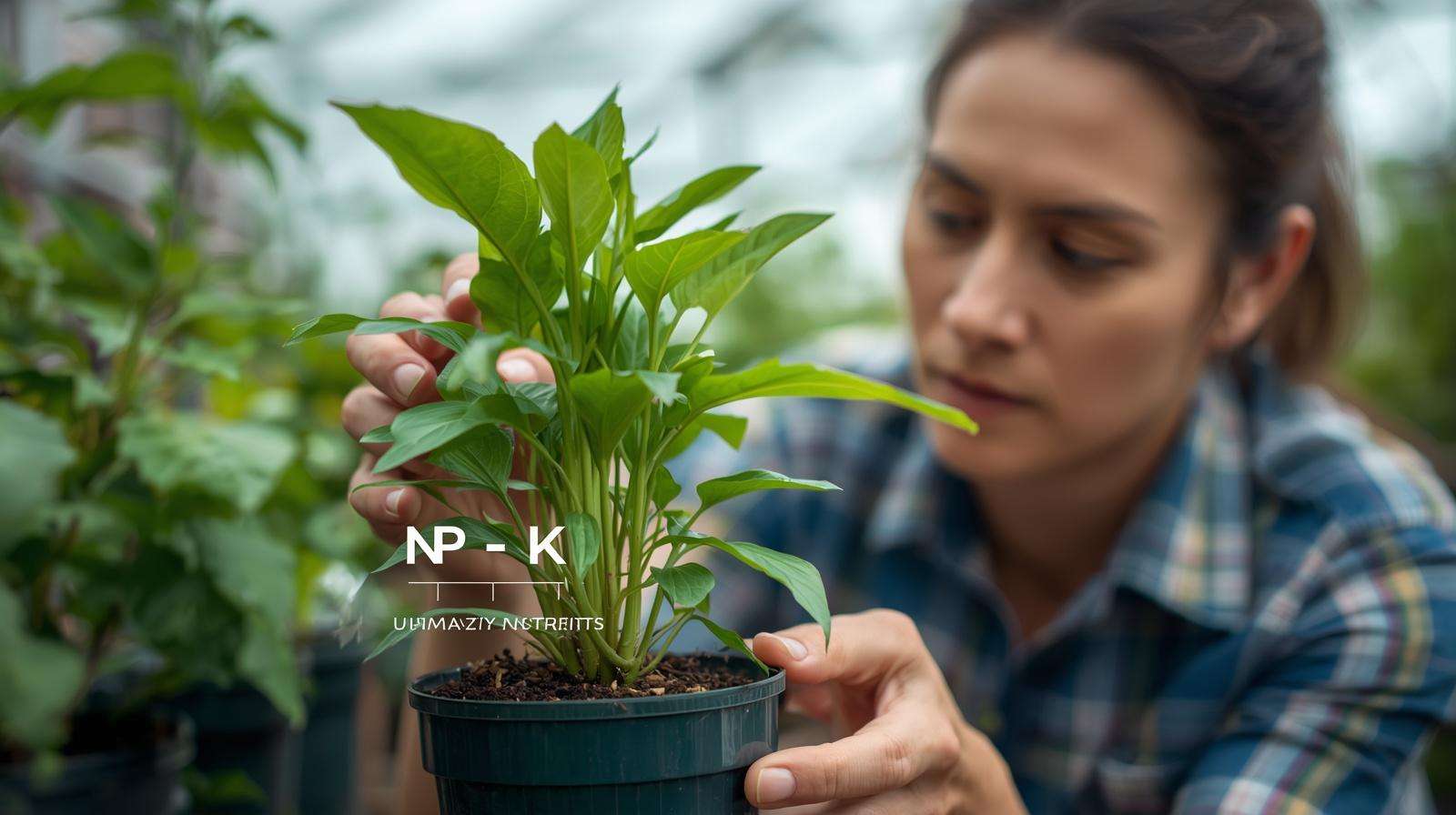
Matching fertilizer numbers to plant needs and growth stages is where understanding fertilizer numbers (N-P-K) delivers real results. A “one-size-fits-all” approach often fails.
General Guidelines by Plant Type
- Lawns and Grasses: High first number (e.g., 30-0-10 or 20-5-10) for lush green growth. Lower P unless establishing new turf.
- Leafy Vegetables (spinach, cabbage, lettuce): Higher N (e.g., 15-5-10 or 20-10-10) during vegetative phase.
- Root Crops (potatoes, carrots, beets): Balanced to higher P and K (e.g., 5-10-10 or 10-20-20).
- Flowering and Fruiting Plants (tomatoes, peppers, cucumbers, beans): Shift to higher P and K during bloom and fruit set (e.g., 5-10-15 or 10-20-20). Early growth can use more balanced or slightly higher N.
- Trees, Shrubs, and Ornamentals: Often lower overall rates; use slow-release formulas with balanced or K-leaning ratios.
Growth Stage Adjustments
- Seedling/Transplant Stage: Higher Phosphorus for root development (e.g., 10-20-10 starter).
- Vegetative Growth: Higher Nitrogen for foliage.
- Flowering/Fruiting/Reproductive Stage: Reduce N, increase P and K to direct energy toward harvestable parts.
- Late Season: Taper off high-N fertilizers to harden off plants and improve storage quality.
Crop-Specific Examples:
- Tomatoes: Start with balanced (10-10-10), then switch to 5-10-10 or tomato-specific (e.g., 4-5-4 or higher P-K) once flowering begins for better fruit set and flavor.
- Rice/Paddy (common in regions like Barishal, Bangladesh): Nitrogen is critical during tillering; balanced or N-heavy early, with potassium for grain filling and stress resistance against flooding.
- Potatoes: Higher P and K (e.g., 5-10-10 or 10-20-20) to support tuber development.
- Roses or Flowering Ornamentals: Bloom boosters with elevated P and K.
Balanced vs. Specialized Fertilizers:
- Balanced (10-10-10, 20-20-20): Convenient for general use or when soil is unknown, but may not be optimal.
- Specialized: More efficient when you know your soil and crop needs. They reduce waste and environmental runoff.
Always consider your local climate—high rainfall areas experience more leaching, favoring slow-release or split applications.
Soil Testing: The Foundation Before Applying Any Fertilizer
One of the most important lessons I’ve learned from years of working with farmers and gardeners is this: never apply fertilizer based on guesswork. The smartest way to use your understanding of fertilizer numbers (N-P-K) is to start with a soil test. Without knowing what nutrients are already present and at what levels, even the best N-P-K ratio can do more harm than good.
Soil testing reveals the current levels of Nitrogen, Phosphorus, Potassium, pH, organic matter, and often micronutrients like zinc, iron, and magnesium. It also shows how acidic or alkaline your soil is — a critical factor because nutrient availability changes dramatically with pH. For example, phosphorus becomes less available in highly acidic soils (pH below 5.5), while nitrogen and potassium may leach faster in sandy, low-organic-matter soils common in many tropical regions.
Why soil testing matters for better yields:
- Prevents over-fertilization, which wastes money and can pollute groundwater or nearby water bodies through runoff.
- Identifies specific deficiencies so you can choose the precise N-P-K ratio instead of applying a generic balanced fertilizer.
- Saves resources — many gardeners discover their soil already has adequate or high phosphorus, meaning high-P fertilizers are unnecessary and potentially harmful.
- Supports long-term soil health by avoiding nutrient imbalances that degrade soil structure over time.
How to take a good soil sample (step-by-step):
- Use a clean trowel or soil probe.
- Collect samples from 10–15 random spots across the garden or field, avoiding edges, compost piles, or recently fertilized areas.
- Sample to a depth of 6–8 inches (15–20 cm) for most vegetables and lawns.
- Mix all samples thoroughly in a clean bucket and remove stones, roots, and debris.
- Air-dry the soil if it’s wet, then place about 1–2 cups into a sample bag.
- Label clearly with your name, location, and crop type.
In many countries, including Bangladesh, you can send samples to local agricultural extension offices, soil testing laboratories at agricultural universities, or use affordable home test kits for basic N-P-K and pH readings. For more accurate results, professional lab tests are recommended every 1–2 years.
Interpreting basic soil test results:
- Nitrogen: Often reported as nitrate-N. Levels vary seasonally because N is mobile. Low N usually requires immediate application.
- Phosphorus: Measured as available P (often Bray or Olsen method). Ratings like “low,” “medium,” or “high” guide whether you need a high-P fertilizer.
- Potassium: Measured as exchangeable K. “Medium” levels may need only maintenance doses.
- pH: Ideal range for most crops is 6.0–7.0. If too low (acidic), lime may be needed before phosphorus becomes fully effective.
Expert Tip: In high-rainfall or flood-prone areas, test soil after the monsoon season when leaching has occurred. Adjust N-P-K applications accordingly — split nitrogen into multiple smaller doses to reduce loss.
Once you have your soil test report in hand, choosing the right fertilizer becomes straightforward. For instance, if your test shows high phosphorus but low potassium, you can confidently select a low-P, higher-K formula instead of wasting money on a balanced 10-10-10.
Organic vs. Synthetic Fertilizers: N-P-K Differences and When to Choose
Both organic and synthetic fertilizers supply N-P-K, but they differ significantly in concentration, release speed, soil impact, and application strategy. Understanding these differences allows you to make choices that align with your goals — whether maximizing yield, improving soil health, or minimizing environmental footprint.
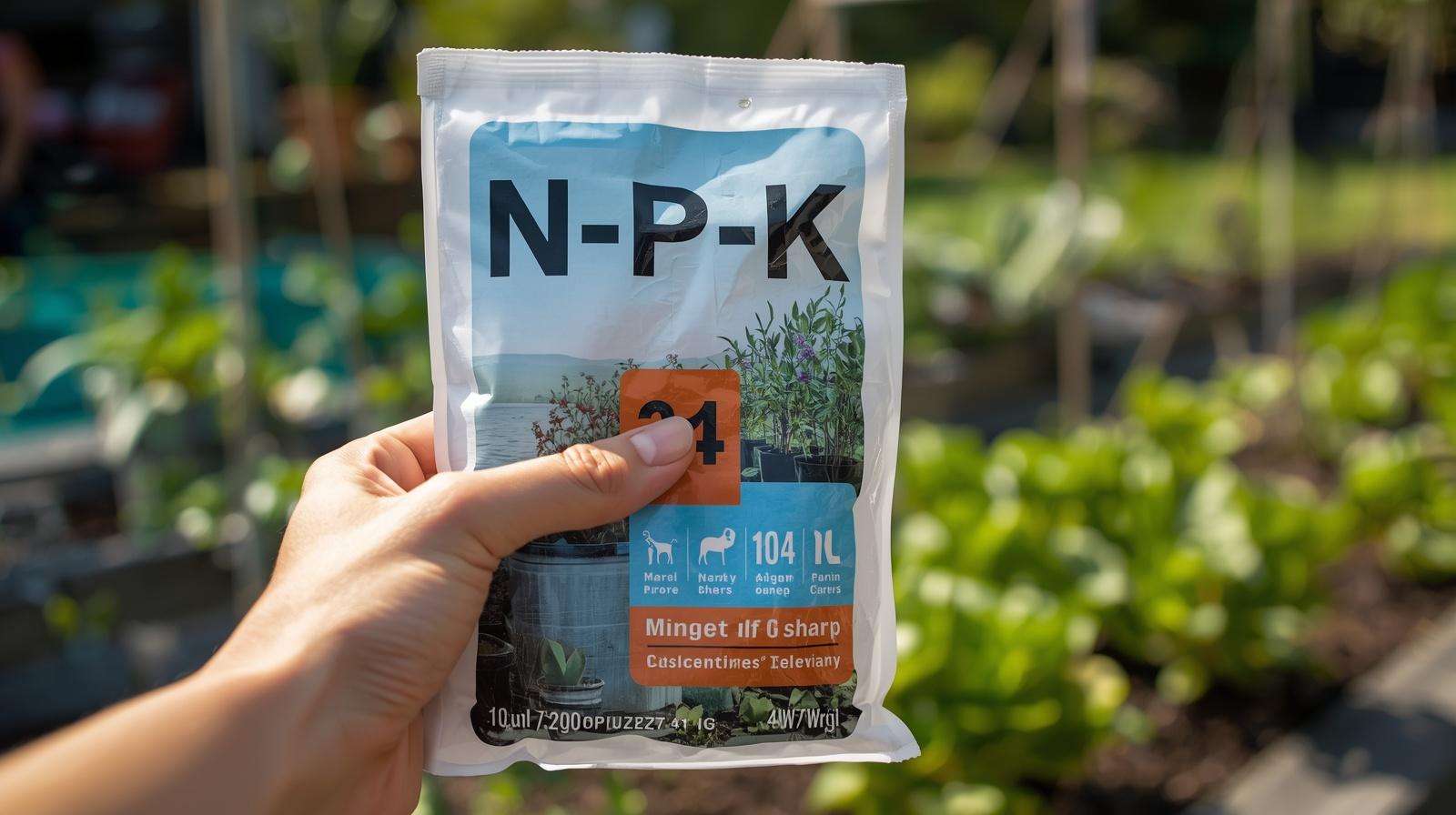
Synthetic (Chemical) Fertilizers:
- High concentration — numbers like 46-0-0 (urea) or 18-46-0 (DAP) are common.
- Fast-acting: Nutrients become available almost immediately.
- Precise control over N-P-K ratios.
- Easier to calculate exact application rates.
- Drawbacks: Can burn plants if over-applied, may harm beneficial soil microbes over time, and contribute to nutrient runoff if not managed carefully.
Organic Fertilizers:
- Lower and more variable N-P-K numbers (e.g., compost might be roughly 1-1-1, well-rotted manure 0.5-0.3-0.5, bone meal 3-15-0).
- Slow-release: Nutrients become available gradually as microbes break them down.
- Improve soil structure, water-holding capacity, and microbial life.
- Often contain secondary nutrients and trace elements not listed on labels.
- Drawbacks: Slower results, bulkier to apply, and nutrient content can vary by batch.
Comparison Table:
| Aspect | Synthetic | Organic |
|---|---|---|
| N-P-K Concentration | High (20-46%) | Low (usually under 10%) |
| Release Speed | Fast (days) | Slow (weeks to months) |
| Soil Health Impact | Can degrade if overused | Builds long-term fertility |
| Precision | Excellent | Variable |
| Cost per Nutrient Unit | Usually lower | Higher |
| Environmental Risk | Higher runoff potential | Lower |
When to choose each:
- Use synthetic when you need quick correction of severe deficiencies or precise ratios for high-value crops like vegetables and fruits.
- Use organic for long-term garden health, sustainable farming, or when growing edibles and you prefer minimal chemical residues.
- Many successful growers combine both: Use organic matter (compost, cover crops) as the base and supplement with targeted synthetic N-P-K during critical growth stages.
In practice, a gardener with poor soil might start the season with compost (broad but low N-P-K) and then side-dress with a synthetic 10-20-10 during flowering for a boost. This hybrid approach often delivers the best of both worlds — immediate results plus improved soil biology.
How to Apply Fertilizers Correctly for Maximum Results and Safety
Knowing the right N-P-K is only half the battle. Proper application technique determines whether your plants thrive or suffer from fertilizer burn, nutrient lockout, or wasted product.
Timing is everything:
- Pre-planting/Base dressing: Incorporate balanced or phosphorus-rich fertilizer into the soil before sowing or transplanting.
- Side-dressing: Apply nitrogen-rich fertilizer beside growing plants during vegetative growth.
- Top-dressing: Broadcast for lawns or established crops.
- Foliar feeding: Use water-soluble fertilizers sprayed on leaves for quick uptake (especially micronutrients or during stress).
Application methods:
- Broadcasting: Spread evenly over the soil surface, then water in or lightly incorporate.
- Banding: Place fertilizer in a narrow band 2–4 inches beside the plant row — more efficient, reduces waste.
- Liquid feeding: Dilute soluble fertilizers and water at the root zone.
- Slow-release/Controlled-release: Granules coated to release nutrients over 2–6 months — excellent for containers and low-maintenance gardens.
Calculating application rates: Always read the label. A common guideline: For vegetables, 1–2 pounds of actual nitrogen per 1,000 square feet per season, split into multiple applications.
Example: You want to apply 1 pound of nitrogen per 1,000 sq ft using 20-10-10 fertilizer (20% N). Calculation: 1 lb N ÷ 0.20 = 5 pounds of fertilizer product needed per 1,000 sq ft.
Use measuring cups or scales for accuracy, especially in small gardens. In larger fields, calibrate spreaders properly.
Watering rules:
- Water thoroughly after granular application to move nutrients into the root zone and prevent burn.
- Avoid applying to dry soil or during extreme heat.
- Never apply before heavy rain forecasts if possible, to reduce runoff.
Safety first:
- Wear gloves and eye protection when handling concentrated fertilizers.
- Keep products away from children and pets.
- Store in a cool, dry place to prevent caking or degradation.
Common Mistakes When Using N-P-K Fertilizers (and How to Avoid Them)
Even experienced growers make these errors. Learning from them will save you time, money, and plants:
- Applying without soil testing → Solution: Always test first.
- Using the same fertilizer for every crop and stage → Solution: Adjust ratios based on growth phase (high N early, high P-K later).
- Over-application (“more is better” myth) → Solution: Follow label rates strictly; excess causes salt buildup and root damage.
- Applying high-N late in the season → Solution: Reduce N as plants approach harvest to improve quality and hardiness.
- Ignoring pH → Solution: Correct pH first so nutrients can actually be absorbed.
- Fertilizing stressed or dormant plants → Solution: Wait until active growth resumes.
- Not reading the full label → Many products include warnings, micronutrients, or application restrictions.
In high-rainfall climates, one of the biggest mistakes is applying all nitrogen at once. Splitting into 3–4 applications dramatically reduces leaching and improves efficiency.
Advanced Tips and Expert Insights for Better Yields
- Integrate with organic practices: Use cover crops (legumes for natural nitrogen fixation) and crop rotation to reduce reliance on purchased fertilizers.
- Slow-release innovations: Coated urea or polymer-coated fertilizers minimize losses in sandy or flood-prone soils.
- Foliar applications during stress: A quick spray of water-soluble N-P-K can rescue plants showing early deficiency signs.
- Regional considerations: In areas with heavy monsoon rains, focus more on potassium to improve plant resilience against waterlogging and disease.
- Sustainability goal: Aim to build soil organic matter above 3–5% so natural nutrient cycling reduces the need for external inputs over time.
- Monitoring tools: Use simple leaf color charts or chlorophyll meters for quick field assessments between soil tests.
Gardeners who combine accurate soil testing, correct N-P-K matching, and proper timing frequently report 20–50% improvements in yield and quality compared to random fertilization.
Frequently Asked Questions (FAQs) about Understanding Fertilizer Numbers (N-P-K)
Here are answers to the most common questions gardeners and small-scale farmers ask when trying to master fertilizer labels. These practical responses will help you apply what you’ve learned with confidence.
1. What does a 10-10-10 fertilizer actually mean? A 10-10-10 fertilizer contains 10% nitrogen (N), 10% phosphorus (as P₂O₅), and 10% potassium (as K₂O) by weight. It is a balanced, all-purpose option suitable for general garden use when you don’t have a recent soil test. However, it may not be ideal for every crop or growth stage.
2. Is a higher N-P-K number always better? No. Higher numbers indicate a more concentrated product, meaning you apply less volume, but they are not automatically superior. The “best” ratio depends on your soil test results, plant type, and growth stage. Using a high-nitrogen formula on flowering plants, for example, can reduce fruit production.
3. Can I mix different N-P-K fertilizers together? Yes, in most cases you can blend fertilizers to create a custom ratio, but do it carefully. Always mix dry granular products thoroughly and never combine certain chemicals (such as urea with superphosphate) without checking compatibility to avoid dangerous reactions or nutrient lockup. For liquid fertilizers, dilute separately before combining.
4. What N-P-K ratio is best for tomatoes? Tomatoes benefit from a balanced fertilizer (around 10-10-10) during early growth. Once flowering begins, switch to a lower-nitrogen, higher-phosphorus and potassium formula such as 5-10-10, 5-10-15, or a tomato-specific fertilizer. This encourages strong fruit set, better flavor, and disease resistance.
5. What is the best N-P-K for rice or paddy fields? Rice typically needs higher nitrogen during the tillering stage for leafy growth, followed by balanced or potassium-rich applications during grain filling. A common recommendation is split applications: high N early (e.g., 20-10-10 or urea), then supplemental P and K as needed based on soil tests. Potassium helps improve resistance to lodging and diseases in flooded conditions.
6. Are organic fertilizers with low N-P-K numbers less effective? Not necessarily. Organic sources release nutrients slowly and improve overall soil health, microbial activity, and structure. They are excellent for long-term fertility but may need to be supplemented with faster-acting sources during peak growth periods. Many gardeners use both for optimal results.
7. How often should I apply fertilizer? It depends on the fertilizer type and crop. Fast-release synthetics may need application every 4–6 weeks during active growth. Slow-release or organic fertilizers last longer (2–6 months). Always follow label instructions and adjust based on plant appearance and soil tests. Over-fertilizing is more harmful than under-fertilizing.
8. What does it mean when one of the numbers is “0”? A zero indicates that the fertilizer contains none (or a negligible amount) of that nutrient. For example, 46-0-0 is pure nitrogen (urea), while 0-0-60 is a high-potassium product. These specialized fertilizers allow precise correction of specific deficiencies without adding unneeded nutrients.
9. Can too much fertilizer burn my plants? Yes. Excessive fertilizer creates high salt concentrations in the soil that draw water away from roots, causing “fertilizer burn” — scorched leaf tips and wilting. Always water thoroughly after application and follow recommended rates. Young seedlings and container plants are especially sensitive.
10. Is it safe to use synthetic fertilizers on edible crops? Yes, when used according to label directions and with proper pre-harvest intervals. Many synthetic fertilizers are approved for vegetables. To minimize residues, consider using them earlier in the growth cycle and switching to organic sources closer to harvest. Washing produce thoroughly is always recommended.
11. How do I know if my plants need more nitrogen, phosphorus, or potassium? Look for visual symptoms (detailed earlier in this guide) and confirm with a soil test. Nitrogen deficiency usually shows as overall yellowing of older leaves. Phosphorus causes purpling or stunted roots. Potassium leads to marginal leaf scorch. Don’t rely on symptoms alone, as other issues like pests or watering problems can mimic them.
12. Should I fertilize during the rainy season? In heavy rainfall areas, reduce or carefully time applications to avoid nutrient leaching. Split nitrogen doses into smaller, more frequent applications. Potassium is less prone to leaching and can help plants tolerate wet conditions better.
Conclusion
Mastering Understanding Fertilizer Numbers (N-P-K) removes the guesswork from one of the most important aspects of successful gardening and farming. The three numbers on every fertilizer bag are not mysterious codes — they are practical tools that tell you exactly what proportion of the primary macronutrients you are providing to your plants.
By learning the distinct roles of Nitrogen for leafy growth, Phosphorus for roots and reproduction, and Potassium for overall health and resilience, you can confidently select the right fertilizer for your soil, crops, and growth stages. Combining this knowledge with regular soil testing, proper application techniques, and a thoughtful mix of organic and synthetic options will lead to visibly healthier plants and significantly better yields.
Remember these core principles:
- Always start with a soil test rather than guessing.
- Match N-P-K ratios to plant needs and growth phases.
- Apply fertilizers at the right time and in the right way.
- Avoid the temptation to over-fertilize — more is rarely better.
- Focus on building long-term soil health alongside immediate nutrient supply.
Whether you are growing vegetables in a small home garden, maintaining a lush lawn, or managing small farm plots, this deeper understanding of fertilizer numbers empowers you to grow more efficiently, sustainably, and successfully. Your plants will show their gratitude through stronger growth, vibrant colors, and generous harvests.