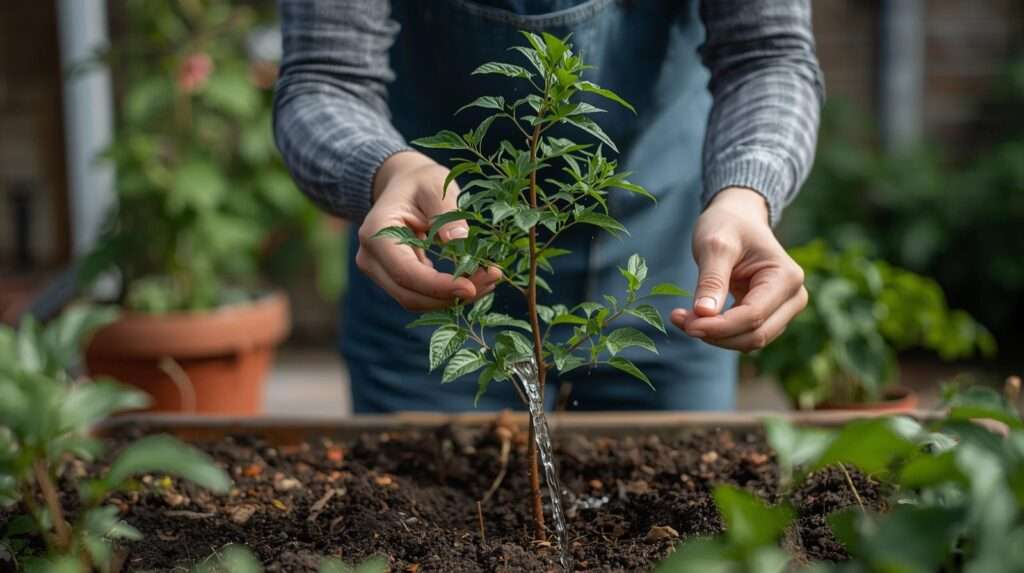
In many households, 50–80% of daily water use flows down the drain as lightly used “greywater” from showers, baths, and laundry. Yet during dry spells or water restrictions, gardeners and small-scale farmers watch their trees and shrubs struggle from lack of moisture. What if that wasted water could safely nourish your landscape instead—delivering free irrigation, trace nutrients, and dramatic growth while slashing your water bills by hundreds of dollars each year?
Greywater for trees and shrubs offers a practical, proven solution for water-wise gardening and sustainable agriculture. When handled correctly, household greywater provides a reliable, nutrient-rich supply that deep-rooted woody plants love. It reduces freshwater demand, recycles natural fertilizers like nitrogen and phosphorus, and builds drought resilience without risking food safety when applied properly.
This comprehensive guide draws on established best practices from university extension services (such as New Mexico State University, University of California, and Washington State Department of Health), permaculture principles, and real-world greywater systems. You’ll learn exactly how to identify safe greywater sources, choose compatible trees and shrubs, design simple or advanced diversion systems, apply the water effectively, avoid common pitfalls, and maintain long-term success. Whether you’re a home gardener facing seasonal droughts or a smallholder looking to cut irrigation costs, this article delivers actionable, science-backed steps to turn waste into wealth for your landscape.
By the end, you’ll have a clear roadmap to implement greywater irrigation confidently—starting small and scaling with confidence. Let’s dive in and transform your household water into thriving trees and shrubs.
What Is Greywater and Why Is It Ideal for Trees and Shrubs?
Greywater is gently used household wastewater from showers, bathtubs, bathroom sinks, and washing machines. It excludes “blackwater” from toilets (which contains fecal matter and high pathogens) and, in most guidelines, kitchen sinks or dishwashers (due to grease, food particles, and higher bacterial loads).
Typical greywater contains:
- Trace amounts of organic matter, skin cells, hair, and soap residues.
- Beneficial plant nutrients such as nitrogen, phosphorus, and potassium from detergents and body-care products.
- Low levels of pathogens when sourced from clean bathroom or laundry uses.
Unlike potable water, greywater is abundant—often 65% or more of total household wastewater—and available daily, even during droughts or municipal restrictions.
Trees and shrubs are particularly well-suited to greywater irrigation for several reasons:
- Their deep, extensive root systems (often extending well beyond the drip line) naturally filter and biologically treat the water as it percolates through healthy topsoil. Soil microbes and plant roots break down organics and nutrients efficiently.
- Established woody plants tolerate slight variations in pH, salinity, or surfactant levels better than delicate seedlings, annual vegetables, or acid-loving species.
- Greywater delivers consistent subsurface moisture plus mild fertilization, promoting faster canopy growth, deeper roots, and better drought resistance once plants mature.
In contrast, blackwater requires advanced treatment and is never recommended for home irrigation. Recycled municipal water is highly treated but usually not available for individual homeowners. Greywater strikes the perfect balance: low-tech, low-cost, and highly effective for landscape use when basic safety rules are followed.
From an environmental standpoint, reusing greywater reduces strain on septic systems or municipal treatment plants, recharges soil moisture and groundwater, and lowers overall freshwater extraction. In water-stressed regions, this practice supports climate resilience by maintaining green landscapes that cool the air, prevent erosion, and sequester carbon through healthier tree growth.
Key Benefits of Using Greywater for Trees and Shrubs
Switching to greywater for trees and shrubs delivers multiple layered advantages that go far beyond simple watering:
- Significant Water Savings and Cost Reduction A typical household generates 20–60+ gallons of greywater per person daily. For a family of four, that can exceed 100 gallons on laundry-and-shower-heavy days—enough to irrigate several mature trees or a cluster of shrubs. Studies and user reports show annual savings of thousands of gallons of freshwater, translating to lower utility bills (sometimes 10–35% reduction in outdoor or total water use depending on system scale and local rates). In drought-prone areas, this reliable supply keeps plants alive when restrictions limit freshwater irrigation.
- Natural Nutrient Boost for Healthier, Faster Growth Greywater supplies mild doses of nitrogen and phosphorus that act as slow-release fertilizer. Users often report noticeably greener foliage, increased fruit set on trees (such as citrus, figs, or olives), and quicker establishment or recovery after transplanting. Because the nutrients come with water, they reach the root zone efficiently without the runoff risk of granular fertilizers.
- Enhanced Drought Resilience and Landscape Vitality Consistent greywater application encourages deeper root development, making trees and shrubs more tolerant of dry periods between waterings or during restrictions. Landscapes stay lush and productive year-round, improving property aesthetics and microclimate (shade, cooling, biodiversity).
- Environmental Advantages
- Reduces freshwater demand and energy used for pumping/treating municipal water.
- Lessens wastewater discharge volume, easing pressure on treatment infrastructure.
- Supports soil health through organic inputs and moisture that feeds beneficial microbes.
- Contributes to broader sustainability goals like groundwater recharge and reduced pollution from sewer overflows.
- Long-Term Economic Payback Simple DIY systems often pay for themselves within 1–3 years through water-bill savings alone. Larger setups or professional installs still offer strong ROI when combined with healthier plants that require less replacement or supplemental fertilizer.
Comparison Table: Fresh Water vs. Greywater Irrigation
| Aspect | Fresh/Potable Water | Greywater (Properly Managed) |
|---|---|---|
| Availability | Limited during restrictions/droughts | Daily, weather-independent |
| Cost | Full utility rate | Near-zero after system setup |
| Nutrients | None | Mild N-P-K boost |
| Application Method | Any (including overhead) | Subsurface/mulch basins recommended |
| Impact on Soil | Neutral | Builds moisture + organic matter (if low-salt) |
| Best For | All plants | Established trees, shrubs, ornamentals |
These benefits make greywater reuse one of the most accessible and impactful steps toward sustainable home agriculture and water conservation.
Is Greywater Safe? Understanding Risks and Safety Guidelines
Safety is the foundation of successful greywater for trees and shrubs. When managed according to established guidelines, risks remain low for non-edible landscape use on mature woody plants. Key concerns include pathogens, salts/sodium, boron, pH shifts, surfactants, and potential soil or plant stress. Reputable sources emphasize that healthy soil biology and proper application methods provide natural treatment.
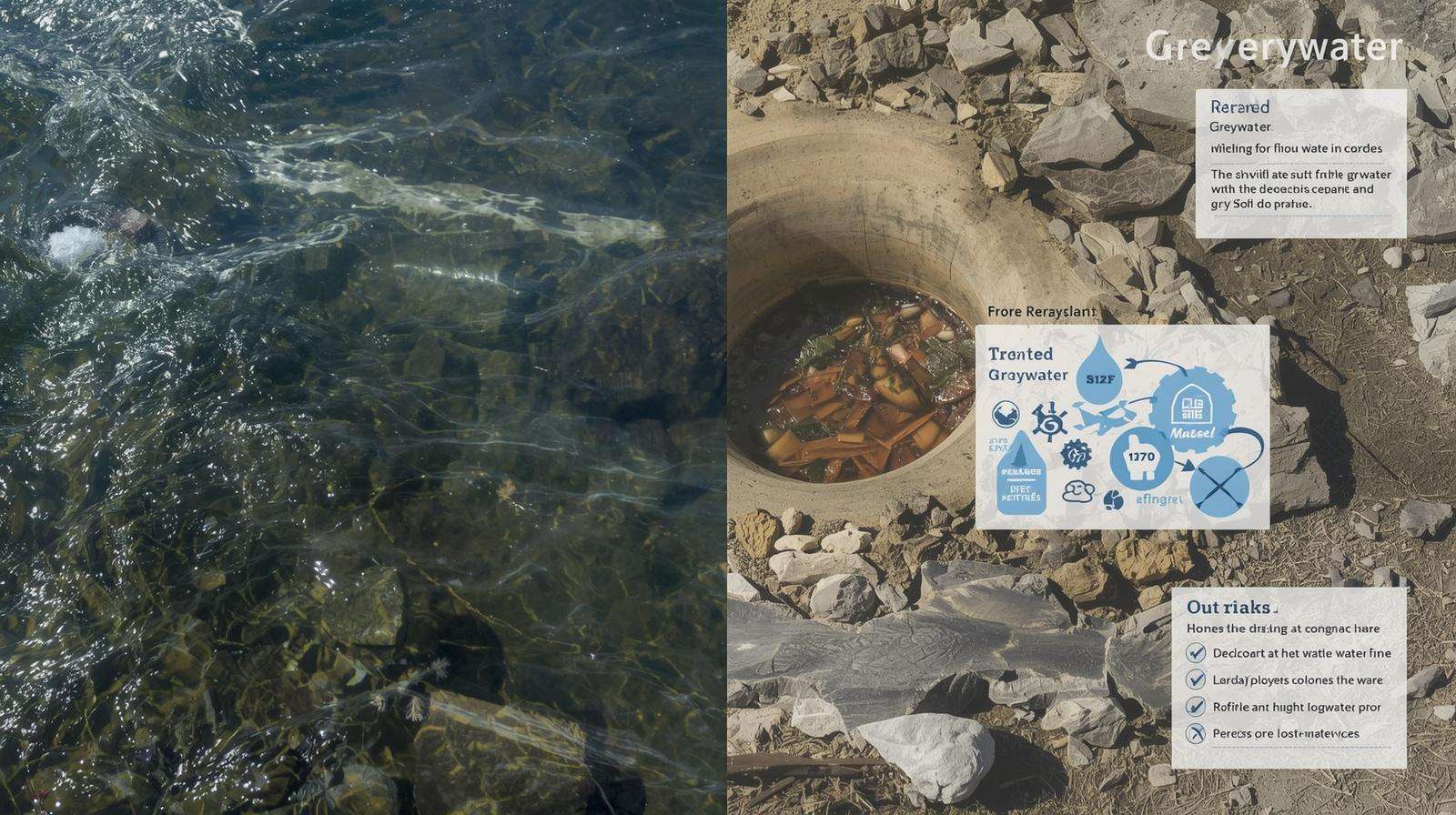
Core Safety Rules (Follow These Strictly):
- Use greywater only on well-established, mature trees and shrubs—never on seedlings, young transplants, or potted plants unless heavily diluted and rotated.
- Apply subsurface or directly into mulch basins — never spray or splash onto leaves, stems, trunks, or edible fruit. This prevents foliar damage, fungal issues, and human contact.
- Avoid root crops, low-growing edibles, or any plants where greywater could contact edible portions.
- Choose plant-friendly, biodegradable products: Liquid detergents low in sodium, free of boron/borax, and without chlorine bleach. Powdered detergents often contain high salt fillers and should be avoided. Opt for pH-neutral or low-impact options labeled septic-safe or greywater-compatible.
- Rotate with fresh water periodically (especially in dry climates) to prevent salt buildup or nutrient imbalance.
- Discontinue use and flush with fresh water if signs of plant stress appear (e.g., leaf yellowing, tip burn, reduced vigor).
- Minimize direct human or pet contact with freshly applied greywater.
- Do not store greywater for more than 24 hours (it can turn anaerobic and develop odors or higher bacterial levels). Use it fresh.
Additional Precautions:
- If anyone in the household has a contagious illness (e.g., skin infections), divert that water to the sewer.
- Test soil occasionally in clay-heavy or low-drainage sites to monitor salinity or pH.
- Always include a 3-way diverter valve so you can easily switch back to the sewer when needed (e.g., using harsh cleaners or during heavy rain).
Legal and Regulatory Notes: Regulations vary widely by country, state, or even municipality. Many places now allow simple laundry-to-landscape systems without permits if basic rules are followed (e.g., subsurface application, no ponding). Always check local plumbing codes, health department guidelines, or agricultural extension services before installing. In some regions, permits are required for branched-drain or pumped systems. Consulting a professional or extension agent adds an extra layer of trustworthiness and compliance.
Expert consensus from sources like Greywater Action and university extensions: Soil microbes, plant roots, and mulch act as a living filter. Greywater passes slowly through the top 1–2 feet of biologically active soil, where organics are broken down and nutrients are taken up by plants. This natural treatment makes it safe for landscape irrigation when rules are observed.
Best Trees and Shrubs for Greywater Irrigation
Most mature, deep-rooted woody plants respond positively to greywater, especially those tolerant of occasional alkaline or mildly saline conditions. Fruit trees and hardy ornamentals generally perform best because their edible parts stay well above ground and roots handle nutrient loads efficiently.
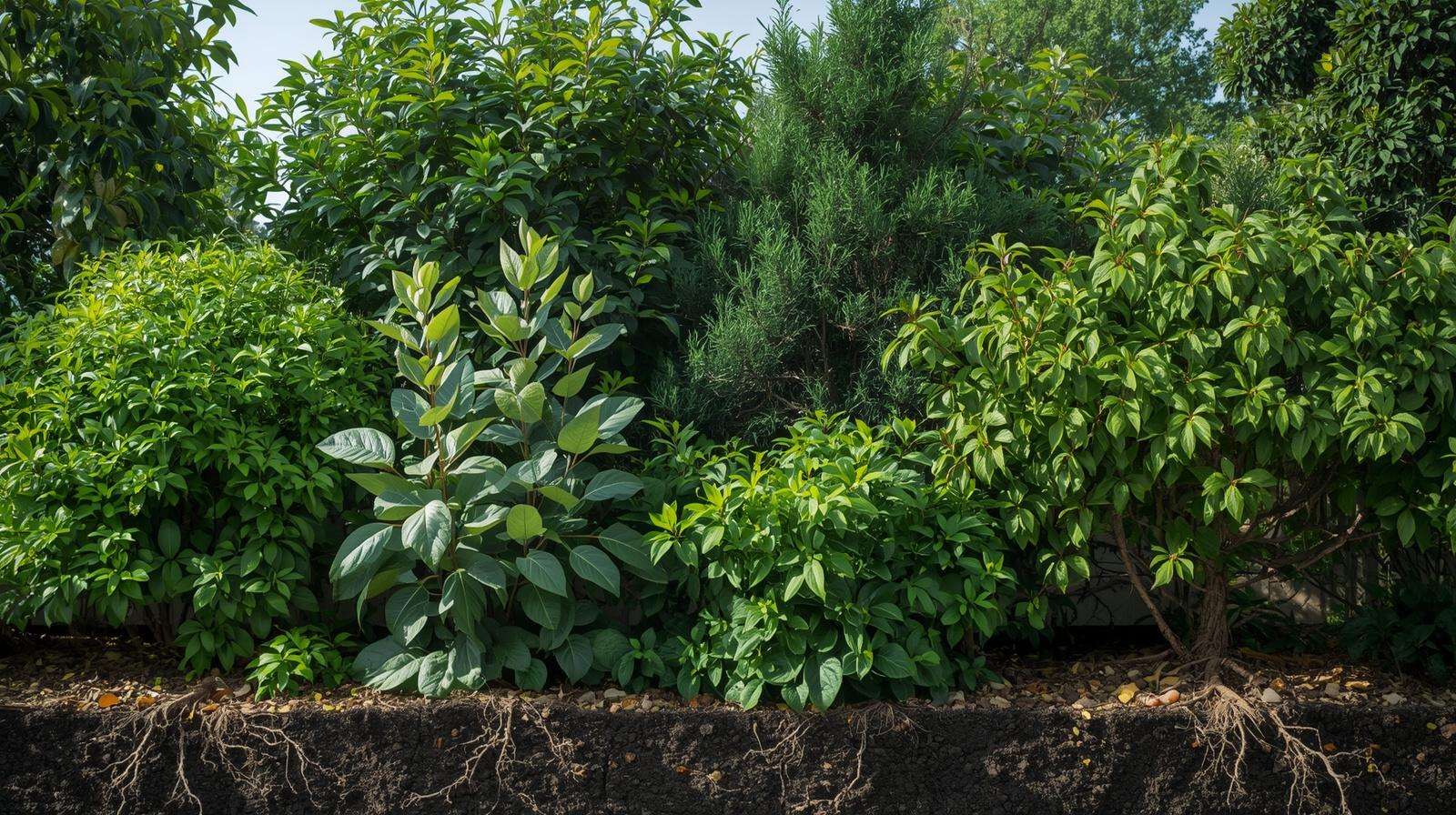
Highly Recommended Trees:
- Fruit Trees: Citrus (orange, lemon, grapefruit), fig, olive, peach, apricot, apple, pear, persimmon, mulberry, pomegranate, avocado (on well-drained sites). These thrive with consistent moisture and nutrients; many users report faster growth and better yields.
- Ornamental/Shade Trees: Oaks, sycamore, juniper, pine (select species), cottonwood, or locally adapted natives. Riparian or drought-tolerant species often excel.
Recommended Shrubs:
- Mediterranean and herb types: Lavender, rosemary, sage, oleander, hopseed bush.
- Berry shrubs (if fruit stays off the ground): Raspberry, currant, gooseberry (subsurface application only).
- Native or desert-adapted: Many salt-tolerant or hardy ornamentals like bougainvillea, roses (established), or regional equivalents.
Plants to Use Cautiously or Avoid:
- Acid-loving species (azaleas, rhododendrons, blueberries, ferns, gardenias, hydrangeas in some cases) — greywater can raise soil pH.
- Young or newly planted trees/shrubs until well-established (at least 1–2 years).
- Root vegetables or low edibles that contact soil.
- Succulents or cacti in high volumes (they prefer drier conditions).
Plant Suitability Table (General Guidance – Adapt to Your Climate and Soil)
| Category | High Tolerance Examples | Notes / Why They Succeed |
|---|---|---|
| Fruit Trees | Citrus, Fig, Olive, Mulberry, Pomegranate | Deep roots, tolerate nutrients, productive |
| Ornamental Trees | Oak, Sycamore, Juniper | Established specimens handle variable water |
| Shrubs | Lavender, Rosemary, Sage, Oleander | Drought-tolerant, low water needs once set |
| Berry Shrubs | Raspberry, Currant (mature) | Subsurface only; keep fruit elevated |
| Avoid / Cautious | Azalea, Blueberry, Young seedlings | pH sensitivity or tender growth |
Regional adaptation matters. In tropical or subtropical areas (such as parts of Bangladesh or similar climates), prioritize fast-growing, flood-tolerant species like certain bananas, figs, or local fruit trees while ensuring good drainage to prevent waterlogging. In arid zones, focus on drought-hardy natives paired with mulch to maximize efficiency. Always observe your plants and adjust based on local soil tests and performance.
How to Set Up a Greywater System for Trees and Shrubs (Step-by-Step)
Successful systems range from ultra-simple DIY setups costing under $300 to more advanced branched-drain or filtered designs. The guiding principle: Keep it as simple as possible while ensuring safe subsurface delivery.
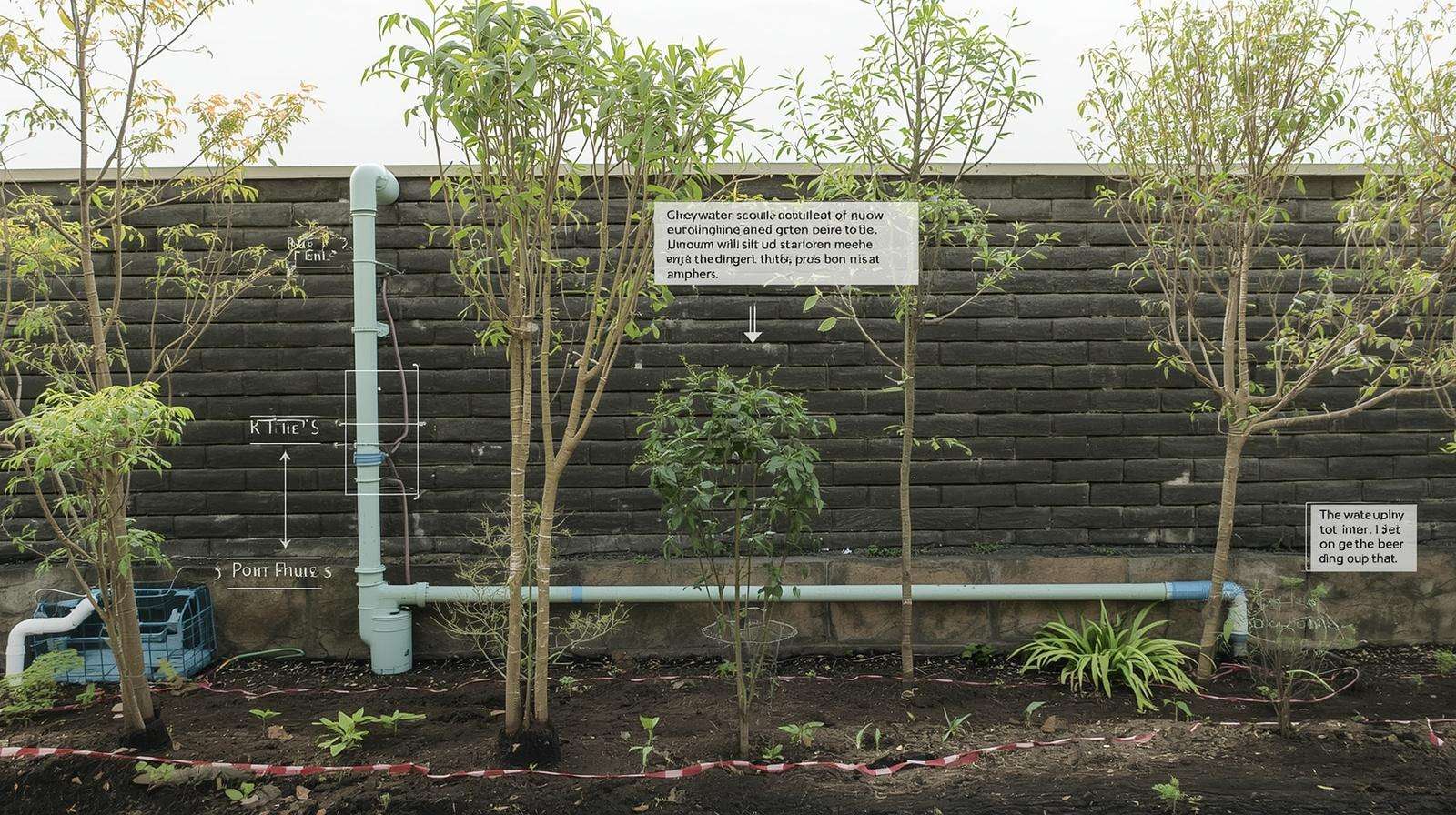
Option 1: Simple Laundry-to-Landscape (Beginner-Friendly, Lowest Cost)
- Why it works: Washing machines produce large, regular volumes; the pump provides pressure for distribution.
- Materials (approx. $150–300): 1″ brass 3-way diverter valve, PVC pipe/fittings, HDPE tubing, barbed fittings, ball valves, auto-vent or air gap, coarse woodchip mulch.
- Steps:
- Install the 3-way valve on the washing machine drain hose (allows switching to sewer or landscape).
- Run tubing from the valve to the yard (bury where needed for aesthetics/safety; include air gap to prevent backflow).
- Dig mulch basins around target trees/shrubs: shallow, bowl-shaped depressions (6–12 inches deep) at or beyond the drip line, filled with coarse wood chips or mulch.
- Connect tubing to end in the basins (subsurface or with mulch cover; never leave pipe exposed).
- Test the system: Run a load and check for even distribution without ponding or runoff.
Option 2: Shower/Bath Diversion (Gravity-Fed)
- Use flexible hose or fixed piping from tub/shower drain (with diverter). Gravity works best on sloped sites; pumps may be needed for uphill delivery.
- Direct to mulch basins or branched drains for multiple plants.
Intermediate/Advanced Systems
- Branched-drain networks that split flow to several basins automatically.
- Basic filtration (settling tank, sand/gravel, or planted filter beds) for cleaner water from multiple sources.
- Subsurface drip lines under thick mulch (check local codes for burial depth, often 2+ inches of cover).
Site Assessment Checklist Before Installation:
- Soil type and drainage (percolation test: water should soak in within 30–60 minutes).
- Slope and plant locations (basins at root zones).
- Greywater volume estimate vs. plant needs.
- Proximity to buildings, septic fields, or water bodies (maintain setbacks).
- Local regulations and permits.
Cost and ROI Examples:
- Basic laundry-to-landscape DIY: $150–500 materials + labor.
- Professional install: $2,000–6,000+ depending on scope.
- Payback: Often 1–3 years via water savings; plus value from healthier plants.
Integrate with other practices like rainwater harvesting or swales for even greater efficiency.
Best Practices for Applying Greywater Effectively
Once your system is installed, proper application techniques determine whether your trees and shrubs thrive or merely survive. The goal is consistent, even moisture delivery to the active root zone (typically the top 12–24 inches of soil) while minimizing surface pooling, odors, or plant stress.
Timing and Frequency
- Apply greywater in the early morning when evaporation is low and plants can absorb moisture before the heat of the day.
- Match application to plant needs rather than household production. A mature citrus or fig tree may comfortably handle 20–50 gallons per week (depending on size, climate, and soil), while smaller shrubs need far less.
- In hot, dry periods, supplement with occasional fresh water to prevent salt accumulation. During the rainy season, divert excess greywater back to the sewer to avoid over-saturation.
- Avoid watering immediately before or after heavy rain. Overwatering can lead to root rot in poorly drained soils.
Distribution Techniques
- Mulch Basins: The most effective and lowest-maintenance method. Create wide, shallow basins (extending to the drip line or slightly beyond) filled with 4–6 inches of coarse woodchip mulch. Greywater infiltrates slowly through the mulch, which filters solids, reduces evaporation, suppresses weeds, and feeds soil life.
- Branched Drains or Splitters: Use Y- or T-fittings to divide flow among multiple basins for even distribution across several trees or shrubs.
- Subsurface Delivery: Bury the end of the pipe 4–8 inches deep in the mulch or soil (never deeper than the active root zone). This keeps water away from human contact and reduces evaporation.
- Spiral or Keyhole Patterns: For larger trees, run tubing in a spiral pattern around the trunk to encourage even root development.
Monitoring Soil and Plant Health
- Observe plants weekly: Healthy response includes deep green foliage, strong new growth, and good fruit/flower production. Warning signs include leaf tip burn (possible salt buildup), yellowing older leaves (nutrient imbalance), or wilting (over- or under-watering).
- Perform occasional soil tests for pH and electrical conductivity (EC) to monitor salinity, especially in arid or clay soils.
- Keep a simple log: Record greywater volume applied, plant response, and weather conditions. This data helps fine-tune your system over time.
Product Selection for Greywater Compatibility
- Switch to liquid, low-sodium, biodegradable laundry detergents and body soaps. Avoid products containing boron, high phosphates, chlorine bleach, or antibacterial agents.
- Septic-safe or “greywater-friendly” labeled products are usually suitable. Plant-based or castile soaps often perform well.
- For laundry, use smaller loads or eco-mode cycles to reduce detergent concentration.
Integration with Other Sustainable Practices
- Combine greywater with heavy mulching, composting, and cover cropping to build soil organic matter. Richer soil filters greywater more effectively and holds moisture longer.
- Pair with rainwater harvesting systems: Use rainwater as a “flush” to dilute salts periodically.
- In permaculture designs, position greywater outlets in swales or hugelkultur beds for maximum benefit.
Seasonal adjustments are crucial. In winter or cooler months, reduce volumes as plant water needs drop. In tropical or monsoon climates (common in regions like Bangladesh), ensure excellent drainage to prevent waterlogging during heavy rains.
Common Mistakes to Avoid and Maintenance Tips
Even experienced gardeners encounter issues when starting with greywater. Avoiding these pitfalls will save time, money, and plants:
Top 7 Mistakes to Avoid
- Using Harsh Chemicals — Powdered detergents, fabric softeners, or bleach-heavy products damage soil biology and plants.
- Surface Spraying or Overhead Application — This increases health risks, causes foliar burn, and promotes disease.
- Applying to Young or Edible Plants — Seedlings and low-growing crops are too sensitive; always wait until trees/shrubs are well-established.
- Poor Filtration or Clogged Pipes — Hair, lint, and soap scum build up quickly without basic screening.
- Lack of Diversion Valve — Inability to switch back to sewer when using problematic products.
- Over-application Without Rotation — Leads to salt buildup and nutrient overload in the root zone.
- Ignoring Local Regulations — Installing without checking codes can result in fines or required removal.
Maintenance Checklist (Monthly/Seasonal)
- Clean lint filters and screens on washing machine and diversion points.
- Flush pipes with fresh water or a vinegar solution every 3–6 months to prevent biofilm buildup.
- Inspect mulch basins for ponding or odors; refresh mulch as it breaks down (adds organic matter benefit).
- Check diverter valves for smooth operation.
- Observe plant health and soil moisture; adjust flow rates seasonally.
- Clear any debris from basin outlets to maintain even distribution.
With regular maintenance, simple greywater systems can operate reliably for 10+ years with minimal intervention. Many users find that after the first season of observation and tweaking, the system becomes almost set-and-forget.
Real-World Examples and Case Studies
Across diverse climates, greywater for trees and shrubs has delivered impressive results:
- In arid Southwestern USA, homeowners using laundry-to-landscape systems report mature citrus and olive trees producing 20–40% more fruit with noticeably darker green foliage compared to neighbors relying solely on municipal water.
- Small permaculture farms in Australia and California have used branched greywater systems to establish food forests, where fruit trees and berry shrubs flourish year-round despite periodic droughts.
- In water-restricted urban gardens, families have kept large shade trees and ornamental shrubs healthy during multi-year dry spells, reducing outdoor water use by up to 50%.
- One documented home orchard in a Mediterranean climate used shower and laundry greywater to support 12 mature fruit trees and 20+ shrubs, cutting annual irrigation costs dramatically while improving soil structure over five years.
These examples highlight that success comes from starting small, observing closely, and scaling gradually while respecting safety guidelines. In regions facing increasing water scarcity, such systems provide both practical relief and long-term resilience.
Frequently Asked Questions (FAQs)
Can I use greywater on fruit trees? Yes — subsurface application to the root zone of mature fruit trees is widely considered safe and beneficial. Never spray on leaves or fruit, and rotate with fresh water occasionally.
Is kitchen sink water considered greywater? In most guidelines, kitchen sink and dishwasher water is classified as blackwater or high-risk greywater due to food particles, grease, and higher bacterial content. It is best diverted to the sewer unless advanced filtration and treatment are installed.
How much greywater does one mature tree need? A large established tree (e.g., citrus or fig) can typically handle 15–50 gallons per week depending on size, climate, and soil. Start conservatively and observe soil moisture and plant response.
What if my soil is heavy clay? Clay soils drain slowly, so create wider, shallower mulch basins and apply smaller volumes more frequently. Amending with organic matter and gypsum (in some cases) improves infiltration over time. Consider raised basins or swales.
Is greywater storage safe? Short-term storage (under 24 hours) in a covered tank is sometimes used, but fresh use is strongly preferred. Stale greywater can become anaerobic and develop unpleasant odors or higher pathogen levels.
Are there legal restrictions on greywater use? Regulations vary significantly by location. Many areas now permit simple laundry-to-landscape systems without permits, while more complex systems may require approval. Always verify with your local health department or agricultural extension office.
Will greywater damage my plants? When using appropriate products and subsurface methods on established woody plants, damage is rare. Signs of stress usually indicate salt buildup or over-application — easily corrected by flushing with fresh water.
Can I combine greywater with drip irrigation? Yes, but only with proper filtration to prevent clogging emitters. Many advanced systems incorporate sand or gravel filters before subsurface drip lines.
Conclusion
Greywater for trees and shrubs represents one of the most practical and impactful ways to practice water conservation while enhancing plant health and reducing household expenses. By safely diverting lightly used household water from showers, baths, and laundry, you can provide consistent moisture and mild nutrients that encourage deeper roots, lush growth, and greater drought resilience in your landscape.
The key to success lies in following proven safety guidelines: use only on mature trees and shrubs, apply subsurface through mulch basins, choose biodegradable low-sodium products, and monitor plant response carefully. Start with a simple laundry-to-landscape system, observe results over one growing season, and expand gradually as confidence grows.
Beyond personal benefits—lower water bills, healthier plants, and a more resilient garden—this practice contributes to broader environmental goals by reducing freshwater demand and wastewater volume. In an era of increasing water uncertainty, every gallon reused responsibly makes a meaningful difference.