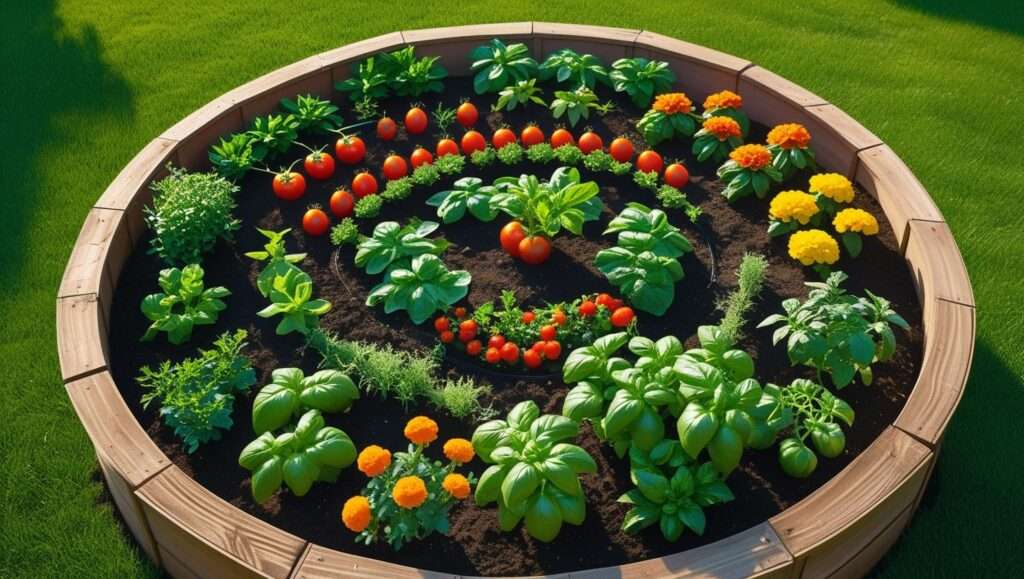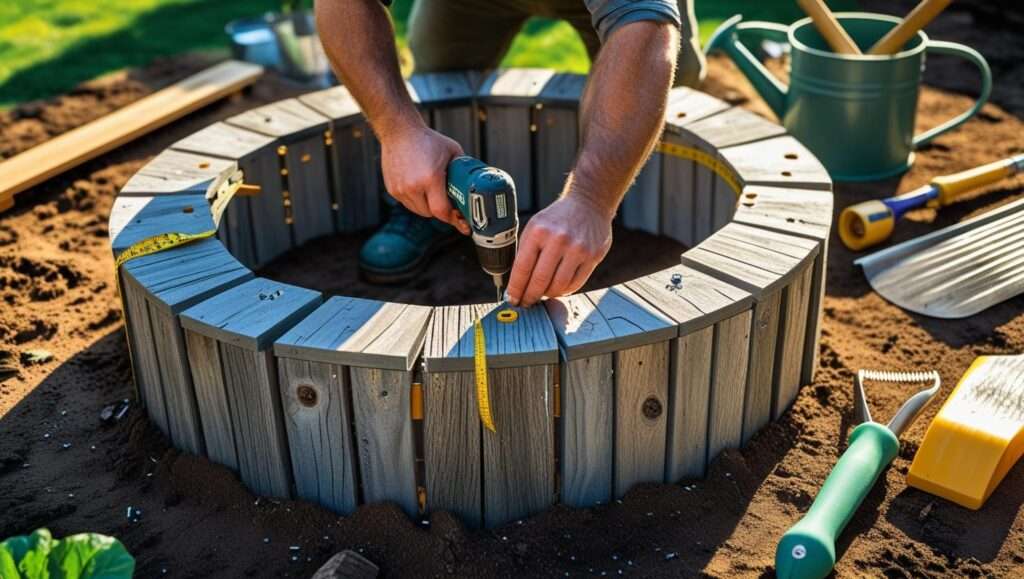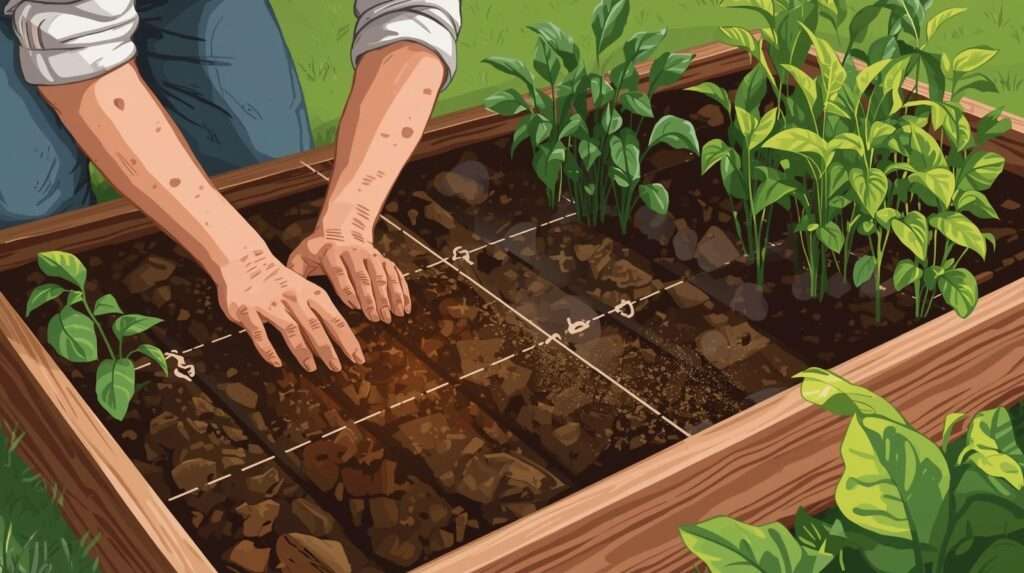
Tall raised garden beds promise easier access, better drainage, and impressive harvests, but many gardeners hit a wall when it comes time to fill them. A single 4×8-foot bed that’s 24 inches tall can require over 20 cubic feet of soil — often translating to hundreds of dollars in bagged mixes or bulk deliveries. The result? Empty or half-filled beds, strained budgets, and disappointing first-season yields.Filling Tall Raised Beds the Smart Way guide
Filling tall raised beds the smart way changes that equation completely. By using layered organic materials inspired by Hügelkultur principles combined with targeted topsoil and compost, you can cut soil costs by 40–60% (or more), improve long-term soil fertility, enhance water retention, and create beds that produce healthier, more productive plants season after season.
As an agricultural expert with over a decade of hands-on experience helping home gardeners and small-scale growers in diverse climates — from urban balconies to rural plots with heavy clay soil — I’ve refined this approach through trial, observation, and collaboration with extension services. This comprehensive guide delivers proven strategies that go far beyond basic “add dirt” advice. You’ll learn exact layering techniques, accurate volume calculations, material selection dos and don’ts, custom soil recipes, maintenance plans, and real-world troubleshooting. By the end, you’ll have everything needed to fill your tall raised beds efficiently and set them up for abundant harvests while saving significant time and money.
Whether you’re dealing with 18-inch, 24-inch, 30-inch, or even taller beds, this method solves the core problems of high volume, high cost, and settling issues while building living soil that supports strong root systems and nutrient-dense crops. Let’s dive in.
Why Tall Raised Beds Need a Smart Filling Approach
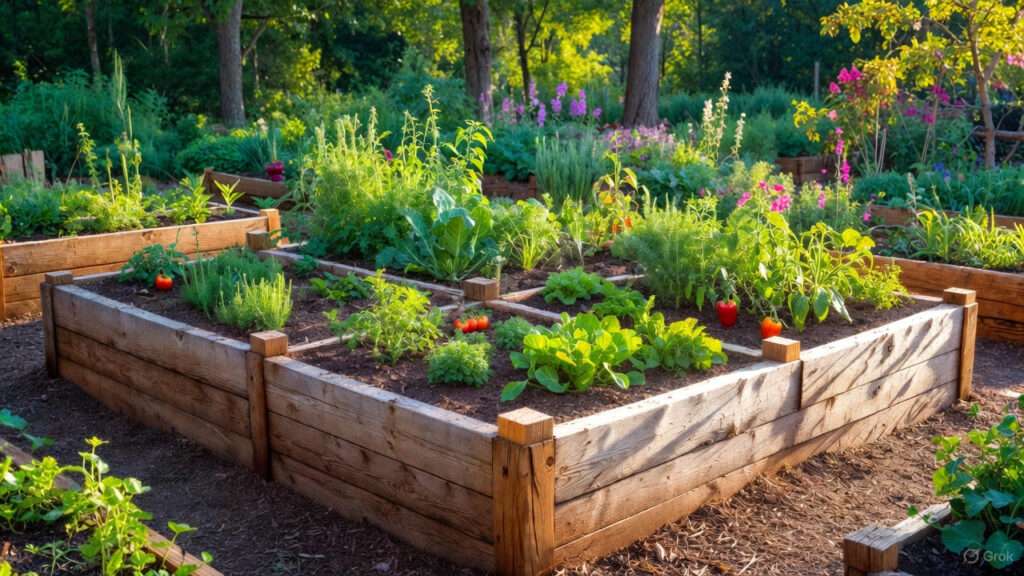
Tall raised beds (typically 18–36+ inches high) offer clear advantages over traditional in-ground or low-profile beds. They reduce bending and kneeling, making gardening accessible for seniors, people with mobility challenges, or anyone seeking ergonomic comfort. The elevated structure provides superior drainage, warmer soil temperatures for earlier planting, and effective weed suppression when properly managed. They also allow you to garden successfully even on poor native soil, contaminated lots, or paved surfaces.
However, these benefits come with a challenge: sheer volume. A 4 ft x 8 ft x 24-inch bed holds roughly 21–22 cubic feet (about 0.8 cubic yards) if filled completely with soil. At typical bulk prices of $30–60 per cubic yard for quality mixes (plus delivery), one bed can easily cost $100–200 or more. Multiple beds multiply the expense quickly. Worse, filling entirely with purchased soil often leads to compaction over time, poor long-term fertility, and the need for frequent (and costly) replenishment.
The smart way addresses these issues head-on through strategic layering. Most vegetable and herb roots concentrate in the top 12–18 inches of soil. By filling the lower portion with bulky, slow-decomposing organic materials (logs, branches, leaves, straw), you reduce the volume of expensive soil needed while creating a “sponge” that holds moisture and releases nutrients gradually as materials break down. This mimics natural forest floor processes and adapted Hügelkultur techniques, resulting in:
- Significant cost savings — often 40–60% less soil purchased.
- Improved water retention — beds stay moist longer, reducing irrigation needs by up to 50% in many climates.
- Better soil structure and aeration over time as woody materials decompose.
- Long-term fertility — slow nutrient release supports vigorous plant growth and higher yields.
- Environmental benefits — recycling yard waste, reducing landfill contributions, and building carbon-rich soil.
Gardeners who adopt this approach frequently report stronger plants, fewer pest issues, and extended productivity compared to beds filled only with imported soil. The method is flexible enough for wood, metal, stone, or composite beds and adapts well to different regional conditions, including humid subtropical areas like parts of Bangladesh or other tropical/subtropical zones where drainage and moisture management are critical.
Understanding Soil Volume and Cost Calculations
Accurate calculation prevents both under-filling and wasteful over-purchasing. The basic formula for rectangular raised beds is straightforward:
Volume (cubic feet) = Length (ft) × Width (ft) × Depth (ft)
Convert to cubic yards by dividing by 27 (since 1 cubic yard = 27 cubic feet). For example:
- A 4 ft × 8 ft × 2 ft (24-inch) bed = 64 cubic feet ≈ 2.37 cubic yards.
However, with the smart layering method, you don’t need to fill the entire depth with premium soil. Plan for only 12–18 inches of high-quality growing mix on top, depending on your crops. Root vegetables like carrots or parsnips may benefit from deeper top layers (18+ inches), while shallow-rooted crops like lettuce or herbs thrive with 12 inches.
Practical Example:
- Traditional full fill for the 4×8×24″ bed: ~2.37 cubic yards.
- Smart layered approach: 6–12 inches bulky base + 6–12 inches mid organic matter + 12–18 inches top mix. This often reduces purchased soil needs to 1–1.5 cubic yards or less.
Use online soil calculators from reputable sources like the Old Farmer’s Almanac or local landscape suppliers for quick estimates. Always measure your actual bed dimensions inside the frame, as lumber thickness can reduce internal space.
Common Cost Pitfalls and How to Avoid Them:
- Buying only small bags — expensive per unit volume and labor-intensive.
- Ignoring local bulk options — landscape yards, compost facilities, or municipal programs often offer screened topsoil and compost at lower rates (sometimes $20–40/cubic yard delivered).
- Failing to account for settling — layered beds settle 10–20% in the first year as materials decompose; plan to top-dress with compost annually.
- Overlooking regional availability — in areas with abundant yard waste or agricultural byproducts (straw, rice hulls, coconut coir), costs drop dramatically.
Bulk vs. Bagged Soil: Pros, Cons, and Best Practices:
- Bulk: Cheaper per volume, allows custom blends, but requires delivery access and immediate use or tarping to prevent weeds.
- Bagged: Convenient for small projects or precise amendments, but 2–3x more expensive; look for OMRI-listed or certified organic options.
- Best practice: Combine both — order bulk base materials and supplement with bagged premium compost or worm castings for the top layer.
Track your actual costs the first time; many gardeners discover they save enough in year one to fund additional beds or quality tools.
The Smart Layering Method: Step-by-Step Guide
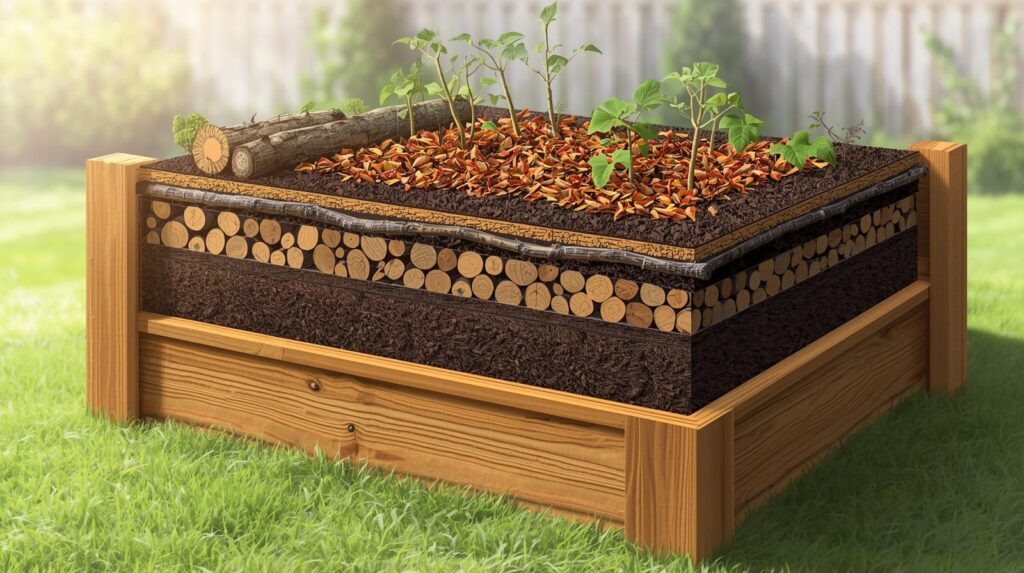
The core of filling tall raised beds the smart way is a bottom-up layering system that maximizes volume efficiency while building soil health. This hybrid approach draws from Hügelkultur (mound culture) but adapts it safely inside contained raised beds.

Preparation Steps:
- Ensure the bed sits level on well-drained ground. If placing on grass or weeds, lay overlapping cardboard or newspaper first to smother growth (remove any tape or staples).
- For pest-prone areas (voles, gophers), consider hardware cloth at the very bottom, secured to the frame.
- Avoid plastic liners or impermeable barriers — they can create waterlogging. Good drainage is essential.
- Gather materials in advance and have a water source ready for thorough moistening between layers.
Layer 1: Base Drainage and Bulky Fillers Start with the largest, slowest-decomposing materials to occupy maximum volume without compacting. Use untreated logs, large branches, or chunks of fallen hardwood (avoid softwoods like pine in large quantities due to acidity and resin). Aim for 6–12+ inches depending on total bed height.
Benefits: These create air pockets for drainage and aeration while slowly breaking down over 5–20 years, releasing nutrients and acting as a water reservoir. In humid climates, this prevents sogginess; in drier areas, it conserves moisture.
Tip: Break or cut larger pieces to fit snugly and fill gaps with smaller debris. Do not use freshly cut green wood — it can temporarily tie up nitrogen.
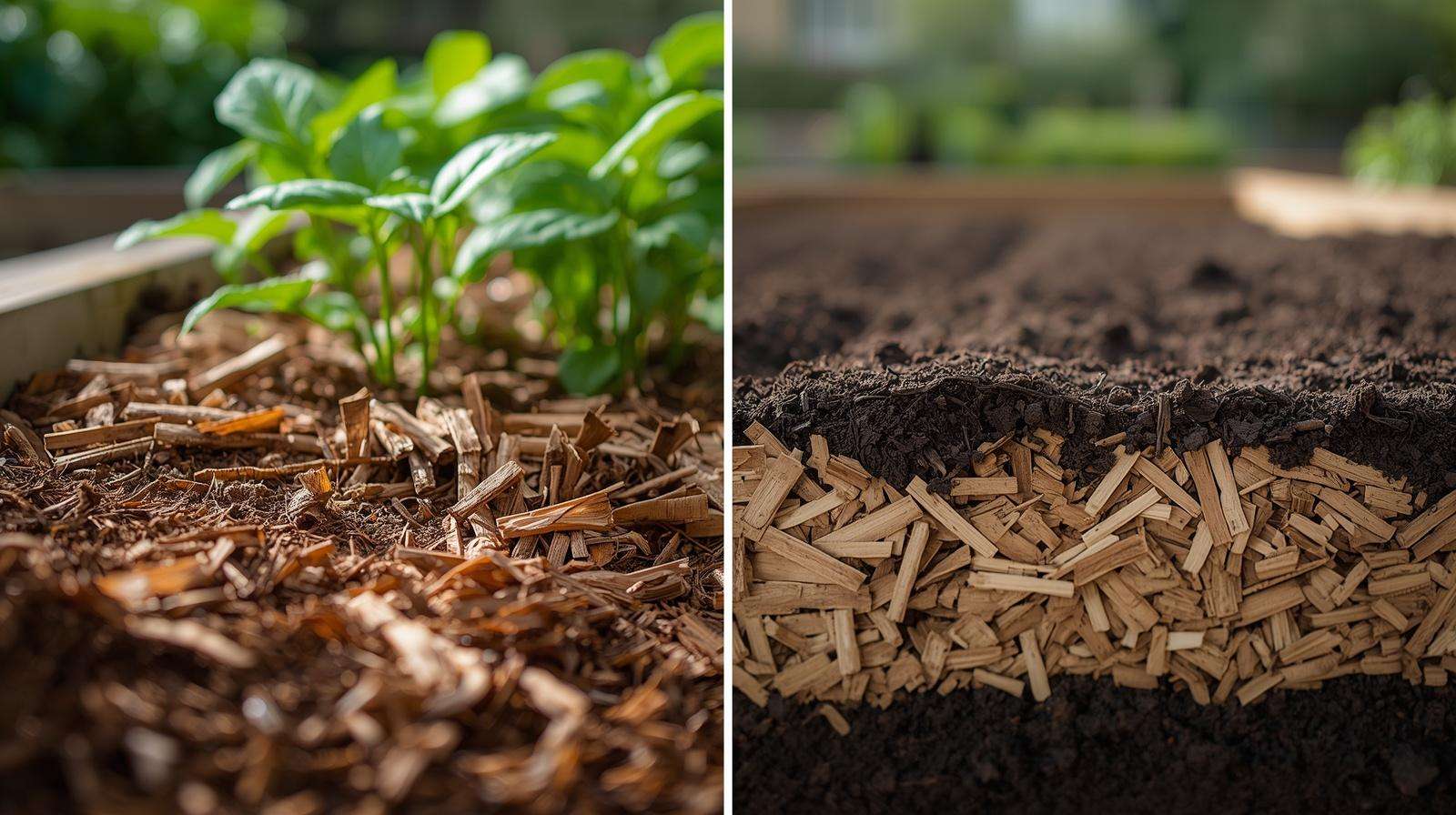
Layer 2: Mid-Level Organic Matter Add smaller twigs, branches, dry leaves, straw, grass clippings (dried), wood chips, or garden debris. This layer should be 6–12 inches deep. Balance “browns” (carbon-rich: leaves, straw, wood) with some “greens” (nitrogen-rich: grass clippings, kitchen scraps, coffee grounds) to encourage controlled decomposition without excessive heat or odor.
Benefits: Further reduces soil volume needed, improves structure, and begins feeding beneficial microbes and earthworms.
Layer 3: Transition and Compost Layer Add 4–6 inches of aged compost, partially decomposed manure, or a mix of native soil (if clean and weed-free) with organic matter. This bridges the woody base to the planting zone and jump-starts biological activity.
Layer 4: Top Growing Mix – The Most Important Layer This is where your plants will primarily root. Maintain a minimum of 12 inches (ideally 12–18 inches) of quality mix. Never skimp here — poor topsoil leads to weak establishment even with a great base.
Recommended base recipes (by volume):
- Classic Balanced Mix: 50% screened topsoil + 50% mature compost. Reliable for most vegetables.
- Enhanced Fertility Mix: 60% topsoil, 30% compost, 10% amendments (aged manure, worm castings, leaf mold, or biochar).
- Improved Drainage Mix (for heavy rains or clay-heavy areas): 40% topsoil, 30% compost, 20% coarse sand/perlite/vermiculite, 10% organic matter.
- Custom for Specific Crops:
- Leafy greens/herbs: Higher compost percentage for nitrogen.
- Root crops: Add extra perlite or sand for looseness; deeper top layer.
- Acid-loving plants: Incorporate pine needles or peat sparingly.
Amend further with bone meal (phosphorus), blood meal or fish emulsion (nitrogen), and kelp/rock dust for trace minerals based on soil test results if available.
After filling each layer, water thoroughly to settle materials and activate decomposition. The bed may sink 2–6 inches initially — top up as needed before planting.
Expert Insight Table (Conceptual – visualize or create in final design):
| Aspect | Traditional Full Soil Fill | Smart Layered Method |
|---|---|---|
| Soil Volume Needed | 100% of bed depth | 50–70% of bed depth |
| Initial Cost | High | 40–60% lower |
| Water Retention | Moderate | Excellent (woody base acts as sponge) |
| Long-term Fertility | Requires frequent amendments | Self-improving over years |
| Settling | Moderate | Higher first year, then stable |
| Best For | Quick setup, small beds | Tall beds, budget-conscious gardeners |
Materials Guide: What to Use (and What to Avoid)
Free or Low-Cost Sources:
- Yard waste: Fallen branches, twigs, autumn leaves, grass clippings, spent garden plants (disease-free).
- Agricultural byproducts: Straw, hay (aged), rice hulls, coconut coir, coffee grounds from local cafes.
- Kitchen scraps and compost from your own pile.
- Municipal leaf collection or wood chip programs (many arborists offer free chips).
Purchased Options:
- Bulk screened topsoil and compost from landscape suppliers.
- Bagged raised bed mixes or individual components (peat/coir, vermiculite, worm castings).
What NOT to Use:
- Fresh untreated wood in excess (causes temporary nitrogen immobilization — plants may yellow initially).
- Treated lumber scraps, painted wood, or pressure-treated materials (potential chemical leaching).
- Rocks or gravel at the bottom — they can create a perched water table, leading to root rot rather than improving drainage.
- Diseased or pest-infested plant material.
- Synthetic fillers, plastics, or glossy paper.
- Fresh manure (can burn roots and introduce pathogens) — always use well-aged.
In regions with abundant organic waste (common in agricultural areas), you can often fill 50%+ of the bed volume for free or near-free.
Sourcing Tips by Setting:
- Urban: Community gardens, coffee shops, arborist services.
- Rural/suburban: Farm neighbors, tree trimming crews, your own property cleanup.
Advanced Techniques and Variations
For even greater efficiency, adapt these variations:
- Full Hügelkultur-Inspired: Heavier emphasis on woody base for maximum water storage and long-term fertility — ideal for drier or windy climates.
- Lasagna-Style Layering: Thinner, alternating brown/green layers for faster decomposition and quicker planting readiness (great for impatient gardeners).
- Hybrid Methods: Combine with no-dig principles or incorporate biochar for enhanced carbon sequestration and nutrient holding.
- Climate-Specific Adjustments: In high-rainfall areas, prioritize drainage with more coarse materials; in hot/dry zones, increase water-holding organics.
For beds over 36 inches tall, increase bulky base proportionately while ensuring at least 15–18 inches of quality top mix.
Planting and Initial Care After Filling
Best time to fill: Late fall through early spring allows decomposition to begin before planting. In warmer climates, you can fill and plant in the same season if the top layer is ready.
After filling and watering:
- Add 2–3 inches of organic mulch (straw, wood chips, or shredded leaves) on top to retain moisture and suppress weeds.
- Follow a gentle initial watering schedule: Deep soak every few days until established, then adjust based on weather and plant needs.
- Monitor for settling in the first 4–6 weeks and top up with compost as needed.
- Common early issues: Temporary nitrogen drawdown (yellowing leaves) — side-dress with compost tea or diluted fish emulsion. Poor drainage — ensure base layers aren’t overly compacted.
Start with forgiving crops like beans, zucchini, or leafy greens in the first season while the bed matures.
Long-Term Maintenance for Thriving Beds
Smart-filled beds become lower-maintenance over time but still benefit from annual care:
- Top-dress with 1–2 inches of compost each spring or fall.
- Practice crop rotation and occasional cover cropping (e.g., clover or buckwheat) to build fertility.
- Replenish as woody materials break down — usually minimal after year 2–3.
- Troubleshoot:
- Compaction → aerate lightly with a garden fork and add organic matter.
- Nutrient deficiencies → soil test and amend accordingly.
- Excessive settling → consistent mulching and top-dressing.
Over 3–5 years, these beds often outperform conventionally filled ones due to the developing soil ecosystem.
Real-World Examples and Case Studies
One gardener with four 4x8x30-inch metal beds saved approximately $350–450 total by layering yard branches, leaves, and straw for the bottom half, then topping with a 50/50 bulk topsoil-compost mix. First-year yields included abundant tomatoes, cucumbers, and herbs, with noticeably better drought resistance during dry spells.
Another example in a subtropical setting: Using local rice straw and coconut coir alongside hardwood prunings resulted in beds that required 30% less watering while producing vigorous root crops. Settling was managed with biannual compost additions, leading to sustained productivity into year three.
These cases highlight adaptability — your specific materials and climate will shape the exact ratios, but the principles remain consistent.
FAQs: Filling Tall Raised Beds the Smart Way
How deep should the top soil layer be in a tall raised bed? Aim for at least 12 inches, preferably 12–18 inches for most crops. Deeper-rooted vegetables benefit from the upper end.
Will using logs or branches rob nitrogen from my plants? Possibly in the short term with fresh wood. Use aged or partially rotted materials and provide a generous top compost layer plus supplemental nitrogen if needed in year one.
Can I fill tall raised beds entirely with compost? Not recommended — pure compost can be too rich, retain too much water, or settle excessively. Blend with topsoil for structure.
How much money can I realistically save? Many gardeners report 40–60% savings on soil costs for beds 24 inches and taller, plus reduced ongoing amendment expenses.
Is it safe to use yard waste from my property? Yes, if disease-free and pesticide-free. Avoid walnut leaves (juglone toxicity) or invasive weeds that may reseed.
What if my bed is over 36 inches tall? Increase the proportion of bulky base layers while keeping a robust 15–18+ inch top growing zone. Ensure strong structural support for the frame.
How do I calculate soil needs accurately? Use the volume formula and reduce effective depth based on your layering plan. Online calculators provide quick starting points.
Do tall beds need more frequent watering? Initially yes, but smart layering often results in better moisture retention long-term, potentially decreasing watering frequency.
(Additional FAQs can expand based on reader questions over time.)
Conclusion
Filling tall raised beds the smart way transforms a potentially expensive and labor-intensive task into an opportunity to build resilient, fertile garden ecosystems. By strategically layering organic materials, calculating volumes accurately, selecting quality top mixes, and maintaining with annual compost, you save substantial time and money while setting the stage for bigger, healthier harvests.
This isn’t just about cutting costs — it’s about creating self-improving soil that supports sustainable gardening for years. Measure your beds, inventory available yard waste, and start layering this season. Your future self — and your plants — will thank you.