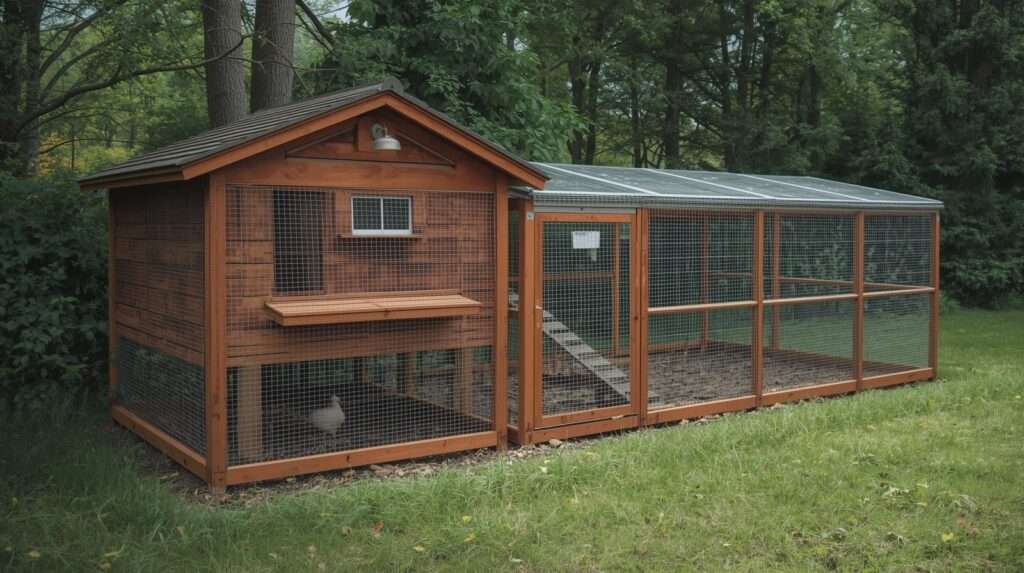
One morning, everything looks normal—until you open your coop and realize your flock has been attacked overnight. Feathers scattered, silence where there should be clucking, and a sinking feeling in your chest. For many poultry keepers, this is not a hypothetical situation—it’s a harsh reality.
Predator-Proofing Your Coop and Run isn’t just a precaution—it’s an absolute necessity if you want to protect your birds, your investment, and your peace of mind. Whether you’re raising chickens for eggs, meat, or as part of a sustainable homestead, predators are always lurking—often closer than you think.
From raccoons that can open simple latches to foxes that dig under fences and hawks that strike from above, your flock faces threats both day and night. The good news? Most predator attacks are preventable with the right strategies.
In this comprehensive guide, you’ll learn proven, field-tested techniques to secure your coop and run effectively. These aren’t just theoretical ideas—they’re practical solutions used by experienced farmers and backyard poultry keepers worldwide.
Understanding the Real Threat – Common Chicken Predators You Must Defend Against
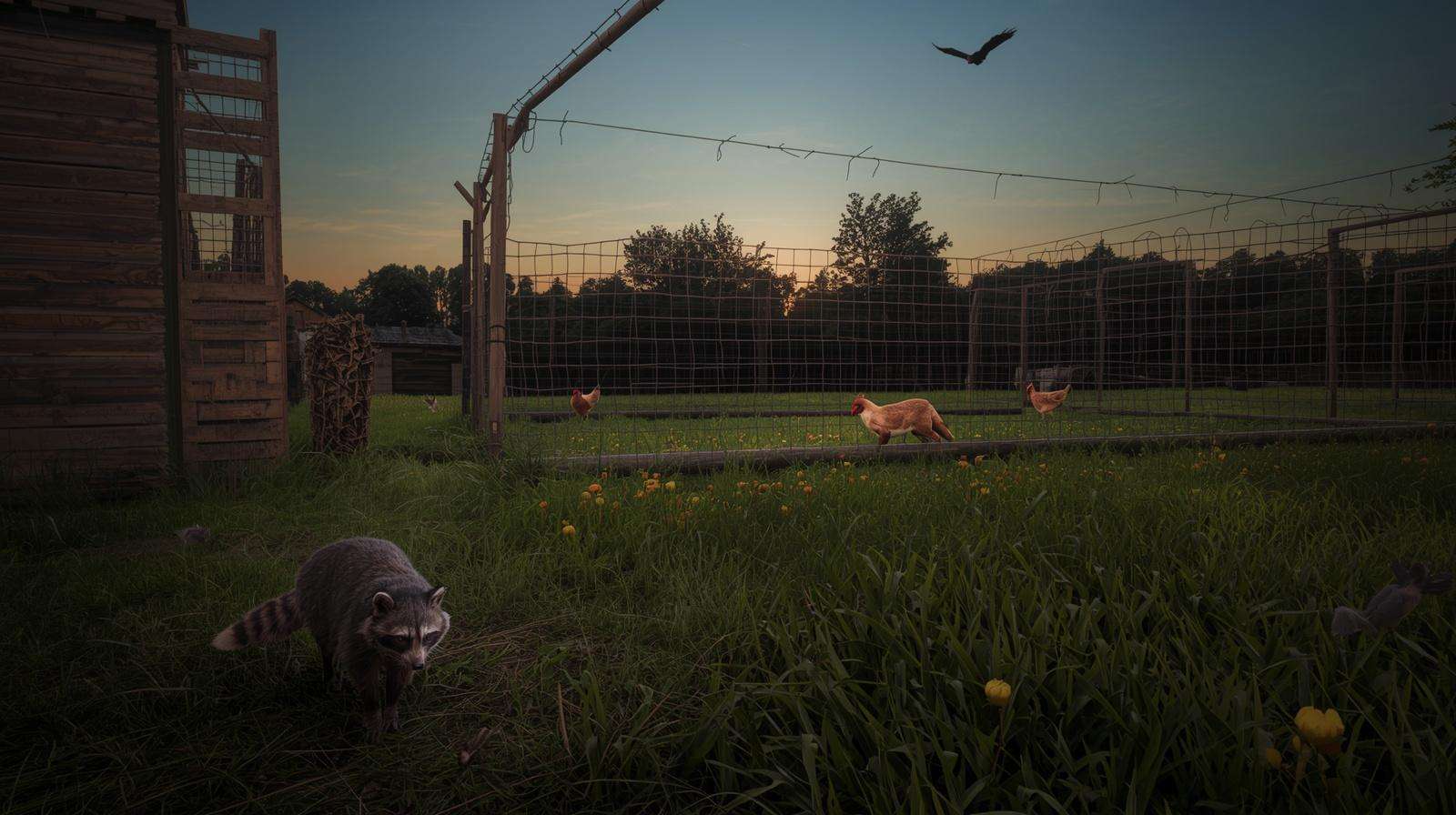
Before you can protect your flock, you need to understand what you’re up against. Different predators use different tactics—and knowing their behavior is the first step toward stopping them.
Nocturnal Predators (Nighttime Threats)
Most devastating attacks happen at night, when chickens are most vulnerable.
- Raccoons – Highly intelligent, capable of opening latches and reaching through small gaps
- Foxes – Excellent diggers, often attack quickly and silently
- Owls – Silent aerial hunters that can access uncovered runs
- Snakes – Target eggs and chicks, often slipping through tiny openings
Key Insight: If your coop isn’t fully secured at night, it’s only a matter of time before a predator finds its way in.
Daytime Predators
Even during the day, your flock isn’t safe.
- Hawks – Strike from above, especially in open runs
- Dogs – Domestic or stray dogs can cause mass destruction in minutes
- Weasels – Small but deadly, capable of squeezing through tiny holes
Warning Sign: If chickens suddenly disappear during the day, aerial predators are often the cause.
Regional Predator Variations
Your location plays a major role in predator risks.
- Urban areas: Rats, raccoons, stray cats
- Rural areas: Foxes, coyotes, hawks
- Suburban areas: A mix of both
Expert Tip: Talk to local farmers or poultry keepers to identify the most common predators in your area.
How Predators Breach Coops and Runs (Critical Weak Points)
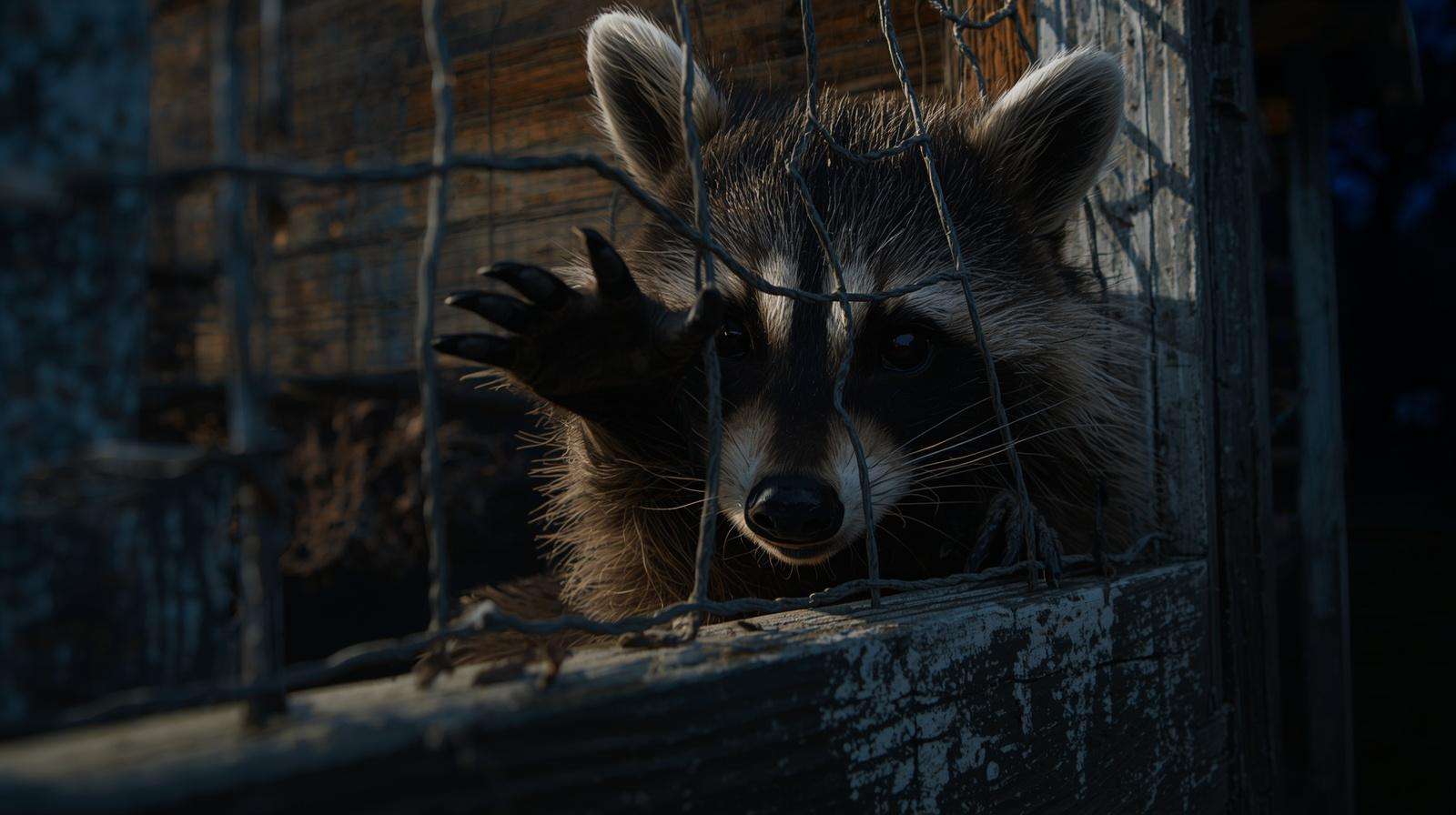
Predators don’t need a large opening—just a small opportunity. Understanding common vulnerabilities can help you eliminate them before it’s too late.
Digging Under Fences
Many predators attack from below.
- Foxes and dogs dig tunnels
- Loose soil makes digging easier
- Shallow fencing offers little resistance
Breaking Through Weak Materials
One of the most common mistakes is relying on chicken wire.
- Chicken wire is designed to keep chickens in—not predators out
- Raccoons can tear it apart
- Weasels can squeeze through
Better Alternative: Use hardware cloth with small openings for true protection.
Climbing and Flying Entry Points
Predators don’t just attack from the ground.
- Raccoons can climb
- Hawks and owls attack from above
- Uncovered runs are an open invitation
Human Error
Sometimes, the weakest link isn’t the structure—it’s routine.
- Forgetting to lock the coop
- Leaving gaps after maintenance
- Poor inspection habits
Reality Check: Even the best-designed coop fails without consistent management.
The Foundation of Predator-Proofing – Coop Design Essentials
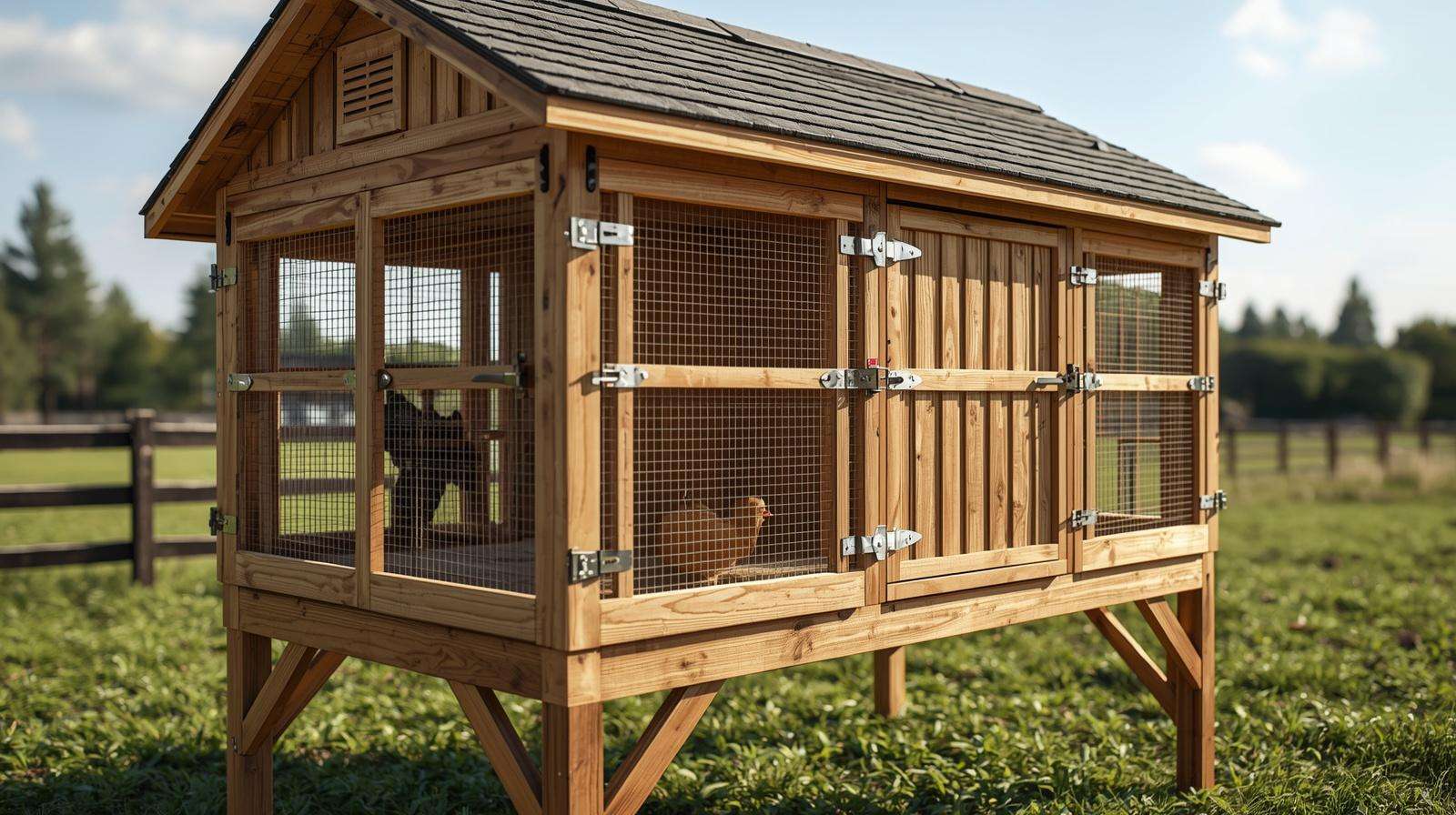
A secure coop starts with smart design. Cutting corners here will cost you later.
Choosing the Right Location
Where you place your coop matters more than you think.
- Avoid dense bushes or wooded areas (predator hiding spots)
- Choose open, visible locations
- Elevate the coop slightly to deter moisture and pests
Strong Structural Materials
Investing in quality materials pays off.
- Use hardware cloth (½ inch or ¼ inch mesh)
- Reinforce corners and joints
- Avoid flimsy wood or recycled weak materials
Secure Doors and Locks
Standard latches aren’t enough.
- Use two-step locking systems
- Carabiner clips or keyed locks work well
- Ensure doors close tightly with no gaps
Expert Insight: Raccoons have dexterity similar to human hands—simple latches won’t stop them.
Proper Ventilation Without Compromise
Ventilation is essential—but must be secure.
- Cover all vents with hardware cloth
- Avoid large openings
- Ensure airflow without access points
Building a Predator-Proof Run That Actually Works

Your run is where chickens spend most of their time—and where many attacks occur.
Covering the Run (Top Protection)
Never leave your run exposed.
- Use wire mesh or netting
- Solid roofing provides extra protection and weather resistance
- Essential for preventing hawk attacks
Installing an Anti-Dig Barrier (The Apron Method)
One of the most effective defenses against digging predators.
How it works:
- Attach hardware cloth around the base of the run
- Extend it outward (12–24 inches)
- Lay it flat on the ground and secure it
Why it works: Predators dig at the base, not outward—so they hit the barrier and give up.
Reinforcing Perimeter Security
Your fence is your first line of defense.
- Minimum height: 6 feet
- Use strong wire mesh
- Consider burying fencing 12 inches deep
Electric Poultry Netting (Optional but Powerful)
- Highly effective against larger predators
- Portable and flexible
- Requires maintenance and power source
Advanced Predator-Proofing Strategies Used by Experienced Farmers
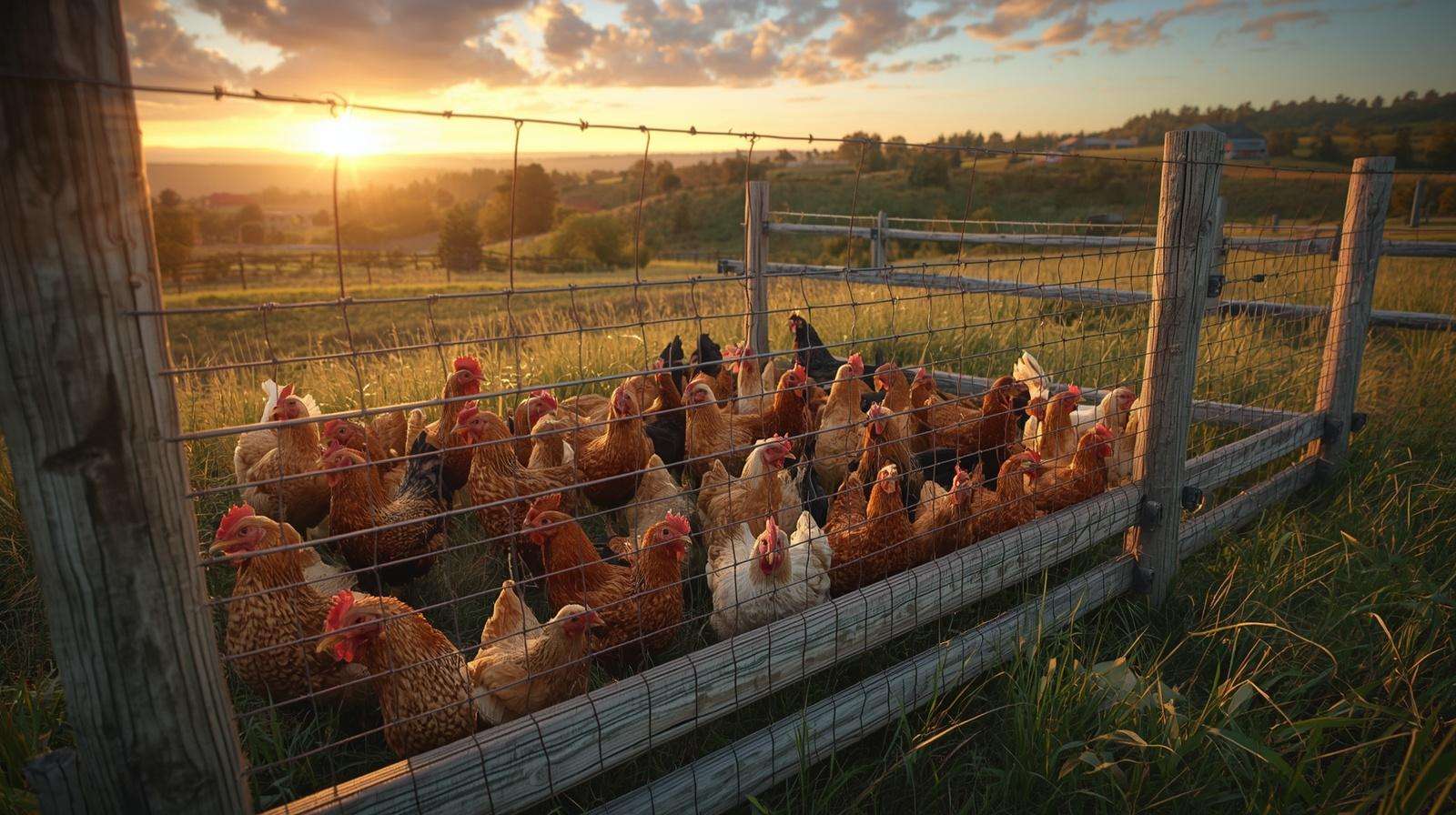
Once the basics are covered, advanced methods provide an extra layer of security.
Electric Fencing Systems
- Delivers a harmless but memorable shock
- Keeps predators away after first contact
- Ideal for rural areas with high predator activity
Automatic Coop Doors
A game-changer for busy poultry keepers.
- Opens at sunrise, closes at sunset
- Eliminates human error
- Ensures chickens are locked in safely every night
Motion-Activated Lights and Deterrents
- Startle predators and discourage approach
- Work best when combined with other methods
- Not foolproof alone
Livestock Guardian Animals
- Dogs, geese, and even donkeys can protect flocks
- Provide constant vigilance
- Require training and proper management
Nighttime Protection Checklist (Daily Routine for Maximum Safety)
Consistency is your strongest defense.
Every evening:
- Count your chickens
- Lock coop doors securely
- Check for gaps or damage
- Remove leftover feed (attracts predators)
Every morning:
- Inspect for signs of attempted entry
- Check fencing and locks
- Monitor flock behavior
Seasonal Predator Risks and How to Adapt
Predator behavior changes throughout the year.
Winter Threats
- Food scarcity increases aggression
- Predators take more risks
Spring and Chick Season Risks
- Young birds are easy targets
- Increased predator activity due to offspring
Summer Predator Behavior
- High activity levels
- More frequent attacks
Cost vs Protection – Budget-Friendly Predator-Proofing Tips
You don’t need to overspend—but you must spend wisely.
High-Impact, Low-Cost Upgrades
- Install apron fencing
- Upgrade latches
- Cover run with netting
Where NOT to Cut Corners
- Wire quality
- Structural integrity
- Locking mechanisms
Truth: Saving money upfront can lead to devastating losses later.
Common Predator-Proofing Mistakes (And How to Avoid Them)
Avoid these costly errors:
- Using chicken wire instead of hardware cloth
- Ignoring small gaps
- Leaving the run uncovered
- Inconsistent locking routines
Real-Life Case Study – How Proper Predator-Proofing Saved a Backyard Flock
A small-scale poultry keeper lost six chickens in one night due to a raccoon attack. The coop had chicken wire and a simple latch—easy access for a determined predator.
After upgrading:
- Installed hardware cloth
- Added apron fencing
- Switched to secure locks
Result: Zero losses in over two years, despite frequent predator sightings.
Lesson: The right upgrades make all the difference.
Expert Tips for Long-Term Coop Security and Maintenance
- Inspect your coop weekly
- Reinforce weak areas immediately
- Track predator activity
- Upgrade as needed
Pro Insight: Predator-proofing is not a one-time task—it’s an ongoing process.
Frequently Asked Questions (FAQs)
What is the most effective way to predator-proof a chicken coop?
Using hardware cloth, secure locks, covered runs, and an apron barrier provides the best overall protection.
Can predators get through chicken wire?
Yes. Chicken wire is not predator-proof and can be torn or penetrated easily.
How do I stop animals from digging under my coop?
Install an apron barrier or bury hardware cloth around the perimeter.
Are automatic coop doors worth it?
Absolutely. They reduce human error and ensure consistent nighttime security.
What time do most predator attacks occur?
Most attacks happen at night, but daytime predators are also a risk.
Final Thoughts – Protecting Your Flock Is Protecting Your Investment
Predator attacks are devastating—but they’re also largely preventable. With the right approach to Predator-Proofing Your Coop and Run, you can safeguard your flock, reduce stress, and ensure long-term success in poultry keeping.
Start with the basics, upgrade strategically, and stay consistent. Your chickens depend on you—and with these proven strategies, you’ll be ready to protect them.