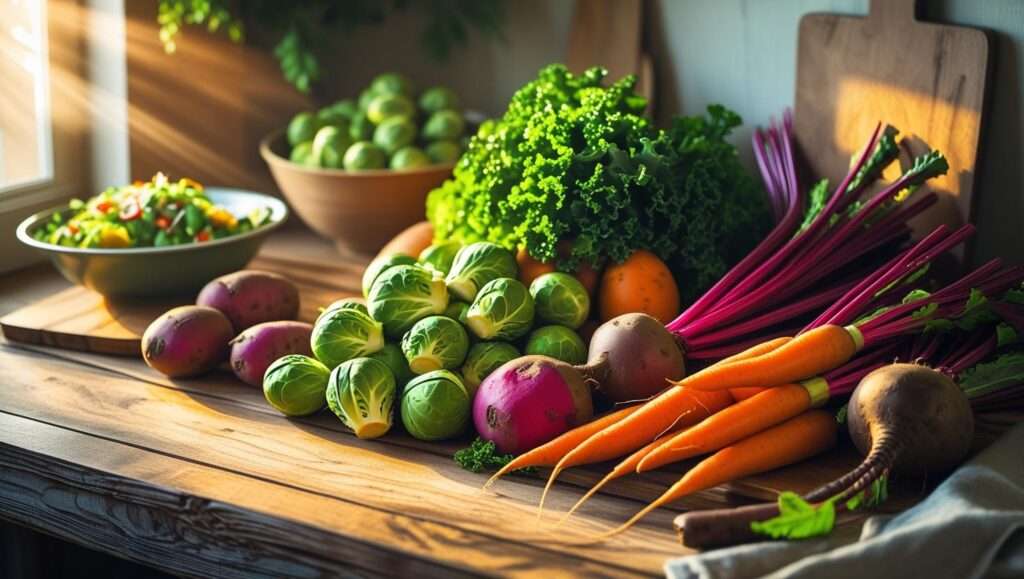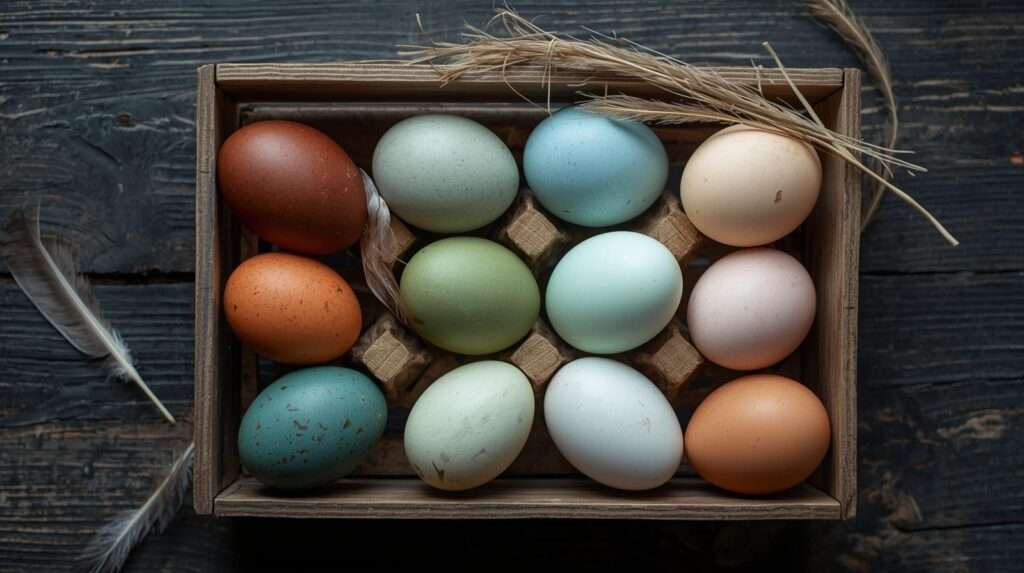
Imagine opening a nesting box to find a collection of jewels: deep mahogany, soft seafoam green, vibrant sky blue, and even a shimmering dusty rose. A decade ago, a “rainbow egg basket” was a rare curiosity, but today, it is the hallmark of a sophisticated homestead. However, achieving these colors isn’t a matter of luck or special feed; it is rooted deeply in the complex world of Egg Shell Color Genetics. Understanding how pigments are deposited—and how genes interact—allows you to move beyond random “Easter Eggers” and begin strategically breeding a flock that produces a specific, breathtaking palette.
As an agricultural expert, I have seen many keepers frustrated when their “Olive Egger” cross produces a plain brown egg. The reason almost always boils down to a misunderstanding of dominant versus recessive traits. This guide will peel back the layers of avian biology to explain how pigments like oocyanin and protoporphyrin work, giving you the genetic blueprint needed to design your dream flock from the incubator up.
1. The Biological Canvas: How Shells Get Their Color
Before we dive into specific breeds, we must understand the “assembly line” of an egg. Every single chicken egg, regardless of its final hue, starts as a white base made of calcium carbonate. The colors we see are essentially biological “paint” applied during the final stages of the egg’s 24- to 26-hour journey through the oviduct.
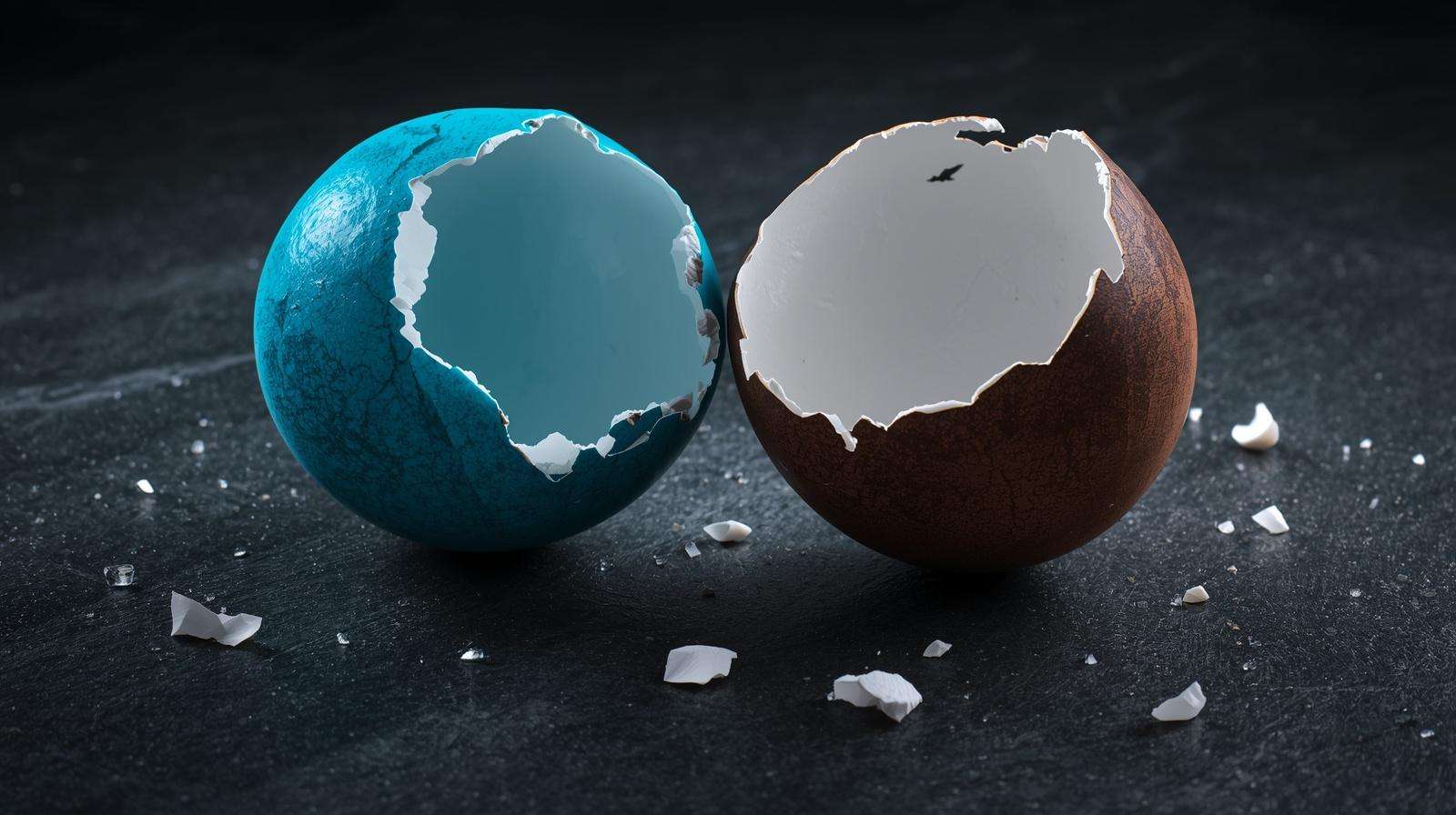
The White Base Breeds like the White Leghorn or the Ancona do not possess the genes to produce shell pigments. Their eggs pass through the shell gland without any additives, resulting in a pure white finish. In genetic terms, white is the absence of pigment.
Oocyanin: The Blue Foundation Blue eggs are structurally different from any other color. The pigment responsible is called oocyanin, a byproduct of bile formation. Unlike brown pigment, which is “sprayed” onto the outside, oocyanin is applied early in the shell-calcification process.
Because it is integrated early, the pigment permeates the entire shell. If you crack open a blue egg, you will notice the inside of the shell is just as blue as the outside. This is a critical marker in Egg Shell Color Genetics: blue is a dominant trait located on the peacock (P) or oocyan (O) locus.
Protoporphyrin: The Brown Overlay Brown pigment, known as protoporphyrin IX, is derived from hemoglobin (blood). Unlike blue pigment, brown is applied very late in the process—sometimes in the final 90 minutes before the egg is laid. This is essentially a topical coating. If you crack a brown egg, the inside will almost always be white. You can even scrub the brown pigment off a freshly laid egg with a bit of sandpaper, revealing the white calcium underneath.
2. Decoding Blue Egg Genetics
To breed for a rainbow basket, you must start with the “Blue Gene” (O). This gene is autosomal dominant, meaning a bird only needs to inherit one copy from either the mother or the father to produce blue shells (or pass the trait on).
The Dominant Blue Gene (O) If a hen is homozygous for blue (OO), she will pass a blue gene to 100% of her offspring. If she is heterozygous (Oo), she has a 50% chance of passing it on. This is why many “Easter Eggers” (which are often heterozygous) sometimes produce brown-egg-laying offspring when crossed with a brown-egg rooster.
Key Foundation Breeds:
-
Ameraucana: A standardized breed that consistently lays a true blue.
-
Araucana: The rumpless, tufted progenitor of the blue egg gene.
-
Cream Legbar: An autosexing breed that carries the blue gene and is often used as the “sire” in Olive Egger programs.
3. The Alchemy of Green and Olive Eggers
One of the most frequent questions in poultry breeding is: “Which breed lays green eggs?” The answer is actually “none”—at least not in the sense of a pure, standardized breed. Green and olive eggs are the result of genetic layering.
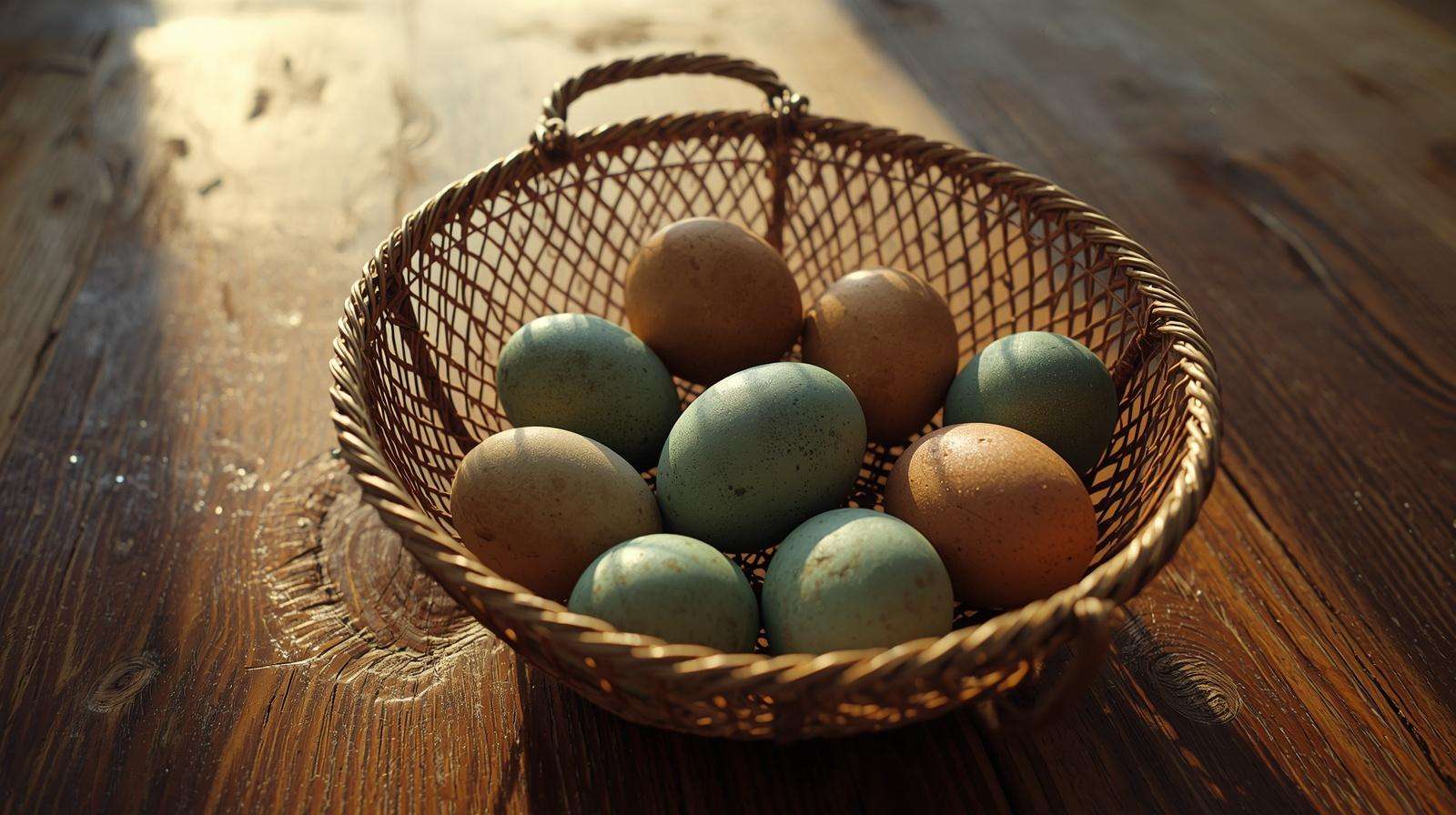
The Math of Olive Eggs Green is not a pigment; it is an optical illusion created by the combination of a blue shell and a brown overlay.
-
Blue Shell + Light Brown Overlay = Mint/Sage Green
-
Blue Shell + Dark Chocolate Brown Overlay = Deep Olive Green
To create an F1 (First Generation) Olive Egger, you cross a bird from a blue-egg line (like a Cream Legbar) with a bird from a dark-brown-egg line (like a Black Copper Marans). The offspring will inherit the blue shell gene and the heavy brown pigment genes, resulting in a dark green egg.
The “Heavy Bloom” and Silver Olives In advanced breeding, we look at the “Bloom” or cuticle. This is a protective waxy layer. Some Olive Eggers produce a very heavy, opaque bloom that sits on top of the green pigment. This creates a “Silver Olive” or “Dusty Sage” appearance, which is highly coveted in the rainbow egg community.
4. The Mystery of Pink and Plum Eggs
Pink eggs are perhaps the most misunderstood phenomenon in Egg Shell Color Genetics. There is no “pink gene.” Instead, a pink egg is usually a light brown egg that has been modified by the Bloom (Cuticle).
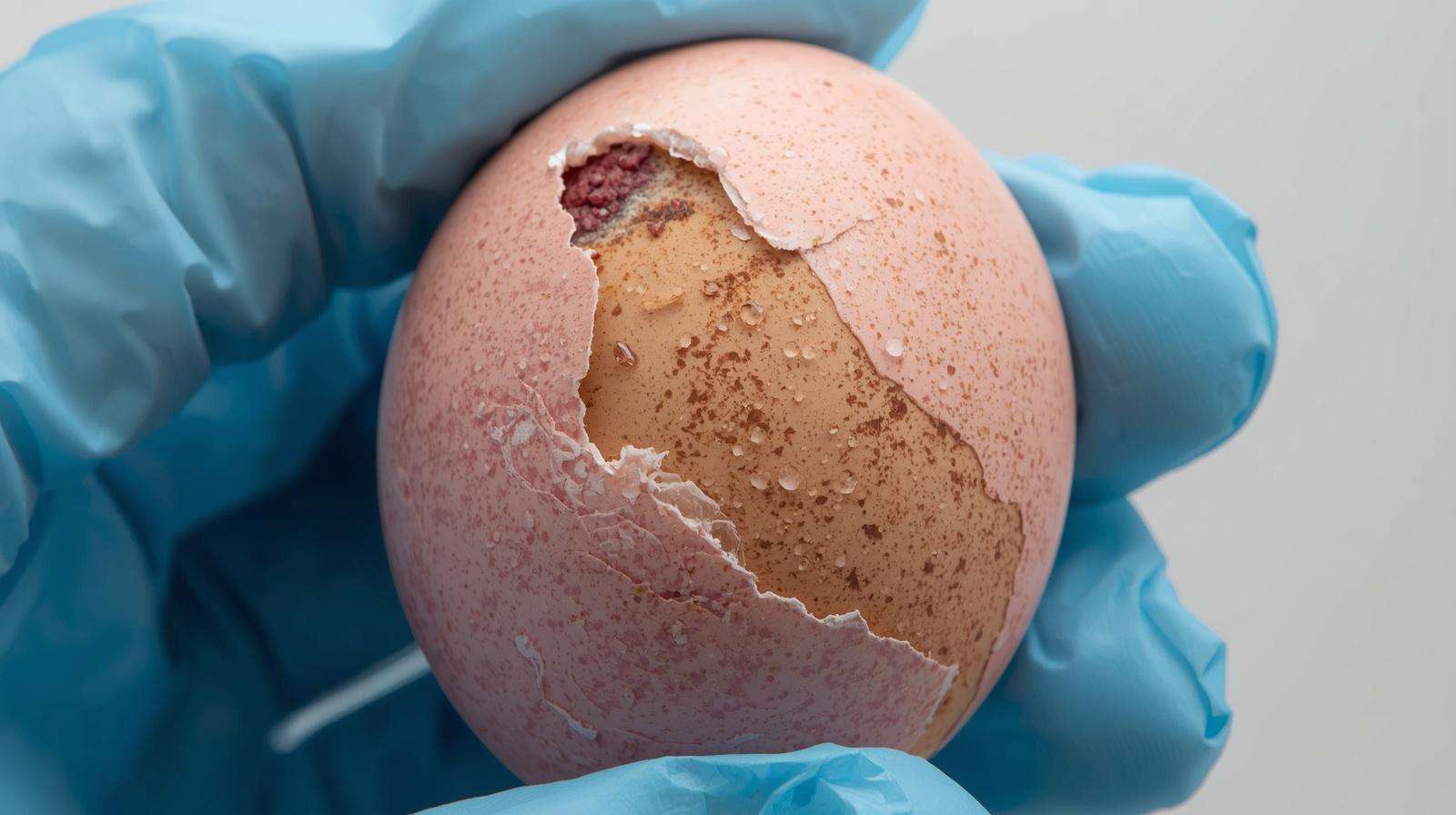
The Role of the Bloom The bloom is the final seal on the egg. When a hen deposits a particularly thick or uniquely textured bloom over a light tan or cream-colored shell, it refracts light differently. This can make the egg appear lavender, plum, or baby pink.
Target Breeds for “Pink” Tints:
-
Croad Langshans: Famous for a natural plum/purple tint.
-
Australorps: Often lay a light brown egg with a distinct pinkish bloom.
-
Easter Eggers: Random crosses can sometimes result in the perfect “tint” genetics.
Expert Tip: To test if an egg is genetically “pink” or just “bloomed,” wet the egg. If the pink color disappears and turns tan when wet, it is the bloom. If the color remains, you are likely looking at a rare variation in protoporphyrin deposition.
5. Dark Brown and Speckled Genetics: The “Heavy Hitters”
To get the “Chocolate” and “Speckled” eggs that anchor a rainbow basket, you need to work with breeds that have highly active shell glands.
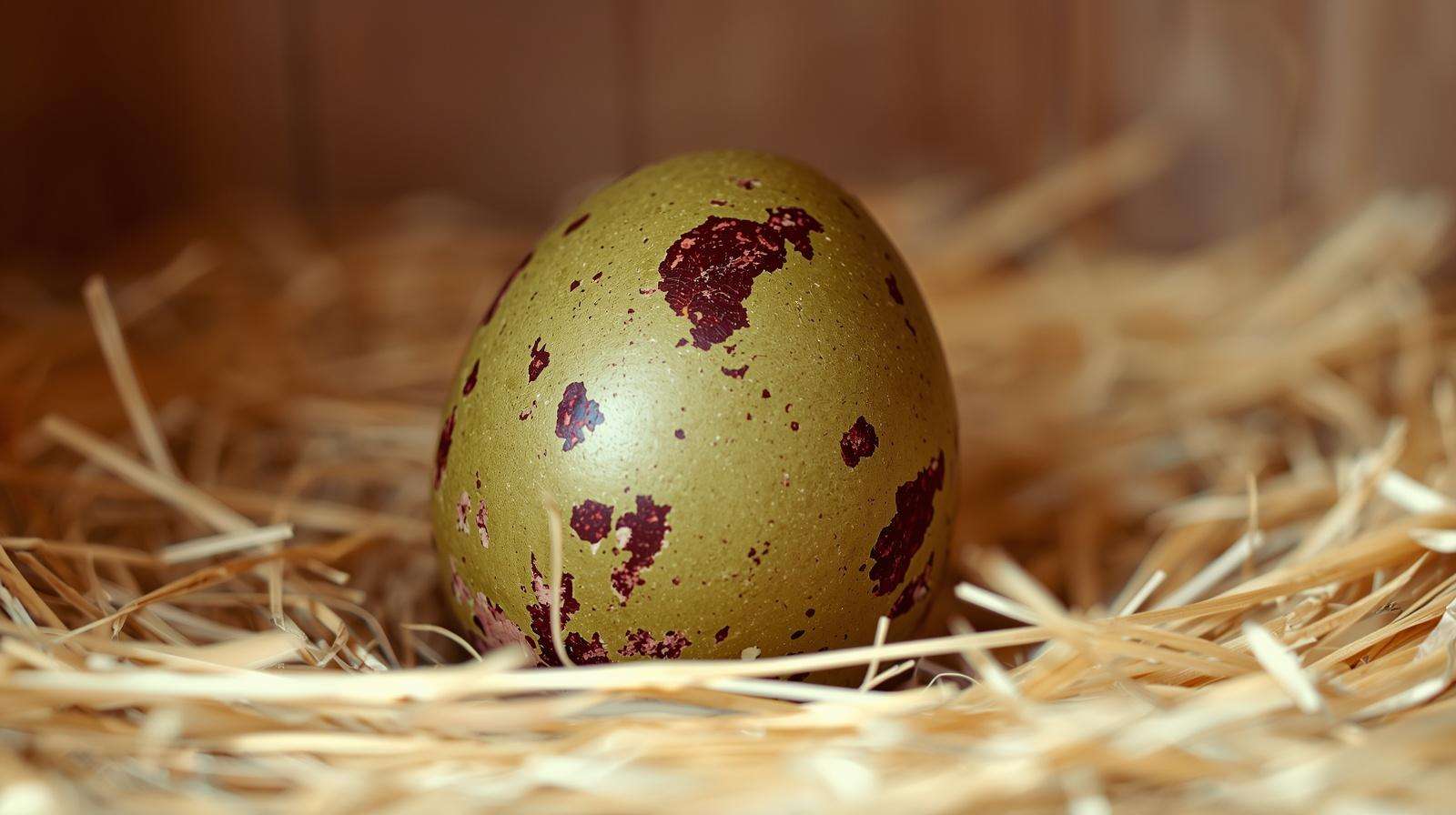
Deep Chocolate Tones Breeds like the Marans (French strains specifically) have been selected for generations to maximize protoporphyrin deposition. The pigment is often laid down in such thick layers that it can look like dried blood or dark chocolate.
The Speckle Gene Speckles occur when the “inkjet printer” of the shell gland misfires or pulses. Instead of a smooth, even coating of brown, the pigment is released in concentrated bursts. The Welsummer and Penedesenca are the masters of this trait.
By crossing a Welsummer (speckled brown) with an Ameraucana (blue), breeders create the “Speckled Olive Egger,” an egg that features dark brown spots over a green base—often considered the “holy grail” of egg color breeding.
6. Egg Color Genetics Breeding Chart
To take the guesswork out of your breeding program, use this chart to predict the offspring’s egg color. Remember: the rooster carries 50% of the genetic potential for egg color, even though he will never lay an egg himself.
| Hen (Egg Color) | Rooster (Background) | Offspring (Target Color) | Generation |
| Blue (Ameraucana) | Dark Brown (Marans) | Deep Olive | F1 Olive Egger |
| White (Leghorn) | Blue (Legbar) | Sky Blue / Mint | Sky Egger |
| Olive (F1) | Dark Brown (Marans) | Heavy/Deep Olive | F1b (Backcross) |
| Olive (F1) | Blue (Legbar) | Spearmint / Sage | F1b (Backcross) |
| Dark Brown (Marans) | Light Brown (RIR) | Terra Cotta | Tinted Egger |
| Blue (Ameraucana) | Speckled Brown (Welsummer) | Speckled Olive | F1 Olive Egger |
7. Factors That Can Alter Genetic Expression
Even with perfect Egg Shell Color Genetics, a hen’s output can vary. It is important for a professional poultry manager to distinguish between a genetic shift and a health-related change.
The “End of Season” Fade
As a hen progresses through her laying cycle, her “ink cartridges” (the shell gland) begin to run low. A Black Copper Marans that laid dark chocolate eggs in March may be laying light tan eggs by August. This is not a change in her genetics; it is simply physical exhaustion of the pigment-producing cells. After a molt and a period of rest, the color typically returns to its full intensity.
The Impact of Stress and Health
Systemic stress—whether from heat, predators, or disease—causes the egg to move more quickly through the oviduct. If the egg spends less time in the shell gland, the pigment deposition will be thin and uneven. Pale eggs can often be an early warning sign of infectious bronchitis or heat stroke in the flock.
The “Bloom” Variation
The intensity of the bloom (the cuticle) can vary daily. One day a hen might lay a matte brown egg, and the next, she might lay one with a heavy, iridescent purple bloom. This is often influenced by the hen’s hydration levels and the temperature within the coop.
8. Advanced Breeding: Homozygous vs. Heterozygous Roosters
If you are serious about breeding for a rainbow basket, you must understand the status of your breeding males.
Testing Your Sires
Since you cannot see the “egg color” of a rooster, you must look at his pedigree.
-
Homozygous Blue (OO): A rooster who inherited the blue gene from both parents. He will produce 100% blue or green egg-laying daughters, regardless of the hen he is bred to.
-
Heterozygous Blue (Oo): A rooster who has only one copy of the gene. Statistically, 50% of his daughters will lay blue/green eggs, while the other 50% will lay based on the hen’s genetics (usually white or brown).
In a professional agricultural setting, keeping a homozygous (OO) rooster is the most efficient way to “lock in” color traits across an entire generation.
9. Frequently Asked Questions (FAQ)
Can a hen change her egg color during her life?
She cannot change the base color (e.g., a blue egger won’t become a brown egger), but the intensity and tint will fluctuate due to age, season, and bloom thickness.
What breed lays the darkest purple eggs?
The Croad Langshan is historically famous for a plum-colored bloom, but for deep, saturated “purple” looks, breeders often aim for a Marans x Ameraucana cross that results in a heavy, pinkish-purple bloom over a dark olive or brown shell.
Is the nutritional value different in blue eggs vs. white eggs?
Scientifically, no. The pigment is purely structural and aesthetic. The nutritional value of an egg is determined by the hen’s diet and access to pasture, not the color of the shell.
How do I breed for a “Heavy Bloom”?
Select hens that consistently lay eggs with a chalky or “dusty” appearance. Breeds like the Black Australorp or certain Marans lines carry the genetics for a thick cuticle. By crossing these, you can intensify the “Silver” or “Pink” effect.
10. Conclusion: Designing Your Future Flock
Mastering Egg Shell Color Genetics turns poultry keeping into a fascinating blend of science and art. By understanding that blue is a structural foundation, brown is a late-stage overlay, and green is a masterful combination of the two, you can stop guessing and start creating.
However, as a subject matter expert, I must offer one final piece of advice: never sacrifice the health, temperament, or egg-laying productivity of your birds for the sake of a shell color. The most beautiful egg in the world is only valuable if it comes from a healthy, robust hen. Build your flock on a foundation of strong genetics, and the rainbow in your basket will be a natural reward for your expertise.
Ready to start your rainbow flock? Begin by identifying the “O” gene in your breeders and let the alchemy of the shell gland do the rest.