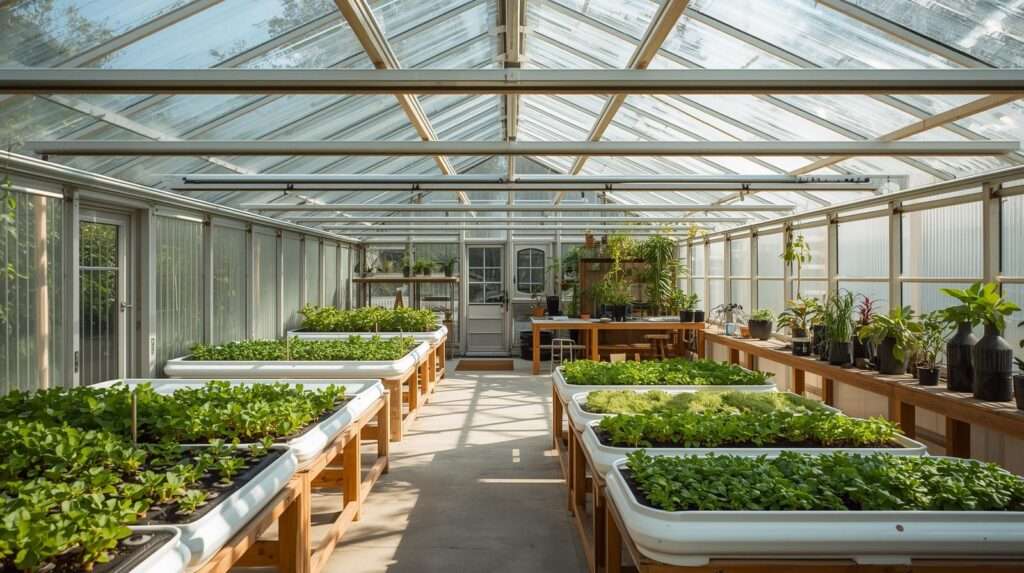
Modern farming is changing fast. Unpredictable weather, rising production costs, limited land space, and year-round market demand are pushing growers to rethink how they cultivate crops. A simple greenhouse is no longer enough. Today, farmers need smarter, more flexible systems that maximize productivity while minimizing waste and operational costs. That is where a Multi-purpose greenhouse design becomes a game changer.
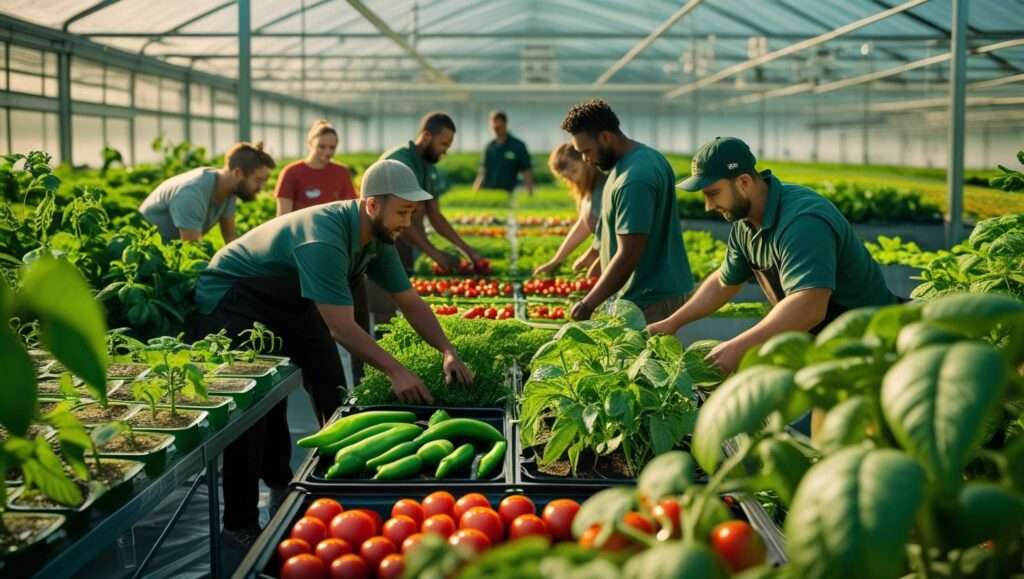
Instead of dedicating an entire greenhouse to a single crop or function, a multi-purpose greenhouse allows growers to combine seedling production, vegetable cultivation, hydroponics, herb farming, storage, and propagation zones within one efficient structure. With proper planning, it can dramatically improve crop yields, reduce risks, and create multiple income streams throughout the year.
Whether you are a small-scale farmer, commercial grower, urban gardener, or agricultural entrepreneur, this comprehensive guide will help you design a greenhouse that is productive, profitable, and sustainable.
What Is a Multi-purpose Greenhouse Design?
A multi-purpose greenhouse design is a greenhouse structure planned to support several agricultural activities simultaneously inside one controlled environment. Unlike traditional greenhouses that focus on a single crop, multi-functional greenhouses are optimized for flexibility, efficiency, and diversified production.
These greenhouses may include:
- Vegetable growing zones
- Nursery and seedling sections
- Hydroponic systems
- Herb cultivation areas
- Composting or storage spaces
- Workstations for transplanting and packaging
The goal is to maximize every square meter of space while maintaining healthy growing conditions for different crops and operations.
Why Modern Growers Prefer Multi-functional Greenhouses
Agriculture is becoming more competitive every year. Farmers who rely on one seasonal crop often face higher risks from market fluctuations, pests, diseases, and climate changes.
A smart greenhouse layout solves these problems by enabling:
- Year-round farming
- Crop diversification
- Better resource efficiency
- Improved environmental control
- Continuous income opportunities
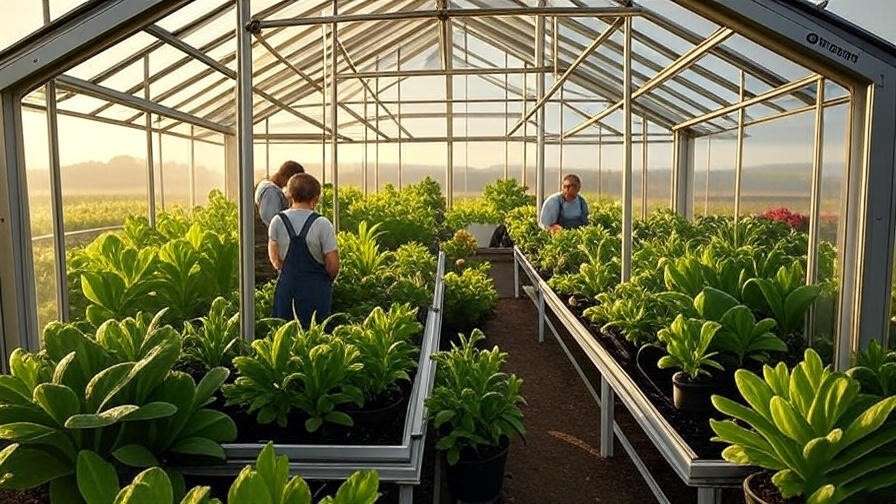
For example, one section of the greenhouse can grow leafy vegetables while another area produces seedlings for future planting cycles. At the same time, vertical racks may support herbs or strawberries.
This approach significantly increases production capacity without expanding land size.
Who Benefits Most From Multi-purpose Greenhouses?
Small-Scale Farmers
Small farmers can maximize limited land and generate more income from diverse crops.
Commercial Growers
Commercial operations benefit from higher efficiency, automation, and production continuity.
Urban Gardeners
Urban growers can produce vegetables, herbs, and microgreens in compact spaces.
Nursery Owners
A greenhouse with dedicated propagation zones improves seedling quality and production speed.
Educational and Research Farms
Agricultural schools and research centers use multi-use greenhouses for demonstrations and experiments.
Major Benefits of a Multi-purpose Greenhouse Design
A well-planned greenhouse offers far more than weather protection. It becomes a controlled ecosystem that improves crop performance, operational efficiency, and profitability.
Year-Round Crop Production
One of the biggest advantages of greenhouse farming is the ability to grow crops beyond normal outdoor seasons.
A climate-controlled greenhouse protects plants from:
- Heavy rain
- Frost
- Heat waves
- Strong winds
- Excess humidity
This stability allows farmers to produce vegetables and herbs continuously throughout the year.
For example:
- Tomatoes can be grown during colder months
- Lettuce production can continue during extreme summer heat
- Seedlings can be prepared early before outdoor planting seasons begin
Year-round production helps growers maintain steady market supply and income.
Better Space Utilization
Traditional farming often wastes vertical space. A multi-purpose greenhouse design uses innovative layouts to maximize production density.
Popular techniques include:
Vertical Farming Systems
Shelves and stacked growing trays increase growing area without expanding the footprint.
Hanging Baskets
Ideal for strawberries, herbs, and ornamental plants.
Multi-layer Benches
Excellent for nursery propagation and microgreens production.
Efficient layouts can double or even triple output in smaller greenhouse structures.
Higher Profit Potential
Diversification reduces financial risk.
Instead of depending on one crop, growers can produce multiple products simultaneously:
- Fresh vegetables
- Herbs
- Seedlings
- Flowers
- Hydroponic greens
- Specialty crops
If one crop experiences price drops or disease outbreaks, other crops can still generate revenue.
This strategy improves long-term farm resilience and profitability.
Improved Pest and Disease Management
Greenhouses provide better environmental control than open-field farming.
A smart greenhouse zoning strategy separates crops according to:
- Humidity needs
- Temperature preferences
- Disease susceptibility
This reduces cross-contamination and pest spread.
Additional advantages include:
- Easier biological pest control
- Reduced pesticide use
- Better sanitation practices
- Lower disease pressure
Healthy plants lead to better yields and higher-quality produce.
Water and Energy Efficiency
Water scarcity is becoming a major concern in agriculture.
Multi-purpose greenhouse systems often use efficient technologies such as:
- Drip irrigation
- Automated watering systems
- Rainwater harvesting
- Mulching
- Water recycling systems
Compared to open-field farming, greenhouses can reduce water usage significantly while improving crop growth.
Energy-efficient materials and insulation also help stabilize temperatures and reduce heating costs.
Key Factors to Consider Before Designing a Multi-purpose Greenhouse
Building a greenhouse without proper planning can lead to poor airflow, inefficient layouts, disease problems, and financial losses.
Before construction begins, evaluate the following factors carefully.
Climate and Environmental Conditions
Your local climate directly affects greenhouse design decisions.
Important considerations include:
Temperature
Hot regions require strong ventilation and cooling systems.
Cold climates may need:
- Insulation
- Thermal curtains
- Heating systems
Humidity
High humidity increases fungal disease risks. Proper airflow becomes essential.
Wind Exposure
Strong winds can damage greenhouse structures and coverings.
Sunlight Availability
Greenhouse orientation should maximize natural light exposure.
In most regions, positioning the greenhouse east-to-west improves winter sunlight penetration.
Available Space and Farm Size
The size of your land determines greenhouse dimensions and layout flexibility.
Small Spaces
Compact designs with vertical farming systems work best.
Medium Farms
Multiple production zones can be integrated efficiently.
Large Commercial Farms
Advanced greenhouse systems with automation and expansion potential become practical.
Always plan future expansion possibilities before finalizing the structure.
Budget Planning
Greenhouse costs vary significantly depending on materials and technology.
Low-Cost Greenhouses
- PVC frames
- Bamboo structures
- Polyethylene covers
Mid-Range Systems
- Steel frames
- Drip irrigation
- Basic automation
High-Tech Greenhouses
- Climate control systems
- Automated fertigation
- Smart sensors
- Hydroponics integration
A well-designed low-cost greenhouse can still be highly productive when managed properly.
Purpose of the Greenhouse
Clearly define your primary goals.
Will the greenhouse focus on:
- Vegetable production?
- Hydroponics?
- Seedling propagation?
- Herb farming?
- Flower cultivation?
- Mixed crop production?
The intended purpose influences:
- Layout design
- Irrigation systems
- Ventilation setup
- Lighting needs
- Crop zoning
Local Market Demand
Growing crops without understanding market demand can reduce profitability.
Research:
- Consumer preferences
- Seasonal price trends
- Local restaurant demand
- Wholesale opportunities
- Specialty crop markets
High-value greenhouse crops often include:
- Tomatoes
- Bell peppers
- Cucumbers
- Lettuce
- Basil
- Strawberries
Producing crops with strong local demand increases income stability.
Best Types of Multi-purpose Greenhouse Structures
Choosing the right greenhouse structure is critical for long-term efficiency and durability.
Tunnel Greenhouses
Tunnel greenhouses are among the most popular low-cost options.
Advantages
- Affordable
- Easy to construct
- Good for beginners
- Suitable for vegetables and herbs
Disadvantages
- Limited height
- Reduced airflow in larger structures
Best for:
- Small farms
- Seasonal crop production
- Low-budget greenhouse farming
Gothic Arch Greenhouses
These structures feature curved roofs with pointed tops.
Benefits
- Excellent rain and snow runoff
- Better air circulation
- Improved structural strength
Gothic designs are ideal for regions with heavy rainfall or snowfall.
Quonset Greenhouses
Quonset greenhouses use semi-circular frames.
Pros
- Cost-effective
- Easy to install
- Good wind resistance
Cons
- Less vertical wall space
- Reduced usable side areas
Best for:
- Moderate climates
- Basic crop production
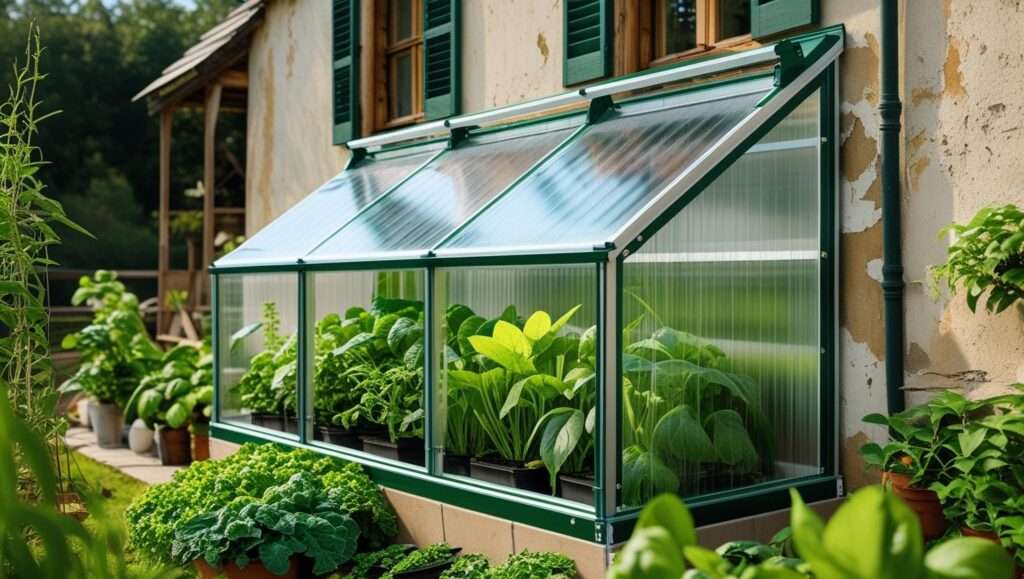
Lean-to Greenhouses
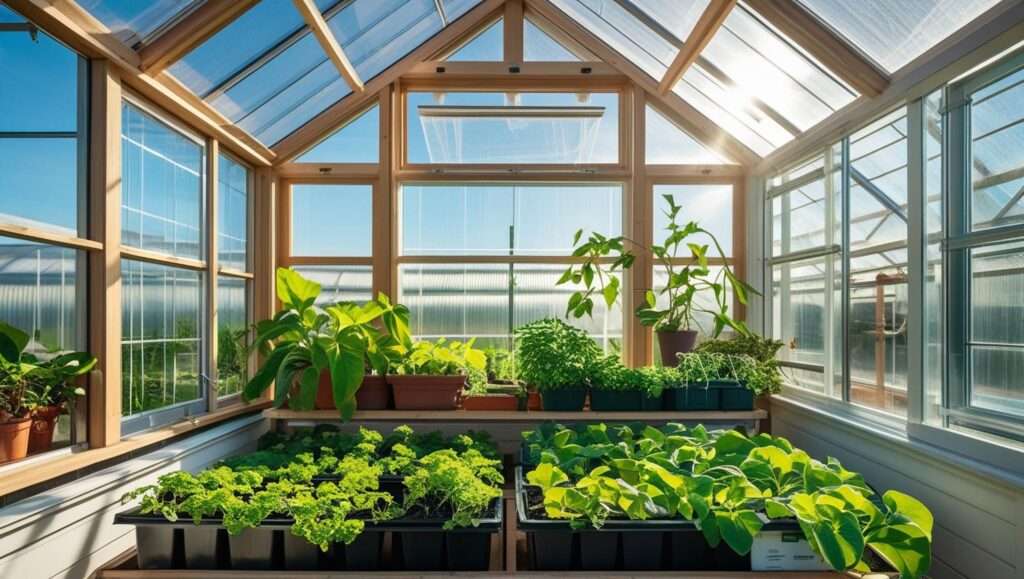
Lean-to structures connect to existing buildings.
Ideal For
- Urban farming
- Home gardening
- Backyard greenhouse projects
Advantages include:
- Lower construction costs
- Shared utilities
- Efficient heat retention
Polycarbonate vs Polyfilm Greenhouses
Polycarbonate Panels
- Durable
- Better insulation
- Longer lifespan
- Higher initial cost
Polyfilm Covers
- Lower cost
- Easier replacement
- Good light transmission
- Shorter lifespan
Commercial growers often prefer polycarbonate for long-term efficiency.
Smart Layout Ideas for a Highly Efficient Multi-purpose Greenhouse
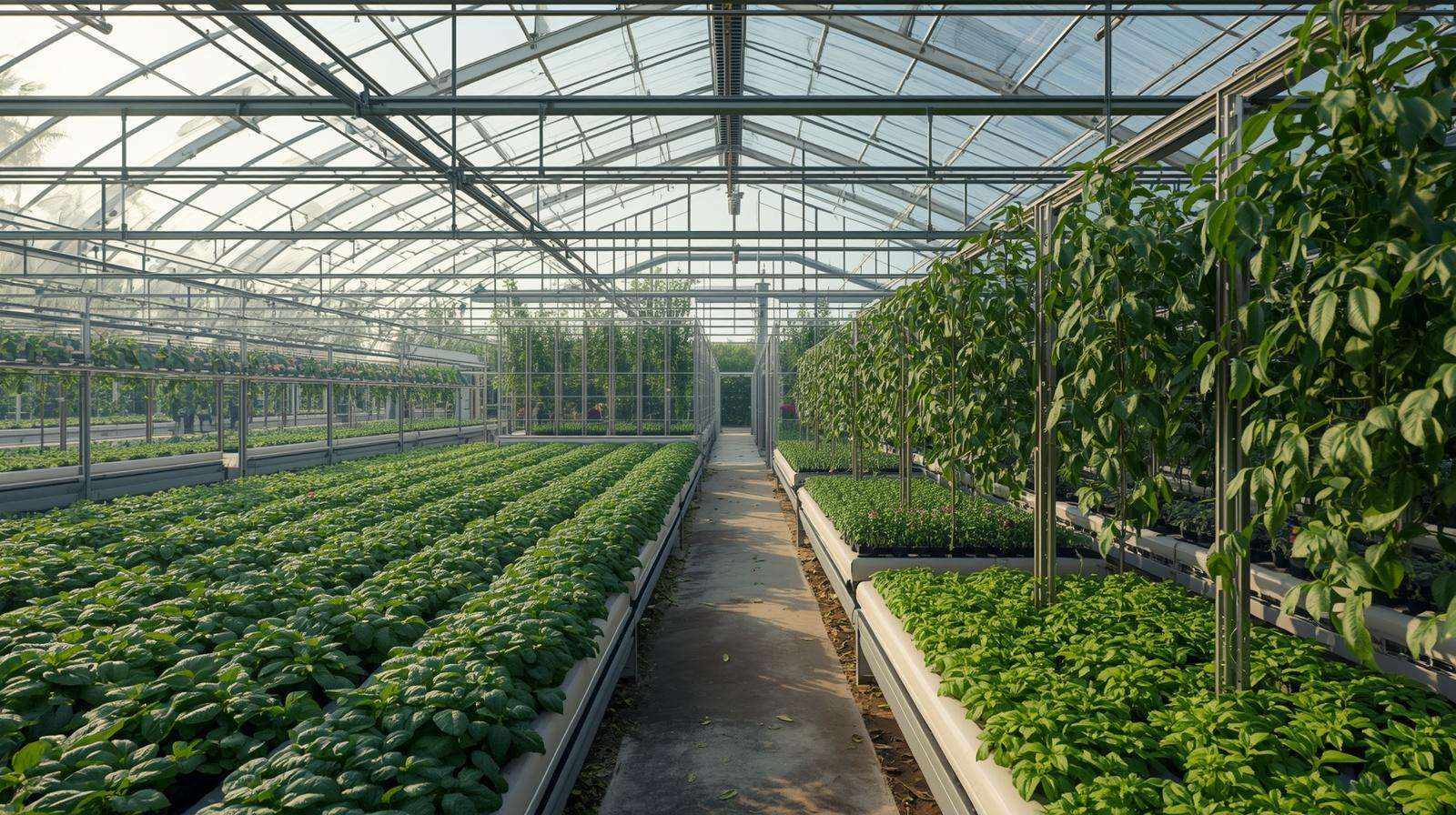
Greenhouse productivity depends heavily on layout efficiency.
Poor planning leads to overcrowding, airflow issues, disease problems, and wasted space.
Zoning Different Growing Areas
A smart greenhouse should separate activities into dedicated zones.
Seed Starting Zone
Maintain higher humidity and warmth for germination.
Vegetable Production Zone
Provide adequate spacing and trellising systems.
Hydroponic Area
Install water reservoirs and nutrient delivery systems.
Storage and Work Area
Keep tools, fertilizers, and harvesting supplies organized.
Zoning improves workflow and environmental management.
Vertical Farming Layouts
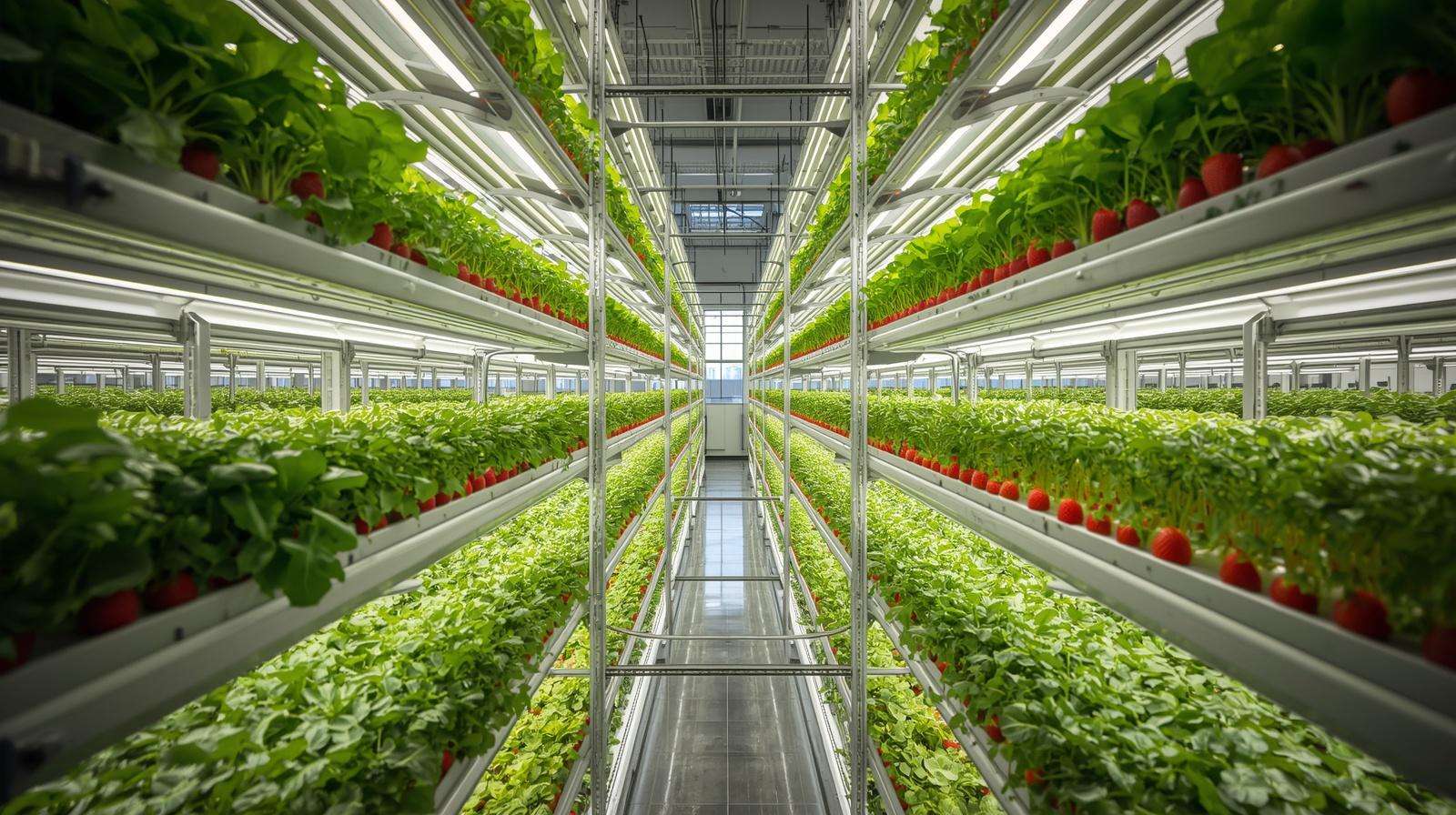
Vertical growing systems dramatically increase output.
Popular options include:
- Vertical towers
- Shelving units
- Hanging baskets
- Wall-mounted planters
These systems work especially well for:
- Lettuce
- Herbs
- Strawberries
- Microgreens
Vertical farming is extremely valuable for small greenhouse spaces.
Central Walkway Design
Never underestimate the importance of proper walkways.
Wide central aisles:
- Improve accessibility
- Simplify harvesting
- Enhance airflow
- Reduce accidental plant damage
Efficient movement saves labor and maintenance time.
Movable Bench Systems
Movable benches increase flexibility and adaptability.
Benefits include:
- Easier crop rotation
- Adjustable layouts
- Improved space management
Commercial greenhouse operations frequently use rolling benches for maximum efficiency.
Companion Planting Inside Greenhouses
Strategic crop combinations can improve productivity naturally.
Examples:
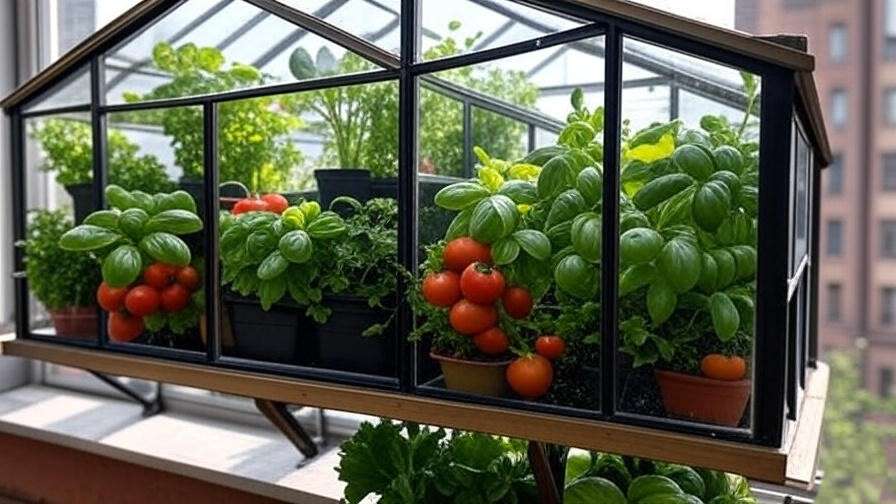
- Basil near tomatoes may help repel pests
- Marigolds can reduce insect pressure
- Lettuce grows well beneath taller crops
Companion planting supports integrated pest management and biodiversity.
Essential Systems Every Multi-purpose Greenhouse Needs
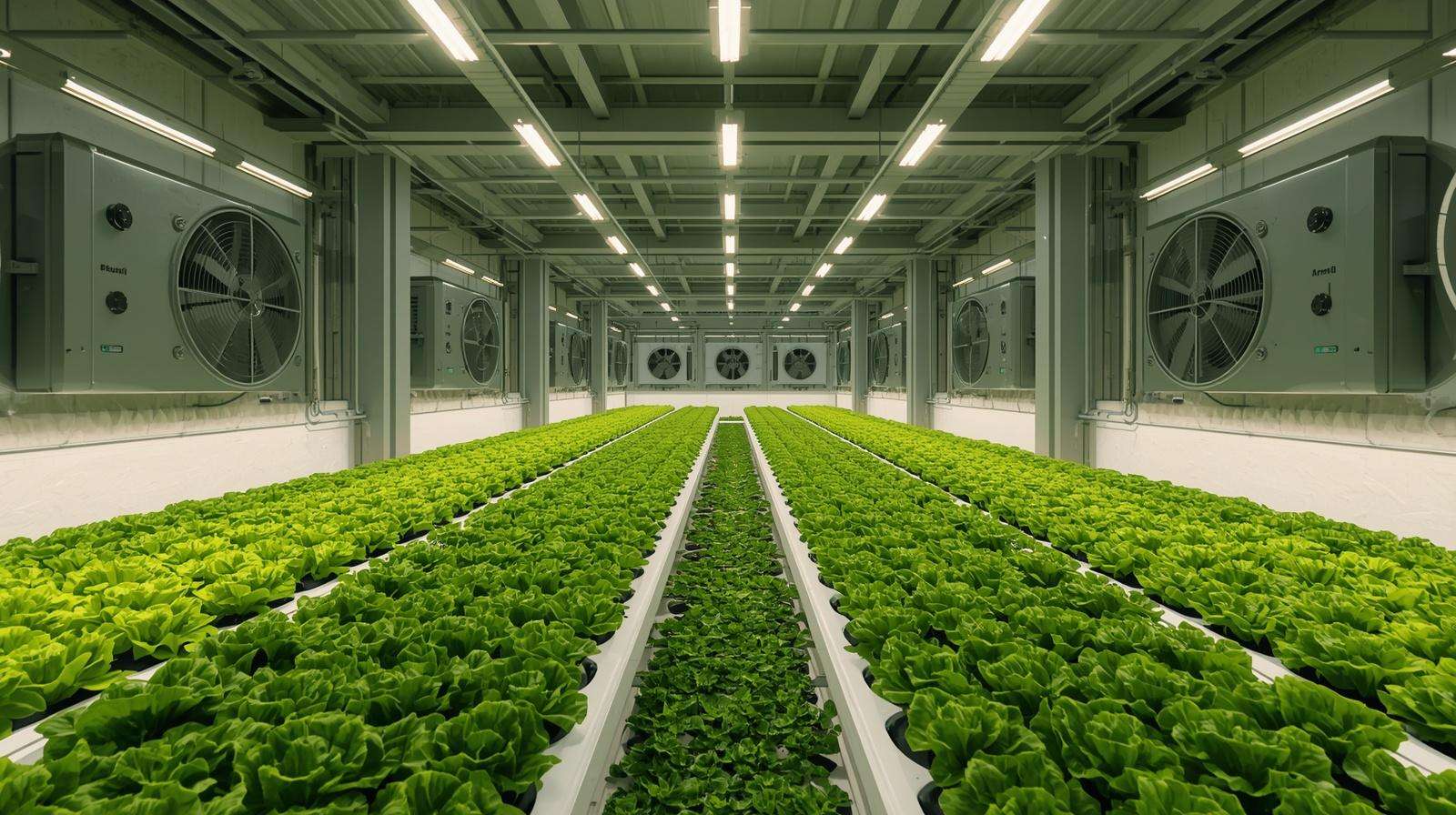
A greenhouse is only as effective as the systems supporting it.
Ventilation Systems
Proper airflow is essential for healthy crop production.
Without ventilation:
- Humidity rises
- Disease spreads faster
- Temperatures become unstable
Natural Ventilation
- Side vents
- Roof vents
- Roll-up walls
Mechanical Ventilation
- Exhaust fans
- Circulation fans
Balanced airflow improves plant health and productivity.
Heating and Cooling Solutions
Temperature management is crucial for year-round greenhouse farming.
Heating Options
- Solar heating
- Gas heaters
- Compost heating systems
Cooling Solutions
- Shade cloths
- Evaporative cooling pads
- Misting systems
Maintaining stable temperatures reduces plant stress.
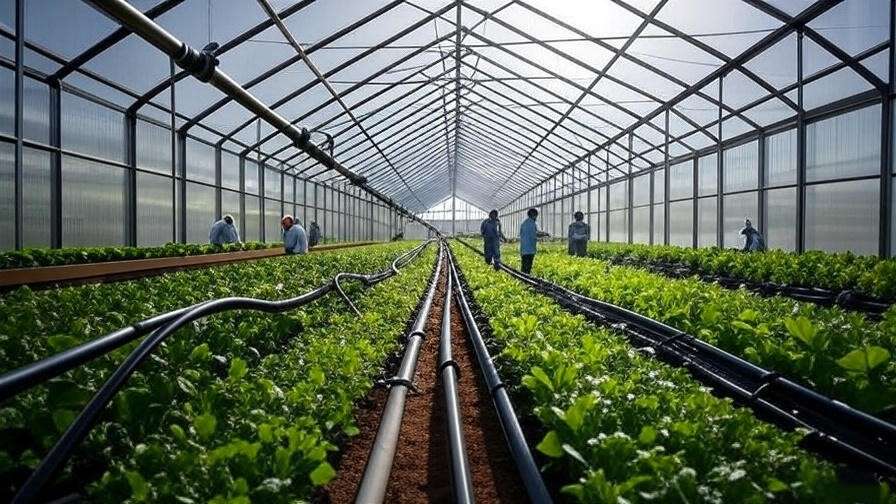
Irrigation Systems
Water management directly impacts crop quality and yield.
Drip Irrigation
Highly efficient and reduces water waste.
Mist Systems
Ideal for seedlings and propagation zones.
Automated Irrigation
Saves labor and improves consistency.
Smart irrigation reduces disease risk caused by overwatering.
Lighting Solutions
Natural sunlight may not always be sufficient.
Supplemental LED grow lights:
- Improve winter production
- Enhance seedling growth
- Increase crop consistency
Energy-efficient LEDs are now widely used in commercial greenhouse systems.
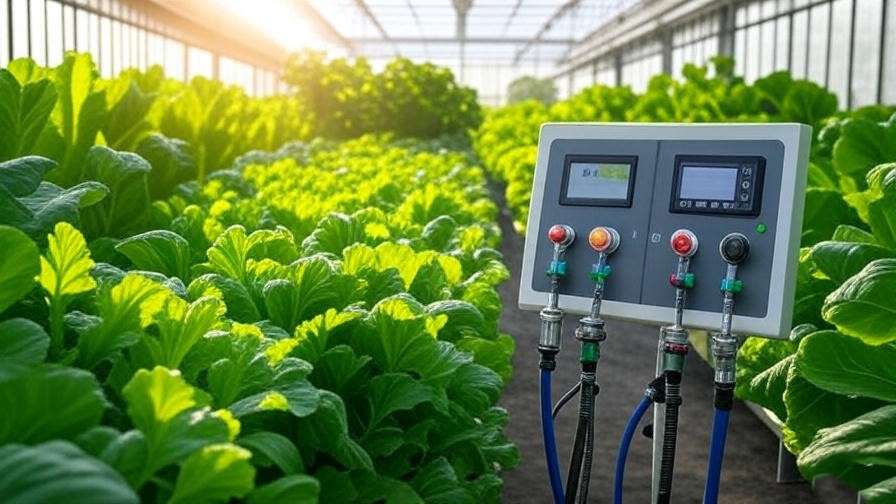
Monitoring and Automation Tools
Modern greenhouse technology allows precise environmental control.
Useful tools include:
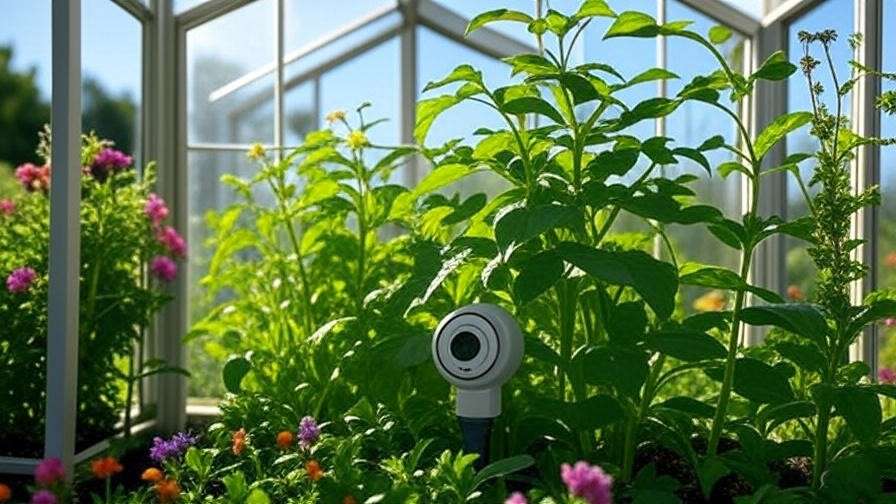
- Temperature sensors
- Humidity monitors
- Soil moisture meters
- Automated climate controllers
Automation improves efficiency and reduces human error.
Best Crops for a Multi-purpose Greenhouse Design
Choosing the right crops is one of the most important decisions in greenhouse farming. A successful multi-purpose greenhouse design should combine fast-growing vegetables, high-value crops, herbs, seedlings, and specialty plants to maximize productivity and profitability throughout the year.
Crop selection should depend on:
- Climate conditions
- Market demand
- Greenhouse size
- Available technology
- Labor availability
- Water resources
Diversifying crops also helps reduce economic risks while improving soil and ecosystem health.
Fast-Growing Vegetables
Fast-growing crops allow growers to harvest more frequently and maintain consistent cash flow.
Lettuce
Lettuce is one of the easiest and most profitable greenhouse crops.
Benefits:
- Short growing cycle
- High market demand
- Suitable for hydroponics
- Low maintenance requirements
Leaf lettuce varieties perform especially well in vertical farming systems.
Spinach
Spinach thrives in controlled environments with moderate temperatures.
Advantages:
- Quick harvest cycle
- Excellent nutritional value
- High demand in urban markets
Proper ventilation helps prevent fungal diseases in spinach production.
Radishes
Radishes mature rapidly, often within 25–35 days.
They are ideal for:
- Crop rotation
- Space optimization
- Beginner greenhouse growers
Green Onions
Green onions grow efficiently in small spaces and can be harvested continuously.
They are suitable for:
- Hydroponic systems
- Raised beds
- Vertical growing trays
High-Value Crops for Better Profitability
Commercial greenhouse growers often prioritize high-value crops to maximize returns per square meter.
Tomatoes
Tomatoes are among the most profitable greenhouse vegetables worldwide.
Why greenhouse tomatoes succeed:
- Controlled pollination
- Better disease management
- Extended growing seasons
- Improved fruit quality
Indeterminate tomato varieties work best for vertical trellising systems.
Important Tips
- Maintain proper pruning
- Use drip irrigation
- Ensure strong ventilation
Cucumbers
Greenhouse cucumbers produce high yields under controlled humidity and temperature conditions.
Benefits:
- Rapid growth
- Continuous harvesting
- Strong market demand
Trellising systems improve airflow and fruit quality.
Bell Peppers
Bell peppers require stable temperatures and adequate lighting.
Advantages:
- Premium market prices
- Long production cycles
- Suitable for hydroponics
Maintaining balanced nutrients is essential for healthy fruit development.
Strawberries
Strawberries are highly profitable in protected cultivation systems.
Why growers prefer greenhouse strawberries:
- Reduced pest damage
- Better fruit quality
- Off-season production opportunities
Vertical strawberry towers maximize space efficiency.
Herbs and Medicinal Plants
Herbs require relatively little space and often deliver excellent profits.
Basil
Basil is one of the most popular greenhouse herbs due to its strong demand in restaurants and supermarkets.
Benefits:
- Fast growth
- High value
- Excellent companion plant for tomatoes
Mint
Mint grows aggressively and performs well in containers or controlled beds.
Important:
- Prevent uncontrolled spreading
- Maintain adequate airflow
Coriander (Cilantro)
Coriander thrives in cool greenhouse conditions and is highly valued in culinary markets.
Aloe Vera
Aloe vera is suitable for growers interested in medicinal or cosmetic plant markets.
Advantages:
- Drought tolerance
- Minimal maintenance
- Long-term profitability
Nursery and Seedling Production
One major advantage of a multi-purpose greenhouse design is the ability to produce healthy seedlings year-round.
Benefits of Seedling Production
- Higher germination rates
- Faster early growth
- Protection from pests and weather
- Stronger transplant survival
Common nursery crops include:
- Tomato seedlings
- Pepper seedlings
- Cabbage seedlings
- Flower seedlings
Seedling production can become an additional income stream for greenhouse owners.
Hydroponic-Friendly Crops
Hydroponics integrates perfectly into multi-functional greenhouse systems.
Popular hydroponic crops include:
- Lettuce
- Kale
- Spinach
- Basil
- Microgreens
Hydroponic farming offers:
- Faster growth
- Reduced water usage
- Cleaner production systems
- Higher density planting
Many modern smart greenhouse systems combine hydroponics with automation for maximum efficiency.
Low-Cost Multi-purpose Greenhouse Design Ideas for Small Farmers
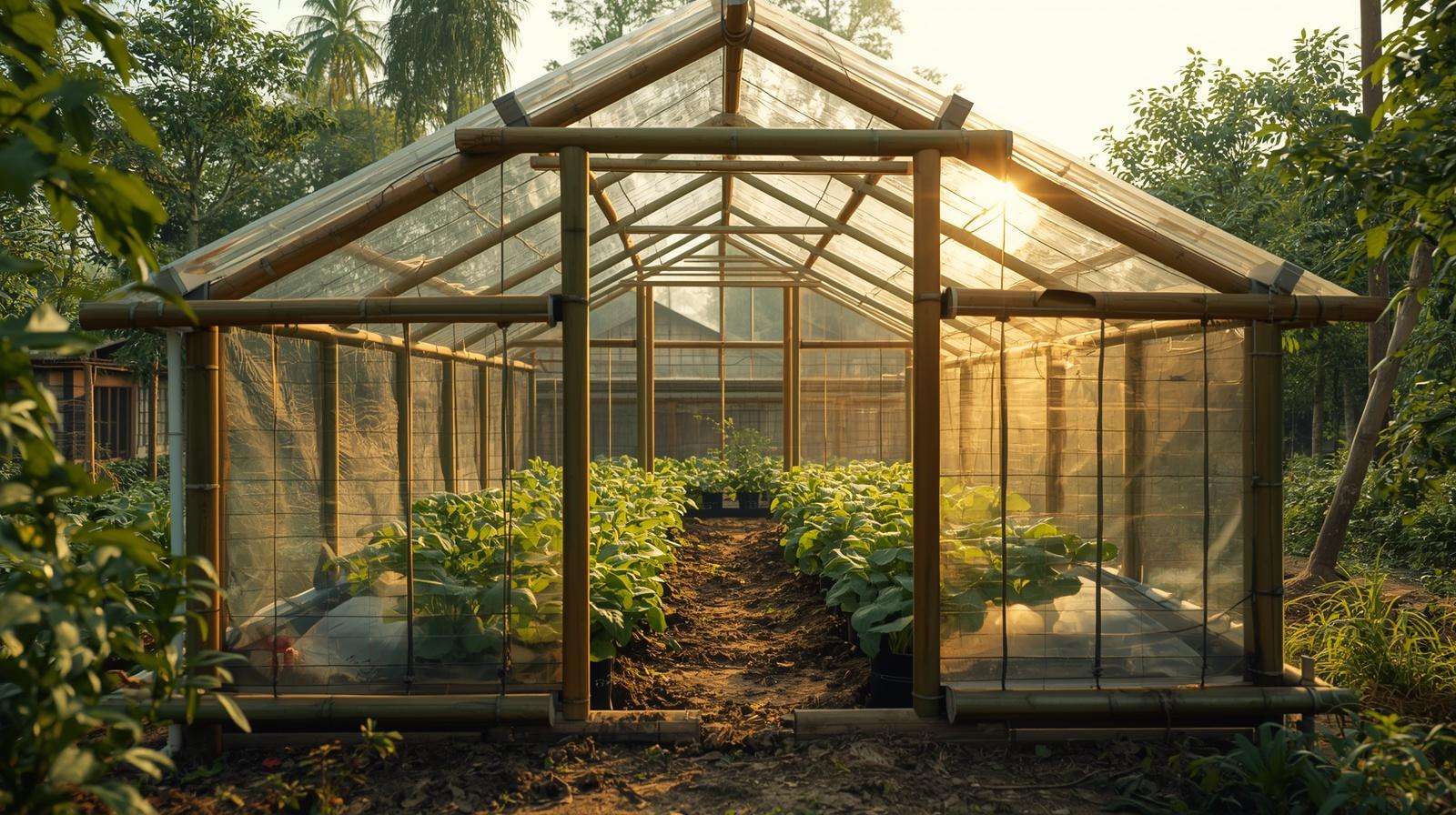
Not every grower has a large investment budget. Fortunately, highly productive greenhouse systems can still be built using affordable materials and simple technologies.
Small-scale farmers can create efficient greenhouse environments without overspending.
DIY Greenhouse Materials
Affordable greenhouse construction materials include:
Bamboo
Bamboo is:
- Strong
- Renewable
- Inexpensive
- Widely available in many regions
Proper treatment improves durability and resistance to moisture.
PVC Pipes
PVC pipe structures are lightweight and easy to assemble.
Advantages:
- Budget-friendly
- Flexible
- Ideal for small tunnel greenhouses
Recycled Materials
Reusing available materials can significantly reduce costs.
Examples:
- Recycled wood
- Old windows
- Plastic containers
- Reclaimed metal frames
However, ensure structural safety and proper sanitation before use.
Affordable Ventilation Techniques
Ventilation is critical, even in low-cost greenhouse systems.
Budget-friendly ventilation solutions include:
Manual Side Roll-Ups
These allow growers to regulate airflow naturally without expensive automation.
Benefits:
- Low installation cost
- Easy maintenance
- Effective temperature control
Shade Netting
Shade cloth reduces excessive heat and protects sensitive crops during hot weather.
Common shade levels:
- 30%
- 50%
- 70%
The correct shade percentage depends on crop type and climate conditions.
Budget Irrigation Systems
Efficient irrigation improves crop quality while conserving water.
Gravity-Fed Drip Irrigation
This simple system uses elevated water tanks to create natural water pressure.
Advantages:
- No electricity required
- Low operating cost
- Reduced water waste
Rain Barrel Irrigation
Rainwater harvesting lowers water expenses and improves sustainability.
Collected rainwater can support:
- Drip systems
- Seedling production
- Supplemental irrigation
How to Reduce Operating Costs
Reducing ongoing expenses is essential for long-term profitability.
Solar-Powered Fans
Solar ventilation systems help reduce electricity costs while improving airflow.
Mulching
Mulch helps:
- Retain soil moisture
- Reduce weed growth
- Stabilize soil temperatures
Organic mulch also improves soil structure over time.
Water Recycling
Reusing irrigation runoff reduces water consumption and fertilizer waste.
Commercial hydroponic systems frequently recycle nutrient solutions for efficiency.
Common Mistakes to Avoid in Multi-purpose Greenhouse Planning
Even experienced growers sometimes make costly greenhouse mistakes. Avoiding these problems early can save money, labor, and crop losses.
Poor Ventilation Design
Insufficient airflow creates ideal conditions for:
- Fungal diseases
- Mold
- Heat stress
- Poor pollination
Always prioritize proper ventilation during greenhouse planning.
Overcrowding Plants
Trying to maximize production by planting too densely often backfires.
Overcrowding leads to:
- Reduced airflow
- Increased disease pressure
- Lower crop quality
- Competition for nutrients and light
Healthy spacing improves overall productivity.
Ignoring Drainage
Poor drainage causes:
- Root rot
- Waterlogging
- Nutrient imbalances
Ensure greenhouse floors and growing beds drain effectively.
Using the Wrong Covering Material
Different greenhouse covers suit different climates and budgets.
Choosing low-quality materials may result in:
- Poor insulation
- Reduced light transmission
- Frequent replacement costs
Invest in durable, UV-resistant greenhouse coverings whenever possible.
Lack of Crop Rotation
Growing the same crops repeatedly increases:
- Soil diseases
- Pest populations
- Nutrient depletion
Rotating crops improves soil health and reduces long-term risks.
Underestimating Maintenance Needs
Greenhouses require regular maintenance, including:
- Cleaning
- Pest monitoring
- Equipment inspection
- Irrigation maintenance
Neglecting maintenance can quickly reduce productivity.
Sample Multi-purpose Greenhouse Layout Plans
Efficient greenhouse layouts improve workflow, environmental control, and crop performance.
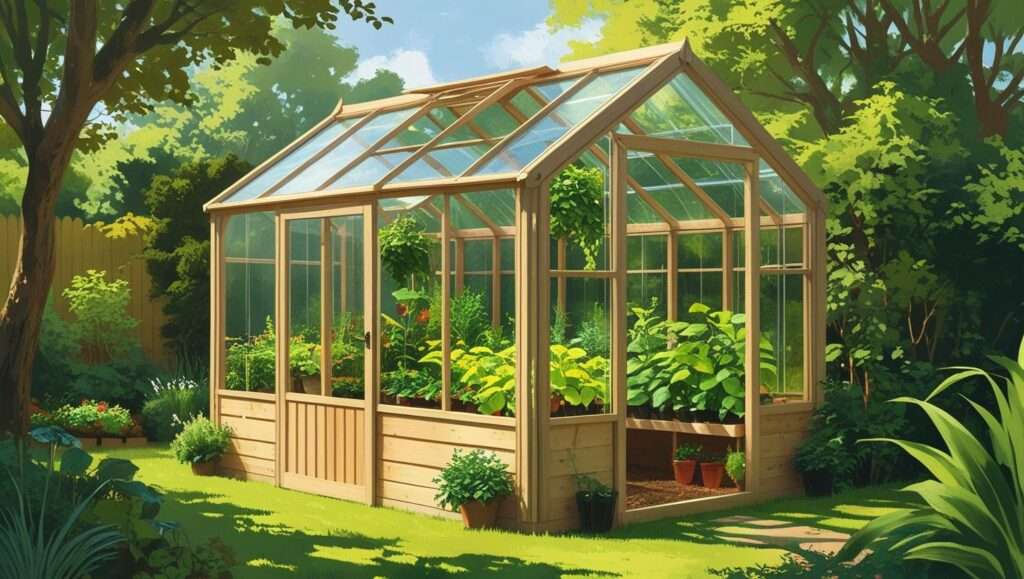
Small Backyard Greenhouse Layout
Ideal for:
- Home gardeners
- Urban farming
- Beginners
Suggested Layout
- One central walkway
- Raised beds on both sides
- Vertical herb shelves
- Small seedling bench near entrance
Recommended crops:
- Lettuce
- Herbs
- Tomatoes
- Peppers
Medium Commercial Greenhouse Plan
Suitable for small commercial farms.
Example Zones
- Seedling propagation area
- Vegetable production zone
- Hydroponic section
- Storage and packing station
This layout improves operational efficiency and crop organization.
Advanced Smart Greenhouse Layout
Modern commercial greenhouses often include automation and climate-control technology.
Features
- Automated irrigation
- Sensor-controlled ventilation
- LED grow lighting
- Climate monitoring systems
- Computerized fertigation
Smart greenhouses optimize productivity while reducing labor requirements.
Seasonal Layout Adjustments
Greenhouse layouts should adapt to seasonal changes.
Summer Adjustments
- Increase ventilation
- Add shade cloth
- Expand heat-tolerant crops
Winter Adjustments
- Improve insulation
- Add supplemental lighting
- Focus on cold-tolerant vegetables
Flexible greenhouse planning improves year-round performance.
Expert Tips to Increase Productivity and Profitability
Successful greenhouse growers continuously optimize their systems.
Rotate Crops Strategically
Crop rotation:
- Reduces pest buildup
- Improves soil health
- Balances nutrient usage
Rotate leafy greens, fruiting vegetables, and root crops whenever possible.
Use Climate-Resilient Varieties
Choose crop varieties suited to greenhouse environments and local climate conditions.
Look for:
- Disease resistance
- Heat tolerance
- High productivity
- Market demand
Implement Integrated Pest Management (IPM)
Integrated Pest Management combines:
- Biological controls
- Monitoring
- Cultural practices
- Minimal pesticide use
Common greenhouse IPM methods include:
- Sticky traps
- Beneficial insects
- Sanitation protocols
Track Yield and Environmental Data
Monitoring performance helps identify areas for improvement.
Track:
- Temperature
- Humidity
- Crop yields
- Irrigation schedules
- Disease outbreaks
Data-driven management improves long-term efficiency.
Diversify Income Streams
A smart greenhouse should support multiple revenue sources.
Potential products include:
- Fresh vegetables
- Herbs
- Seedlings
- Flowers
- Organic produce
- Hydroponic greens
Diversification strengthens financial stability.
Sustainability Practices for Modern Greenhouse Farming
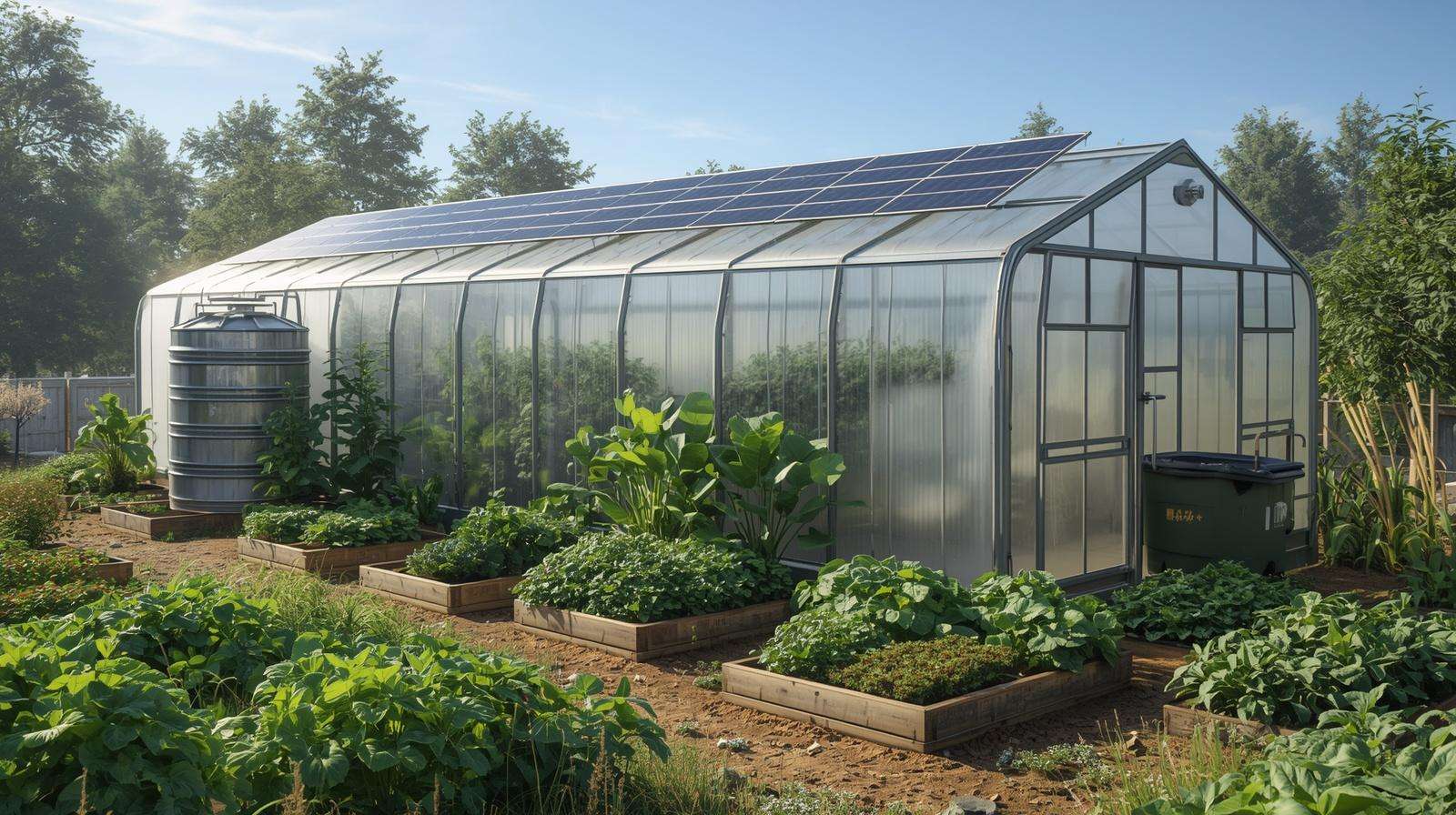
Sustainability is becoming one of the most important priorities in modern agriculture. Farmers are under increasing pressure to produce more food while conserving water, reducing waste, and lowering environmental impact.
A well-planned multi-purpose greenhouse design supports sustainable farming by improving resource efficiency and reducing unnecessary inputs.
Growers who implement eco-friendly greenhouse practices often benefit from:
- Lower operating costs
- Better crop quality
- Improved soil health
- Increased long-term profitability
- Stronger consumer trust
Below are some of the most effective sustainability strategies for greenhouse farming.
Rainwater Harvesting
Water conservation is essential for sustainable agriculture, especially in regions facing drought or water shortages.
Rainwater harvesting systems collect and store rainwater from greenhouse roofs for later use.
Benefits of Rainwater Harvesting
- Reduces dependence on groundwater
- Lowers irrigation costs
- Provides a backup water supply
- Improves overall water efficiency
Collected rainwater can be used for:
- Drip irrigation
- Seedling trays
- Hydroponic systems
- Cleaning greenhouse equipment
Installing gutters and storage tanks is often a simple and affordable improvement for greenhouse operations.
Composting Systems
Greenhouse farms generate plant waste regularly.
Instead of discarding:
- Dead leaves
- Crop residues
- Pruned stems
- Organic waste
These materials can be composted and reused as natural fertilizer.
Advantages of Composting
- Improves soil structure
- Enhances microbial activity
- Reduces fertilizer costs
- Minimizes organic waste
Compost also improves moisture retention in greenhouse growing beds.
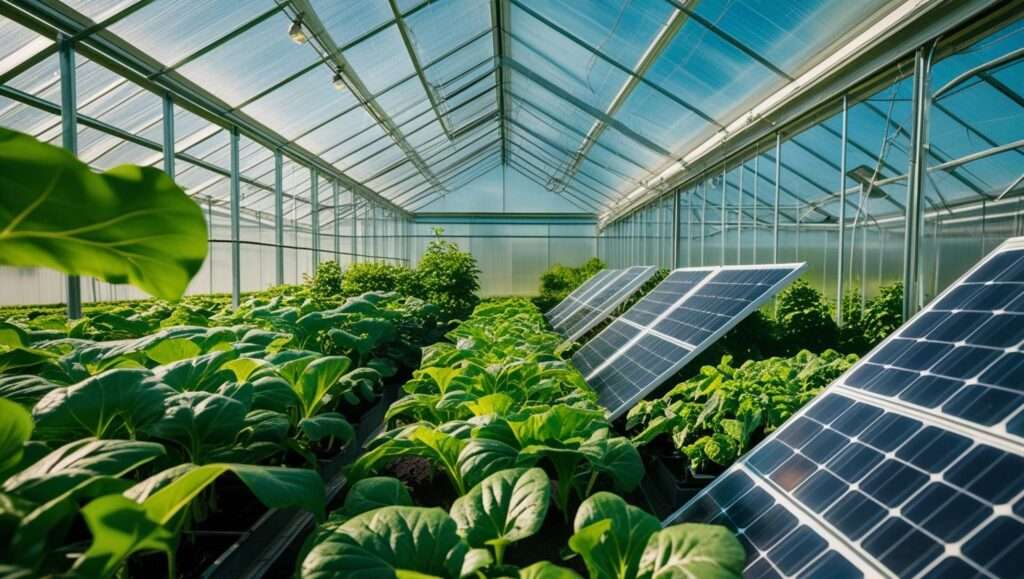
Solar Energy Integration
Energy costs can become a major expense in greenhouse farming, especially when using:
- Ventilation systems
- Irrigation pumps
- Lighting
- Heating equipment
Solar energy provides a sustainable solution.
Common Solar Applications
- Solar-powered fans
- Solar irrigation pumps
- LED lighting support
- Battery backup systems
Although initial installation costs may be higher, solar systems often reduce long-term electricity expenses significantly.
Organic Growing Techniques
Consumers increasingly prefer chemical-free and organically grown produce.
Greenhouses are ideal environments for organic farming because they provide better control over pests and diseases.
Organic Greenhouse Practices Include:
- Compost-based fertilization
- Biological pest control
- Crop rotation
- Companion planting
- Neem oil and natural sprays
Organic greenhouse products often command premium market prices.
Reducing Plastic Waste
Many greenhouse operations rely heavily on plastic materials.
Reducing plastic waste helps improve environmental sustainability.
Practical Solutions
- Use durable greenhouse coverings
- Recycle old plastic films
- Choose reusable seedling trays
- Reduce single-use packaging
Investing in longer-lasting materials lowers replacement frequency and waste generation.
Frequently Asked Questions About Multi-purpose Greenhouse Design
Many growers have similar questions when planning their greenhouse systems. Below are answers to some of the most common concerns.
What Is the Ideal Size for a Multi-purpose Greenhouse?
The ideal size depends on:
- Available land
- Budget
- Crop goals
- Production scale
For home gardeners, a small greenhouse measuring 10×12 feet may be sufficient.
Commercial growers often require much larger structures with multiple production zones.
The best approach is to start with a manageable size while leaving room for future expansion.
Which Crops Grow Best Together Inside a Greenhouse?
Some crops complement each other well in greenhouse environments.
Good Companion Combinations
- Tomatoes and basil
- Lettuce and radishes
- Cucumbers and herbs
- Peppers and onions
Companion planting may help:
- Improve space usage
- Reduce pests
- Increase biodiversity
However, avoid combining crops with drastically different humidity or temperature requirements.
How Much Does It Cost to Build a Greenhouse?
Greenhouse construction costs vary widely.
Approximate Cost Ranges
Low-Cost Greenhouse
- PVC or bamboo structure
- Polyfilm covering
- Manual ventilation
Estimated cost:
- Budget-friendly and suitable for beginners
Medium-Range Greenhouse
- Steel frame
- Drip irrigation
- Basic automation
Advanced Smart Greenhouse
- Climate control systems
- Hydroponics
- Automated fertigation
- LED lighting
Costs increase based on technology and size.
Proper planning helps avoid unnecessary expenses.
Can a Greenhouse Work in Hot Climates?
Yes, greenhouse farming can succeed in hot climates with proper cooling strategies.
Important measures include:
- Shade cloth installation
- Strong ventilation
- Evaporative cooling systems
- Heat-tolerant crop varieties
Careful temperature management prevents heat stress and crop damage.
Is Hydroponics Suitable for Multi-purpose Greenhouse Systems?
Absolutely.
Hydroponics works extremely well in multi-purpose greenhouse designs because it:
- Saves water
- Increases crop density
- Improves growth speed
- Reduces soil-related diseases
Hydroponic systems are especially effective for:
- Lettuce
- Herbs
- Microgreens
- Strawberries
Many commercial greenhouse operations combine hydroponics with vertical farming for maximum productivity.
How Do I Control Humidity Naturally?
Natural humidity control methods include:
- Proper ventilation
- Spacing plants correctly
- Watering early in the day
- Using circulation fans
- Avoiding overwatering
Maintaining balanced humidity reduces fungal diseases and improves crop health.
Final Thoughts
Agriculture is evolving rapidly, and growers who adapt to smarter production systems are more likely to succeed in the future.
A well-planned multi-purpose greenhouse design is far more than a protective structure. It is a strategic investment that improves productivity, increases flexibility, conserves resources, and creates year-round farming opportunities.
By combining:
- Smart greenhouse layouts
- Efficient irrigation systems
- Proper ventilation
- Crop diversification
- Sustainable farming practices
Growers can transform even small spaces into highly productive agricultural systems.
Whether you are building a low-cost backyard greenhouse or a fully automated commercial structure, the key to success lies in careful planning and efficient management.
Start small if necessary, learn continuously, and expand strategically over time.
The future of sustainable farming belongs to growers who maximize efficiency while protecting resources — and multi-purpose greenhouse systems are leading that transformation.