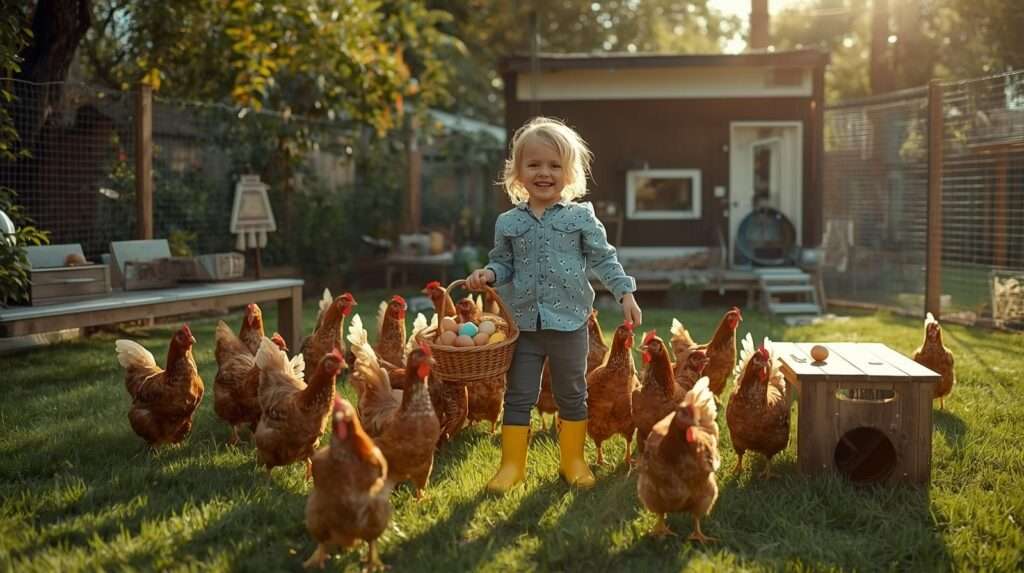
There is an undeniable magic in a farm-to-table childhood—the sound of little boots crunching on gravel, the wide-eyed wonder of discovering a warm, sky-blue egg in a nesting box, and the soft clucking of a backyard flock. However, for many parents, this idyllic scene is often shadowed by the pragmatic anxiety of what lies beneath those bare feet. Between the very real risks of Salmonella and the sheer logistical nightmare of tracking chicken manure onto the living room carpet, the “dream” can quickly feel like a biological hazard zone. To maintain the joy of the homestead without the constant fear of illness, families must move away from impractical, sterile ideals and instead implement Realistic Hygiene Rules that prioritize high-impact safety while respecting the messy reality of shared outdoor spaces.
Managing a shared yard requires a transition from being a casual “chicken owner” to an “environmental manager.” As a subject matter expert in agricultural guidelines, I have seen that the most successful family farms are not the ones that try to eliminate every germ, but those that create smart, sustainable boundaries. In this guide, we will explore how to protect your children from zoonotic risks, manage the inevitable manure, and create a biosecurity flow that keeps the “farm” at the door.
1. Zoonotic Reality: What Are We Actually Protecting Against?
To enforce safety effectively, we must first understand the invisible players. Chickens are “asymptomatic carriers” of several pathogens. This means a hen can look perfectly healthy, with glossy feathers and a bright red comb, while shedding millions of bacteria in her droppings.
Salmonella and Campylobacter These are the primary concerns for backyard keepers. According to the CDC, poultry-associated outbreaks often stem not from the birds themselves, but from the “hand-to-mouth” pathway. Children, particularly those under the age of five, are developmentally prone to touching their faces, putting fingers in their mouths, or even sharing snacks with their feathered friends. Their immune systems are also still developing, making them more susceptible to severe dehydration and gastric distress if an infection takes hold.
Environmental Persistence Bacteria like Salmonella are remarkably resilient. They can survive for weeks in damp soil, on the wooden surfaces of a play set, or even on the “dust” that blows off a chicken’s feathers during a dust bath. This persistence is why Realistic Hygiene Rules must focus on the environment as much as the animals.
2. Zoning Your Yard: The “Red, Yellow, Green” System
The most effective way to manage hygiene is to stop treating the yard as one giant space. Instead, divide your property into zones based on bacterial risk.
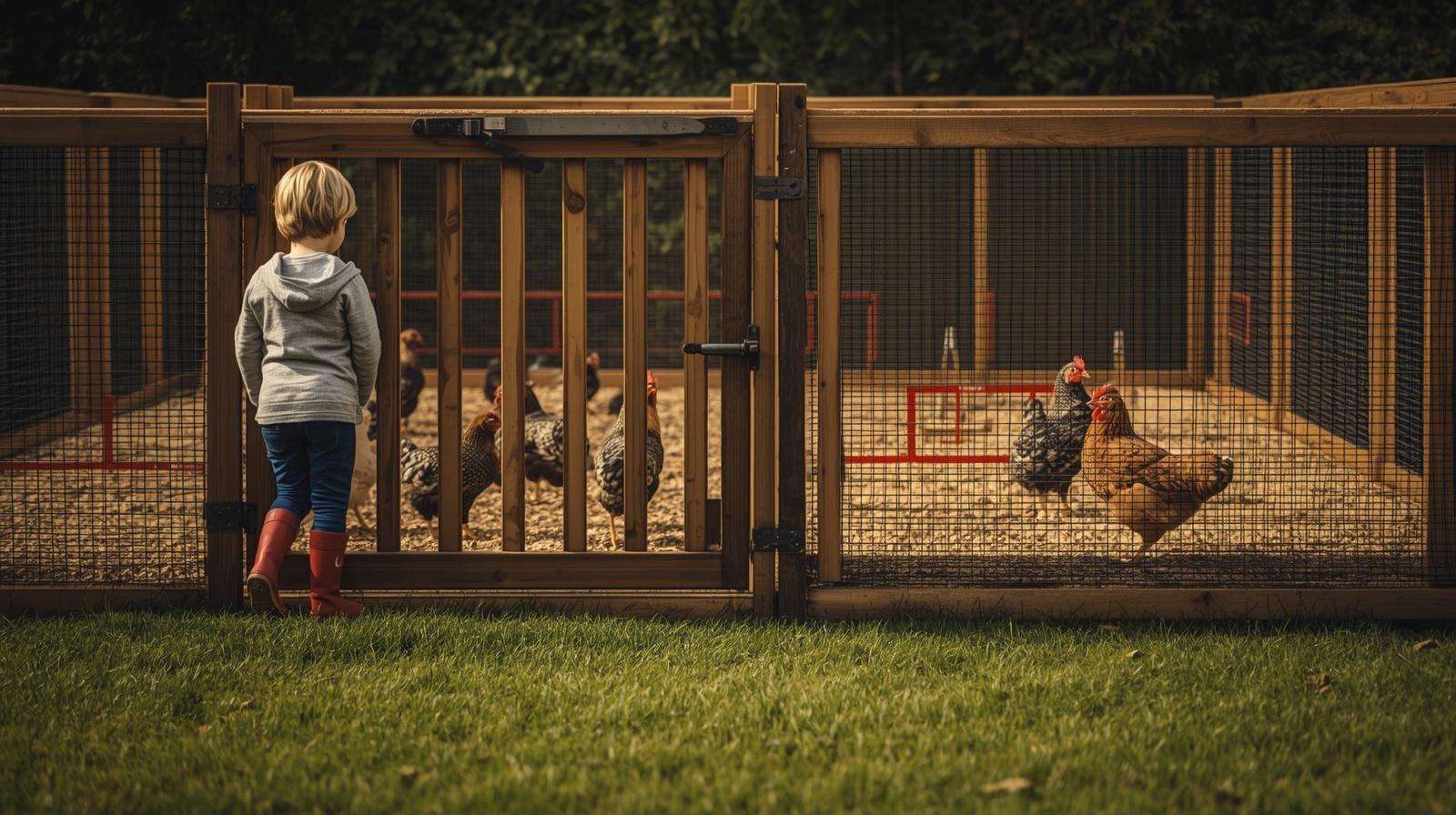
The Red Zone: The Coop and Run This is the highest-risk area. The concentration of manure and dander is at its peak here.
-
The Rule: This is a “Shoes-Only” zone. Children should never enter the coop or run barefoot. Ideally, have a dedicated pair of “coop boots” (like rubber Wellies) that live right at the gate. These boots never leave the Red Zone.
The Yellow Zone: The Shared Yard This is the “buffer zone” where the kids play and the chickens free-range.
-
The Strategy: Management here is about dilution. By encouraging your chickens to spend more time in the back of the lot (using fencing or treats), you reduce the “manure load” near the swing set or the patio. This is the area where “barefoot play” is most tempting but requires the most oversight.
The Green Zone: The Porch and Home The interior of your home and your immediate entry porch must be a sanctuary.
-
The Boundary: This is a “No-Chicken” zone. Using small picket fences or “invisible” barriers like motion-activated sprinklers can keep birds from loitering on the porch, which is the number one cause of manure being tracked into the house on human feet.
3. Managing Manure: The Secret to a Shared Space
Manure management is the cornerstone of backyard biosecurity. If you can control the waste, you control the pathogens.
The Daily “Poop Scoop” Routine Expert advice: Don’t wait for a “deep clean” weekend. Spend five minutes every morning with a long-handled pooper scooper (the kind used for dogs) and clear the high-traffic areas. Focus on the patio, the base of the slide, and the path to the car. By removing fresh droppings, you prevent them from being stepped on, smeared, and dried into “fecal dust” that can be inhaled or caught on clothing.
Dealing with “Chicken Glop” vs. Dried Manure Fresh manure is a contact risk, but dried manure is an inhalation risk. If you find dried manure on a play set, do not scrape it off dry. Mist it with a water-white vinegar solution first to “dampen” the dust, then wipe it away. This simple step prevents bacterial particles from becoming airborne.
Safe Composting Never leave a manure pile accessible to children. A “hot” compost bin that is fully enclosed is a requirement for a family yard. Not only does this prevent kids from digging in it, but the heat generated in a proper compost cycle is necessary to kill off E. coli and Salmonella before the material is used in your vegetable garden.
4. Realistic Hygiene Rules: The Non-Negotiables
When you have a busy household, you cannot enforce fifty different rules. You must focus on the “Big Three” that provide the most protection.
Rule 1: The “No-Kiss” Policy It’s a common sight on social media: a child snuggling a fluffy chick against their cheek. As an expert, I have to be the “killjoy”—this is the highest-risk behavior for Salmonella. Teach children from day one that we love our chickens with our eyes and our hands (followed by washing), but never with our faces. Keeping a “buffer” between the bird and the child’s mouth is the single most effective way to prevent infection.
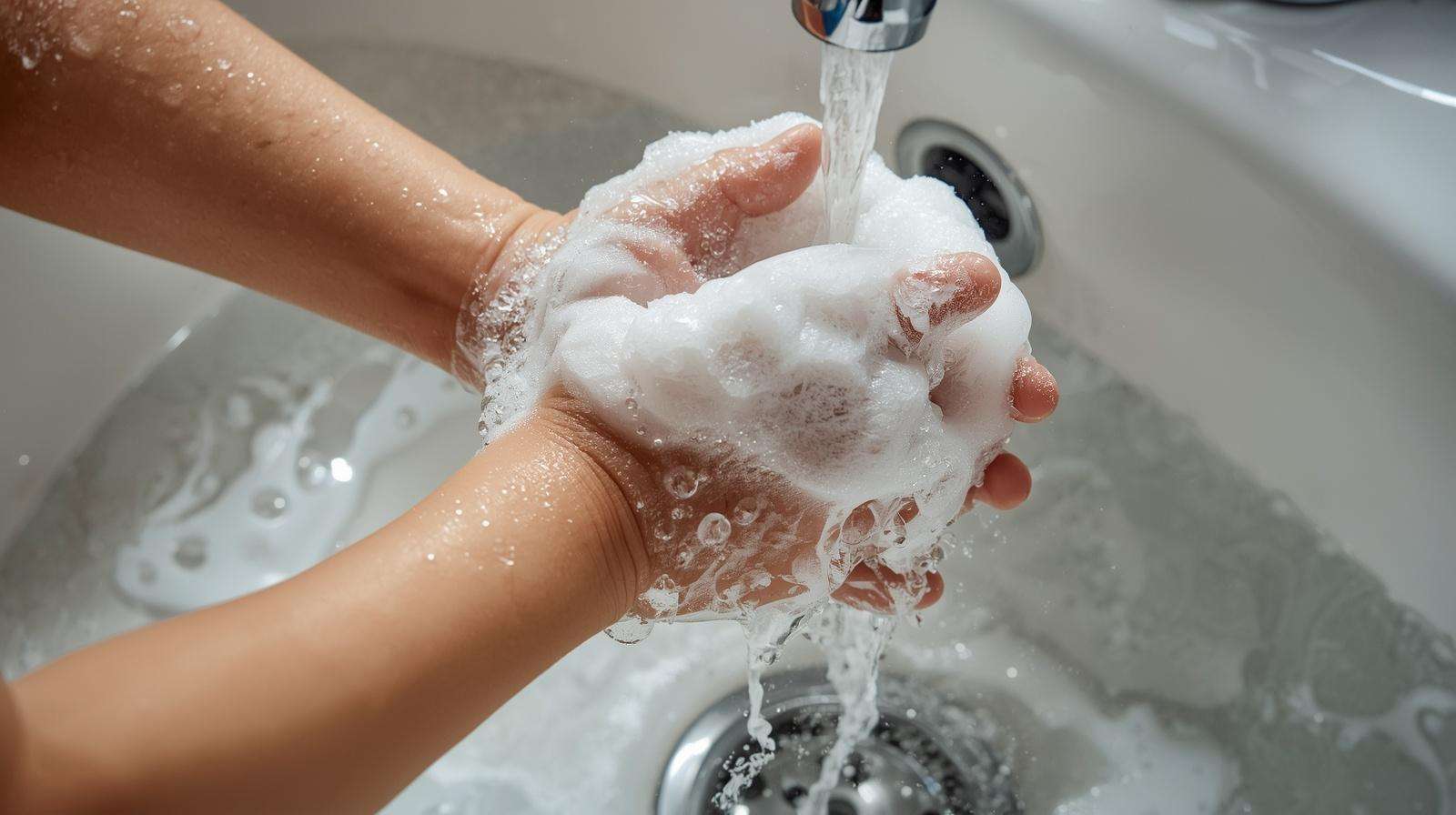
Rule 2: The Hand-Washing Golden Hour Hand sanitizer is a great tool for the field, but it is not a replacement for friction and soap. Realistic Hygiene Rules should dictate that as soon as a child moves from the Yellow/Red Zone back into the Green Zone, they go straight to the sink.
-
The Technique: Use warm water and plain soap. Teach them to scrub the “backs of the hands and between the fingers” for twenty seconds. The friction of the rubbing is what physically detaches the bacteria from the skin.
Rule 3: The Barefoot Boundary We understand that kids love to be barefoot. In a shared yard, the rule should be: “Bare feet are for the Green Zone only.” If they are playing in the Yellow Zone, they need sandals or “yard shoes.” If they accidentally step in a “landmine,” the shoes can be hosed off outside, whereas a bare foot immediately carries that bacteria onto the carpet, the couch, and into their bed.
5. Setting Up a Farm-Entry Station
The biggest threat to a clean home isn’t the chicken; it’s the bottom of a shoe. To maintain Realistic Hygiene Rules, you need a physical “airlock” between the farm and the living room.
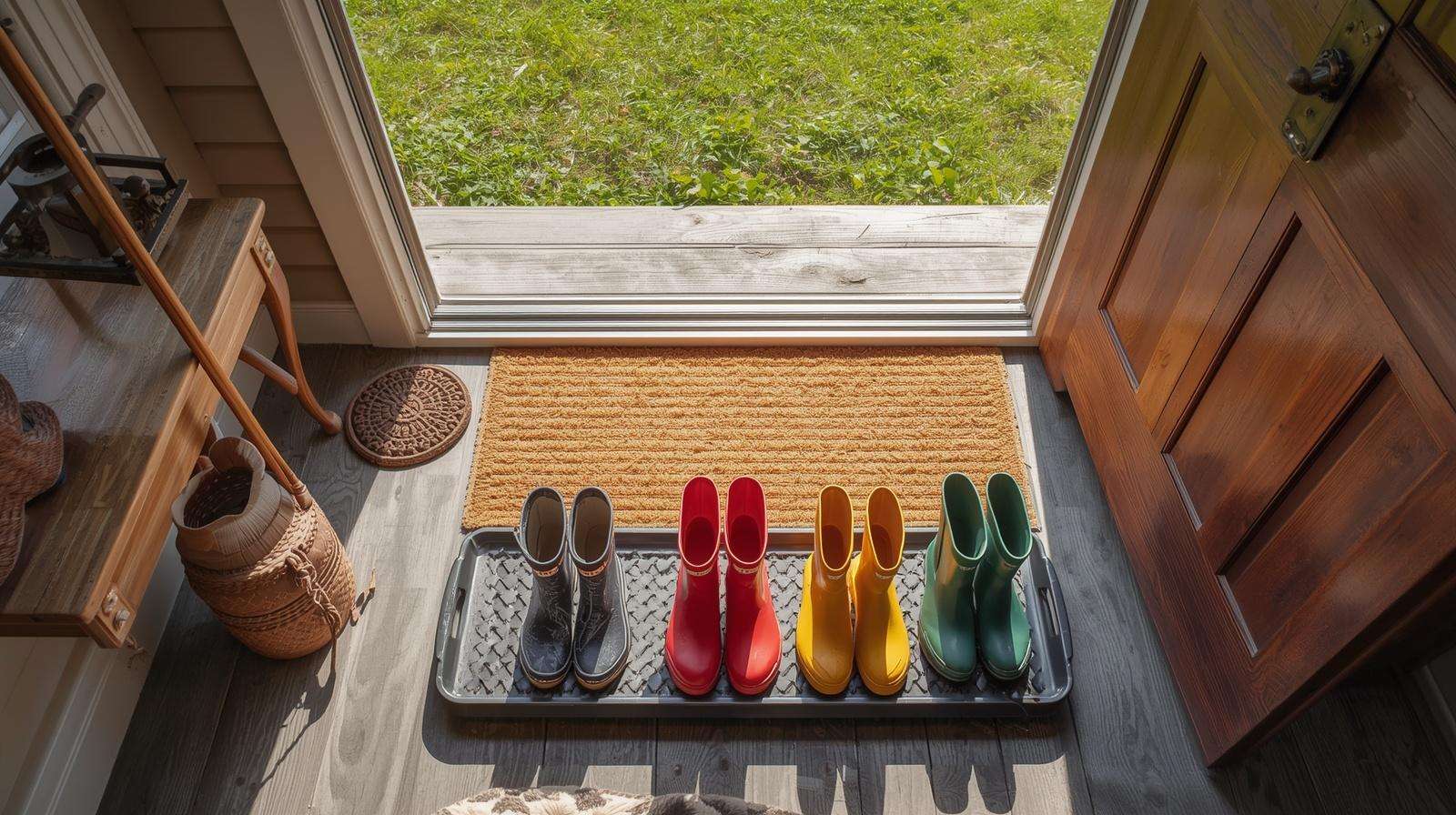
The “Boot Bench” Strategy Place a bench and a sturdy boot scraper right outside the most-used entrance.
-
The Procedure: Everyone sits on the bench to remove “yard shoes” before their feet ever touch the threshold.
-
Storage: Use a “wet tray” (a plastic tray with a lip) to hold dirty shoes. This prevents manure-tainted water from sloping across the porch.
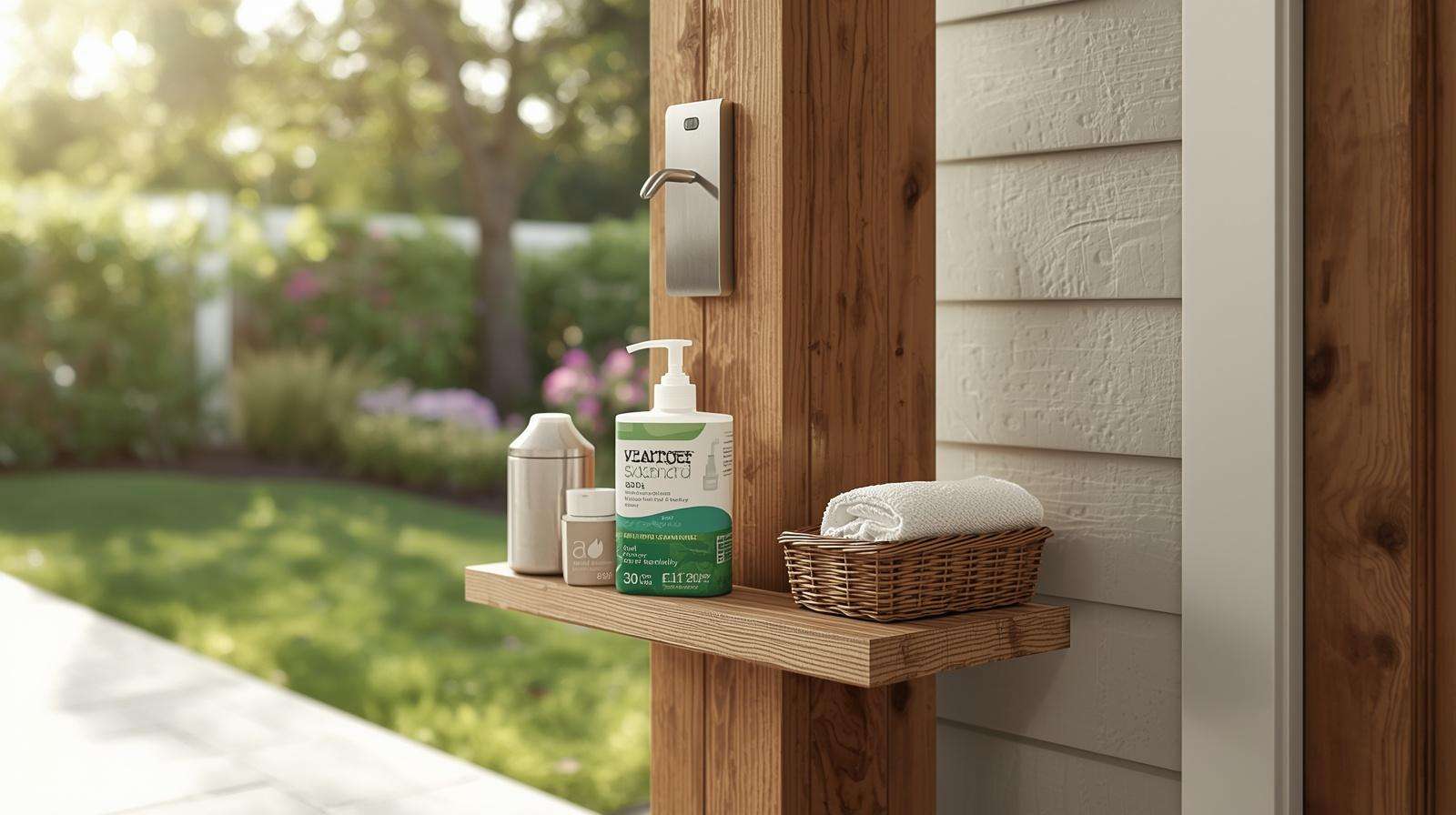
The Sanitization Station If an outdoor sink isn’t in the budget, a simple “sanitization station” can bridge the gap. A wall-mounted hand sanitizer dispenser and a pack of biodegradable wet wipes at the backdoor allow kids to do a “pre-clean” before they touch the doorknob. This protects the “Green Zone” hardware from becoming a bacterial reservoir.
6. Developmental Safety: Age-Appropriate Interaction
Safety rules must evolve with the child. What works for a ten-year-old is a recipe for disaster with a toddler.
Toddlers (0–3 years): The “High-Supervision” Phase At this age, children explore with their mouths.
-
Management: Toddlers should be kept in a “playpen” or a fenced-off section of the yard (the Green Zone) if chickens are free-ranging. If they are in the Yellow Zone, they must be in a stroller or held. The risk of a toddler picking up a “tempting” pebble that is actually dried manure is too high for unsupervised play.
Young Children (4–7 years): The “Chore Training” Phase This is the age where they want to help.
-
Management: Let them collect eggs, but make it a “tools-only” job. Use a basket, and teach them that we touch the egg, but we never touch our faces until the egg is in the kitchen and the hands are washed.
Older Kids (8+ years): The “Biosecurity Leads” Older children can understand the science.
-
Management: Teach them about the “Red, Yellow, Green” system. Make them responsible for “poop-scooping” the patio. When they understand why the rules exist (to protect their younger siblings or the health of the birds), they are more likely to follow them without being nagged.
7. Maintenance and Cleaning: Keeping the Environment Safe
Even with perfect zoning, chickens are curious and will occasionally breach the “Green Zone.”
Disinfecting Play Sets If a hen decides the top of the slide is a perfect roosting spot, don’t panic.
-
Cleaning: Use a solution of 10% bleach and 90% water for plastic surfaces. For wooden sets, a specialized oxygen bleach or a strong vinegar solution is safer for the wood fibers.
-
The Power of Sunlight: UV rays are a powerful, natural disinfectant. If you’ve cleaned a mess, let the area bake in the sun for a few hours before letting the kids play.
The “Deep Litter” vs. “Clean Floor” Debate In the coop (Red Zone), many farmers use the “Deep Litter Method” (layering carbon over waste).
-
Expert Verdict: For families with young kids, the “Clean Floor” method (removing waste weekly) is often safer. It reduces the amount of “fecal dust” that can be kicked up and inhaled when kids are helping with chores or visiting the birds.
8. Training the Flock: Behavior Modification
You can train your kids, but can you train the chickens? To an extent, yes.
Discouraging “Porch Loitering” Chickens hang out where the people are because people have treats.
-
Rule: Never feed treats on the porch or near the back door. Always throw scratch grains or kitchen scraps in the back of the “Yellow Zone” or inside the “Red Zone.”
-
Barriers: A simple 2-foot tall decorative garden fence is often enough to keep a chicken from hopping onto a porch, even if they could easily fly over it. They are creatures of convenience; make the porch inconvenient.
9. Frequently Asked Questions (FAQ)
Can my child get sick just from touching a chicken feather? While possible, it is unlikely. The risk is the bacteria on the feather being transferred to the mouth. If a child finds a “treasure” feather, let them keep it in a jar, but ensure they wash their hands after handling it.
What is the best soap for removing farm bacteria? Any standard liquid hand soap works. The “antibacterial” label is less important than the 20-second scrub time. It is the physical action of washing that does the heavy lifting.
How do I handle chicken poop on a child’s bare skin? Don’t reach for the hand sanitizer—it will just smear it. Use a wet wipe to remove the bulk of the material, then wash the area thoroughly with soap and warm water. If the skin was broken (like a scratch), apply an antiseptic.
Is it safe to let chickens in the vegetable garden? Only in the off-season. Chickens should be excluded from the garden 90 days before harvesting any “ground-contact” crops (like lettuce or carrots) to ensure any pathogens in their manure have broken down.
10. Conclusion: Balancing Safety and Stewardship
Implementing Realistic Hygiene Rules isn’t about creating a sterile environment; it’s about creating a sustainable one. A farm childhood is one of the greatest gifts you can give a child, fostering resilience, empathy, and a deep connection to the cycle of life. By managing manure through zoning, enforcing non-negotiable hand-washing, and setting up a solid farm-entry routine, you can enjoy the “messy joy” of backyard poultry without compromising your family’s health.
The key to biosecurity is consistency, not perfection. You will have days where a kid runs inside with a muddy boot, and that’s okay. Clean it up, reset the boundary, and keep going. You aren’t just raising chickens; you are raising the next generation of capable, earth-conscious stewards.