Hook and Promise
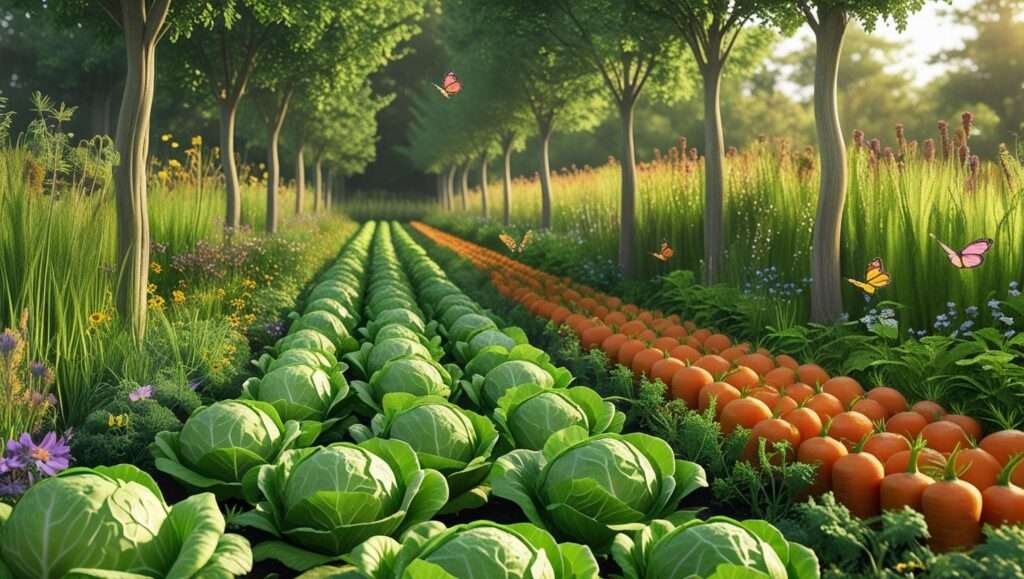
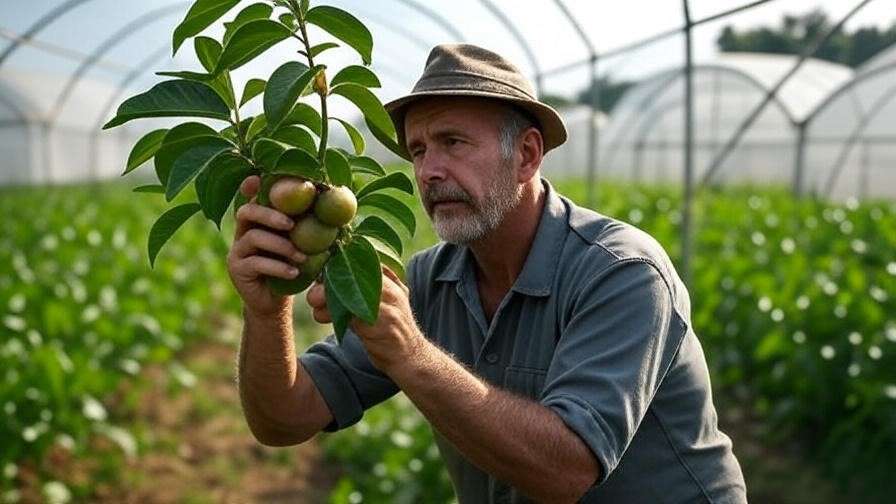
Every summer, gardeners watch leaves skeletonize overnight and farmers count weeks of lost yield — but the smartest gardens don’t fight pests alone; they prevent them. Build a pest-resilient ecosystem in your backyard and you shift from firefighting to prevention: healthier soil, diverse plant communities, and thriving natural enemies that keep pest outbreaks rare. This guide, written from an integrated pest management (IPM) and agroecology perspective, gives U.S.-based home gardeners and small-scale farmers proven, practical steps to reduce pests naturally, cut chemical use, and improve yield and resilience.
Why trust this guide: I draw on extension research, peer-reviewed IPM studies, and years of applied experience advising backyard and small-acreage growers. Throughout you’ll find actionable plans, monitoring templates, and evidence-backed examples to help you implement a long-term pest-resilient strategy.
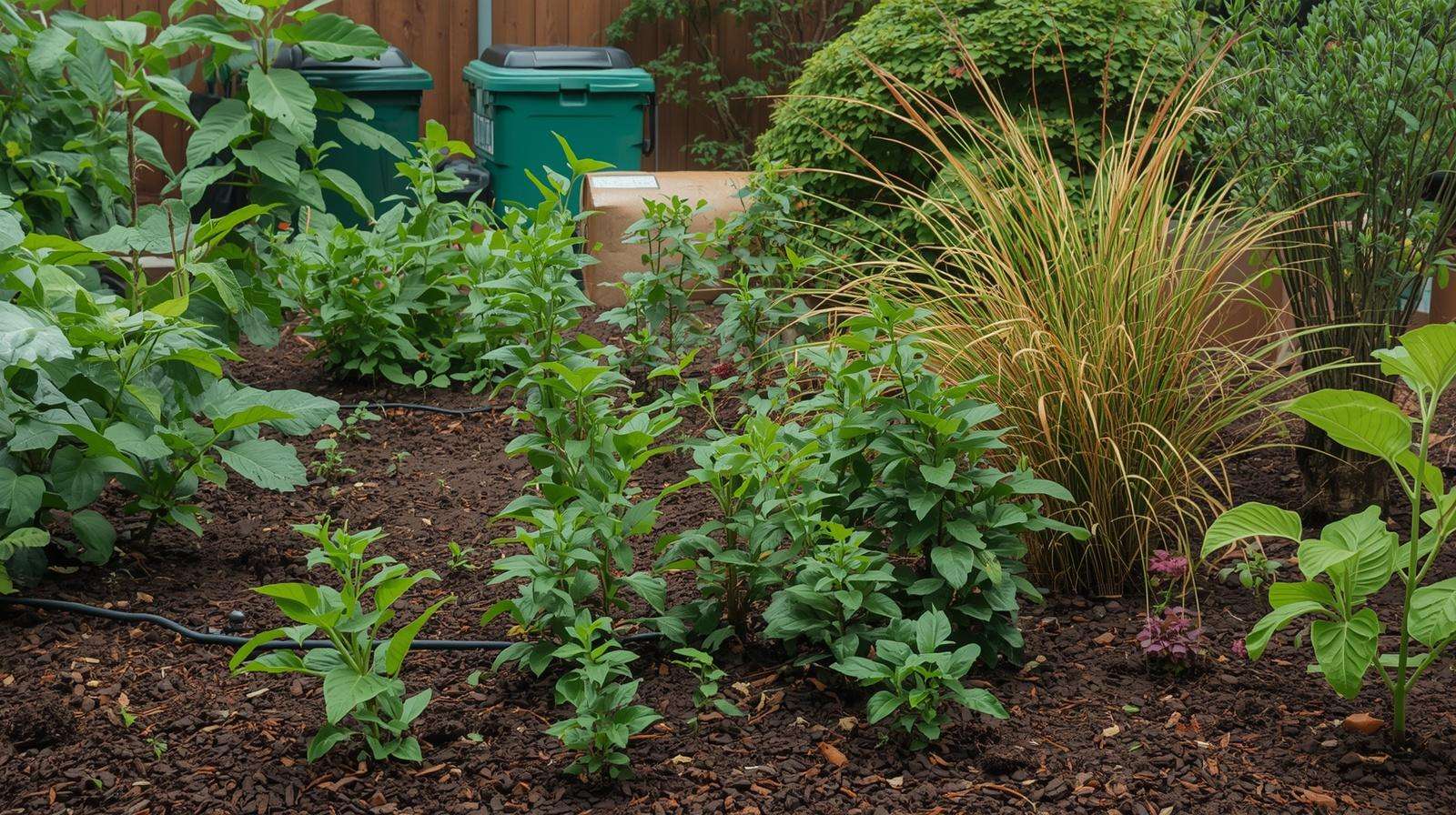
Why Ecosystem-Based Pest Management Works
The science in brief
-
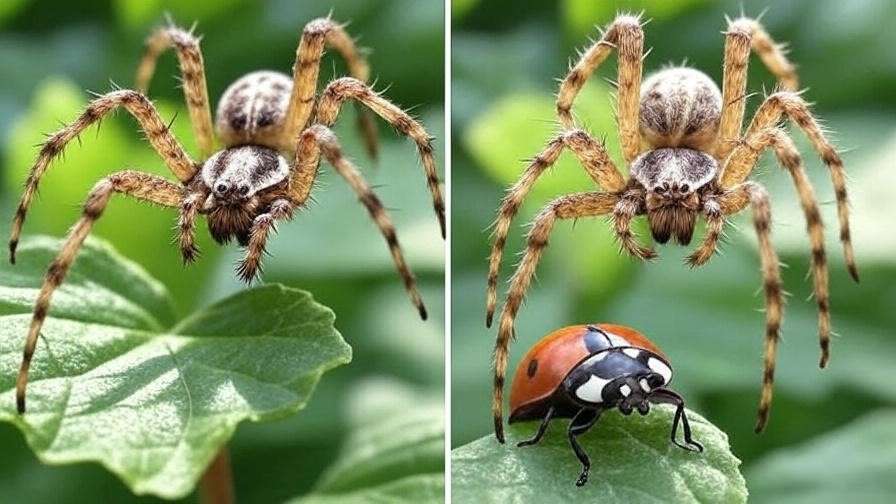
Natural checks and balances: In a diverse ecosystem, pests are regulated by predators, parasitoids, pathogens, and competition. Predatory insects (lady beetles, lacewings), parasitoid wasps, birds, and beneficial microbes all reduce pest populations.
-
Trophic interactions and plant health: Healthy plants supported by balanced soil microbiomes are less attractive and less susceptible to pests and disease. Monocultures and plant stress (nutrient imbalance, drought) often trigger pest outbreaks.
-
Resistance and sustainability: Relying solely on pesticides encourages resistance, kills beneficials, and creates long-term vulnerability. Ecosystem approaches reduce selection pressure and foster durable control.
Benefits vs. conventional pesticide reliance
-
Long-term pest suppression instead of short-term knockdowns.
-
Lower input costs and safer food for families.
-
Improved pollination and biodiversity.
-
Reduced environmental contamination and healthier soil.
Evidence & examples
-
Extension trials across U.S. states demonstrate that intercropping, insectary strips, and hedgerows reduce pest pressure and increase natural enemy abundance. Several university IPM bulletins show yield parity or improvement with reduced chemical inputs when habitat and cultural practices are applied.
Step 1 — Assess Your Backyard
Mapping and observation
-
Start with a simple map: draw your plot, beds, fruit trees, water sources, and structures.
-
Conduct weekly walk-throughs during the growing season. Note pest presence, beneficial insects, flowering plants, and stressed plants.
-
Tools: smartphone for photos, hand lens (10–20x), notebook or digital log.
What to look for
-
Pest signs: chewing, wilting, honeydew, eggs, larvae, frass.
-
Beneficials: predators (ground beetles), parasitoids (tiny wasps), pollinators.
-
Environmental stressors: compacted soil, poor drainage, sun/shade patterns, and areas of weed concentration.
Identify problem hotspots
-
Single-crop patches, poorly drained spots, and near-by unmanaged vegetation can act as pest reservoirs.
-
Prioritize areas where stressed plants are concentrated; these are often pest magnets.
Quick baseline metrics
-
Simple counts: number of pest insects per plant or per sweeping sample, beneficial insect sightings per 5-minute observation, percent plant damage estimated visually.
-
Take at least two weeks of baseline data before major interventions to measure progress.
Step 2 — Build Soil Health
Why soil matters
-
Plants grown in biologically active, well-structured soil resist pests and recover faster from damage.
-
Soil microbes can induce plant defenses and suppress soil-borne pathogens.
Practical methods
-
Compost: Regularly apply finished compost to boost organic matter and microbial diversity.
-
Mulching: Organic mulches moderate soil temperature, retain moisture, and reduce weeds.
-
Cover crops: Legumes, brassicas, and grasses reduce erosion, fix nitrogen, and feed soil life.
-
Reduced tillage: Minimizes disturbance to beneficial fungi and soil structure.
Soil testing & nutrient management
-
Run a basic soil test (pH, organic matter, macronutrients) every 2–3 years through a university extension or a reputable lab.
-
Interpret results with extension guides and avoid blanket fertilizer applications; overfertilizing (especially high nitrogen) often increases pest susceptibility.
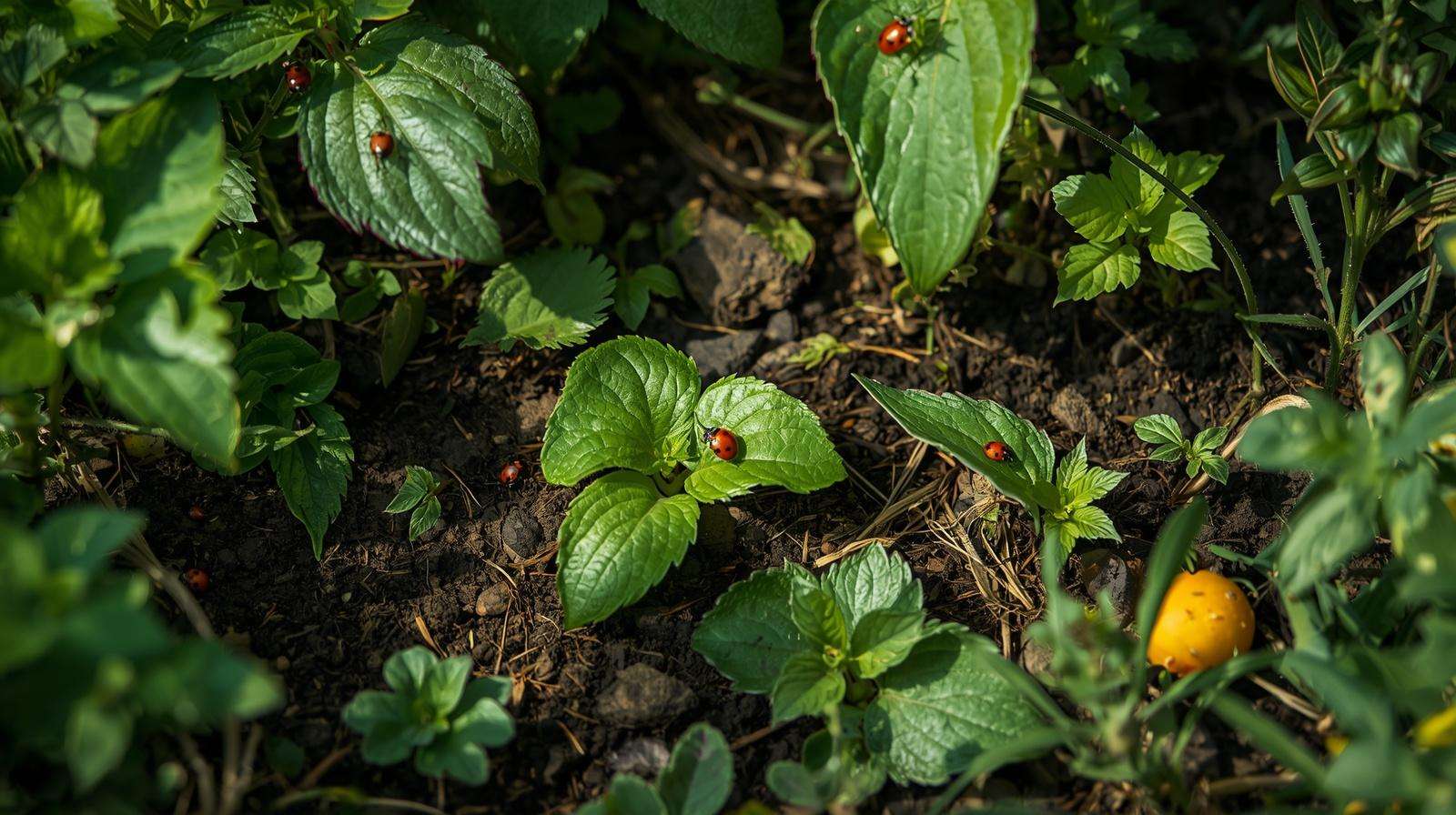
Expert tip: low-cost amendments
-
For sandy soils: compost, biochar, and cover crops.
-
For clay soils: compost and gypsum (after testing).
-
Use rock phosphate or bone meal for phosphorus when tests show deficiency.
Step 3 — Increase Plant Diversity
Intercropping and polycultures
-
Benefits: disrupt pest host-finding, support natural enemies, and reduce disease spread.
-
Backyard patterns: plant tall vertical crops (corn, sunflowers) with low-growing beans or squash (Three Sisters model adapted).
-
Edge mixing: alternate rows of herbs/flowers with vegetables.
Beneficial plant palettes
-
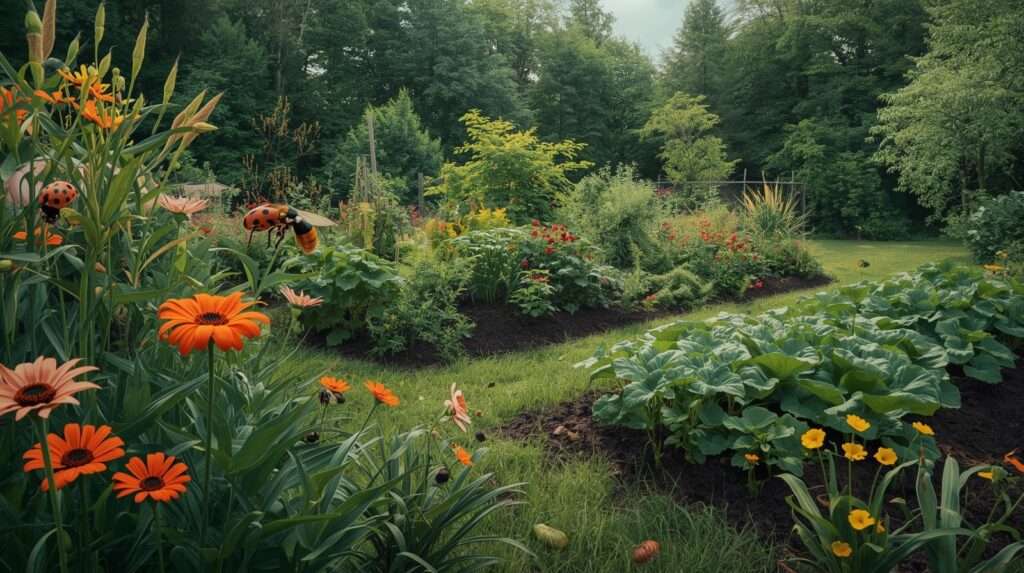
Select plants that attract predators and parasitoids: native asters, goldenrod, yarrow, dill, fennel, and alyssum.
-
Include continuous bloom across the season: early (willow/fruit tree blossoms), mid (dill, cosmos), late (asters, goldenrod).
-
Use native wildflowers to support local pollinators and beneficial insects.
Crop rotation principles
-
Rotate plant families yearly to reduce soil-borne pests and pathogens; avoid repeating solanaceous crops (tomato, potato, pepper) in the same bed year after year.
-
Simple 3-year rotation: leafy greens → legumes/soil builders → fruiting crops.
Design example: 3×3 meter backyard plot plan
-
Center: trellised tomatoes and beans (vertical use).
-
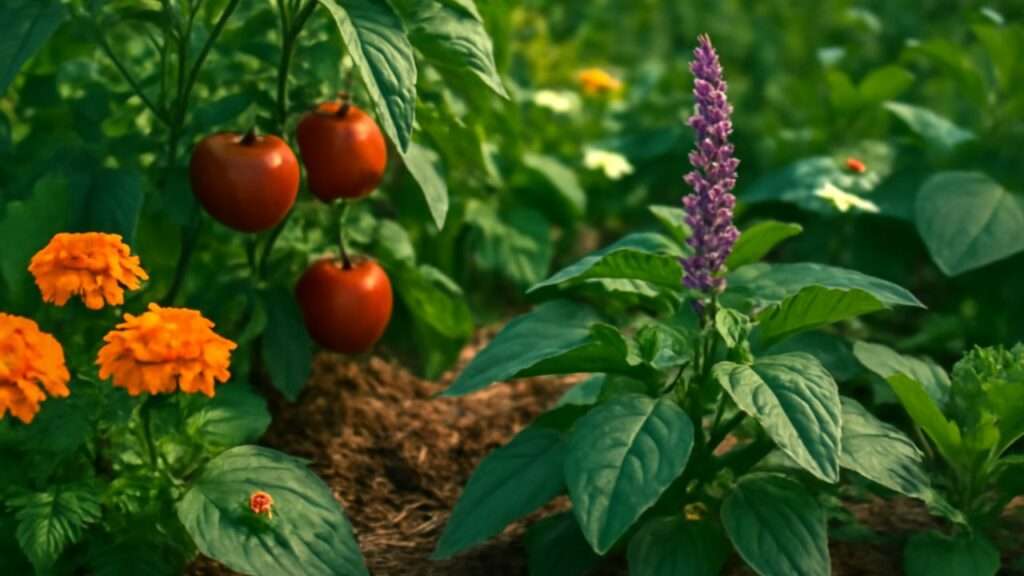
Border: marigold and alyssum as insectary plants.
-
Interrows: lettuce and herbs (repellent/attractant mix).
-
Mulch pathway to minimize walking on beds.
Step 4 — Create Habitat for Beneficials
Structural features
-
Beetle banks: raised grassy strips to support ground beetles and predatory insects.
-
Hedgerows: native shrubs and small trees provide nesting sites for birds and overwintering habitat for insects.
-
Insectary borders: dedicated strips planted with nectar- and pollen-rich species.
Water and shelter
-
Provide shallow water sources like birdbaths with stones for safe landing.
-
Brush piles and rock piles create shelter for frogs, lizards, and ground beetles.
-
Bee hotels for solitary bees: place 3–6 feet high, facing southeast, in partial sun, and maintain annually.
Managing non-targets
-
Habitat can also favor unwanted species if poorly designed; prefer native plants and avoid dense thickets that shelter rodents.
-
Keep habitats slightly separated from intensive vegetable beds; use trap crops and repellent plants near production areas.
Expert insight: timing of flowering for Build a Pest-Resilient Ecosystem in Your Backyard
-
Aim for overlapping bloom periods so beneficials have constant food. Plan at least three species that bloom sequentially throughout the season.
Step 5 — Use Biological Controls and Cultural Practices
Leveraging natural enemies
-
Beneficial predators: lady beetles, syrphid flies, lacewings — attract them with pollen/nectar plants.
-
Parasitoids: tiny wasps that parasitize caterpillars and aphids; often abundant when insectary flowers are present.
-
Microbial agents: Bacillus thuringiensis (Bt) for caterpillars, Beauveria bassiana for some insect pests, and beneficial nematodes for soil-dwelling larvae.
Cultural controls
-
Sanitation: remove infected plant debris, clean tools, and rotate crops.
-
Trap crops: plant a small area of a highly attractive host (e.g., nasturtium for aphids) to concentrate pests and then treat or destroy that patch.
-
Row covers: protect seedlings from insect colonization; remove during flowering for pollination if necessary.
-
Planting dates: adjust timing to avoid peak pest periods when possible.
Examples
-
Trap crop for aphids: plant early nasturtiums and monitor weekly; if aphids build, cut and compost the trap crop or treat it with insecticidal soap.
-
Using Bt: apply to young caterpillars in early evening when they feed most actively.
Safety and sourcing
-
Buy biocontrol agents from reputable suppliers with clear species identification and usage instructions. Build a Pest-Resilient Ecosystem in Your Backyard
-
Follow label directions and local regulations for any microbial products.
Step 6 — Monitor, Record, and Act: An IPM Cycle
The scouting routine
-
Weekly scouting during active season; increase frequency at vulnerable times (seedlings, flowering).
-
Use visual counts, beat sheet sampling, and sticky traps for monitoring.
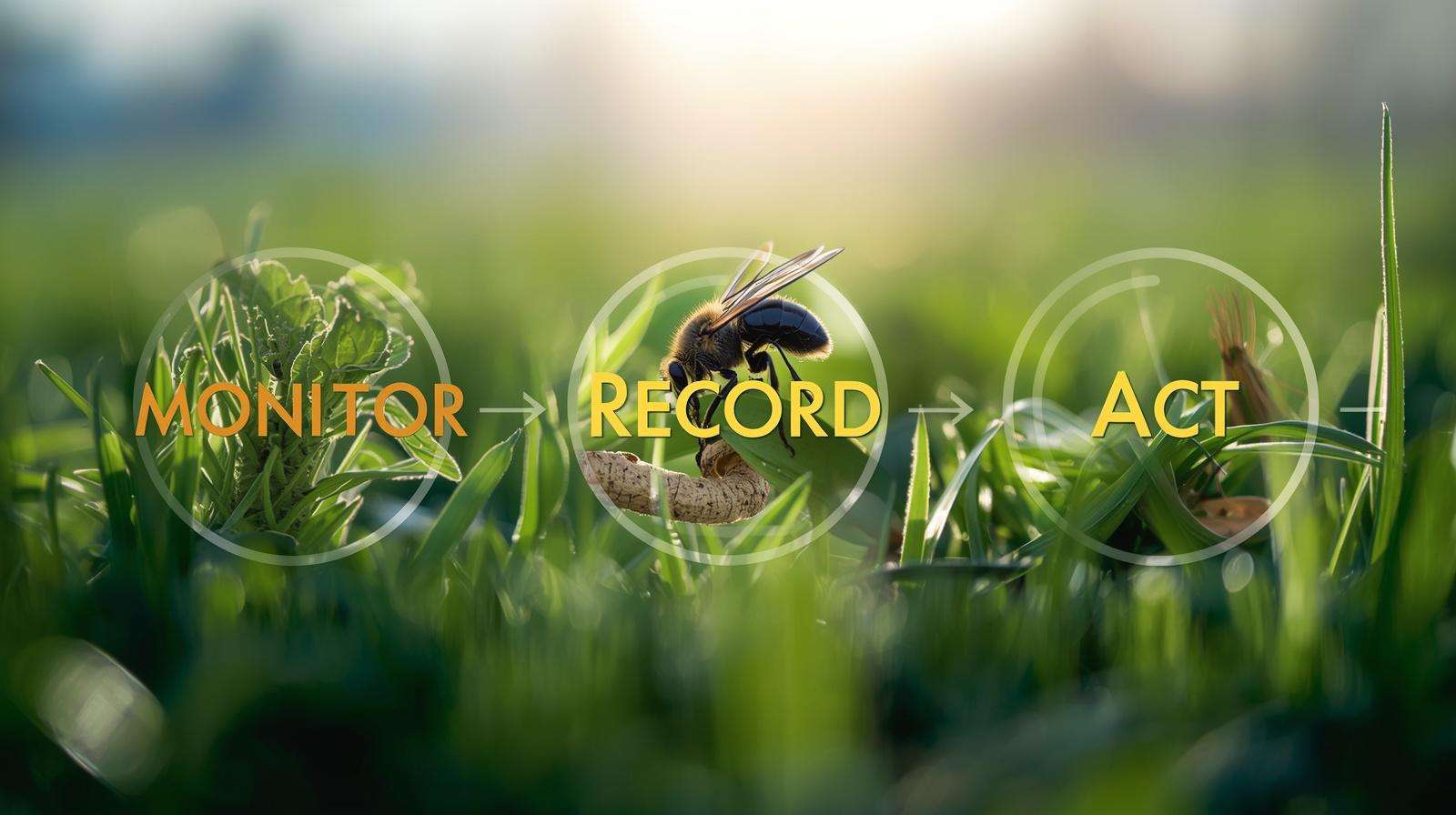
Decision-making flowchart
-
Establish action thresholds (e.g., number of aphids per leaf or percentage of plants damaged).
-
Flow: Observe → Identify → Quantify → Decide → Act → Evaluate.
Sample monitoring log template (adapt for your garden)
-
Date, bed/plot, crop, pest/beneficial identified, count/estimation, weather, action taken, result.
Step 7 — Minimize Chemical Use Responsibly for Build a Pest-Resilient Ecosystem in Your Backyard
When pesticides are necessary
-
Only use when action thresholds are exceeded and non-chemical options are insufficient.
-
Last-resort use reduces harm to natural enemies and delays resistance.
Safer pesticide choices
-
Insecticidal soaps for soft-bodied insects.
-
Horticultural oils for overwintering eggs and scale.
-
Bacillus thuringiensis (Bt) for lepidopteran larvae.
-
Pyrethrin-based products as short-lived options, used carefully and at night to reduce pollinator exposure.
How to avoid harming beneficials
-
Apply late evening or early morning to reduce pollinator exposure.
-
Use spot treatments instead of broad sprays.
-
Avoid systemic neonicotinoids for backyard use; these can harm pollinators and persist in soil.
Designing a Seasonal Plan
Monthly/seasonal checklist for a temperate U.S. backyard
-
Spring: soil test, apply compost, plant early insectary blooms, start scout logs.
-
Late spring: transplant crops, set up traps and row covers, establish beetle banks.
-
Summer: maintain mulch and irrigation, monitor weekly, add potted insectary flowers.
-
Fall: collect and compost resistant debris, plant cover crops, repair birdhouses and bee hotels.
Adapting plans for tropical/subtropical climates
-
Multiple cropping cycles and rainy season timing require rotation adjustments and erosion control.
-
In places with year-round warmth (e.g., parts of Florida), maintain continuous flowering and shaded refuges.
Calendar example: 12-month calendar with actions
-
January–March: plan and order seeds, repair structures.
-
April–May: soil prep, early plantings.
-
June–August: peak monitoring and habitat maintenance.
-
September–November: harvest, fall sanitation.
-
December: reflect on data and plan next year.
Real-Life Examples and Case Studies
Smallholder farmer case (U.S. example)
-
Problem: recurrent aphid and flea beetle outbreaks on brassicas.
-
Intervention: introduced insectary strips (buckwheat, alyssum), trap cropping with collard greens, and biweekly monitoring.
-
Results: 60% reduction in pesticide applications, increased presence of parasitic wasps, and improved yields.
Urban backyard gardener case
-
Problem: tomato hornworms destroying plants.
-
Intervention: planted dill and fennel to attract parasitoid wasps, used Bt when necessary, and installed bird perches.
-
Results: noticeable decline in hornworm damage and more birds predating larger pests.
Lessons learned
-
Start small; expand habitat and practices incrementally.
-
Monitor results to adapt; what works in one microclimate may require tweaks in another.
Tools, Resources, and Suppliers
Recommended reading and extension resources
-
Local land-grant university extension bulletins (search “[state] extension integrated pest management”).
-
USDA and NRCS resources on conservation practices.
-
FAO IPM and biodiversity guides for foundational science.
Tools checklist
-
Hand lens, pH test kit, garden fork, pruning tools, row covers, sticky traps, monitoring notebook or app.
Local sourcing tips (U.S.-based)
-
Buy native seed mixes from regional suppliers to ensure plant–pollinator compatibility.
-
Purchase compost and organic amendments from municipal compost programs or reputable organic suppliers.
-
Consult local extension services for recommended biocontrol vendors.
Practical Tips and Quick Wins for Build a Pest-Resilient Ecosystem in Your Backyard
10 quick actions you can do this weekend
-
Start a compost pile or top-dress with compost.
-
Plant a small patch of alyssum or marigolds.
-
Set up a birdbath and shallow dishes with stones.
-
Install two bee hotel tubes in partial sun.
-
Add a 2–3 inch layer of organic mulch to vegetable beds.
-
Pull and compost heavily infested plants or prune damaged foliage.
-
Place sticky traps to monitor flying pests.
-
Plant a trap crop in a corner and water it well.
-
Test soil pH with a kit and note results.
-
Photograph and log one pest or beneficial sighting.

Low-cost/high-impact tweaks
-
Replace a single lawn strip with native flowering plants.
-
Use kitchen compost to boost soil life.
-
Swap a pesticide-prone crop area for polyculture beds.
Seasonal Must-Dos
-
Spring: soil amendments and early insectary plantings.
-
Mid-season: intensive scouting and targeted actions.
-
Fall: sanitation and cover cropping.
FAQs for Build a Pest-Resilient Ecosystem in Your Backyard
Will adding flowers attract more pests?
-
Some flowers may be attractive to both pests and beneficials, but the net effect of a diverse insectary is usually positive: more predators and parasitoids suppress pest populations. Plant a mix of native nectar sources and monitor.
How long before I see results?
-
Partial results can appear within one season (more beneficials, fewer outbreaks). Significant shifts in ecosystem balance typically take 1–3 seasons depending on scale and initial conditions.
Can I do this in a tiny balcony?
-
Yes. Use potted insectary plants, vertical supports, and small water features to attract beneficials. Even container gardens benefit from diverse plantings and compost.
Are beneficial insects safe around kids and pets?
-
Most beneficial insects are harmless and avoid human contact. Use caution with bee nests; position them out of main play areas.
What if I already have a pest outbreak?
-
Prioritize sanitation, remove heavily infested plants, apply spot treatments (insecticidal soap, Bt), and increase habitat for natural enemies. Start monitoring to prevent recurrence.
Common Problems and Troubleshooting for Build a Pest-Resilient Ecosystem in Your Backyard
Persistent pests despite interventions
-
Re-check identification; ensure you target the right pest stage.
-
Look for pesticide disruption: past broad-spectrum sprays might have killed beneficials.
-
Increase habitat and reintroduce natural enemies if necessary.
Managing invasive species and rodents
-
Use physical barriers, traps, and habitat design (avoid dense groundcover that shelters rodents).
-
Engage local extension or invasive species programs for targeted removal strategies.
Dealing with limited space or water constraints
-
Choose drought-tolerant insectary plants and use drip irrigation or soaker hoses.
-
Vertical gardening and container arrangements multiply usable space.
How to measure success
-
Track pest counts, beneficial sightings, reduced pesticide purchases, and yield/quality metrics. A 30–50% reduction in intervention frequency is a realistic first-year goal for many small systems.
Take the First Step
Building a pest-resilient ecosystem in your backyard is a practical, science-backed path to fewer pests, healthier plants, and a more enjoyable garden. Start with an assessment, improve your soil, add diverse plants, create habitat for beneficials, and monitor regularly. Small, consistent steps compound: within a season you’ll see more pollinators and fewer outbreaks; within a few years your garden will function as an integrated, resilient system.