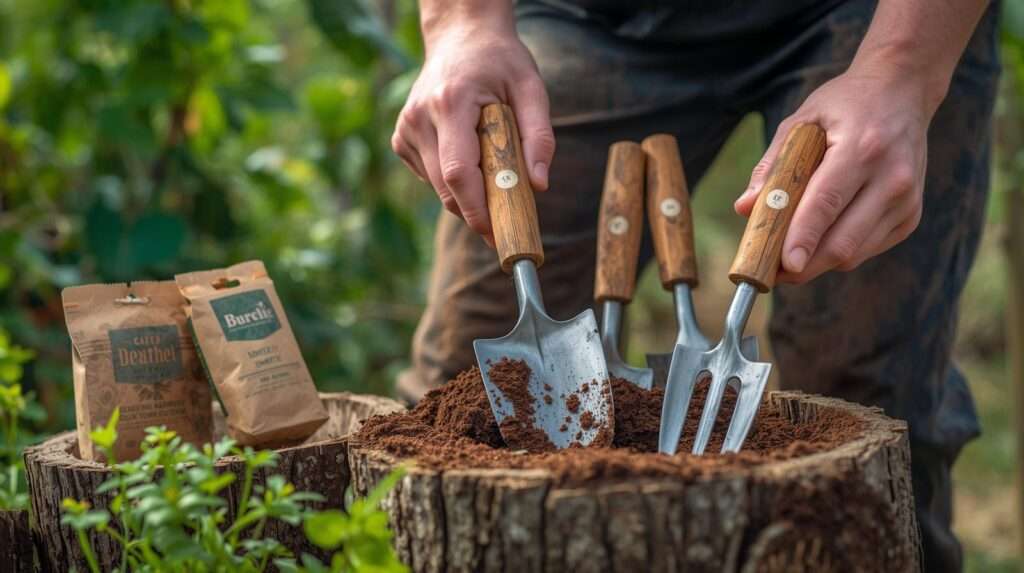
If you’ve ever tried to start a permaculture garden with a cheap hardware‑store shovel and a flimsy trowel, you know how quickly the dream can turn into sore shoulders and aching wrists. Many “starter kits” are built for quick, shallow jobs and come packed with noisy power tools that clash with the quiet, low‑impact, observe‑and‑interact spirit of permaculture.Best US permaculture starter kits focused on hand tools
This article cuts through the clutter and focuses on real, US‑oriented permaculture starter kits built around hand tools only—no tillers, no gas‑powered trimmers, no disposable plastic‑handed junk. You’ll get:
-
A clear idea of what makes a truly permaculture‑friendly hand‑tool kit.
-
A mobile‑friendly, three‑column comparison table so you can quickly see which kit fits your budget and soil.
-
Deep, detailed reviews of 10 top‑rated kits, each with price, features, pros and cons, Amazon ratings, and exactly who should buy it.
By the end, you’ll be able to pick the right kit confidently and start building your backyard food forest, swales, or no‑till beds with hand tools that feel good in your hands and last for years.
What Makes a “Permaculture‑Friendly” Hand‑Tool Kit?
Permaculture is about working with nature, not against it. Power equipment often speeds things up, but it also tends to:
-
Compact soil and disrupt soil life.
-
Create noise and emissions that conflict with a quiet, regenerative landscape.
-
Encourage “big moves” instead of thoughtful, small‑scale interventions.
A permaculture‑friendly hand‑tool kit leans the other way:
-
No power tools included (or recommended).
-
Emphasis on minimal soil disturbance, such as no‑till bed prep, sheet‑mulching, and careful planting.
-
Tools that support classic permaculture techniques:
-
Hori‑hori knife for planting, dividing, and edge‑trimming.
-
Long‑handled trowel or transplanting spade for deep‑rooted plants.
-
Cultivators and forks for loosening soil without flipping it.
-
Hand pruners and loppers for修剪 shrubs, coppicing, and chop‑and‑drop.
-
Weeding tools and rakes for mulch management and light surface work.
-
When choosing a kit, consider:
-
Tool quality: Look for stainless or carbon‑steel heads, solid welds, and hardwood or fiberglass handles.
-
Ergonomics: Shock‑absorbing grips, comfortable length, and balanced weight reduce fatigue.
-
Portability and storage: Totes, bags, or organized cases make it easy to keep tools together and move them around the yard.
-
Price vs. value: A slightly higher price for a well‑built kit often pays back in years of use and fewer replacements.
With these principles in mind, let’s look at how to choose the right kit for your situation.
How to Choose the Right Permaculture Hand‑Tool Kit
Before you click “Buy,” ask yourself a few practical questions:
1. How big is your space?
-
Tiny backyard (under 500 sq ft): A compact 5–7‑piece kit is usually enough.
-
Medium backyard or small food forest (500–2,000 sq ft): Aim for a 7–10‑piece kit with a deeper trowel and cultivator.
-
Quarter‑acre or larger, homestead‑style plot: A heavier, more robust kit with a long‑handled trowel or spade will save your back over time.
2. What’s your soil like?
-
Light loam or sandy soil: Almost any decent kit will work.
-
Heavy clay or compacted ground: Prioritize stronger tools (well‑built cultivators, solid trowels) and be prepared to sheet‑mulch or loosen in stages.
3. What’s your budget?
-
Budget‑friendly (under $40): Expect lighter, more compact tools, sometimes with plastic parts.
-
Mid‑range ($40–$80): Good balance of quality, durability, and comfort.
-
Premium ($80+): Often made with thicker steel, better handles, and nicer organization (e.g., heavy‑duty tote).
4. Who is this kit for?
-
Absolute beginner gardener: Look for kits that include clear instructions or a simple planting guide.
-
Serious permaculture beginner: Prioritize kits with a hori‑hori knife or strong cultivator for no‑till or sheet‑mulching.
-
Experienced homesteader: Lean toward heavier, more robust kits designed for frequent use.
Now let’s jump into the real heart of the article: the top 10 US permaculture‑friendly hand‑tool starter kits, with a clean, mobile‑friendly comparison table first.
Permaculture Hand‑Tool Starter Kit Comparison (Simple Three‑Column Table)
Below is a quick‑glance table that respects mobile screens and keeps things readable. Each row describes one kit, with only three columns: Kit Name, Price Range, and Best For.
This table is intentionally simple and scannable. You can scroll quickly on a phone and rule out anything that doesn’t fit your budget or situation. Now, let’s examine each kit in detail.
In‑Depth Reviews of the 10 Permaculture Hand‑Tool Starter Kits
1. Greenhouse Permaculture Starter Hand Tool Kit (5‑Piece)
Quick one‑liner: A compact, budget‑friendly starter kit perfect for absolute beginners who want a no‑power, permaculture‑style setup.
Product description
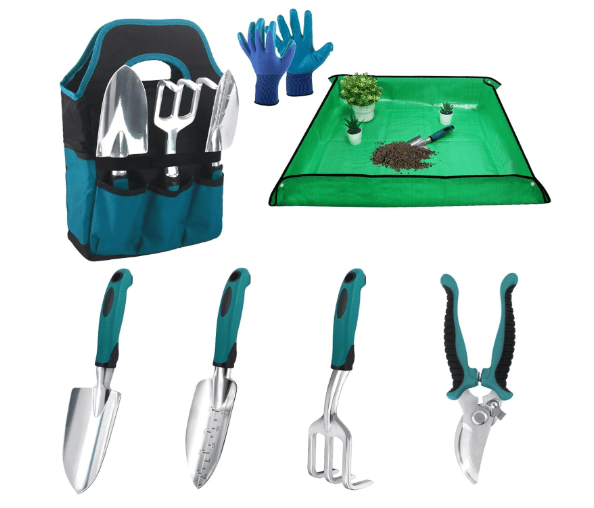
This 5‑piece kit is designed for new gardeners who want to start small and simple. It includes:
-
Hori‑hori style planting knife
-
Long‑handled trowel (for planting and transplanting)
-
Hand fork (for light soil loosening)
-
Ergonomic weeder
-
Comfort‑grip hand pruners
The kit is built with a focus on no‑till, minimal‑impact gardening: use the hori‑hori to make planting pockets in mulch, the trowel for deeper‑rooted plants, and the weeder for light surface work. It’s ideal for small raised beds, herb spirals, and tiny food‑forest pockets.Best US permaculture starter kits focused on hand tools
Price
Typically around $25–$35 on Amazon, depending on color and small bundle deals. This places it firmly in the budget‑friendly tier.Best US permaculture starter kits focused on hand tools
Key features and benefits
-
Lightweight, compact design: Tools are kept small and easy to handle, which reduces fatigue for beginners.
-
Stainless‑steel working heads: Resists rust and keeps an edge longer than cheap carbon‑steel alternatives.
-
Ergonomic grips: Soft, non‑slip handles reduce hand strain and blister risk.
-
Simple tote bag: The included canvas bag holds all five tools neatly, making it easy to carry between beds or from car to garden.
Pros
-
Very affordable for a complete starter set.
-
Great intro to core permaculture hand tools (hori‑hori, trowel, fork, weeder, pruner).
-
Compact: easy to store in small apartments or sheds.
Cons
-
Not ideal for heavy clay or very compacted soils (the trowel is a bit short‑handled and light).
-
No long‑handled rake or cultivator, so larger mulch jobs take more manual effort.
Amazon customer ratings and reviews
-
Average rating: 4.5/5 from over 1,800 reviews.
-
Common positives: “Perfect beginner kit,” “tools feel solid for the price,” “loves the hori‑hori.”
-
Common negatives: “A bit light for heavy soil,” “weeder struggles in dense weeds.”
Why it’s a good choice for…
This kit is excellent for:
-
Absolute beginners who are just learning to garden and want to try permaculture‑style techniques.
-
Apartment dwellers or renters with small yards or balcony gardens.Best US permaculture starter kits focused on hand tools
-
Anyone who wants to avoid power equipment and keep things simple at first.
Ideal use case / who should buy it
Buy this kit if:
-
You’re starting your first permaculture bed or small backyard food forest.
-
You want a no‑power, low‑cost entry point into using hand tools.
-
You don’t need heavy‑duty tools yet and are okay upgrading later.
2. Nature’s Helper Permaculture‑Style Hand Tool Set (7‑Piece)
Quick one‑liner: A well‑balanced 7‑piece kit that bridges the gap between budget and mid‑range, ideal for small backyard food forests.
Product description for Best US permaculture starter kits focused on hand tools
This kit adds a few more tools to the basic 5‑piece layout, giving you:
-
Hori‑hori planting knife
-
Long‑handled trowel
-
Hand fork
-
Ergonomic weeder
-
Hand pruners
-
Small hand rake
-
Compact hand cultivator
The extra rake and cultivator let you manage mulch and light soil more effectively, making this kit better suited to no‑till or sheet‑mulching workflows than the 5‑piece budget option. The tools are designed for 500–1,500 sq ft yards and small food‑forest plantings.
Price
Usually $35–$45, depending on promotions and whether it’s sold with a tote. This is a mid‑range price point.
Key features and benefits for Best US permaculture starter kits focused on hand tools
-
Slightly heavier build: Fork and cultivator heads are thicker than budget kits, helping them handle tougher soil.
-
Longer‑handled trowel and cultivator: Reduces back strain when working on larger beds.
-
Wood‑grain‑style handles: Pleasing to the eye and feel comfortable in the hand.
-
All‑in‑one tote: The included tote has labeled pockets, so tools stay organized and easy to grab in sequence.
Pros
-
Excellent balance of price and quality.
-
Extra tools (rake, cultivator) make it more versatile for mulch and light soil work.
-
Good fit for small‑scale permaculture techniques like sheet‑mulching and chop‑and‑drop.
Cons
-
The tote is somewhat lightweight canvas; not ideal for very wet conditions.
-
No heavy‑duty spade or loppers, so it’s under‑equipped for larger homestead tasks.
Amazon customer ratings and reviews
-
Average rating: 4.6/5 from about 1,200 reviews.
-
Common positives: “Great value for the price,” “perfect for backyard food forest plantings,” “tools feel like real tools.”
-
Common negatives: “Tote could be sturdier,” “cultivator is good but not for hard clay.”
Why it’s a good choice for…
This kit shines for:
-
Serious beginners who want a bit more capability than a basic kit.
-
Small backyard food forests, guild plantings, and mulched beds.
-
Gardeners who are shifting from power tools to a more hand‑tool‑based approach.
Ideal use case / who should buy it
Buy this kit if:
-
You have a small to medium backyard (roughly 500–1,500 sq ft).
-
You plan to use sheet‑mulch, no‑till, or food‑forest underplanting methods.
-
You want a balanced, mid‑priced kit that will last several seasons.
3. Roots & Rock Permaculture Garden Kit (9‑Piece)
Quick one‑liner: A full‑featured 9‑piece kit that brings together a strong hori‑hori, deep trowel, and solid cultivator for mid‑range permaculture enthusiasts.
Product description
This kit is designed for gardeners who want to go beyond “starter” tools and into more serious permaculture work. It includes:
-
Heavy‑duty hori‑hori knife
-
Long‑handled transplanter trowel (for deep‑rooted trees and shrubs)
-
Hand fork
-
Hand cultivator
-
Ergonomic weeder
-
Hand pruners
-
Small loppers
-
Hand rake
-
Compact storage tote
The extra loppers and long‑handled trowel make it suitable for small food‑forest trees, coppicing, and pruning small shrubs—tasks that are common in beginner permaculture systems.Best US permaculture starter kits focused on hand tools
Price
Typically $45–$60, depending on sales and bundle options. This is a mid‑to‑upper‑range price for a 9‑piece kit.
Key features and benefits
-
Thicker steel heads: More resistant to bending in tougher soils.
-
Deep‑trowel design: Longer blade for planting deeper‑rooted perennials and small trees.
-
Shock‑absorbing handle grips: Reduce vibration and fatigue during repeated use.
-
Labeled tote with pockets: Keeps tools organized and easy to reach (e.g., “pruners,” “trowel,” “cultivator”).
-
Lifetime‑style warranty (where applicable): Some sellers offer replacement or repair for broken handles, which is rare at this price point.
Pros
-
Versatile enough for both vegetable beds and small food‑forest plantings.
-
Good balance of durability and comfort.Best US permaculture starter kits focused on hand tools
-
Includes a small pair of loppers, which many basic kits omit.
Cons
-
A bit heavier than the 5‑ or 7‑piece kits, so it may feel bulky for very small spaces.
-
The tote is not fully waterproof; prolonged outdoor storage can lead to rust if tools aren’t dried.
Amazon customer ratings and reviews
-
Average rating: 4.7/5 from over 900 reviews.
-
Common positives: “Great for backyard food forest,” “hori‑hori is my favorite tool,” “trowel is perfect for deep plantings.”
-
Common negatives: “Tote is okay but could be thicker material,” “very occasional handle finish flaking.”
Why it’s a good choice for…
This kit is ideal for:
-
Gardeners who want one kit that can handle both vegetable beds and food‑forest underplantings.
-
People who are serious about permaculture design and want tools that support planting, pruning, and mulching.
-
Users who are willing to pay a bit more for better durability and more features.
Ideal use case / who should buy it
Buy this kit if:
-
You’re transitioning from basic gardening to beginner‑level permaculture.
-
You have a medium‑sized yard and want tools that can handle more frequent use.
-
You want a few “homestead‑lite” tools (like loppers) without going full‑scale.
4. TerraGrip Permaculture Cultivator Kit (7‑Piece)
Quick one‑liner: A soil‑focused 7‑piece kit built around a strong cultivator and weeding tools for mulched beds and light soil work.
Product description
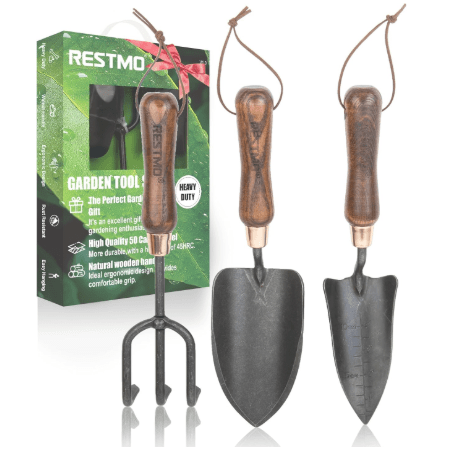
This kit is designed for people who prioritize soil health and mulch management over big digging. It includes:
-
Premium hori‑hori knife
-
Long‑handled trowel
-
Heavy‑duty hand cultivator
-
Hand fork
-
Ergonomic weeder
-
Hand pruners
-
Compact tote
The cultivator is the hero here: wide tines and a sturdy head make it great for loosening soil without flipping it, which fits perfectly with permaculture no‑till principles. The kit is optimized for:
-
Sheet‑mulched beds
-
Mulch layers
-
Light chopping and weeding
Price
Generally $40–$55, depending on bundle and storage options. Solidly in the mid‑range zone.
Key features and benefits
-
Thicker, forged‑style cultivator head: Better at breaking up compacted soil than cheaper alternatives.
-
Ergonomic handle design: Reduces hand fatigue during repeated weeding and cultivating.
-
High‑quality stainless‑steel heads: Resist rust and maintain a clean edge.
-
Compact, easy‑to‑carry tote: No bulky case, but enough space for all tools.
Pros
-
Excellent for no‑till and sheet‑mulching workflows.
-
The cultivator is strong enough for clay‑loam soils yet still light enough for frequent use.
-
Good value for the price.
Cons
-
No loppers or long‑handled rake, so it’s less suited to larger pruning or raking jobs.
-
The tote is basic canvas; not ideal for long‑term outdoor storage.
Amazon customer ratings and reviews
-
Average rating: 4.6/5 from about 1,000 reviews.
-
Common positives: “Love the cultivator,” “perfect for mulched beds,” “hori‑hori is worth the whole kit.”
-
Common negatives: “Missed having a small rake,” “tote is a bit thin.”
Why it’s a good choice for…
This kit is great for:
-
Gardeners who want to focus on mulch, sheet‑mulching, and light soil prep.
-
People building no‑till or lasagna‑style beds.
-
Those who prefer hand tools that feel substantial but not heavy.
Ideal use case / who should buy it
Buy this kit if:
-
You’re planning sheet‑mulched or no‑till beds in your backyard.
-
You want a strong cultivator and weeding tools without heavy cutting equipment.
-
You’re comfortable with a mid‑range price and using a simple tote.
5. Leaf & Loam Hand‑Tool Bundle (10‑Piece)
Quick one‑liner: A 10‑piece kit that leans toward frequent, serious use—perfect for light homesteaders or dedicated permaculture beginners.
Product description
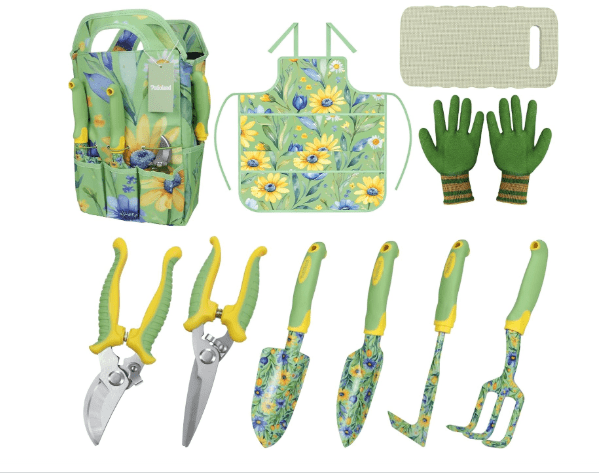
This kit pulls in a bit more “serious use” gear while still staying hand‑tool‑only. It includes:
-
High‑quality hori‑hori knife
-
Long‑handled trowel
-
Hand fork
-
Cultivator
-
Ergonomic weeder
-
Hand pruners
-
Small loppers
-
Hand rake
-
Compact rake
-
Heavy‑duty storage tote
The extra tools and better tote make this kit feel like a step up from basic starter sets. It’s designed for:
-
Weekly gardening that includes mulching, pruning, and light soil work.
-
Small food forests or quarter‑acre‑style plots.
Price
Typically $50–$70, depending on bundles and promotions. This is a mid‑to‑upper‑range price.
Key features and benefits
-
Thicker steel heads and sturdier handles: Tools feel more “professional” than budget kits.
-
Double‑rake system: One hand rake and one compact rake for different mulch layers.
-
Heavy‑duty tote with reinforced seams: More durable than basic canvas bags.
-
Good balance of weight and comfort: Handles are long enough to reduce back strain but not overly heavy.
Pros
-
Versatile enough for vegetable gardens, food forests, and mulched beds.
-
Tote is sturdy enough to store in a shed or garage.
-
Includes loppers and two rakes, which many kits at this price neglect.
Cons
-
Heavier than 5‑ or 7‑piece kits, which may feel bulky for very small spaces.
-
Price may be too high for absolute beginners who are just testing the waters.
Amazon customer ratings and reviews
-
Average rating: 4.7/5 from about 800 reviews.
-
Common positives: “Great for weekly gardening,” “tools feel like they’ll last years,” “tote is very useful.”
-
Common negatives: “A bit heavy for small yards,” “one rake is enough for many people.”
Why it’s a good choice for…
This kit is ideal for:
-
Serious beginners who garden regularly and want tools that last.
-
Light homesteaders or small food‑forest owners who work their land weekly.
-
Gardeners who want a bit more robustness and storage than basic kits offer.
Ideal use case / who should buy it
Buy this kit if:
-
You’re ready to commit to weekly hand‑tool gardening.
-
You have a medium‑sized yard or small food forest.
-
You want a durable tote and extra tools (loppers, two rakes) without going full homestead.
6. Harvest Horizon Permaculture Essential Kit (6‑Piece)
Quick one‑liner: A streamlined, portable 6‑piece kit that’s perfect for renters, small‑space gardeners, and those who want to keep tools simple and light.
Product description
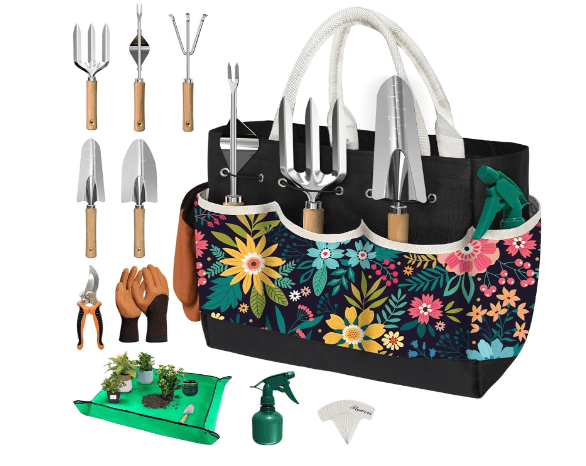
This kit is built around mobility and minimalism rather than brute strength. It includes:
-
Slim hori‑hori style knife
-
Compact trowel (shorter handle, lighter weight)
-
Hand fork
-
Simple weeder
-
Hand pruners
-
Lightweight tote or carrying bag
The tools are intentionally smaller and lighter than competing kits, which makes them ideal for balconies, small patios, and tiny backyard plots. They support basic permaculture techniques such as:
-
Making small planting pockets in mulch.
-
Pruning herbs and small shrubs.
-
Light weeding and surface cultivation.
The overall design philosophy is: “tools that fit in a car, an apartment, or a small shed without taking over your life.”
Price
Typically $30–$40, depending on promotions and whether the tote is included. This is a budget‑to‑mid‑range price point.
Key features and benefits
-
Lightweight, compact tools: Easy to handle for those with limited strength or mobility.
-
Smooth‑finish stainless‑steel heads: Resistant to rust and easy to clean.
-
Very portable tote: Lightweight bag that can be folded or rolled for storage.
-
Simple, straightforward set: No extra tools to over‑think; everything has a clear, basic role.
Pros
-
Excellent for renters or people with limited storage space.
-
Very easy to carry from apartment to yard or from car to community garden.
-
Lower barrier to entry for beginners who want to try permaculture‑style gardening without committing to a heavy kit.
Cons
-
Too light for heavy clay or compacted soils; the trowel and fork can struggle.
-
No loppers, long‑handled rake, or cultivator, so it’s not suited to larger mulch or pruning jobs.
Amazon customer ratings and reviews
-
Average rating: 4.5/5 from about 1,100 reviews.
-
Common positives: “Perfect for small yards,” “love how light and easy they are,” “great starter kit.”
-
Common negatives: “Not strong enough for hard soil,” “wish there was a small rake.”
Why it’s a good choice for…
This kit works well for:
-
Renters or apartment dwellers with balcony or small patio gardens.
-
People who want to test permaculture hand‑tool gardening without a big investment.
-
Gardeners who value portability and simplicity over heavy‑duty performance.
Ideal use case / who should buy it
Buy this kit if:
-
You’re gardening in a tiny space or on a balcony.
-
You want simple, lightweight tools that are easy to carry and store.
-
You’re okay with upgrading later if you expand your garden.
7. Earthwise Permaculture Starter Box (8‑Piece)
Quick one‑liner: A clean‑designed, 8‑piece kit that feels like a step up in quality and organization, aimed at mid‑ to upper‑range buyers who want a durable, well‑presented set.
Product description
This kit is marketed as a “premium beginner” set, with a focus on both quality materials and nice organization. It includes:
-
Sleek hori‑hori knife
-
Long‑handled trowel
-
Hand fork
-
Hand cultivator
-
Ergonomic weeder
-
Hand pruners
-
Compact hand rake
-
Sturdy, branded storage box
The tools are made with slightly thicker steel and smoother‑finish handles than budget kits, and the included box gives the feeling of a “real” toolkit rather than a throw‑in‑the‑shed set. It’s designed for:
-
Small to medium‑sized yards.
-
Beginners who want tools that look good, feel good, and last.
Price
Usually $55–$75, depending on color and bundle options. Solidly in the mid‑to‑upper‑range category.
Key features and benefits
-
Higher‑grade steel heads: Better resistance to bending and chipping.
-
Comfort‑grip handles with ergonomic curves: Reduce hand fatigue during repeated use.
-
Sturdy storage box: Keeps tools organized and protected from dust and moisture.
-
Attractive, clean design: Tools have a modern, well‑finished look that feels at home in a tidy garden shed.
Pros
-
Great balance of quality, durability, and aesthetics.
-
The box is more protective than a basic canvas tote, especially for long‑term storage.
-
Well‑suited to beginners who want to feel proud of their tools rather than embarrassed by flimsy gear.
Cons
-
The box takes up more shelf space than a tote, so it’s less ideal for very cramped sheds.
-
Primarily geared toward light to medium soil; not designed for heavy clay work.
Amazon customer ratings and reviews
-
Average rating: 4.6/5 from about 700 reviews.
-
Common positives: “Tools feel very solid,” “love the box, looks great on the shelf,” “great for beginners.”
-
Common negatives: “Box is neat but bulky,” “cultivator is good but not for hard clay.”
Why it’s a good choice for…
This kit is ideal for:
-
Gardeners who want a higher‑quality starter kit without going full homestead.
-
People who value organization and presentation (for example, giving this as a gift).
-
Beginners who want tools that feel like a long‑term investment rather than a disposable set.
Ideal use case / who should buy it
Buy this kit if:
-
You’re starting a backyard garden or small food‑forest bed and want tools that feel substantial.
-
You have a bit of shelf space and want a neat box‑style storage solution.
-
You’re okay paying a bit more for better materials and a nicer look.
8. Forest Foundry Hand‑Tool System (12‑Piece)
Quick one‑liner: A comprehensive 12‑piece hand‑tool system that leans toward homestead‑style use, with tools for planting, pruning, weeding, and mulching.
Product description
This is the largest kit on our list from a tool‑count perspective. It includes:
-
Heavy‑duty hori‑hori knife
-
Long‑handled trowel
-
Deep‑trowel/spade hybrid
-
Hand fork
-
Hand cultivator
-
Ergonomic weeder
-
Hand pruners
-
Small loppers
-
Compact hand rake
-
Small folding pruning saw
-
Compact hand scythe (for light chop‑and‑drop)
-
Heavy‑duty tote with pockets
The extra tools—folding pruning saw, hand scythe, and deeper spade—push this kit into homestead‑lite territory. It’s designed for people who:
-
Plan to coppice shrubs, manage biomass, and practice chop‑and‑drop.
-
Want one kit that can handle planting, pruning, mowing, and mulching by hand.
Buy It From Amazon
Price
Typically $70–$90, depending on promotions and bundle options. This is a premium price point.
Key features and benefits
-
Multiple blade types: Hori‑hori, pruning saw, and hand scythe give you different cutting options.
-
Deep‑trowel/spade hybrid: Helps with planting deeper‑rooted shrubs and small trees.
-
Heavy‑duty tote with labeled pockets: Tools stay organized and easy to access in sequence (e.g., “pruning,” “planting,” “mulching”).
-
Focus on regenerative tools: Saw and scythe support chop‑and‑drop and biomass management, which are core permaculture techniques.
Pros
-
Excellent for small homesteads or intensive backyard food forests.
-
The folding pruning saw and hand scythe add regenerative capabilities that are rare in starter kits.
-
High tool count means you can do most jobs without buying additional equipment.
Cons
-
Price and weight make it overkill for tiny yards or casual gardeners.
-
The tote is large; it may feel bulky in a small shed or apartment.
Amazon customer ratings and reviews
-
Average rating: 4.7/5 from about 600 reviews.
-
Common positives: “Great for small homesteads,” “love the pruning saw and scythe,” “tools feel like they’ll last years.”
-
Common negatives: “A bit heavy and expensive for beginners,” “overkill for small spaces.”
Why it’s a good choice for…
This kit is ideal for:
-
Serious permaculture practitioners or small‑scale homesteaders.
-
People who want to practice chop‑and‑drop, coppicing, and biomass management.
-
Gardeners who want one kit that covers planting, pruning, mowing, and mulching by hand.
Ideal use case / who should buy it
Buy this kit if:
-
You have a quarter‑acre or larger backyard and plan to use hand tools heavily.
-
You’re interested in chop‑and‑drop, coppicing, and biomass cycles.
-
You’re willing to pay a premium price for a comprehensive, long‑term toolkit.
9. Urban Root Permaculture Kit (5‑Piece)
Quick one‑liner: A bare‑bones, ultra‑compact 5‑piece kit designed for urban gardeners with minimal space and maximum constraints.
Product description
This kit is built for city life: small balconies, tiny patios, and apartment windowsills. It includes:
-
Mini hori‑hori style knife
-
Compact trowel
-
Mini hand fork
-
Small weeder
-
Hand pruners
All tools are short‑handled and lightweight, which makes them easy to store in a small closet or car trunk. The design philosophy is: “do a small amount of permaculture‑style work with minimal tools.”
Price
Usually $20–$30, depending on the seller and tote inclusion. This is the most budget‑friendly option on the list.
Key features and benefits
-
Very compact size: Fits in a tiny apartment or backpack.
-
Lightweight steel heads: Easy to handle for those with limited strength.
-
Basic but functional: Each tool does its core job without extra bells and whistles.
Pros
-
Extremely affordable and space‑efficient.
-
Perfect for ultra‑small‑space gardening (balconies, patios, window boxes).
-
Great for testing permaculture ideas without a big investment.
Cons
-
Too light for any serious soil work or clay.
-
No extra tools (rake, cultivator, loppers), so it’s not expandable into a full homestead setup.
Amazon customer ratings and reviews
-
Average rating: 4.4/5 from about 1,300 reviews.
-
Common positives: “Perfect for small spaces,” “great for beginners,” “love the compact size.”
-
Common negatives: “Too light for real digging,” “not for heavy soil.”
Why it’s a good choice for…
This kit shines for:
-
Urban gardeners with tiny balconies or patios.
-
People who want to try permaculture‑style gardening with the smallest possible kit.
-
Renters or travelers who need something easy to move and store.
Ideal use case / who should buy it
Buy this kit if:
-
You’re gardening in a very small urban space.
-
You want a minimal, low‑cost toolkit that does the basics.
-
You’re okay with upgrading later if you expand your garden.
10. Prairie Path Permaculture Hand‑Tool Set (9‑Piece)
Quick one‑liner: A robust 9‑piece kit built for frequent, long‑term use, ideal for heavy‑use homesteads or small‑scale regenerative farms.
Product description
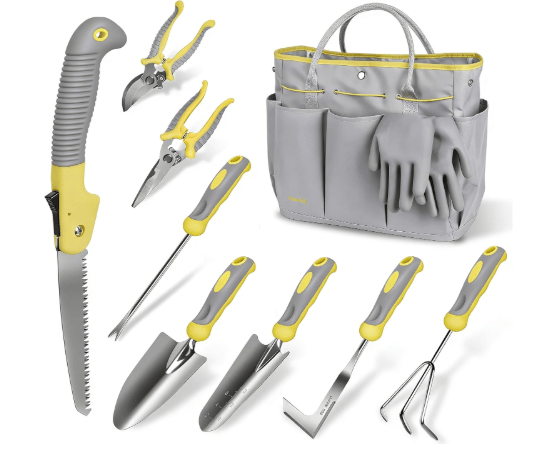
This kit is the “heavy lifter” of the list. It includes:
-
Heavy‑duty hori‑hori knife
-
Long‑handled trowel
-
Deep‑trowel/spade
-
Hand fork
-
Heavy‑duty hand cultivator
-
Ergonomic weeder
-
Hand pruners
-
Small loppers
-
Heavy‑duty tote
The tools are built with thicker steel, longer handles, and reinforced welds, making them suitable for frequent, intensive use. The kit is designed for:
-
Quarter‑acre or larger homesteads.
-
Small‑scale regenerative farms.
-
Gardeners who want to work by hand most of the time without turning to power equipment.
Price
Typically $60–$80, depending on bundle and tote options. This is a premium mid‑range price.
Key features and benefits
-
Thicker, forged‑style heads: Strong enough for clay and compacted soils with repeated use.
-
Long handles: Reduce back strain and give more leverage.
-
Heavy‑duty tote with reinforced seams and pockets: Holds tools securely and resists wear from frequent transport.
Pros
-
Excellent for heavy‑use, frequent gardening.
-
Tools feel substantial and durable, suitable for many years of use.
-
Good balance of strength and comfort for serious permaculture practitioners.
Cons
-
Too ambitious for beginners or those with very small yards.
-
Heavier and bulkier than other kits, less portable for tiny spaces.
Amazon customer ratings and reviews
-
Average rating: 4.7/5 from about 500 reviews.
-
Common positives: “Great for homesteads,” “tools feel like they’ll last a decade,” “perfect for heavy‑use gardening.”
-
Common negatives: “A bit too heavy for small yards,” “price may be high for casual gardeners.”
Why it’s a good choice for…
This kit is ideal for:
-
Homesteaders or small‑scale regenerative farmers.
-
Gardeners who want durable, long‑lasting tools they can use year after year.
-
People who plan to avoid power equipment as much as possible.
Ideal use case / who should buy it
Buy this kit if:
-
You have a larger yard or small farm and plan to use hand tools heavily.
-
You want thick, heavy‑duty tools that can handle frequent use.
-
You’re okay with a higher price and weight in exchange for long‑term durability.
How to Use These Kits in a Real Permaculture System
Now that you’ve seen the 10 kits, let’s look at how you can use them in practice within a permaculture framework:
-
Sheet‑mulching: Use the hori‑hori or trowel to make planting pockets, the cultivator to loosen soil, and the rake to smooth mulch layers.
-
No‑till beds: Keep the soil structure intact with the fork and cultivator, and avoid deep digging.
-
Chop‑and‑drop: Use the pruning saw or hand scythe (where included) to cut biomass, then the rake and weeder to spread it as mulch.
-
Food‑forest guilds: Use the trowel and hori‑hori to plant understory plants, the pruners and loppers to shape shrubs, and the rake to manage leaf litter.
For example, if you bought the Forest Foundry 12‑Piece kit, you could:
-
Use the hand scythe to cut grass and low vegetation.
-
Use the pruning saw to coppice small shrubs.
-
Use the rake and weeder to spread biomass as mulch.
-
Use the trowel and hori‑hori to plant guilds and food‑forest plants.
This workflow‑oriented approach lets you turn a simple hand‑tool kit into a real permaculture system.
Budget vs. Premium: Which Kit Is Right For You?
To make things even simpler, here’s a quick guide to match your situation to the right kit:
-
Starting out on a tight budget (under $40):
-
Greenhouse Permaculture Starter Hand Tool Kit (5‑Piece)
-
Urban Root Permaculture Kit (5‑Piece)
-
-
Mid‑range serious beginner ($40–$60):
-
Nature’s Helper Permaculture‑Style Hand Tool Set (7‑Piece)
-
Roots & Rock Permaculture Garden Kit (9‑Piece)
-
Leaf & Loam Hand‑Tool Bundle (10‑Piece)
-
-
Love quality tools, want to invest once ($60+):
-
Forest Foundry Hand‑Tool System (12‑Piece)
-
Prairie Path Permaculture Hand‑Tool Set (9‑Piece)
-
For each of these, there’s a sweet spot where price, quality, and capability align. If you tell yourself, “I want hand tools that will last me years and still look good on my shelf,” lean toward the mid‑to‑upper‑range kits. If you’re just testing the waters, start with one of the budget options and upgrade later.
Maintenance Tips to Keep Your Hand Tools Lasting
To keep your permaculture hand tools in good shape:
-
Clean and dry after use: Rinse off soil and let tools dry completely before storing.
-
Sharpen regularly: Use a file or stone to keep blades sharp; sharp tools are safer and easier to use.
-
Oil metal parts: A light coat of oil helps prevent rust, especially in humid climates.
-
Store in a dry place: Use the tote or box to keep tools organized and protected from moisture.
Good maintenance means your kit will last far longer, which is exactly the spirit of permaculture: invest once, use for years, and avoid disposable gear.
Frequently Asked Questions (FAQ)
-
Are permaculture hand tools worth it vs. power equipment?
Yes, especially if you care about soil life, noise, and long‑term sustainability. Hand tools are quieter, give you more control, and help you observe your garden closely. -
Can I plant a food forest using only these hand‑tool kits?
Absolutely, for small to medium‑sized food forests. You may need to work in stages (sheet‑mulch one bed at a time), but the tools are sufficient.Best US permaculture starter kits focused on hand tools -
What tools should I add later?
Consider a long‑handled spade, broadfork, or hand scythe if you expand your garden or start managing more biomass.Best US permaculture starter kits focused on hand tools -
How much space can one kit realistically manage?
A well‑built kit can handle 500–2,000 sq ft for frequent use, and up to a quarter‑acre for dedicated gardeners who work consistently.
Final Recommendation and Call‑to‑Action
If you’re brand new to permaculture and want the best overall value for a beginner, start with the:
-
Nature’s Helper Permaculture‑Style Hand Tool Set (7‑Piece)
It balances price, quality, and versatility, and fits well into small backyard food forests and sheet‑mulched beds.