Hook and Promise
Are raised beds always better? If you’ve wrestled with compacted clay, soggy ground, or a tiny urban plot, raised beds can feel like a gardening superpower — faster warming, better drainage, and easier access. But raised beds aren’t a universal fix. This guide gives clear, evidence-based answers and a practical decision framework so you know exactly when to build raised beds, when to improve in-ground soil, and when to use hybrid solutions. I draw on extension research, real-world case studies, and decades of small-farm and garden experience to help you choose the best approach for your climate, soil, budget, and goals.
Understanding Raised Beds — What They Are and How They’re Used
Definition and common formats
-
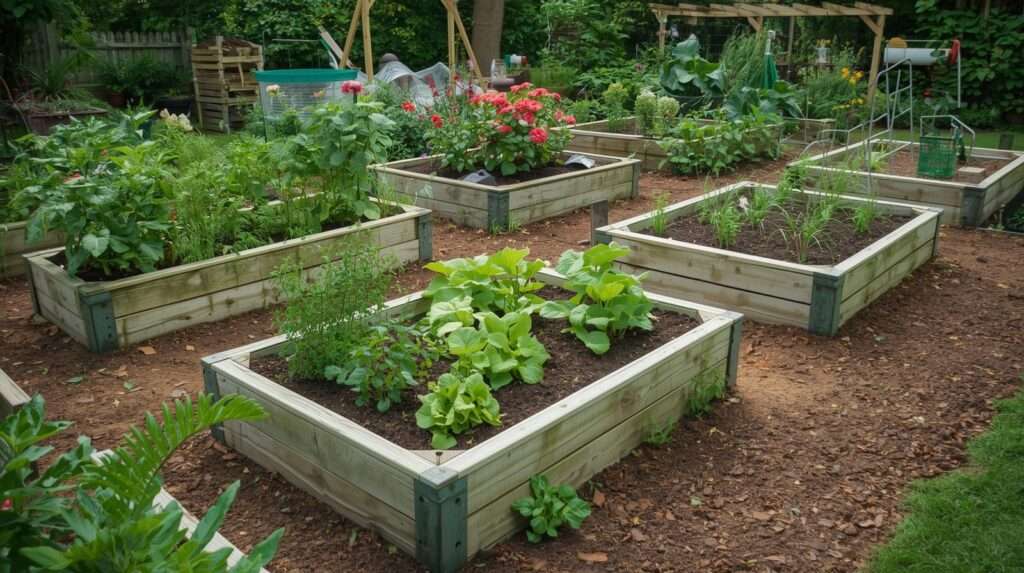
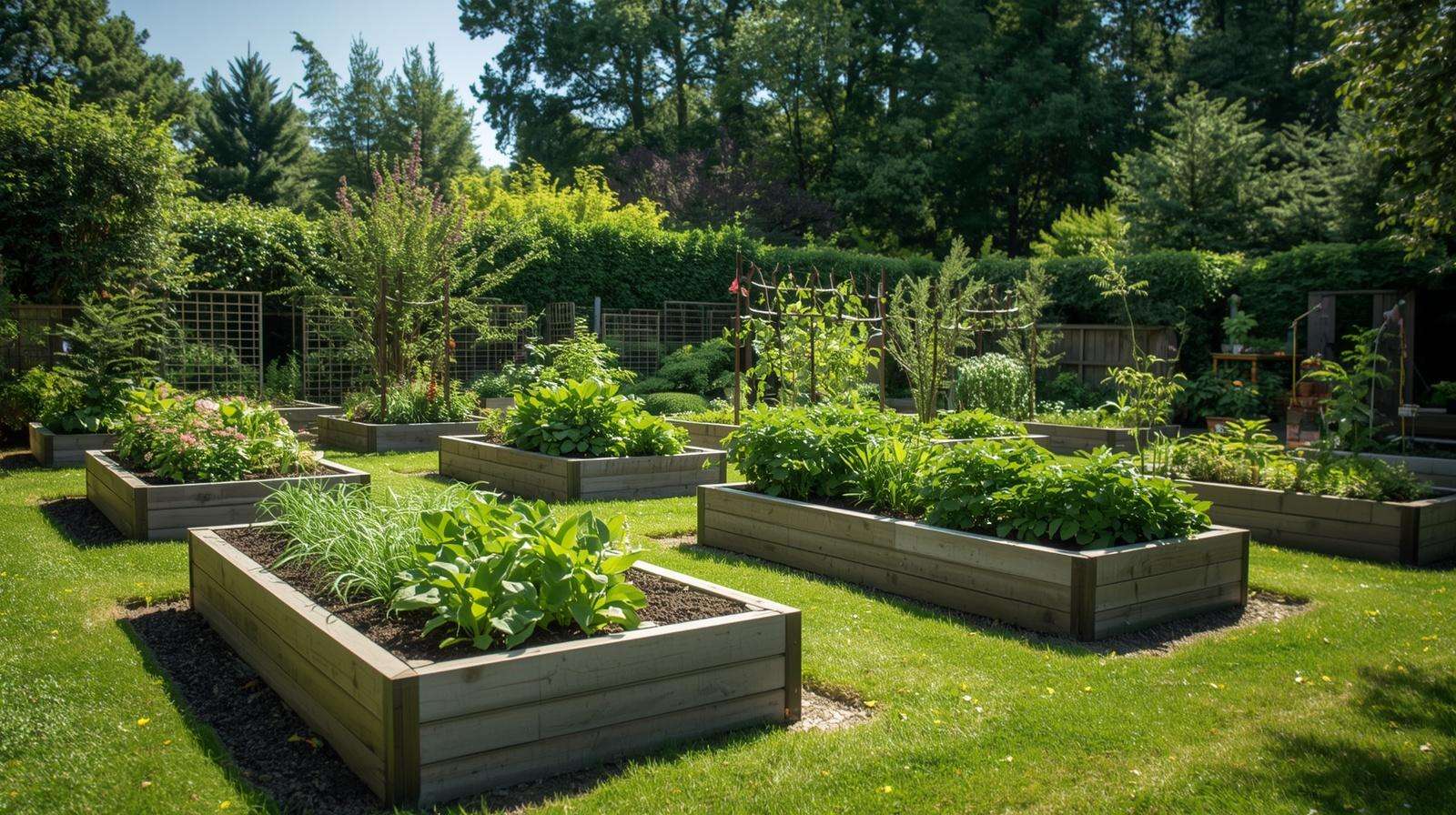
Raised beds are planting areas where the soil surface sits above the surrounding ground level. They can be framed (lumber, metal, stone), unframed mounds (no-dig or lasagna beds), or specialized systems (hugelkultur, grow boxes).
-
Scales: single backyard beds (1–10 m2), intensive market beds (rows or blocks), container/vertical raised systems for patios and balconies.
Types by material and construction
-
Framed beds: timber (untreated cedar, pressure-treated concerns), metal (corrugated steel), concrete (permanent, warms quickly), stone (long-lived), recycled materials (pallets, bricks).
-
Unframed mounds: lasagna/no-dig, earthen berms, hugelkultur (wood core).
-
Fabric and modular beds: geotextile bags or foldable beds for portability.
Common uses
-
Vegetable production, raised pollinator strips, accessible beds for elderly or disabled gardeners, remediation of contaminated sites (e.g., lead), and urban agriculture where soil is poor or nonexistent.
Core Benefits of Raised Beds — When They Are Better
Improved drainage and aeration
-
Why it matters: In heavy clay, poor drainage causes root hypoxia and disease. Raised beds elevate the root zone above the saturated layer, improving oxygen access.
-
Evidence and practice: Extension studies show reduced root rot incidence when waterlogged soils are avoided; raised beds provide controlled root environments.
Warmer soil and extended season
-
Raised soil warms faster in spring because of increased surface area and reduced thermal mass contact with cold subsoil. This can allow earlier planting and faster germination—beneficial in short-season climates.
Soil control and fertility management
-
In a raised bed you set the soil mix: adjust pH, organic matter, and texture precisely. This is critical on contaminated or heavily depleted sites.
Accessibility and ergonomics
-
Beds at comfortable height reduce bending and kneeling, increasing participation for older gardeners and those with mobility challenges.
Pest, weed, and disease management
-
Physical separation, row covers, and tighter crop spacing make monitoring and pest control simpler. Soil amendments reduce weed seed bank and enable cleaner beds.
Higher yields per area (intensive systems)
-
Methods like square-foot gardening and biointensive spacing can increase yield per m2 in raised beds by enabling close-planted crops with optimal fertility and moisture control.
Downsides and Limitations — When Raised Beds Aren’t Better
Higher upfront costs
-
Materials, imported soil, and labor add up. Expect higher per-square-meter initial costs versus improving in-ground soil, especially for large areas.
Faster drying and increased irrigation needs
-
Beds drain well but can dry quickly in hot, windy, or arid climates, increasing irrigation frequency and water costs.
Limited rooting depth
-
Framed beds with shallow fill restrict deep-rooted crops like certain fruiting trees or tap-rooted vegetables unless you design deeper beds or containers.
Environmental and longevity concerns
-
Treated lumber (chromated copper arsenate historically) and some plastics have environmental and disposal concerns. Metal beds can heat excessively in hot sun. Concrete can alter soil pH locally.
Maintenance and replacement
-
Wood frames rot; soils settle and need top-ups; beds may require rebuilds every 8–20 years depending on materials.
Decision Framework — Are Raised Beds Better for You?
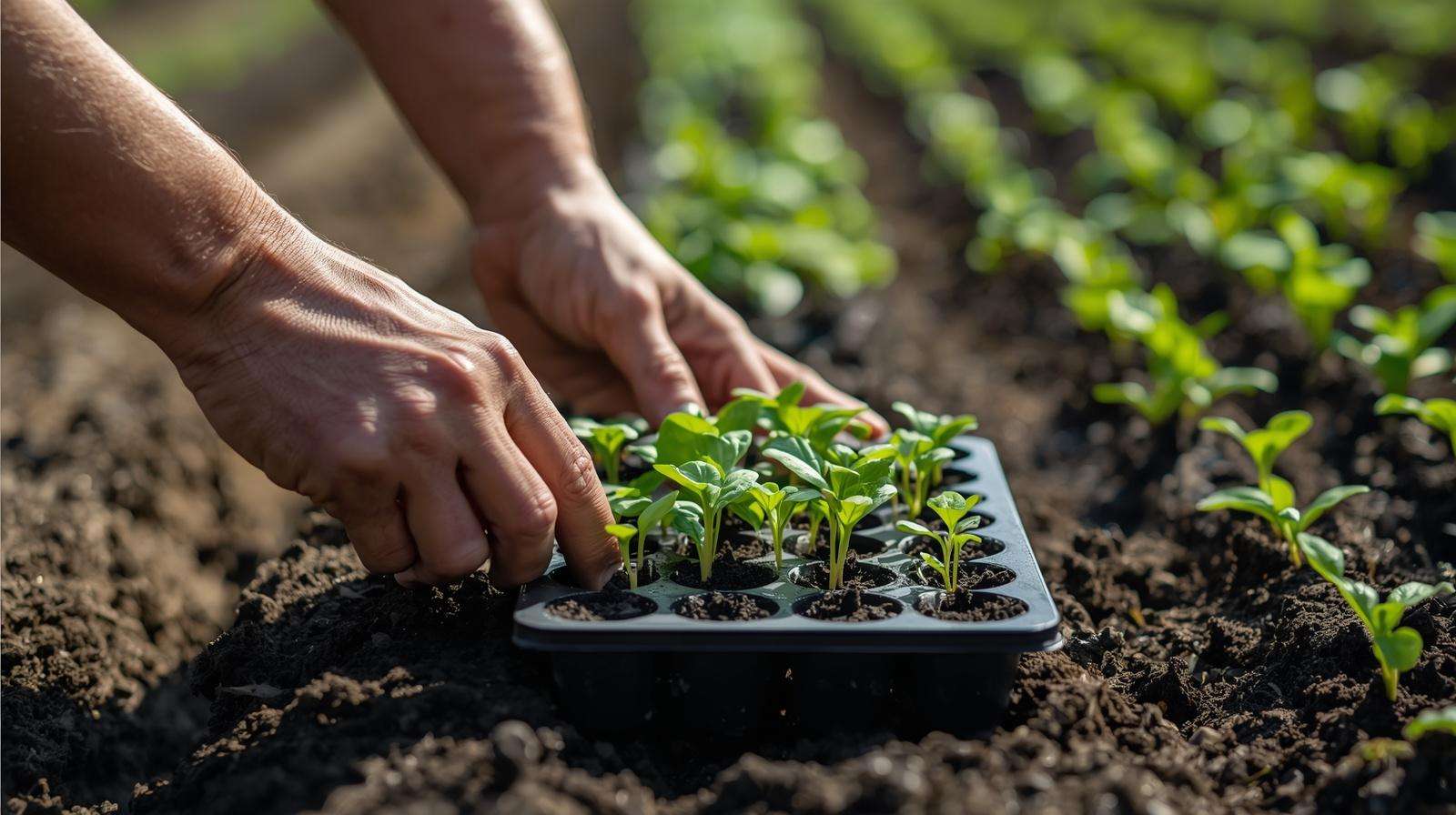
Step 1: Assess your soil
-
Test texture, compaction, drainage, pH, and contaminants (lead, arsenic). If soil is contaminated or excessively compacted, raised beds are often the safest and fastest fix.
Step 2: Evaluate climate and water
-
Hot/dry climates: raised beds increase evaporation risk—consider deeper mounds with mulching and drip irrigation or in-ground improvements.
-
Cold/short-season climates: raised beds typically help start earlier.
Step 3: Define your goals
-
Accessibility, high-value intensive production, season extension, remediation—raised beds align well.
-
Large-scale production or deep-rooted perennial crops may be better in-ground.
Step 4: Budget, labor, and timeframe
-
Low budget/long timeline: in-ground improvements amortize cheaper for large areas.
-
Quick, high-value turnaround: raised beds excel for immediate results.
Step 5: Long-term land use and scalability
-
Are beds temporary or permanent? For market gardens needing rotation and scale, modular or movable beds can be more sustainable.
Quick decision checklist (text flow)
-
If soil contaminated, highly compacted, or drainage very poor → use raised beds.
-
If water scarce or growing deep-rooted perennials at scale → prefer in-ground or hybrid mounds.
-
If budget limited but small area → use low-cost raised beds or no-dig lasagna beds.
-
If accessibility or season extension is top priority → use raised beds.
Alternatives and Hybrids — Better Options Sometimes
In-ground improvements
-
Double digging, deep ripping, cover crops, and organic matter incorporation can transform poor soils without building beds.
No-dig and lasagna beds
-
Layering organic materials increases soil life while reducing labor and preserving structure. Works well where you can leave beds undisturbed.
Hugelkultur, mounded rows, and swales
-
For sloped or wet sites, hugelkultur (wood core) and swales manage water and add long-term fertility. These can be cheaper and more sustainable at scale.
Containers and vertical systems
-
For patios and balconies, containers and vertical towers are better than raised beds; they save space and can be moved.
Hybrid approaches
-
Raised rows without frames: create raised soil ridges that mimic beds without the cost of framing.
-
Partial bed fill: combine in-ground soil improvement for deep roots with localized raised beds for shallow, high-value crops.
How to Build Effective Raised Beds — Practical Plans
Siting and orientation
-
Align beds north-south for even sunlight on crops. Place near water, compost, and tools. Consider windbreaks and shade.
Sizing and depth
-
Standard accessible width: 90–120 cm (3–4 ft) so you can reach center from either side. Depth: 20–45 cm (8–18 in) minimum for vegetables; 60 cm (24 in) or deeper for root crops or heavier production.
Materials: pros and cons
-
Untreated cedar/locust: durable, low toxicity, moderate cost.
-
Reclaimed wood: cheap but variable and may contain chemical residues.
-
Corrugated steel: durable, sleek; can heat soil.
-
Concrete: permanent but high embodied carbon and potential pH issues.
-
Fabric beds: low cost, portable, but limited depth.
Soil recipes
-
General-purpose vegetable mix: 40% topsoil, 30% compost, 20% coarse sand or grit (if drainage needed), 10% well-rotted manure or leaf mold. Adjust for local soil quality—use local topsoil only if uncontaminated.
-
Lightweight option for rooftop beds: equal parts compost, coconut coir, and lightweight aggregate.
Layering and construction steps (budget, mid-range, premium)
-
Budget (no frame): mark bed, remove sod (optional), layer cardboard, add alternating layers of green and brown organic matter (lasagna method), top with compost and mulch.
-
Mid-range (wood frame): build frame to desired depth and width, line base with weed barrier if needed, fill with soil mix, level, water, and settle.
-
Premium (drainage, irrigation): add gravel drainage layer only if necessary, install drip irrigation, add soil mix and landscape fabric edge, cap with quality compost.
Drainage and irrigation tips
-
Install drip lines for water efficiency. Use soaker hoses where drip is unavailable.
-
Mulch heavily to reduce evaporation (wood chips, straw, or compost).
Low-cost salvage options
-
Pallets (disassemble), reclaimed bricks, old tires (for small circular beds), and soil mounded into berms.
Crop Selection and Planting Strategies
Crops that thrive in raised beds
-
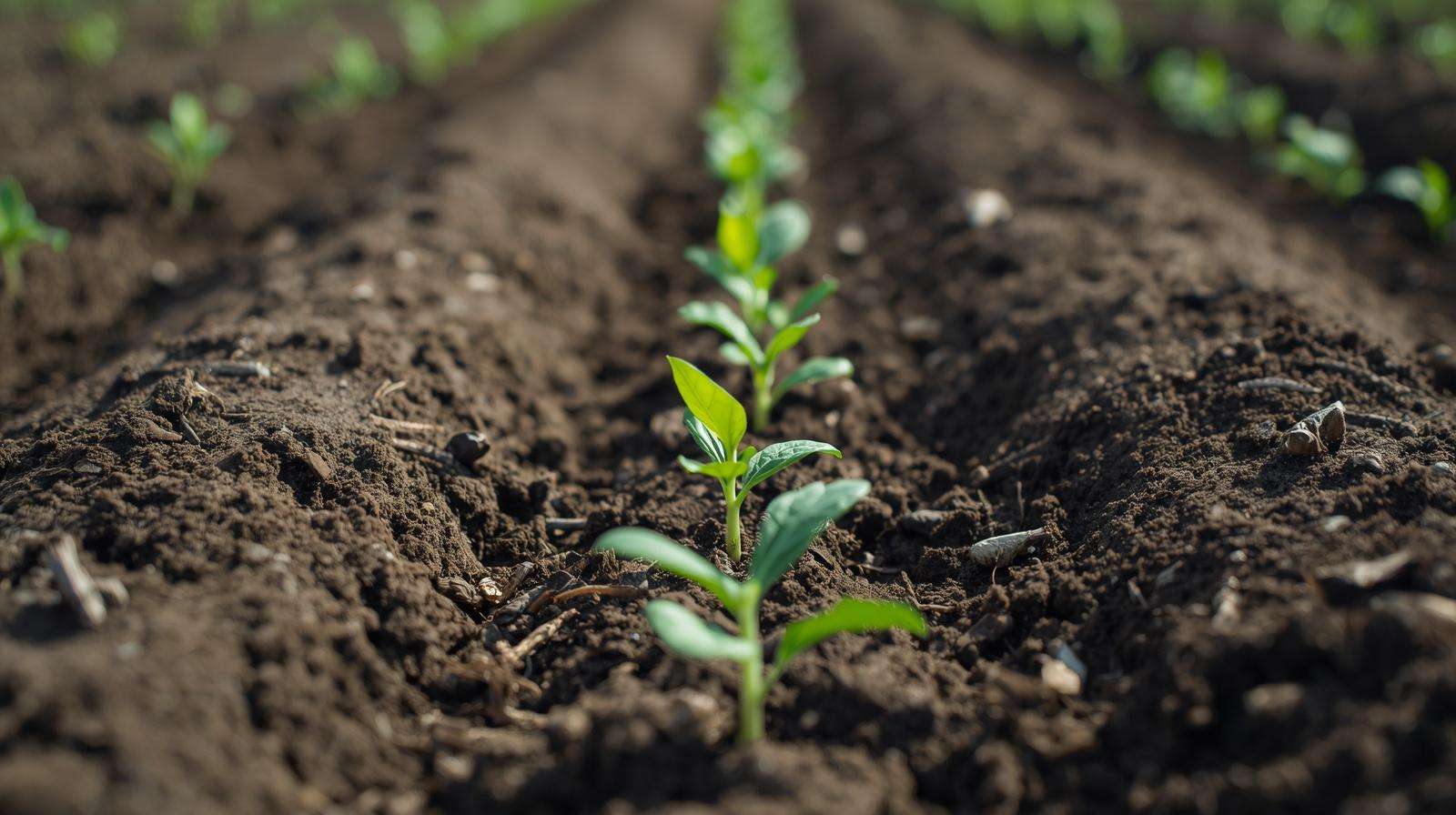
Leafy greens, herbs, salad mixes, bush beans, shallow-rooted root crops (radishes, baby carrots), strawberries, and many annuals.
Crops to avoid or adapt
-
Large fruiting trees, deep tap-root crops (large carrots, parsnips sometimes OK if bed deep), and heavy feeders that may deplete small beds quickly unless managed.
Rotation and succession
-
Use successive planting and short rotations to minimize pests and soil nutrient depletion. Consider legumes to fix nitrogen between heavy feeders.
Companion planting and intercropping
-
Maximize space with intercropping (radish + lettuce), vertical supports for vining crops, and trenching to interplant fast and slow-maturing crops.
Watering, Fertility, and Soil Health
Irrigation systems
-
Drip tape with pressure regulator, micro-sprinklers for denser plantings, and manual watering for very small beds. Time irrigation early morning to reduce disease risk.
Fertilizer strategies
-
Start with a fertile mix including compost. Top-dress with compost mid-season. Use balanced organic fertilizers (bone meal, kelp, fish-based products) tailored to leaf vs. fruit crops.
Maintaining soil life
-
Avoid frequent disturbance; use cover crops and green manures in off-season; rotate crops and add compost annually to maintain microbial diversity.
Troubleshooting nutrients
-
Common deficiencies: nitrogen (yellowing leaves), potassium (margins brown), magnesium (interveinal chlorosis). Soil test before heavy amendment; correct with targeted organic amendments.
Cost-Benefit and ROI — Real Numbers and Scenarios
Example budget comparison (illustrative)
-
4 m x 1.2 m framed raised bed (mid-range): materials $80–$250, soil fill $100–$300 (depending on local soil), labor 4–8 hours; total $280–$650.
-
Equivalent in-ground improvement for same area: soil amendment (compost, gypsum) $50–$150, labor higher if mechanical tilling needed; total $100–$400 but slower results.
Yield-per-area comparisons
-
Intensive raised beds with succession planting can significantly increase yield per m2 for salad greens and herbs. For staples like potatoes, in-ground or deep mounds may be more efficient.
When raised beds pay off
-
Quick production on poor or contaminated soils, high-value crops (salad mixes, herbs), demonstration or accessible gardens, and season extension often justify costs.
Region-Specific Design Tweaks and Case Studies
Short-season/temperate climates
-
Use narrower beds, clear plastic cold frames, and row covers for season extension. Raised beds warm earlier, allowing earlier plantings.
Hot/dry climates
-
Build deeper beds, incorporate moisture-retaining amendments (biochar, compost), use shade cloth and heavy mulches, and place beds in protected locations.
Heavy clay or flood-prone sites
-
Raised beds or swales with proper drainage solve wetness; choose frame materials that resist rot and provide stable structure.
Three short case studies
-
Urban balcony gardener (Narayanganj-style): Two 60cm raised planters with lightweight mix produce continuous salads—solution: portable raised beds with drip watering and organic fertilizer.
-
1-acre market gardener: Converted half-acre to raised beds for tomatoes and herbs after compaction issues; increased early-season yields but required investment in drip irrigation and compost supply.
-
Community garden on contaminated lot: Framed raised beds with imported soil allowed safe vegetable production and reduced lead exposure risk.
Environmental and Sustainability Considerations
Material sourcing
-
Prioritize reclaimed, local, or sustainably harvested wood; avoid older treated lumber. Consider life-cycle of materials and plan for reuse.
Soil carbon and biodiversity
-
Deep in-ground systems can sequester more carbon long-term if managed well; however, well-amended raised beds with continuous organic matter inputs maintain high microbial activity.
End-of-life planning
-
Design beds to be disassembled, reuse soil on-site, and responsibly recycle or repurpose materials.
Common Mistakes and How to Avoid Them
Top mistakes
-
Overbuilding small beds with expensive materials; using contaminated fill; making beds too wide to reach; ignoring irrigation needs; failing to rotate crops.
Prevention checklist -
Test soil, plan irrigation, size beds for reachability, use proper soil mixes, and schedule regular compost top-ups.
Expert Tips and Quick Wins (Practical, Actionable)
-
Test your existing soil before deciding. A cheap lab test can save thousands.
-
Start with one or two beds to learn scale before committing to many.
-
Use drip irrigation and a soaker hose timer to save water and time.
-
Add 5–10 cm of compost each year instead of rebuilding bed fills often.
-
Mulch heavily to conserve moisture and suppress weeds.
-
Plant legumes between heavy feeders to restore nitrogen.
-
Use cold frames or clear tunnels attached to beds for season extension.
-
For contaminated lots, always use a barrier (landscape fabric + compost) and raised frames to keep roots separated.
Tools, Resources, and Further Reading
-
Local extension services: soil testing, pest diagnosis, and cultivar advice.
-
Recommended books: (include authoritative titles such as university extension handbooks and organic gardening classics).
-
Useful calculators: soil volume calculator, bed cost estimator, planting schedule templates.
Frequently Asked Questions
Are raised beds better for clay soil?
-
Yes, raised beds improve drainage and aeration over heavy clay and are often the fastest improvement.
Do raised beds dry out faster?
-
They can in hot or windy conditions. Mitigate with mulch, drip irrigation, and deeper beds.
How high should a raised bed be for vegetables?
-
20–45 cm is generally sufficient; 60 cm or more for root crops and intensive production.
Can you grow trees in raised beds?
-
Small fruit trees can be grown in very deep beds or large containers, but for permanent trees, in-ground is preferable for long-term root development.
Are raised beds worth it for small spaces?
-
Yes, for small urban plots they usually offer the best control over soil and drainage, increasing productivity per square meter.
Practical Recommendation Based on Context
-
For gardeners facing poor soil, contamination, accessibility needs, or needing fast, intensive production in limited space, raised beds are often the better choice.
-
For large-scale perennial plantings, deep-rooted crops, or contexts with severe water scarcity, in-ground improvements or hybrid approaches may be better.
-
Use the decision framework: test soil, define goals, consider climate and budget, and choose the solution that balances productivity with sustainability.