Picture the dark, forgotten corners of your plot—the areas under dense, mature tree canopies or tucked tightly against north-facing structural walls. While conventional agricultural wisdom dictates that full sun is the prerequisite for a successful harvest, writing off these low-light zones is a missed opportunity for any serious grower. Whether you are managing a suburban plot or aiming for total self-sufficiency through sustainable homesteading, every square foot matters.
This comprehensive guide provides an advanced, scientifically backed framework to assess, amend, and cultivate deep shade beds into highly productive, ecologically balanced zones. By shifting our perspective from fighting the lack of light to working with the unique microclimate it provides, we can unlock the potential of the garden’s most challenging spaces.
What Quantifies a “Deep Shade Bed”?
Before putting a spade into the earth, it is critical to understand the precise environmental parameters of your growing zone. Not all shade is created equal, and misidentifying your light levels is the primary reason shade crops fail.
Deep shade is generally defined as an area receiving less than two hours of direct sunlight per day, or heavily dappled light that rarely penetrates the canopy with intensity. In these zones, Photosynthetically Active Radiation (PAR)—the specific light wavelengths plants use for photosynthesis—is drastically reduced.
The Two Silent Culprits: Dry Shade vs. Damp Shade
To cultivate successfully in low light, you must diagnose your soil’s moisture profile. The lack of sun is only half the equation; water dynamics dictate the other half.
-
Dry Shade: This is the most notoriously difficult environment to manage. Dry shade typically occurs under large, established trees (like oaks or maples) or under deep architectural eaves. The canopy acts as an umbrella, deflecting rainfall, while the aggressive, mature root systems of the trees aggressively outcompete smaller crops for whatever moisture and nutrients remain.
-
Damp Shade: Found in low-lying areas, heavy clay soils, or tightly enclosed spaces where wind circulation is blocked. While damp shade relieves the stress of constant watering, the high humidity and persistently wet soil create an ideal breeding ground for fungal pathogens, root rot, and gastropods.
The Biological Challenges of Low-Light Cultivation
Plants growing in low-light environments are biologically distinct from their full-sun counterparts. To survive, they adapt by increasing their leaf surface area and concentrating chlorophyll to capture as many stray photons as possible.
Because energy is limited, shade-dwelling plants prioritize vegetative growth (leaves and roots) over the energy-intensive process of fruiting and flowering. This is why attempting to grow tomatoes, peppers, or squash in deep shade beds will result in leggy, stressed plants that fail to yield. The secret to success lies in aligning your crop selection with the biological reality of the microclimate.
Soil Optimization: The Foundation of Shade Productivity
In a full-sun garden, solar energy drives the system. In deep shade, soil biology must do the heavy lifting. Cultivating a rich, living soil web is the single most important step in transforming a dead zone into a productive bed.
Overcoming Intense Tree Root Competition
If your deep shade bed is located under mature trees, aggressive tilling is a critical mistake. Deep digging will sever the tree’s feeder roots, stressing the tree and inviting disease, while simultaneously bringing dormant weed seeds to the surface.
Instead, adopt a “no-till” top-dressing strategy. Build the bed up rather than digging down. By layering 3 to 4 inches of high-quality organic matter directly over the existing soil, you create a dedicated rooting zone for your crops that sits above the tree’s immediate root system.
The Organic Matter Formula for Low-Light Beds
Forest floors are naturally rich, spongy, and fungal-dominated. To replicate this ecological balance in your homestead, tailor your soil amendments accordingly:
-
Leaf Mold: The ultimate soil conditioner for shade. It holds up to 500% of its weight in water, making it invaluable for combating dry shade.
-
Well-Rotted Wood Chips: As these break down, they encourage the proliferation of beneficial mycelium networks, which help transport nutrients and moisture to plant roots.
-
Aeration Amendments: If dealing with damp shade, incorporate coarse sand or perlite into your organic matter to improve drainage and prevent anaerobic conditions that lead to root rot.
Designing the Bed Architecture for Maximum Light Reflection
While you cannot manufacture direct sunlight, you can manipulate the ambient light available to your deep shade beds through strategic architectural and landscaping choices.
Reflective Landscaping Adjustments
Every photon counts. You can significantly increase the ambient light reaching your crops by utilizing reflective surfaces:
-
Light-Colored Mulches: Swap dark bark mulch for lighter alternatives, such as straw or light-colored river stones, which bounce ambient light back up onto the undersides of leaves.
-
Backdrops: If the bed is against a wall or fence, painting the structure a stark, reflective white or utilizing light-colored panels can increase the overall luminosity of the microclimate by up to 20%.
Vertical Tiering in the Shade
Structural arrangement is vital. Taller shade-tolerant plants can quickly form their own micro-canopies, completely eclipsing the ground-hugging species below. Plant in a staggered formation, placing the tallest crops (like large ferns or sprawling bush varieties) at the northernmost edge of the bed, allowing the shorter leafy greens to receive unobstructed access to ambient southern exposure.
The Ultimate Crop Selection Guide for Deep Shade Beds
The rule of thumb for low-light agriculture is simple: If you grow it for the leaves or the roots, it can tolerate shade; if you grow it for the fruit, it needs the sun.
Leafy Greens and Culinary Herbs
Shade-grown greens often boast a superior flavor profile compared to those grown in full sun. The cooler temperatures and lower light prevent the plants from bolting (going to seed quickly) and keep the leaves tender and sweet.
-
Mustard Greens and Brassicas: Dwarf kale varieties, mizuna, and arugula thrive in dappled to deep shade. They will grow slower but yield consistently.
-
Lettuces: Loose-leaf varieties are highly adaptable and appreciate the relief from the midday heat.
-
Herbs: Mint, chervil, parsley, and lemon balm are vigorous growers that actually benefit from the containment of a shaded environment.
Perennial Edibles and Forest-Floor Crops
For a low-maintenance, long-term yield, look to plants that naturally evolved in woodland understories.
-
Ramps (Wild Leeks): A highly sought-after gourmet crop that requires the specific, undisturbed environment of a deep shade canopy to thrive.
-
Fiddlehead Ferns (Ostrich Fern): A perennial vegetable that provides a reliable early-spring harvest.
-
Alpine Strawberries: Unlike standard strawberries, these wild, woodland relatives produce tiny, intensely flavored berries even in significant shade.
Mushrooms: The Ultimate Zero-Light Harvest
To truly maximize the space in a sustainable homestead, integrate fungi. Mushrooms require zero sunlight and actively contribute to the breakdown of organic matter in the soil.
-
Wine Cap Mushrooms (Stropharia rugosoannulata): Easily cultivated by inoculating a bed of fresh hardwood chips and straw. They will flush aggressively in damp shade and help build phenomenal topsoil.
-
Shiitake Logs: Stack inoculated hardwood logs in the deepest, dampest corners of your shade zones where nothing else will grow.
Pest, Disease, and Environmental Management
Low-light ecosystems face unique environmental pressures that require proactive management strategies.
The Slugs and Snails Battleground
Damp, dark, and cool zones are paradise for gastropods. A healthy deep shade bed can be decimated by slugs overnight.
-
Organic Controls: Utilize beer traps or copper tape barriers around raised bed perimeters.
-
Ecosystem Integration: If your homestead includes poultry, allowing ducks or chickens controlled foraging access near (but not directly in) the beds can drastically reduce the pest population while contributing valuable nitrogen-rich manure to the surrounding ecosystem.
Air Circulation and Fungal Prevention
Without the drying power of the sun, morning dew and irrigation moisture linger on leaves, increasing the risk of Powdery Mildew and Downy Mildew.
-
Space your plants 20% to 30% further apart than seed packets recommend. This ensures adequate airflow between the foliage.
-
Prune overhanging tree branches to increase wind flow through the understory.
Irrigation Mechanics
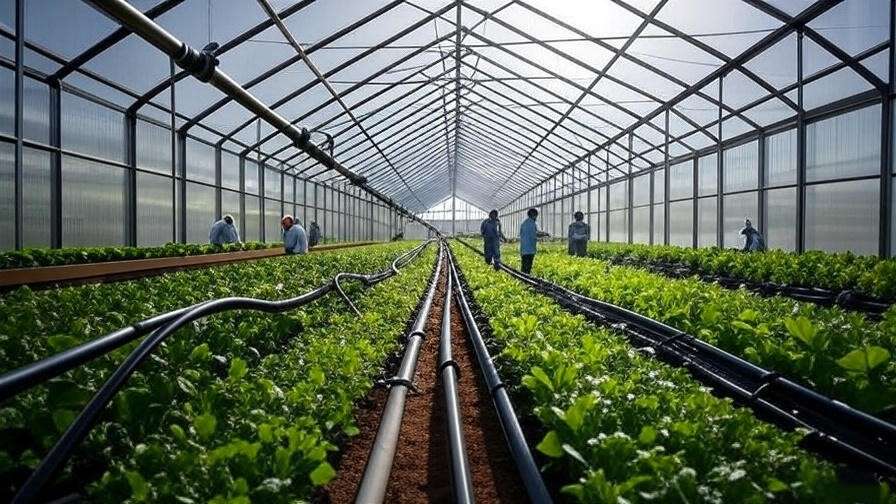
Watering deep shade beds requires precision. Overhead watering should be strictly avoided as it coats the leaves and encourages fungal spores. Implement a drip irrigation system directly at the soil level. Remember that damp shade beds will require significantly less water than sun-baked plots, while dry shade beds (under trees) will require deep, localized watering to bypass the tree roots.
Seasonal Care & Maintenance Timeline
Maintaining ecological balance in these zones requires year-round stewardship.
-
Early Spring: Rake away heavy, matted debris to allow the soil to absorb whatever ambient thermal energy is available. Apply your annual top-dressing of fungal-rich compost.
-
Summer Peak: Monitor moisture levels vigilantly. In dry shade, the tree canopy will be fully leafed out, blocking rainfall entirely. Heavy mulching is necessary to retain soil humidity.
-
Autumn/Winter: Allow natural leaf fall from the canopy to remain on the beds (unless the leaves are diseased). This natural mulch protects perennial roots from frost heave and breaks down over winter to feed the soil biology for the next season.
Maximizing Space Optimization with Low-Light Zones
Integrating deep shade beds into your broader agricultural plan is a masterclass in space optimization. For the sustainable homesteader, these zones act as a strategic reserve. When mid-summer heatwaves cause full-sun greens to bolt and turn bitter, your deep shade beds serve as a cool sanctuary, ensuring a continuous harvest of crisp lettuces and herbs right through the hottest months of the year.
By actively managing these spaces, you increase the overall yield, biodiversity, and ecological resilience of your property.
High-Value Supplementary Information
Crop Performance Matrix in Deep Shade
| Crop Type | Shade Type Suitability | Primary Vulnerability | Harvest Window Expectation |
| Alpine Strawberries | Dappled to Deep Damp | Slugs / Birds | Extended (Summer to Autumn) |
| Wine Cap Mushrooms | Zero to Deep Shade | Substrate Drying Out | Periodic Flushes (Spring/Fall) |
| Wild Ramps | Deep Dry/Damp Canopy | Over-harvesting | Short Early-Spring Window |
| Loose-Leaf Lettuce | Deep Ambient Shade | Slugs / Slower Growth | Cut-and-come-again |
Frequently Asked Questions
Can you grow tomatoes or peppers in deep shade beds?
No. Tomatoes, peppers, and other fruiting nightshades require massive amounts of cumulative solar energy to produce blossoms and mature fruit. In deep shade, they will become spindly, weak, and highly susceptible to disease without yielding a harvest.
How do I know if my shade is too deep for any plant life?
Look at the ground layer. If the soil is completely bare, or dominated entirely by dense moss and lichen with no natural weed growth, the light levels may be too low for traditional vegetables. This is the perfect location for mushroom log cultivation instead.
What mulch is best for deep shade?
Leaf mold is the gold standard. It mimics the natural forest floor, retains critical moisture without becoming waterlogged, and fosters the beneficial fungal networks required to support understory crops. Avoid heavy, dyed bark mulches which can suffocate the soil and leach undesirable chemicals into your food supply.