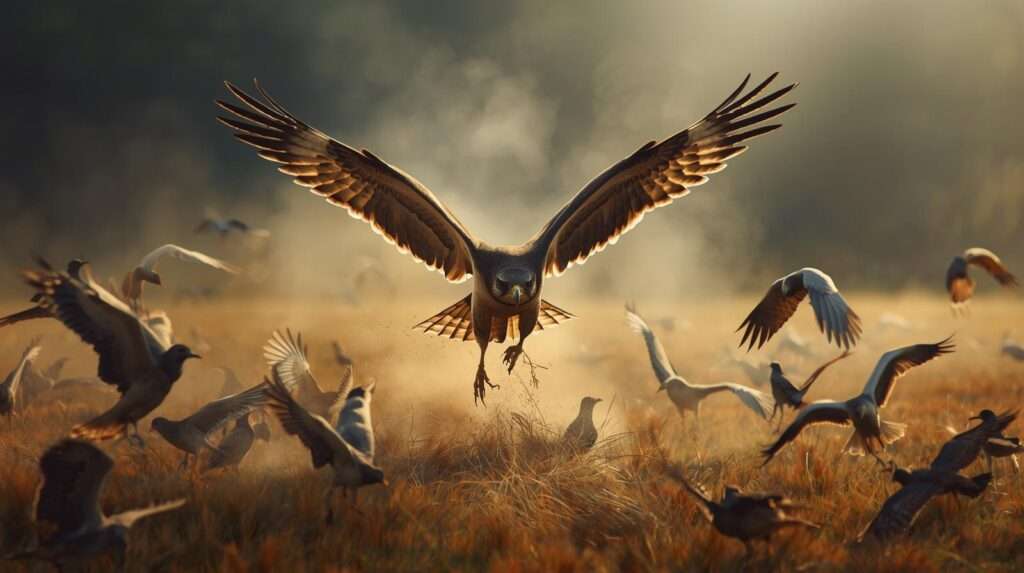
Picture a peaceful afternoon on the farm. Your chickens are happily scratching in the pasture, foraging for bugs, and taking dust baths in the sun. Suddenly, a shadow sweeps across the grass. Before you even register the sound of the alarm clucks, a blur of feathers and talons strikes from the sky.
Experiencing a hawk attack on the flock is one of the most devastating, frustrating events for anyone raising poultry. Whether you are managing a small backyard coop or a sprawling homestead, losing a bird to an aerial predator represents not just a financial loss, but an emotional blow. We pour time, resources, and care into raising healthy, happy birds. While allowing chickens to free-range is unparalleled for their health, diet, and yolk quality, it undeniably exposes them to the ever-present threat of raptors.
Fortunately, protecting your birds does not mean you have to lock them in a dark shed forever. This comprehensive guide details proactive, non-lethal, and highly effective defense mechanisms. By understanding the behavior of aerial predators and implementing strategic homesteading practices, you can safeguard your agricultural investment and give your flock the protection they deserve.
Understanding Your Aerial Adversary
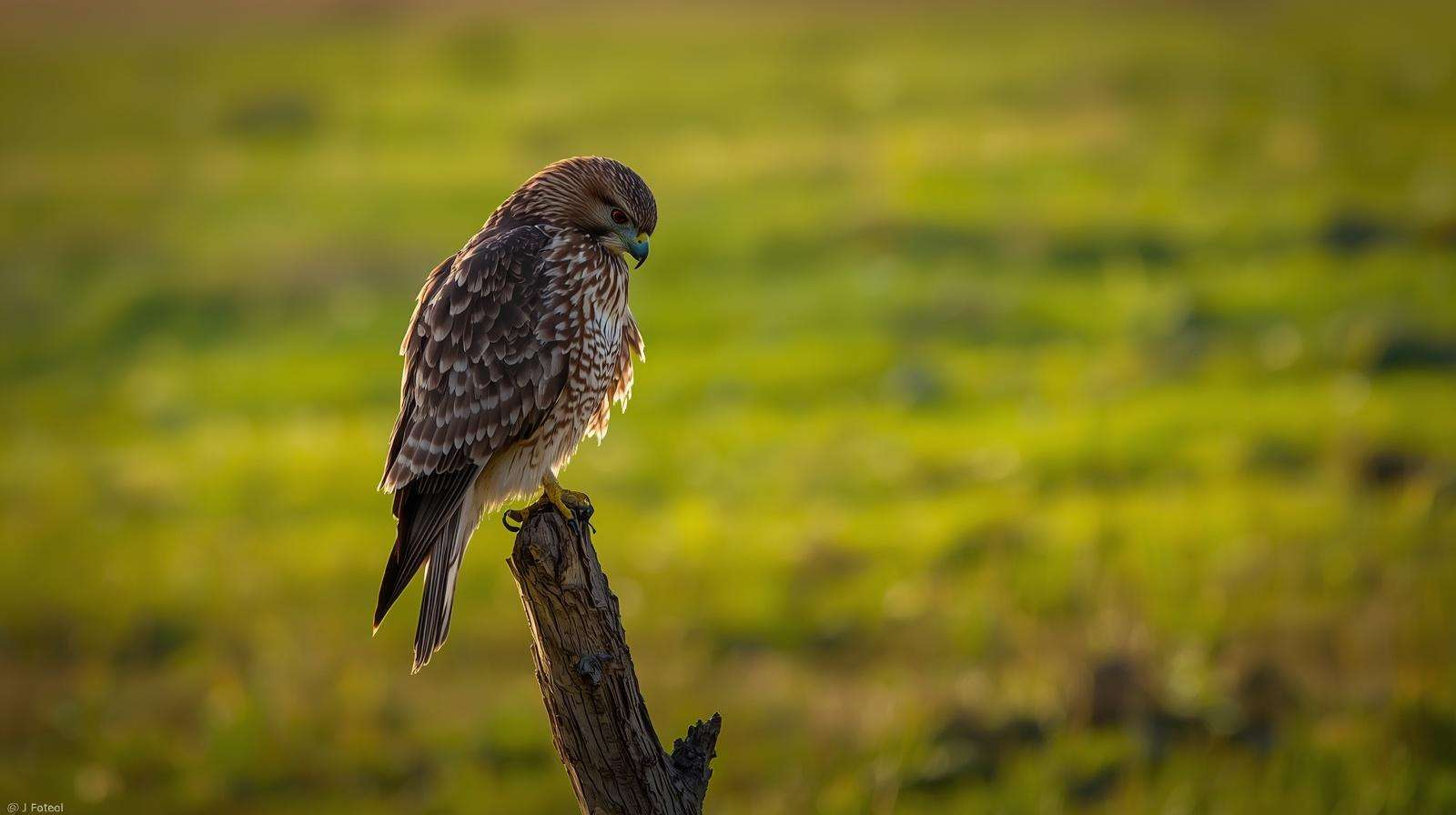
To defeat a predator, you must first understand how it hunts. Hawks do not hunt by stamina; they hunt by stealth, speed, and the element of total surprise.
Expert Insight: The Mechanics of a Raptor Strike Hawks boast eyesight that is roughly eight times more powerful than a human’s. They can spot a wandering hen from hundreds of feet in the air. When they dive (or “stoop”), they utilize clear flight paths to build incredible momentum, striking their prey with their talons extended. If you can break their line of sight or disrupt their flight path, you neutralize their primary hunting advantages.
Common Hawks That Target Poultry
While many birds of prey exist, poultry keepers most frequently contend with a few specific culprits:
-
Red-tailed Hawks: Large, powerful, and common across North America. They typically hunt by soaring high in wide, open circles over pastures and fields, looking for an isolated or unprotected bird.
-
Cooper’s Hawks and Sharp-shinned Hawks: These are woodland hawks. Instead of soaring high, they specialize in navigating through dense trees at high speeds. They prefer the ambush method, sitting quietly on a concealed branch near the edge of a forest—or right above your coop—waiting for the perfect moment to drop down.
Warning Signs of an Imminent Threat
Hawks are masters of stealth, but your local ecosystem often provides an early warning system.
-
The Silence and the Scatter: If your normally noisy, active flock suddenly falls dead silent and scrambles under bushes, the coop, or any available cover, a predator is likely circling overhead.
-
The Rooster’s Alarm: A vigilant rooster will emit a very specific, low-pitched, sustained growl or shriek to warn the hens of aerial danger.
-
Wild Bird Alerts: Pay attention to the local wildlife. Crows, blue jays, and mockingbirds are incredibly territorial. If you hear a sudden, aggressive cacophony of crows “mobbing” a specific tree or area of the sky, they are likely harassing a hawk.
The Conservation Aspect: Why Non-Lethal Defense is Mandatory
When a predator threatens your livelihood, the initial reaction might be retaliation. However, modern agricultural guidelines and environmental conservation laws require a different, more sustainable approach.
Legal Protections for Birds of Prey
In the United States, all birds of prey are federally protected under the Migratory Bird Treaty Act. It is strictly illegal to harm, trap, or kill a hawk, owl, or eagle, regardless of whether they are attacking your livestock. Violations carry severe federal fines and potential jail time. Similar environmental protection laws exist globally to shield raptor populations.
Sustainable Predator Management
The goal of a well-designed agricultural setup is deterrence, not elimination. In the broader scope of environmental conservation, hawks are apex predators that play a vital role in maintaining a balanced ecosystem. They control populations of rodents, snakes, and smaller pests that would otherwise decimate crops and spread disease in feed stores.
Practicing sustainable predator management means adapting our habitats to coexist safely with wildlife. By securing our flocks properly, we force hawks to return to hunting their natural prey, maintaining ecological balance while keeping our poultry safe.
Physical Barriers: The Ultimate Foolproof Defense
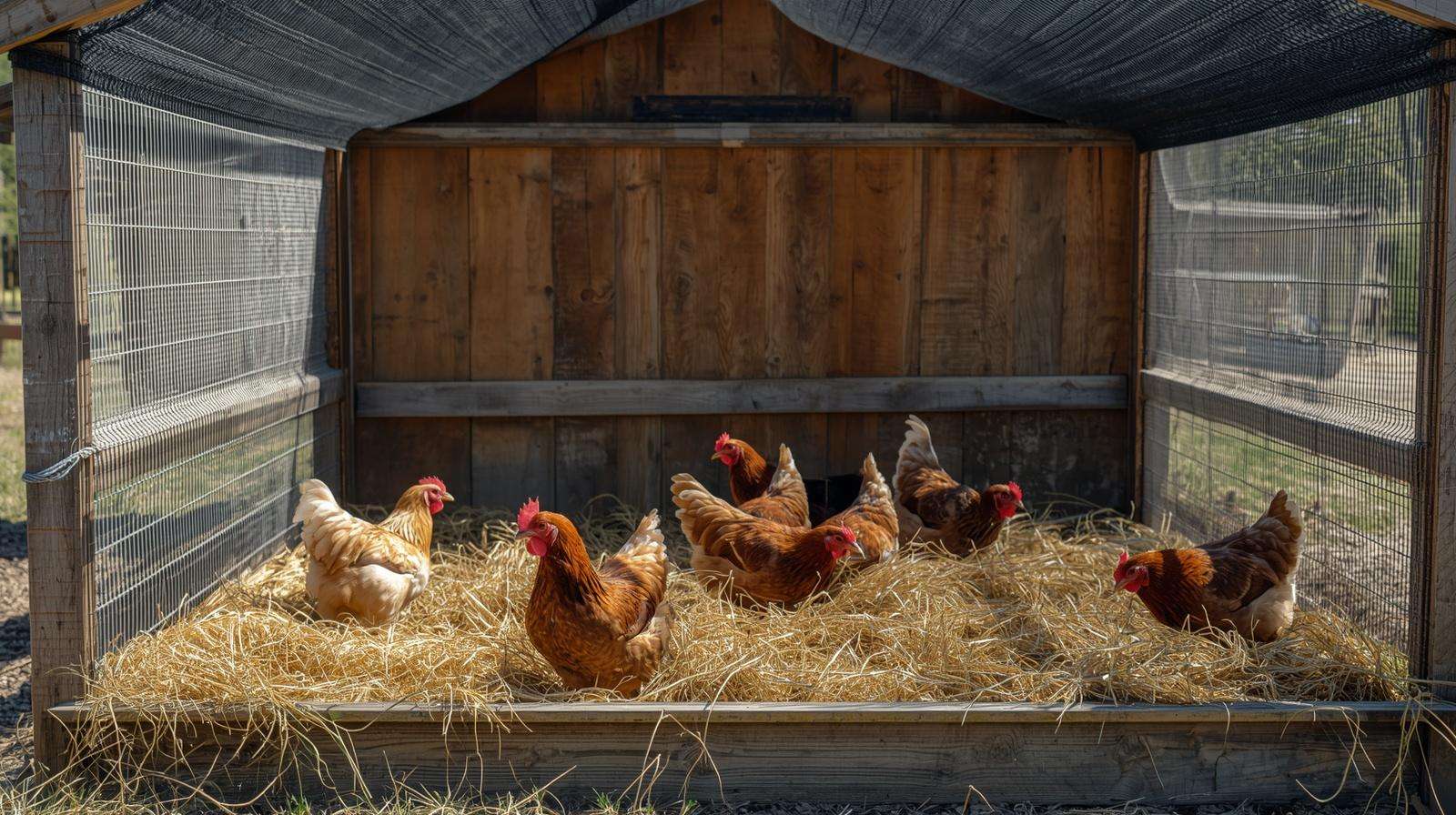
While deterrents and alarms are helpful, the only 100% guaranteed method to prevent a hawk from taking a chicken is a solid physical barrier.
Designing a Hawk-Proof Covered Run
If your flock is under heavy pressure from aerial predators, establishing a fully enclosed “safe zone” is critical.
-
The Chicken Wire Myth: Chicken wire (hexagonal netting) is designed to keep chickens in, not to keep predators out. A heavy, motivated hawk can easily tear through flimsy chicken wire, or at the very least, reach its talons through the wide gaps.
-
Hardware Cloth: For the sides of your run, use 1/2-inch welded hardware cloth.
-
High-Tensile Hawk Netting: Covering the top of a large run with hardware cloth can be incredibly expensive and structurally heavy. The best alternative is heavy-duty, UV-resistant knotted poultry netting. Ensure the netting is pulled taut; loose netting can entangle wild birds, which goes against our conservation goals.
Strategic Use of Shade Cloths and Tarps
If you use mobile chicken tractors or practice rotational grazing in a pasture, full overhead netting might not be feasible. In these scenarios, breaking the hawk’s line of sight is your best defense.
-
Overhead Canopies: Stretch heavy-duty shade sails, tarps, or camouflage netting across sections of the foraging area.
-
The “Uncertainty” Factor: If a hawk cannot clearly see what is beneath a canopy, or if the canopy obstructs a clear, swooping flight path, the hawk will likely abandon the strike. They rarely risk flying into obstacles that could injure their wings.
Visual and Auditory Deterrents to Spook Predators
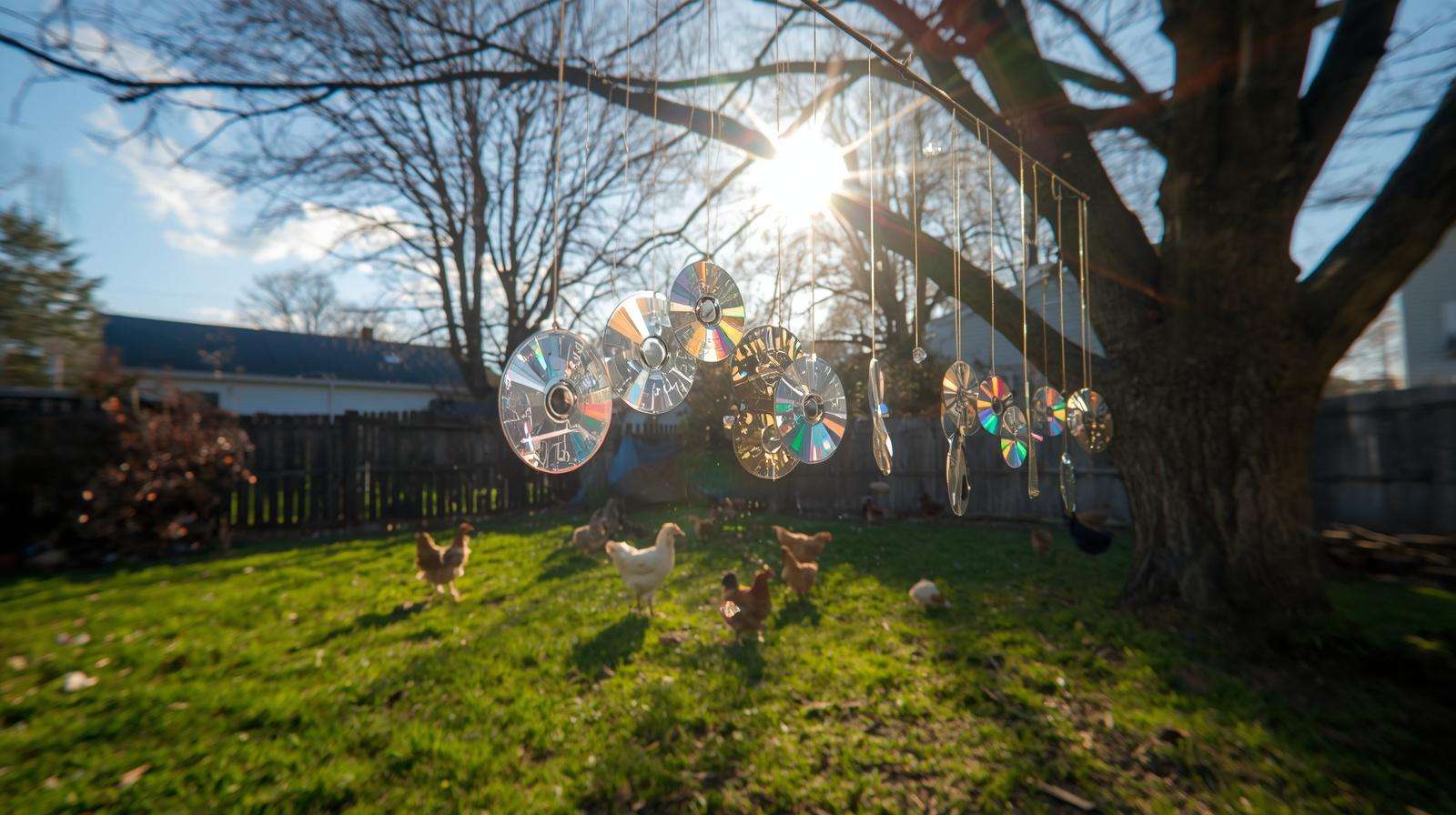
While physical barriers provide absolute security, they aren’t always practical for large pastures. This is where visual and auditory hawk deterrents for chickens become essential. The goal here is to create an environment that feels unpredictable and uncomfortable for an aerial predator.
Reflective and Unpredictable Objects
Hawks rely on incredible visual acuity to lock onto their prey. By introducing random, glaring flashes of light, you can temporarily blind or disorient them, disrupting their focus and breaking their dive.
-
Flash Tape and Old CDs: Stringing up reflective flash tape (often sold as bird scare tape) or old, scratched CDs across the chicken yard creates a chaotic visual field. As these items spin in the breeze, they catch the sunlight and throw erratic flashes across the ground.
-
Aluminum Pie Pans: Hanging aluminum pie pans in pairs allows them to clink together in the wind. This combines sudden flashes of light with an unpredictable metallic noise, making the foraging area highly unappealing to a hunting raptor.
Decoys and “Scare-Eye” Devices
Visual intimidation is a classic agricultural strategy to protect poultry from aerial predators. However, its effectiveness relies entirely on proper execution.
-
The Fake Owl: Owls (particularly Great Horned Owls) are natural enemies of hawks and will prey on them. Placing a realistic, life-sized owl decoy near the coop can make a hawk think twice before entering the territory.
-
Scare-Eye Balloons: These are large, brightly colored balloons printed with massive, high-contrast eyes. To a hawk, these mimic the eyes of a larger, threatening predator looking directly up at them.
-
The Crucial Caveat (Habituation): Hawks are highly intelligent birds. If you place a plastic owl on a fence post and leave it there for a month, the hawk will quickly realize it is inanimate and ignore it entirely. To prevent habituation, you must move your decoys every two to three days. Reposition them, change their angles, and take them down for a week to reset the hawk’s perception of the area.
Guardian Animals: Nature’s Flock Protectors
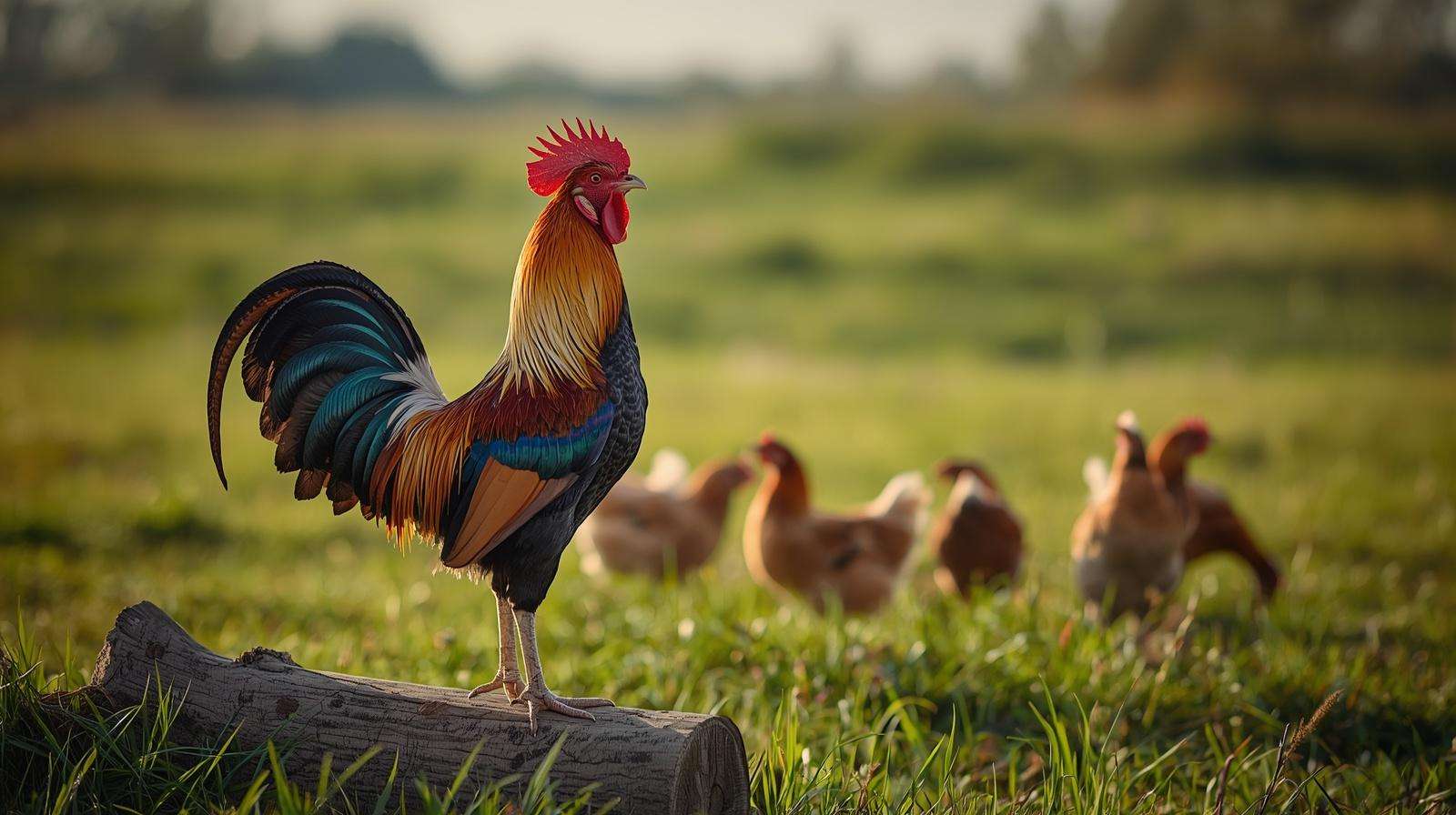
If you want a dynamic, 24/7 security system, look no further than integrating guardian animals into your homesteading practices.
The Indispensable Role of a Vigilant Rooster
When discussing rooster flock protection, it is vital to understand that a rooster’s primary job is not fighting—it is surveillance. A good flock sire will rarely lower his head to forage alongside the hens. Instead, he positions himself at a vantage point, constantly scanning the horizon and the sky. If a hawk appears, the rooster will sound a highly specific alarm call. The hens instinctively know this sound and will immediately dive for the nearest cover. In worst-case scenarios, a brave rooster will physically place himself between the hawk and his hens, using his spurs to fend off the attack. While a rooster may not survive a strike from a large Red-tailed Hawk, his sacrifice allows the rest of the flock to escape.
Guardian Dogs, Geese, and Guinea Fowl
For larger operations, investing in dedicated guardian animals is incredibly effective.
-
Livestock Guardian Dogs (LGDs): Breeds like the Great Pyrenees, Anatolian Shepherd, and Maremma are bred specifically to protect livestock. An LGD’s mere presence, size, and deep bark are usually enough to keep a hawk from even attempting a dive.
-
Geese: African or Chinese geese are highly territorial and aggressively vocal. While they won’t necessarily fight a hawk in the air, their massive size and loud, chaotic honking when startled can easily spook a raptor into abandoning its hunt.
-
Guinea Fowl: Often referred to as the farm’s “burglar alarm,” Guinea fowl are hyper-alert and incredibly loud. They will spot a hawk long before you do and will scream relentlessly until the threat leaves the area.
Strategic Flock Management and Landscaping
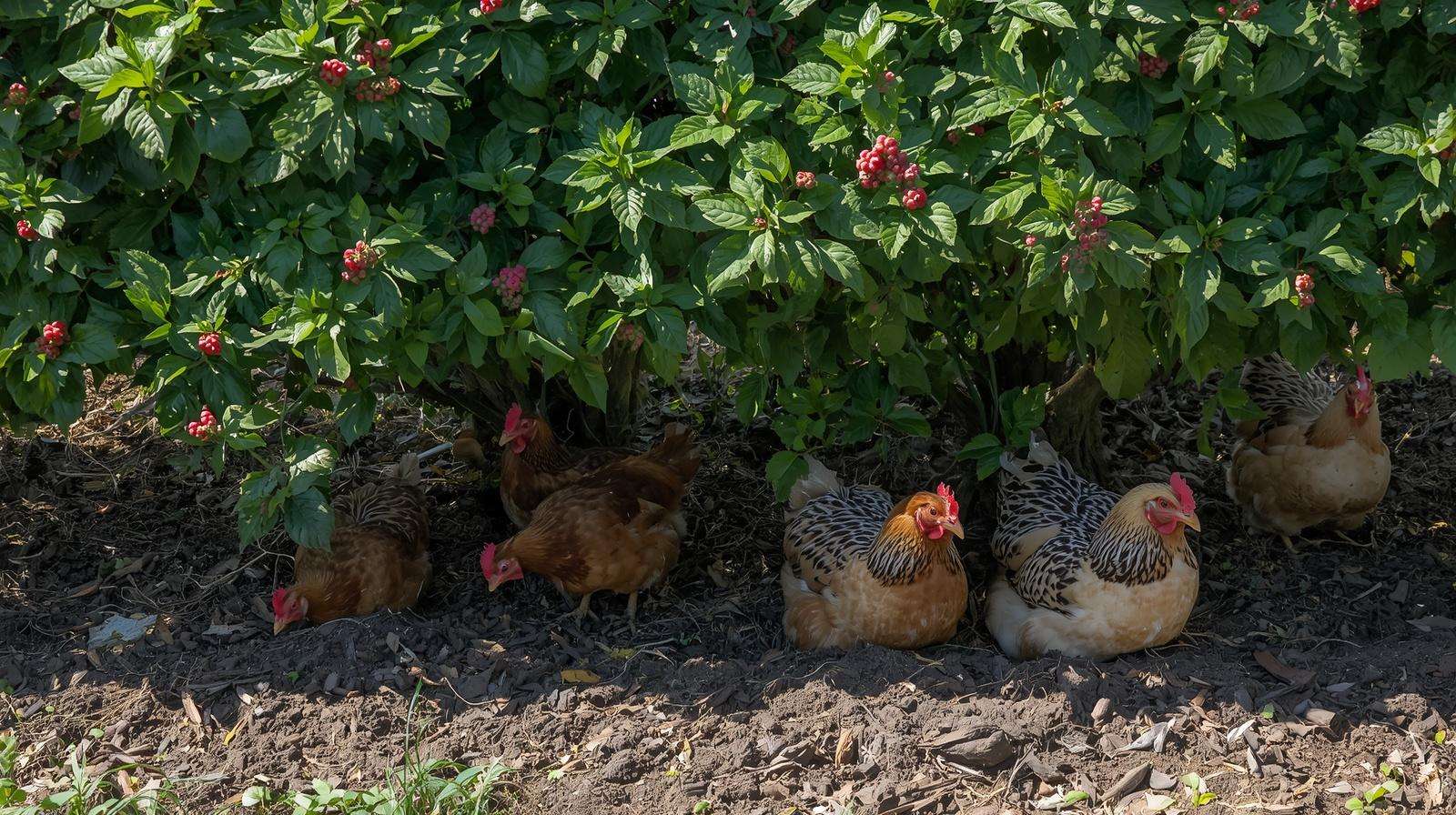
Sometimes, the best defense against a hawk attack on the flock is making subtle changes to how and where your chickens spend their time.
Managing Free-Range Time
Hawks utilize thermal currents (rising columns of warm air) to soar effortlessly without flapping their wings. Because these thermals form as the sun heats the earth, hawks are generally most active during mid-morning and late afternoon.
-
Supervised Foraging: If predator pressure is high, limit your flock’s free-range time to periods when you are actively working in the yard. Human presence is one of the greatest deterrents.
-
Evening Ranging: Allow your birds out a few hours before dusk. Hawks are diurnal and begin settling down as evening approaches, while chickens will naturally return to the coop as the sun sets.
Modifying the Homestead Environment
Take a walk through your property and view it from a predator’s perspective.
-
Removing Perch Points: Hawks prefer to sit and observe before making a move. Trim away dead branches overlooking the chicken yard, and remove isolated, tall fence posts that offer an easy vantage point.
-
Adding Artificial Cover: A chicken should never be more than a few seconds away from shelter. If you have an open pasture, create hiding spots. You can place wooden pallets elevated on cinder blocks, park an old wagon in the field, or construct low, A-frame shelters.
-
Planting Dense Shrubs: Integrate low-hanging, dense bushes into your landscaping. Raspberry brambles, elderberry bushes, and evergreen shrubs provide excellent, impenetrable cover for a frightened hen while also offering a source of shade and forage.
What to Do During and After a Hawk Attack on the Flock
Despite your best efforts, an attack may still occur. Knowing how to react can save an injured bird and prevent subsequent losses.
Immediate Response and Triage
If you witness a hawk attack in progress, make as much noise as possible. Yell, clap your hands, or bang metal buckets together as you run toward the scene. In many cases, the sheer noise and human aggression will cause the hawk to drop the bird and flee. Once the hawk is gone:
-
Secure the Flock: Immediately herd the surviving birds into the coop and lock the door. They will be highly stressed and need a dark, quiet place to recover.
-
Assess Injuries: Examine the attacked bird. Hawk talons cause deep puncture wounds. If the bird is alive, separate it immediately to an isolation crate (a dog kennel works well) indoors. Clean the wounds with a mild saline solution and apply a poultry-safe antiseptic. Keep the bird warm and quiet, and consult an avian veterinarian if possible.
Adjusting Defenses to Prevent Repeat Offenses
The most crucial thing to understand is this: A successful hawk will return. If a raptor catches a meal on your property, it has mentally mapped your yard as a reliable food source. It will likely come back the very next day at the exact same time.
-
The Lockdown Protocol: Following an attack, you must break the hawk’s hunting routine. Implement a strict lockdown. Keep your flock entirely enclosed within their secure run for at least 10 to 14 days.
-
The hawk will return, circle the area, and eventually realize the “buffet” is closed. Only after a minimum of two weeks of no sightings should you slowly begin allowing supervised free-range time again.
Frequently Asked Questions (FAQs)
Will a hawk attack a full-grown chicken? Yes. While smaller hawks (like Cooper’s Hawks) may target chicks, pullets, or bantams, larger species like the Red-tailed Hawk are incredibly strong and will not hesitate to attack and kill standard-sized, full-grown laying hens.
Do black chickens deter hawks? There is an old homesteader myth that hawks will avoid attacking black chickens because they mistake them for crows (which regularly harass and mob hawks). While there is anecdotal evidence that crows might leave black chickens alone, there is no scientific proof that a hungry hawk will actively avoid a black hen. Relying on feather color is not a viable predator defense strategy.
What time of day are hawks most active? Hawks are diurnal, meaning they hunt during the day. They are typically most active from mid-morning to late afternoon, roughly between 9:00 AM and 4:00 PM, as they use warm thermal updrafts to soar and search for prey.
Conclusion
Losing a bird to an aerial predator is a harsh reality of agricultural life, but feeling helpless is not. Learning how to prevent a hawk attack on the flock requires a multi-layered approach. By combining robust physical barriers like high-tensile netting with unpredictable visual deterrents, vigilant guardian animals, and smart landscaping, you create an environment that is simply too difficult and risky for a raptor to navigate.
Remember that sustainable predator management focuses on coexisting with the local ecosystem. By outsmarting the predator rather than harming it, you maintain your environmental stewardship while keeping your birds safe, happy, and productive.
Implement these proven strategies today, evaluate your yard for vulnerabilities, and enjoy the peace of mind that comes with knowing your flock is protected from the skies above.