There’s nothing more frustrating than watching a brand-new fence start to warp, crack, or rot within just a few years—especially after spending thousands on materials and labor. Humidity invites decay. Insects tunnel through softwood. Freeze-thaw cycles split boards. Choosing the wrong wood turns a privacy upgrade into an expensive headache.
If you’re looking for the best 10 wood fence material options that deliver lasting beauty, security, and value, you’re in the right place.
Homeowners need more than a simple barrier. You want real privacy, strong curb appeal, a safe space for kids and pets, and a fence that doesn’t demand constant staining or full replacement every decade. The right material solves all of that without locking you into endless maintenance or high long-term costs.
This guide ranks the best 10 wood fence material choices using current Amazon sales data, customer ratings, expert consensus, and real-world performance metrics (lifespan, rot and insect resistance, cost, and climate fit). You’ll get clear side-by-side comparisons so you can buy with confidence.
“Best” here means the optimal balance of durability, natural beauty, value, and climate suitability—not just the most expensive or the cheapest option.
Why Choosing the Right Wood Fence Material Matters
A wood fence is one of the biggest outdoor investments most homeowners make. The average residential privacy fence costs $2,500–$6,000 (or more) for 100 linear feet once labor is included. Yet many fail far sooner than expected because the wrong species was chosen for the climate or because posts were set poorly.
Common reasons wood fences fail:
- Ground contact accelerates rot
- Sapwood decays much faster than heartwood
- Softwoods without natural oils or chemical treatment become insect highways
- Extreme moisture cycles cause warping, checking, and cupping
- Coastal salt air or high humidity shortens life for non-resistant species
The right material multiplies longevity. Western Red Cedar or Redwood can deliver 20–35 years with basic care. Pressure-treated pine offers solid performance at lower cost if you seal regularly. Premium options like Ipe or Black Locust can last 40+ years with almost no maintenance.
Key decision factors:
- Natural or chemical resistance to rot and insects
- Expected lifespan with realistic maintenance
- Upfront material cost and regional availability
- Weight and workability for DIY installation
- How the wood ages (and whether you want to stain or let it weather)
- Climate match (humid vs. dry, coastal vs. inland)
Most contractors agree: the posts fail first on any wood fence. Pairing quality panels with pressure-treated or steel posts set in concrete dramatically extends service life regardless of the face material you choose.
Quick Comparison of the Best 10 Wood Fence Materials
| Wood Type | Lifespan & Strength | Best For / Approx. Cost |
|---|---|---|
| Western Red Cedar | 15–35 years • Natural oils • Lightweight | Most homes • $3–$6 / lin. ft |
| Pressure-Treated Pine | 15–25 years • Chemical protection • Strong | Budget projects • $2–$5 / lin. ft |
| Redwood | 20–35 years • Excellent heartwood | Premium looks • $5–$12 / lin. ft |
| Cypress | 15–25 years • Natural oils for humidity | Southeast / humid • $3–$6 / lin. ft |
| Black Locust | 25–50+ years • Extremely hard & resistant | Long-term / eco • $6–$12 / lin. ft |
| Ipe | 30–50+ years • Densest tropical hardwood | Luxury / coastal • $10–$15+ / lin. ft |
| White Oak | 20–30 years • Dense & strong | Dry climates • $5–$10 / lin. ft |
| Douglas Fir | 10–20 years (longer if treated) • Stiff | Structural / West • $2–$5 / lin. ft |
| Spruce | 8–15 years • Affordable softwood | Temporary / budget • $2–$4 / lin. ft |
| Teak | 30–50+ years • Premium natural oils | High-end longevity • $12–$20+ / lin. ft |
Prices are approximate 2025–2026 U.S. material averages for fence-grade boards or panels. They vary by grade, region, and retailer. Always check current Amazon or local lumberyard pricing. Lifespan assumes proper installation and basic maintenance.
Detailed Reviews: The Top 10 Wood Fence Materials
1. Western Red Cedar
Western Red Cedar (Thuja plicata) is the gold-standard residential fence wood across most of the United States and the clear top pick among the best 10 wood fence material options.
Its natural thujaplicin oils give excellent resistance to rot, decay, and insects—no chemical treatment required. The wood is lightweight (about 23 lbs per cubic foot), dimensionally stable, easy to cut and nail, and features a warm reddish-brown color with straight grain. Left unfinished, it weathers to an elegant soft silver-gray.
Typical Amazon products: Dog-ear pickets (often 5/8″ × 5½″ × 6 ft packs), French Gothic spaced panels, and ready-to-install privacy screen kits from ProWood, Greenes Fence, Outdoor Essentials, and Enclo. Many kits offer no-dig installation and pre-stained finishes.
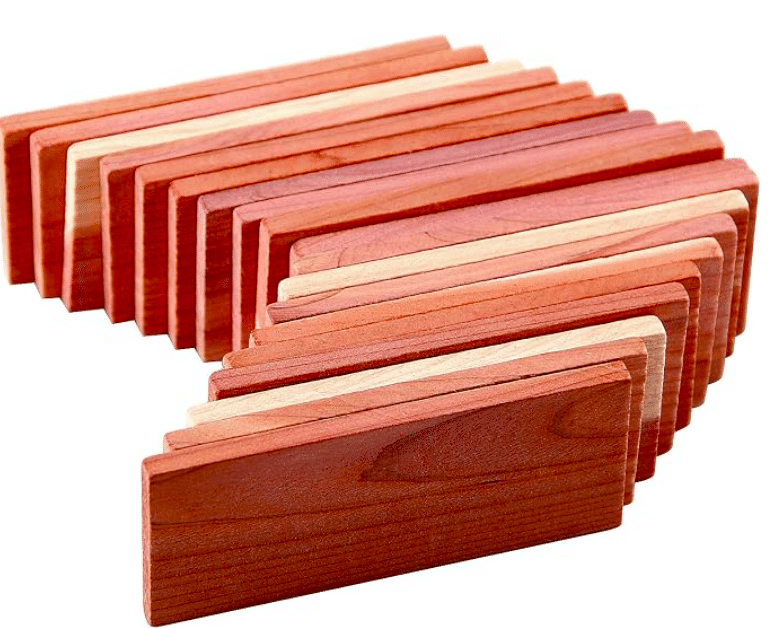
Price range: $3–$6 per linear foot for boards, or $70–$150+ for complete 6-ft privacy panels (depending on size and grade).
Amazon ratings: Popular cedar privacy screens and picket packs commonly score 4.3–4.7 stars. Buyers frequently praise the natural aroma, easy handling, and attractive look. Occasional notes mention knots in lower grades or the need to dry boards before staining.
Key benefits:
- Natural weather and insect resistance
- Lightweight and DIY-friendly
- Excellent stain retention
- Classic look that suits nearly every home style
Pros: Outstanding all-around performance • Widely available • Attractive aging • Relatively low maintenance
Cons: Higher cost than treated pine • Can show tannin staining if unsealed • Sapwood portions are less durable
Why it’s a top choice: It balances beauty, durability, workability, and nationwide availability better than any other option.
Ideal for: Most residential privacy, board-on-board, or decorative picket fences. Perfect for homeowners who want a fence that looks premium from day one, needs only occasional sealing every 3–5 years, and will still look good after 20+ years in temperate or moderately humid climates.
2. Pressure-Treated Pine (Southern Yellow Pine)
Pressure-treated Southern Yellow Pine is the budget workhorse of fencing and a frequent top seller in lumber and panel categories.
The wood is infused under pressure with modern copper-based preservatives that protect against rot, fungi, and termites. It is strong, widely available in dog-ear pickets, stockade panels, and rails, and significantly less expensive than cedar or redwood.
Typical Amazon products: Packs of ½″ × 4″ × 6 ft treated pickets or full 6×8 ft privacy panels.
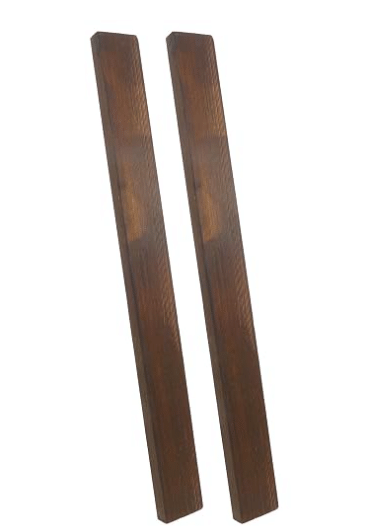
Price range: $2–$5 per linear foot for materials.
Amazon ratings: Usually 4.0–4.5 stars. Buyers like the low cost and ready availability. Common feedback notes that the wood can arrive wet, may check or warp as it dries, and benefits from a drying period before staining.
Key benefits:
- Chemical resistance that allows ground-contact use in many grades
- High structural strength
- Accepts a wide range of stain colors
Pros: Lowest upfront cost • Strong • Easy to find in bulk
Cons: Higher long-term maintenance (seal every 2–3 years) • Less attractive grain • Can leach residual chemicals when new • Shorter average lifespan than premium softwoods
Why it’s a good choice: Excellent when budget is the main constraint or when fencing a large property quickly.
Ideal for: Rental properties, temporary boundaries, large perimeter runs, or anyone who prioritizes cost over aesthetics and is willing to stain regularly. Performs best in drier to moderate climates.
3. Redwood
Redwood (primarily coast redwood heartwood) delivers premium durability and a rich, deep reddish-brown color that many consider the most beautiful of common fence woods.
Natural tannins provide excellent resistance to decay and insects. The wood is stable, moderately dense, and ages gracefully.
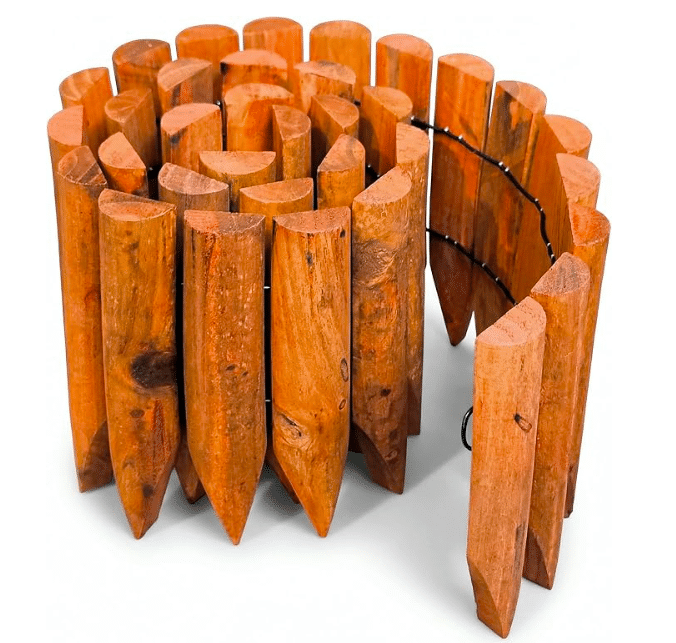
Price range: $5–$12 per linear foot (higher outside the West Coast where supply is limited).
Amazon availability: More restricted than cedar or pine—often specialty boards or smaller packs rather than mass-market kits.
Key benefits:
- Superior heartwood durability (20–35 years)
- Excellent color retention when sealed
- Refined aesthetic
Pros: Outstanding longevity and beauty • Low-to-medium maintenance
Cons: Premium price • Limited availability in some markets • Heavier than cedar
Why it’s a strong choice: Ideal for homeowners who want a statement fence and are willing to invest for long-term performance.
Ideal for: High-visibility front-yard or backyard privacy projects in mild-to-dry Western climates where curb appeal matters as much as function.
4. Cypress
Cypress (especially Bald Cypress and related species) is a strong regional performer and a smart entry among the best 10 wood fence material options for humid climates.
It contains natural oils (including cypressene) that resist rot, decay, and insects without chemical treatment. The wood has a straight grain, attractive light-to-medium brown color, and good dimensional stability. It performs particularly well in the Southeast and Gulf Coast, where high moisture would quickly destroy less resistant woods.
Typical products: Fence boards, pickets, and panels available through specialty lumber suppliers and some Amazon listings. Full privacy panels are less common than cedar but individual boards and custom kits appear regularly.
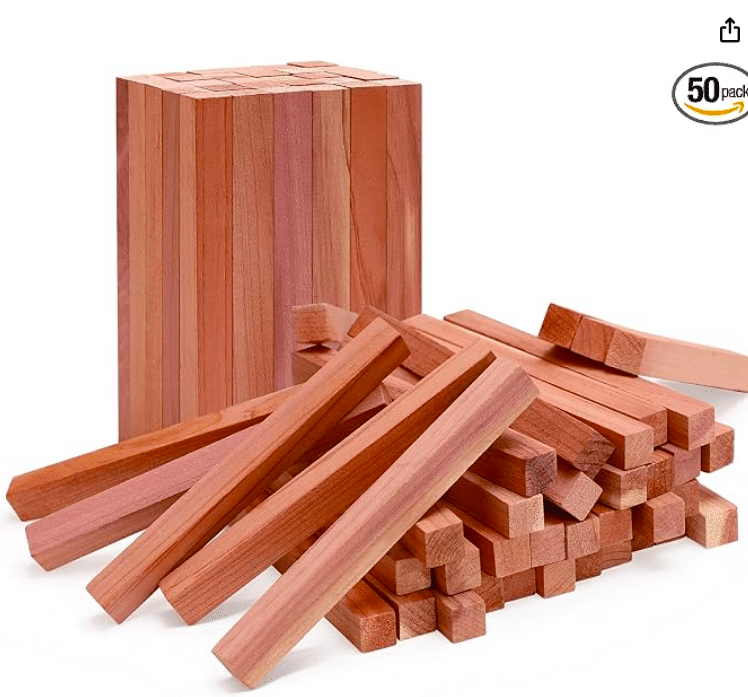
Price range: $3–$6 per linear foot for materials.
Key benefits:
- Natural resistance well-suited to high humidity
- Attractive grain and color
- Moderate weight and good workability
Pros: Excellent in wet climates • Natural oils reduce maintenance • Attractive appearance
Cons: Regional availability (stronger in the Southeast) • Lifespan shorter than Redwood or Ipe in dry climates • Can be harder to source in bulk outside its core growing areas
Why it’s a good choice: It offers a natural alternative to pressure-treated pine specifically for humid regions where chemical treatments are less desirable or less effective over time.
Ideal for: Homeowners in the Southeast, Gulf Coast, or other high-humidity zones who want natural resistance and a clean look without the higher cost of Redwood or tropical hardwoods.
5. Black Locust
Black Locust is one of the most naturally durable temperate hardwoods available and a standout for longevity among the best 10 wood fence material choices.
This dense, hard wood resists rot, insects, and decay exceptionally well—even in ground contact. Documented fence posts have lasted 40–50 years or more with minimal treatment. It has a yellowish to olive-brown color that darkens with age and a very high Janka hardness rating.
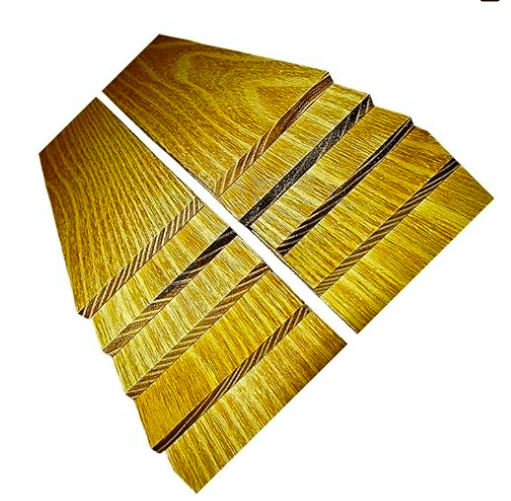
Price range: $6–$12 per linear foot (availability is more limited than softwoods).
Key benefits:
- Exceptional natural durability without chemicals
- Extremely hard and strong
- Long service life even under tough conditions
Pros: Outstanding lifespan • Eco-friendly (no treatment needed) • High strength
Cons: Heavier and harder to work than softwoods • Limited commercial supply in some regions • Higher cost • Can be difficult to find consistent fence-grade boards
Why it’s a good choice: It delivers near-tropical durability from a North American species, making it appealing for eco-conscious buyers and long-term installations.
Ideal for: Property owners who want maximum longevity with minimal maintenance, especially for posts or high-wear fence sections. Best suited to those who can source it regionally and accept the higher density and cost.
6. Ipe (Brazilian Walnut)
Ipe is the ultra-premium tropical hardwood that tops longevity charts among the best 10 wood fence material options.
Extremely dense (often over 60 lbs per cubic foot) and naturally rich in oils, Ipe resists rot, insects, fire, and weathering better than almost any other wood. It can last 30–50+ years with little to no maintenance. The color ranges from olive-brown to deep reddish-brown and weathers to a silvery gray if left unfinished.
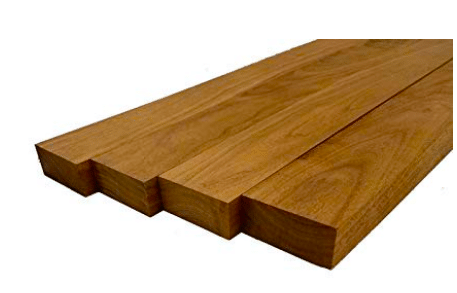
Price range: $10–$15+ per linear foot (sometimes higher for clear grades).
Key benefits:
- Class-leading durability and hardness
- Minimal maintenance required
- Distinctive rich appearance
Pros: Extremely long lifespan • Virtually maintenance-free • Beautiful grain and color
Cons: Very high cost • Heavy and hard to cut/drill (requires carbide tools) • Sustainability concerns if not FSC-certified • Limited availability in standard fence dimensions
Why it’s a good choice: When you want a “set it and forget it” fence that will outlast most other materials by decades.
Ideal for: Luxury coastal properties, high-end modern designs, or any project where budget is secondary to maximum durability and low upkeep. Best for experienced installers or professionals due to the wood’s density.
7. White Oak
White Oak is a dense, strong temperate hardwood that offers solid performance for fences in the right conditions.
It has good natural resistance to decay (better than Red Oak), a tight grain, and high strength. The color is light to medium brown with attractive ray flecks when quartersawn. It holds up well in dry to moderate climates but is less ideal for constantly wet or ground-contact situations without treatment.
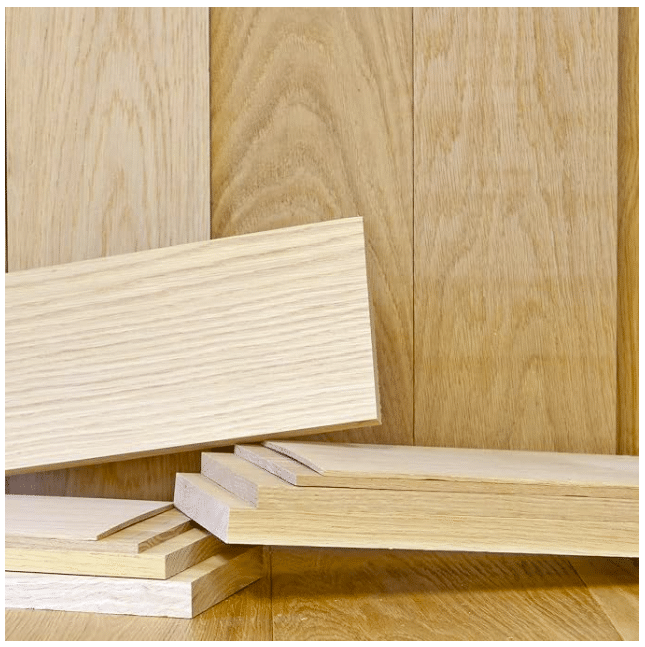
Price range: $5–$10 per linear foot.
Key benefits:
- High strength and density
- Attractive grain
- Good durability in appropriate climates
Pros: Strong and stable • Attractive appearance • Moderate cost for a hardwood
Cons: Moderate rot resistance (not as strong as cedar or locust in wet conditions) • Heavier than softwoods • Can be prone to checking if not properly dried
Why it’s a good choice: It provides a classic hardwood look and solid structural performance at a more accessible price than tropical options.
Ideal for: Dry or temperate climates where strength and a traditional oak appearance are desired. Suitable for privacy fences or decorative styles when properly sealed.
8. Douglas Fir
Douglas Fir is a strong, stiff softwood commonly used for structural fence components and treated panels.
It offers good strength-to-weight ratio and is often pressure-treated for outdoor use. Untreated, its lifespan is shorter, but treated versions perform adequately for rails, posts, and some panel applications. The wood has a straight grain and reddish-brown heartwood.
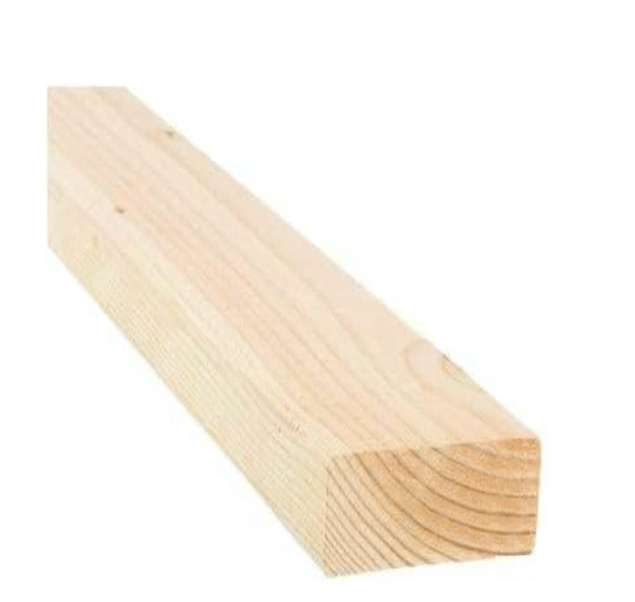
Price range: $2–$5 per linear foot (treated).
Key benefits:
- High stiffness and strength
- Widely available in the West
- Accepts treatment well
Pros: Strong structural properties • Affordable when treated • Good availability in Western markets
Cons: Requires treatment for longevity • Higher maintenance than naturally resistant woods • Can warp or check if not dried properly
Why it’s a good choice: Useful when structural strength is the priority and budget is limited, especially for rails and framing.
Ideal for: Western regions, structural elements, or budget-conscious projects where treated softwood performance is acceptable.
9. Spruce
Spruce is an affordable softwood primarily suited to temporary or low-demand fencing.
It is lightweight, easy to work, and inexpensive, but it has poor natural resistance to rot and insects. Even treated versions generally offer shorter service life than pine or cedar. It is best viewed as a short-term or decorative solution.
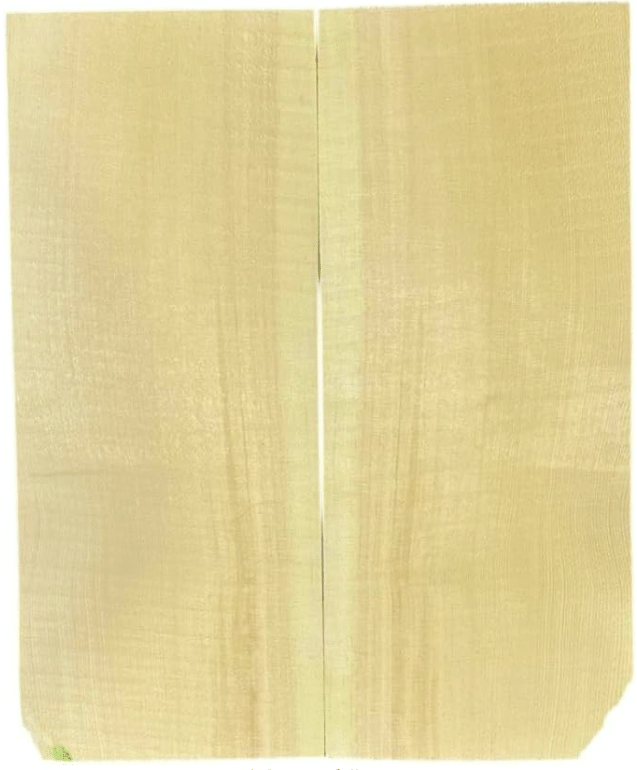
Price range: $2–$4 per linear foot.
Key benefits:
- Low cost
- Lightweight and easy to install
- Acceptable for short-term use
Pros: Cheapest option • Easy to handle • Readily available
Cons: Short lifespan • High maintenance • Poor natural durability
Why it makes the list: It fills the ultra-budget and temporary-fence niche.
Ideal for: Short-term boundaries, garden edging, temporary construction fencing, or projects where longevity is not a priority.
10. Teak
Teak is a premium tropical hardwood known for exceptional natural oils and legendary outdoor durability.
It resists water, rot, insects, and weathering extremely well and can last 30–50+ years. The golden-brown color and tight grain give it a luxurious appearance. Like Ipe, it is dense and requires sharp tools for working.
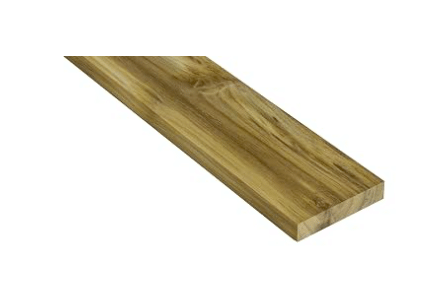
Price range: $12–$20+ per linear foot.
Key benefits:
- Outstanding natural durability
- Beautiful color and grain
- Very low maintenance
Pros: Exceptional longevity • Premium aesthetics • Minimal upkeep
Cons: Highest cost category • Heavy and hard to work • Sustainability and sourcing must be carefully verified
Why it’s included: It represents the top tier of natural wood performance for those seeking maximum longevity and luxury.
Ideal for: High-end residential or commercial projects where budget allows and a refined, long-lasting appearance is essential.
How to Choose the Right Wood Fence Material for Your Needs
Use this simple framework:
- Budget first
- Tight budget → Pressure-treated pine or spruce
- Mid-range → Western Red Cedar or Cypress
- Premium → Redwood, Black Locust, Ipe, or Teak
- Climate match
- High humidity / Southeast → Cypress, Western Red Cedar, Black Locust
- Dry / arid → Redwood, White Oak, Western Red Cedar
- Coastal / extreme weather → Ipe or Teak
- Maintenance tolerance
- Want low maintenance → Naturally resistant woods (Cedar, Redwood, Locust, Ipe, Teak)
- Willing to stain regularly → Pressure-treated pine
- Desired lifespan
- 15–20 years → Treated pine or spruce
- 20–35 years → Cedar, Redwood, Cypress, Oak
- 40+ years → Black Locust, Ipe, Teak
- Aesthetics and DIY factors
- Prefer lightweight and easy DIY → Western Red Cedar
- Want rich color and grain → Redwood or Teak
- Need maximum strength → Black Locust or Ipe
Always prioritize proper post installation. Even the best panels will fail early if posts rot. Steel posts or heavily treated wood posts set in concrete are strongly recommended.
Buying Guide & Practical Tips
What to look for when buying:
- Heartwood content (higher is better for durability)
- Grade (Select Tight Knot or better for appearance)
- Kiln-dried status (reduces warping)
- Treatment type and rating for pressure-treated wood (look for ground-contact rated when needed)
- FSC certification for tropical woods (Ipe, Teak) to support responsible sourcing
Maintenance basics:
- Seal or stain naturally resistant woods every 3–5 years for color retention
- Seal pressure-treated pine every 2–3 years
- Clean annually and inspect for damage
- Keep vegetation and soil away from the base of the fence
Installation tips:
- Use stainless or hot-dipped galvanized fasteners
- Allow treated wood to dry before applying finish
- Consider hybrid systems (wood panels on steel posts) for maximum longevity
Amazon shopping notes: Cedar privacy screens and picket packs are widely available with solid review volumes. Pressure-treated options appear frequently in bulk picket listings. Premium hardwoods are harder to find in full fence quantities on Amazon and are often better sourced through specialty lumber dealers.
Frequently Asked Questions
What is the best overall wood fence material?
Western Red Cedar offers the best balance of durability, beauty, availability, and value for most homeowners.
Is cedar better than pressure-treated pine?
Yes for most people. Cedar lasts longer, looks better, and needs less maintenance, though it costs more upfront.
How long does a wood fence last?
15–25 years is typical with proper care. Premium woods can exceed 30–40 years. Poor installation or neglected maintenance shortens life significantly.
What is the longest-lasting wood for a fence?
Ipe, Teak, and Black Locust lead with 30–50+ year potential.
What is the cheapest durable option?
Pressure-treated pine provides the lowest cost with acceptable durability when maintained.
Do I need to seal every wood type?
Naturally resistant woods benefit from sealing for appearance and extra protection. Pressure-treated pine requires regular sealing to reach its full lifespan.
Can I buy quality fence materials on Amazon?
Yes for cedar and treated-pine pickets, panels, and privacy screens. For large quantities of premium hardwoods, local lumberyards or specialty suppliers are often better.
Final Recommendation
For the majority of homeowners, Western Red Cedar is the strongest all-around recommendation among the best 10 wood fence material options. It delivers excellent natural durability, attractive appearance, reasonable cost, and wide availability.
Choose pressure-treated pine when budget is the overriding factor and you will maintain it. Step up to Redwood or Cypress for specific climate or aesthetic needs. Reserve Ipe, Teak, or Black Locust for projects where maximum longevity and minimal maintenance justify the higher investment.
Measure your property carefully, match the wood to your climate and maintenance willingness, and prioritize solid post installation. With the right material and proper setup, your fence can provide privacy, security, and curb appeal for decades.
Check current Amazon listings and local pricing for the specific products that fit your project, then move forward with confidence.