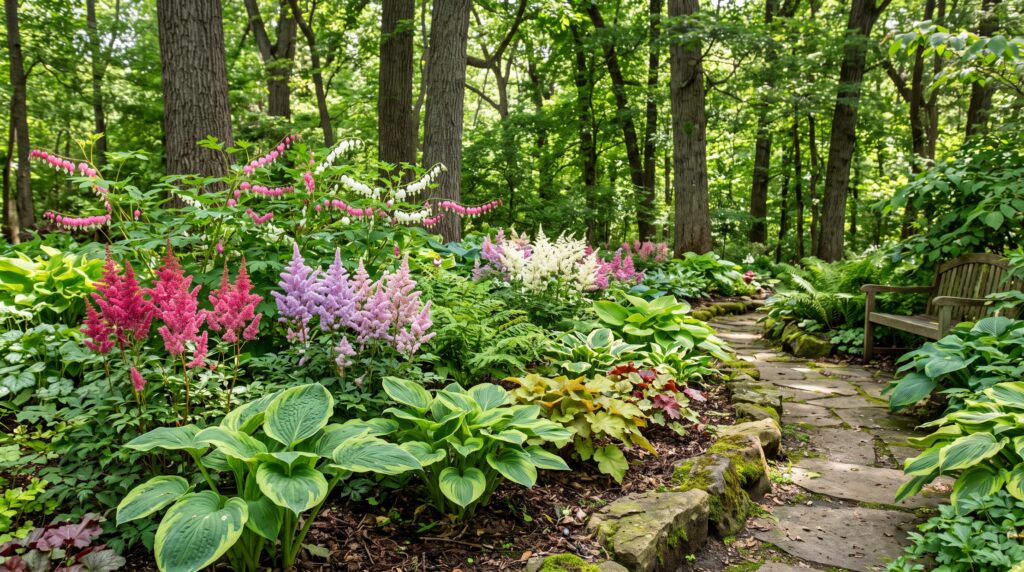
If your yard is dominated by mature trees, tall fences, or a north-facing layout, you already know the struggle. You dream of a vibrant landscape, only to watch sun-loving blooms fade in the shadows. It is frustrating to feel like your dark garden corners are doomed to remain bare dirt or endless patches of boring ivy. A shady yard does not mean you have to sacrifice brilliant color—you just need the right varieties. To help you transform those gloomy spots into a lush, vibrant oasis, we have uncovered the 10 best flower plants for shade. By selecting species specifically adapted to thrive in low-light environments, you can create a captivating garden that rivals any full-sun flowerbed.
Buying live botanicals online can be intimidating, so we did the heavy lifting for you. We analyzed dozens of live plants, bulbs, and bare roots available on Amazon, meticulously cross-referencing nursery health standards, transit durability, and verified customer reviews. The result is a curated list of resilient, top-rated shade flowers that will arrive at your door healthy and ready to plant.
At-a-Glance: Quick Comparison Guide
To keep things clear and mobile-friendly, this quick-reference table summarizes our top recommendations across three essential details:
| Plant & Category | Best For | Hardiness & Bloom |
|
1. Astilbe (False Goat’s Beard)
Best Overall |
Feathery texture & wet soil performance |
Zones 3–9
Late Spring to Summer |
|
2. Bleeding Heart (Dicentra)
Best for Spring Elegance |
Romantic, heart-shaped arching blooms |
Zones 3–9
Early to Mid-Spring |
|
3. Hosta (Plantain Lily)
Best Foliage & Flowers |
Bold architectural leaves with scented spikes |
Zones 3–9
Mid to Late Summer |
|
4. Nonstop Tuberous Begonia
Best Continuous Color |
Rose-like flowers for pots and borders |
Annual (Tender)
Summer through Frost |
|
5. New Guinea Impatiens
Best Low-Maintenance Annual |
Vivid, non-stop blooms that require no deadheading |
Annual (Zones 10–12)
Spring to First Frost |
|
6. Coral Bells (Heuchera)
Best for Dappled Shade |
Vibrant all-season leaves plus airy floral bells |
Zones 4–9
Late Spring to Summer |
|
7. Toad Lily (Tricyrtis)
Best for Late-Season Drama |
Exotic, orchid-like speckled fall blooms |
Zones 4–9
Late Summer to Mid-Fall |
|
8. Foxglove (Digitalis)
Best Vertical Accent |
Towering, dramatic cottage-style floral spires |
Zones 4–10
Early to Mid-Summer |
|
9. Hellebore (Lenten Rose)
Best for Late Winter / Early Spring |
Extreme frost resistance and evergreen leaves |
Zones 4–9
Late Winter to Early Spring |
|
10. Japanese Anemone
Best Wind-Blown Autumn Blooms |
Elegant daisy-like flowers on slender stems |
Zones 4–8
Late Summer to Autumn |
Detailed Product Reviews
1. Astilbe (False Goat’s Beard) Live Bare Roots — Best Overall
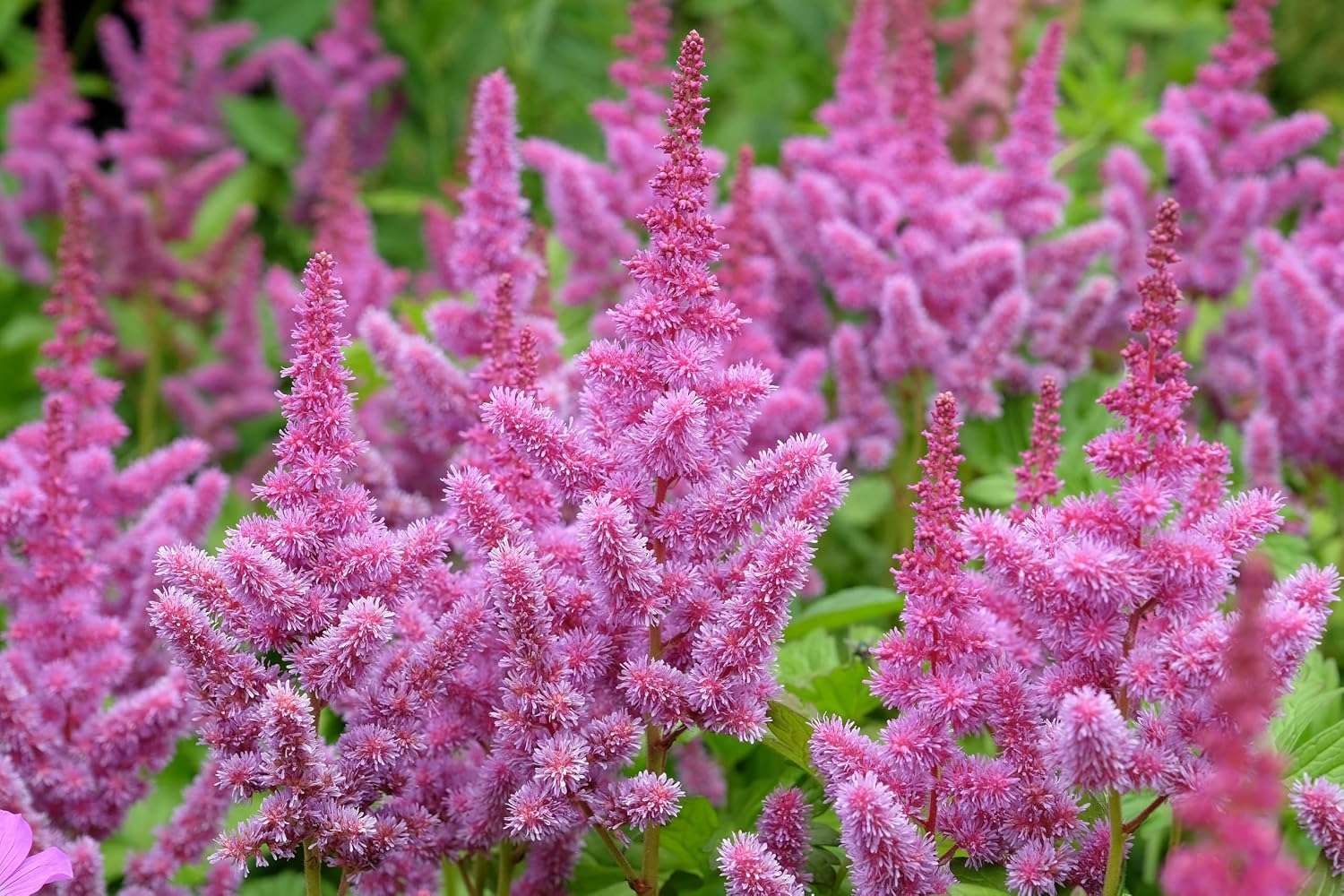
Astilbe is the gold standard for low-light gardens. Producing dense, feathery plumes that resemble vibrant pastel fireworks, this perennial breathes immediate energy into the dimmest parts of your landscape. Its deep-green, fern-like foliage remains attractive from early spring all the way to autumn, providing structured groundcover even when the plant is not in full flower. Because it naturally thrives in damp, woodland environments, Astilbe eliminates the guesswork of planting in shadowy, moisture-prone spots.
-
Typical Amazon Price: $3.00
-
Key Features & Benefits:
-
Feathery Plumes: Soft flower towers range from soft pink and lavender to fiery red and crisp white.
-
Moisture Tolerant: Excels in consistently damp soil where many other root systems rot.
-
Wildlife Resistance: Naturally deer- and rabbit-resistant due to its bitter foliage taste.
-
-
Pros & Cons:
-
Pros: Long-lived perennial; returns larger and fuller every spring; attractive dried flower heads provide winter interest.
-
Cons: Highly sensitive to heat stress; foliage will crisp up if soil dries out completely.
-
-
Amazon Ratings & Community Consensus:
-
Rating: 4.4 out of 5 stars (1,200+ reviews).
-
Feedback: Buyers frequently highlight the robust health of the dormant roots upon delivery. Most gardeners report seeing active shoots within 14 to 21 days of planting in moist peat-rich soil. Critical notes mention that planting them in summer heat delays establishment compared to spring planting.
-
-
Why It’s a Good Choice: It combines structural elegance, rich color, and exceptional pest resistance into a perennial that demands virtually no pruning.
-
Ideal Use Case / Who Should Buy It: Perfect for homeowners with shaded borders, stream banks, rain gardens, or damp spots underneath deciduous tree canopies.
2. Bleeding Heart (Dicentra spectabilis) Dormant Roots — Best for Spring Elegance
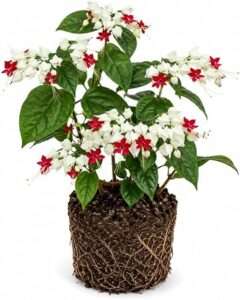
Few shade flowers capture the imagination like Old-Fashioned Bleeding Heart. Hanging gracefully from long, arching stems, each blossom resembles a tiny puffy pink-and-white locket with a delicate droplet spilling from the bottom. Emerging early in the season when the rest of the garden is still waking up, Bleeding Heart brings an immediate storybook charm to woodland plots. Its lush, blue-green, sea-foam-tinted leaves create a soft backdrop before the plant naturally slips into summer dormancy as the weather heats up.
-
Typical Amazon Price:
-
Key Features & Benefits:
-
Iconic Silhouette: Unique pendant blossoms dangle along horizontal flower stems for up to 6 weeks.
-
Early Spring Bloom Time: Flowers appear as early as April, filling the seasonal void before summer perennials kick in.
-
Cold Hardy: Survives extreme winter temperatures down to USDA Zone 3 with zero frost protection required.
-
-
Pros & Cons:
-
Pros: Established clumps thrive for decades without division; pollinator-friendly for early-season bees; classic heirloom appeal.
-
Cons: Natural summer dormancy means the plant will yellow and die back to the roots by midsummer.
-
-
Amazon Ratings & Community Consensus:
-
Rating: 4.3 out of 5 stars (850+ reviews).
-
Feedback: Verified purchasers celebrate how quickly the knobby dormant roots sprout once buried in cool spring soil. A recurring tip from reviewers is to interplant Bleeding Hearts with Hostas or Ferns to conceal the empty space once the plant goes dormant in July.
-
-
Why It’s a Good Choice: It offers an unbeatable balance of historic cottage charm, rapid early-season growth, and reliable cold-hardiness.
-
Ideal Use Case / Who Should Buy It: Anyone looking to create an enchanting spring garden walk or brighten up early-season north-facing foundation beds.
3. Hosta (Plantain Lily) Live Potted Starter Plants — Best Foliage & Flowers
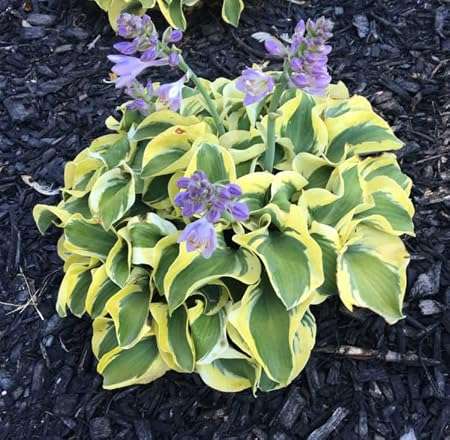
While celebrated mostly for their lush, architectural foliage, Hostas also produce striking, trumpet-shaped flower stalks that rise high above their leaves in mid-summer. Many varieties boast pale lavender or crisp white blooms that carry a sweet, delicate fragrance reminiscent of lilies. Combined with their heart-shaped, variegated foliage—which comes in patterns of lime green, chartreuse, cream, and deep steel blue—Hostas deliver continuous texture and vibrant ground coverage from April until the first killing frost.
-
Typical Amazon Price: $17.99
-
Key Features & Benefits:
-
Dual-Action Beauty: Offers both sculpted, broad-leaf foliage coverage and elegant summer floral spikes.
-
Exceptional Adaptability: Tolerates light conditions ranging from dappled understory light to heavy, dense shade.
-
Natural Weed Suppression: Dense, overlapping leaves cast deep shade onto the soil, preventing weed seeds from germinating.
-
-
Pros & Cons:
-
Pros: Incredibly resilient; easy to dig up, divide, and spread across your yard after two seasons.
-
Cons: A favorite target for slugs and snails; requires light slug-baiting or diatomaceous earth in wet springs.
-
-
Amazon Ratings & Community Consensus:
-
Rating: 4.6 out of 5 stars (2,100+ reviews).
-
Feedback: Customers love receiving actively growing potted starters rather than bare roots, noting minimal transplant shock. Reviewers praise their vigor and rapid spread, though several mention the need to protect the tender spring shoots from backyard rabbits.
-
-
Why It’s a Good Choice: Hostas are virtually indestructible once their root systems are anchored, offering immediate fullness, texture, and understated floral spikes.
-
Ideal Use Case / Who Should Buy It: Beginner gardeners needing an easy, foolproof perennial to fill large, empty shade beds or border dark fence lines.
4. Nonstop Tuberous Begonias (Tubers & Potted Starters) — Best Continuous Color
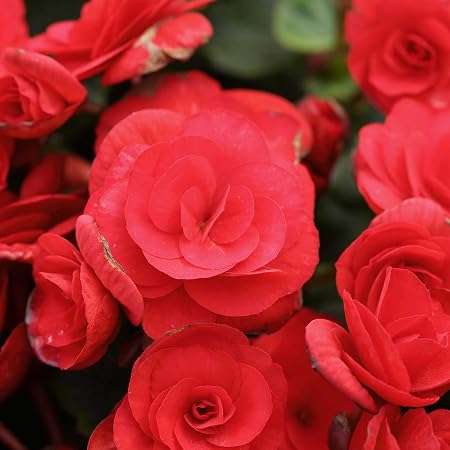
If your shaded patio or covered porch feels drab, Nonstop Tuberous Begonias are the ultimate cure. Unlike perennials that flower for only a few short weeks, these shade-loving wonders bloom continuously from early summer straight through the first autumn freeze. Each blossom features densely ruffled petals that closely mimic miniature garden roses or camellias, available in blazing shades of crimson, apricot, golden yellow, and pure white. Because they do not need full sun to produce abundant buds, they turn shaded spaces into focal points.
-
Typical Amazon Price: $21.59
-
Key Features & Benefits:
-
Rose-Like Double Blooms: Massive 3- to 4-inch ruffled blossoms cover the plant continuously.
-
Compact Growth Habit: Stays tidy at 8 to 12 inches tall, making it suited for containers and hanging baskets.
-
High Bud Count: Continuously sets new buds without demanding constant manual deadheading.
-
-
Pros & Cons:
-
Pros: Blooms non-stop for up to five months; thrives in covered patios and balconies where sunlight cannot reach.
-
Cons: Stems are succulent and brittle (can snap in heavy winds); susceptible to stem rot if overwatered.
-
-
Amazon Ratings & Community Consensus:
-
Rating: 4.2 out of 5 stars (950+ reviews).
-
Feedback: Reviewers applaud the intense, glowing saturation of the blooms, frequently noting that neighbors mistook them for roses. Experienced buyers advise using well-aerated potting soil mixed with perlite to prevent tuber rot.
-
-
Why It’s a Good Choice: It delivers the longest continuous bloom window of any shade plant, making every dollar spent stretch across the entire growing season.
-
Ideal Use Case / Who Should Buy It: Renters, balcony gardeners, and homeowners wanting high-impact color in hanging planters, window boxes, or porch pots.
5. New Guinea Impatiens Live Potted Flats — Best Low-Maintenance Annual
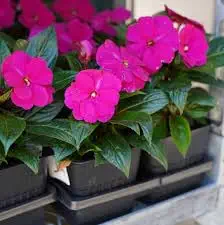
When it comes to delivering massive, continuous impact with almost zero effort, New Guinea Impatiens are unrivaled. Unlike older impatiens varieties that fall victim to downy mildew, New Guineas are highly disease-resistant and boast larger, more tropical-looking leaves. Their glowing, five-petaled flowers bloom relentlessly from spring until the first autumn frost. The best part? They are completely “self-cleaning,” meaning the spent blossoms drop off naturally, saving you from the tedious chore of manual deadheading.
-
Typical Amazon Price: $14.99
-
Key Features & Benefits:
-
Self-Cleaning Blooms: Requires no deadheading to maintain a pristine, colorful appearance.
-
Disease Resistant: Highly resistant to the fungal diseases that decimate standard impatiens.
-
Vivid Color Palette: Available in shocking pinks, radiant oranges, deep magentas, and pure whites.
-
-
Pros & Cons:
-
Pros: Absolute bloom machine; instant gratification; exceptional performance in hanging baskets and borders.
-
Cons: Highly sensitive to frost (grown as an annual in most zones); requires consistent watering, as they wilt quickly in dry soil.
-
-
Amazon Ratings & Community Consensus:
-
Rating: 4.3 out of 5 stars (1,000+ reviews).
-
Feedback: Buyers praise the thick, sturdy stems and pristine condition upon arrival. Many note that placing them in an area that gets just a hint of morning sun (with afternoon shade) produces the most explosive blooming results.
-
-
Why It’s a Good Choice: It is the ultimate “plant it and forget it” flower. If you keep the soil moist, it will reward you with nonstop color all season long.
-
Ideal Use Case / Who Should Buy It: Busy gardeners who want front-yard curb appeal, window box color, or vibrant patio planters without daily maintenance.
6. Coral Bells (Heuchera) Live Plants — Best for Dappled Shade
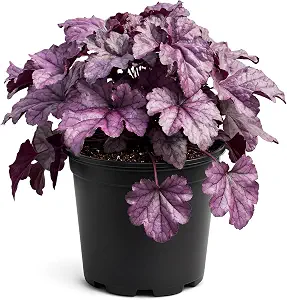
While many plants on this list are chosen primarily for their petals, Coral Bells are celebrated for offering the best of both worlds: mesmerizing year-round foliage and delicate, airy summer blooms. The broad, scalloped leaves come in an astonishing array of colors, ranging from deep plum and metallic bronze to key lime and caramel. In late spring and early summer, tall, wiry stems shoot up from the foliage base, holding tiny, bell-shaped flowers that sway elegantly in the breeze and act as a magnet for hummingbirds.
-
Typical Amazon Price:
-
Key Features & Benefits:
-
Dazzling Foliage: Leaves retain their intense, vibrant colors even in dense shade.
-
Hummingbird Magnet: The nectar-rich, bell-shaped flowers naturally attract local pollinators.
-
Evergreen Potential: In milder zones (USDA 7 and above), the striking foliage remains visible straight through winter.
-
-
Pros & Cons:
-
Pros: Incredible variety of leaf colors; highly drought-tolerant once established; low, mounding growth habit suppresses weeds.
-
Cons: Prone to “frost heave” in harsh winters, where expanding ice pushes the shallow root crown out of the soil.
-
-
Amazon Ratings & Community Consensus:
-
Rating: 4.5 out of 5 stars (1,500+ reviews).
-
Feedback: Purchasers frequently comment on how well the plants are packaged for transit. Gardeners love creating “patchwork” beds by mixing and matching different foliage colors (like planting a purple variety next to a lime green one).
-
-
Why It’s a Good Choice: It guarantees visual interest in your garden for a full 12 months, even when the plant is not actively blooming.
-
Ideal Use Case / Who Should Buy It: Gardeners with dappled shade from large trees, rocky slopes, or woodland edges looking for a colorful, low-growing border plant.
7. Toad Lily (Tricyrtis hirta) Bare Roots — Best for Late-Season Color
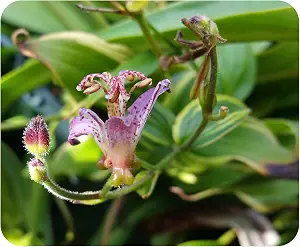
Just as your summer shade plants begin to look tired and fade in late August, the Toad Lily takes center stage. Do not let the unappealing name fool you—this is one of the most exotic, sophisticated perennials you can grow in the shade. The flowers are heavily speckled with purple and crimson dots, closely resembling tiny wild orchids. Because they bloom in early autumn, they provide a much-needed burst of energy and intrigue to low-light spaces just before winter sets in.
-
Typical Amazon Price: $30.99
-
Key Features & Benefits:
-
Exotic Orchid-Like Blooms: Intricate, star-shaped flowers with heavy spotting and protruding stamens.
-
Late Season Performer: Blooms profusely from late summer through mid-fall.
-
Arching Stems: Elegant, ladder-like foliage grows 2 to 3 feet tall, adding structural movement to the bed.
-
-
Pros & Cons:
-
Pros: Extremely unique aesthetic; multiplies steadily over the years; virtually immune to most garden pests.
-
Cons: Slow to emerge in the spring; requires consistently moist, organic-rich soil to thrive.
-
-
Amazon Ratings & Community Consensus:
-
Rating: 4.1 out of 5 stars (600+ reviews).
-
Feedback: Reviewers are obsessed with the close-up detail of the flowers. A common tip from successful buyers is to plant the bare roots along pathways or patio edges so the intricate, small blooms can be appreciated up close.
-
-
Why It’s a Good Choice: It strategically extends the bloom cycle of your shade garden well into the crisp days of autumn.
-
Ideal Use Case / Who Should Buy It: Plant enthusiasts looking for rare, conversation-starting botanicals to place near shaded walkways, benches, or front entryways.
8. Foxglove (Digitalis) Seeds or Starter Plants — Best for Dramatic Height
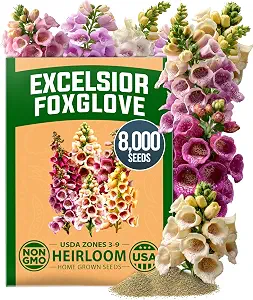
Shade gardens often suffer from being too flat, with most plants hugging the ground. Foxglove solves this design flaw by shooting up magnificent, towering floral spires that can reach 3 to 5 feet in height. Clustered tightly along these sturdy vertical stems are dozens of tubular, bell-shaped blooms featuring beautiful, freckled throats. They thrive in dappled woodland shade, bringing a classic, whimsical, English cottage-garden aesthetic to any dark corner.
-
Typical Amazon Price:
-
Key Features & Benefits:
-
Architectural Height: Instantly draws the eye upward, breaking up flat, monotonous planting beds.
-
Prolific Pollinator Draw: The deep, tubular blossoms are highly favored by bumblebees and hummingbirds.
-
Deer & Rabbit Proof: Highly toxic if ingested, making it completely ignored by browsing wildlife.
-
-
Pros & Cons:
-
Pros: Spectacular vertical drama; self-seeds freely to create natural, drifting colonies over time.
-
Cons: Highly toxic to pets and humans (do not plant where curious dogs or toddlers play); most varieties are biennial, meaning they grow leaves in year one and bloom/die in year two.
-
-
Amazon Ratings & Community Consensus:
-
Rating: 4.4 out of 5 stars (1,800+ reviews).
-
Feedback: Buyers love the fairytale aesthetic. Those who purchase seeds note excellent germination rates but advise patience, reminding new gardeners that the famous floral spikes will not appear until the plant’s second spring.
-
-
Why It’s a Good Choice: It provides essential vertical layering and structural contrast to ground-hugging shade plants like Hostas and Coral Bells.
-
Ideal Use Case / Who Should Buy It: Gardeners with fenced woodland borders looking to create a dramatic backdrop against a wall or tree line.
9. Hellebore (Lenten Rose) Live Potted Plants — Best for Early Spring/Late Winter
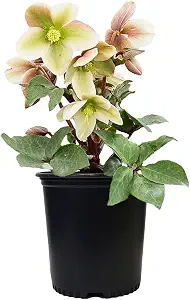
If you want proof that flowers can conquer the cold, look no further than the Hellebore. Often called the Lenten Rose because it blooms during the season of Lent, this rugged perennial pushes its elegant, cup-shaped flowers through frozen ground—and sometimes right through a layer of snow. Featuring thick, leathery, evergreen leaves and nodding blooms in shades of antique pink, deep plum, and creamy chartreuse, Hellebores are the undisputed champions of the late winter shade garden.
-
Typical Amazon Price: $39.99
-
Key Features & Benefits:
-
Extreme Cold Blooming: Flowers appear as early as February or March, months before other perennials wake up.
-
Long-Lasting Blooms: The colorful “petals” are actually tough sepals, meaning they remain vibrant on the plant for 8 to 10 weeks.
-
True Evergreen: Leathery foliage maintains groundcover integrity year-round.
-
-
Pros & Cons:
-
Pros: The earliest bloomer in the shade garden; incredibly long lifespan (can live for decades); highly deer and vole resistant.
-
Cons: Higher upfront cost compared to other perennials; slow-growing during the first two years.
-
-
Amazon Ratings & Community Consensus:
-
Rating: 4.6 out of 5 stars (900+ reviews).
-
Feedback: Purchasers consistently justify the higher price tag, noting the plants arrive robust and deeply rooted. Reviewers in northern zones (Zones 4-6) are particularly thrilled with how reliably they survive harsh freezes.
-
-
Why It’s a Good Choice: It offers an unbeatable psychological boost to the winter-weary gardener, delivering color when the rest of the yard is bleak and gray.
-
Ideal Use Case / Who Should Buy It: Homeowners wanting to plant a permanent, evergreen understory beneath large deciduous shade trees like Oaks and Maples.
10. Japanese Anemone (Anemone × hybrida) Bare Roots — Best for Fall Blooms
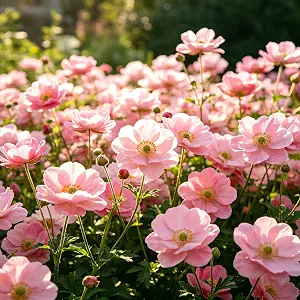
Rounding out our list is the elegant Japanese Anemone. As the summer heat fades, this vigorous perennial sends up tall, wiry, branching stems topped with simple, saucer-shaped flowers featuring prominent golden centers. Available in pure white and varied shades of pink, the blooms seem to float and dance above the foliage in the autumn breeze. They thrive in part-shade, making them an excellent transitional plant for beds that receive morning sun but are plunged into shadow by the afternoon.
-
Typical Amazon Price: $6.99
-
Key Features & Benefits:
-
Late-Season Vigor: Delivers a massive flush of color in September and October.
-
Dancing Blooms: Slender 3-foot stems give the flowers a graceful, kinetic movement in the wind.
-
Rapid Spreader: Quickly naturalizes via underground runners to fill large, empty areas.
-
-
Pros & Cons:
-
Pros: Effortless autumn color; excellent cut flowers for indoor vases; very low maintenance once anchored.
-
Cons: Can become overly aggressive and spread into unwanted areas if not divided or contained.
-
-
Amazon Ratings & Community Consensus:
-
Rating: 4.2 out of 5 stars (500+ reviews).
-
Feedback: Buyers adore the clean, bright contrast of the white varieties against dark autumn foliage. Some reviewers warn to give the roots plenty of room, as they spread vigorously after their second year in the ground.
-
-
Why It’s a Good Choice: It provides a reliable, high-impact finale to your gardening season, thriving in the tricky transitional light of autumn.
-
Ideal Use Case / Who Should Buy It: Gardeners with large, semi-shaded borders who want to quickly fill space with a low-maintenance, late-blooming perennial.
IV. Buying Guide: How to Choose the Right Shade Plants
To ensure you make an informed buying decision and protect your investment, consider these four critical factors before adding plants to your Amazon cart:
-
Assess Your True Shade Level: Not all shade is created equal.
-
Part Shade: Receives 3-6 hours of gentle morning sun, but is shielded from the harsh afternoon glare. (Ideal for Bleeding Hearts and Japanese Anemones).
-
Dappled Shade: Sunlight filters gently through the leaves of a tall canopy above. (Perfect for Coral Bells and Foxglove).
-
Full/Deep Shade: Receives less than 3 hours of direct light, heavily shadowed by buildings or dense evergreens. (Stick to Hostas, Astilbe, and Ferns).
-
-
Live Plants vs. Bulbs vs. Bare Roots on Amazon:
-
Live Potted Plants: Cost more, but offer immediate foliage and zero transplant guesswork.
-
Bare Roots / Dormant Crowns: Look like clumps of dead twigs upon arrival. Don’t panic! Once planted in moist soil, they establish robust root systems and grow rapidly. They offer the best value for perennials.
-
Bulbs/Tubers: Excellent for Begonias. Ensure they feel firm upon unboxing, not mushy.
-
-
Soil and Moisture Needs: Shade beds under large trees are often bone-dry because tree roots steal all the water. If planting moisture lovers like Astilbe or Toad Lilies, you must amend the soil with compost and water deeply during dry spells.
-
Hardiness Zones: Always check your USDA Hardiness Zone. An annual (like New Guinea Impatiens) will die at the first frost, while a hardy perennial (like a Hellebore) will survive deep freezes and return for decades.
V. Frequently Asked Questions (FAQ)
Can you grow flowers in complete, pitch-black shade? No plant can survive without at least a little ambient light. If an area is so deeply shaded by a building or dense pines that it remains dark even at noon, your best option is hardscaping (mulch, river rock) or incredibly tough foliage like cast-iron plants. However, Hostas and Astilbe will tolerate very deep shade as long as they get some bright, indirect ambient light.
What is the longest-blooming shade perennial? If you want nonstop color, you are better off with an annual like the New Guinea Impatiens or a tuberous Begonia, which bloom continuously from spring to frost. For true perennials, Coral Bells (Heuchera) provide year-round foliage color, even when their summer flowers fade.
Are these Amazon plants safe for pets? You must exercise caution. Foxglove and Hellebores are highly toxic to dogs, cats, and humans if ingested. If you have curious pets that chew on landscaping, stick to non-toxic options like Astilbe and Coral Bells.
How do I keep deer away from my shade flowers? Deer treat shade gardens like a salad bar, especially loving Hostas. To naturally deter them, plant toxic or bitter-tasting plants like Foxglove, Bleeding Hearts, Hellebores, and Astilbe, which deer actively avoid.
VI. Final Verdict & Next Steps
Transforming a dark, forgotten corner of your yard is easier than you think when you rely on the 10 best flower plants for shade. You don’t need a degree in horticulture—just the right botanical match for your light levels.
Our Top Recommendations:
-
Best Overall: Grab the Astilbe Bare Roots for reliable, feathery texture and wet-soil resilience.
-
Best for Nonstop Color: Choose the New Guinea Impatiens or Nonstop Begonias to keep pots and borders ablaze from summer through autumn.
-
Best for Spring Drama: Order Bleeding Heart Roots to give your garden a romantic, early-season cottage aesthetic.
Before you click away, head outside, assess how many hours of dappled light your space actually receives, and check your USDA Hardiness Zone. Then, click through to Amazon using the links above to secure your roots and starters before the seasonal planting rush depletes inventory!