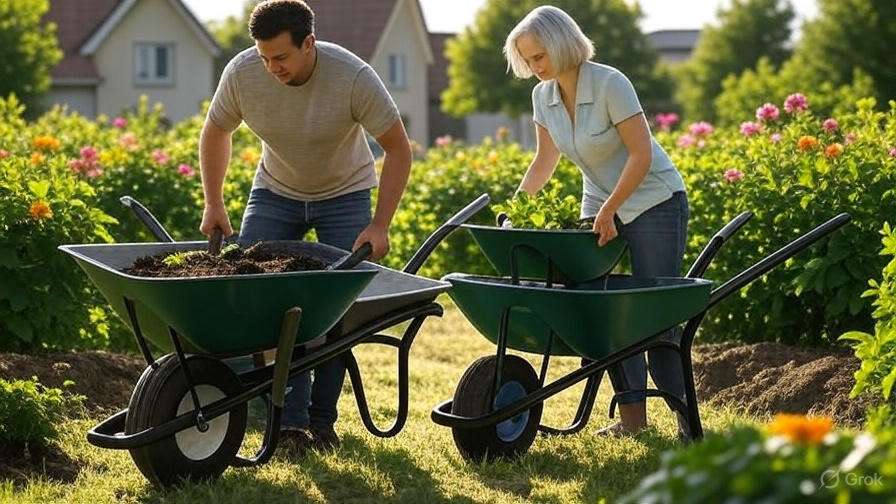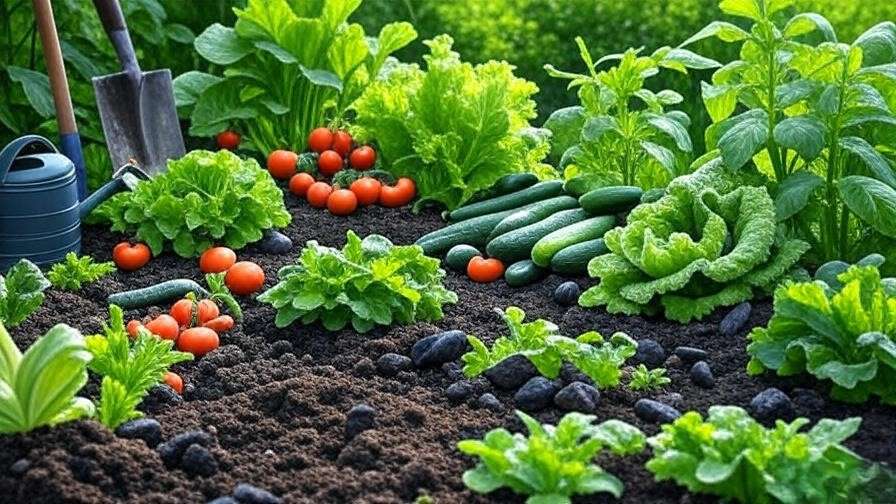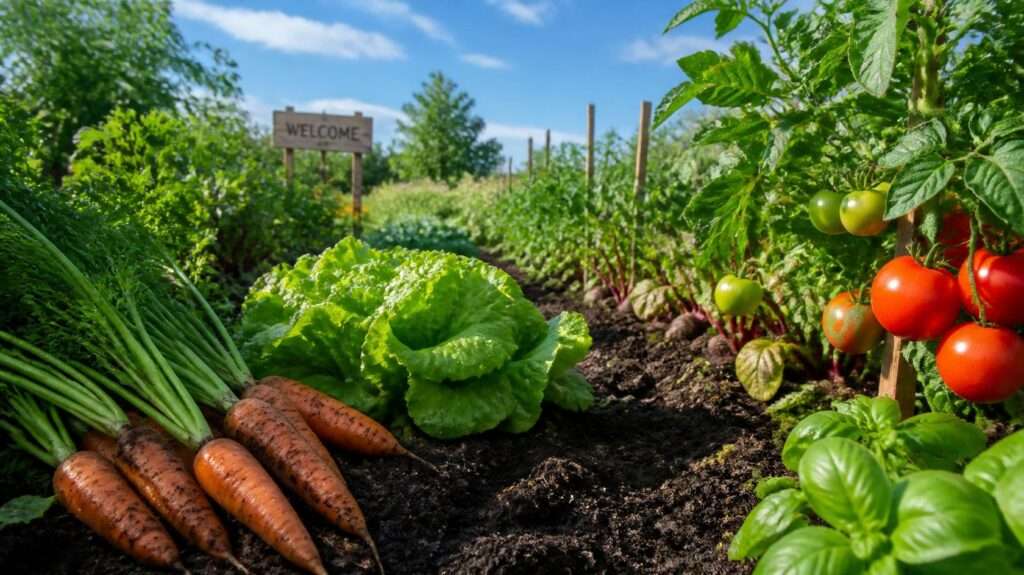
The best vegetable garden soil gives roots room to grow, holds enough moisture between waterings, drains excess water, and supplies the organic matter and nutrients vegetables need. The right choice depends on where you grow: in the ground, in raised beds, or in containers and grow bags.
This guide reviews the best 10 vegetable garden soil options for home growers. It includes organic garden soil, premium potting mixes, raised-bed soil, and compost-based mixes for tomatoes and other vegetables. Prices and Amazon ratings can change, so always check the current listing before purchasing.
Quick Picks: Best Vegetable Garden Soil
How We Chose These Products
We prioritized products that solve a real gardening problem: helping vegetable plants develop strong roots, resist compaction, retain moisture, and produce a better harvest.
Selection criteria included:
-
Vegetable suitability: The soil must work for common crops such as tomatoes, peppers, lettuce, cucumbers, herbs, and root vegetables.
-
Growing method: We separated recommendations for in-ground gardens, raised beds, containers, grow bags, and seed starting.
-
Customer feedback: We considered Amazon star ratings, review volume, recurring praise, and repeated complaints.
-
Soil quality: We favored mixes with compost, organic matter, coco coir or peat moss, perlite or vermiculite, and clear drainage-oriented ingredients.
-
Value: We looked at price per bag, bag size, coverage, and whether the product needs additional fertilizer or compost.
-
Availability: We favored products that are widely sold and available in practical quantities.
For example, Coast of Maine Tomatoes & Veggies is commonly listed around 4.5 stars with 500+ ratings, while FoxFarm Ocean Forest is frequently listed around 4.7 stars with thousands of ratings.gardeningbeyond+3
Garden Soil vs. Potting Mix
Before choosing a product, decide where you will grow your vegetables. This is the most important buying decision.
Garden Soil
Garden soil is heavier and designed to blend with the soil already in your yard. It is best for in-ground vegetable beds, transplanting seedlings outdoors, and improving existing garden soil.
Use garden soil when:
-
You are planting directly in the ground.
-
You want to improve native yard soil.
-
You are filling or amending an outdoor vegetable bed.
-
You are transplanting established seedlings into the garden.
Potting Mix
Potting mix is lighter and airier than garden soil. It is designed for containers, grow bags, window boxes, and many raised beds because it drains well and resists compaction.
Use potting mix when:
-
You grow vegetables in pots or grow bags.
-
You garden on a balcony, patio, or rooftop.
-
You need fast-draining soil for tomatoes and peppers.
-
You are starting seeds or transplanting young plants.
Raised-Bed Mix
Raised-bed mix is made for enclosed raised beds. It should hold nutrients and moisture while still draining well enough to prevent soggy roots.
Use raised-bed mix when:
-
You are filling a new raised bed.
-
You are refreshing an existing raised bed.
-
You want a convenient ready-to-use soil for vegetables.
-
Your native soil is poor, rocky, sandy, or compacted.
What Makes Great Vegetable Garden Soil?
The best soil for vegetables is not simply the darkest or cheapest bag on the shelf. Look for these qualities:
-
Good drainage: Excess water should move through the soil rather than pooling around roots.
-
Moisture retention: The soil should hold enough water to keep plants hydrated between waterings.
-
Aeration: Roots need oxygen. Perlite, compost, coco coir, and other airy materials help prevent compacted soil.
-
Organic matter: Compost improves fertility, soil structure, microbial activity, and nutrient retention.
-
Balanced nutrition: Some mixes include fertilizer; others rely on compost and may require feeding during the season.
-
Suitable pH: Most vegetables grow best in slightly acidic to neutral soil, generally around pH 6.0–7.0.
-
Clean ingredients: Avoid mixes dominated by unknown fillers, uncomposted wood, or excessively heavy in-ground soil for containers.
Expert buying guides commonly recommend compost or peat humus for nutrients, vermiculite or perlite for aeration, and peat moss or coconut coir for moisture retention.
Best 10 Vegetable Garden Soil Reviews
1. Coast of Maine Tomatoes & Veggies Planting Soil
Best Overall Vegetable Garden Soil
Coast of Maine Tomatoes & Veggies Planting Soil is our top pick because it is designed specifically for vegetable gardens and organic growers. Rather than being a generic all-purpose soil, it is a compost-rich planting mix intended to support vigorous vegetable growth from seed starting through transplanting and top-dressing.
This 20-quart bag is especially useful for gardeners growing tomatoes, peppers, cucumbers, squash, leafy greens, and herbs. Its organic formulation makes it a strong option for growers who want a ready-to-use soil without mixing together several separate amendments.
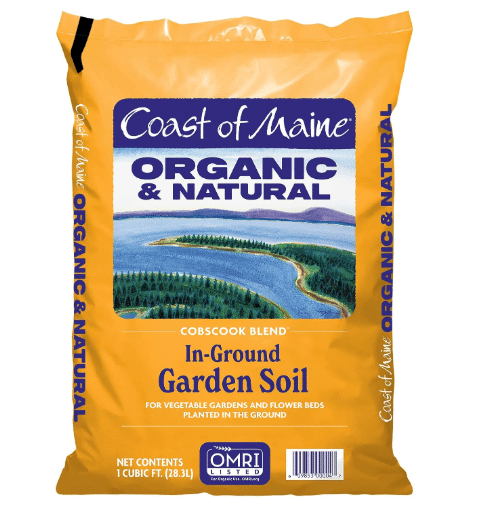
Approximate price: About $21–$24 for a 20-quart bag, depending on seller, promotions, and location.
Key features and benefits:
-
Organic and natural planting soil.
-
Compost-based nutrition for vegetable gardens.
-
Suitable for seeding, transplanting, containers, and top-dressing.
-
20-quart bag provides a practical volume for patio gardens and small beds.
-
Designed for organic growers and vegetable-focused gardening.
Pros:
-
Vegetable-specific formulation.
-
Organic ingredients.
-
Versatile for containers and garden beds.
-
Strong customer ratings and review volume.
-
Useful for tomatoes, peppers, herbs, and leafy greens.
Cons:
-
More expensive than basic potting soil.
-
May not be the cheapest option for filling a very large raised bed.
-
Availability and seller pricing can vary.
Amazon customer ratings and reviews: Coast of Maine Tomatoes & Veggies is commonly listed around 4.5 out of 5 stars, with more than 500 ratings in recent listings. Customers frequently praise plant growth, soil quality, and its usefulness for tomatoes; some reviewers mention fungus gnats or feel the price is high for the volume.gardeningbeyond+1
Why it is a good choice for vegetable gardens: It combines organic ingredients, compost-based fertility, and a practical vegetable-focused formulation. It is especially useful for gardeners who want one dependable soil for multiple crops.
Ideal use case / who should buy it: Buy this if you want the best overall ready-to-use soil for vegetables, particularly if you grow tomatoes, peppers, herbs, or container vegetables and prefer an organic option.
Check Current Price on Amazon
2. Espoma Organic Vegetable & Flower Garden Soil
Best Organic In-Ground Vegetable Garden Soil
Espoma Organic Vegetable & Flower Garden Soil is a natural and organic in-ground planting mix. It is designed for planting and transplanting vegetables and flowers directly into garden beds, making it a strong choice for gardeners who want to improve native yard soil.
This product is best used as a soil amendment or planting soil rather than as a standalone container mix. Blend it with existing garden soil and compost as needed to create a fertile, well-draining growing environment for vegetables.

Approximate price: About $22–$24 for a 1-cubic-foot bag, depending on current Amazon pricing.
Key features and benefits:
-
Natural and organic ingredients.
-
Designed for in-ground planting and transplanting.
-
Suitable for vegetable and flower gardens.
-
Helps improve garden-bed soil.
-
Convenient 1-cubic-foot bag size.
Pros:
-
Excellent for in-ground beds.
-
Organic formulation.
-
Trusted gardening brand.
-
Useful for transplanting vegetable seedlings.
-
Straightforward to apply.
Cons:
-
Not ideal as the only soil for containers.
-
May need compost or fertilizer depending on existing soil quality.
-
Smaller bags can become costly for large garden areas.
Amazon customer ratings and reviews: Check the live Amazon listing for the current rating and review count, as these can change. Customer feedback commonly highlights its usefulness for planting and transplanting in garden beds.
Why it is a good choice for vegetable gardens: It is specifically intended for in-ground planting, which makes it more appropriate for yard gardens than a light container mix.
Ideal use case / who should buy it: Buy this if you are preparing an in-ground vegetable bed, improving native soil, or transplanting seedlings directly into the ground.
Check Current Price on Amazon
3. FoxFarm Ocean Forest Potting Soil
Best Premium Potting Mix for Vegetables
FoxFarm Ocean Forest Potting Soil is a premium, pH-adjusted container mix known for its rich texture, moisture retention, and strong nutrient profile. It is one of the most popular choices for gardeners growing tomatoes, peppers, herbs, and other container vegetables.
The 12-quart bag is convenient for smaller container gardens, while larger bags are available for gardeners filling multiple pots or grow bags. Its light, aerated texture helps roots access oxygen while still retaining enough moisture for productive growth.
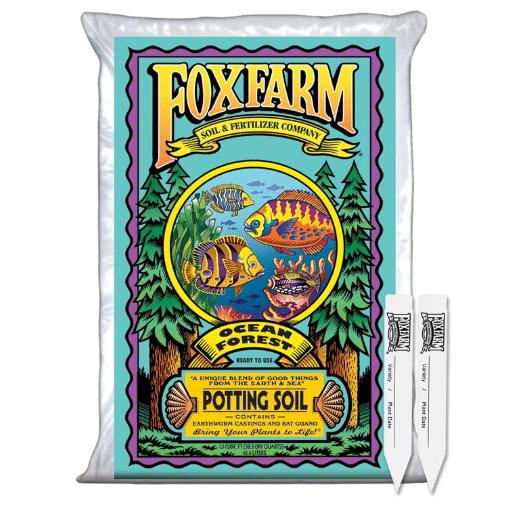
Approximate price: About $21–$24 for a 12-quart bag; larger 1.5-cubic-foot bags are often priced around $31–$34.amazon+2
Key features and benefits:
-
pH-adjusted formula for nutrient uptake.
-
Light, aerated texture.
-
Retains moisture effectively.
-
Designed for container plants.
-
Rich nutrient profile suitable for vigorous vegetable growth.
Pros:
-
Excellent for tomatoes and peppers in containers.
-
Strong customer reputation.
-
Good moisture retention and drainage balance.
-
Convenient for pots and grow bags.
-
Highly popular with thousands of ratings.
Cons:
-
More expensive than basic potting mixes.
-
May be too nutrient-rich for very young seedlings.
-
A small number of customers report bugs or inconsistent bag quality.
Amazon customer ratings and reviews: FoxFarm Ocean Forest is commonly listed around 4.7 out of 5 stars, with thousands of customer ratings. Reviewers often praise quality, plant growth, texture, and value; recurring criticisms include price and occasional reports of bugs.amazon+3
Why it is a good choice for vegetable gardens: It provides the rich, airy environment that container vegetables need. It is particularly effective for heavy-feeding crops such as tomatoes and peppers.
Ideal use case / who should buy it: Buy this if you want premium results in containers or grow bags and are willing to pay more for a high-quality mix.
Check Current Price on Amazon
4. Miracle-Gro Potting Mix
Best Budget Potting Mix for Vegetables
Miracle-Gro Potting Mix is a practical, budget-friendly option for gardeners filling containers, grow bags, and small raised beds. It is widely available, easy to use, and includes fertilizer in many formulations, making it convenient for beginners.
This mix is suitable for vegetables, herbs, flowers, annuals, and perennials. It is especially useful if you need to fill several containers without spending as much as you would on premium organic soils.
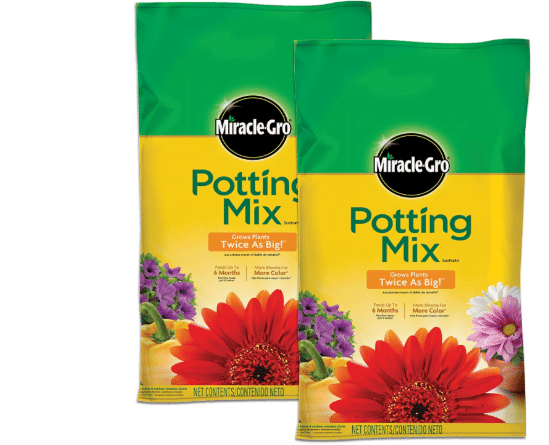
Approximate price: Varies by bag size and seller; check the current Amazon listing for live pricing.
Key features and benefits:
-
Fertilizer included in many formulations.
-
Feeds plants for up to six months in some versions.
-
Suitable for vegetables, herbs, flowers, and containers.
-
Lightweight and easy to handle.
-
Widely available in multiple bag sizes.
Pros:
-
Affordable.
-
Convenient for beginners.
-
Good for containers and grow bags.
-
Includes fertilizer.
-
Easy to find online and in stores.
Cons:
-
Not organic in all versions.
-
Heavy-feeding vegetables may need additional fertilizer later in the season.
-
Ingredient quality may not satisfy gardeners seeking fully organic soil.
Amazon customer ratings and reviews: Check the current Amazon listing for the exact rating and review count. Miracle-Gro products are popular because of their accessibility, convenience, and included fertilizer.
Why it is a good choice for vegetable gardens: It offers a simple, low-cost way to start container vegetables without buying separate fertilizer immediately.
Ideal use case / who should buy it: Buy this if you are a beginner, need several containers filled, or want an affordable non-organic potting mix.
Check Current Price on Amazon
5. Espoma Organic Potting Soil Mix
Best Organic Container Mix for Vegetables
Espoma Organic Potting Soil Mix is an all-natural potting mix designed for indoor and outdoor containers, including herbs and vegetables. It is a strong choice for organic gardeners who want a lighter, container-friendly alternative to garden soil.
This mix works well for patio vegetables, balcony gardens, herb pots, and smaller grow bags. It is especially useful for leafy g reens, herbs, peppers, and other crops that benefit from a well-drained container mix.
Approximate price: About $13–$19 for an 8-quart bag, depending on seller and promotions.
Key features and benefits:
-
Organic ingredients.
-
Suitable for indoor and outdoor containers.
-
Designed for herbs and vegetables.
-
Lightweight container-friendly texture.
-
Convenient 8-quart bag size.
Pros:
-
Organic option.
-
Good for patio and balcony gardens.
-
Suitable for herbs and vegetables.
-
Reputable gardening brand.
-
Strong customer review volume.
Cons:
-
Smaller bags can become expensive for large beds.
-
May require supplemental fertilizer for fruiting vegetables.
-
Some customers report fungus gnats or mixed opinions on moisture retention.
Amazon customer ratings and reviews: Espoma Organic Potting Soil Mix is commonly listed around 4.5 out of 5 stars, with more than 6,000 ratings in recent Amazon results. Customers often mention rich quality and plant growth, while some report fungus gnats or mixed views on value.amazon
Why it is a good choice for vegetable gardens: It gives organic container gardeners a practical ready-to-use mix without the heaviness of garden soil.
Ideal use case / who should buy it: Buy this if you grow vegetables or herbs in pots, grow bags, or balcony containers and prefer an organic potting mix.
Check Current Price on Amazon
6. FoxFarm Raised Bed Planting Mix
Best Soil for Raised Vegetable Beds
FoxFarm Raised Bed Planting Mix is designed for gardeners filling or refreshing raised beds. Raised beds need a balance of nutrition, moisture retention, and drainage, and this mix is formulated to provide that balance for vegetables.
It is a convenient choice for new raised-bed gardeners who do not want to calculate and blend separate amounts of topsoil, compost, and aeration materials. It is also useful for topping off an established bed before a new growing season.
Approximate price: Check the current Amazon listing, as price varies by bag size and seller.

Key features and benefits:
-
Designed specifically for raised beds.
-
Supports vegetable growth.
-
Balances moisture retention and drainage.
-
Convenient ready-to-use formulation.
-
Suitable for new and established raised beds.
Pros:
-
Strong raised-bed fit.
-
Convenient for beginners.
-
Good for vegetable gardens.
-
Reduces the need to blend multiple amendments.
-
Suitable for tomatoes, peppers, greens, and root vegetables.
Cons:
-
Can be expensive for large beds.
-
May still benefit from compost or mulch over time.
-
Availability can vary by seller.
Amazon customer ratings and reviews: Check the live Amazon listing for the current rating, review count, and customer feedback.
Why it is a good choice for vegetable gardens: It removes much of the guesswork from filling a raised bed while providing a vegetable-friendly growing environment.
Ideal use case / who should buy it: Buy this if you are building a new raised bed or refreshing an existing one and want a convenient dedicated raised-bed soil.
Check Current Price on Amazon
7. Burpee Premium Organic Potting Mix
Best for Seed Starting and Transplants
Burpee Premium Organic Potting Mix is a natural organic soil mix designed for container gardening, including vegetables, flowers, and herbs. It is especially useful for gardeners starting seeds indoors or transplanting young vegetable seedlings.
Its organic formulation and reputable brand make it a good option for gardeners who want a dependable mix for the early stages of plant growth. It is best for seed trays, small pots, transplants, and smaller container gardens.

Approximate price: Check the current Amazon listing, as pricing varies by bag size.
Key features and benefits:
-
Premium organic potting mix.
-
Suitable for vegetables, flowers, and herbs.
-
Designed for indoor and outdoor container gardening.
-
Useful for seed starting and transplanting.
-
Trusted gardening brand.
Pros:
-
Good for seedlings and transplants.
-
Organic ingredients.
-
Trusted brand.
-
Suitable for small containers.
-
Convenient for indoor seed starting.
Cons:
-
Smaller bags may not suit large raised beds.
-
Verify fertilizer content on the current label.
-
May need feeding as vegetable plants mature.
Amazon customer ratings and reviews: Burpee Premium Organic Potting Mix is commonly listed around 4.6 out of 5 stars in recent Amazon listings.
Why it is a good choice for vegetable gardens: It provides a gentle, organic growing medium for young plants before they move into larger containers or garden beds.
Ideal use case / who should buy it: Buy this if you start vegetables from seed or transplant young seedlings into pots and small containers.
Check Current Price on Amazon
8. Miracle-Gro Performance Organics All Purpose Container Mix
Best Organic-Style All-Purpose Container Mix
Miracle-Gro Performance Organics All Purpose Container Mix is an organic and natural container mix designed for vegetables, flowers, and herbs. It includes fertilizer and is intended for both indoor and outdoor container gardening.
This is a convenient choice for gardeners who want one mix for a patio garden containing tomatoes, herbs, flowers, and leafy greens. It is especially useful for beginners who want an easy all-purpose option rather than buying separate soils for each plant type.

Approximate price: Check the current Amazon listing, as price varies by bag size and seller.
Key features and benefits:
-
Organic and natural plant soil.
-
Includes fertilizer.
-
Feeds plants for up to three months.
-
Suitable for vegetables, flowers, and herbs.
-
Designed for indoor and outdoor containers.
Pros:
-
Convenient all-purpose formulation.
-
Good for mixed patio containers.
-
Includes fertilizer.
-
Suitable for beginners.
-
Organic and natural positioning.
Cons:
-
May not be the best dedicated mix for high-yield tomato containers.
-
Check certification and ingredient details before purchase.
-
Heavy-feeding crops may need additional fertilizer later.
Amazon customer ratings and reviews: Check the live Amazon listing for the current rating and review count.
Why it is a good choice for vegetable gardens: It offers a simple organic-style container mix for gardeners growing several plant types together.
Ideal use case / who should buy it: Buy this if you want one convenient container mix for vegetables, herbs, and flowers on a patio, balcony, or deck.
Check Current Price on Amazon
9. Vermont Compost Organic Container Tomato Mix
Best Compost-Based Mix for Tomatoes
Vermont Compost Organic Container Tomato Mix is a high-nutrient, compost-based potting soil designed for plants and vegetables, with a particular focus on container tomatoes. It is a premium option for gardeners who prioritize soil biology, organic ingredients, and strong nutrition for fruiting crops.
Tomatoes are heavy feeders, especially when grown in containers. A compost-rich mix can help support vigorous growth, flowering, and fruit development, although gardeners should still monitor plant health and feed as needed.
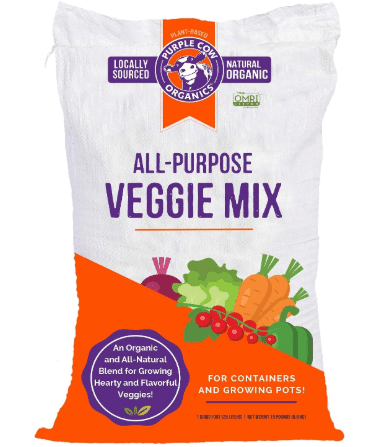
Approximate price: Check the current Amazon listing, as availability and pricing can vary.
Key features and benefits:
-
Compost-based nutrition.
-
Organic gardening orientation.
-
High-nutrient formulation.
-
Designed for container tomatoes and vegetables.
-
Premium soil for growers focused on soil quality.
Pros:
-
Excellent for tomatoes.
-
Compost-rich formula.
-
Strong nutrient profile.
-
Good for organic-minded growers.
-
Suitable for container vegetable production.
Cons:
-
Premium price.
-
May be harder to find than mainstream brands.
-
May be too rich for delicate seedlings.
Amazon customer ratings and reviews: Check the live Amazon listing for the current rating and review count.
Why it is a good choice for vegetable gardens: It is one of the strongest choices for gardeners who want a compost-based, nutrient-rich mix specifically suited to tomatoes.
Ideal use case / who should buy it: Buy this if you grow tomatoes in containers, grow bags, or raised beds and want a premium compost-based soil.
Check Current Price on Amazon
10. Back to the Roots Organic Potting Mix
Best Sustainable Coco-Based Vegetable Garden Soil
Back to the Roots Organic Potting Mix is a lightweight organic mix designed for herbs, vegetables, flowers, and seed starting. It is a good sustainable option for gardeners who prefer a coco-based or peat-reduced growing medium.
Coco coir is valued for its moisture retention and airy texture. It helps prevent compacted soil and can be especially useful for indoor gardens, balcony containers, and growers who need lightweight soil.
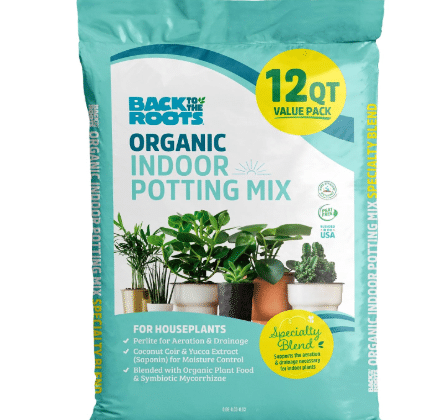
Approximate price: Check the current Amazon listing, as price varies by bag size and product format.
Key features and benefits:
-
Organic ingredients.
-
Coco-based moisture retention.
-
Lightweight and airy texture.
-
Suitable for herbs, vegetables, and seed starting.
-
Good for indoor and outdoor container gardens.
Pros:
-
Sustainable appeal.
-
Lightweight.
-
Good water retention.
-
Useful for balconies and rooftops.
-
Suitable for herbs and leafy greens.
Cons:
-
Coco coir alone has limited nutrients.
-
May require compost or fertilizer for full-season vegetable production.
-
Not always the best choice for large outdoor beds.
Amazon customer ratings and reviews: Check the live Amazon listing for the current rating and review count.
Why it is a good choice for vegetable gardens: It provides a light, moisture-retentive base for container vegetables, especially when paired with appropriate fertilizer.
Ideal use case / who should buy it: Buy this if you prioritize sustainability, grow herbs and vegetables in containers, or need lightweight soil for a balcony or rooftop garden.
Check Current Price on Amazon
Product Comparison
Best Soil by Vegetable Type
How Much Vegetable Garden Soil Do You Need?
Use this simple formula to calculate the soil volume required:
For example, a 4 ft x 4 ft raised bed that is 12 inches deep needs:
A 5-gallon grow bag needs approximately 0.67 cubic feet of potting mix.
Buy 10–15% extra soil to allow for settling, especially when filling raised beds.
How to Use Vegetable Garden Soil Correctly
For In-Ground Beds
-
Remove weeds, rocks, and debris.
-
Loosen compacted soil with a garden fork or tiller.
-
Blend garden soil with existing soil and compost as needed.
-
Plant vegetables at the correct depth.
-
Water thoroughly and apply mulch to conserve moisture.
For Raised Beds
-
Fill the bed with raised-bed mix or a quality soil-and-compost blend.
-
Avoid filling the bed only with dense native clay soil.
-
Level the surface and water deeply.
-
Add mulch after planting to reduce evaporation.
-
Refresh the bed with compost before each new season.
For Containers and Grow Bags
-
Use potting mix, not dense garden soil.
-
Make sure drainage holes are open.
-
Fill containers, leaving a little space at the top for watering.
-
Water until excess water drains from the bottom.
-
Feed plants according to the fertilizer label and crop needs.
Common Mistakes to Avoid
-
Using garden soil in containers, which can compact and drain poorly.
-
Using potting mix as the only long-term improvement for a large in-ground bed.
-
Choosing the cheapest soil without checking ingredients and reviews.
-
Over-fertilizing seedlings with a strong nutrient-rich mix.
-
Ignoring soil pH and drainage problems.
-
Assuming every high-rated soil is suitable for your specific growing method.
FAQs
What is the best soil for a vegetable garden?
Coast of Maine Tomatoes & Veggies Planting Soil is the best overall choice for many gardeners because it is organic, compost-rich, and made specifically for vegetables.
Can I use potting mix for vegetables?
Yes. Potting mix is ideal for vegetables grown in containers, grow bags, and many raised beds. Use garden soil for in-ground planting instead.
Is organic vegetable garden soil worth it?
Organic soil is worth it if you value natural ingredients, compost-based fertility, and healthier soil biology. It can cost more than conventional potting mix.
What is the difference between garden soil and potting mix?
Garden soil is heavier and meant for in-ground beds. Potting mix is lighter, airier, and designed for containers and grow bags.
Can I reuse vegetable garden soil next year?
Yes, but refresh it with compost, check for pests or disease, and consider replacing container soil if plants had serious problems.
How deep should soil be for vegetables?
Most vegetables need at least 12 inches of soil. Root vegetables and tomatoes generally benefit from 12–18 inches or more.
What soil is best for tomatoes and peppers?
FoxFarm Ocean Forest, Vermont Compost Tomato Mix, and Coast of Maine Tomatoes & Veggies are strong options because they provide rich nutrition and good container performance.
Do vegetables need fertilizer if the soil has nutrients?
Often, yes. Heavy-feeding vegetables such as tomatoes, peppers, and squash may need additional fertilizer later in the growing season.
How often should I replace container vegetable soil?
Replace or refresh container soil every one to two growing seasons, or sooner if it became compacted, diseased, or pest-infested.
What is the best soil for raised vegetable beds?
FoxFarm Raised Bed Planting Mix is a convenient dedicated option. Coast of Maine Tomatoes & Veggies is also a strong choice for smaller raised beds.