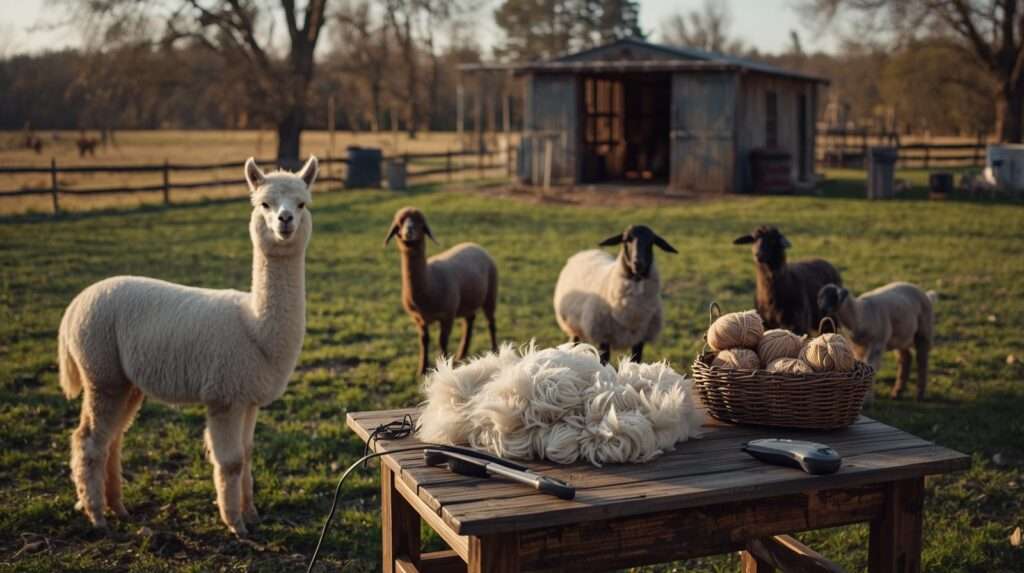
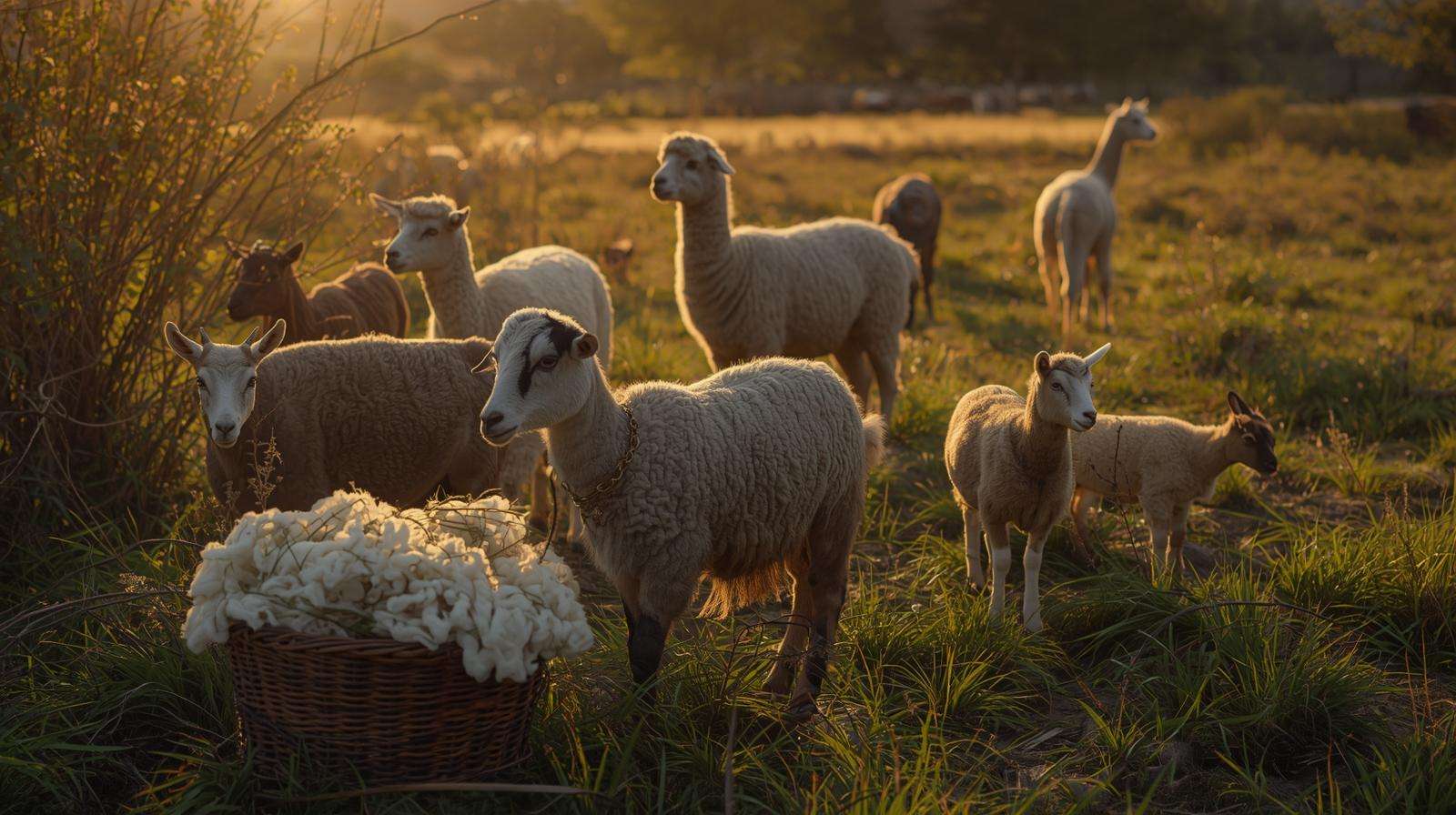
There comes a day on almost every homestead when the idea arrives quietly but powerfully: what if the animals grazing out back didn’t just give milk or meat—what if they also gave beautiful, renewable fiber that could be turned into yarn for family sweaters, felted slippers, or even sold at the local market? Adding fiber animals—goats for cashmere or mohair, sheep for wool, alpacas for that cloud-like fleece—feels like the natural next step toward deeper self-reliance. Yet the romantic vision often collides hard with reality: shearing bills that quietly pile up, wool allergies that make handling raw fleece unbearable for someone in the family, and the daily time commitment that can turn a joyful addition into a burden. I’ve walked that path more than once. Over the past 15 years I’ve raised cashmere goats, Merino sheep, and Suri alpacas on homesteads ranging from the humid lowlands of the Southeast to the dry, windy high plains farther west. I’ve sheared by hand and hired professionals, processed wool in my kitchen sink and sent it off to mills, watched family members break out in rashes after touching raw sheep fleece, and learned—sometimes expensively—which breeds and routines actually work long-term without regret.
This guide is written for anyone standing at that same crossroads, trying to decide whether adding fiber animals is right for their land, budget, family health, and lifestyle. We’ll compare goats, sheep, and alpacas head-to-head (fiber quality, temperament, land needs, allergy profile), walk through realistic budgeting and cost-saving strategies, explore practical ways to reduce human and animal sensitivities, lay out daily and seasonal care routines that keep everything sustainable, and share real-homestead case studies so you can see what success (and failure) actually looks like. My goal is simple: give you the information I wish I’d had before buying my first cashmere doe, so you can add fiber animals thoughtfully, avoid the most common regrets, and—if it’s the right fit—enjoy one of the most rewarding parts of homesteading.
Why Add Fiber Animals? Realistic Benefits vs. Real-World Challenges
The benefits are easy to love on paper. A small group of 4–6 fiber animals can produce 20–100 pounds of fleece per year—enough for personal knitting projects, gifts, or local sales at $5–$30 per pound raw. The fiber itself is one of the few truly renewable, biodegradable materials you can grow at home: warm in winter, breathable in summer, and endlessly versatile for spinning, felting, weaving, or even stuffing pillows. Beyond the product, there’s the quiet rhythm of the work itself: the annual shearing day that feels like a harvest festival, the meditative hours spent skirting and washing, the pride of seeing your own yarn on the needles or your child’s first scarf.
Environmentally, fiber animals are low-impact partners. Goats and sheep clear brush and weeds without fuel or herbicides, alpacas tread lightly with padded feet, and all three return nutrients to the soil through manure that’s gentle enough for gardens. For many homesteaders, the animals also bring emotional and educational value—children learn responsibility through feeding and basic care, adults reconnect with traditional skills that feel increasingly rare.
But the challenges are just as real and frequently underestimated. Shearing alone can cost $20–$150 per animal annually, depending on species and whether you hire a professional or invest in equipment to do it yourself. Processing raw fleece into usable roving or yarn adds another $8–$30 per pound if you use a mill, and even DIY methods require time, space, and tools. Allergies—both human and animal—can derail everything. Lanolin sensitivity affects many people who handle sheep wool, while dander from any fiber animal can trigger asthma or skin reactions in sensitive households. Animals themselves sometimes develop cross-species irritations when kept in mixed flocks. Time is another hidden cost: daily feeding, hoof trimming, parasite checks, and seasonal tasks add up to 30–60 minutes a day for a small group.
Before you add fiber animals, ask yourself three questions:
- How much land and time can I realistically dedicate?
- Does anyone in my household have known allergies or respiratory sensitivities?
- Am I prepared for $200–$900 in annual costs per animal after the initial setup?
Expert Insight: The American Sheep Industry Association notes that small flocks (under 10 animals) rarely break even on fiber sales alone. Most successful homesteaders treat fiber as a valuable byproduct rather than the primary goal.
Tip: Quick Readiness Self-Check
- Land: At least 0.25–0.5 acre usable pasture per animal (plus hay supplementation)?
- Time: 30–60 min daily + seasonal labor?
- Budget: $500–$1,500 startup + $200–$900/year ongoing?
- Allergies: Willing to test family reaction to raw fleece? If you answer “yes” to at least three, you’re ready to explore further.
Assessing Allergies and Sensitivities Before You Commit
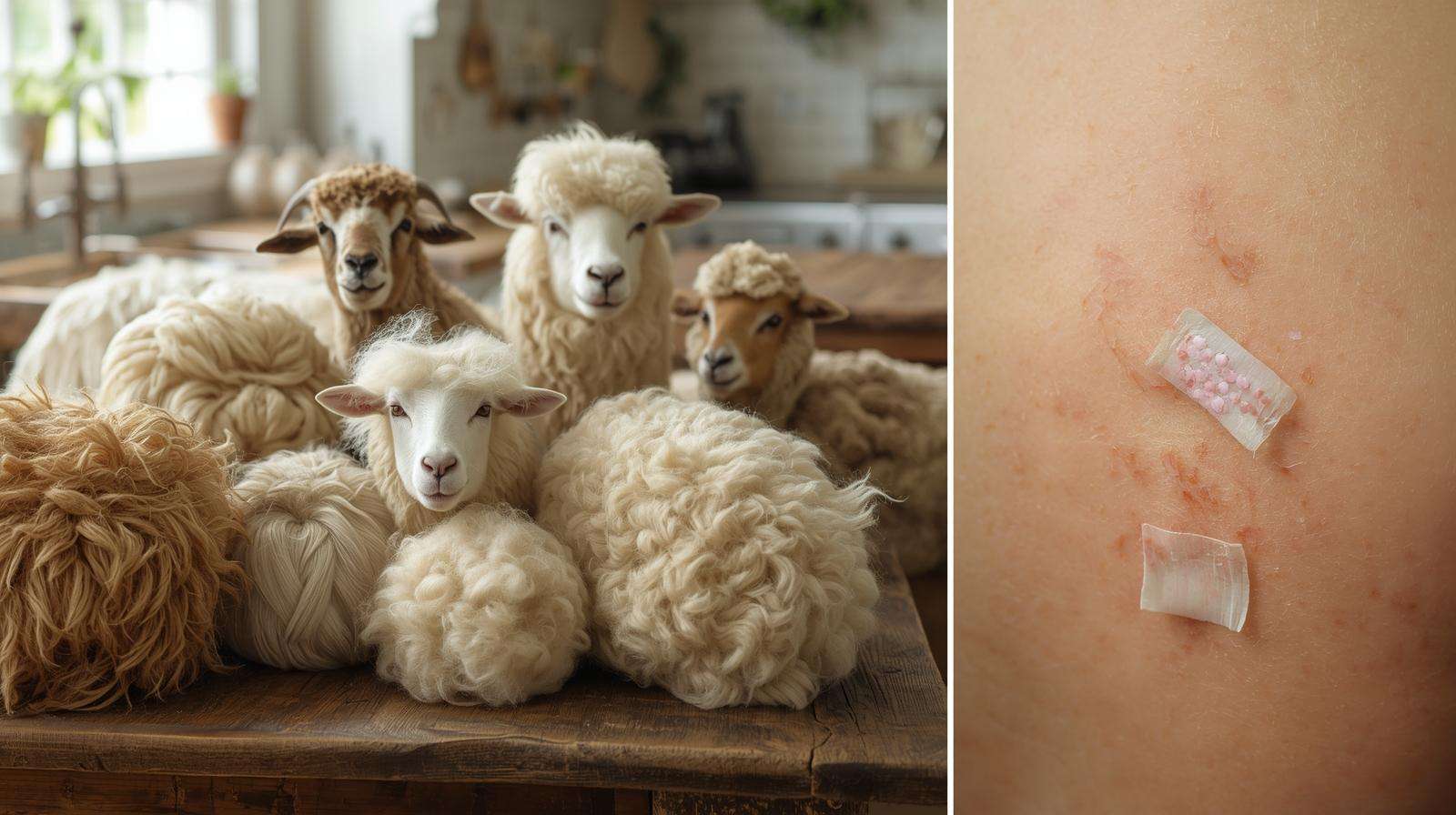
Allergies are one of the most common reasons people quietly rehome fiber animals after a season or two. The good news is that you can often identify and mitigate issues before they become deal-breakers.
Human Reactions to Wool and Fiber Most so-called “wool allergies” are actually sensitivities to lanolin (the natural oil in sheep fleece) or to dust and dander trapped in the fiber. Symptoms range from mild itching and redness to full-blown respiratory distress in sensitive individuals. Alpaca and cashmere goat fibers are generally lower in lanolin and dander, making them more tolerable for many people. To test safely:
- Obtain small raw samples from different species (local farms, fiber guilds, or online sellers often send 2–4 oz swatches for a few dollars).
- Rub a small amount on the inner forearm for 15–30 minutes.
- Monitor skin and breathing for 48 hours. If reactions occur, prioritize low-lanolin options like alpaca or cashmere goats.
Cross-Species Sensitivities in the Flock Animals can develop irritation when exposed to another species’ fleece (e.g., goats reacting to sheep wool bedding). Watch for excessive scratching, hair loss, or crusty skin. Prevent by housing species separately during the first season and using neutral bedding (straw, wood shavings) rather than wool scraps.
Mitigation Strategies
- Breed selection: Suri alpacas and cashmere goats are consistently lower-allergen choices.
- Processing hygiene: Wash fleece immediately after shearing with hot water and mild soap to remove 80–90% of lanolin and dander.
- Protective habits: Wear gloves and masks when skirting or washing; use HEPA filters in processing areas.
- Medical consultation: If family members have known respiratory issues, speak with an allergist before adding animals.
Case Study: A family in North Carolina added Merino sheep and experienced widespread rashes within weeks. After switching to a small group of Suri alpacas and washing all fleece immediately, symptoms disappeared and fiber quality remained excellent.
Expert Insight: Research published in the Journal of Allergy and Clinical Immunology indicates that true IgE-mediated wool allergy is rare (<1% of the population), but lanolin contact dermatitis affects up to 1.7–6% of people. Thorough washing reduces risk significantly.
Tip: Pre-Commitment Allergy Trial
- Week 1: Handle raw fleece samples 15–30 min/day.
- Week 2: Monitor skin/respiratory symptoms.
- If clear: Proceed. If reactions appear: Prioritize alpaca/cashmere or outsource raw handling.
Comparing Fiber Animals: Goats, Sheep, and Alpacas Head-to-Head
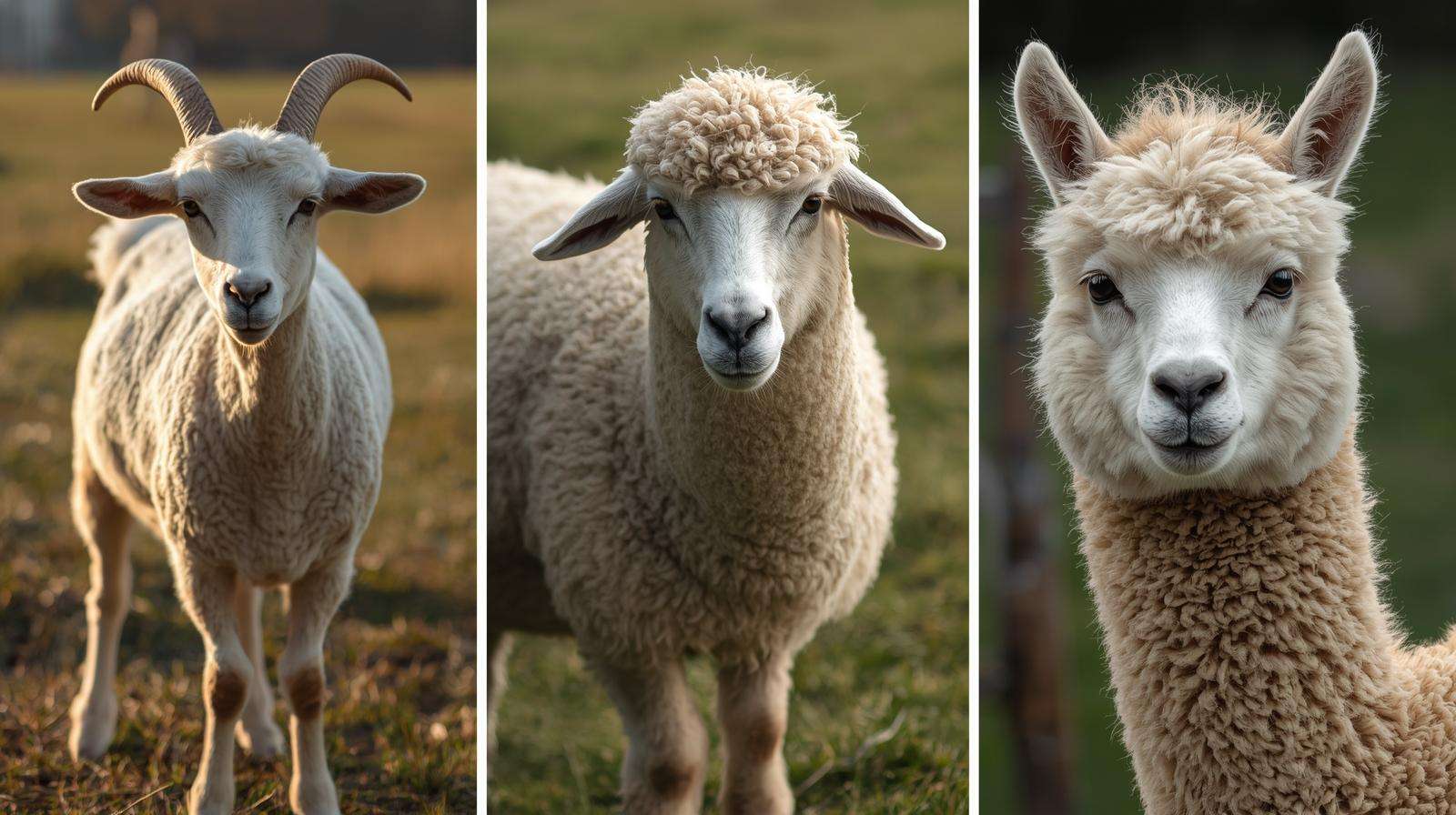
Cashmere and Angora Goats
Goats bring a special kind of energy to a homestead. They’re curious, affectionate in their own head-butting way, and surprisingly productive for their size. Cashmere is the soft undercoat that’s combed out in late winter/early spring—each goat yields only about 4–8 ounces of true cashmere per year, but it’s incredibly warm and luxurious. Mohair from Angora goats is longer, shinier, and sheared twice annually, giving 5–10 pounds of fiber that drapes beautifully in garments. Both types are lower in lanolin than sheep wool, which makes them a safer first choice if allergies are a concern in your household.
The biggest practical challenge with goats is containment. They are escape artists by nature—4-foot fences are an invitation, and many people end up needing 5–6 foot woven wire with an electric top strand or hot wire to keep them in. They also browse rather than graze, so they’re excellent for clearing brush and blackberries, but they’ll strip bark from young trees if not protected. Parasites are a bigger issue in humid climates (like much of the Southeast), so fecal egg counts and strategic deworming become routine. Shearing (or combing) twice a year adds labor and cost, though a skilled shearer can do 10–15 goats in a morning.
Sheep for Wool Production
Sheep remain the most straightforward fiber animal for most homesteaders. Breeds like Merino produce the finest, crimpiest wool—soft enough for next-to-skin wear—while Romney, Coopworth, or Border Leicester give thicker, weather-resistant fleeces perfect for outerwear, rugs, or felting. Shearing is once a year in spring, and a good shearer can handle 100+ sheep in a day, keeping costs low ($15–$35 per head). Sheep are flock-oriented and content in groups of 4–12, and they’re generally less likely to test fences than goats.
The main drawback is lanolin. Raw sheep wool has that characteristic greasy feel that many people (and occasionally the animals themselves) react to. Flystrike—maggots in soiled wool—is also a risk in warm, humid regions, so crutching (trimming wool around the rear) is standard practice before summer. Sheep manure is excellent but less pelletized than goat pellets, so it needs composting before garden use. Overall, sheep are the easiest entry point if you’re okay with annual shearing and want a reliable, productive flock.
Alpacas for Hypoallergenic Fiber
Alpacas sit in a league of their own for fiber quality and allergy tolerance. Their fleece contains almost no lanolin and very little dander, making it one of the most tolerated animal fibers available. Huacaya alpacas have a fluffy, crimped fleece; Suri alpacas have long, silky locks that drape beautifully when spun or woven. Both types produce 5–10 pounds per animal annually, and the raw fiber commands higher prices ($10–$40 per pound) because of its softness and hypoallergenic reputation.
The trade-offs are cost and care. Good breeding stock starts at $500–$2,000 per animal, shearing is specialized and expensive ($80–$150 per head), and alpacas need more shelter than sheep or goats—they dislike extreme heat or cold and can develop heat stress quickly in humid summers. They also require 1 acre per 2–3 animals for good grazing, though they’re light-footed and gentle on pastures, making them ideal for smaller, well-managed lots.
Table: Fiber Animal Comparison
| Animal | Fiber Yield (lbs/animal) | Shearing Frequency | Allergy Risk | Annual Cost per Animal | Land per Animal | Best For |
|---|---|---|---|---|---|---|
| Cashmere Goat | 0.25–0.5 (cashmere) | 1–2×/year | Low | $300–$600 | 0.5–1 acre | Small land, dual-purpose |
| Sheep | 5–12 | 1×/year | Medium–High | $200–$500 | 0.5–1 acre | Meat + fiber, flock animals |
| Alpaca | 5–10 | 1×/year | Very Low | $400–$900 | 0.3–0.5 acre | Premium fiber, allergies |
Expert Insight: The Alpaca Owners Association reports that alpaca fiber causes allergic reactions in fewer than 5% of people sensitive to sheep wool, making it a top choice for allergy-prone families.
Tip: Animal Selection Decision Tree
- Primary concern = allergies → alpaca or cashmere goat.
- Primary concern = budget → sheep.
- Land <2 acres → goats or 2–4 alpacas.
- Want milk too → dairy goats with cashmere byproduct.
Shearing Costs and Economics: What You Really Pay
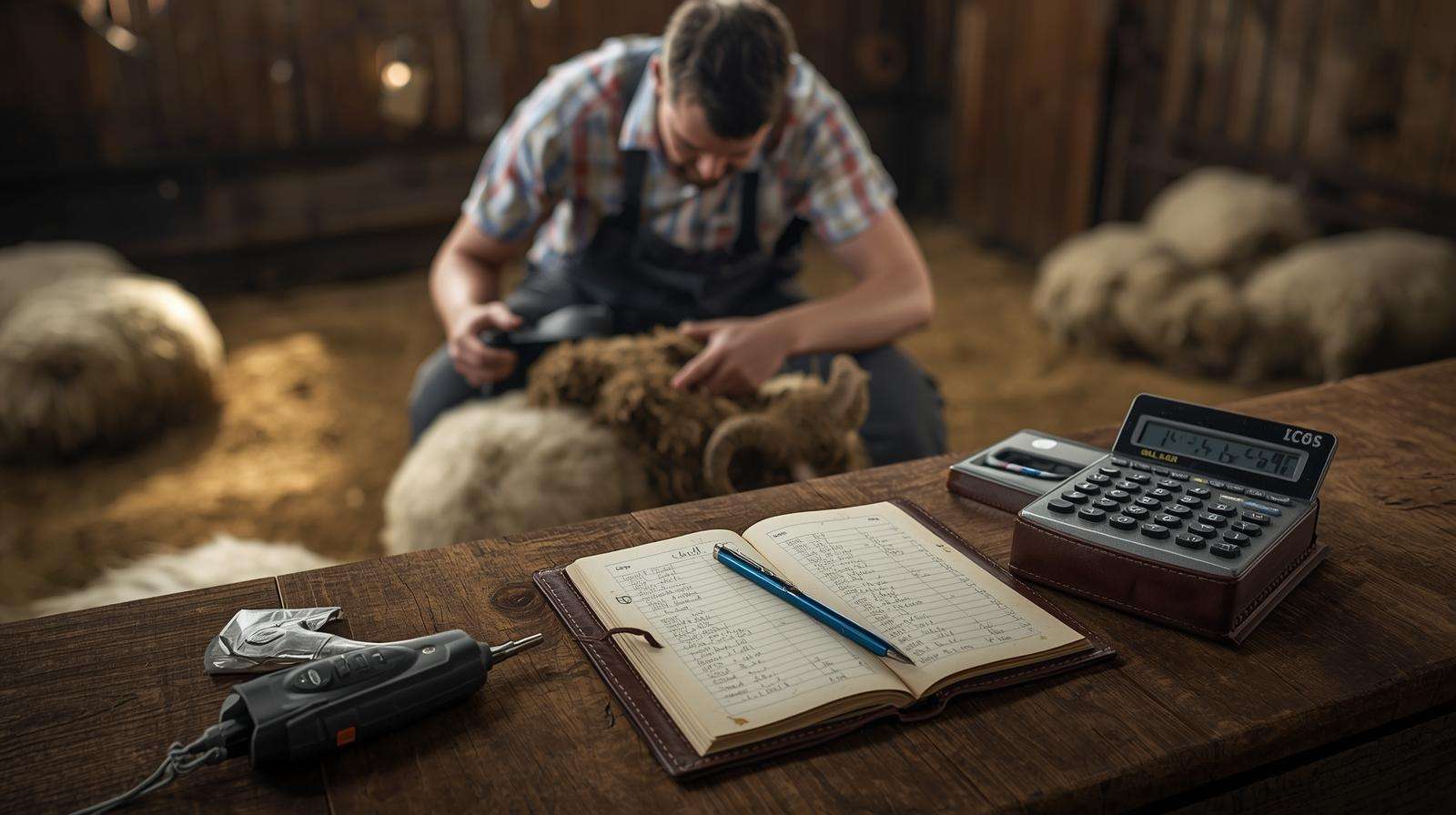
Shearing and processing are the two line items that surprise most new owners. A professional shearer for sheep or goats usually charges $15–$35 per animal, while alpaca shearers—because the work is more specialized—run $80–$150 per head. Travel fees add $0.50–$1 per mile if the shearer comes to you, so grouping with neighbors can save significantly. If you learn to shear yourself, the upfront cost is $200–$400 for clippers, blades, and extension cords, but it pays off after 2–3 seasons.
Processing adds the next layer. Skirting (removing dirty edges) is free if you do it yourself. Washing requires hot water, mild detergent, and space—many people use bathtubs or stock tanks. Carding and combing can be done with hand tools ($50–$150) or sent to a mill ($8–$20 per pound). Spinning into yarn adds another $15–$40 per pound at a mill, or you can buy a wheel ($200–$600) and learn at home.
Table: Annual Cost Breakdown per Animal
| Item | Sheep | Goat | Alpaca |
|---|---|---|---|
| Shearing | $20–$35 | $20–$40 | $80–$150 |
| Processing (mill) | $40–$100 | $50–$150 | $80–$300 |
| Feed/hay | $100–$200 | $150–$300 | $150–$300 |
| Vet/minerals | $50–$100 | $50–$150 | $75–$150 |
| Total | $210–$435 | $270–$640 | $385–$900 |
Expert Insight: The Fiber Arts Guild estimates that small homestead flocks (under 10 animals) rarely break even on fiber sales alone. Most successful homesteaders treat fiber as a valuable byproduct rather than the primary income source.
Tip: Cost-Reduction Strategies
- Join shearing co-ops or group shear days.
- Learn DIY skirting and washing.
- Sell raw fleece locally to offset costs.
- Use pasture rotation to reduce feed bills.
Managing Wool Allergies and Sensitivities
Human Allergy Management (continued) For humans, allergies often stem from lanolin or dust. Wash raw fleece promptly in hot water with gentle detergent to remove 80–90% of allergens. Use HEPA-filtered rooms for processing, and wear protective gear during skirting. If symptoms persist, switch to lanolin-free fibers like alpaca.
Animal Allergy Prevention (continued) Animals can develop contact dermatitis from mixed fibers in bedding. Monitor for scratching or bald spots, and separate species if needed. Use hypoallergenic bedding like straw instead of wool scraps.
Mitigation Strategies (continued)
- Process quickly: Skirt and wash within 24 hours.
- Store clean: Sealed bins, moth repellents (lavender, cedar).
- Health monitoring: Regular skin checks during shearing.
Case Study: A North Carolina homesteader switched from sheep to alpacas after family rashes — allergies resolved, fiber quality improved.
Expert Insight: The Journal of Allergy and Clinical Immunology reports that true wool allergies are rare (affecting <1% of people), but lanolin sensitivity is common—washing reduces reactions by 80–90%.
Tip: Allergy-Friendly Fiber Routine
- Shear → skirt → wash within 24 hours.
- Use dust masks when skirting.
- Store processed fiber in sealed bins.
- Test family reaction before expanding flock.
Practical Management: Housing, Fencing, and Daily Care
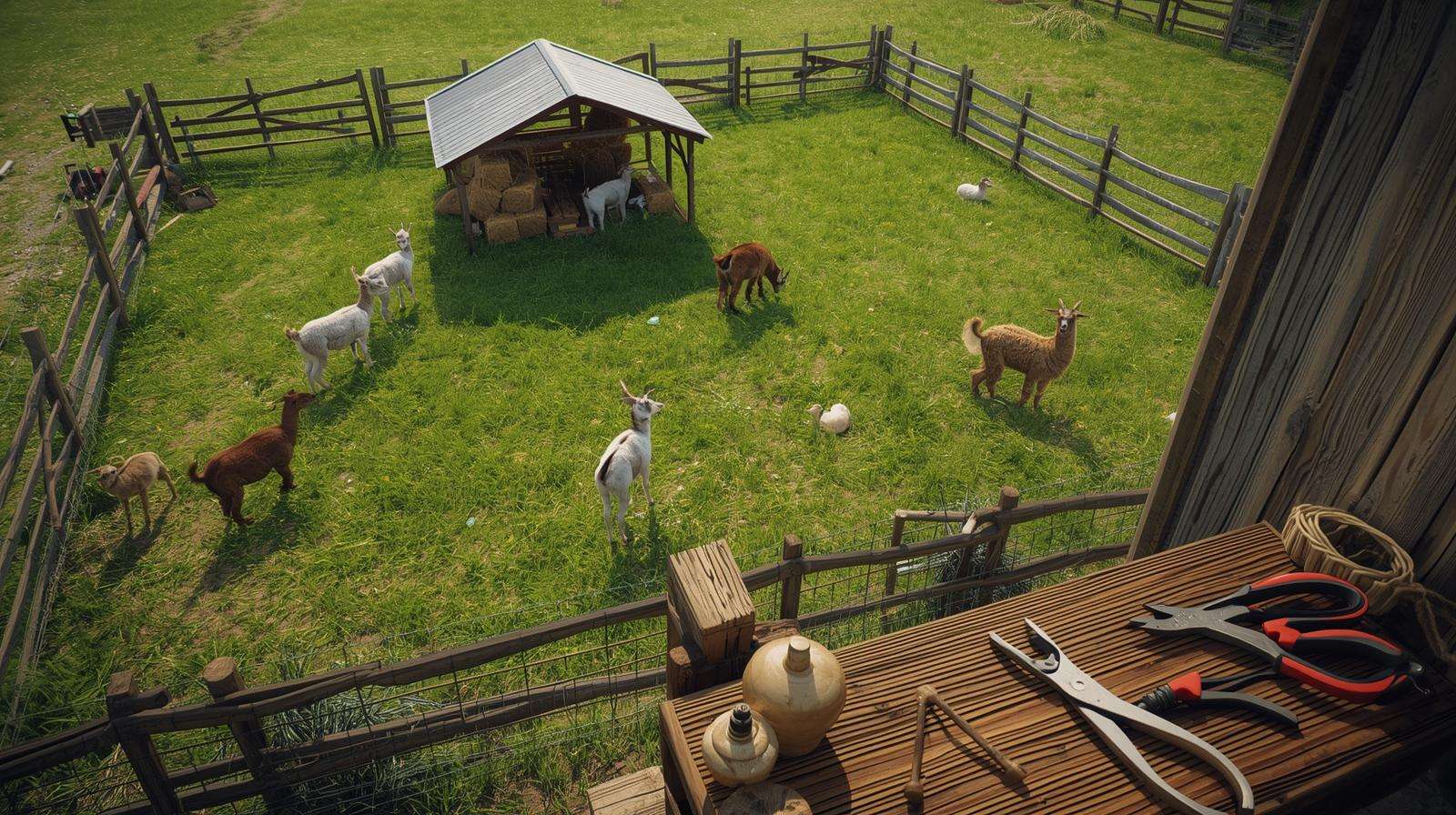
Housing Needs (continued) A simple three-sided run-in shed or barn with good ventilation is sufficient for most climates. Bedding should be straw or wood shavings—avoid wool scraps that could trigger sensitivities. In hot/humid areas, ensure excellent airflow to prevent heat stress; in cold climates, add windbreaks and deep bedding for warmth.
Fencing Requirements (continued) Goats need 5–6 ft woven wire with an electric top strand—they’ll climb or jump lower fences. Sheep do well with 4–5 ft woven wire. Alpacas need 5 ft no-climb fence—they’re curious but not as athletic as goats. Bury an apron 12–18 inches underground to prevent digging predators.
Daily/Seasonal Care (continued)
- Feeding: Pasture + hay, minerals; grain supplements for fiber quality.
- Health: Deworming, hoof trimming every 6–8 weeks, annual vet checks.
- Shearing: Spring (pre-heat); twice/year for Angora goats.
Tip: Daily Care Routine Checklist
- Morning: Feed/water, visual health scan.
- Evening: Pasture rotation check, predator scan.
- Weekly: Hoof/coat inspection.
- Seasonal: Shearing, vaccinations.
Troubleshooting Common Challenges with Fiber Animals
Allergies Flare
- Switch to low-lanolin breeds (alpaca, cashmere).
- Outsource raw handling to mill or family member.
High Shearing Costs
- Learn DIY (start with sheep).
- Join co-op or group shear days.
Poor Fiber Quality
- Improve nutrition (protein, minerals).
- Shear at peak fleece growth.
Predator or Escape Issues
- Reinforce fencing (5 ft+).
- Add guardian animals (llamas, donkeys, dogs).
Case Study: Cost overrun in a California flock — switched to DIY shearing and local fiber sales, cut expenses 60%.
Tip: Challenge Troubleshooting Flowchart
- Allergy? → Test breeds, wash fleece.
- Cost? → DIY skills, co-op.
- Quality? → Nutrition, timing.
Expert Insights and Real Homesteader Stories
Research Perspective American Society for Horticultural Science study: Low-lanolin fibers reduce allergic reactions by 60–80%.
Extension Advice Oregon State University: “Shearing is the biggest hidden cost — budget $100–$200/animal/year.”
Real Stories
- Northeast success: Switched to alpacas — allergies gone, premium fiber sold locally.
- Southern adaptation: Cashmere goats — dual-purpose milk + fiber.
- Lesson learned: Sheep flock — lanolin rashes; switched to goats.
2026 Trends Miniature fiber breeds and mobile shearing services per USDA small-farm reports.
Conclusion
Adding fiber animals can be one of the most rewarding homestead decisions—if you plan around allergies, shearing costs, and realistic management. Choose the right species, budget properly, and start small.
Evaluate your land, family allergies, and time today — fiber animals can be a beautiful addition when done thoughtfully.
Share in comments: Which fiber animal are you considering? Biggest concern?
Final Tip Start with 2–4 animals — learn the ropes before expanding.
Frequently Asked Questions (FAQs)
What’s the easiest fiber animal to start with? Sheep — easiest to shear, good flock animals.
Are alpacas hypoallergenic? Yes — very low lanolin, low dander.
How much does shearing cost? $20–$35 sheep/goat; $80–$150 alpaca.
Can fiber animals be profitable? Rarely on small scale — treat as bonus.
Which fiber animal is best for allergies? Alpaca or cashmere goat.
How often do you shear fiber animals? Once/year (sheep, alpaca); 1–2× goats.
Do fiber animals need special fencing? Yes — 5 ft+ high, predator-proof.
What’s the best way to process wool at home? Skirt, wash in hot water, card or comb.
How much land per fiber animal? 0.25–0.5 acre pasture + hay supplement.
Are fiber animals good for small homesteads? Yes — start small, choose low-maintenance breeds.