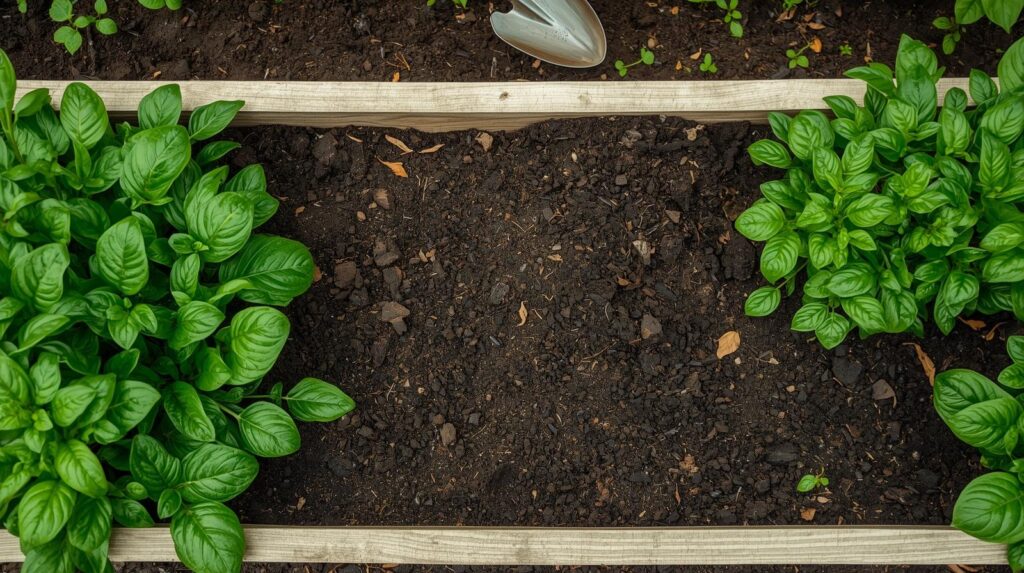
Imagine this: It’s early spring, and you’re staring at your traditional in-ground vegetable plot, already dreading the hours you’ll spend battling persistent weeds like crabgrass and Bermuda grass creeping in from every direction. Then there are the pests—slugs slithering up at night, rabbits nibbling tender seedlings, and burrowing voles destroying roots below ground. You’ve heard the buzz about raised beds: less weeding, fewer pests, healthier plants. But is it really that simple? Are raised beds truly superior for controlling pests and weeds, or is it just gardening hype?
Are raised beds really better for pests and weeds? The short answer is yes—they often provide meaningful advantages in reducing weed pressure and managing certain pests—but they’re not a complete solution. Success depends on proper design, soil quality, ongoing maintenance, and your specific garden conditions. As an agricultural expert who’s guided countless home gardeners and small-scale growers through soil challenges, pest outbreaks, and weed battles, I’ve seen raised beds transform frustrating plots into productive spaces. University extension services like the University of Florida IFAS, Oklahoma State University, University of Georgia, and others back this up with practical research and field observations: raised beds improve drainage, allow custom soil mixes, enable better barriers, and simplify interventions. Yet they come with trade-offs, like faster drying or potential for flying insect issues in dense plantings.
In this comprehensive guide, we’ll break down the evidence, compare raised beds to traditional in-ground methods, share real-world pros and cons, and provide actionable tips to help you decide if they’re right for your garden. Whether you’re dealing with poor native soil, limited time for weeding, or recurring pest problems, you’ll leave with the knowledge to build a more resilient, low-maintenance garden.
What Are Raised Beds? A Quick Overview
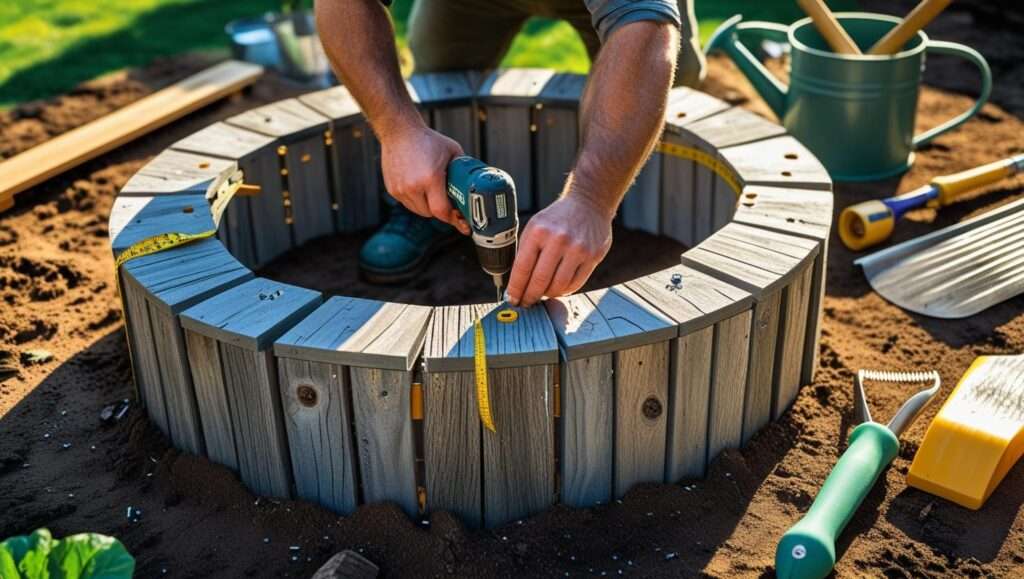
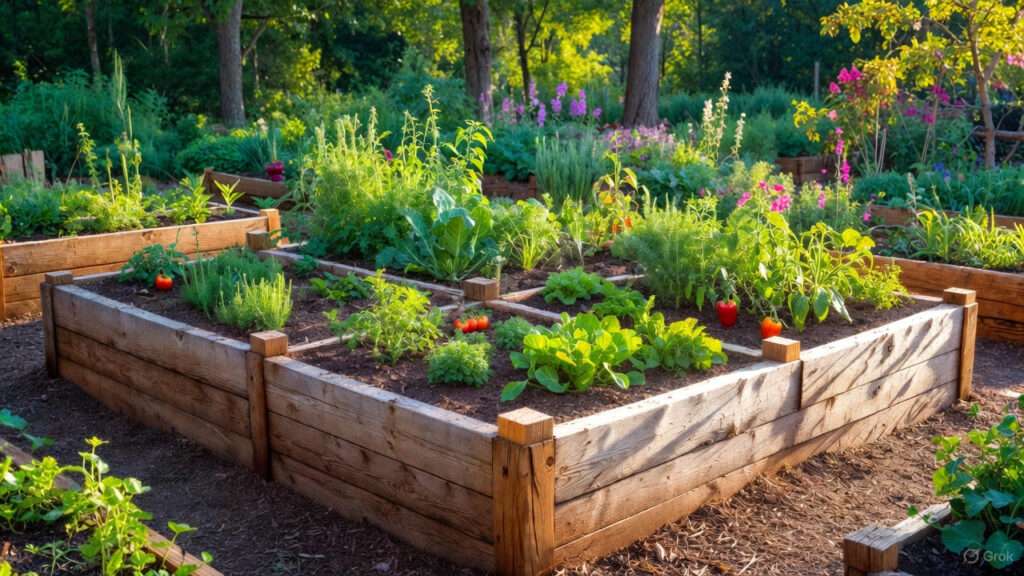
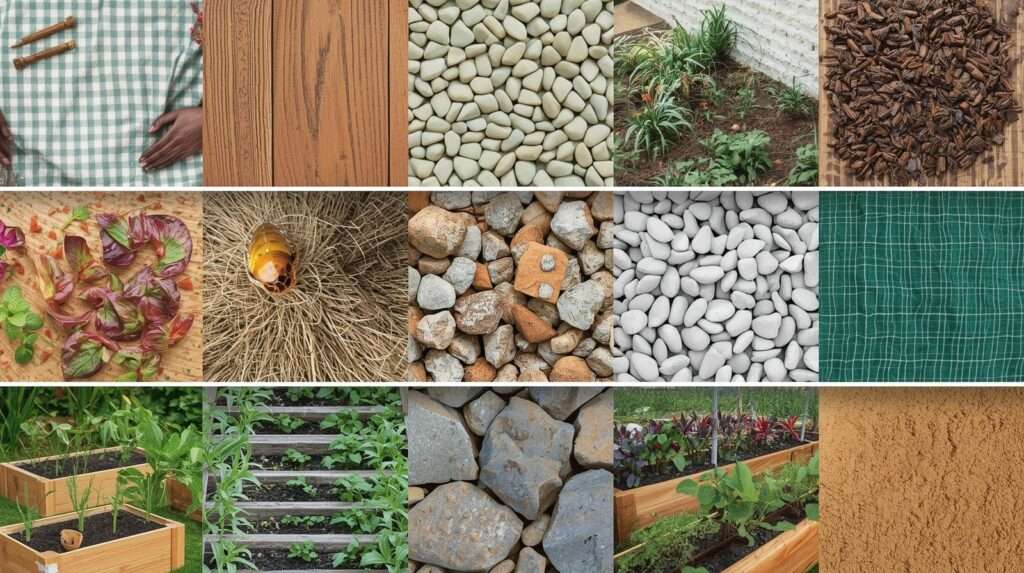
Raised beds are elevated growing areas, typically framed with wood, metal, cinder blocks, or even mounded soil, filled with a custom soil blend. Heights usually range from 6 to 24 inches or more, though 12–18 inches is common for optimal root depth and accessibility.
Unlike in-ground gardens, where plants grow directly in native soil, raised beds isolate your growing medium. This setup is especially popular for vegetable gardening, herbs, and flowers in urban yards, poor-draining clay soils, or contaminated sites.
The question arises because many gardeners turn to raised beds specifically to escape relentless weeding and pest invasions common in traditional plots. Claims of “fewer weeds” and “easier pest control” are widespread—but let’s examine if they hold up.
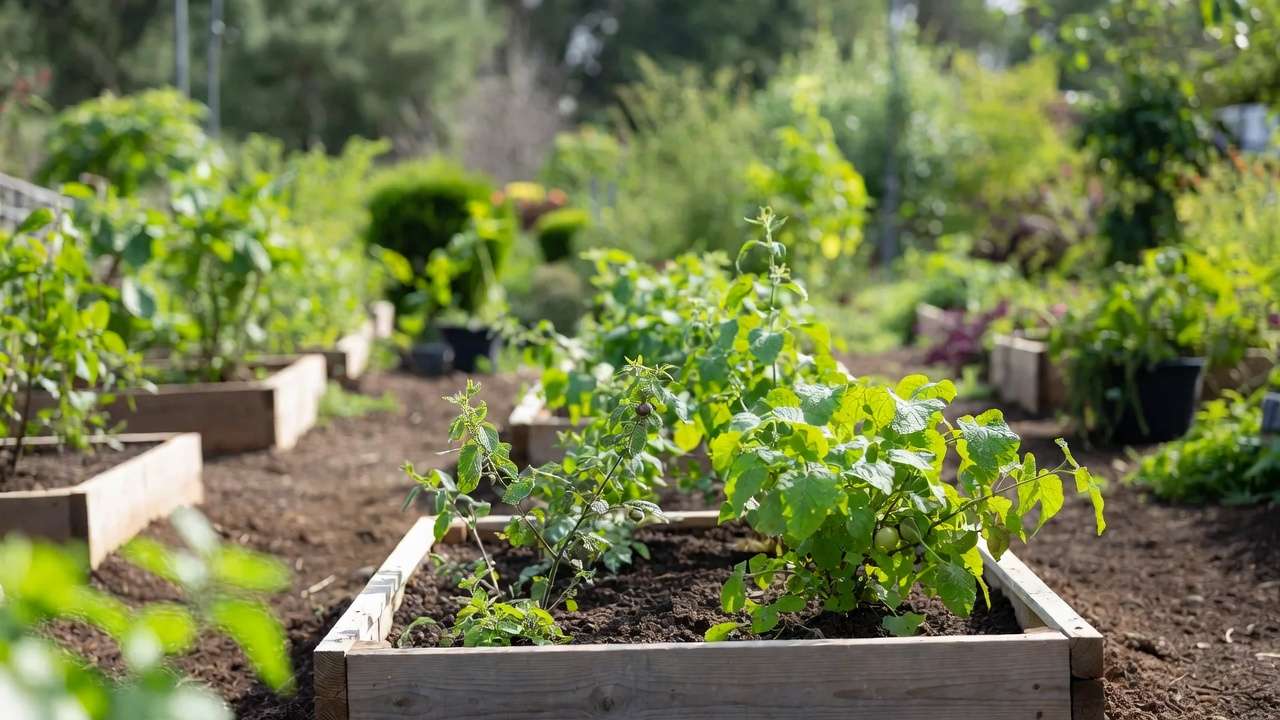
Do Raised Beds Really Reduce Weeds?
Weed management is one of the top reasons gardeners switch to raised beds. Here’s the balanced truth based on extension research and practical experience.
Key Advantages for Weed Control
- Physical Barrier Against Creeping Weeds The framed sides act as a natural blocker for rhizomatous and stoloniferous weeds like Bermuda grass, quackgrass, or bindweed. These invaders struggle to climb or penetrate the elevated structure, unlike in open in-ground beds where they spread freely (UGA Extension notes this as a major benefit in southern soils prone to aggressive perennials).
- Starting with Weed-Free Soil You fill raised beds with a high-quality mix—often topsoil, compost, peat, or coconut coir—free of dormant weed seeds. Native in-ground soil often harbors thousands of viable seeds per square foot, leading to constant germination after tilling disturbs them. Oklahoma State University highlights how amended, clean fill reduces initial weed pressure dramatically.
- Dense Planting and Soil Shading Raised beds encourage intensive planting (e.g., square-foot gardening style), where crops shade the soil surface quickly. This natural suppression limits light for weed seedlings. UF/IFAS research shows higher planting densities in raised systems shade out competitors, cutting weed growth significantly compared to row spacing in traditional gardens.
- Easier Maintenance and Mulching No foot traffic means less soil compaction, making weeds easier to pull by hand. Pathways between beds can be mulched heavily (wood chips, straw) to prevent edge invasion. Many gardeners report 50–80% less weeding time once established—especially after the first season when the seed bank depletes.
Realistic Limitations and Drawbacks
Raised beds aren’t weed-proof. Wind-blown seeds, bird-dropped ones, or spores still land on top. Perennial weeds can sometimes push up from below if beds aren’t deep enough or if grass wasn’t fully eradicated beforehand (e.g., solarizing or cardboard smothering the base is recommended).
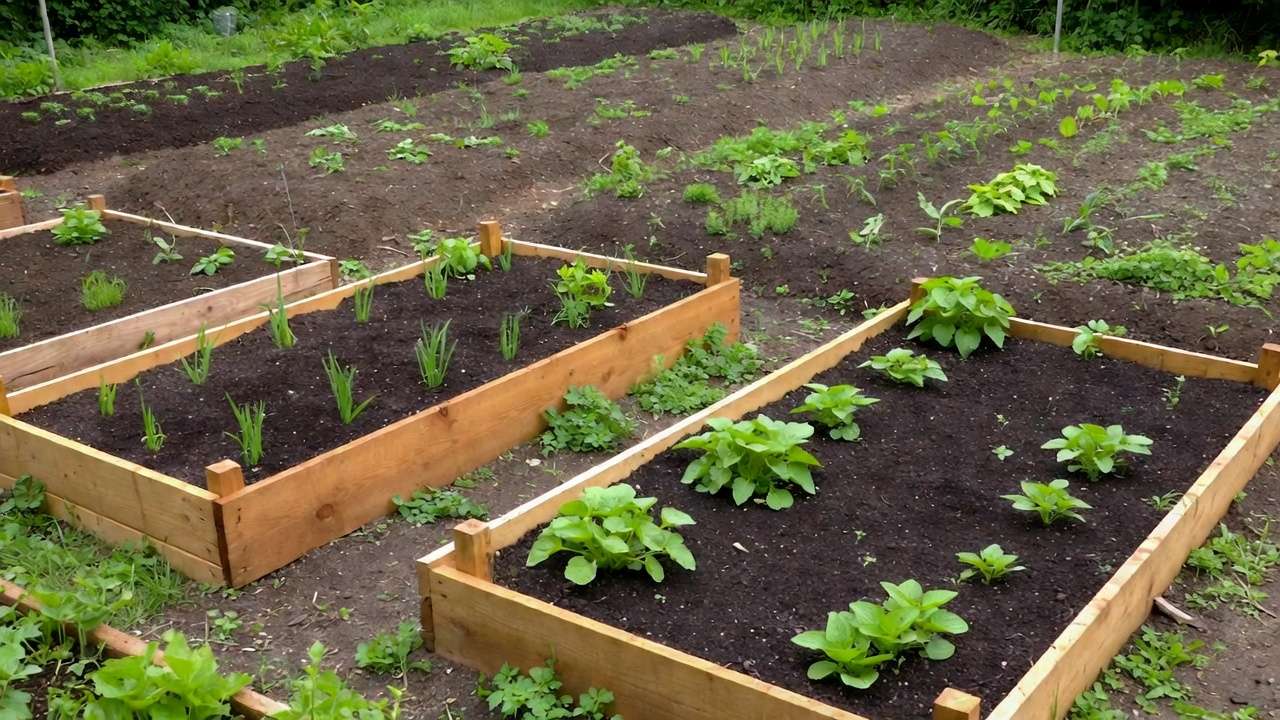
In the first year, you might still battle seedlings from imported compost. And if pathways aren’t managed, weeds along edges can encroach.
Overall verdict: Most sources (including UMN Extension and Illinois Extension) agree raised beds offer superior long-term weed reduction—often transforming “weed nightmare” gardens into manageable ones—when combined with mulch and vigilance.
Comparison Table: Weeds in Raised Beds vs. In-Ground
| Aspect | Raised Beds | In-Ground Gardening |
|---|---|---|
| Initial Weed Pressure | Low (clean fill) | High (native seed bank) |
| Perennial Weed Invasion | Minimal (physical barrier) | Common (spreading roots) |
| Weeding Effort | Low to moderate (easy access/pulling) | High (tilling brings up seeds) |
| Long-Term Control | Excellent with mulch/dense planting | Requires constant effort |
| Typical Reduction Claim | 50–80% less weeding after establishment | Baseline |
(Visual suggestion: Include a photo of a well-mulched raised bed vs. weedy in-ground plot for contrast.)
Expert Insight: To achieve near-zero weeds, layer cardboard or landscape fabric at the base before filling, mulch 2–4 inches thick annually, and practice no-till methods. This builds soil health while starving weed seeds.
How Raised Beds Impact Pest Management
Pest control is another big draw. Raised beds don’t eliminate pests entirely, but they make management easier for many common issues.
Benefits Against Common Pests
- Deterrence for Crawling and Ground Pests Elevation (especially 12+ inches) deters slugs, snails, cutworms, and some beetles that prefer moist ground-level conditions. Rabbits and groundhogs often hesitate to jump or climb (many gardeners add fencing for extra security). Oklahoma State University notes easier screening with row covers or insect fabric over beds.
- Protection from Burrowing Pests Lining bottoms with hardware cloth or poultry wire blocks voles, moles, gophers, and some nematodes. UF/IFAS specifically recommends this for Florida’s sandy soils plagued by root-knot nematodes—raised beds reduce exposure dramatically.
- Easier Interventions and Rotation Isolated beds simplify crop rotation to break pest cycles (e.g., avoid planting nightshades in the same spot). Row covers, netting, or companion planting install quickly. Removing affected plants prevents spread to surrounding soil.
- Healthier Plants = Better Resilience Improved drainage and loose soil promote strong roots, making plants less susceptible to soil-borne diseases and pests. Better air circulation reduces foliar issues in some cases.
Pests That Raised Beds Don’t Solve (or May Worsen)
Flying insects like aphids, whiteflies, flea beetles, and squash bugs ignore height—dense planting can even increase humidity, favoring fungal diseases or spider mites. Warmer soil in spring attracts early pests. Cats may use low beds as litter boxes, and ants/earwigs climb easily.
In hot climates, faster drying stresses plants, indirectly inviting pests.
Real-world evidence: Extensions like UGA and OSU report better overall pest management through barriers and rotation, but emphasize integrated pest management (IPM)—monitoring, beneficial insects, and organic controls.
Expert Insight: Use companion planting (marigolds for nematodes, nasturtiums as traps), release ladybugs for aphids, and apply diatomaceous earth or neem for crawling pests. Regular scouting catches issues early.
Raised Beds vs. In-Ground Gardening – Which Wins for Pests and Weeds?
Pros of Raised Beds
- Superior weed barrier and reduced pressure
- Better control of burrowing/crawling pests
- Custom soil avoids poor native conditions
- Easier access for maintenance/IPM
Cons of Raised Beds
- Higher initial cost/setup
- Faster drying (more watering)
- Not ideal for large/vining crops
- Flying pests unaffected
Pros of In-Ground
- Lower cost, no materials needed
- Better for sprawling plants/crop diversity
- Natural soil ecosystem (if amended)
Cons of In-Ground
- Higher weed and soil pest issues
- Compaction from traffic
- Harder interventions
Verdict: For most home gardeners fighting pests and weeds—especially in challenging soils—raised beds win on control and effort savings. Large-scale or budget-limited growers may stick with in-ground.
Practical Tips to Maximize Pest and Weed Protection in Raised Beds
To get the most out of raised beds for controlling pests and weeds, thoughtful design and consistent management are key. These strategies draw from university extension recommendations (like UF/IFAS, UMN, and OSU) and proven gardener practices to minimize problems while maximizing yields.
Design Choices for Long-Term Success
- Optimal Height: Aim for 12–24 inches. Beds at least 12 inches high deter most slugs, snails, and crawling insects effectively, as they prefer moist ground-level conditions. Higher beds (18–24 inches) make rabbit and groundhog access much harder without additional fencing. For wheelchair accessibility or back-friendly gardening, 24–36 inches works well.
- Materials: Use rot-resistant options like cedar, redwood, or galvanized metal for longevity. Avoid pressure-treated lumber unless it’s modern ACQ-treated and lined inside to prevent any chemical leaching concerns (Iowa State Extension advises caution with older treated wood). Cinder blocks or stone provide permanent, pest-resistant sides.
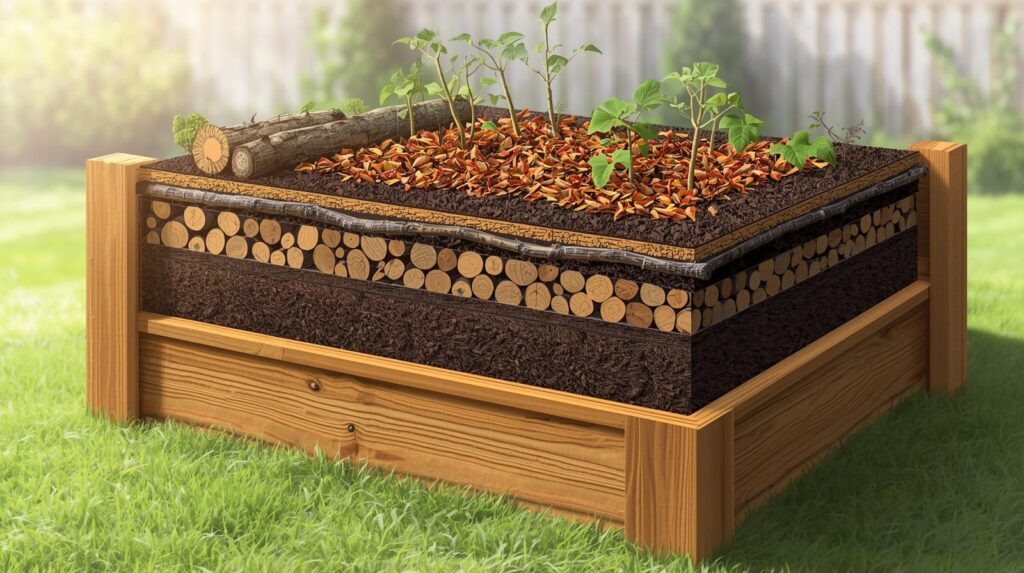
- Bottom Lining: This is crucial for burrowing pests. Install 1/4-inch hardware cloth or galvanized poultry wire across the entire base before adding soil. Secure it to the frame sides to block voles, moles, gophers, and some nematodes. UF/IFAS strongly recommends this in regions with sandy soils or high rodent pressure. For extra protection against perennial weeds pushing up, add a layer of landscape fabric or cardboard (smothering method) over the native ground.
- Size and Spacing: Keep beds 3–4 feet wide so you can reach the center without stepping in (prevents compaction). Space beds 2–3 feet apart for easy access and mulched pathways that suppress edge weeds.
Soil Preparation That Starves Weeds and Boosts Plant Health
Start with a high-quality, weed-seed-free mix: typically 1/3 topsoil, 1/3 compost, and 1/3 aeration material like perlite, vermiculite, or coconut coir. This custom blend drains well, retains moisture, and has low initial weed seeds compared to native soil. Amend annually with compost to maintain fertility and structure—healthy, loose soil grows vigorous plants that outcompete weeds and resist pests better.
Test soil pH and nutrients early (kits from local extensions are inexpensive) and adjust as needed. Good drainage reduces root rot and soil-borne diseases.
Planting Strategies to Suppress Weeds and Deter Pests
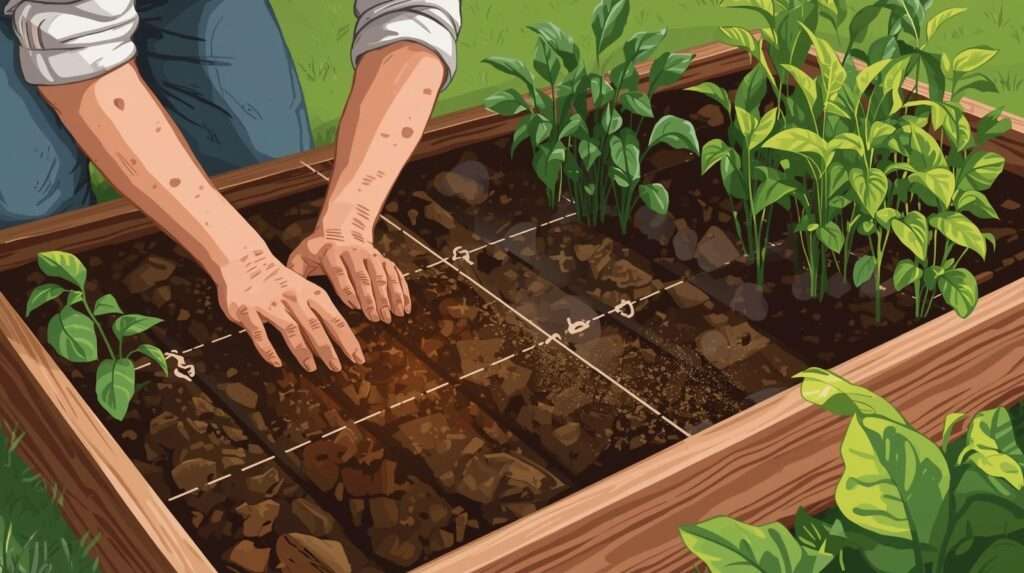
- Intensive Planting: Use square-foot or succession planting to cover soil quickly—shading prevents weed germination. For example, plant lettuce, spinach, or radishes densely; interplant companions like marigolds (repel nematodes and some insects) or nasturtiums (trap aphids).
- Crop Rotation: Rotate plant families annually across beds to break pest and disease cycles. Avoid planting tomatoes or peppers in the same bed consecutively to reduce soil-borne issues.
- Companions and Trap Crops: Pair basil with tomatoes to deter hornworms, or use radishes as traps for flea beetles. Beneficial insect-attracting flowers (dill, fennel, alyssum) encourage predators like ladybugs and lacewings.
Maintenance Routine for Ongoing Control
- Mulching: Apply 2–4 inches of organic mulch (straw, wood chips, shredded leaves) around plants and in pathways. This conserves moisture, moderates soil temperature, suppresses weeds, and deters slugs (they dislike dry, rough surfaces). Replenish yearly.
- Monitoring and Early Intervention: Scout weekly for signs of trouble. Hand-pick slugs at night, use copper tape around bed rims as a slug barrier, or sprinkle diatomaceous earth (food-grade) for crawling insects.
- Organic Barriers and Controls:
- Neem oil or insecticidal soap for aphids/whiteflies.
- Row covers or fine netting to block flying pests and egg-laying.
- Beneficial nematodes (applied as a soil drench) target grubs, cutworms, and some root pests naturally.
Common Mistakes to Avoid
- Skipping bottom lining → invites voles/moles.
- Overcrowding → increases humidity, fungal diseases, and pest spread.
- Ignoring pathways → lets weeds encroach.
- Using poor-quality fill → introduces weed seeds or poor drainage.
- Neglecting mulch → exposes soil to wind-blown seeds and drying.
With these practices, many gardeners achieve 70–90% reduction in weeding time and significantly fewer pest outbreaks compared to in-ground setups.
Frequently Asked Questions (FAQs) About Raised Beds, Pests, and Weeds
Do raised beds eliminate weeds completely? No, but they dramatically reduce them. Clean fill, barriers, dense planting, and mulch often cut weeding by 50–80% long-term. Airborne seeds still arrive, so vigilance remains key.
How high should raised beds be to deter slugs, snails, or rabbits? 12 inches minimum for slugs/snails (they rarely climb); 18–24 inches plus fencing for rabbits/groundhogs. Copper tape or sharp gravel around bases adds extra deterrence.
Are raised beds worth it if I already have good native soil? Yes, if weeds or certain pests (like burrowing rodents) are issues. They offer easier management, better drainage, and intensive planting—even in decent soil.
Can pests like aphids or spider mites be worse in raised beds? Possibly—denser planting and warmer/drier conditions can favor them. Mitigate with good airflow, regular scouting, and beneficial insects. Flying pests aren’t deterred by height.
What’s the best way to prevent voles or gophers? Line the bottom with hardware cloth (1/4-inch mesh) secured to the frame. This physical barrier is the most reliable method recommended by extensions.
Do raised beds increase disease risk? Not inherently—if rotated and not overwatered. Poor drainage or overcrowding can worsen foliar diseases, but improved soil health often reduces soil-borne problems.
How do I handle weeds along the edges or pathways? Mulch pathways heavily (3–4 inches wood chips). Use cardboard barriers under beds initially to smother grass. Hand-pull or hoe edges promptly.
Are metal raised beds better for pest control? They last longer and heat up soil faster (good in cool climates), but can dry out quicker. No major pest difference vs. wood, though some gardeners prefer them for durability against chewing rodents.
What about nematodes in raised beds? Elevation and clean fill reduce exposure significantly compared to in-ground. Companion planting (marigolds) and rotation help further.
Are raised beds really better for pests and weeds? The evidence and real-world results say yes—they provide clear advantages in most home gardens. The physical barriers, clean starting soil, easier access for interventions, and ability to customize conditions lead to less weeding effort and better control over crawling, burrowing, and soil-related pests. University extensions consistently highlight these benefits, especially for poor-draining soils, contaminated sites, or limited-space urban yards.
That said, they’re not magic. Flying insects, airborne weeds, and improper management can still cause issues. The real power comes from combining raised beds with smart practices: quality soil, mulching, rotation, companions, and proactive monitoring.
If your current garden is plagued by relentless weeds, slugs devouring seedlings, or voles eating roots, raised beds are often a game-changer—saving time, reducing frustration, and increasing yields. Start small (one or two beds) to test in your conditions, and scale up as you see the results.
Ready to try? Assess your biggest challenges (soil quality, specific pests, time available), choose durable materials, and implement the tips above. Your garden will thank you with healthier plants and fewer headaches.
Have you switched to raised beds? What differences have you noticed in pests or weeds? Share in the comments—I’d love to hear your experiences and answer any questions to help refine your setup.