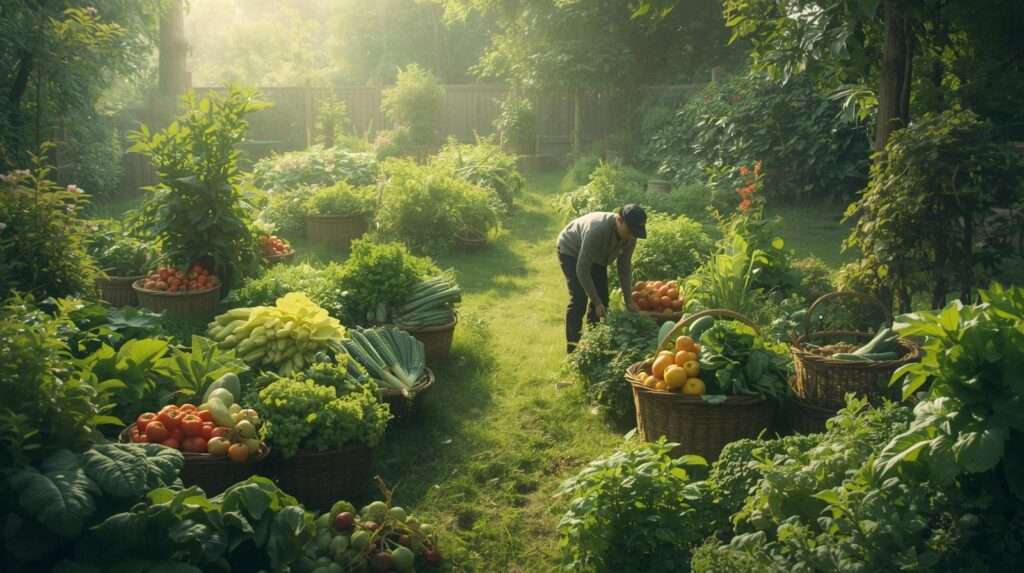
Imagine waking up before dawn to the sound of your rooster crowing, stepping outside into the crisp morning air, and feeling… dread. The garden needs weeding, the goats need milking, the chickens need feeding, and the canning from yesterday’s harvest is still waiting on the counter. What started as a dream of self-sufficiency, fresh food, and a simpler life has slowly turned into an overwhelming grind. If this sounds familiar, you’re not alone—and you’re not failing. You’re experiencing homestead burnout, a very real challenge that affects thousands of homesteaders every year.
Avoiding homestead burnout is one of the most important skills any homesteader can develop. Without it, even the most passionate among us risk losing the joy that drew us to this lifestyle in the first place. The good news? Burnout is preventable, and even if you’re already deep in it, full recovery is absolutely possible.
My name is Elias Grant, and I’ve been homesteading full-time for over 17 years on 40 acres in the Pacific Northwest. I’ve raised livestock, managed large market gardens, preserved thousands of jars of food, and mentored dozens of new homesteaders through local workshops and online communities. I’ve also experienced burnout firsthand—twice. The first time nearly made me sell the farm. The second time taught me how to build systems that protect my energy, health, and love for this life. In this comprehensive guide, I’ll share the exact strategies that worked for me and hundreds of other homesteaders I’ve advised.
This article goes beyond surface-level advice. You’ll get 10 proven, practical strategies—backed by real-world experience and insights from long-term sustainable farmers—to help you avoid burnout, recover if you’re already there, and create a homestead that energizes rather than depletes you.
What Is Homestead Burnout? Understanding the Problem
Homestead burnout is more than just being tired after a long day. It’s a state of chronic physical, emotional, and mental exhaustion specifically tied to the demands of running a homestead. Unlike regular fatigue that resolves with a good night’s sleep, burnout builds gradually and can persist for months or even years if unaddressed.
In the homesteading context, burnout often shows up as:
- Resentment toward daily chores that once brought joy
- Constant overwhelm from an ever-growing to-do list
- Physical pain or illness that never seems to fully heal
- Questioning why you ever left the “easier” conventional life
Research from rural mental health organizations and surveys within homesteading communities (such as those conducted by the Homesteaders of America conference attendees) show that up to 60% of homesteaders experience significant burnout symptoms within their first 7–10 years. The intense physical labor, financial uncertainty, isolation, and pressure to be fully self-sufficient create a perfect storm.
The most dangerous part? Many homesteaders view pushing through exhaustion as a badge of honor. We glorify the “no days off” mentality. But in reality, that mindset is one of the fastest paths to quitting the lifestyle altogether.
Recognizing the Signs of Homestead Burnout Early
The key to avoiding homestead burnout is catching it early—before it reaches the point of no return. Here are the most common signs, broken down by category.
Physical Signs
- Chronic fatigue that doesn’t improve with rest
- Frequent headaches, muscle aches, or joint pain beyond normal soreness
- Weakened immune system (getting sick more often)
- Disrupted sleep—either insomnia or sleeping too much without feeling refreshed
- Changes in appetite or unexplained weight changes
Emotional and Mental Signs
- Irritability or short temper with family members or animals
- Feeling overwhelmed by tasks that used to feel manageable
- Loss of joy in activities you once loved (e.g., harvesting tomatoes or collecting eggs)
- Cynicism about homesteading goals (“What’s the point of all this work?”)
- Anxiety about weather, crop failure, or animal health that feels disproportionate
Behavioral Signs
- Procrastinating or avoiding essential chores
- Neglecting animal welfare or garden maintenance
- Withdrawing from homesteading communities or social media
- Fantasizing about selling the property or moving back to town
- Increased reliance on convenience foods despite having a garden full of produce
Quick Self-Assessment Checklist Ask yourself honestly:
- Do I dread starting my morning chores more days than not?
- Have I stopped celebrating small wins like a successful hatch or bountiful harvest?
- Am I snapping at my partner or kids over farm-related stress?
- Do I feel guilty when I take time off, even when I desperately need it?
If you answered “yes” to two or more, it’s time to take action now.
Common Causes of Homestead Burnout
Understanding root causes helps us address them proactively. Here are the most frequent triggers I’ve seen in my own experience and in working with other homesteaders.
Over-Ambition and Unrealistic Goals
This is the #1 cause I encounter. New (and even experienced) homesteaders often try to do everything at once: large vegetable garden, dairy animals, meat chickens, orchard, bees, herbal medicine making, off-grid power—the list goes on. Social media amplifies this with picture-perfect homesteads that rarely show the years of gradual building behind them.
Poor Time Management and Lack of Systems
Without efficient routines, every day becomes reactive. One sick animal or broken fence can derail an entire week. Seasonal overload—especially during spring planting and fall harvest/canning—creates intense pressure spikes with no recovery period.
Isolation and Lack of Support
Rural living can be lonely. When you’re the only one carrying the mental and physical load, resentment builds quickly. Many homesteaders also lack nearby family or community who understand the lifestyle.
Financial and Physical Strain
Unexpected veterinary bills, equipment breakdowns, or poor harvests create constant stress. Combine that with the physical toll of daily labor without adequate recovery, and the body eventually rebels.
External Factors
Family changes (new babies, aging parents), off-farm jobs, health issues, or climate challenges can push an already full plate over the edge.
Real example: One family I mentored expanded from 10 to 50 chickens, added pigs, and doubled their garden size in a single year while both parents worked part-time jobs. By fall, they were in tears, ready to quit. The issue wasn’t lack of skill—it was unsustainable growth.
10 Practical Strategies to Avoid and Overcome Homestead Burnout
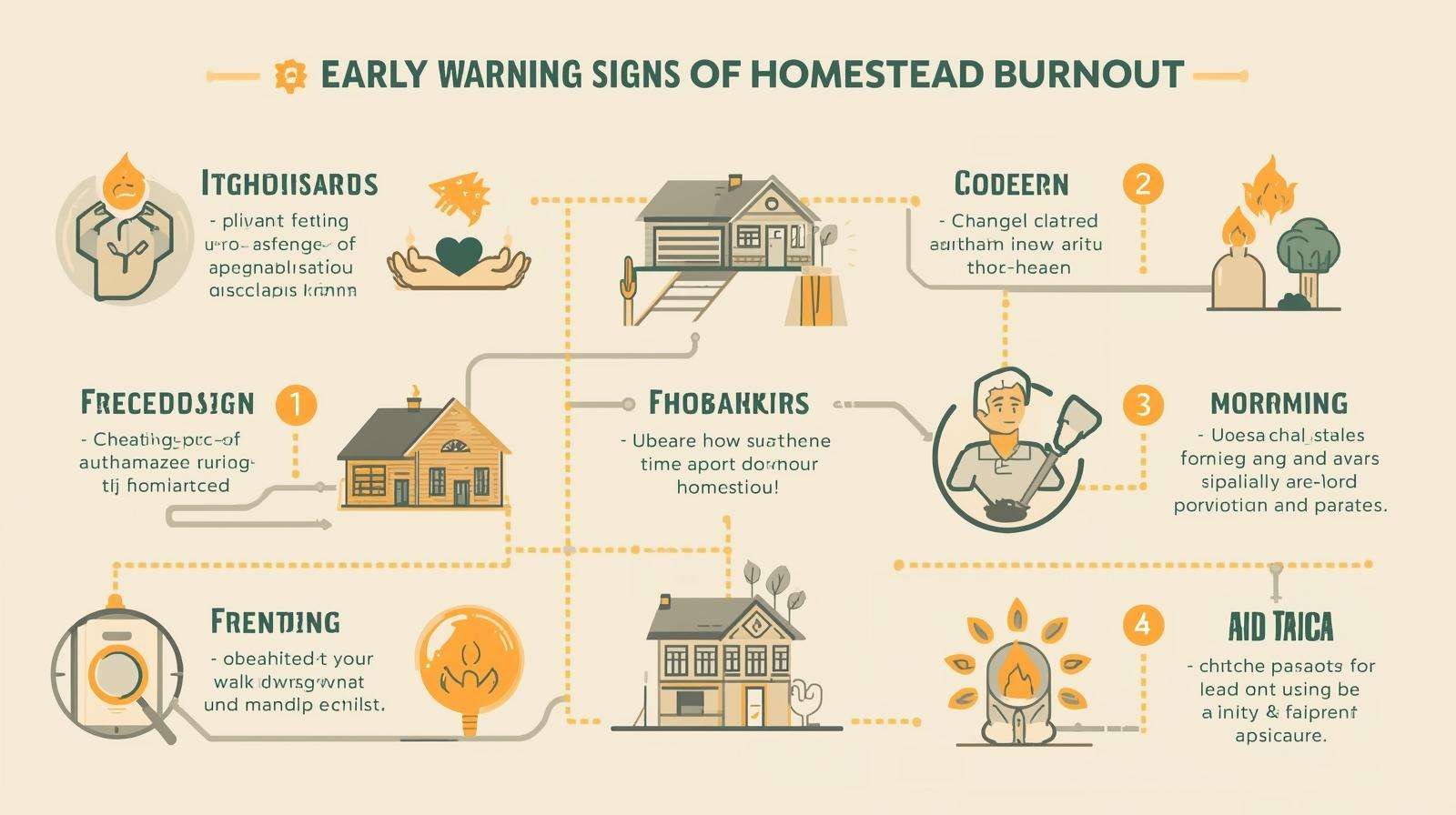
These strategies are drawn from my own recovery journeys, conversations with hundreds of homesteaders, and principles of sustainable agriculture. Implement them gradually—trying to overhaul everything at once defeats the purpose.
Strategy 1: Set Realistic Goals and Prioritize Ruthlessly
Dream big, but build slow.
Each year, choose 3–5 major goals maximum. Everything else goes on a “future” list. Use the “Must Do / Should Do / Could Do” framework:
- Must Do: Essential for survival (animal care, basic food production)
- Should Do: Important for progress (soil building, infrastructure)
- Could Do: Nice-to-have (decorative flower beds, new livestock breeds)
Example: Instead of “become fully food self-sufficient,” aim for “grow 50% of our vegetables and preserve enough for winter.”
Strategy 2: Master Time Management and Build Efficient Systems
Create non-negotiable routines. Block your day into zones:
- Morning: High-energy tasks (milking, animal care)
- Mid-day: Physical labor (gardening, fencing)
- Afternoon/Evening: Lower-energy tasks (planning, preserving)
Batch similar tasks and use seasonal planning. I keep a master homestead calendar with recurring tasks color-coded by month.
Designate sacred rest times. For us, Sundays are “maintenance only” days—no new projects.
Strategy 3: Prioritize Self-Care and Physical Health
You cannot pour from an empty cup.
Schedule self-care like any other chore:
- Daily: Nutritious meals (use your own produce!), hydration, stretching
- Weekly: At least one full rest day, hobby time unrelated to the homestead
- Seasonally: Recovery periods after intense seasons
Incorporate gentle movement beyond chores—walking the property mindfully, yoga in the barn, or swimming in the creek.
Strategy 4: Delegate, Outsource, and Downsize When Needed
No homestead is meant to be a one-person operation forever. Pride often keeps us from asking for help or making tough cuts, but this is one of the fastest ways to reclaim balance.
Practical steps:
- Involve family members with age-appropriate, consistent roles (even young children can collect eggs or feed chickens).
- Trade labor with neighbors—offer preserved goods or woodworking in exchange for help with haying or fencing.
- Consider hiring seasonal help for peak times (many rural teens or retirees are happy for part-time farm work).
- Ruthlessly evaluate your enterprises: If dairy goats are draining your time and joy, sell the herd or switch to a lower-maintenance breed. If a 5,000-square-foot garden is overwhelming, scale back to raised beds.
Real-life example: After my second burnout episode, I sold half my pig herd and replaced annual vegetable beds with perennial asparagus, berries, and fruit trees. The reduction in daily labor gave me back entire afternoons—and my enthusiasm returned within weeks.
Strategy 5: Build a Supportive Community
Isolation amplifies every stressor. Humans are wired for connection, and homesteaders need it just as much as anyone else.
How to build community:
- Join or start a local homesteading group (many counties have Facebook groups or meetups).
- Attend conferences like Homesteaders of America or Mother Earth News Fair.
- Participate in work bees—group efforts where neighbors help with big tasks like barn raising or butchering.
- Use online forums wisely: Focus on supportive spaces (like Reddit’s r/homestead or Permies.com) rather than comparison-heavy Instagram feeds.
The emotional relief of talking to someone who truly understands “goat escape drama” or “canning until midnight” is profound. Community also shares knowledge, seeds, equipment, and emergency backup.
Strategy 6: Embrace Seasonal Rhythms and Intentional Rest
Nature itself provides built-in recovery periods—use them.
Most traditional agricultural societies worked intensely in spring and fall, but winter and midsummer were times of lower activity. Modern homesteaders often ignore this rhythm and burn out as a result.
Practical application:
- Plan heavy preservation and building projects for cooler months when possible.
- Use winter for indoor tasks (planning, seed ordering, sharpening tools, reading) and genuine rest.
- Schedule a complete “homestead sabbatical” week once or twice a year—no chores beyond basic animal care.
- Plant low-maintenance perennials and use mulch/heavy mulching to reduce summer weeding.
I now treat December and July as semi-rest months. The animals still get fed, but no new projects start. This alone has prevented burnout for the last eight years.
Strategy 7: Streamline and Automate Where Possible
Smart investments in tools and systems save thousands of hours over a homesteading lifetime.
Labor-saving ideas:
- Automatic waterers and gravity-fed systems for livestock
- Electric fencing with solar chargers instead of daily boundary checks
- Drip irrigation and timers for gardens
- Perennial food systems (fruit trees, berry bushes, asparagus, herbs) over annual beds
- Low-maintenance livestock breeds (heritage chickens that forage well, Dexter cattle instead of high-input Holsteins)
Start small: Choose one area to streamline each year. The return on investment—in both time and energy—is enormous.
Strategy 8: Reframe Your Mindset – Focus on Joy and Gratitude
Burnout often stems from perfectionism and comparison as much as physical labor.
Daily practices that help:
- Keep a “wins journal”—note three things that went well each day (a perfect loaf of sourdough, healthy new chicks, a beautiful sunset over the pasture).
- Curate your social media feed ruthlessly—follow only accounts that inspire without triggering comparison.
- Regularly revisit your original “why”: Was it family health? Environmental values? Freedom? Reconnect with that core motivation.
- Practice saying “good enough” instead of “perfect.”
One homesteader I mentored shifted from feeling like a failure because her garden wasn’t Instagram-worthy to celebrating that her family ate homegrown food 300 nights a year. The mindset shift transformed her experience.
Strategy 9: Monitor Finances to Reduce Stress
Money worries are a major burnout accelerator.
Sustainable financial practices:
- Keep a realistic homestead budget—track every expense category.
- Build emergency funds specifically for veterinary bills, equipment repair, and crop loss.
- Develop modest income streams that align with your homestead (selling eggs, seedlings, value-added products like soap or jam) without turning it into a full-time business unless desired.
- Accept that buying some inputs (hay in drought years, organic grain) is smarter than exhausting yourself trying to produce everything.
Financial breathing room removes constant background anxiety.
Strategy 10: Know When to Seek Professional Help
Burnout can overlap with or trigger clinical depression and anxiety. Recognizing this is not weakness—it’s wisdom.
Red flags warranting professional support:
- Persistent hopelessness or suicidal thoughts
- Physical symptoms that don’t improve with rest
- Inability to get out of bed for basic chores
Resources:
- Rural mental health hotlines (many countries have agriculture-specific support lines)
- Therapists familiar with rural lifestyles
- Faith-based counseling if that aligns with your values
Seeking help early is one of the most responsible things a homesteader can do—for themselves, their family, and their land.
Real Homesteader Stories: Lessons from Burnout and Recovery
Sarah and Mike (names changed) bought 20 acres and dove in headfirst: 100 meat chickens, two dairy cows, pigs, a massive garden, and full-time off-farm jobs. By year three, Sarah was crying daily and Mike was nursing a back injury. They sold the cows and pigs, reduced the garden by 70%, and joined a local co-op for shared labor. Today, eight years later, they’re thriving with a smaller but deeply joyful operation.
Another couple, Tom and Lisa, hit burnout after a string of bad seasons—drought, then flood. They felt like failures. By implementing seasonal rest, community support, and downsizing their flock, they recovered fully. Tom now says, “We learned that sustainable homesteading includes sustaining the humans.”
My own story: After expanding too quickly in 2015, I spent a winter barely able to get out of bed. Selling half the livestock and implementing strict boundaries saved both the farm and my health.
These stories share a common thread: Recovery is possible, and the homestead that emerges is often stronger and more aligned with true values.
Long-Term Prevention: Building a Sustainable Homestead Mindset
Avoiding homestead burnout isn’t a one-time fix—it’s a lifelong practice.
Annual rituals that help:
- End-of-year review: What worked? What drained us? What to change next year?
- Flexibility: Be willing to pivot (switch enterprises, relocate animal housing, change goals).
- Balance ambition with well-being: Progress feels good, but peace feels better.
- Remember that homesteading is a marathon. The goal is a lifetime of meaningful work, not maximum production in any single year.
FAQs
What are the first signs of homestead burnout I should watch for? The earliest signs are usually emotional: dreading chores you once enjoyed, irritability with family over farm tasks, and loss of excitement about harvests or new babies (animal or plant).
Can I homestead full-time without burning out? Yes—thousands do. The key is systems, boundaries, community, and realistic scaling. Full-time homesteading with proper safeguards is often less stressful than combining it with an unrelated off-farm job.
How do I involve my family without overwhelming them? Assign consistent, age-appropriate roles and make them non-negotiable parts of family rhythm. Pair chores with positive rituals (music during milking, stories during weeding). Celebrate contributions visibly.
Is it okay to buy some food instead of growing everything? Absolutely. Sustainable homesteading includes mental and physical sustainability. Many long-term homesteaders grow 40–60% of their food and purchase the rest guilt-free.
What if I’m already deeply burned out—how do I recover? Start with rest: Take a week or more of minimal chores. Downsize immediately (sell or rehome draining enterprises). Seek support—community and/or professional. Implement one or two strategies at a time. Most recover fully within 3–12 months.
Homesteading offers profound rewards: meaningful work, delicious food, deep connection to land and seasons, and a legacy of resilience for our families. But none of that matters if we sacrifice our health and joy to achieve it.
Avoiding homestead burnout isn’t about working less—it’s about working wiser. By recognizing signs early, addressing root causes, and implementing these ten practical strategies, you can create a homestead that sustains you as much as you sustain it.
Start small today. Choose one strategy—perhaps setting clearer boundaries or reaching out to a local homesteading friend—and commit to it for a month. Your future self, standing in your garden on a quiet morning feeling genuine peace and gratitude, will thank you.