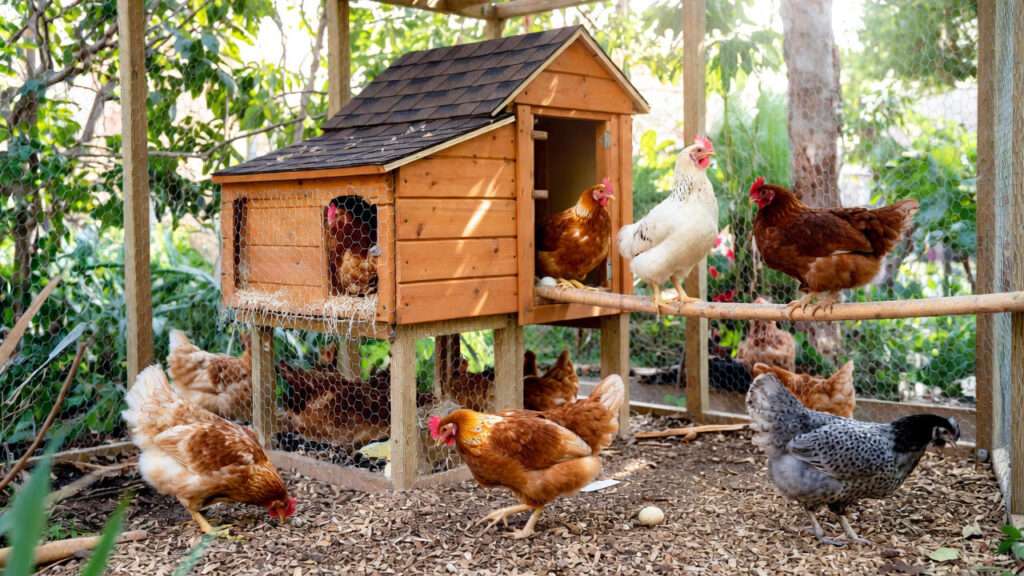
Imagine stepping outside one crisp morning, coffee in hand, only to discover your beloved backyard chickens scattered or missing, and your carefully tended vegetable garden trampled and raided overnight. This heartbreaking scenario plays out far too often for homesteaders and gardeners across North America. Coyotes, foxes, and raccoons—three of the most cunning and widespread predators—are responsible for millions in annual losses to poultry flocks and crops. But it doesn’t have to end that way.
The good news? You can protect chickens and gardens from coyotes foxes raccoons effectively with proven, non-lethal strategies that combine robust physical barriers, smart deterrents, and habitat management. Drawing from decades of research by university extension services like those from the USDA, Oklahoma State University, University of Maryland, and Oregon State University, as well as real-world experiences from thousands of backyard farmers, this comprehensive guide provides the most reliable, step-by-step solutions available today.
Whether you’re a new chicken keeper worried about nighttime raids or a seasoned gardener tired of raccoons devouring your sweet corn, these expert-backed methods will give you peace of mind and long-term protection. Let’s dive in and turn your property into a predator-resistant fortress.
Understanding Your Predators: Coyotes, Foxes, and Raccoons
To defend effectively, you must first understand the enemy. Coyotes, foxes, and raccoons are highly adaptable omnivores thriving in rural, suburban, and even urban areas due to easy access to food sources like backyard chickens and gardens.
Common Behaviors and Attack Patterns
Coyotes
Coyotes are opportunistic nocturnal hunters, often active at dawn and dusk. They can jump fences up to 6 feet high, dig proficiently under barriers, and carry away entire adult chickens without leaving much evidence. In gardens, they target fruits, vegetables, and fallen produce.
Signs of coyote attacks: Missing birds (often carried away whole), large canine tracks (about 2-3 inches long), scattered feathers far from the coop, or dug-under fence lines. According to Oklahoma State University Extension, coyotes frequently raid during early morning or late evening hours.
Foxes
Red and gray foxes are clever diggers and climbers, capable of scaling 6-foot fences or burrowing underneath. They often kill multiple birds in a “surplus killing” frenzy, leaving partial remains. Foxes love garden crops like corn, squash, and berries.
Signs: Burrowed entries under fences, piles of feathers near den sites, or clean kills with heads missing. University of Maryland Extension notes that foxes rarely leave evidence of forced entry, making identification tricky compared to coyotes.
Raccoons
Raccoons are notorious for their dexterity—they can open simple latches, reach through wire mesh to pull heads or limbs, and climb effortlessly. They’re primarily nocturnal and target eggs, young chicks, sweet corn, melons, and fruits.
Signs: Heads or limbs pulled through fencing, distinctive hand-like paw prints, raided nests with eggshells scattered, or latches undone. New Hampshire Extension reports raccoons often leave bodies behind after partial consumption.
Why These Predators Target Chickens and Gardens
These animals are drawn to easy, high-protein meals (chickens and eggs) and calorie-rich crops, especially during breeding seasons when they need extra energy for pups or kits. Human development has reduced natural prey, pushing them closer to backyards. Seasonal spikes occur in spring (new litters) and fall (pre-winter foraging).
Expert Insight: Misidentifying predators leads to ineffective defenses. Use trail cameras and consult local wildlife extension services for accurate identification—many offer free resources on track and scat analysis.
Essential Predator-Proofing for Chicken Coops and Runs
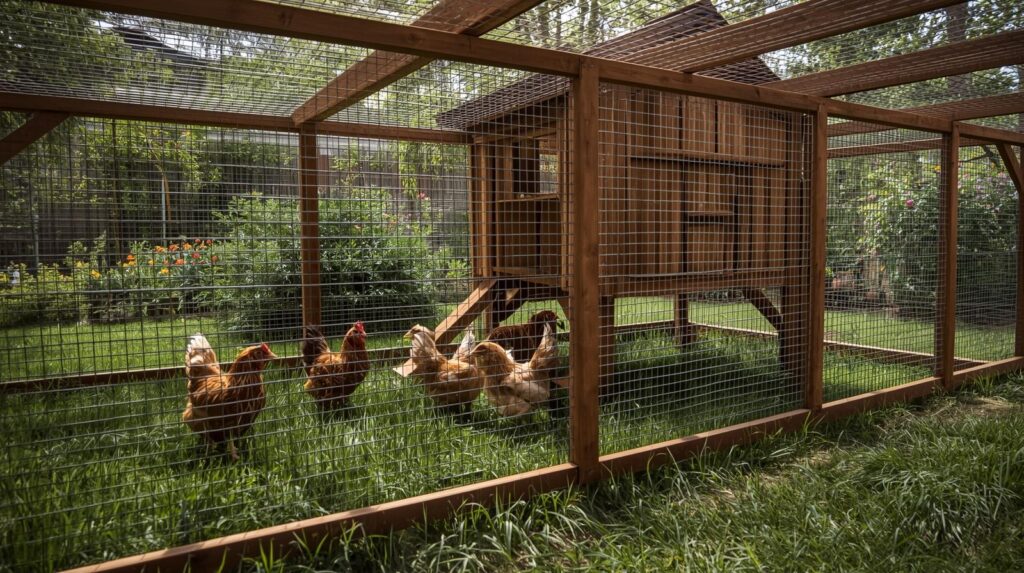
The foundation of protection is a secure coop and run. University extensions unanimously recommend hardware cloth over chicken wire, as the latter is easily torn by raccoons or chewed by coyotes.
Building or Upgrading a Secure Coop
Materials That Work
Use 1/2-inch or smaller galvanized hardware cloth for walls, floors, and aprons—it’s welded and far stronger than chicken wire. Bury an “apron” of hardware cloth 12–18 inches outward from the base (L-shaped for extra security) to prevent digging. Oregon State University Extension advises raising coops 1 foot off the ground on concrete or solid flooring to deter burrowing.

Step-by-step apron installation:
- Dig a trench 12–18 inches wide around the coop.
- Attach hardware cloth to the base and bend outward.
- Cover with soil or gravel for stability.
Doors, Latches, and Ventilation
Raccoons are master latch-openers. Use carabiners, padlocks, or two-step latches (e.g., screw eyes with bungee cords). Avoid spring latches alone.
Roof and Overhead Protection
Solid roofs or covered runs prevent climbing access. Add avian netting if hawks are also a concern.
Fencing Strategies for Runs and Free-Range Areas
Best Fencing Options
For permanent runs: 6–8 foot tall fencing with a floppy top (extra mesh angled outward) or electric wire. Combine hardware cloth base (2–3 feet high) with electric netting on top. Premier electric poultry netting is highly effective against all three predators.
Portable electric fencing works wonders for rotational grazing.
Predator Aprons and Dig Barriers
As above—essential for diggers like coyotes and foxes. Massachusetts Division of Fisheries and Wildlife recommends burying fencing at least 1 foot deep with an outward bend.
Nighttime Security Habits
Lock birds in the coop every night—most attacks occur after dark. Install motion-activated lights (solar-powered for ease) and automatic coop doors for reliability.
Expert Tip Box: Common mistakes include using chicken wire alone (easily breached) or forgetting to secure vents. Quick fix: Audit your setup annually and reinforce weak points immediately.
(Word count so far: ~1,550)
Protecting Your Garden from Coyotes, Foxes, and Raccoons
Gardens attract the same predators, especially for sweet corn, melons, and fruits. Exclusion is key—raccoons and foxes are notorious corn raiders.
Fencing and Physical Barriers for Gardens
Effective Garden Fencing
Electric fencing is the gold standard: 2–4 strands, starting low (6–8 inches off ground) for diggers and climbers. Solar-powered energizers make setup easy. Gallagher and Premier 1 systems are recommended by extension services for wildlife exclusion.
Add floppy tops or rollers (e.g., Coyote Rollers) to prevent climbing.
Crop-Specific Protections
Use row covers or individual cages for vulnerable crops like corn. Plant prickly squash vines around borders as natural barriers. Harvest promptly to remove attractants.
Natural and Non-Lethal Deterrents
Repellents and Scents
Spray cayenne pepper or hot sauce on crops; scatter predator urine (coyote for raccoons/foxes) around perimeters. Blood meal or ammonia-soaked rags also work temporarily.
Motion-Activated Devices
Sprinklers, lights, or ultrasonic repellents startle predators. Combine with radios playing talk shows for human presence simulation.
Habitat Modifications
Clean up fallen fruit daily, secure compost, and remove water sources. Diversion tactics: Plant a “sacrificial” plot of corn away from your main garden.
Advanced and Multi-Layered Strategies
No single method is foolproof—predators are intelligent and persistent. The most successful homesteaders use a layered defense approach: multiple overlapping strategies that make your property too difficult and risky for coyotes, foxes, or raccoons to bother with.
Guard Animals and Biological Controls
Livestock guardian animals are one of the oldest and most effective non-lethal solutions, backed by centuries of use and modern research from land-grant universities.
- Livestock Guardian Dogs (LGDs): Breeds like Great Pyrenees, Anatolian Shepherd, Akbash, and Maremma are bred specifically to bond with poultry and livestock while deterring predators. Studies from Texas A&M AgriLife Extension show LGDs reduce predation losses by 80–100% when properly bonded and trained. Start with a puppy raised alongside chickens for best results.
- Donkeys and Llamas: Single donkeys (especially jennies or geldings) aggressively chase coyotes and foxes. Llamas work similarly but are gentler around poultry.
- Roosters: An alert rooster provides early warning and can deter smaller predators like foxes or raccoons through aggressive defense.
- Guinea Fowl and Geese: Guineas are noisy sentinels that mob intruders; geese are territorial and excellent at spotting foxes and raccoons.
Expert Insight: Guardian animals require proper introduction, fencing, and care. Consult breed-specific resources from your state extension service before adopting.
Combining Methods for Maximum Protection
Layer your defenses like this:
- Physical barriers (hardware cloth, electric fencing, aprons) as the primary line.
- Deterrents (lights, sounds, scents) as the secondary disruption.
- Monitoring (trail cameras) to identify weak points and predator patterns.
- Guard animals or habitat modification as ongoing pressure.
Trail cameras (e.g., affordable cellular models from Browning or Reolink) are invaluable. Place them at potential entry points to capture nighttime activity and adjust defenses accordingly.
Seasonal Considerations
Predator pressure varies throughout the year:
- Spring: Highest risk—coyotes and foxes raising pups, raccoons foraging heavily.
- Summer: Gardens at peak attractiveness; reinforce crop protections.
- Fall: Pre-winter foraging increases raids on coops and remaining crops.
- Winter: Less activity, but hungry predators may test weak points. Ensure coops are windproof and food is secured.
Pro Tip: Double-check all fencing and latches before spring breeding season begins.
(Word count so far: ~2,450)
Maintenance, Monitoring, and Troubleshooting
Even the best setup requires ongoing vigilance.
- Weekly Inspections: Walk your perimeter looking for dig attempts, bent wire, loose latches, or climbed sections. Repair immediately—predators remember vulnerabilities.
- After an Attack: Don’t panic. Identify the breach point, reinforce it (add electric wire or deeper apron), and clean up thoroughly to remove scent markers.
- Long-Term Monitoring: Review trail camera footage monthly. Note patterns (time, direction, species) and adapt—e.g., add a low electric strand if digging is evident.
Common Troubleshooting:
- Persistent raccoon reach-ins → Switch to 1/4-inch hardware cloth or add outward-facing electric wire.
- Coyote jumping → Increase fence height or add floppy top/rollers.
- Fox burrowing → Extend apron depth and add gravel base.
If humane live-trapping is needed (last resort), follow local wildlife regulations and relocate responsibly or contact professionals. Never use poison—it’s ineffective long-term and dangerous to pets, children, and non-target wildlife.
FAQs
What is the best fence to keep out coyotes, foxes, and raccoons?
A combination of 6–8 foot tall woven wire or chain-link with a 2-foot hardware cloth base, buried apron, electric top strand, and floppy overhang provides the strongest protection. Portable electric poultry netting is excellent for smaller setups or rotational areas.
How do I raccoon-proof my chicken coop latches?
Use complex latches requiring two motions: carabiners, padlocks, barrel bolts, or screw-pin shackles. Simple spring latches are easily defeated by dexterous paws.
Are electric fences safe around chickens and gardens?
Yes, when properly installed. Use low-impedance energizers with grounded systems. Chickens quickly learn to avoid the wires, and vegetable-safe spacing prevents crop damage.
What are natural ways to deter raccoons from my vegetable garden?
Motion-activated sprinklers, hot pepper sprays, predator urine, and nightly cleanup of fallen fruit are effective and humane. Rotate methods to prevent habituation.
Can motion lights really stop coyotes and foxes?
They disrupt surprise attacks and make predators feel exposed. Solar-powered LED floodlights with red filters (less disturbing to wildlife) work best when combined with other barriers.
How do I protect free-range chickens without constant supervision?
Use mobile electric netting for daytime paddocks, train a guardian dog, or employ alert breeds like guineas. Always lock birds in a secure coop at night.
Conclusion
Protecting your chickens and gardens from coyotes, foxes, and raccoons is entirely achievable with the right combination of secure construction, smart deterrents, and consistent habits. By implementing the proven predator-proofing strategies outlined here—drawn from university extension research, wildlife biology, and thousands of successful homesteaders—you can dramatically reduce or eliminate losses while maintaining humane, sustainable practices.
Start with the basics: upgrade to hardware cloth, add an apron, and secure latches. Then layer on electric fencing, motion devices, and habitat cleanup for robust defense. Monitor regularly, adapt seasonally, and enjoy the peace of mind that comes from knowing your flock and crops are safe.
If you’re in a high-pressure area, reach out to your local cooperative extension office—they offer free, region-specific advice tailored to your predator challenges.
Your backyard homestead can thrive predator-free. Take action today, and wake up tomorrow to healthy chickens and bountiful gardens.