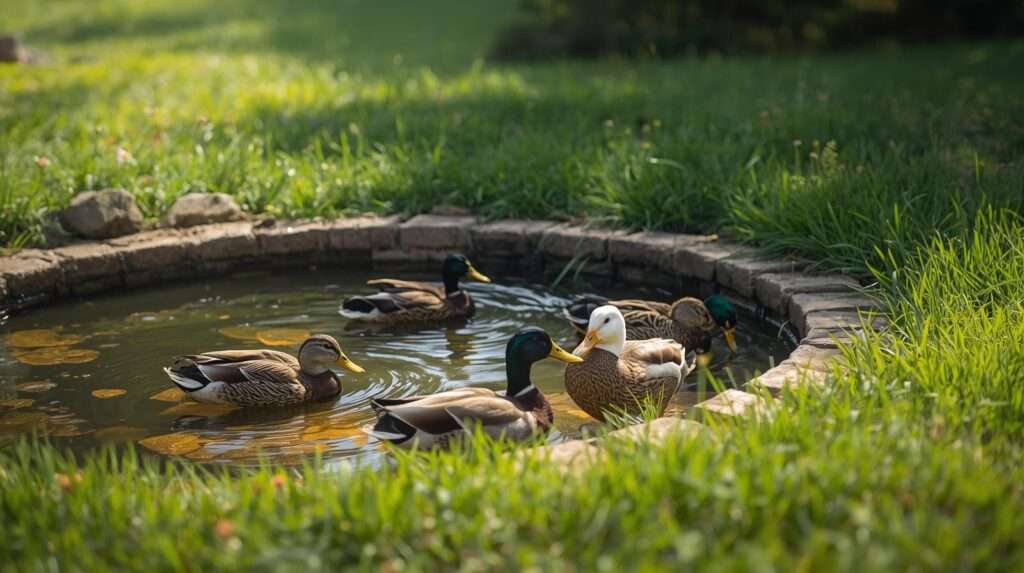
Imagine stepping into your backyard each morning to the soft, contented quacks of your ducks as they waddle eagerly toward fresh water and treats. The sun glints off their glossy feathers while they forage through grass and weeds, naturally controlling pests like slugs and snails that plague gardens. By afternoon, you’ve collected a basket of large, rich eggs with deep orange yolks—perfect for baking or a hearty breakfast. Best of all, these feathered friends are hardy, entertaining, and surprisingly low-maintenance once set up properly.
If you’ve ever dreamed of sustainable backyard farming, fresh homegrown food, or adding joyful, quirky pets to your homestead, backyard ducks offer an incredibly rewarding option. More people than ever are turning to ducks for their superior foraging abilities, consistent egg production (often outpacing chickens year-round), natural pest control, and forgiving nature in wet or variable climates.
Ducks are often easier for beginners than chickens in many ways: they’re less prone to respiratory issues, handle cold and damp better, and provide richer, more nutritious eggs higher in omega-3s. However, they come with unique needs—especially around water management and mess—that catch many newcomers off guard.
In this comprehensive Backyard Ducks 101 guide, I’ll walk you through everything a beginner needs to start and succeed with a happy, healthy flock. Drawing from practical experience raising multiple breeds over years, insights from university extension services, hatchery experts, and lessons learned from common pitfalls, this guide goes beyond basic overviews. You’ll get detailed, actionable advice to avoid mistakes, maximize benefits, and enjoy your ducks for their full 8–12+ year lifespan. Whether you’re in a suburban yard or small homestead, let’s build your thriving backyard duck setup.
Why Choose Backyard Ducks? Benefits and Realistic Expectations
Backyard ducks stand out among poultry options for good reason. Unlike chickens, ducks excel as foragers—they devour slugs, snails, insects, and weeds without scratching up garden beds as aggressively. Their waterproof feathers and added body fat make them exceptionally cold-hardy and heat-tolerant compared to many chicken breeds. Ducks suffer fewer external parasites like mites because they bathe frequently, and their immune systems tend to be robust, resulting in lower disease rates overall.
Egg production is another major win: top layers like Khaki Campbells can produce 250–340 large eggs per year, often maintaining steady output through winter without supplemental light. Duck eggs are larger, with richer yolks, higher fat content for superior baking, and better nutritional profile (more omega-3s and protein). Many owners report ducks lay more consistently and for longer peak years than chickens.
Ducks also bring personality and fun—playful splashing, social bonding, and comical waddling make them delightful family additions. They’re quieter in some ways (males hiss or whisper rather than crow loudly), easier to herd, and integrate well with gardens for natural fertilization via their high-nitrogen manure.
Realistic expectations are key, though. Ducks create more mess due to their love of water—expect muddy areas if drainage isn’t managed. Females quack noticeably when excited or laying, though not as piercing as roosters. They need deeper water access than chickens, and their lifespan means a long-term commitment. Start small (3–6 ducks) to test fit for your space and lifestyle.
Choosing the Right Duck Breeds for Beginners
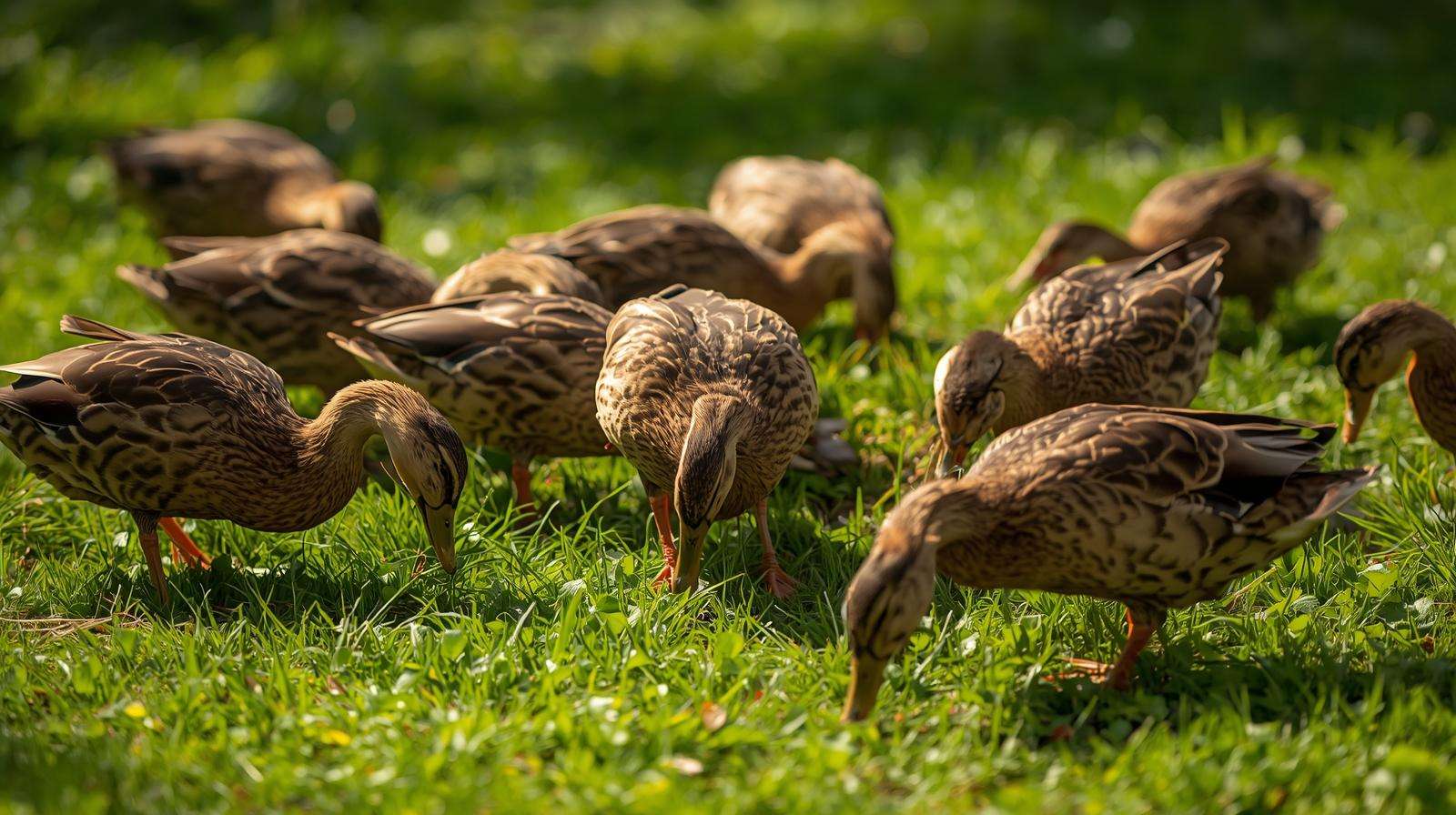
Selecting breeds tailored to your goals prevents frustration. Consider purpose (eggs, meat, pest control, pets), temperament, noise, size, and climate.
For prolific egg layers, Khaki Campbell tops lists—active foragers producing 250–340 white or tinted eggs yearly. They’re lightweight, hardy, and beginner-friendly, though females can be vocal.
Pekin ducks remain a favorite for families: calm, friendly, fast-growing (great for meat if desired), and excellent dual-purpose. Their white feathers and placid nature make them easy to handle.
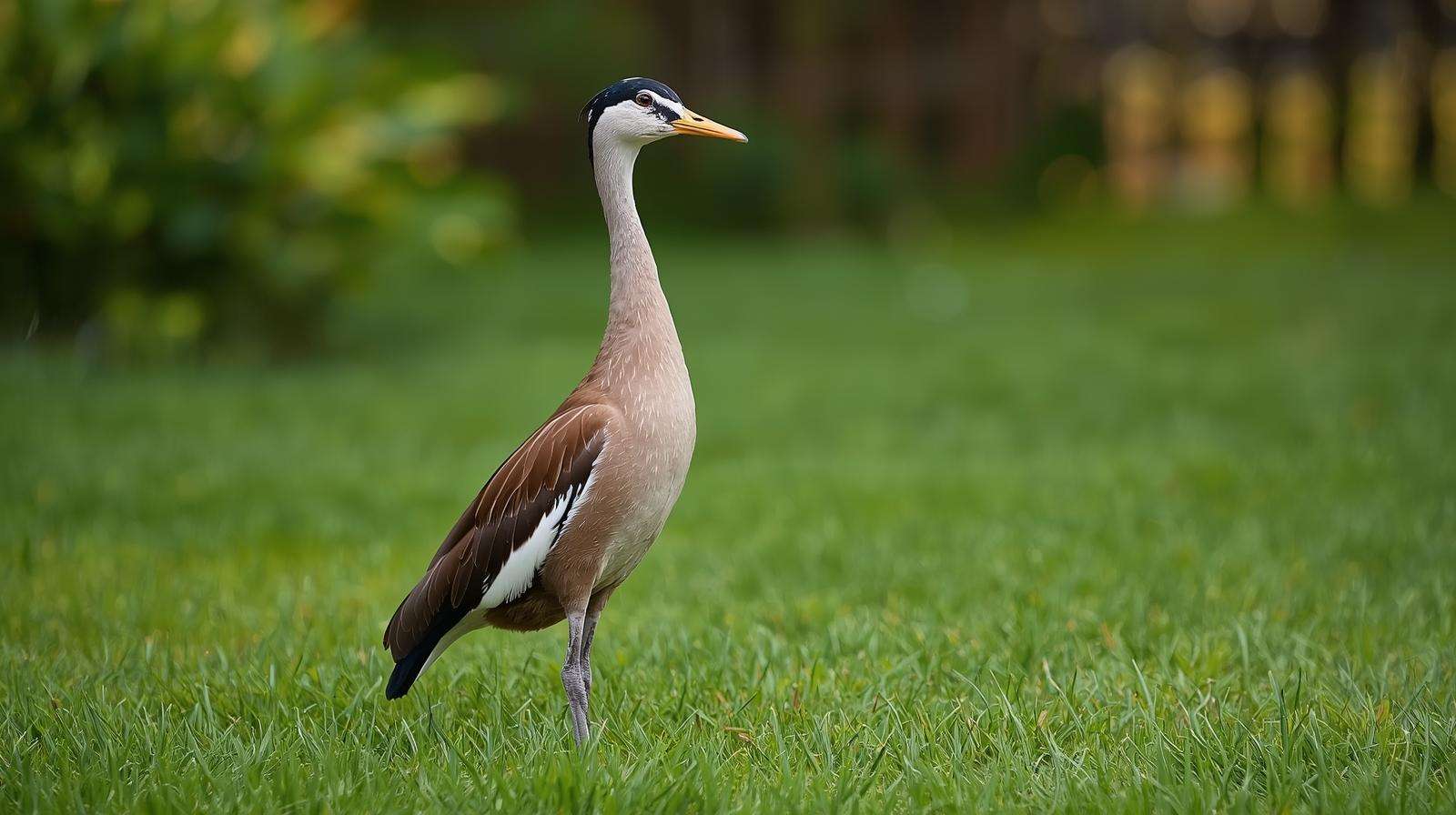
Indian Runner ducks offer unique upright posture and top-tier foraging/pest control. They’re lightweight, prolific (200+ eggs), and entertaining, but can be flightier.
Welsh Harlequin and Silver Appleyard combine beauty, gentle temperament, good egg output (200–300/year), and calm demeanor—ideal for suburban settings.
Muscovy stands apart: quiet (minimal quacking), excellent brooders if you want ducklings, superb pest controllers (they eat flies and mosquitoes aggressively), and flavorful meat. They’re larger and can fly short distances, so secure enclosures matter.
Cayuga (iridescent black) and Buff offer hardiness and good temperament for varied climates.
Start with 3–6 females (or all-female flock) for eggs without excess noise or aggression—ducks need companions for social health. Avoid mixing too many drakes (1 drake per 4–6 females max to prevent over-mating stress).
Source from reputable hatcheries (e.g., Metzer Farms, Murray McMurray) or local farms for healthy stock. Order ducklings for cost savings or juveniles for faster egg production.
Setting Up Your Backyard Duck Habitat
Housing is where many beginners go wrong with ducks—treating them exactly like chickens leads to wet, muddy, unhealthy conditions. Ducks thrive in setups that prioritize ground-level access, excellent drainage, and abundant water opportunities, while staying secure from predators.
Housing Requirements (Coop and Run)
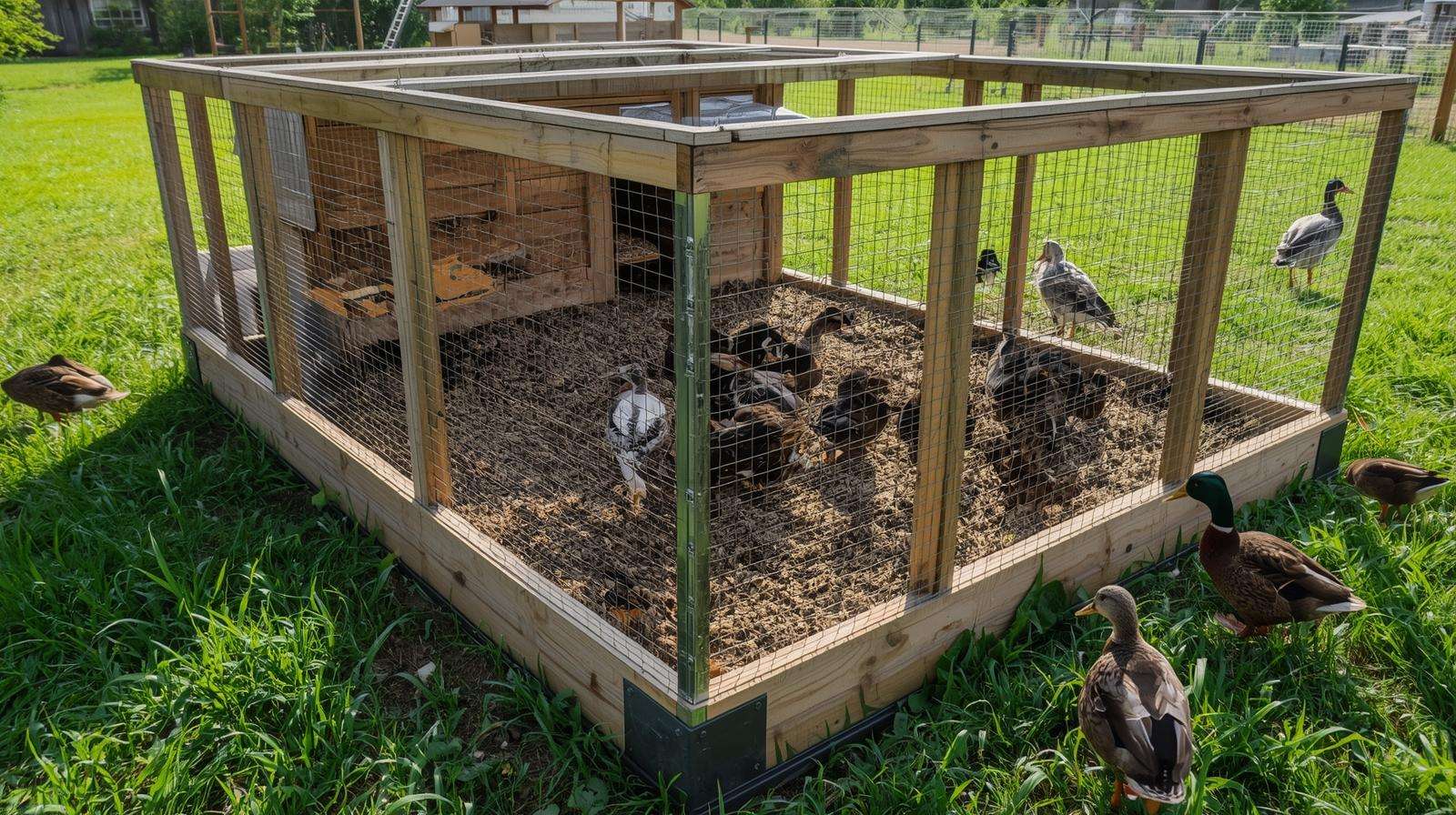
Ducks don’t roost like chickens; they sleep huddled on the floor in soft bedding. Provide at least 4–6 square feet per duck inside the coop for nighttime protection (larger breeds like Pekins benefit from 5–6 sq ft). For a small starter flock of 4–6 ducks, aim for a coop around 24–36 sq ft total.
Key design features:
- Low entrance (12–18 inches high) with a gentle ramp—ducks struggle with steep stairs.
- Excellent ventilation (windows or vents near the roof) to prevent ammonia buildup from their moist droppings, but draft-free at duck level.
- Deep litter method: Start with 4–6 inches of pine shavings or straw; add fresh layers weekly and turn occasionally. This absorbs moisture and composts naturally.
- No nesting boxes needed—ducks lay on the floor in a preferred corner.
- Predator-proofing is non-negotiable: Use ½-inch hardware cloth (not chicken wire) buried 12 inches underground around the perimeter to stop diggers like foxes or raccoons. Secure doors with latches that raccoons can’t open, and cover all openings.
The outdoor run should be much larger: Minimum 10–15 square feet per duck, but 20–30+ sq ft is ideal for happiness and reduced mud. For grass maintenance, 100+ sq ft per duck allows natural foraging without constant bare spots. Enclose with 4–6 ft fencing (ducks rarely fly over if content), and consider a covered section for rain protection.
Water Needs: The #1 Key Difference
Ducks must have constant access to clean, deep drinking water—use containers deep enough to submerge their heads (at least 4–6 inches) to clear nostrils and prevent respiratory issues. Avoid shallow chick waterers; they lead to dehydration and mess.
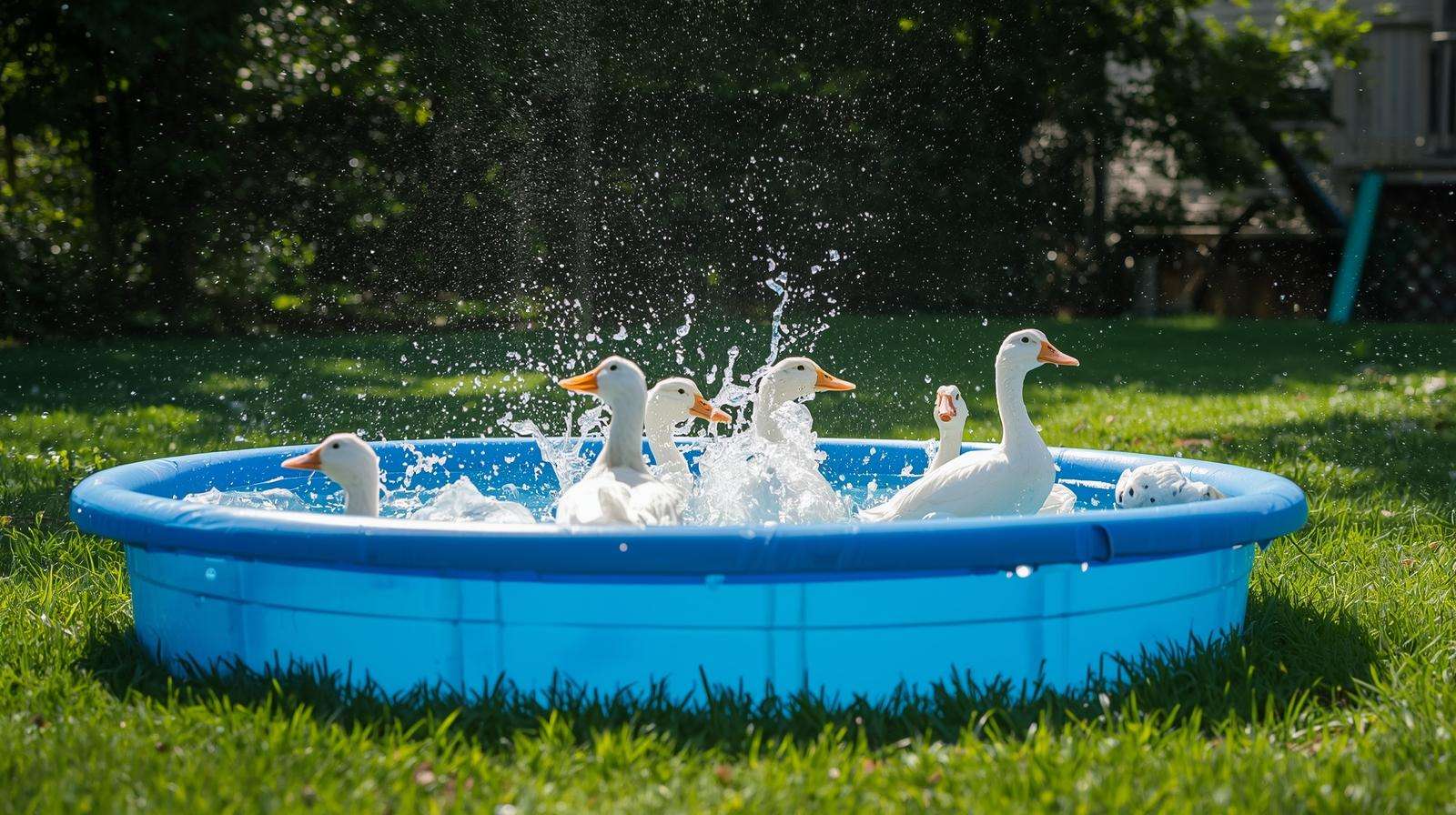
Bathing is essential for feather health, preening, and joy. A kiddie pool (18–24 inches diameter, 6–12 inches deep) changed daily works wonders—even better is a small pond or stock tank with filtration if space allows. Without regular bathing, ducks develop “wet feather” (oils strip, feathers lose waterproofing), leading to chilling and illness.
Manage mess: Place pools on gravel or sand bases with good drainage. Slope the yard slightly away from the coop to prevent standing water. Many owners rotate multiple pools or use automatic refillers.
Bedding and Cleaning
Use absorbent materials like pine shavings (avoid cedar—toxic), straw, or hemp. Change wet spots daily and full deep clean monthly. Duck manure is wetter than chicken but excellent garden fertilizer—compost it in a dedicated pile (high nitrogen, breaks down fast with carbon sources like leaves).
Feeding and Nutrition for Healthy Ducks
Proper nutrition prevents the most common health issues in backyard ducks.
Ducklings (0–8 weeks): Use a 20–22% protein starter crumble formulated for waterfowl or game birds—never plain chick starter without niacin supplementation. Ducks require 2–3x more niacin (vitamin B3) than chickens for proper leg and joint development. Aim for 55–70 mg niacin per kg of feed. Supplement with brewer’s yeast (1–2 tbsp per cup of feed) or liquid niacin in water if using non-duck feed.
Adults: Switch to 16–18% layer or all-flock feed (pellets or crumble) around 8–12 weeks. Provide free-choice oyster shell or crushed limestone for calcium (strong eggshells) and grit for digestion.
Foraging and treats: Ducks love greens (lettuce, kale, peas), veggies, bugs, and slugs—up to 20–30% of diet can be forage. Limit bread, corn, or junk (causes obesity, angel wing). Offer occasional mealworms or black soldier fly larvae for protein.
Common mistakes: Skipping niacin (leads to bowed legs, weak joints), overfeeding treats (nutritional imbalance), or using medicated chick feed (unnecessary and potentially harmful).
Seasonal notes: Increase feed slightly in winter for energy; ensure water doesn’t freeze (use heated bases).
Raising Ducklings: From Day 1 to Outdoor Transition
Brooding ducklings mirrors chicks but with extra mess management.
Brooder setup: Use a large plastic tub or stock tank in a warm, draft-free area (garage or spare room). Start at 90–95°F week 1 (use heat lamp or plate brooder), drop 5°F weekly until fully feathered (~6–8 weeks).
Bedding: Pine shavings 2–4 inches deep; change frequently to avoid pasty butt (wipe vents gently if needed).
Water safety: Use shallow chick waterers filled with pebbles or marbles to prevent drowning—ducklings are clumsy swimmers early on.
Feeding: Scatter starter feed on paper towels first few days to encourage eating, then move to feeders. Provide constant fresh water.
Growth milestones: Fully feathered by 6–8 weeks; ready for outdoor coop with supervision. Introduce to adults gradually (separate pen first) around 7–9 weeks to avoid bullying.
Health checks: Monitor for pasty butt (warm water soak), spraddle leg (tape legs gently if needed), or lethargy.
Daily and Seasonal Care Routine
Once your ducks are settled, the daily routine becomes pleasantly simple and rewarding—often taking just 10–20 minutes.
Daily Tasks
- Refresh drinking water multiple times a day (or use an automatic system) and change bathing water daily to prevent bacterial buildup.
- Check and top off feed; ducks self-regulate well on free-choice feeding.
- Collect eggs 1–2 times daily—ducks usually lay in the morning and prefer a consistent, quiet spot.
- Quick coop/run inspection: Remove wet bedding spots, check for signs of predators or escape attempts, observe behavior (bright eyes, active foraging = healthy).
- Spend a few minutes interacting—hand-feeding treats strengthens bonds and makes handling easier later.
Seasonal Adjustments Ducks are remarkably adaptable. In summer, provide shade (tarps, trees, or a covered run area) and extra cool water; frozen treats (veggies in ice cubes) help beat heat. Monitor for overheating (panting, wings held away from body).
In winter, ducks handle cold very well thanks to their down and fat layer—focus on windbreaks (solid panels on the north/west side of the run), deep dry bedding for insulation, and unfrozen water (use heated bases or frequent hot-water swaps). Most breeds don’t need supplemental heat unless temperatures drop below -10°F (-23°C) with high wind.
During molting (typically late summer/fall), egg production dips and ducks look ragged—boost protein slightly (18–20%) and offer extra niacin-rich treats. Patience is key; new feathers regrow in 4–8 weeks.
Health Monitoring Basics Watch daily for subtle changes: lethargy, reduced appetite, nasal discharge, limping, or abnormal droppings. Early intervention prevents most issues from escalating.
Common Mistakes Beginners Make — And How to Avoid Them
Even experienced poultry keepers trip up when switching to ducks. Here are the most frequent pitfalls and practical fixes:
- Treating ducks exactly like chickens Mistake: Using high roosts, chick waterers, or dry-dust bathing areas. Fix: Design low, ground-level housing with deep water access from day one.
- Insufficient water depth or volume Mistake: Offering only nipple waterers or shallow dishes → dry nostrils, poor preening, wet feather syndrome. Fix: Always provide head-submerging depth; change pools daily or use filtration for larger setups.
- Poor drainage and chronic mud Mistake: Flat yard + constant water = swampy, bacteria-laden run. Fix: Grade the yard for runoff, use sand/gravel bases under pools, rotate play areas, or install French drains in wet climates.
- Skipping niacin supplementation Mistake: Feeding plain chick starter → leg deformities, weak joints, permanent damage. Fix: Use duck-specific feed or add brewer’s yeast/niacin powder religiously for the first 8–10 weeks.
- Overcrowding or unbalanced flock ratios Mistake: Too many drakes → fighting, feather plucking, injured females. Fix: Keep drake-to-female ratio at 1:4–6 maximum; start with all females if egg production is primary goal.
- Ignoring social needs Mistake: Keeping a single duck → depression, loud calling, stress behaviors. Fix: Minimum 2–3 ducks; they thrive in small flocks.
- Underestimating the mess factor Mistake: Not planning for wet, sloppy conditions near coop/run. Fix: Locate setup away from high-traffic areas, use deep litter, compost manure regularly.
Learning from these prevents 80–90% of beginner frustration and keeps your ducks thriving.
Troubleshooting and Health Guide
Most duck health issues stem from environment, nutrition, or predators—catch them early.
Common Problems and Solutions
- Wet Feather — Feathers lose waterproofing, duck looks soggy and chills easily. Cause: Lack of bathing. Fix: Restore daily deep water access; recovery usually takes 1–3 weeks.
- Bumblefoot — Swollen, infected foot pad from rough surfaces or dirty bedding. Prevent with smooth flooring and clean environment; treat with warm Epsom salt soaks and vet-prescribed antibiotics if severe.
- Angel Wing — Wing feathers twist outward (usually in fast-growing meat breeds like Pekin). Prevent by limiting high-protein feed after 8 weeks; correct surgically in severe cases if caught early.
- Parasites (lice, mites) — Rare in ducks due to frequent bathing, but possible. Treat with poultry-safe dusts/powders; clean housing thoroughly.
- Respiratory issues — Sneezing, nasal discharge. Often from ammonia buildup or drafts. Improve ventilation and reduce moisture.
When to Call a Vet Persistent lethargy, refusal to eat/drink, open wounds, severe limping, or eye swelling warrant professional help. Find an avian or exotic vet familiar with waterfowl—many standard vets lack experience with ducks.
Preventive Care Checklist
- Balanced diet with niacin
- Clean, dry-ish bedding
- Predator-proof enclosure
- Regular observation
- Quarantine new birds 30 days
Enjoying Your Backyard Ducks: Eggs, Fun, and Sustainability
The real magic happens once routines are established. Duck eggs—larger, richer, with vibrant orange yolks—excel in baking (higher fat content creates fluffier cakes and custards) and taste noticeably better than store-bought. Many owners report 200–300+ eggs per year per duck in good conditions.
Beyond food, ducks deliver daily entertainment: synchronized swimming, enthusiastic foraging, gentle head-bobbing greetings. They integrate beautifully with gardens—slugs and snails disappear, manure boosts compost, and their gentle scratching rarely damages plants.
For sustainability-minded homesteaders, ducks close nutrient loops naturally while providing pest control without chemicals.
Frequently Asked Questions (FAQs)
Do ducks really need a pond? No—a kiddie pool or large tub changed daily is sufficient for most backyard setups. A natural pond is wonderful but not required.
How noisy are ducks? Females quack (especially when excited or laying), but it’s softer and less piercing than a rooster’s crow. Males are nearly silent (hissing/whispering).
Can ducks live with chickens? Yes, with precautions: Separate feeding areas (ducks eat faster), similar-sized birds, and extra water access. Ducks can bully smaller chickens, so monitor introductions.
How many ducks should a beginner start with? 3–6 is ideal—enough for social needs without overwhelming space or mess management.
How long do ducks live? 8–12+ years depending on breed and care; many backyard ducks reach their teens.
Do ducks need supplemental light in winter for laying? Usually not—most breeds maintain decent production without it, unlike chickens.
Are duck eggs safe to eat raw? Like chicken eggs, they carry salmonella risk—cook thoroughly for safety.
What’s the best beginner breed? Khaki Campbell for eggs, Pekin for friendliness and dual-purpose, Indian Runner for pest control.