Food prices keep rising. Grocery store chicken often lacks flavor, and you have little control over how it was raised. That’s exactly why more people are turning to Backyard meat birds for beginners—a practical, sustainable way to produce your own high-quality protein right at home.
Here’s the surprising part: raising meat chickens is far easier than most beginners expect.
You don’t need a large farm, expensive equipment, or years of experience. With the right setup and guidance, even a small backyard can produce healthy, fast-growing chickens in as little as 6–8 weeks.
Whether your goal is to:
- Save money on meat
- Improve food quality for your family
- Become more self-sufficient
- Or simply learn a valuable life skill
This guide will walk you through every step—from choosing the right breed to raising, feeding, and harvesting your birds with confidence.
What Are Backyard Meat Birds? (Beginner-Friendly Explanation)
Backyard meat birds are chickens specifically raised for meat production rather than egg-laying. They are bred to grow quickly, develop large breast muscles, and efficiently convert feed into body weight.
Meat Birds vs. Layer Chickens
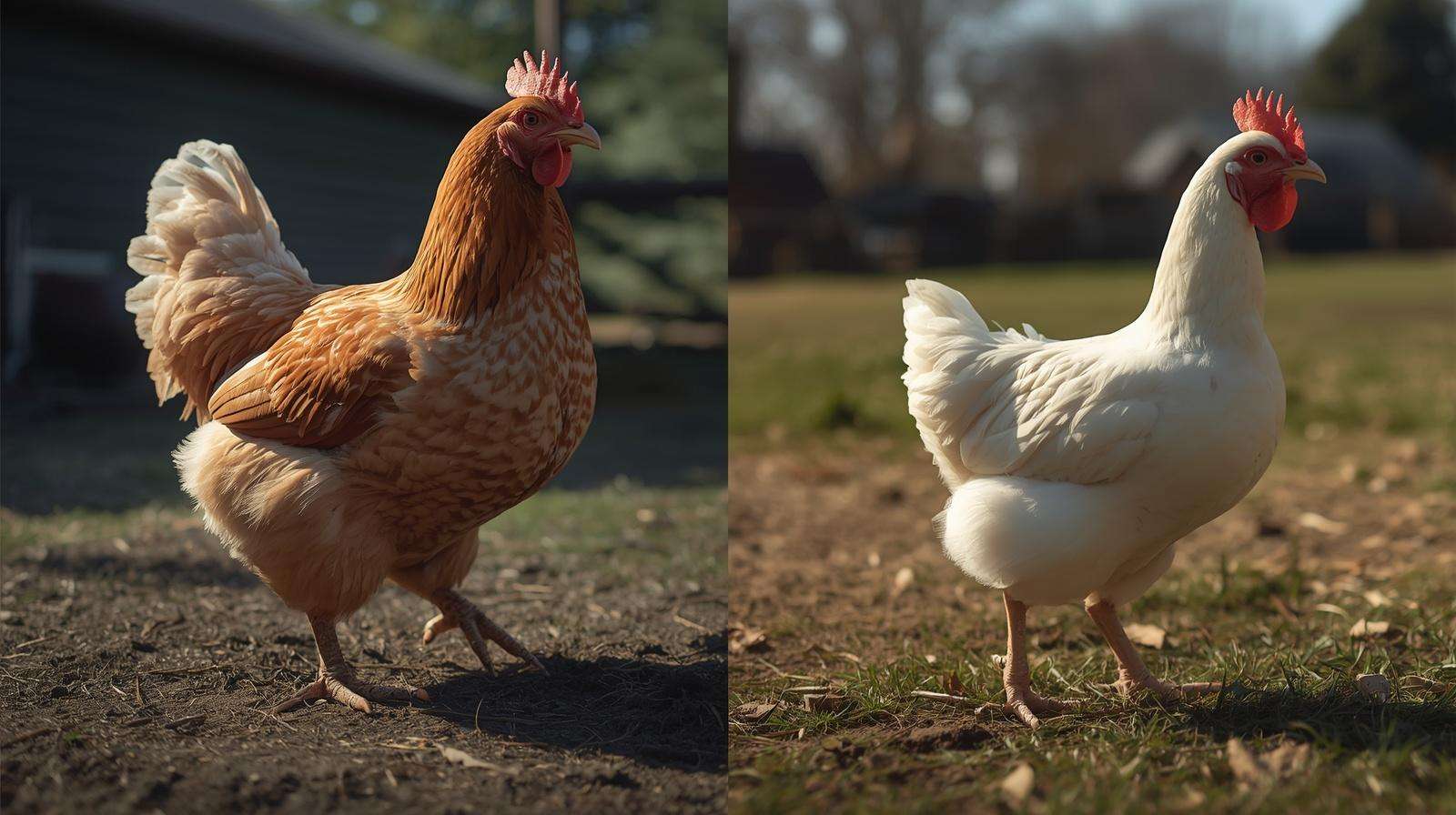
Understanding this difference is critical for beginners:
| Feature | Meat Birds | Layer Chickens |
|---|---|---|
| Purpose | Meat production | Egg production |
| Growth rate | Very fast (6–10 weeks) | Slow |
| Body type | Broad, heavy | Lean |
| Feed efficiency | High | Moderate |
Key takeaway: If your goal is meat, don’t start with egg-laying breeds—they won’t give you the results you expect.
Popular Meat Bird Breeds for Beginners
Choosing the right breed can make or break your experience.
1. Cornish Cross (Best for Fast Results)
- Ready in 6–8 weeks
- Extremely fast growth
- High feed efficiency
- Ideal for beginners who want quick success
Downside: Requires careful feeding and management to avoid health issues.
2. Freedom Rangers (Best for Balanced Approach)
- Slower growth (9–11 weeks)
- More active and hardy
- Better flavor and texture
Best for: Beginners who prefer a more natural, low-maintenance system.
3. Dual-Purpose Breeds (Sustainable Option)
- Examples: Plymouth Rock, Sussex
- Slower growth
- Can provide both meat and eggs
Best for: Small-scale, long-term backyard farming.
How to Choose the Right Breed for Your Goals
Ask yourself:
- Do you want fast results or better flavor?
- How much time can you invest daily?
- What’s your climate like?
Expert tip:
Start with Cornish Cross if you’re focused on efficiency. Choose Freedom Rangers if you want a more forgiving, beginner-friendly experience.
Planning Your Backyard Setup (Before You Buy Chicks)
This is where most beginners make mistakes. Proper planning prevents costly problems later.
Local Laws and Zoning Regulations
Before buying chicks:
- Check local poultry laws
- Confirm if meat birds are allowed
- Understand limits on flock size
Also consider:
- Neighbor proximity
- Noise (minimal for meat birds)
- Waste management
Space Requirements for Meat Birds
Meat birds don’t need as much space as layers, but overcrowding leads to serious health issues.
Recommended space:
- Brooder: 0.5–1 sq ft per chick
- Coop: 1.5–2 sq ft per bird
- Outdoor run: 2–3 sq ft per bird
Important:
Overcrowding = poor growth, disease, and stress.
Budget Breakdown for Beginners
Here’s a realistic cost estimate:
Initial Costs:
- Chicks
- Brooder setup
- Feeders & waterers
- Coop materials
Ongoing Costs:
- Feed (largest expense)
- Bedding
- Electricity (heat source)
Pro insight:
Most beginners break even or save money after a few batches.
Setting Up the Perfect Coop and Brooder
Your setup directly affects bird health, growth rate, and survival.
Brooder Setup for Day-Old Chicks
The brooder is your chicks’ first home—and it must be done right.
Essentials:
- तापमान: Start at 32–35°C (90–95°F), reduce weekly
- Bedding: Wood shavings (avoid slippery surfaces)
- Heat source: Heat lamp or brooder plate
- Clean water at all times
Signs of correct temperature:
- Chicks evenly spread = perfect
- Huddling = too cold
- Far from heat = too hot
Designing a Safe and Efficient Chicken Coop
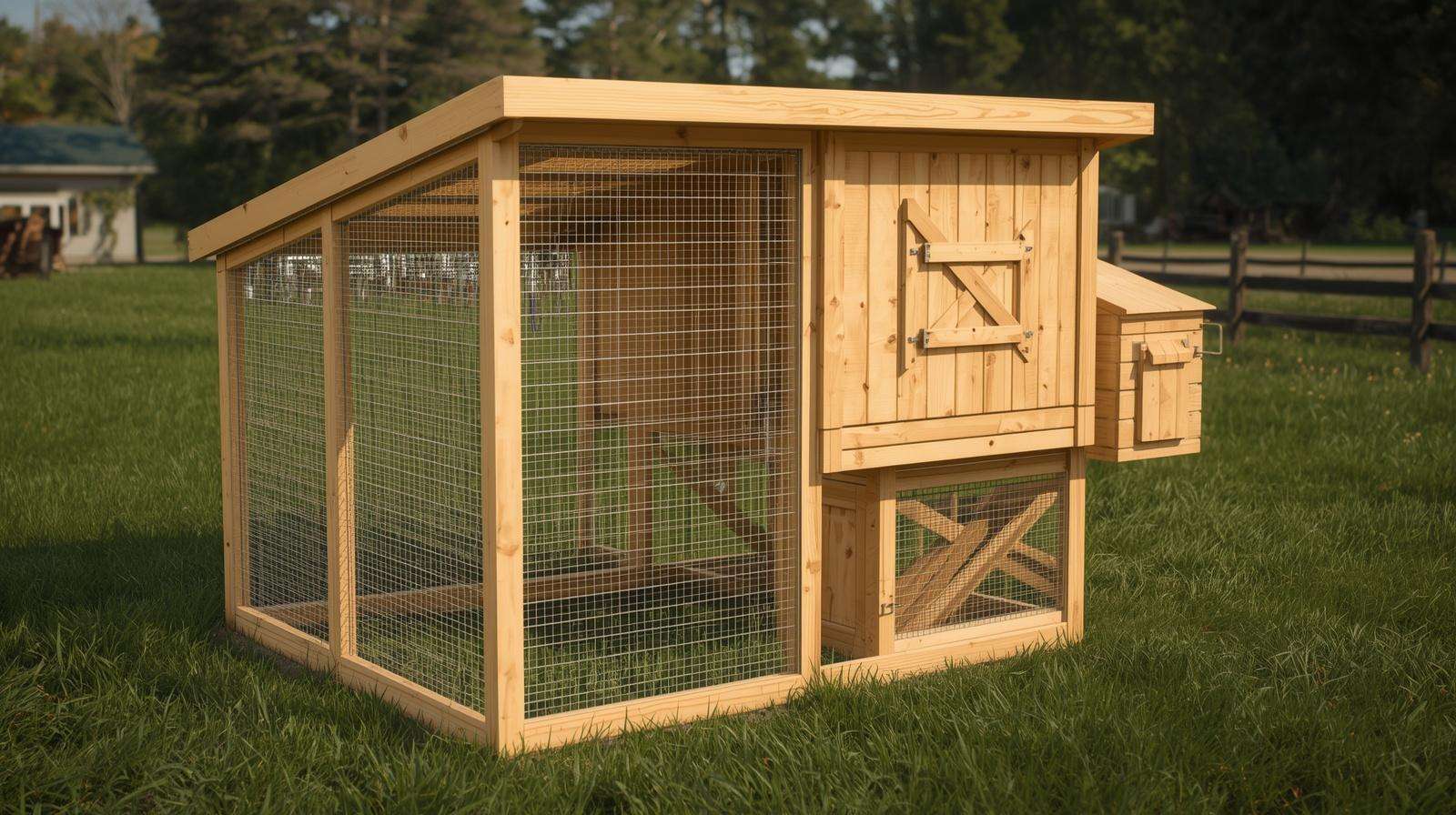
A good coop doesn’t need to be fancy—but it must be functional.
Key features:
- Proper ventilation (prevents ammonia buildup)
- Dry flooring
- Easy cleaning access
- Protection from rain and wind
Predator-Proofing Essentials
Even in urban areas, predators are a real threat.
Protect against:
- Dogs
- Cats
- Rats
- Snakes
Use:
- Strong wire mesh
- Secure doors
- Covered runs
Must-Have Equipment Checklist
- Feeders (prevent waste)
- Waterers (clean, spill-proof)
- Heat source
- Bedding material
- Lighting (optional but helpful)
Feeding Meat Birds for Fast, Healthy Growth
Feeding is the most important factor in raising meat birds successfully.
Starter, Grower, and Finisher Feeds Explained
Meat birds require different nutrition at each stage:
- Starter feed (0–3 weeks): High protein (20–24%)
- Grower feed (3–6 weeks): Moderate protein
- Finisher feed (6+ weeks): Lower protein, higher energy
Why this matters:
Incorrect feeding slows growth and increases health risks.
How Much to Feed (Avoid Overfeeding Pitfalls)
This is where many beginners go wrong.
Cornish Cross tip:
- Limit feeding (12 hours on/off)
- Prevents heart and leg problems
Freedom Ranger tip:
- Can free-feed with less risk
Supplements and Natural Feeding Tips
You can enhance bird health naturally:
- Grit (for digestion)
- Fresh greens (in moderation)
- Probiotics (gut health)
Avoid:
- Moldy feed
- Kitchen scraps in excess
Daily Care Routine for Backyard Meat Birds
Consistency is key to success.
Morning and Evening Care Checklist
Daily tasks:
- Refill feed and water
- Check bird behavior
- Remove wet bedding
- Observe for injuries
Monitoring Growth and Behavior
Healthy birds:
- Eat actively
- Move comfortably
- Gain weight steadily
Warning signs:
- Lethargy
- Limping
- Reduced appetite
Cleaning and Maintenance Schedule
- Spot clean daily
- Replace bedding weekly
- Deep clean after each batch
Common Health Issues (And How to Prevent Them)
Meat birds grow fast—which can lead to problems if not managed properly.
Fast-Growth Problems in Meat Birds
Especially in Cornish Cross:
- Leg weakness
- Heart stress
- Sudden death
Prevention:
- Controlled feeding
- Proper space
- Good ventilation
Recognizing Illness Early
Watch for:
- Drooping wings
- Pale comb
- Diarrhea
Early action saves your flock.
Simple Biosecurity Practices
- Limit visitor access
- Clean equipment regularly
- Keep wild birds away
How Long Until Harvest? (Timeline for Beginners)
This is where your effort pays off.
Growth Timeline by Breed
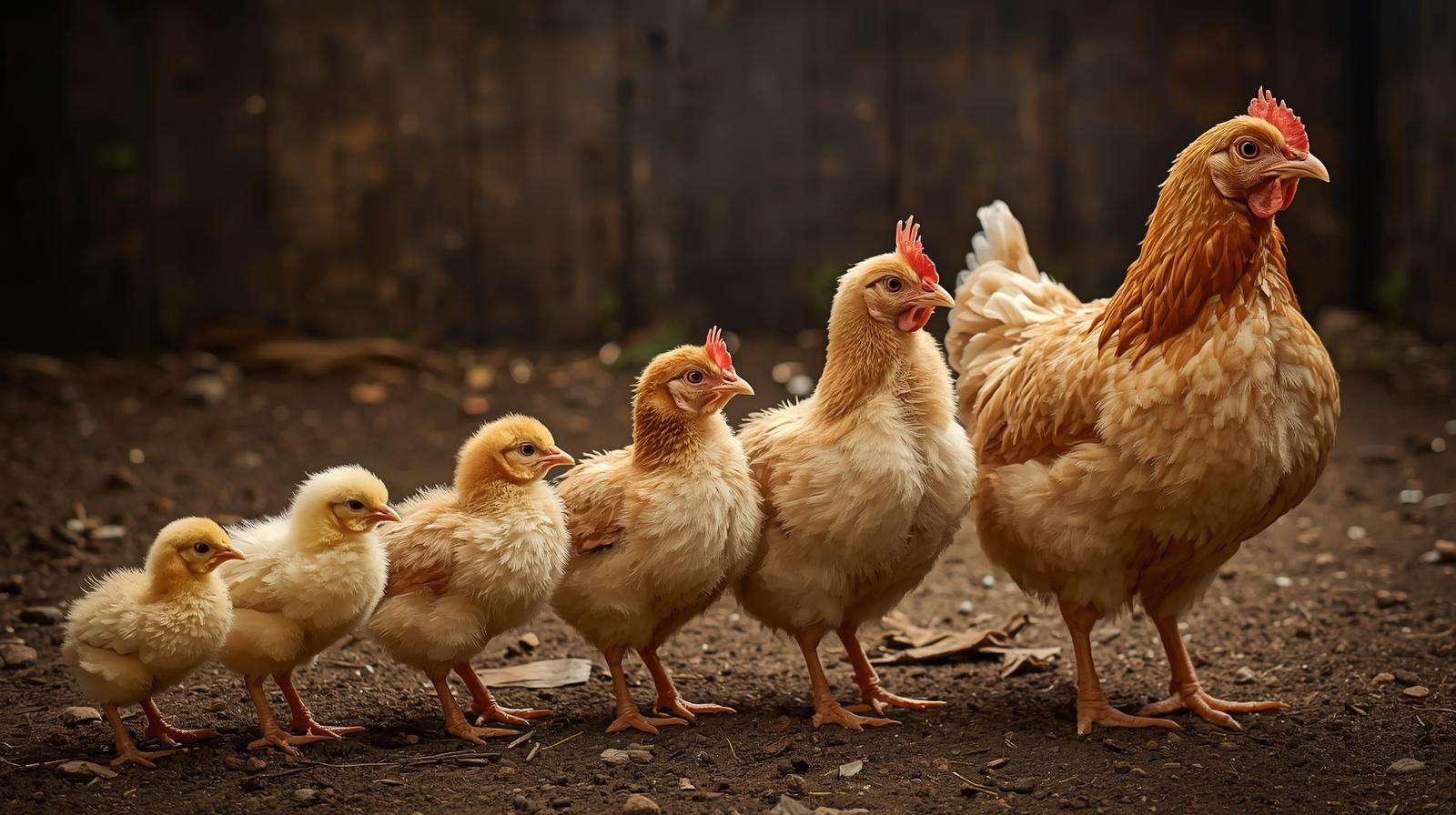
- Cornish Cross: 6–8 weeks
- Freedom Rangers: 9–11 weeks
- Dual-purpose: 12+ weeks
Signs Your Birds Are Ready for Processing
- Full breast development
- Reduced activity
- Target weight reached
Humane and Practical Processing Basics
This step can feel intimidating—but it’s manageable with preparation.
Processing Options for Beginners
- Do it yourself (cost-effective)
- Hire local processing services
What You Need to Prepare
- Clean workspace
- Sharp tools
- Proper storage (ice/freezer)
Cost vs. Value: Is Raising Meat Birds Worth It?
Let’s be honest—this matters.
Real Cost Breakdown Per Bird
Includes:
- Chick cost
- Feed
- Utilities
Comparing Store-Bought vs. Homegrown Meat
Homegrown chicken offers:
- Better taste
- No hidden chemicals
- Ethical control
Hidden Benefits Beyond Cost
- Food security
- Self-reliance
- Educational value
Beginner Mistakes to Avoid (Learn From Experience)
Avoid these common errors:
- Overcrowding
- Poor ventilation
- Overfeeding
- Ignoring early health signs
Expert Tips for First-Time Success
- Start with 5–10 birds
- Keep a simple logbook
- Stick to a routine
- Learn from local farmers
Frequently Asked Questions (FAQs)
How many meat birds should a beginner start with?
Start with 5–10 birds to gain experience without being overwhelmed.
Are meat birds hard to raise compared to layers?
No—meat birds are actually easier because they require a shorter commitment.
Can I raise meat birds in a small backyard?
Yes, as long as you manage space and cleanliness properly.
How much space do meat birds really need?
At least 1.5–2 sq ft per bird in the coop.
What is the cheapest way to raise meat chickens?
- Buy feed in bulk
- Build a DIY coop
- Start small
Final Thoughts: Your First Step Toward Sustainable Meat Production
Raising backyard meat birds isn’t just about saving money—it’s about taking control of your food, improving quality, and building a skill that lasts a lifetime.
Start small. Learn as you go. Improve with each batch.
Before long, you’ll have a reliable, sustainable source of healthy meat—right in your own backyard.