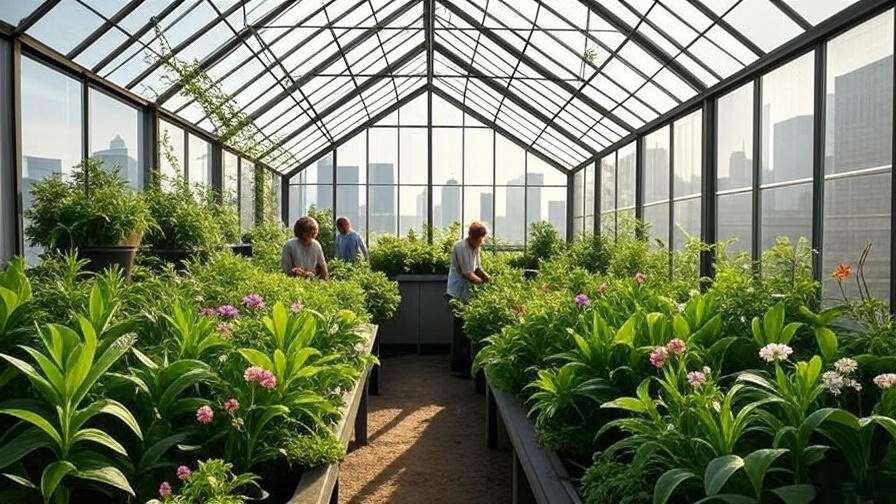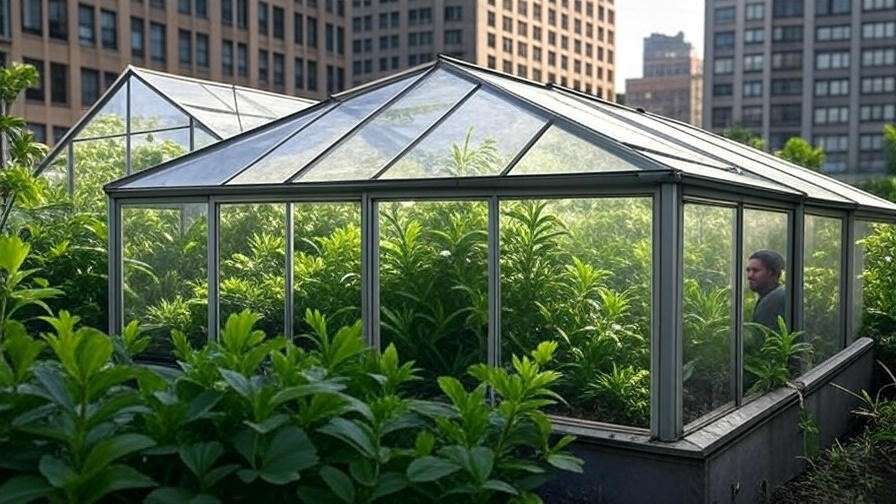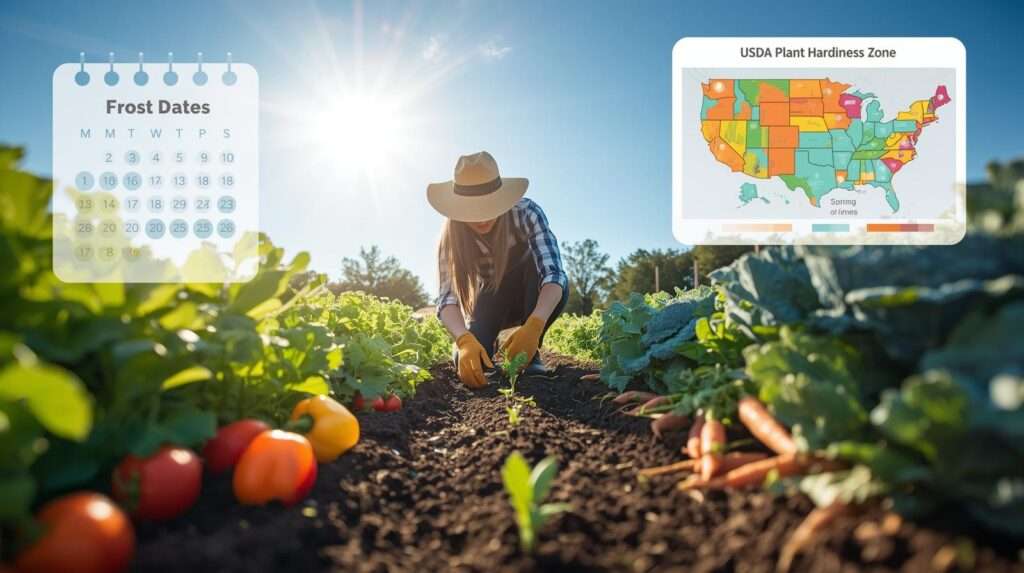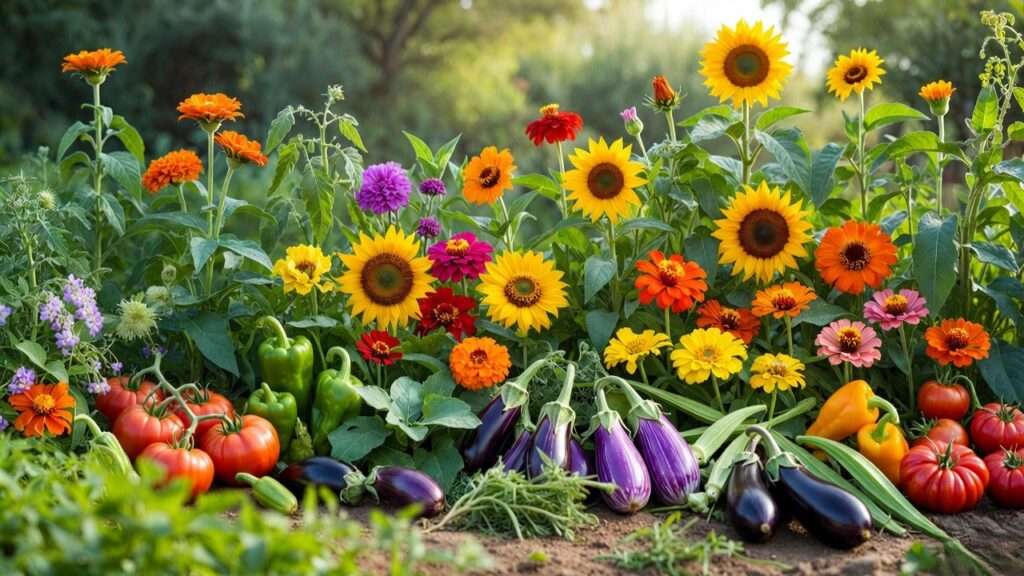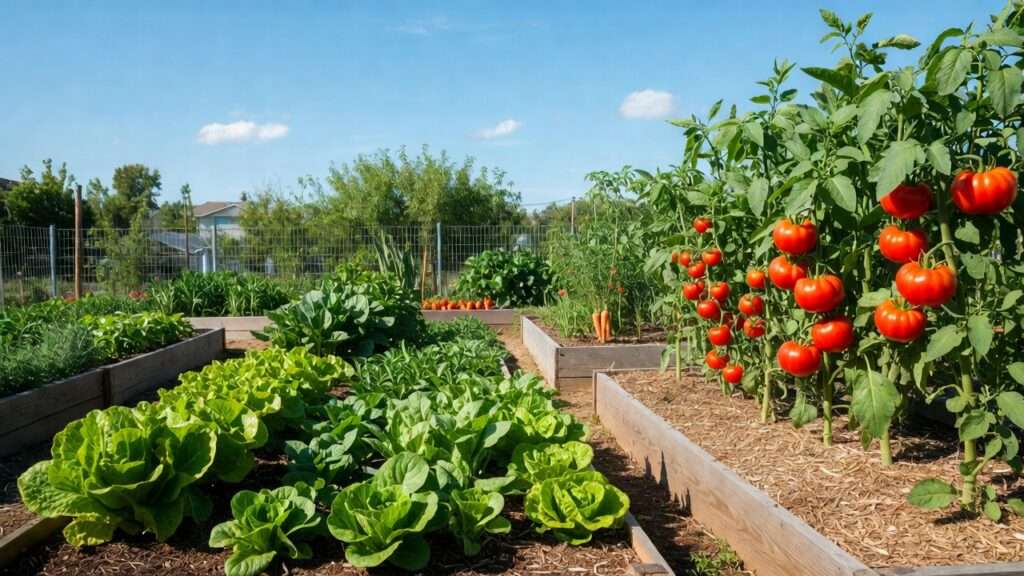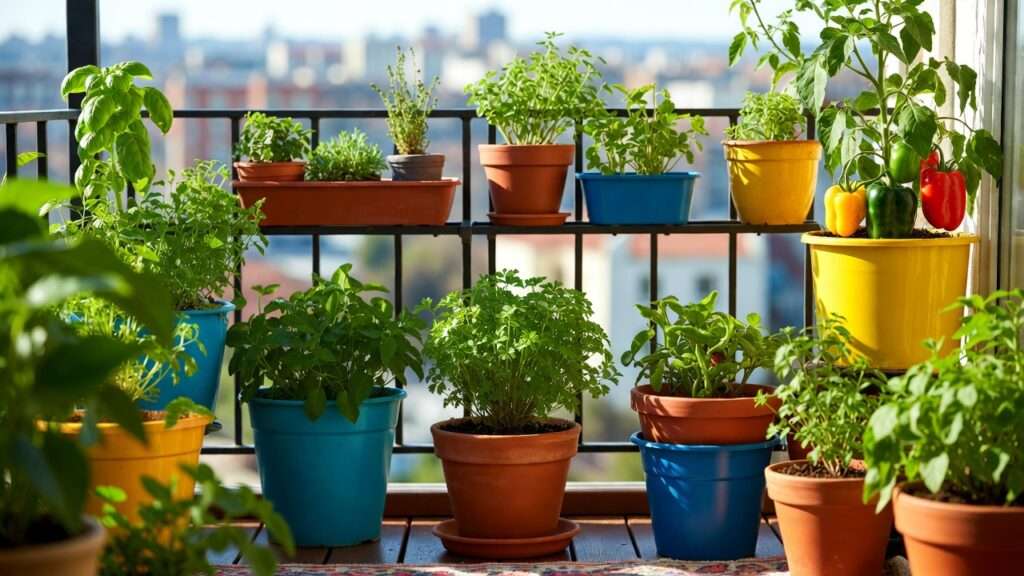
In today’s world of urban living and rising food costs, millions of people dream of harvesting their own fresh produce right at home—yet many lack a traditional yard. Imagine stepping onto your balcony or patio to pick vibrant basil for pesto, crisp cherry tomatoes for salads, or fragrant mint for tea, all while enjoying the mental health benefits of nurturing plants and reducing your grocery bills. Balcony and patio gardening makes this possible, even in the smallest spaces.
As someone with over a decade of hands-on experience in urban container gardening—including transforming tiny apartment balconies into productive green oases—I’ve seen beginners succeed spectacularly and others stumble on avoidable pitfalls. The good news? With the right planning, you can avoid common mistakes like overwatering, poor drainage, or ignoring weight limits, and instead create a thriving, low-maintenance setup that yields fresh herbs, vegetables, and more year after year.
This in-depth guide draws from proven techniques, real-world trials, and expert insights to help you start confidently. Whether your space faces full sun, partial shade, or windy conditions, you’ll learn step-by-step how to assess your area, choose containers and plants, mix ideal soil, maintain your garden, and troubleshoot issues. By the end, you’ll have the tools to grow nutrient-dense, homegrown food sustainably—no yard required.
1. Assessing Your Balcony or Patio Space: The Foundation of Success
Success in balcony and patio gardening begins long before you buy a single plant. Skipping this assessment is one of the most frequent beginner errors, leading to struggling plants or safety concerns.
Evaluate Sunlight Exposure and Microclimate
Sunlight dictates everything from plant selection to yield. Most vegetables and herbs need at least 6 hours of direct sun daily for optimal growth, though some thrive with less.
To track sun hours accurately, observe your space every hour from morning to evening on a clear day (or use a sun calculator app). Note patterns: morning sun is gentler, while afternoon sun can be intense in hot climates. Track for a full week to account for seasonal shifts.
Microclimates vary dramatically. Windy balconies dry out soil faster and can topple lightweight pots—use windbreaks like trellises or group heavier containers strategically. Heat-reflecting surfaces (glass railings, concrete floors) amplify temperatures, stressing plants; provide afternoon shade with sheer cloths if needed. Shaded spots suit leafy greens and herbs like mint or parsley.
Check Weight Limits and Safety Considerations
A critical, often overlooked factor: balconies aren’t designed for unlimited loads. Wet potting mix weighs about 10-15 pounds per gallon, plus the container itself—multiple large pots can quickly exceed safe limits.
Most residential balconies support 50-100 pounds per square foot (psf), per common building codes, but always verify with your landlord, building management, or a structural engineer. Exceeding this risks structural damage or safety hazards.
Tips for safety:
- Opt for lightweight materials: plastic, fabric grow bags, or fiberglass over heavy ceramic or concrete.
- Distribute weight evenly—avoid clustering heavy pots in one spot.
- Use wheeled plant caddies for mobility and to spread load.
- Factor in people, furniture, and accumulated water/snow in colder climates.
If in doubt, start small with fewer, lighter containers and monitor.
Measure Your Available Space and Layout Options
Grab graph paper or a free app to sketch your space, including railings, doors, and furniture. Prioritize: allocate areas for seating if you want a relaxing spot, or maximize growing real estate.
Consider vertical potential—walls and railings offer untapped space. Measure railing height and strength for hanging or rail planters.
2. Choosing the Right Containers and Setup
Containers are your garden’s foundation—wrong choices lead to poor drainage, root issues, or instability.
Selecting Containers That Work for Small Spaces
Prioritize function over aesthetics initially.
Materials:
- Plastic: Lightweight, affordable, retains moisture well—ideal for beginners and weight-conscious balconies.
- Fabric grow bags: Excellent drainage and aeration, promote healthy roots, foldable for storage.
- Ceramic/terracotta: Stylish but heavy and porous (dries quickly).
- Self-watering pots: Reduce watering frequency, great for busy schedules or hot climates.
Sizes and shapes:
- Herbs: 6-10 inches deep, 8-12 inches wide.
- Vegetables like tomatoes or peppers: Minimum 12-18 inches deep, 5+ gallons.
- Root crops (radishes, carrots): Deeper narrow pots (12+ inches).
- Shallow for lettuce or microgreens.
Choose pots with built-in drainage holes—essential to prevent root rot.
Drainage Essentials and Saucers
No exceptions: every container needs drainage holes. Add a layer of broken pottery, pebbles, or screen at the bottom to keep soil from clogging.
Use saucers to catch runoff (protect floors/decks), but empty them after watering to avoid standing water.
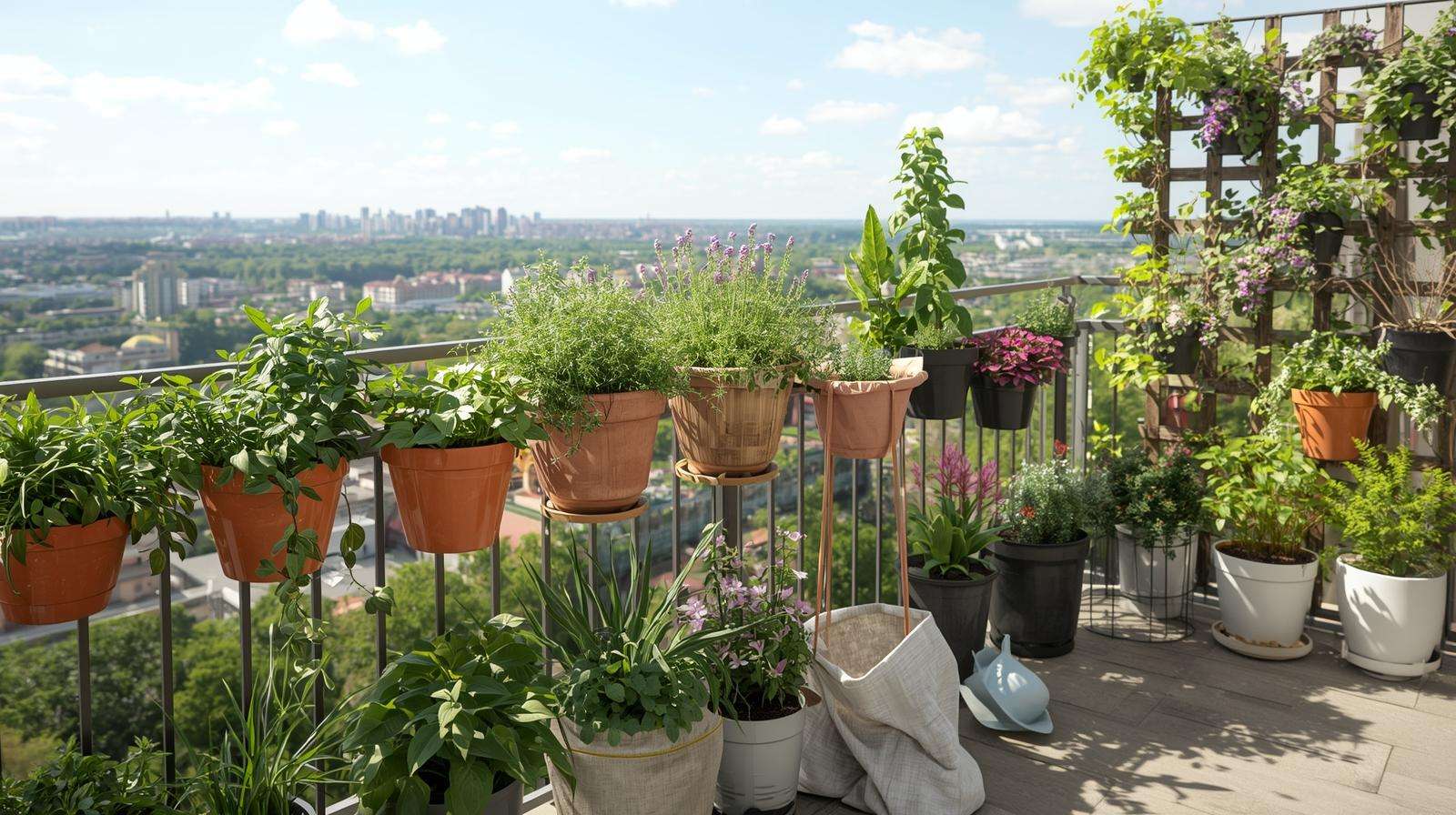
Vertical Gardening Solutions to Maximize Space
Vertical techniques triple growing area:
- Wall pockets or pockets planters for herbs.
- Hanging baskets for strawberries or trailing plants.
- Trellises or netting for climbers like peas, cucumbers, pole beans.
- Stackable towers or tiered stands for multiple levels.
Rail planters hook securely over railings—perfect for railings without drilling.
Creative Layout Ideas for Functionality and Aesthetics
Group plants by water/sun needs for easier care. Create zones: edibles near the door for frequent harvesting, ornamentals for visual appeal. Use color coordination (e.g., red peppers with marigolds) for beauty.
3. The Perfect Soil Mix for Container Success
Garden soil compacts in pots, harbors pests, and drains poorly—never use it straight.
Why Garden Soil Fails in Pots
It compacts over time, suffocating roots and leading to waterlogging or drought stress.
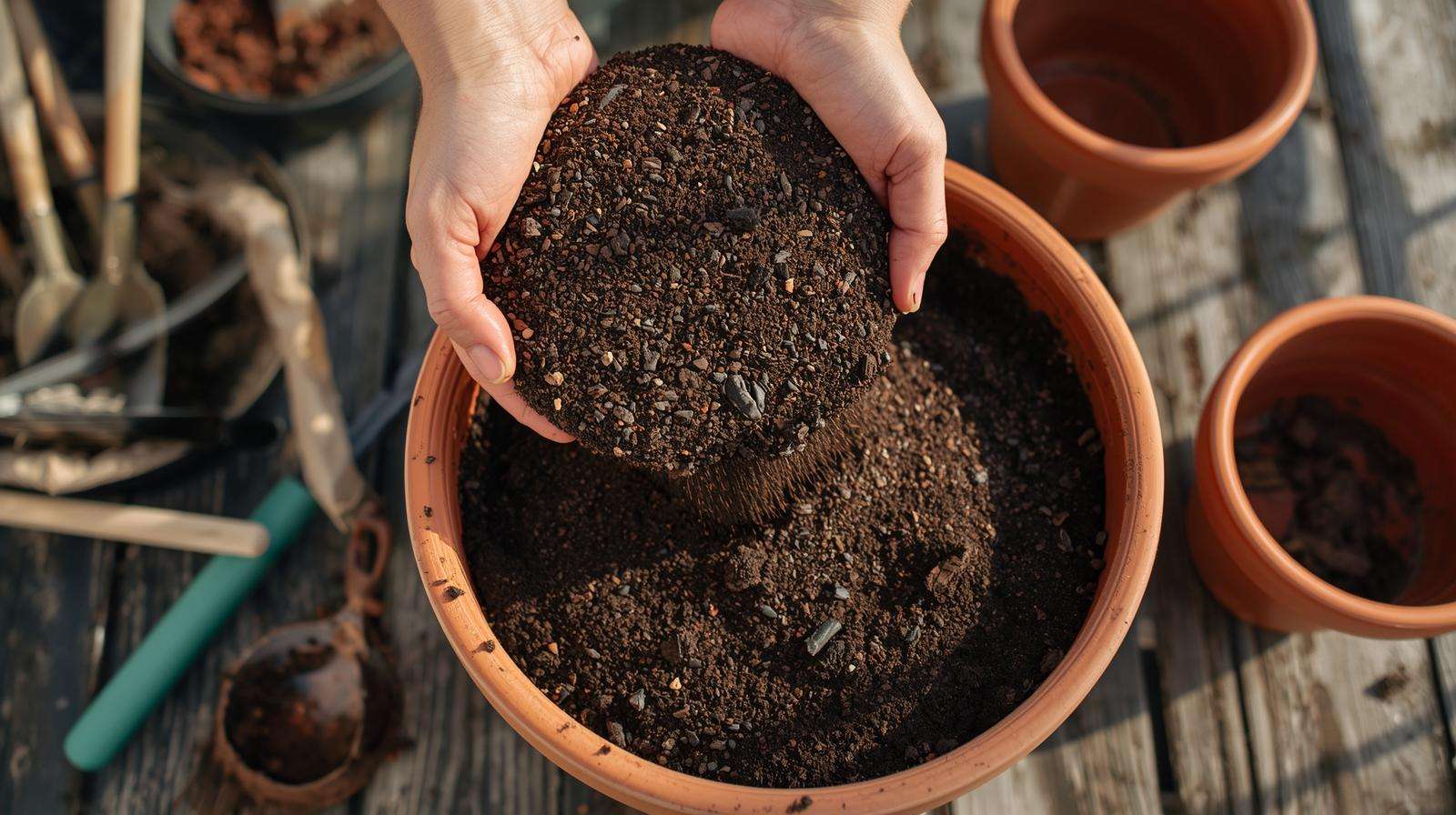
Recommended Potting Mix Recipes
Use high-quality commercial potting mix as a base, or DIY for customization and cost savings.
Basic All-Purpose Mix (great for most plants):
- 2 parts peat moss or coco coir (for moisture retention)
- 1 part perlite or vermiculite (for drainage and aeration)
- 1-2 parts compost or aged manure (for nutrients)
Custom Blends:
- Vegetables: Add extra compost for fertility; include slow-release organic fertilizer.
- Herbs: Leaner mix with more perlite to prevent rot in drought-tolerant types like rosemary.
- Acid-loving plants (if any): Adjust pH with pine bark.
Mix thoroughly in a large tub. Pre-moisten for easier planting.
pH Considerations and Testing Tips
Most edibles prefer 6.0-7.0 pH. Test with a cheap soil kit; adjust with lime (to raise) or sulfur (to lower) if needed.
4. Best Plants for Beginners: Herbs, Vegetables, and More
One of the most exciting parts of balcony and patio gardening is choosing what to grow. Beginners often make the mistake of picking exotic or high-maintenance varieties first. Instead, start with forgiving, high-yield, compact plants that reward you quickly and build confidence.
Easy-to-Grow Herbs for Fresh Flavor Year-Round
Herbs are the perfect entry point: most are compact, productive, and forgiving of minor mistakes.
- Basil — Thrives in 6–8 hours of sun; pinch tops regularly to encourage bushiness. Genovese and Thai varieties are classics. Harvest leaves often to delay flowering.
- Mint — Aggressive grower; plant in its own container to prevent takeover. Prefers partial shade to full sun. Spearmint and peppermint are easiest.
- Parsley — Biennial that produces all season. Flat-leaf (Italian) has better flavor than curly. Tolerates partial shade.
- Cilantro / Coriander — Grows fast but bolts quickly in heat. Sow every 2–3 weeks for continuous supply. Likes cooler conditions.
- Rosemary, Thyme, Oregano — Mediterranean herbs love full sun, excellent drainage, and infrequent watering once established. Perfect for dry, windy balconies.
Pro tip: Plant herbs in clusters of three to five of the same kind in one larger pot for a fuller look and easier harvesting.
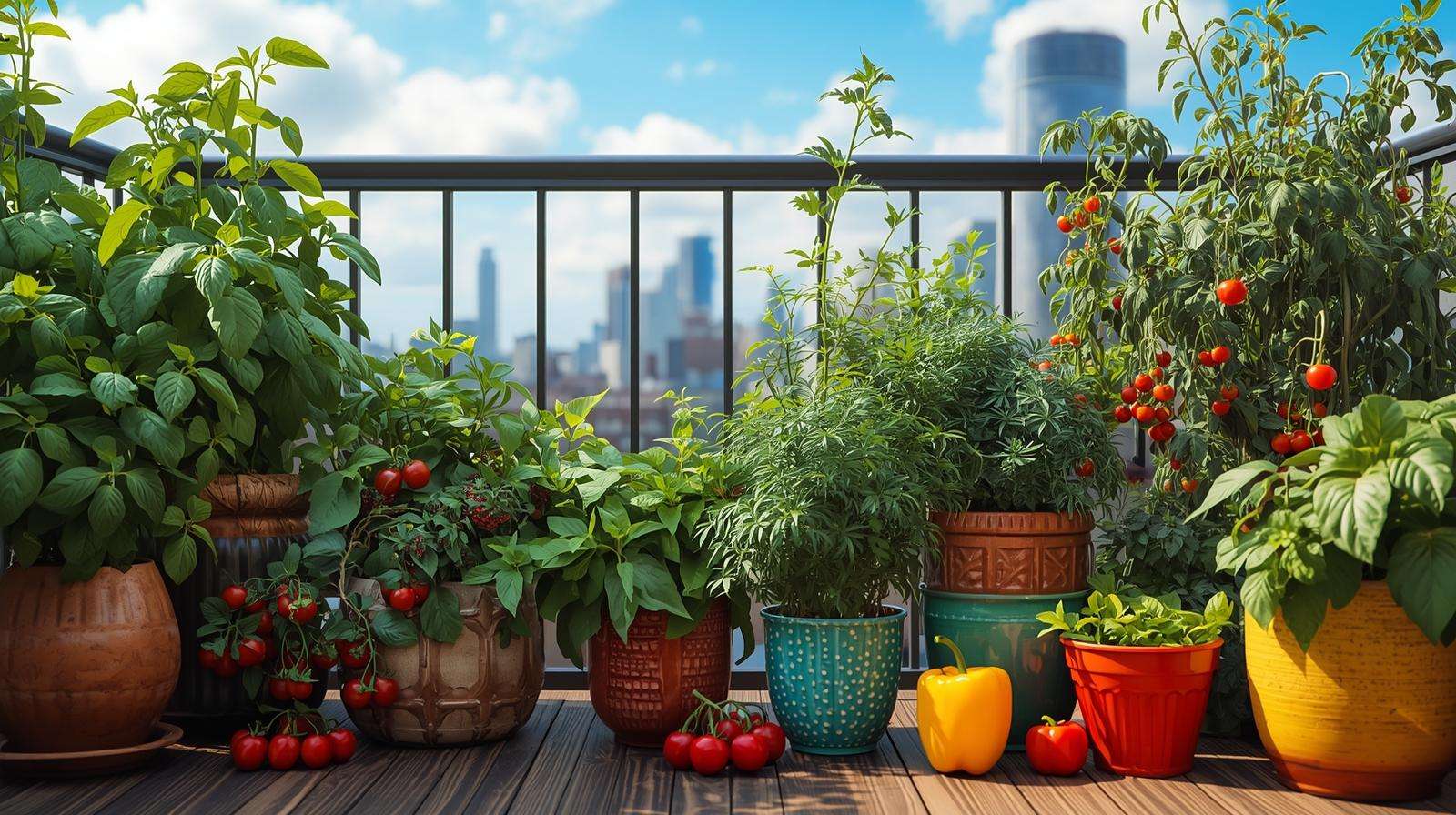
Productive Vegetables and Fruits for Small Spaces
Focus on dwarf, bush, or container-optimized varieties bred specifically for patios and balconies.
Compact Varieties:
- Cherry tomatoes (e.g., ‘Sweet 100’, ‘Sun Gold’, ‘Tiny Tim’) — Extremely productive; need 5-gallon minimum pots and sturdy stakes or cages.
- Peppers (bell, jalapeño, mini-sweet) — Compact plants; many ornamental types double as edibles.
- Lettuce & salad greens (romaine, butterhead, arugula, spinach, mesclun mixes) — Harvest outer leaves continuously (“cut-and-come-again” method).
- Radishes — Ready in 20–30 days; perfect for impatient beginners.
- Bush beans — No trellis needed; pick young for tenderness.
Vertical Climbers:
- Cucumbers (‘Bush Champion’, ‘Patio Snacker’) — Train up trellises to save floor space.
- Pole beans & peas — Excellent nitrogen fixers; improve soil for future crops.
- Grape or cherry tomatoes on strings or cages.
Bonus Compact Fruits:
- Strawberries (everbearing varieties like ‘Seascape’ or ‘Albion’) — Hang in baskets or use strawberry pots.
- Dwarf citrus (Meyer lemon, calamondin orange) — Need consistent warmth and protection from frost.
- Microgreens — Grow in shallow trays on any surface; harvest in 10–20 days.
Ornamentals to Add Beauty and Pollinator Support
Edible gardens look and function better with flowers:
- Marigolds — Repel nematodes and some insects.
- Nasturtiums — Edible flowers & leaves; trail beautifully or climb.
- Petunias, calibrachoa, geraniums — Bright color and long bloom time.
These also attract bees, hoverflies, and other pollinators essential for fruit set in vegetables.
Matching Plants to Your Light Conditions
- Full sun (6+ hours): Tomatoes, peppers, basil, rosemary, cucumbers, beans.
- Partial sun (4–6 hours): Lettuce, spinach, parsley, mint, strawberries, most herbs.
- Shade or low light (less than 4 hours): Mint, chives, cilantro (bolts slower), leafy greens, some ferns for beauty.
5. Planting Step-by-Step: From Seeds to Seedlings
Starting from Seeds vs. Buying Transplants
Seeds — Cheaper, wider variety, satisfying. Start indoors 4–8 weeks before last frost (use peat pellets or small cells under grow lights or bright window). Harden off seedlings before moving outside.
Transplants — Faster results, less risk for beginners. Buy healthy, stocky plants (avoid leggy or root-bound ones).
Many gardeners do both: start easy herbs from seed, buy tomato/pepper starts.
Transplanting Guide
- Water plants well before transplanting.
- Fill container ⅓ with moist potting mix.
- Remove plant from nursery pot; gently tease roots if circling.
- Plant at same depth (except tomatoes—bury stem deeply for adventitious roots).
- Fill around roots, firm soil, water thoroughly.
- Space appropriately even in containers (crowding reduces airflow and increases disease risk).
Companion Planting in Containers
Group beneficial companions:
- Basil + tomatoes (improves flavor, repels pests)
- Marigolds + anything (pest deterrent)
- Nasturtium as trap crop for aphids
- Avoid planting mint near other herbs—it will dominate.
6. Watering and Maintenance Essentials
Containers dry out much faster than ground soil—consistent moisture is the #1 key to success.
Mastering Watering in Containers
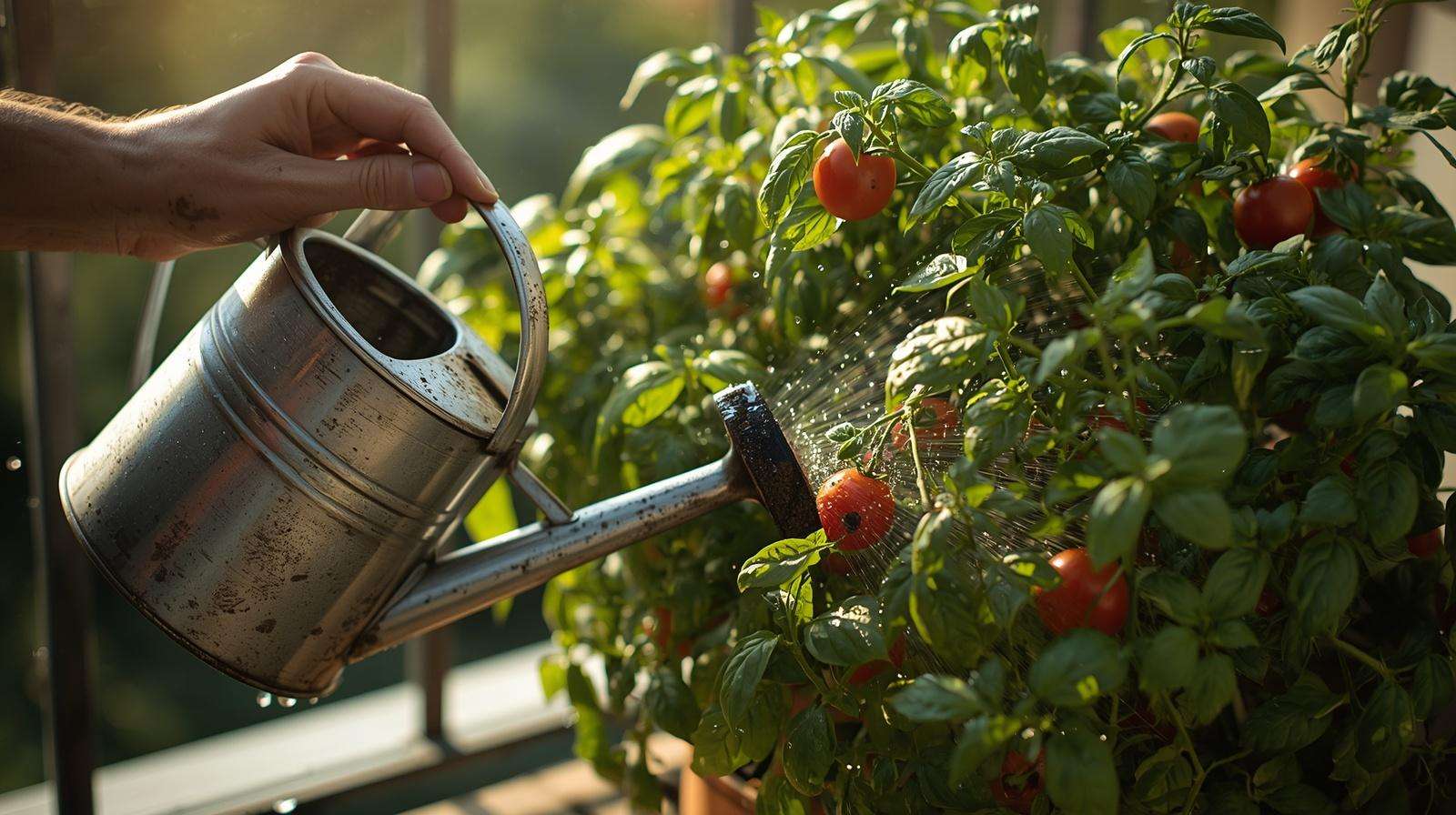
How often? Check daily in hot weather. Stick your finger 1–2 inches into soil:
- Dry → water deeply until it runs out drainage holes.
- Moist → wait.
- Wet → skip.
Tools that help:
- Self-watering pots or reservoirs
- Drip irrigation kits with timers (very effective for vacations)
- Mulch (straw, bark, or pebbles) to retain moisture
Timing: Water early morning so foliage dries before night (reduces fungal risk). Avoid midday in scorching heat.
Fertilizing for Continuous Growth
Containers leach nutrients quickly. Feed regularly after 4–6 weeks.
- Organic options: Liquid seaweed/kelp, fish emulsion, compost tea, worm castings.
- Slow-release granules: Mix into soil at planting (lasts 3–6 months).
- Schedule: Every 7–14 days with half-strength liquid fertilizer during active growth.
Edibles especially need consistent nitrogen (leaf growth), phosphorus (flowers/fruit), and potassium (overall health).
Pruning, Supporting, and Harvesting Techniques
- Pinch herb tops to keep bushy.
- Stake or cage tomatoes/peppers early.
- Harvest frequently—regular picking encourages more production (especially beans, zucchini, herbs).
- Remove yellow/ dead leaves promptly.
7. Common Problems and How to Solve Them
Even experienced gardeners encounter setbacks in container gardening—balconies and patios present unique challenges due to faster drying, restricted root space, and exposure to urban conditions. The key is early detection and targeted fixes.
Top Beginner Mistakes to Avoid
- Overwatering or Underwatering Overwatering is actually the #1 killer of container plants. Symptoms: yellow lower leaves, mushy stems, fungus gnats. Fix: Always check soil moisture 2 inches down. Improve drainage if needed. Underwatering shows as wilting, dry crispy leaf edges—water deeply and mulch.
- Poor Drainage Leads to root rot within days. Prevention: Never skip drainage holes + saucer emptying. Elevate pots slightly if standing water collects.
- Wrong Plant Choices for Your Conditions Trying full-sun tomatoes on a shady balcony = disappointment. Solution: Match plants to actual light (see Section 4). Start small and observe.
- Ignoring Weight and Wind Heavy pots clustered together or lightweight pots in high wind = tipping or structural risk. Fix: Use lightweight containers, secure with plant ties or weights, distribute evenly.
- Crowding Plants Reduces airflow → fungal diseases and lower yields. Solution: Follow spacing guidelines even in pots.
Pests and Diseases in Small-Space Gardens
Common Pests:
- Aphids — Tiny green/black insects clustering on new growth. Control: Blast off with strong water spray, introduce ladybugs (available online), or spray neem oil / insecticidal soap weekly.
- Spider Mites — Fine webbing, stippled/yellow leaves (worse in hot, dry conditions). Control: Increase humidity (mist plants), hose undersides of leaves, use miticide if severe.
- Whiteflies — Tiny white flying insects under leaves. Control: Yellow sticky traps, neem oil, encourage predatory insects.
- Slugs/Snails (if near ground level) — Chew holes at night. Control: Copper tape around pot rims, beer traps, diatomaceous earth.
Common Diseases:
- Powdery Mildew — White powdery coating on leaves (common in humid, crowded conditions). Fix: Improve airflow, avoid overhead watering, apply baking soda + soap spray (1 tbsp baking soda + ½ tsp dish soap per liter of water).
- Fungal Root Rot — Wilting despite wet soil, brown mushy roots. Fix: Remove affected plant, discard soil, sanitize pot, start fresh with better drainage.
Troubleshooting Yellow Leaves, Wilting, or No Fruit
- Yellow leaves Bottom leaves → natural aging. All-over yellow → nitrogen deficiency → fertilize. Between veins → iron deficiency (common in alkaline mixes) → use chelated iron or lower pH slightly.
- Wilting Despite wet soil → root rot. Dry soil → underwatering. Midday only → temporary heat stress (normal in containers; provide shade cloth if extreme).
- No fruit / flowers drop Causes: Insufficient sun, temperature extremes (>32°C or <15°C at night for tomatoes/peppers), inconsistent watering, nutrient imbalance (too much nitrogen → leaves but no fruit). Fixes: Ensure 6+ hours sun, stabilize watering, switch to bloom-booster fertilizer (higher phosphorus).
8. Seasonal Care and Year-Round Strategies
Balcony gardening isn’t just a summer activity—with planning you can extend harvests or keep plants productive across seasons.
Planning for Seasons (Warm vs. Cool Weather Crops)
Warm season (spring–summer–early fall): Tomatoes, peppers, basil, cucumbers, beans, eggplant, zucchini.
Cool season (fall–winter–early spring): Lettuce, spinach, kale, arugula, radishes, carrots, peas, cilantro, parsley, Swiss chard.
In subtropical/tropical climates (like many parts of Bangladesh), you can grow warm-season crops almost year-round with some shade in peak summer heat.
Overwintering Tips for Perennials or Extending the Season
- Bring indoors — Rosemary, dwarf citrus, tender herbs when nights drop below 10–12°C.
- Frost protection — Use row cover fabric, old bedsheets, or cloches on chilly nights.
- Mulch heavily — Insulate soil surface.
- Grow lights — Supplement short winter days for indoor continuation (especially leafy greens and herbs).
Succession Planting for Continuous Harvests
Sow or plant new batches every 2–4 weeks:
- Radishes → every 10–14 days
- Lettuce & greens → every 2–3 weeks
- Bush beans → every 3–4 weeks
- Basil → pinch and replant cuttings
This ensures you never run out of fresh produce.
9. Expert Insights and Pro Tips
After years of balcony trials, here are hard-earned lessons:
- Budget-saving hacks — Reuse food-grade buckets (drill holes), old plastic drawers, or wooden crates lined with plastic as containers. Make compost tea from kitchen scraps for free fertilizer.
- Pollinator attraction in cities — Even one pot of marigolds, zinnias, or lavender dramatically increases bee visits and fruit set.
- Multi-harvest mindset — Grow “cut-and-come-again” greens, perpetual herbs, and everbearing strawberries for months of production from one planting.
- Sustainability focus — Collect rainwater (if allowed) in buckets for watering—plants love it. Compost all trimmings and non-diseased waste to close the nutrient loop.
- Mental health bonus — Gardening reduces stress hormones (cortisol) and increases serotonin—treat it as daily therapy, not just food production.
Start small (3–5 pots), learn your microclimate, then scale up. Mistakes are teachers.
FAQs
How much sun do most vegetables need on a balcony? Most productive edibles (tomatoes, peppers, cucumbers, beans) need 6–8 hours of direct sunlight. Leafy greens and many herbs do well with 4–6 hours.
Can I grow food organically in containers? Absolutely. Use organic potting mix, compost, neem oil, insecticidal soap, and companion planting. Avoid synthetic pesticides.
What if my balcony is very windy or shaded? Windy: Choose heavy pots, use windbreaks, select tough plants (rosemary, thyme, kale). Shaded: Focus on lettuce, spinach, mint, parsley, chives, and shade-tolerant flowers.
How do I prevent my pots from tipping over? Use wide-based pots, add weight at the bottom (gravel layer), secure rail planters properly, group pots together for mutual support, and use plant ties or Velcro straps in very gusty conditions.
Is balcony gardening worth it financially? Yes—especially for herbs and greens. A single basil plant can save $20–50/year vs. store-bought bunches. Tomatoes and strawberries often pay for themselves in one season. The biggest returns are flavor, freshness, and satisfaction.
Conclusion
Balcony and patio gardening transforms limited urban space into a source of fresh, flavorful food, beauty, and joy. By carefully assessing your space, choosing appropriate containers and plants, using quality soil, watering wisely, and staying proactive against problems, even complete beginners can achieve impressive results.
Don’t wait for the “perfect” setup—start with one or two forgiving plants this week. Watch them grow, taste your first homegrown harvest, and let the satisfaction motivate you to expand.
Have you started your balcony garden yet? Share your progress, wins, or questions in the comments—I read and reply to every one. Happy growing!