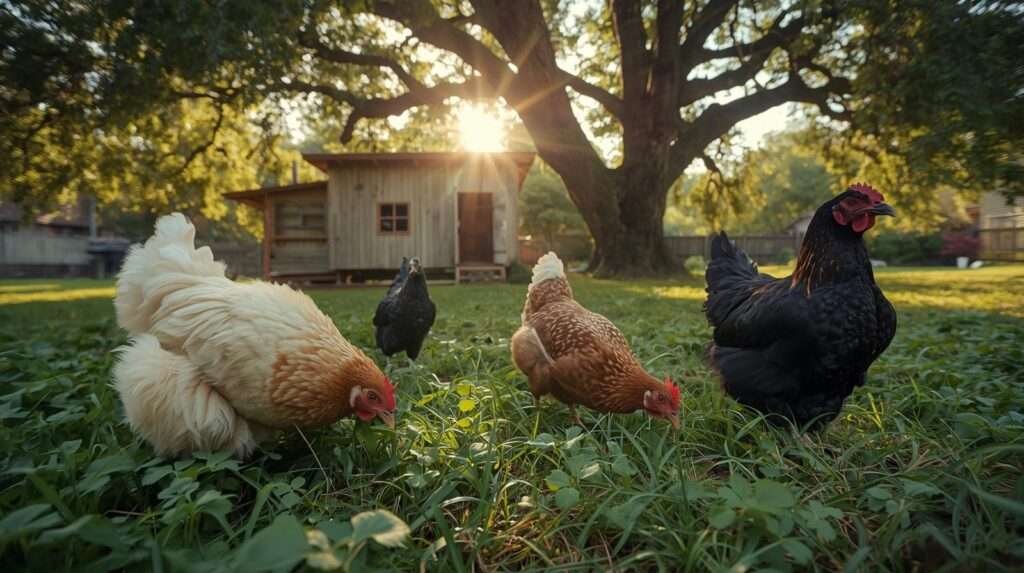
Opening a poultry hatchery catalog for the first time is a mesmerizing experience, but it quickly becomes an overwhelming exercise in decision paralysis. With hundreds of varieties boasting vibrant plumage, exotic crests, and promises of endless eggs, it is remarkably easy for a novice keeper to make a choice based purely on aesthetics—only to end up with a high-strung, aggressive, or fragile flock. Your introduction to poultry keeping should be an absolute joy, not a stressful daily chore filled with flighty birds that panic when you enter the run. Achieving a peaceful homestead starts with selection; by focusing on established beginner-friendly chicken breeds, you ensure your first flock consists of calm, hardy hens that integrate seamlessly into your backyard lifestyle.
As a subject matter expert who has spent years managing diverse flocks and consulting on small-scale poultry husbandry, I cannot emphasize enough that genetics dictate your daily experience. A well-chosen breed acts as a buffer against common novice mistakes, exhibiting the resilience to handle climate fluctuations and the steady temperament to remain docile around children and pets. This comprehensive guide cuts through the marketing fluff of commercial hatcheries to deliver an honest, skyscraper-level breakdown of the finest starter chickens available today.
1. The Anatomy of a Perfect Starter Hen: What Makes a Breed “Beginner-Friendly”?
Before evaluating specific birds, we must establish a clear framework for what makes a chicken suitable for a newcomer. An ideal starter hen isn’t just an egg machine; she is a structurally sound, behaviorally stable animal that requires minimal troubleshooting.
Temperament and “Petability” In poultry science, temperament ranges along a spectrum from “flighty” to “docile.” Flighty breeds (often Mediterranean in origin) view humans as apex predators; they scream, flutter violently, and can easily injure themselves trying to escape an enclosed run. Conversely, a beginner-friendly breed possesses a naturally low-reactive nervous system. These are the “lap chickens”—birds that naturally exhibit curiosity toward humans, accept gentle handling, and can be safely managed by young children without inducing flock-wide panic.
Hardiness and Climate Tolerance A major hurdle for new keepers is navigating seasonal weather extremes. “Hardiness” refers to a bird’s genetic capacity to thrive without specialized environmental controls.
-
Cold Hardiness: Look for heavy-bodied birds with dense under-down and compact comb types (such as pea, rose, or cushion combs). Large single combs are highly susceptible to frostbite in Northern winters, which can cause severe pain and a sudden drop in egg production.
-
Heat Tolerance: In contrast, hot and humid Southern climates require birds with slightly sleeker frames and well-developed wattles that allow for efficient heat dissipation. A true beginner breed often strikes a dual-purpose balance, carrying enough body mass to endure cold winters while retaining the structural efficiency to handle summer heat waves.
Egg-Laying Consistency While commercial hybrid strains (like ISA Browns) lay phenomenal amounts of eggs in their first 18 months, their intensive metabolic output often leads to early reproductive cancers, prolapses, and sudden death. For a beginner, a heritage breed that offers steady, dependable laying (3 to 5 eggs per week) over a 3-to-5-year lifespan provides a much more sustainable and emotionally rewarding experience.
Foraging vs. Confinement Adaptability Some chickens are built for the open range and will develop destructive behavioral vices—such as feather picking, egg eating, and bullying—if confined to a standard suburban run. The finest beginner-friendly choices are versatile; they appreciate foraging on a lawn but remain perfectly content, calm, and socially harmonious when kept within the secure boundaries of a backyard enclosure.
2. The Top 5 Heavyweights: Ultimate Breeds for First-Time Keepers
These five breeds represent the gold standard of backyard poultry. They have earned their reputation through decades of consistent performance across North American homesteads.
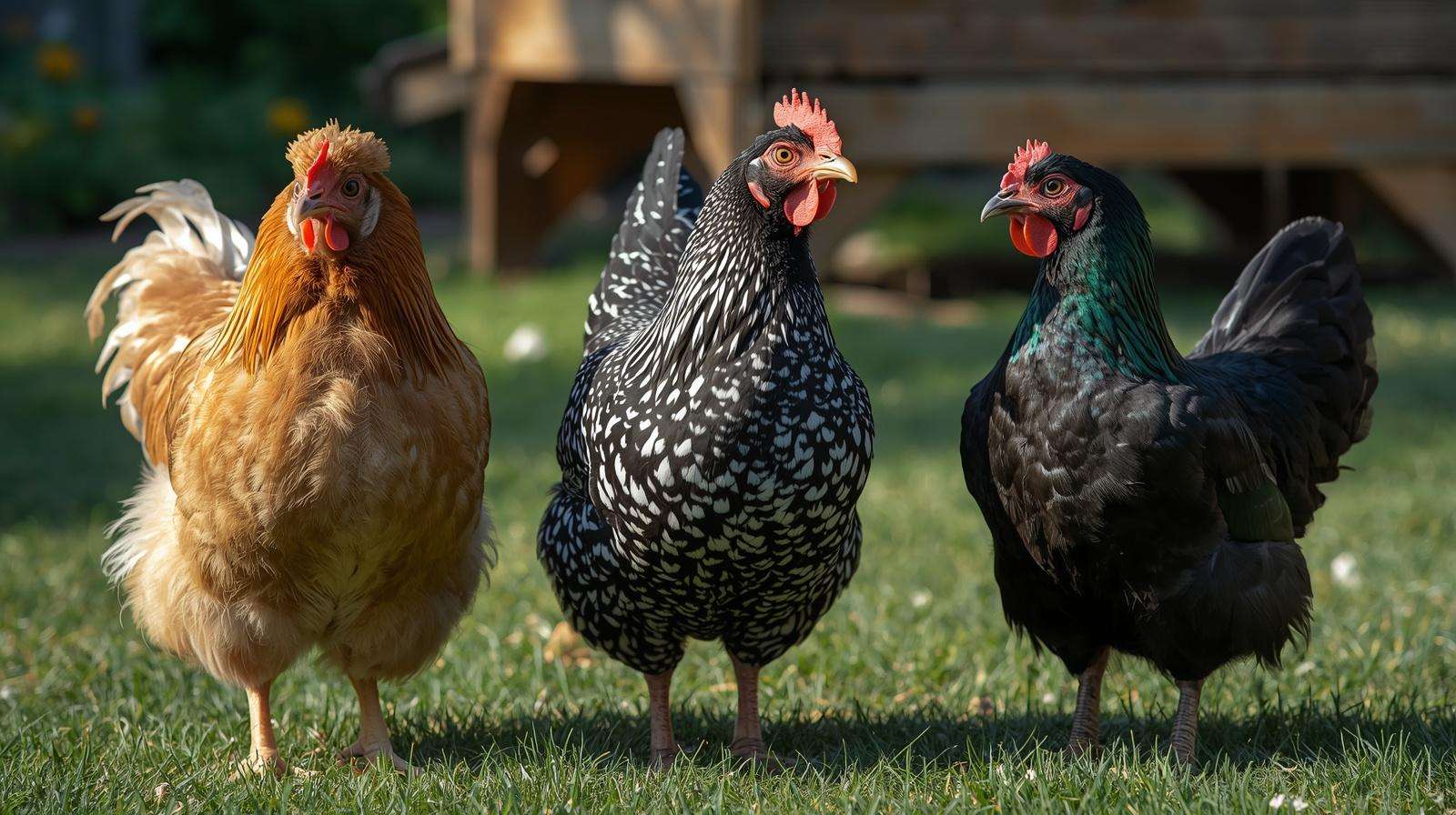
The Buff Orpington: The Golden Retriever of the Chicken World
Originating from England, the Buff Orpington is the quintessential backyard hen. Their massive, heavily feathered appearance makes them look like walking golden pillows, and their personality perfectly matches their soft exterior.
-
Temperament: Incredibly docile, patient, and prone to following their keepers around the yard in search of treats. They are an absolute favorite for families with toddlers.
-
Production: Reliable producers of large, light-brown eggs, averaging roughly 200 to 240 eggs per year.
-
Climate Resilience: Their thick layers of fluff make them exceptionally cold-hardy, though they do require ample shade and fresh water during intense summer heat waves.
The Plymouth Rock (Barred Rock): The Dependable Homestead Standard
The Barred Plymouth Rock is an American heritage icon. Characterized by their striking black-and-white striped plumage, these birds are the bedrock of reliable backyard performance.
-
Temperament: Steady, calm, and level-headed. They are not easily startled and display an independent yet friendly attitude toward humans.
-
Production: Excellent layers of large, rich brown eggs, consistently yielding 250+ eggs annually.
-
Climate Resilience: Possessing a robust dual-purpose frame, they transition through bitter winter freezes and humid summers with absolute ease, rarely showing signs of environmental stress.
The Australorp: The World-Record Layer
Developed in Australia from Black Orpington stock, the Australorp holds the legendary world record for egg production. Beneath their beetle-green, iridescent black feathers lies an exceptionally efficient and gentle animal.
-
Temperament: Sweet, quiet, and slightly more reserved than the Orpington, but incredibly trusting once acclimated to a routine.
-
Production: High-volume performers, easily averaging 250 to 300 large brown eggs per year without the health complications common to commercial hybrids.
-
Climate Resilience: Due to their Australian heritage, they handle heat better than heavy British breeds, while their dense body mass protects them from sub-zero winter temperatures.
The Rhode Island Red (Heritage Strains): Powerhouse Production
A word of caution is necessary here: commercial “production reds” can sometimes be assertive, but true heritage Rhode Island Reds are magnificent additions to a starter flock.
-
Temperament: Highly active, curious, and expressive. They are full of personality and are excellent at asserting themselves in a mixed flock without becoming outright bullies.
-
Production: Legendary brown egg layers, providing up to 280 eggs per year.
-
Climate Resilience: Virtually bulletproof. They are highly resistant to disease and adapt flawlessly to almost any climate or housing configuration.
The Sussex (Speckled or Light Varieties): The Curious Companion
The Sussex is a historic dual-purpose breed that thrives on human interaction. The Speckled Sussex, with its deep mahogany feathers tipped in white and black, doubles as living yard art.
-
Temperament: Intensely curious and alert. A Sussex is always the first to investigate a new tool, a freshly dug garden bed, or an open coop door. They are non-aggressive and form tight bonds with their caregivers.
-
Production: Steady and dependable, providing 200 to 240 tinted or cream-colored eggs annually, frequently laying straight through the winter months.
-
Climate Resilience: Highly adaptable, cold-hardy, and excellent at foraging, which helps reduce overall feed bills.
3. Adding Splash and Color: Beginner-Friendly “Specialty” Breeds
While the heavyweights provide the structural foundation of a flock, many new keepers desire visual variety and unique egg colors. You do not have to sacrifice a calm temperament to achieve a beautiful egg basket.
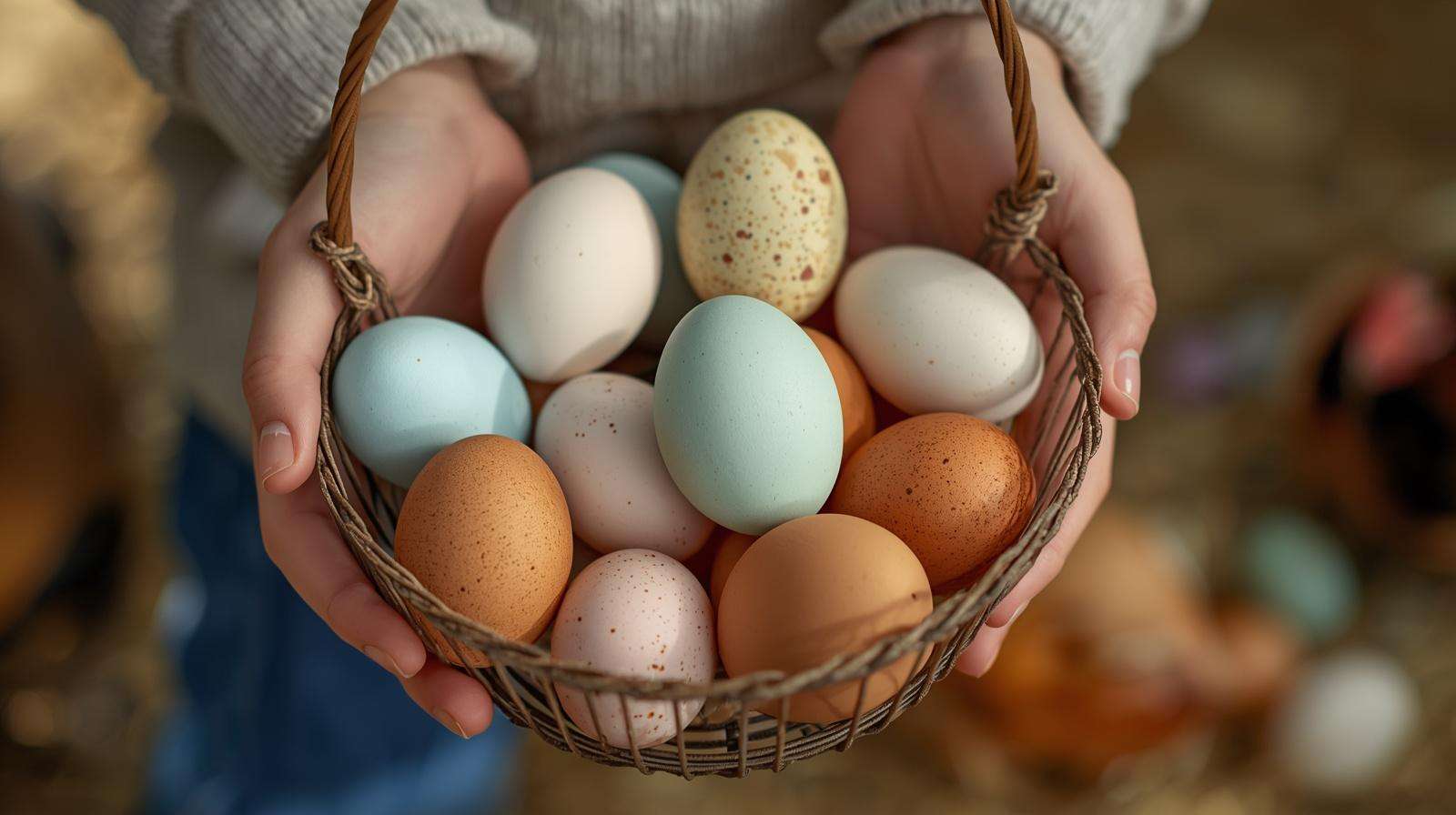
The Easter Egger: The Rainbow Basket Starter
Easter Eggers are not a standardized breed but rather a popular hybrid cross involving Ameraucana or Araucana genetics. They are an exceptional choice for beginners who want unique egg colors without the demanding care requirements of delicate heritage lines.
-
Temperament: Delightfully quirky, gentle, and highly animated. They often feature comical cheek muffs and beards that give them an expressive, owl-like appearance.
-
Production: Steady producers of medium-to-large eggs that can range from pale blue and aqua to sage green and light pink, averaging about 200 to 240 eggs per year.
-
Climate Resilience: Thanks to their hybrid vigor, they possess excellent overall health and disease resistance. Their tiny pea combs make them virtually immune to winter frostbite.
The Wyandotte (Laced Varieties): Stunning Plumage Meets Heavy Cold-Hardiness
Wyandottes are heavily rounded American birds famous for their intricate “laced” feather patterns, particularly the Silver Laced and Golden Laced varieties.
-
Temperament: Independent, calm, and highly organized. While they may not always be “lap chickens” that beg to be picked up, they are non-aggressive, predictable, and maintain great social order within a mixed-breed run.
-
Production: Reliable winter layers that provide around 200 large, tan-to-brown eggs annually.
-
Climate Resilience: They feature a thick, heavy body shape and a compact rose comb, making them one of the most structurally secure choices for northern homesteads facing extreme winter blizzards.
4. Breed Pitfalls: Popular Chickens Beginners Should Avoid
Navigating hatchery websites can lead to common traps where an appealing description masks a bird that requires advanced husbandry skills.
The Leghorn Myth
Commercial White Leghorns are celebrated for their staggering egg production numbers. However, their nervous systems are highly reactive. They are intensely flighty, prone to clearing six-foot fences, and can easily hurt themselves or stress out the rest of your flock if they perceive a threat. For a peaceful backyard experience, avoid high-strung Mediterranean breeds in your first year.
The Silkie and Polish Dilemma
Silkies look like living cotton balls and Polish chickens sport spectacular, rock-star crests. While incredibly cute, their specialized feathers require extra care. Silkies have unique hair-like feathers that lack barbs, meaning they are not waterproof; if they get caught in a cold rain, they can easily develop hypothermia. Polish chickens have large, visual-blocking crests that make them easy targets for predators and prone to startled pecking behaviors. Save these beautiful novelty birds until you have mastered basic poultry management.
5. Regional Guide: Matching Breeds to US Climates
Choosing a chicken that matches your local environment makes daily management much simpler and reduces the need for expensive coop modifications.
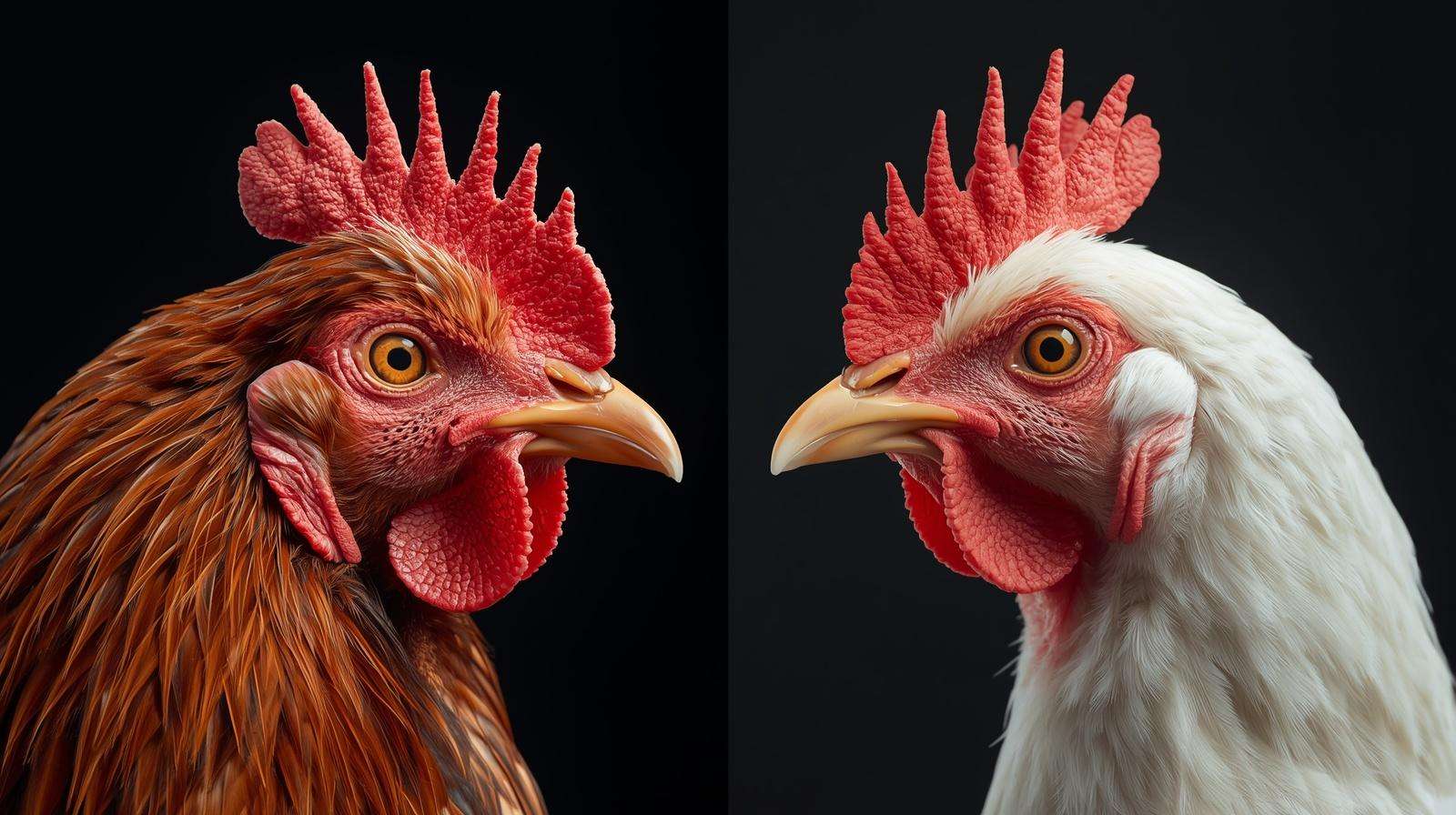
Northern States (Deep Freeze and Heavy Snow)
In areas like New England, the Midwest, or the Pacific Northwest, your biggest threat is winter frostbite on large combs. Prioritize heavy-bodied birds with compact rose, pea, or cushion combs. Wyandottes, Orpingtons, and Australorps excel here, as their body mass helps them retain core heat easily during long winter nights.
Southern States (Intense Heat and Humidity)
In locations like Texas, Florida, or the Southwest, heat exhaustion is a serious risk. Prioritize breeds with sleeker frames or those known to handle heat well. Australorps, Easter Eggers, and Plymouth Rocks adapt beautifully to summer heat, provided they have deep shade, proper coop ventilation, and access to cool, fresh water.
6. Sourcing Your First Flock: Hatcheries vs. Local Breeders
Where you buy your chicks is just as important as the breed you choose.
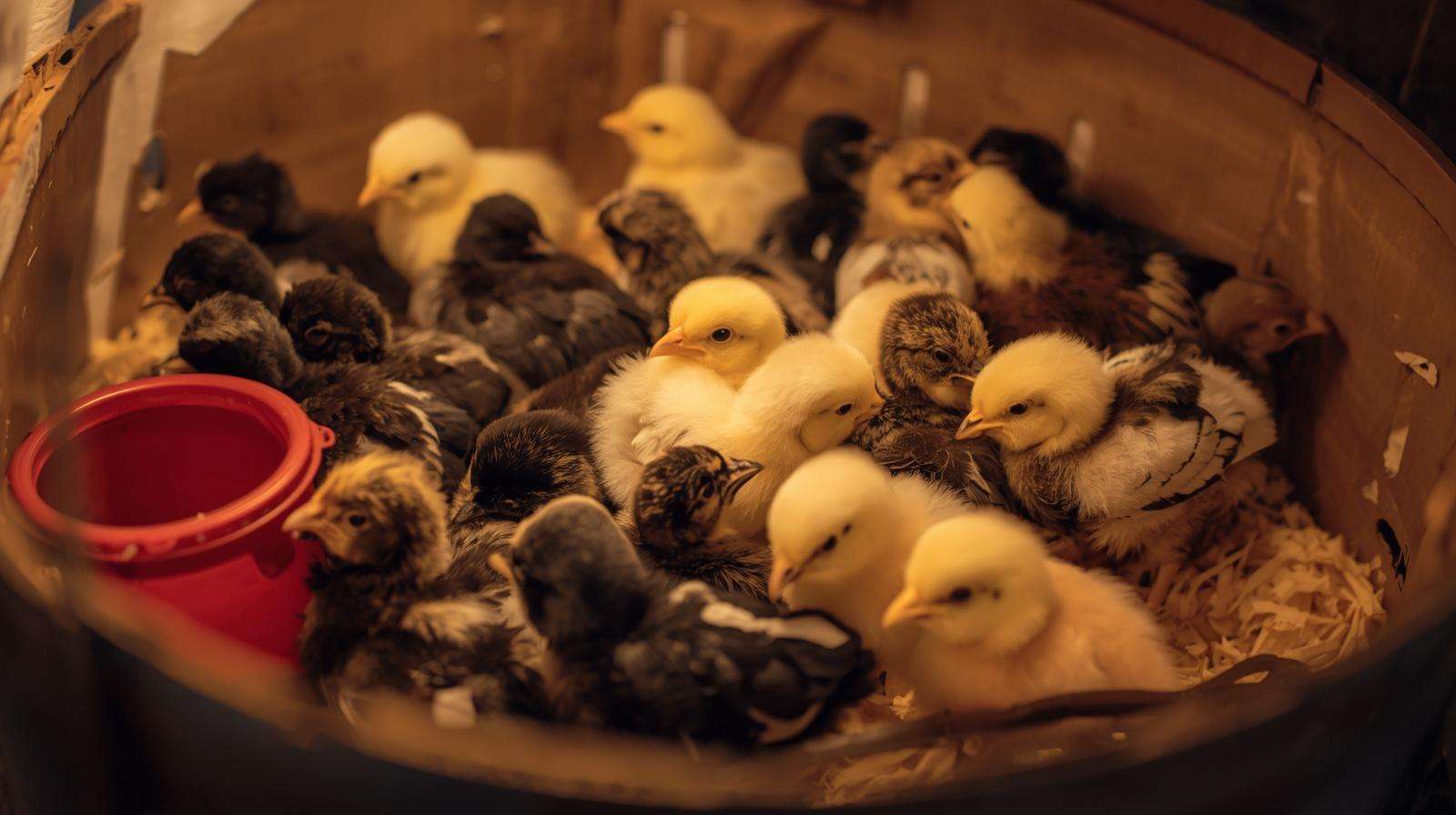
The Sexing Guarantee
For beginners, it is highly recommended to purchase “sexed pullets” (female chicks) from an established commercial hatchery rather than a “straight run” (unsexed mix) from a local farm. Reputable hatcheries generally offer a 90% to 95% sexing accuracy guarantee. This prevents the emotional stress and zoning law complications of accidentally raising a loud, aggressive rooster in a suburban neighborhood.
Biosecurity and NPIP Certification
Always ensure your source is certified under the National Poultry Improvement Plan (NPIP). This certification guarantees that the breeding stock has been strictly tested and cleared of devastating, egg-transmitted diseases like Salmonella pullorum and Avian Influenza, protecting your investment and your family’s health from day one.
7. Comparative Breakdown Matrix
To help you make an informed decision at a glance, this matrix organizes the top beginner choices based on key performance and management metrics.
| Breed Name | Annual Egg Count | Temperament | Cold Hardiness | Heat Tolerance |
| Buff Orpington | 200 – 240 | Exceptionally Docile | Excellent | Moderate |
| Plymouth Rock | 250+ | Calm & Steady | Excellent | High |
| Australorp | 250 – 300 | Gentle & Trusting | Excellent | Excellent |
| Rhode Island Red | 250 – 280 | Active & Assertive | Excellent | High |
| Speckled Sussex | 200 – 240 | Highly Curious | Excellent | High |
| Easter Egger | 200 – 240 | Quirky & Friendly | Excellent | High |
| Wyandotte | 200+ | Independent | Superior | Moderate |
8. Frequently Asked Questions (FAQ)
How many chickens should a beginner start with?
A starting flock of 3 to 5 chickens is ideal. Chickens are social flock animals and should never be kept alone; a group of three provides a stable social structure while keeping feed costs, cleaning labor, and egg production manageable for a beginner.
Do I need a rooster to get eggs from these breeds?
No. Hens will lay eggs naturally according to their internal biological cycles regardless of whether a rooster is present. Roosters are only necessary if you intend to hatch and breed fertilized eggs to expand your flock.
Which beginner breed is the quietest for suburban neighborhoods?
The Buff Orpington and the Australorp are generally the quietest breeds. They have calm, soft vocalizations and rarely engage in the loud, high-pitched panicky cackling common to more excitable, flighty breeds.
At what age will these beginner-friendly breeds start laying eggs?
Most standard heritage breeds begin laying eggs between 18 and 24 weeks of age. Egg production is triggered by maturity and daily daylight hours, so chicks raised in the spring will usually lay their first eggs by late summer or early autumn.
9. Conclusion: Your Journey Starts with the Right Hen
Setting up your first backyard coop is a major milestone on the path to self-sufficiency and sustainable living. By bypassing high-strung, delicate breeds and choosing from verified beginner-friendly chicken breeds, you set yourself up for a rewarding experience.
Starting with calm, hardy hens allows you to learn the ropes of poultry management—such as balancing nutrition, maintaining coop hygiene, and mastering biosecurity—without having to manage difficult behavioral issues at the same time. The perfect flock is out there waiting for you; select for health and temperament, and enjoy the daily reward of fresh farm eggs right in your own backyard.