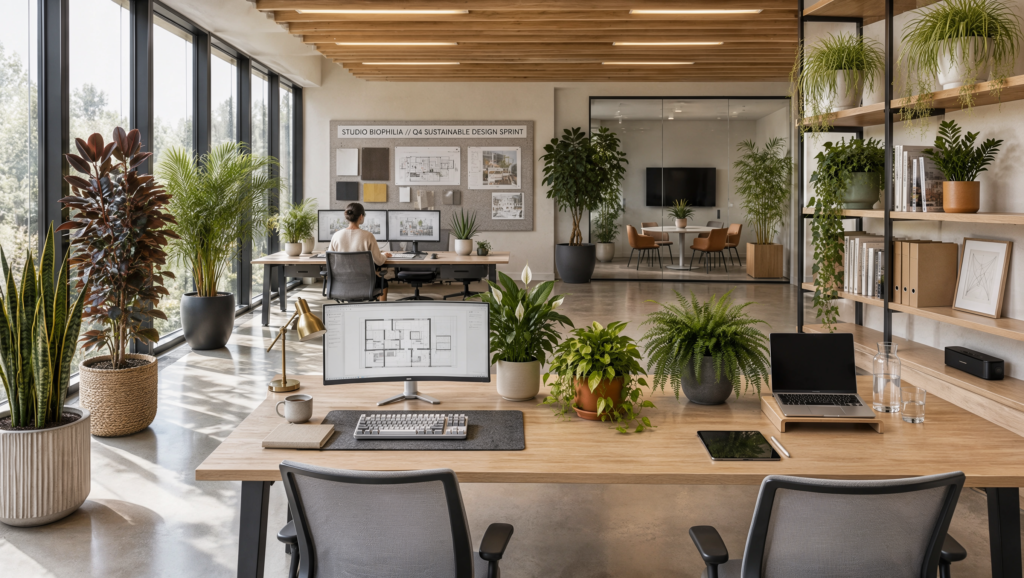
If your home feels stuffy, your desk looks lifeless, or you want an easy way to make a room feel fresher and more inviting, air filtering plants are one of the simplest upgrades you can make. The right houseplant adds color, texture, and a calming natural element—but choosing the wrong one can lead to drooping leaves, pest problems, or a plant that quickly outgrows your space.
This guide covers the best 10 air filtering plants for real homes: low-light bedrooms, bright living rooms, humid bathrooms, pet-friendly households, offices, and beginner-friendly setups. We focus on plants that are widely available on Amazon, highly rated by buyers, easy to care for, and suitable for everyday indoor spaces.
Important: Houseplants can complement good ventilation, but they are not a substitute for opening windows, controlling moisture, cleaning regularly, or using a HEPA air purifier when needed. Research on plants and indoor air quality is often based on sealed chambers, which do not fully reflect conditions in an occupied home.
At a Glance: Our Top Picks
| Plant | Best for | Approx. price |
|---|---|---|
| Costa Farms Snake Plant | Best overall for low light and beginners | $25–$36 amazon+1 |
| Costa Farms Golden Pothos | Best trailing plant for shelves and offices | $20–$23 amazon+1 |
| Costa Farms Peace Lily | Best flowering air filtering plant | $27–$37 amazon+1 |
| Spider Plant | Best pet-friendly plant | $15–$30 |
| Rubber Plant | Best large statement plant | $25–$45 |
| Boston Fern | Best for humid bathrooms | $15–$30 |
| English Ivy | Best trailing plant for bright rooms | $15–$30 |
| Aloe Vera | Best for sunny windowsills | $10–$25 |
| Areca Palm | Best large pet-friendly plant | $25–$50 |
| Costa Farms ZZ Plant | Best nearly indestructible office plant | About $50 amazon |
Do Air Filtering Plants Really Work?
The phrase “air filtering plant” comes from research showing that certain houseplants and the microbes in their soil can absorb or break down airborne chemicals in controlled environments. Commonly studied pollutants include formaldehyde, benzene, and other volatile organic compounds, or VOCs.
However, it is important to keep expectations realistic. A single plant in a living room will not turn a poorly ventilated space into a purified-air environment. Plants are best viewed as a supportive part of a healthier indoor routine, alongside fresh air, reduced chemical use, regular dusting, and source control.
What plants can reliably do is improve how a room feels: they add living greenery, soften hard interiors, and make spaces feel more intentional and calming. For many buyers, that combination of beauty, low-cost décor, and potential air-quality support is exactly why air filtering plants remain popular.
How We Selected the Best 10
We prioritized plants that solve practical buying problems rather than simply listing every plant with an “air purifying” label.
-
Amazon availability and popularity: We favored plants with active listings, strong sales signals, and substantial review counts.
-
Customer satisfaction: We reviewed ratings and recurring feedback about plant health, packaging, size, and ease of care.
-
Ease of care: The list includes forgiving plants for beginners, plus a few options for readers who enjoy more hands-on plant care.
-
Air-filtering reputation: We prioritized species commonly associated with indoor air-quality research and plant-care guides.
-
Room suitability: We included options for bedrooms, bathrooms, offices, bright windows, and larger living spaces.
-
Pet safety: We clearly flag toxic plants and include safer choices for households with cats or dogs.
-
Value: We considered plant size, included pot, number of plants, and overall price.
Quick Comparison
| Plant | Best for | Approx. price |
|---|---|---|
| Snake plant | Low light, bedrooms, beginners | $25–$36 amazon+1 |
| Golden pothos | Shelves, offices, trailing décor | $20–$23 amazon+1 |
| Peace lily | Flowering plant for living rooms | $27–$37 amazon+1 |
| Spider plant | Pet-friendly homes | $15–$30 |
| Rubber plant | Large statement plant | $25–$45 |
| Boston fern | Humid bathrooms | $15–$30 |
| English ivy | Bright rooms and trailing displays | $15–$30 |
| Aloe vera | Sunny windowsills | $10–$25 |
| Areca palm | Large pet-friendly spaces | $25–$50 |
| ZZ plant | Offices and very low light | About $50 amazon |
1. Costa Farms Snake Plant — Best Overall for Low Light
The Costa Farms Snake Plant is our best overall pick because it solves the most common houseplant problem: keeping a plant alive in a home with imperfect light and an unpredictable watering schedule. Its upright, sword-like leaves make it look polished in almost any room, from a dim bedroom corner to an office desk or entryway.
This plant is especially appealing if you want greenery without turning plant care into a second job. Snake plants tolerate low light better than most popular houseplants, need very little water, and can handle occasional neglect. Costa Farms describes its snake plant as “nearly indestructible,” which is broadly consistent with its reputation among beginner gardeners.amazon+1
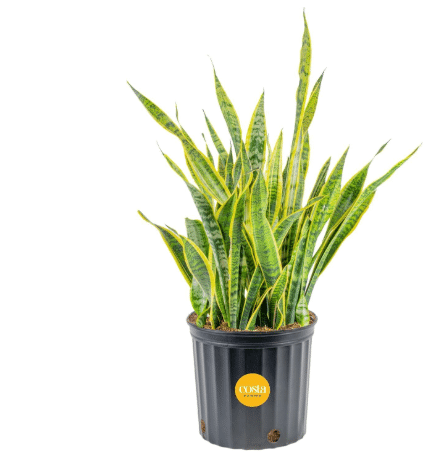
Price: The 6-inch Costa Farms snake plant is listed around $25.23, while larger decorative-planter versions are commonly around $36.amazon+1
Key features and benefits
-
Thrives in low to bright indirect light.
-
Requires infrequent watering, making it ideal for busy households.
-
Upright growth habit fits narrow corners, bedrooms, and offices.
-
Available in multiple sizes, from small desk plants to taller floor plants.
-
Low-maintenance and highly forgiving of missed waterings.
-
Adds a modern, architectural look without taking up much floor space.
Pros
-
One of the easiest houseplants to keep alive.
-
Excellent for bedrooms and low-light rooms.
-
Compact footprint for its visual impact.
-
Strong Amazon availability and large review base.
-
Works well as a gift for new plant owners.
Cons
-
Toxic to cats and dogs if eaten.
-
Grows slowly, so it will not fill a large space quickly.
-
Some buyers receive plants smaller than expected.
-
Overwatering is more dangerous than underwatering.
Amazon customer ratings and reviews: The Costa Farms snake plant has a 4.2/5 rating from more than 17,700 customer reviews in Amazon listings, with larger decorative versions showing similarly strong review volume. Buyers frequently praise its resilience, attractive appearance, and low-maintenance nature. Common complaints involve shipping stress, size expectations, and occasional damaged leaves during delivery.amazon+2
Why it’s a good choice: It offers the best balance of durability, style, availability, and beginner-friendly care. If you want one plant that is likely to survive your first year of plant ownership, this is it.
Ideal use case: Buy the snake plant if you have a dim bedroom, office, hallway, or living-room corner and want a low-maintenance plant that looks intentional without demanding daily attention.
2. Costa Farms Golden Pothos — Best Trailing Plant for Shelves and Offices
The Costa Farms Golden Pothos is the best air filtering plant for readers who want fast, visible growth and flexible placement. Its heart-shaped leaves and trailing vines make it ideal for bookcases, floating shelves, desks, hanging planters, and small apartments where floor space is limited.
Pothos is one of the easiest vining houseplants to grow. It tolerates a wide range of indoor light conditions, bounces back from occasional missed waterings, and can be trimmed and propagated easily in water. That makes it an excellent first plant for anyone who wants to learn basic care without risking an expensive or delicate purchase.
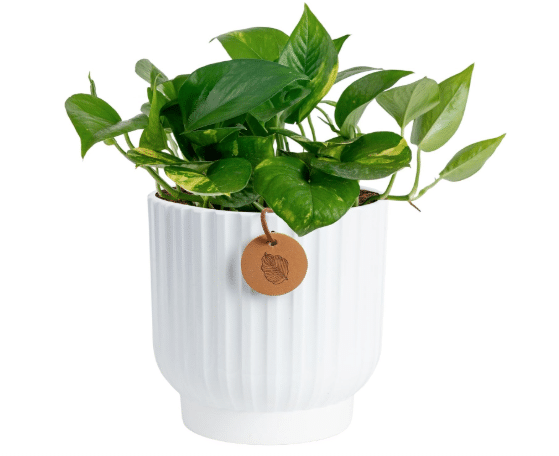
Price: A single Costa Farms golden pothos is listed around $19.97, while a two-pack is around $19.49, or about $9.75 per plant.amazon+1
Key features and benefits
-
Fast-growing trailing vine.
-
Tolerates low to bright indirect light.
-
Easy to propagate from cuttings.
-
Works in hanging baskets, shelves, desks, and windowsills.
-
Affordable, especially in multi-pack listings.
-
Adds lush greenery without requiring much floor space.
Pros
-
Excellent value, particularly in two-packs.
-
Very easy to grow and propagate.
-
Attractive trailing habit.
-
Suitable for offices, dorms, and small apartments.
-
Widely available and highly rated.
Cons
-
Toxic to pets if ingested.
-
Can become leggy in very low light.
-
Needs occasional pruning to stay tidy.
-
Vines may tangle or grow unevenly without guidance.
Amazon customer ratings and reviews: The single Costa Farms golden pothos has a 4.5/5 rating from more than 3,800 reviews, while the two-pack has a 4.2/5 rating from more than 1,800 reviews. Buyers commonly highlight healthy arrival, attractive foliage, and easy care. Some negative reviews mention shipping damage or receiving a smaller plant than anticipated.amazon+2
Why it’s a good choice: Pothos delivers the most visual growth for the money. It is especially strong if you want a plant that visibly changes and fills out over time.
Ideal use case: Choose golden pothos if you want to decorate a bookshelf, desk, or hanging planter, or if you are starting with houseplants and want a forgiving, inexpensive option.
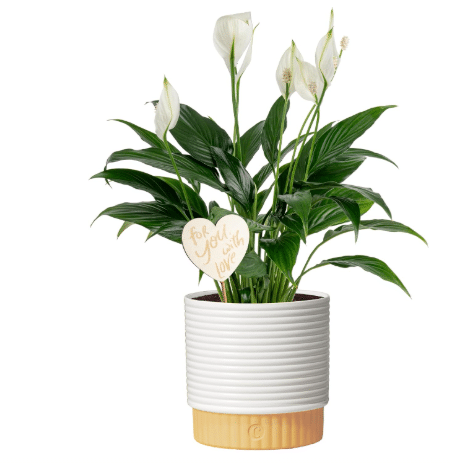
3. Costa Farms Peace Lily — Best Flowering Air Filtering Plant
The Costa Farms Peace Lily is the best choice if you want more than foliage. Its glossy dark-green leaves and white spathe flowers give it a more traditional, elegant look, making it a strong option for living rooms, bedrooms, entryways, and gift-giving.
Peace lilies are forgiving plants, but they communicate clearly. When they need water, their leaves often droop noticeably; after watering, they usually recover within hours. That makes them easier for beginners to read than plants that quietly decline before showing obvious stress.
Price: The 6-inch Costa Farms peace lily is listed around $27.71, while larger versions can cost closer to $37 or more.amazon+2
Key features and benefits
-
Produces white flowers under suitable indoor conditions.
-
Tolerates low to medium indirect light.
-
Drooping leaves provide a clear watering signal.
-
Glossy foliage adds a polished, classic look.
-
Popular as a housewarming, sympathy, or get-well gift.
-
Available in several sizes and pot styles.
Pros
-
One of the few common air filtering plants that flowers indoors.
-
Attractive enough to serve as a focal point.
-
Clear visual cues for watering.
-
Strong Amazon review volume.
-
Suitable for lower-light rooms than many flowering plants.
Cons
-
Toxic to cats, dogs, and children if ingested.
-
Sensitive to overwatering and poor drainage.
-
Flowers may be less frequent in low light.
-
Some plants arrive with blooms that fade quickly.
Amazon customer ratings and reviews: The Costa Farms peace lily in a 6-inch pot has a 4.1/5 rating from about 3,900 reviews, and other Costa Farms peace lily listings show ratings around 4.2/5 to 4.3/5 with thousands of reviews. Positive reviews often mention healthy plants, attractive blooms, and careful packaging. Critical reviews more often mention transit damage, smaller-than-expected size, or blooms fading soon after arrival.amazon+2
Why it’s a good choice: If you want an air filtering plant that looks like a traditional flowering houseplant rather than a purely green foliage plant, the peace lily is the strongest mainstream option.
Ideal use case: Buy a peace lily if you want a plant for a living room, bedroom, or gift recipient, and you are comfortable keeping the soil lightly moist rather than letting it dry out completely.
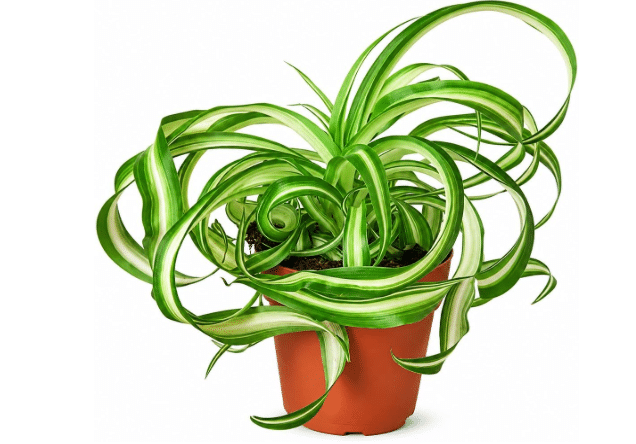
4. Spider Plant — Best Pet-Friendly Option
The spider plant is the best air filtering plant for households with cats or dogs. Unlike snake plants, pothos, peace lilies, rubber plants, and aloe vera, spider plants are generally considered non-toxic to cats and dogs, making them a safer choice for curious pets.
Its long, arching leaves and baby plantlets—often called “spiderettes”—give it a playful, full appearance. It works especially well on a high shelf, in a hanging basket, or on a plant stand where its foliage can cascade naturally.
Price: Expect roughly $15–$30, depending on plant size, whether it includes plantlets, and whether it comes in a decorative pot.
Key features and benefits
-
Generally considered pet-friendly.
-
Produces baby plantlets that can be propagated.
-
Adaptable to medium and bright indirect light.
-
Attractive arching foliage.
-
Works well in hanging planters and on shelves.
-
Relatively easy to care for once established.
Pros
-
Safer choice for pet households.
-
Easy to propagate from plantlets.
-
Attractive, full, cascading growth.
-
Good for bedrooms and living rooms.
-
Usually affordable.
Cons
-
Needs brighter light than a snake plant or ZZ plant.
-
Brown leaf tips can occur with hard tap water or inconsistent watering.
-
Can look sparse when young.
-
Requires more frequent watering than drought-tolerant plants.
Amazon customer ratings and reviews: Ratings vary substantially by seller and listing, so check the specific product page before purchasing. Look for listings with recent photos, clear size information, and reviews mentioning healthy arrival and strong root development.
Why it’s a good choice: It is the best balance of pet safety, visual appeal, and manageable care for most homes.
Ideal use case: Choose a spider plant if you have pets, want a plant for a bright bedroom or living room, or enjoy propagating new plants from baby spiderettes.
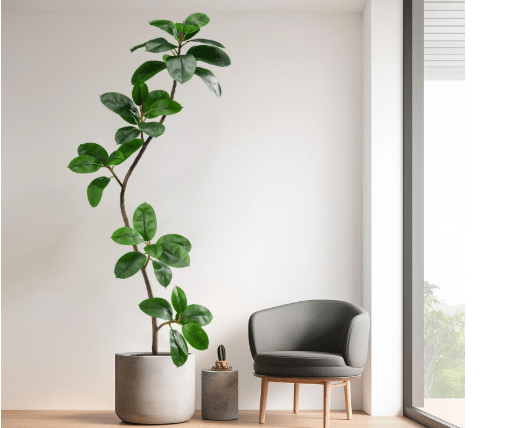
5. Rubber Plant — Best Large Statement Plant
The rubber plant is the best air filtering plant for readers who want a bold, design-forward houseplant. Its large, glossy leaves create immediate visual impact, and a healthy specimen can make an empty corner look intentionally styled rather than unfinished.
Unlike trailing plants, the rubber plant grows upward and develops a strong vertical presence. It is particularly effective beside a sofa, near a bright window, or in a large entryway where a small desk plant would look lost.
Price: Expect roughly $25–$45, with price driven mainly by plant height and whether it includes a decorative planter.
Key features and benefits
-
Large, glossy leaves create a premium look.
-
Upright growth makes it ideal for empty corners.
-
Tolerates medium to bright indirect light.
-
Long-lived with proper care.
-
Available in green, burgundy, and variegated varieties.
-
Adds height without requiring a climbing structure.
Pros
-
Strong visual impact.
-
Relatively easy to maintain once established.
-
Works well in modern and minimalist interiors.
-
Can grow into an impressive floor plant.
-
Requires less frequent watering than ferns.
Cons
-
Toxic to pets if ingested.
-
Can become large over time.
-
Sap may irritate skin, so wear gloves when pruning.
-
Dislikes sudden temperature changes and cold drafts.
Amazon customer ratings and reviews: Ratings vary by seller and plant size. Prioritize listings with detailed height information, recent customer photos, and reviews that specifically mention healthy arrival and sturdy stems.
Why it’s a good choice: It is the best option if you want one larger plant to anchor a room rather than several small plants scattered around it.
Ideal use case: Buy a rubber plant if you have a bright living room, entryway, or home office and want a sophisticated, low-clutter statement plant.
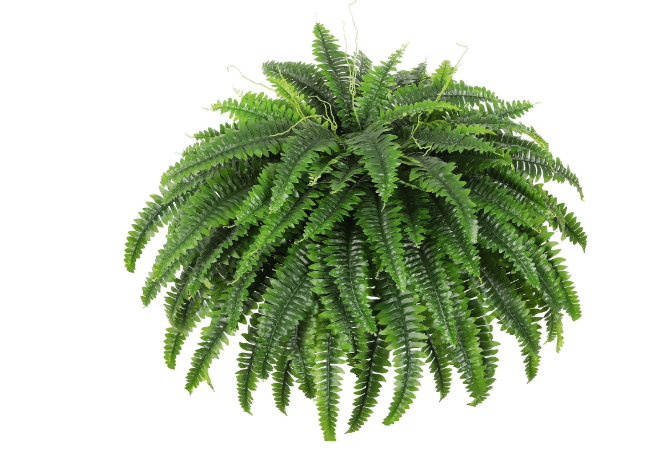
6. Boston Fern — Best for Humid Bathrooms
The Boston fern is the best air filtering plant for humid bathrooms, kitchens, and other spaces where moisture is naturally higher. Its soft, feathery fronds create a lush, classic look that contrasts nicely with tile, mirrors, and modern fixtures.
This is not the best plant for a forgetful waterer. Boston ferns prefer consistently moist soil and benefit from humidity, so they thrive when placed near a bright bathroom window or in a kitchen with regular steam from cooking.
Price: Expect roughly $15–$30, depending on size and whether it is sold in a hanging basket.
Key features and benefits
-
Lush, feathery foliage.
-
Thrives in humid environments.
-
Pet-friendly.
-
Excellent for hanging baskets and shelves.
-
Adds softness and texture to bathrooms and kitchens.
-
Can be divided as it matures.
Pros
-
Beautiful, full appearance.
-
Safe around cats and dogs.
-
Great for humid rooms.
-
Adds a classic, cozy look.
-
Can be propagated by division.
Cons
-
Needs consistent moisture.
-
Sheds fronds when too dry.
-
Not ideal for dry, heated rooms.
-
Requires brighter indirect light than many beginners expect.
Amazon customer ratings and reviews: Check the individual seller’s rating and recent review photos before ordering. Ferns are more sensitive to shipping conditions than snake plants or pothos, so recent delivery feedback matters.
Why it’s a good choice: If your bathroom has a window and decent humidity, the Boston fern is one of the most attractive plants you can add.
Ideal use case: Choose a Boston fern if you have a bright, humid bathroom or kitchen and want a lush, pet-safe plant with a softer look.
7. English Ivy — Best Trailing Plant for Cool, Bright Rooms
English ivy is a classic trailing plant with dense, lobed leaves and a traditional look. It is a good option for shelves, mantels, window ledges, and hanging planters, especially in cooler rooms with steady indirect light.
English ivy can look beautiful when properly maintained, but it is more particular than pothos. It prefers cooler temperatures, good airflow, and consistent moisture. In dry indoor air, it can attract spider mites, so it is best for readers who are willing to monitor their plant occasionally.
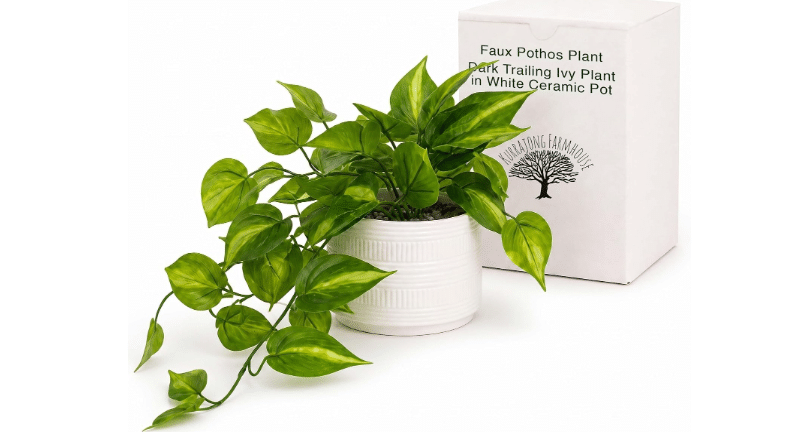
Price: Expect roughly $15–$30, depending on pot size and whether the plant is already trailing.
Key features and benefits
-
Dense, trailing growth.
-
Attractive lobed leaves.
-
Works well in hanging baskets and on shelves.
-
Can be pruned to control shape and size.
-
Available in solid-green and variegated varieties.
-
Adds a traditional, cottage-style look.
Pros
-
Attractive trailing form.
-
Easy to shape with pruning.
-
Works well in cooler rooms.
-
Good for shelves and mantels.
-
Can create a lush, layered look.
Cons
-
Toxic to pets if ingested.
-
Prone to spider mites in dry air.
-
Needs consistent care.
-
Can become invasive outdoors, so do not plant it outside in suitable climates.
Amazon customer ratings and reviews: Review quality varies significantly by seller. Choose a listing with clear photos, recent reviews, and specific information about plant size and condition on arrival.
Why it’s a good choice: English ivy is ideal for readers who want a more traditional trailing plant and are willing to provide steady care.
Ideal use case: Buy English ivy if you have a cool, bright room and want a cascading plant for a shelf, mantel, or hanging planter.
8. Aloe Vera — Best for Sunny Windowsills
Aloe vera is the best air filtering plant for sunny windowsills, kitchens, and bright, dry rooms. Its thick, sculptural leaves give it a clean, modern look, and it requires far less water than most leafy houseplants.
Aloe is a succulent, which means it stores water in its leaves. That makes it highly tolerant of missed waterings, but it also means overwatering is its biggest risk. Use a fast-draining cactus or succulent mix and a pot with drainage holes.
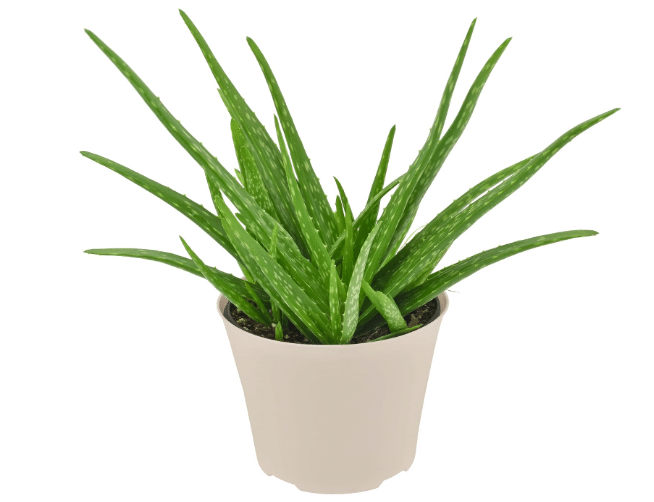
Price: Expect roughly $10–$25, depending on plant size and whether it includes a decorative pot.
Key features and benefits
-
Drought-tolerant succulent.
-
Compact size fits windowsills and small spaces.
-
Thick, architectural leaves.
-
Requires bright light.
-
Low-maintenance once established.
-
Easy to propagate from offsets.
Pros
-
Very low watering needs.
-
Affordable.
-
Attractive modern look.
-
Good for sunny kitchens and windowsills.
-
Compact and easy to move.
Cons
-
Toxic to pets if ingested.
-
Needs strong light to thrive.
-
Overwatering causes root rot.
-
Not ideal for dark rooms.
Amazon customer ratings and reviews: Look for listings with recent photos, clear size details, and reviews mentioning firm leaves and healthy roots. Avoid listings with vague size descriptions or repeated complaints about mushy or damaged plants.
Why it’s a good choice: Aloe vera is the best low-water option for readers with a bright window and limited time for plant care.
Ideal use case: Buy aloe vera if you have a sunny kitchen windowsill or bright room and want a compact, sculptural plant that rarely needs watering.
9. Areca palm
The areca palm is the best large, pet-friendly air filtering plant for readers who want a tropical look without choosing a toxic species. Its soft, feathery fronds create movement and texture, making it especially effective in living rooms, sunrooms, and bright bedroom corners.
Unlike the rubber plant, the areca palm is generally considered safe around cats and dogs. However, it needs more light and humidity than many beginners expect. It performs best near a bright window with indirect sun and away from heating vents or cold drafts.
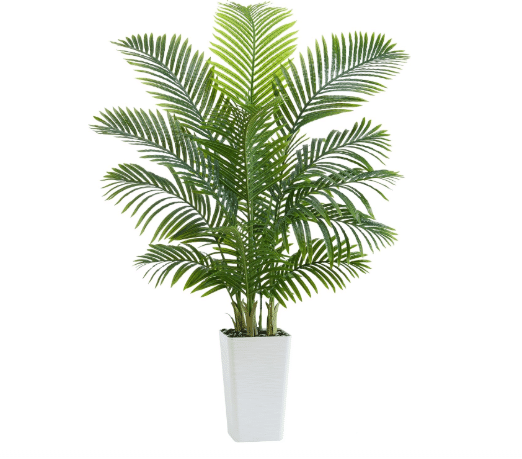
Price: Expect roughly $25–$50, depending on height, pot inclusion, and seller.
Key features and benefits
-
Soft, feathery fronds.
-
Pet-friendly.
-
Adds a tropical, resort-like feel.
-
Suitable for larger rooms.
-
Prefers bright indirect light.
-
Can grow into an impressive floor plant.
Pros
-
Safe around pets.
-
Lush, tropical appearance.
-
Adds movement and texture.
-
Good for bright living rooms.
-
Works well as a standalone statement plant.
Cons
-
Needs brighter light than low-light plants.
-
Sensitive to dry air.
-
Can attract spider mites.
-
Requires more consistent watering than a snake plant.
Amazon customer ratings and reviews: Check the exact seller and listing carefully. Palm quality can vary widely, so prioritize recent reviews with photos and avoid listings with unclear height or pot-size information.
Why it’s a good choice: It is the best large plant for pet owners who want a lush, tropical look.
Ideal use case: Choose an areca palm if you have a bright living room or bedroom and want a larger, pet-safe plant that softens the space.
10. Costa Farms ZZ Plant — Best Nearly Indestructible Office Plant
The Costa Farms ZZ Plant is the best air filtering plant for offices, dorm rooms, and homes with very low natural light. Its thick, glossy leaves and upright stems make it look polished even in spaces where many plants struggle.
ZZ plants are exceptionally drought-tolerant. Their rhizomes store water, allowing them to survive missed waterings better than most common houseplants. This makes them a strong choice for frequent travelers, busy professionals, and anyone who has struggled to keep plants alive.
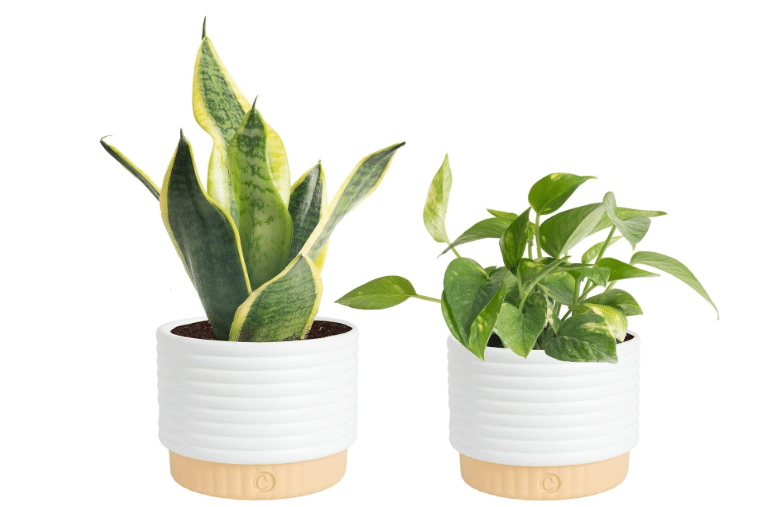
Price: A Costa Farms ZZ plant listing is shown around $49.99.
Key features and benefits
-
Extremely drought-tolerant.
-
Tolerates low to medium indirect light.
-
Glossy, architectural foliage.
-
Minimal maintenance.
-
Ideal for offices and dim rooms.
-
Long-lasting with basic care.
Pros
-
One of the most forgiving houseplants available.
-
Excellent for offices and low-light rooms.
-
Attractive glossy leaves.
-
Requires very little water.
-
Suitable for frequent travelers.
Cons
-
Toxic to pets and children if ingested.
-
Slow-growing.
-
Larger plants can be expensive.
-
Does not tolerate overwatering well.
Amazon customer ratings and reviews: The Costa Farms ZZ plant listing shows a 3.8/5 rating from 668 reviews and a listed price around $49.99. Review themes commonly include attractive appearance and easy care, while complaints often relate to price, shipping condition, or plant size.amazon
Why it’s a good choice: If your priority is survival rather than rapid growth, the ZZ plant is one of the most dependable choices.
Ideal use case: Buy a ZZ plant if you work in a dim office, travel often, or want a polished plant that can handle inconsistent care.
Best Plants by Room and Lifestyle
Choosing the right air filtering plant is less about finding one universal “best” plant and more about matching the plant to your room, light, and routine. A snake plant may thrive in a dim bedroom, while an aloe vera will struggle there. Likewise, a Boston fern can look spectacular in a humid bathroom but become frustrating in a dry, heated living room.
Use the recommendations below as a practical shortcut before buying.
Best for Bedrooms
Bedrooms usually have lower light, cooler temperatures, and limited floor space. The best plants here are compact, low-maintenance, and visually calming.
-
Snake plant: Best overall for bedrooms because it tolerates low light and infrequent watering.
-
Peace lily: Best if you want a plant with occasional white flowers.
-
Spider plant: Best pet-friendly bedroom option, especially on a shelf or plant stand.
-
ZZ plant: Best for very dark bedrooms or rooms with only a small window.
Avoid placing plants directly against a radiator or under an air-conditioning vent. Sudden temperature swings and dry airflow can stress leaves and make watering harder to manage.
Best for Bathrooms
Bathrooms can be excellent plant spaces if they have a window and enough natural light. Steam from showers raises humidity, which benefits tropical and fern-like plants.
-
Boston fern: Best for a bright, humid bathroom with consistent moisture.
-
Peace lily: Best for a lower-light bathroom that stays moderately humid.
-
English ivy: Best for a cool, bright bathroom with good airflow.
-
Spider plant: Best for a bright bathroom where you want a pet-safe option.
If your bathroom has no window or receives very little light, choose a snake plant or ZZ plant instead. Do not rely on artificial bathroom lighting alone unless it is bright and used for many hours each day.
Best for Offices and Desks
Office plants should be compact, resilient, and able to handle inconsistent care. They should also look professional rather than messy or overly large.
-
Golden pothos: Best for desks, shelves, and cubicles because it trails neatly and grows quickly.
-
Snake plant: Best for low-light offices and minimal-care setups.
-
ZZ plant: Best for windowless or very dim offices.
-
Aloe vera: Best for a sunny office windowsill.
For a desk, choose a smaller plant in a 4- to 6-inch pot. Larger plants can crowd a workspace and become difficult to move during cleaning or rearranging.
Best for Pet Owners
Pet owners should prioritize non-toxic plants or place toxic plants completely out of reach. Even plants considered “pet-friendly” can cause mild stomach upset if eaten in large amounts, so supervision is still important.
-
Spider plant: Best overall pet-friendly choice.
-
Boston fern: Best pet-friendly plant for humid rooms.
-
Areca palm: Best large pet-friendly plant for bright rooms.
-
Parlor palm: A good alternative if you want a smaller, pet-safe palm.
Avoid relying on labels alone. Snake plants, golden pothos, peace lilies, rubber plants, English ivy, and aloe vera are toxic if ingested by cats or dogs. If you have a persistent chewer, choose pet-safe species or use high shelves and hanging planters.
Best for Low Light
Low light does not mean no light. It usually means a room with a north-facing window, a window blocked by buildings, or a spot several feet from the nearest window.
-
Snake plant: Best low-light plant overall.
-
ZZ plant: Best for the darkest indoor spaces.
-
Golden pothos: Best trailing option for low to medium light.
-
Peace lily: Best flowering option for low to medium light.
Do not place low-light plants in complete darkness, such as a closed closet or a room with no windows. Even tolerant plants need some indirect light to remain healthy.
Best for Bright Rooms
Bright rooms open up more plant choices, including succulents, larger foliage plants, and tropical varieties.
-
Aloe vera: Best for direct sun near a south- or west-facing window.
-
Rubber plant: Best large plant for bright indirect light.
-
Areca palm: Best tropical, pet-friendly plant for bright rooms.
-
English ivy: Best trailing plant for a bright, cool room.
If sunlight is intense for many hours, use a sheer curtain or place the plant a little farther from the glass. Direct afternoon sun can scorch leaves, especially on ferns, peace lilies, and some tropical plants.
Best Budget Options
If you are starting with one or two plants, prioritize value and resilience.
-
Golden pothos: Best budget pick, particularly in a two-pack.
-
Snake plant: Best value for a long-lasting, low-maintenance plant.
-
Aloe vera: Best inexpensive option for a sunny windowsill.
-
Spider plant: Best affordable pet-friendly option.
A two-pack of golden pothos can be especially cost-effective because you can keep one plant and propagate cuttings from the other.amazon+1
Best Premium Statement Plants
If you want a plant that anchors a room, spend a little more on size and presentation.
-
Rubber plant: Best architectural statement plant.
-
Areca palm: Best tropical statement plant.
-
Large snake plant: Best low-maintenance statement plant.
-
Large peace lily: Best flowering statement plant.
Larger plants cost more upfront, but they create more immediate visual impact and often require less frequent repotting than several small plants.
How to Choose the Right Plant
Before adding an air filtering plant to your cart, answer four questions:
-
How much light does the room receive?
-
How often will you realistically water it?
-
Do you have pets or small children?
-
How much space do you want the plant to occupy?
Match Light First
Light is the most important factor in plant survival.
-
Low light: A few feet from a window or a room with limited natural light. Choose snake plant, ZZ plant, or pothos.
-
Medium indirect light: Near an east- or west-facing window, but not in harsh direct sun. Choose peace lily, spider plant, or rubber plant.
-
Bright indirect light: Close to a bright window with filtered sun. Choose Boston fern, areca palm, or English ivy.
-
Direct sun: Several hours of unfiltered sunlight. Choose aloe vera or a sun-tolerant succulent.
Match Your Watering Habits
Be honest about your routine. A plant that needs frequent watering can become stressful if you travel often or forget household tasks.
-
Water rarely: Snake plant, ZZ plant, aloe vera.
-
Water moderately: Golden pothos, peace lily, rubber plant, spider plant.
-
Water often: Boston fern, areca palm, English ivy.
Check Pet Safety
If pets roam freely, choose safer plants first. Spider plants, Boston ferns, and areca palms are generally better choices than pothos, peace lilies, snake plants, rubber plants, English ivy, or aloe vera.
Consider Mature Size
A small plant may look perfect on arrival but outgrow its location within a year. Check the expected mature height and spread before buying, especially for rubber plants, areca palms, and peace lilies.
Care Guide: Keep Your Plants Alive
Light
Place plants according to their light needs, not just where they look best. A beautiful corner with no window may look ideal, but it can slowly weaken even tolerant plants.
If you are unsure, start with bright indirect light and observe the plant for two to three weeks. Pale, stretched growth usually means it needs more light; scorched or bleached patches usually mean it is receiving too much direct sun.
Watering
The safest method is to check the soil before watering.
-
Insert a finger about 1–2 inches into the soil.
-
If it feels dry at that depth, water thoroughly until excess drains from the bottom.
-
If it still feels moist, wait a few days and check again.
-
Never leave a plant sitting in a saucer full of water.
For snake plants, ZZ plants, and aloe vera, let the soil dry out more fully between waterings. For Boston ferns, peace lilies, and areca palms, keep the soil lightly moist but never soggy.
Soil and Drainage
Use a well-draining potting mix and always choose a pot with drainage holes. Without drainage, water collects at the bottom and can cause root rot.
For succulents such as aloe vera, use a cactus or succulent mix. For tropical plants such as peace lilies, ferns, and palms, use a standard indoor potting mix that retains some moisture while still draining well.
Humidity
Most homes are drier than tropical plants prefer, especially in winter. Boston ferns, areca palms, and English ivy benefit most from higher humidity.
Practical ways to increase humidity include:
-
Placing the plant in a naturally humid bathroom or kitchen.
-
Grouping plants together.
-
Using a pebble tray with water beneath the pot.
-
Running a small humidifier nearby.
-
Keeping plants away from heating vents and drafts.
Misting can provide temporary relief, but it is not a substitute for consistent ambient humidity.
Fertilizer
Most indoor plants need only light feeding during the active growing season, typically spring through summer. Use a balanced liquid houseplant fertilizer at half the recommended strength once a month, then pause during fall and winter.
Do not fertilize a newly shipped plant immediately. Give it two to four weeks to adjust to its new environment first.
Common Problems and Fixes
| Problem | Likely cause | Simple fix |
|---|---|---|
| Yellow lower leaves | Overwatering or poor drainage | Let soil dry, check drainage holes, reduce watering |
| Brown leaf tips | Dry air, mineral buildup, inconsistent watering | Increase humidity, use filtered water if needed, water consistently |
| Drooping leaves | Underwatering or overwatering | Check soil moisture before adjusting routine |
| Leggy growth | Not enough light | Move closer to a bright window |
| Pale or scorched leaves | Too much direct sun | Move away from intense afternoon sun |
| Slow growth | Low light, winter dormancy, or small pot | Improve light, be patient, repot only when root-bound |
| White webbing or tiny moving dots | Spider mites | Isolate plant, rinse leaves, treat promptly |
Frequently Asked Questions
Do air filtering plants actually clean indoor air?
Plants can absorb certain airborne chemicals in controlled research settings, and soil microbes may also contribute. However, the effect in an ordinary home is usually modest because real rooms have air exchange, furniture, carpets, cleaning products, and far more air volume than a sealed laboratory chamber.
Use plants as part of a broader approach: ventilate when outdoor air quality allows, reduce strong-scented products, vacuum regularly, and use a HEPA air purifier if allergens or smoke are a concern.
Which plant is best for beginners?
The Costa Farms Snake Plant is the best beginner choice because it tolerates low light and infrequent watering. The golden pothos is a close second if you want faster growth and a trailing shape.amazon
Which air filtering plants are safe for cats and dogs?
Spider plants, Boston ferns, and areca palms are generally considered safer choices for pet households. Still, prevent pets from eating large quantities of any plant, and contact a veterinarian if you suspect ingestion.
How many plants do I need for one room?
There is no reliable universal number. Choose plants based on the room’s light, your décor goals, and your ability to care for them. One healthy, well-placed plant is better than five struggling plants crowded into a dark corner.
Can plants remove odors?
Plants may make a room feel fresher, but they should not be expected to eliminate persistent odors from smoke, mold, pets, or cooking. Address the source first, improve ventilation, and clean affected surfaces.
What is the best plant for a dark bedroom?
The snake plant or ZZ plant is best for a dark bedroom. Both tolerate low light and infrequent watering better than most houseplants.
Are Amazon plants healthy when shipped?
They can be, but quality depends on the seller, season, packaging, and transit time. Look for clear size information, recent customer photos, strong ratings, and reviews that specifically mention healthy arrival.
Do I need a special pot or soil?
You do not need an expensive pot, but drainage is essential. Use a pot with a drainage hole and an appropriate potting mix. For aloe vera, use cactus or succulent soil; for ferns, palms, and peace lilies, use a standard well-draining indoor mix.