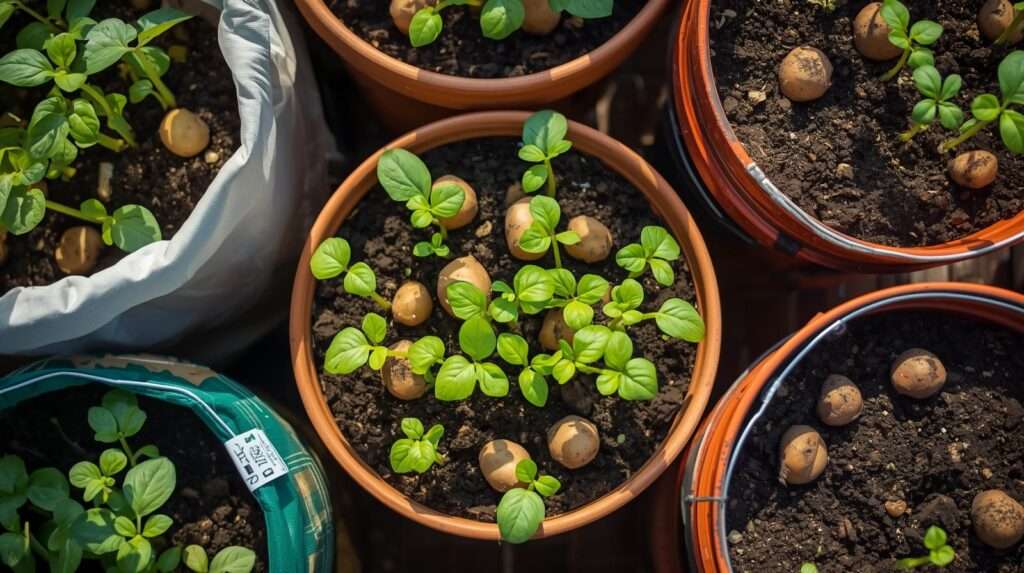
Imagine harvesting a bounty of fresh, homegrown potatoes right from your balcony, patio, or tiny backyard—without ever digging up your yard or battling poor soil. For many gardeners, especially in urban areas or regions with limited space like Barishal and other parts of Bangladesh, traditional in-ground potato growing feels out of reach. Yet potatoes thrive in containers, offering an easy, rewarding way to produce surprisingly large yields even in compact setups.
Containers for potatoes provide the perfect solution: excellent control over soil quality, superior drainage to prevent rot in humid conditions, mobility to dodge heavy rains or excessive heat, and a fun, no-dig harvest that feels like discovering buried treasure. With the right setup, a single 10-20 gallon container can yield 5-15 pounds (or more) of tasty tubers—often outperforming expectations for small-space vegetable gardening.
As an agricultural expert drawing from university extension research (such as UNH Cooperative Extension and The Old Farmer’s Almanac), practical trials, and real-world container growing experiences, I’ve seen how this method transforms limited-space gardening. Whether you’re a beginner eager for your first crop or an experienced grower optimizing yields in tropical or subtropical climates, this comprehensive guide covers everything: selecting the best containers for potatoes, ideal soil mixes, step-by-step planting and care, variety recommendations, pest management, and harvest tips. By the end, you’ll have the knowledge to achieve big harvests in small spaces—naturally and sustainably.
Why Grow Potatoes in Containers? Benefits and Ideal Scenarios
Growing potatoes in containers addresses key challenges faced by home gardeners worldwide, particularly in areas with space constraints, heavy clay soils, or unpredictable weather. Traditional ground planting requires tilling, hilling rows, and dealing with soil-borne diseases, but containers eliminate much of that hassle.
Key benefits include:
- Space efficiency — Perfect for balconies, rooftops, patios, or urban courtyards where in-ground beds aren’t possible.
- Soil control — You dictate the mix, avoiding compacted, nutrient-poor, or contaminated native soil common in many regions.
- Reduced disease and pests — Better drainage and isolation limit issues like blight or soil nematodes; mobility lets you move plants from intense sun or monsoon downpours.
- Easier harvest — No digging—just tip the container and collect clean tubers.
- Higher success in challenging climates — In hot, humid areas, containers allow partial shade or relocation; they warm faster in cooler springs for earlier starts.
This method suits beginners, families (kids love the “treasure hunt” harvest), and anyone wanting organic, chemical-free spuds. Realistic yields vary by container size and care, but expect 5-10+ lbs per plant in optimal conditions—far more rewarding than store-bought potatoes.
Choosing the Best Containers for Potatoes: Top Options Compared
The foundation of success lies in selecting containers that meet potatoes’ needs: depth for hilling (at least 12-18 inches, ideally 18-24+), capacity of 10-30+ gallons, excellent drainage (multiple holes), opaque/dark material to prevent greening from light exposure, and good airflow to roots.
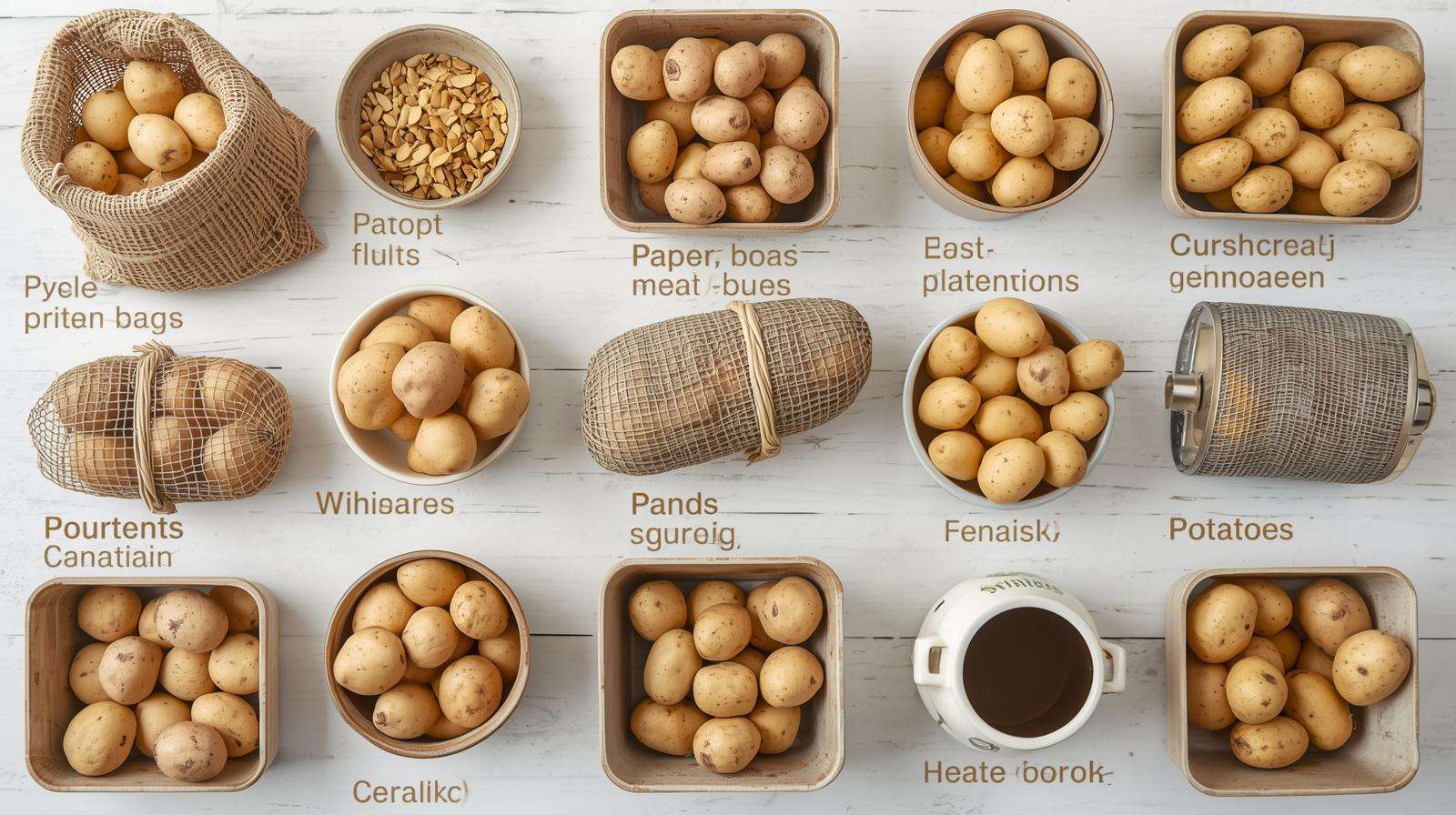
Here’s a detailed comparison of popular options:
- Fabric Grow Bags (e.g., 10-20 gallon Smart Pots or similar): Pros: Superior aeration and drainage reduce rot risk in humid climates; lightweight, foldable for storage; reusable for years; promote healthy root growth. Cons: Dry out faster (more frequent watering needed); less aesthetic. Best for: Beginners, tropical/subtropical growers, small spaces. Often ranked top for potatoes due to breathability.
- Plastic Buckets or Totes (5-20 gallon, food-grade with drilled holes): Pros: Inexpensive (recycle from paint/feed buckets); durable; retain moisture longer. Cons: Less breathable (add extra holes); can heat up in direct sun. Best for: Budget setups; 5-gallon for 1-2 plants, larger for more.
- Trash Cans or Barrels (20-30+ gallon plastic/metal, opaque): Pros: High capacity for bigger yields (4-6+ plants); stable; good for maincrop varieties. Cons: Heavy when filled; ensure food-safe (avoid old chemical barrels). Best for: Maximum harvest in patios; whiskey barrels add rustic appeal.
- Wooden Crates or Potato Towers (stackable boxes): Pros: Natural look; customizable depth via stacking. Cons: Wood rots over time; requires maintenance. Best for: Aesthetic gardens; avoid treated wood.
Top recommendations for most growers:
- Fabric grow bags (best overall for aeration and yield in humid areas).
- Large plastic totes/buckets (cost-effective).
- Half-barrels (attractive and productive).
Always add drainage holes (1/2-1 inch, 4-6 per base) and elevate on bricks for airflow.
(Placeholder for image suggestion: Side-by-side photos of fabric grow bag, plastic bucket, and barrel setups with growing potato plants.)
Preparing Your Containers and Soil Mix
Start with clean containers. Drill holes if needed, then line the bottom with landscape fabric or burlap to retain soil while allowing drainage.
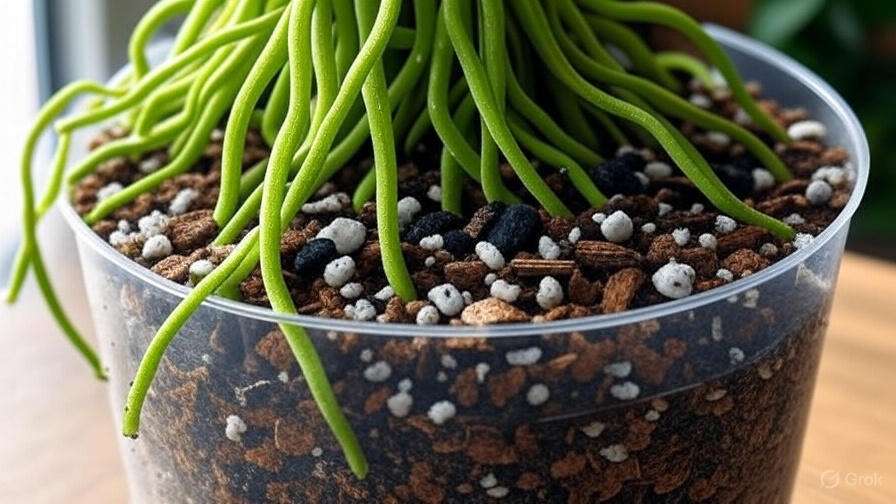
The ideal soil mix for container potatoes emphasizes drainage, nutrients, and slight acidity (pH 5.0-6.0 to reduce scab risk):
- 50% high-quality potting mix (soilless for lightness).
- 50% well-rotted compost or aged manure (for nutrients).
- Add 20-30% perlite or vermiculite for extra drainage in humid climates. Avoid heavy garden soil—it compacts and causes rot.
Incorporate a balanced, low-nitrogen fertilizer (e.g., 5-10-10 or organic potato feed) at planting. Pre-moisten the mix to prevent dry pockets. Fill initially to 4-6 inches deep.
Step-by-Step Planting Guide
Timing is crucial: In subtropical/tropical areas like Bangladesh, plant during cooler months (October-February) to avoid extreme heat stressing plants. Use certified, disease-free seed potatoes (avoid untreated grocery ones due to sprout inhibitors or diseases).
- Chit seed potatoes (optional but recommended): Place in a cool, bright spot 4-6 weeks before planting until sturdy sprouts form (1-2 inches).
- Prepare seeds: Cut large ones into 1-2 inch pieces (2+ eyes each); let callus 1-2 days to prevent rot.
- Plant: Fill container 4-6 inches with mix. Place 3-5 pieces (eyes up), 5-8 inches apart. Cover with 3-4 inches soil.
- Water and place: Water gently to settle; position in full sun (6-8+ hours). Protect young shoots from frost if early.
Space plants: 1-2 per 5-10 gallon, 3-4 per 15-20 gallon.
Ongoing Care: Hilling, Watering, Feeding, and Pest Management
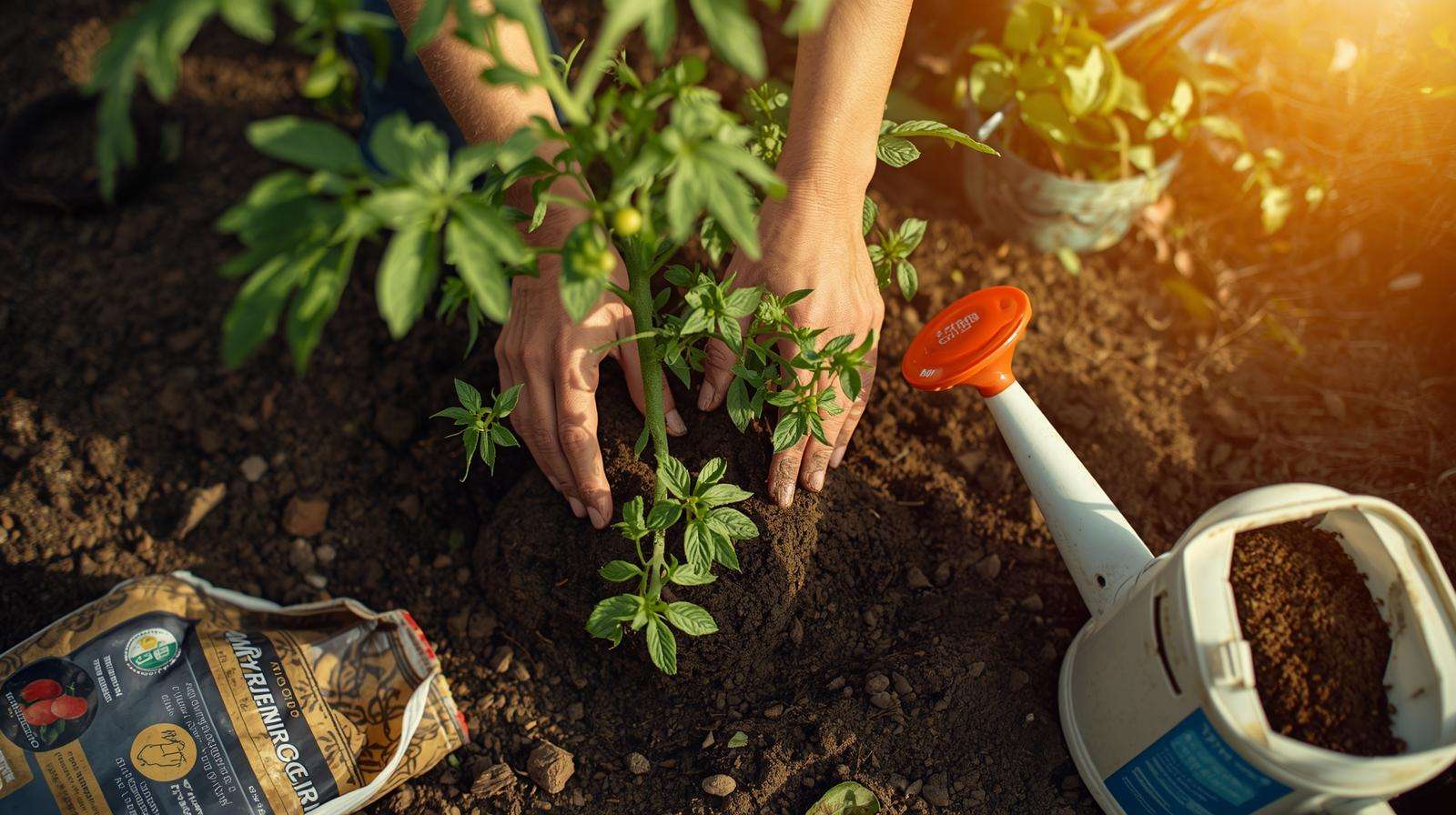
Hilling boosts yields by encouraging more tubers:
- When stems reach 6-8 inches, add 3-4 inches soil/compost around stems (leave top leaves exposed).
- Repeat 2-3 times until container is full—promotes deeper rooting.
Watering: Consistent 1-2 inches/week; keep moist but not soggy (check top 2 inches). Mulch top with straw to retain moisture and cool roots in heat.
Feeding: Side-dress mid-season with potassium-rich fertilizer (e.g., wood ash or organic tomato feed) for tuber development.
Pests/Diseases: Watch for Colorado potato beetle (hand-pick or use neem); late blight in humid weather (improve airflow, fungicides if needed). In tropical areas, ensure good ventilation to prevent fungal issues.
Troubleshooting: Yellow leaves (over/underwatering or nutrients); small tubers (heat stress—provide afternoon shade).
Harvesting and Storing Your Potato Bounty
Harvest when foliage yellows and dies (90-120 days). For “new” potatoes, dig gently earlier after flowering.
Method: Tip container onto a tarp; sift soil for tubers. Expect higher yields from larger containers.
Cure in cool, dark spot 1-2 weeks for thicker skins. Store in ventilated crates at 4-10°C (avoid fridge for long-term).
Bonus: Best Potato Varieties for Containers
Choose compact, early/mid-season varieties for best results in limited space:
- Yukon Gold: Versatile, high-yield, golden flesh.
- Red Norland / Dark Red Norland: Early, red skin, great for boiling.
- Charlotte: Smooth, waxy, excellent flavor.
- Fingerlings (e.g., Russian Banana): Prolific in pots, fun shapes.
In warmer climates, opt for heat-tolerant types; avoid large russets.
Common Mistakes to Avoid and Pro Tips
- Overcrowding → smaller spuds.
- Poor drainage → rot.
- Inconsistent watering → cracked/low yield.
- Skipping hilling → exposed green tubers.
Pro tips: Use mulch; rotate containers yearly; experiment with companion plants like marigolds for pest deterrence.
FAQs
How many potatoes per container? Typically 5-15 lbs depending on size/care; e.g., 10-gallon grow bag often yields 8-12 lbs.
Can I grow in hot/humid climates like Bangladesh? Yes—plant in cooler seasons, provide shade in peak heat, ensure excellent drainage, and water consistently.
Best time to plant in tropical/subtropical areas? October-February for main crop; avoid peak summer heat.
How to overwinter containers? In mild areas, mulch heavily; otherwise, harvest and store tubers.
Organic vs. conventional methods? Organic excels in containers—use compost, neem for pests; certified seed potatoes minimize issues.
More questions? Feel free to ask in comments!
Growing potatoes in containers turns small spaces into productive gardens, delivering fresh, flavorful harvests with minimal effort. Choose breathable containers like fabric grow bags, prepare a well-draining mix, hill diligently, and provide consistent care—you’ll enjoy big rewards.
Start your container potato adventure today. Share your setup, yields, or questions below—what variety will you try first?