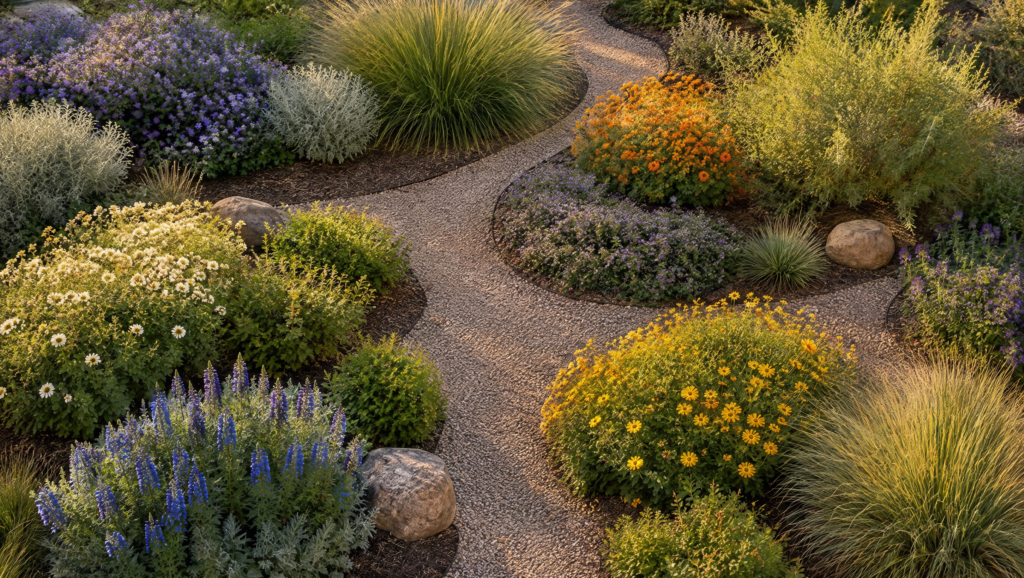
Are you tired of watching your expensive landscaping wither, turn brown, and die the second a summer heatwave rolls in?
Keeping a traditional garden lush and green requires constant, deep watering. Not only is dragging a hose around your yard incredibly time-consuming, but it also drives your summer utility bills through the roof. Furthermore, with increasingly strict local water restrictions and shifting climate patterns across the country, keeping thirsty, non-native plants alive is becoming legally and financially difficult.
The secret to a lush, beautiful home doesn’t lie in using more water—it lies in better plant selection. By embracing drought-resilient species (a practice known in the landscaping world as xeriscaping), you can achieve a stunning, vibrant yard or a lively indoor space that practically thrives on neglect. We’ve analyzed root hardiness, water retention capabilities, structural durability, and thousands of verified Amazon plant delivery reviews to bring you the definitive guide to the best 10 drought tolerant plants you can order straight to your door.
II. Expert Buying Guide: How to Make an Informed Decision
Before you start adding plants to your cart, it is crucial to understand that “drought tolerant” does not mean “plant it anywhere.” To guarantee survival, you must match the plant to your specific environment.
-
Understanding USDA Hardiness Zones: Before buying outdoor perennials, you must check your local USDA Hardiness Zone (a map based on average winter minimum temperatures). A drought-tolerant agave will survive 110°F in Arizona (Zone 9), but will instantly freeze to death in a snowy Michigan winter (Zone 5).
-
Indoor vs. Outdoor Drought Tolerance: There is a distinct difference between indoor succulents (like the ZZ Plant) that survive purely because you forget to water them, and outdoor landscape plants (like Russian Sage) that survive weeks without rain by sending massive, deep taproots into the earth to find hidden moisture.
-
The Importance of Soil Drainage: The fastest way to kill a drought-tolerant plant is to drown it. If you plant a succulent in heavy, water-retaining clay soil, the roots will suffocate, rot, and die. You must amend your garden soil or indoor pots with sand and perlite to ensure water drains away rapidly.
-
The Establishment Period: Crucial Warning: No plant is drought-tolerant on day one. All live plants and seedlings require regular, deep watering during their first few weeks in the ground to establish their root systems. Once the roots are deeply established, you can cut the water off.
-
Live Plants vs. Seeds on Amazon: Weigh the cost and your patience. Buying live, potted plants from trusted Amazon nurseries (like Costa Farms or Bonnie Plants) gives you instant gratification and immediate landscaping impact. Buying bulk seeds is vastly more economical but requires months of careful cultivation.
III. At a Glance: Top 10 Drought Tolerant Plants
| Plant Name & Brand | Indoor / Outdoor | Best For |
| Snake Plant (Costa Farms) | Indoor | Best for Indoor Neglect |
| French Lavender (Bonnie Plants) | Outdoor | Best Fragrant Patio Plant |
| ZZ Plant (Costa Farms) | Indoor | Best Low-Light Survivor |
| Sedum/Stonecrop (Outsidepride) | Outdoor | Best Zero-Water Groundcover |
| Aloe Vera (Shop Succulents) | Indoor / Outdoor (Warm) | Best Medicinal/Utility Plant |
| Purple Coneflower (Sow Right) | Outdoor | Best Native Floral Display |
| Rosemary (Bonnie Plants) | Outdoor | Best Edible Herb Landscaping |
| Russian Sage (Proven Winners) | Outdoor | Massive Visual Impact |
| Lantana (Costa Farms) | Outdoor | Extreme Heat & Neon Color |
| Blue Glow Agave (Altman Plants) | Outdoor (Warm) | Modern Architectural Focal Point |
IV. Detailed Product Comparison and Reviews
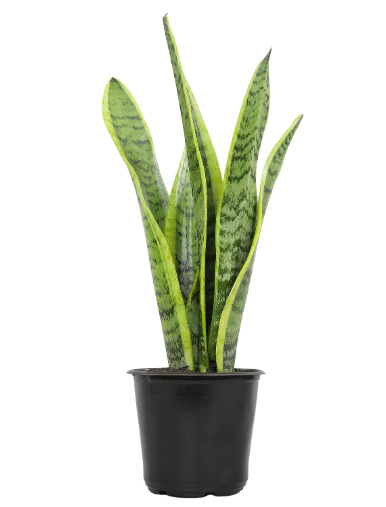
1. Snake Plant (Sansevieria) – Costa Farms Live Indoor Snake Plant
Product Description: The Snake Plant (often jokingly referred to as “Mother-in-Law’s Tongue”) is the ultimate survivor of the indoor plant world. It features striking, sword-like vertical leaves boasting mottled dark green patterns and bright yellow edges. Because it evolved in arid climates, it stores water entirely in its thick, fleshy leaves, allowing it to survive for weeks (or even months) without a single drop of water.
-
Price: Mid-Range (~$30 – $40 for a fully rooted 1-gallon pot in a decor planter)
-
Key Features and Benefits:
-
NASA-approved natural air purifier (filters formaldehyde and benzene).
-
Tolerates extremely low-light conditions (windowless offices, bathrooms).
-
Requires watering only once every 3 to 4 weeks.
-
-
Pros and Cons:
-
Pros: Almost impossible to kill via underwatering; striking vertical architectural look takes up very little horizontal space; arrives securely packaged from Costa Farms.
-
Cons: Mildly toxic to cats and dogs if chewed/ingested; will rot quickly if overwatered.
-
-
Amazon Customer Ratings and Reviews: 4.7/5 stars. Customers constantly praise the secure Amazon shipping, noting the plant arrives lush, tall, and completely intact despite traveling in a cardboard box.
-
Why it’s a good choice for: People with a notorious “black thumb” who simply cannot remember to adhere to a weekly watering schedule.
-
Ideal use case or who should buy it: Busy professionals, frequent travelers, and apartment dwellers needing an indestructible, modern houseplant.
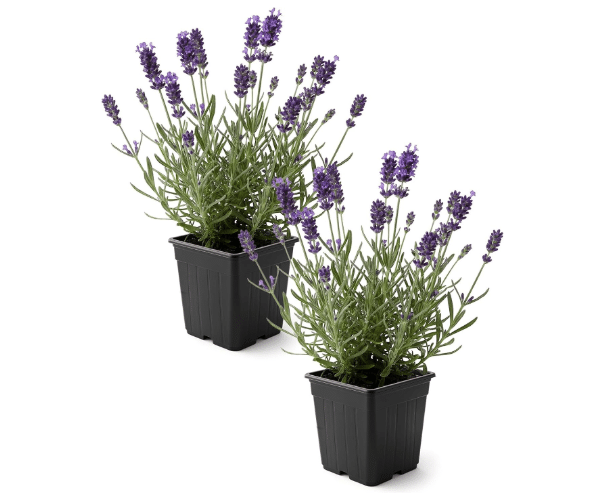
2. French Lavender (Lavandula stoechas) – Bonnie Plants Live Starter Plants
Product Description: A Mediterranean classic renowned worldwide for its highly fragrant silver-green foliage and vibrant purple blooms. Unlike thirsty garden flowers, Lavender natively thrives in dry, rocky, infertile soil and intense, baking sun. The “French” variety specifically features beautiful, butterfly-like petals at the top of each bloom, adding a touch of elegance to any rock garden.
-
Price: Budget (~$15 – $20 for live starter pots)
-
Key Features and Benefits:
-
Incredible, world-renowned natural fragrance.
-
Highly attractive to beneficial pollinators (bees and butterflies).
-
The strong oils naturally repel mosquitoes and deer.
-
-
Pros and Cons:
-
Pros: Thrives in the hottest parts of the yard; provides massive sensory impact (visual and olfactory); requires very poor, sandy soil to thrive (no expensive fertilizers needed).
-
Cons: Hates humidity; if you live in a very swampy, humid climate (like Florida), it may struggle with fungal diseases.
-
-
Amazon Customer Ratings and Reviews: 4.5/5 stars. Gardeners love using these starter plants to create fragrant borders along their concrete walkways, noting that the radiant heat from the pavement actually helps the plant thrive.
-
Why it’s a good choice for: Adding a massive pop of vibrant color and soothing scent to an outdoor space without adding a single cent to your summer water bill.
-
Ideal use case or who should buy it: Gardeners in hot, sunny climates (USDA Zones 5-9) looking for border plants or fragrant patio containers.
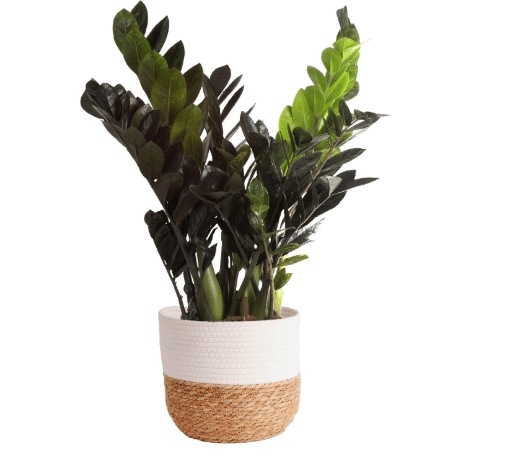
3. ZZ Plant (Zamioculcas zamiifolia) – Costa Farms ZZ Plant
Product Description: An incredibly stylish, architectural indoor plant featuring thick, waxy, dark green leaves that line gracefully arching stems. The secret to the ZZ plant’s immortality lies beneath the dirt: it grows from large, potato-like rhizomes that store massive amounts of water. These rhizomes act as a built-in reservoir, allowing the plant to sustain itself flawlessly during extended droughts.
Price: Mid-Range (~$35 – $45 in a premium ceramic planter)
-
Key Features and Benefits:
-
Underground rhizome water-storage system.
-
Thrives beautifully under artificial fluorescent office lights.
-
Waxy leaves naturally repel dust and pests.
-
-
Pros and Cons:
-
Pros: Can easily survive being abandoned for a month-long vacation; adds a lush, tropical vibe to dark rooms; incredibly slow-growing (rarely needs repotting).
-
Cons: Toxic to pets and children if ingested; grows so slowly that it takes years to reach a massive size.
-
-
Amazon Customer Ratings and Reviews: 4.8/5 stars. Reviewers consistently call the ZZ plant “plastic-like” in the best way possible, because it looks fake, flawless, and never drops brown leaves on the floor.
-
Why it’s a good choice for: Bringing lush, tropical-looking greenery into a dark indoor space without the high-humidity, high-maintenance water demands of actual tropical plants like ferns or calatheas.
-
Ideal use case or who should buy it: Office workers wanting desk greenery, basement apartment renters, and interior decorators lighting up dark corners.
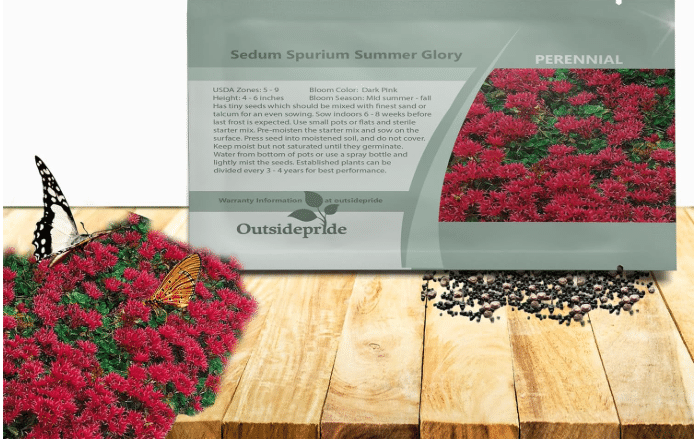
4. Sedum / Stonecrop – Outsidepride Sedum Groundcover Seeds
Product Description: If you are tired of watering and mowing a struggling lawn, Sedum (often called Stonecrop) is your savior. This sprawling, low-growing succulent groundcover forms a dense, weed-suppressing mat of fleshy green-red leaves and brilliant star-shaped flowers. It thrives in the hottest, driest, and most neglected, rocky parts of the yard where turf grass instantly dies.
-
Price: Budget/Value (~$10 – $12 for bulk seeds)
-
Key Features and Benefits:
-
Spreads rapidly to prevent topsoil erosion.
-
Extremely shallow root system thrives in poor, rocky, compacted soil.
-
Evergreen in many climate zones (stays colorful year-round).
-
-
Pros and Cons:
-
Pros: The ultimate grass replacement for xeriscaping; thousands of seeds for a tiny price; chokes out weeds effortlessly.
-
Cons: Cannot handle heavy foot traffic (you cannot play soccer on a Sedum lawn); growing from seed requires patience during the first spring.
-
-
Amazon Customer Ratings and Reviews: 4.4/5 stars. Homeowners who have replaced their front lawns with Sedum praise the massive reduction in their water bills, noting their yard now looks like a blooming succulent carpet.
-
Why it’s a good choice for: Replacing thirsty, dying turf grass with a blooming, zero-water alternative that completely eliminates your need to own a lawnmower.
-
Ideal use case or who should buy it: Homeowners wanting to xeriscape large patches of yard, those with steep hillsides prone to erosion, or anyone wanting to fill the gaps between stepping stones.
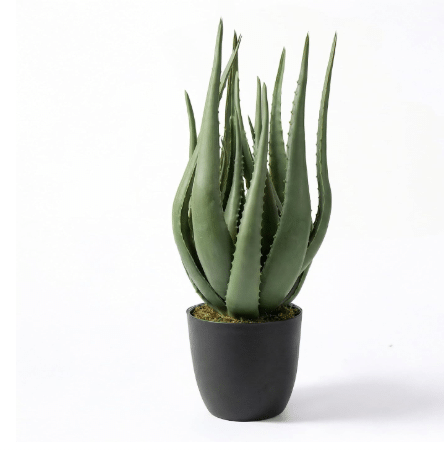
5. Aloe Vera – Shop Succulents Live Aloe Plant
Product Description: Both beautiful and highly functional, the Aloe Vera is a desert native famous for its thick, serrated, fleshy leaves filled with a soothing, medicinal gel. It loves bright, direct sunlight and actively prefers its soil to go completely bone-dry between waterings, making it an incredibly low-maintenance companion.
-
Price: Budget (~$15 – $25 for a fully rooted plant)
-
Key Features and Benefits:
-
Medicinal internal gel helps soothe minor burns, cuts, and sunburns.
-
Extreme heat and drought tolerance.
-
Highly prolific (frequently produces baby “pups” that you can pull out and repot).
-
-
Pros and Cons:
-
Pros: Doubles as a living first-aid kit; very inexpensive; visually striking, spiky architecture.
-
Cons: The outer skin of the leaf is toxic to cats and dogs (only the inner gel is safe); cannot survive any frost if kept outdoors.
-
-
Amazon Customer Ratings and Reviews: 4.6/5 stars. Buyers love keeping these on their kitchen windowsills, specifically noting how convenient it is to snap off a tip to treat a hot-pan burn while cooking.
-
Why it’s a good choice for: Functionality. It acts as both a piece of modern, architectural decor and a highly useful, living apothecary that demands almost zero care.
-
Ideal use case or who should buy it: Home cooks (for the kitchen), succulent collectors, and outdoor gardeners living in frost-free desert climates (Zones 10-11).
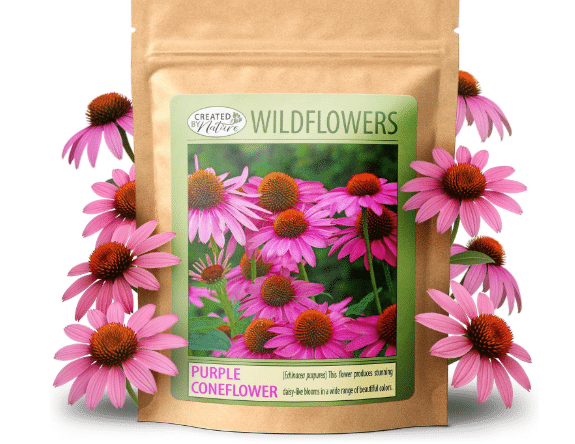
6. Purple Coneflower (Echinacea) – Sow Right Seeds Heirloom Pack
Product Description: The Purple Coneflower is a rugged, native North American prairie perennial. While it looks like a delicate, stunning purple daisy with a prominent orange-brown center, it is genetically engineered for survival. It features a massive, deep taproot that reaches far below the surface to find hidden moisture during severe summer droughts, allowing it to stand tall while traditional garden flowers wilt.
-
Price: Budget (~$6 – $10 for heirloom seeds)
-
Key Features and Benefits:
-
Deep taproot guarantees extreme drought survival once established.
-
Reliable perennial that returns year after year with zero effort.
-
The prominent seed heads feed local birds (like goldfinches) through the winter.
-
-
Pros and Cons:
-
Pros: Incredibly beautiful floral display; attracts butterflies and bees all summer; resistant to deer and most garden pests.
-
Cons: Takes about a year to fully establish its deep root system from seed before becoming completely drought-tolerant.
-
-
Amazon Customer Ratings and Reviews: 4.7/5 stars. Nature lovers and bird watchers praise these seeds for their high germination rate, noting that once the plants took hold, they completely ignored them and the flowers still thrived.
-
Why it’s a good choice for: Proving that you do not have to sacrifice traditional, beautiful floral blooms just because you live in a dry climate or want to lower your water bill.
-
Ideal use case or who should buy it: Bird watchers, wildflower enthusiasts, and homeowners building native pollinator gardens in USDA Zones 3-9.
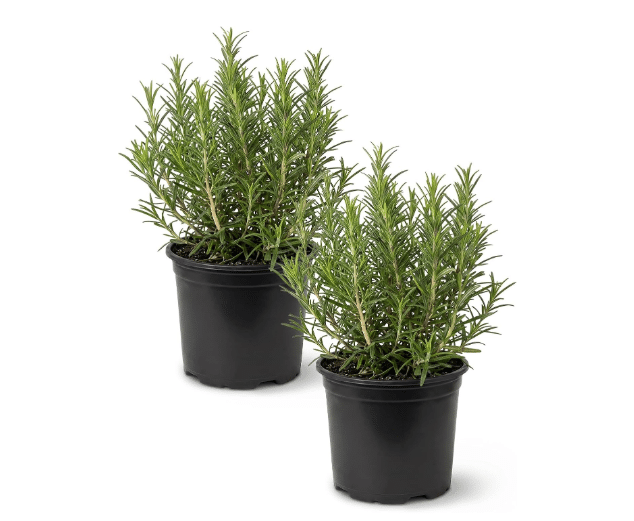
7. Rosemary (Rosmarinus officinalis) – Bonnie Plants Upright Rosemary
Product Description: A woody, evergreen Mediterranean herb that is practically indestructible once established in your yard. Rosemary features tough, needle-like leaves that actively prevent moisture loss during extreme heat. In the hot summer sun, it releases an intoxicating, savory aroma, and in the spring, it produces tiny, beautiful blue flowers.
-
Price: Budget (~$15 – $20 for a live starter plant)
-
Key Features and Benefits:
-
Highly prized culinary herb (perfect for roasting meats and vegetables).
-
Strong essential oils make it completely deer and rabbit resistant.
-
Thrives in intense, baking heat and poor, sandy soil.
-
-
Pros and Cons:
-
Pros: Provides edible landscaping; stays green all winter in warmer zones; incredibly fragrant; requires absolutely no fertilizer.
-
Cons: Cannot survive freezing winters outdoors (Zone 6 and below will need to bring it indoors for the winter).
-
-
Amazon Customer Ratings and Reviews: 4.5/5 stars. Buyers love planting these near their patios or outdoor kitchens, noting that the ambient heat from the grill actually makes the rosemary smell stronger and grow faster.
-
Why it’s a good choice for: Edible landscaping. You get the rugged, indestructible drought tolerance of a desert plant mixed with the daily utility of an expensive culinary herb.
-
Ideal use case or who should buy it: Culinary enthusiasts, organic gardeners, and those dealing with heavy deer populations who eat all other landscaping.
8. Russian Sage (Perovskia atriplicifolia) – Proven Winners Live Plant
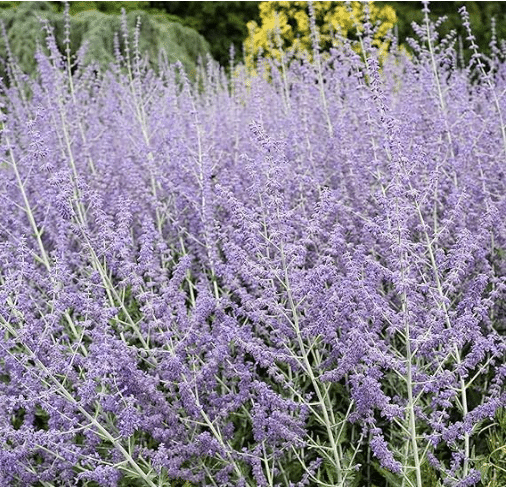
Product Description: A massive, statement-making perennial shrub that erupts in a thick cloud of lavender-blue flowers against highly textured, silvery-grey foliage. Russian Sage actively prefers dry, hot climates and looks its absolute best in late summer when the rest of the garden is wilting and exhausted from the heat.
-
Price: Mid-Range (~$25 – $35 for a fully rooted 1-gallon pot)
-
Key Features and Benefits:
-
Grows up to 4 feet tall and wide for massive visual impact.
-
Blooms continuously from mid-summer straight through to the first fall frost.
-
Silver foliage reflects intense sunlight, preventing the plant from burning.
-
-
Pros and Cons:
-
Pros: Fills massive empty spaces in a yard quickly; requires zero deadheading (trimming old flowers) to keep blooming; thrives on neglect.
-
Cons: Can spread aggressively if not pruned back once a year in early spring.
-
-
Amazon Customer Ratings and Reviews: 4.6/5 stars. Landscapers and homeowners alike rave about its structural size, noting that planting just three of these creates a massive, blooming hedge that requires zero supplemental watering.
-
Why it’s a good choice for: Filling large, empty, sun-baked gaps in your landscaping with bright, continuous color that requires zero effort or irrigation.
-
Ideal use case or who should buy it: Landscapers dealing with large, exposed, south-facing yard spaces and homeowners wanting high-impact color in Zones 5-9.
9. Lantana (Lantana camara) – Costa Farms Live Hanging Basket / Pot
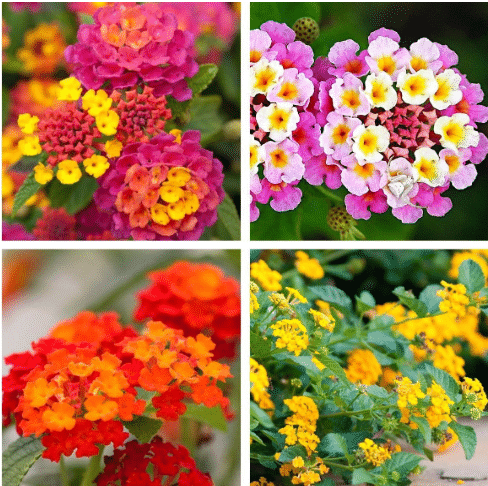
Product Description: A sprawling, heat-loving plant that produces tight clusters of neon-colored, multi-hued flowers. Lantana is famous for mixing yellow, orange, and hot pink on the exact same bloom. When temperatures soar into the upper 90s and 100s and other plants drop their flowers to conserve energy, Lantana doesn’t even flinch.
-
Price: Mid-Range (~$25 – $30 for a mature potted plant)
-
Key Features and Benefits:
-
Unmatched blooming performance in extreme summer heatwaves.
-
Continuous blooming cycle from spring until frost.
-
The tubular flowers are highly attractive to hummingbirds and butterflies.
-
-
Pros and Cons:
-
Pros: Provides a tropical, neon aesthetic without requiring tropical humidity; thrives in hanging baskets where soil dries out rapidly.
-
Cons: The berries that form after the flowers are highly toxic to children and pets; treated as an annual in colder climates.
-
-
Amazon Customer Ratings and Reviews: 4.4/5 stars. Southern climate gardeners consider Lantana an absolute staple, frequently stating it is the only plant on their patio that survives the brutal August sun.
-
Why it’s a good choice for: Achieving bright, tropical, neon colors in a harsh, dry, unforgiving climate where traditional tropicals would instantly fry to a crisp.
-
Ideal use case or who should buy it: Southern climate gardeners (Zones 8-11), patio container gardeners, and hummingbird lovers.
10. Blue Glow Agave – Altman Plants Live Agave
Product Description: A spectacular, architectural desert succulent. The Blue Glow Agave forms a perfect, solitary rosette of chalky blue-green leaves adorned with glowing red and yellow margins lined with tiny teeth. When the sun hits this plant from behind, the edges literally look like they are glowing with electricity. It represents the absolute pinnacle of zero-water xeriscaping.
-
Price: Premium (~$40 – $50 for a mature, securely packaged plant)
-
Key Features and Benefits:
-
Striking structural symmetry.
-
Requires virtually zero water once established in the ground.
-
Stays relatively compact (2 feet across), unlike massive century plants.
-
-
Pros and Cons:
-
Pros: Makes a dramatic, modern, high-end landscaping statement; completely immune to drought and intense sun; extremely long lifespan.
-
Cons: Has sharp terminal spines on the tips of the leaves (keep away from walkways where people might brush against it); premium price point.
-
-
Amazon Customer Ratings and Reviews: 4.8/5 stars. Reviewers are constantly shocked by the secure packaging from Altman Plants, noting the fragile, spiky rosettes arrive flawlessly intact and immediately upgrade the look of their modern rock gardens.
-
Why it’s a good choice for: Making a dramatic, modern, high-end landscaping statement that requires zero upkeep. It looks like a living sculpture.
-
Ideal use case or who should buy it: Modern landscape designers, desert-climate residents (Southwest US), and rock-garden curators in Zones 9-11.
V. Skyscraper Value-Add: The “Soak and Dry” Watering Method
Buying drought-tolerant plants is only step one. How you treat them when you do water them determines whether they live or die.
How to Water Correctly (The Soak and Dry Method): The biggest mistake homeowners make is giving their drought-tolerant plants a “little sip” of water every day. Light, daily watering trains the roots to stay right at the surface of the soil. When a drought hits, those shallow roots instantly bake, and the plant dies. Instead, you must use the Soak and Dry method. When you water, saturate the soil deeply so the water penetrates far below the surface. This forces the roots to dive deep into the earth. Then, completely turn off the water and let the soil go 100% bone dry for weeks before watering again.
Mulching for Drought Plants: Do not use standard shredded wood mulch right up against the base of succulents, lavenders, or sages. Wood mulch acts like a sponge, holding moisture against the stem of the plant, which leads to “crown rot.” For authentic drought-tolerant plants, use an inorganic mulch like pea gravel, crushed granite, or river rock. Rocks keep the roots cool, prevent weeds, and allow water to drain away from the stem instantly.
VI. Conclusion & Final Verdict
Maintaining a lush, beautiful home exterior and keeping your utility bills low are not mutually exclusive goals. By transitioning your yard and indoor spaces to drought-tolerant, water-wise plants, you can reclaim your weekends from the garden hose and drastically reduce your environmental footprint.
Our Top Recommendations Awarded:
-
Best for Indoor Neglect: The Snake Plant and ZZ Plant are virtually indestructible, bringing modern greenery into your home without the stress of a watering schedule.
-
Best Outdoor Floral Display: Russian Sage and Purple Coneflower prove that xeriscaping doesn’t mean giving up massive, bright, pollinator-friendly blooms.
-
Best Edible / Utility: Rosemary and Aloe Vera offer the ultimate functional landscaping, providing culinary and medicinal uses while ignoring the baking sun.
Stop fighting your climate and start planting smarter. Check your local USDA zone, assess your yard’s sunlight, and click the affiliate links above to have these unkillable, drought-tolerant plants shipped safely to your doorstep this week.
VII. Frequently Asked Questions (FAQ)
Do drought-tolerant plants ever need to be watered? Yes, but timing is everything. New plants are not drought-tolerant yet. During their “establishment phase” (the first 4 to 8 weeks after putting them in the ground), you must water them regularly so they can grow their deep root systems. Furthermore, even mature drought-tolerant plants will benefit from a deep soaking once every 3 to 4 weeks during extreme, prolonged summer heatwaves if it hasn’t rained in a month.
Can I plant drought-tolerant succulents in standard potting soil? No. Standard indoor potting soil is loaded with peat moss designed to retain moisture for thirsty tropical plants. If you plant an Aloe or Agave in this soil, it will rot. You must use a specialized “Cactus and Citrus” soil blend, or manually mix standard potting soil with a 50/50 ratio of coarse sand and perlite to ensure the water drains out of the pot immediately.
Are drought-tolerant plants safe for my pets? It depends entirely on the species. While the Sedum (Stonecrop) and Purple Coneflower are completely non-toxic and safe around dogs and cats, many succulents are toxic. The Snake Plant, ZZ Plant, and the skin of the Aloe Vera leaf contain mild toxins that can cause vomiting and lethargy in pets if chewed. Always place toxic indoor plants on high shelves or hanging planters out of reach of curious animals.