Nothing transforms a dull, empty yard into a vibrant sanctuary quite like a garden bursting with fresh flowers. However, buying mature potted plants from a nursery can quickly drain your budget. The real problem for many homeowners and garden enthusiasts is figuring out how to get that lush, colorful landscape without spending a fortune or dealing with high-maintenance transplants that die within weeks.
The most cost-effective and rewarding solution? Growing your garden directly from seed. Planting flowers from seed not only saves you money but also gives you access to a massive variety of heirloom and exotic blooms you simply can’t find at a local big-box store. From towering sunflowers to delicate, pollinator-friendly wildflowers, starting from seed ensures stronger root systems and healthier plants. Below is our definitive guide to the best 10 flower seeds to plant, heavily vetted by Amazon reviews, germination rates, and beginner-friendliness.
II. Buying Guide: How to Choose the Best Flower Seeds
Before you hit “Add to Cart,” keep these crucial factors in mind to ensure your seeds actually sprout:
-
Growing Zone and Climate: Ensure the seeds are compatible with your USDA hardiness zone. Sunflowers thrive in the blistering summer heat, while delicate sweet peas prefer the cooler temperatures of early spring.
-
Annuals vs. Perennials: Annuals (like Zinnias and Marigolds) bloom brilliantly for one season and die with the first frost. Perennials (like Lavender and Coneflowers) establish deep roots and return year after year, though they may take longer to produce their first blooms.
-
Sunlight Requirements: Most vibrant blooming flowers require “full sun” (6+ hours of direct sunlight a day). If you have a shady yard, you’ll need to seek out shade-tolerant varieties like Impatiens or certain woodland mixes.
-
Pollinator Friendly: If your goal is to support the local ecosystem, look for open-pollinated, untreated seeds that specifically attract bees, butterflies, and hummingbirds.
-
Germination Rate & Brand Reputation: Always buy from reputable seed companies that guarantee high germination rates and pack their seeds for the current growing season to ensure viability.
III. At a Glance: Top Flower Seeds
Note: This table is optimized for mobile reading, highlighting the most important purchasing factors.
IV. Detailed Product Comparison and Reviews
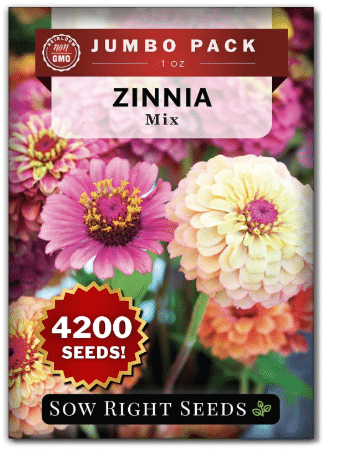
1. Sow Right Seeds – Zinnia Flower Seed Mix
Product Description: Zinnias are the undisputed champions of the summer garden. Sow Right Seeds offers a premium, non-GMO mix that produces a stunning explosion of pink, red, yellow, orange, and purple blooms. These “cut-and-come-again” flowers are relentless; the more you harvest them for indoor vases, the more they bloom.
-
Price: Budget-Friendly ($5 – $7 range)
-
Key Features and Benefits:
-
100% Non-GMO and grown in the USA.
-
Includes full instructions for successful planting.
-
Attracts monarch butterflies and honeybees all summer long.
-
Incredibly fast germination (often sprouting within 4 to 7 days).
-
-
Pros and Cons:
-
Pros: Extremely easy for beginners, fast-growing, long-lasting blooms, and excellent for cut flower arrangements.
-
Cons: Susceptible to powdery mildew if watered from above rather than at the base.
-
-
Amazon Customer Ratings and Reviews: 4.6/5 stars. Reviewers consistently praise the nearly 100% germination rate and the sheer volume of flowers produced from a single packet.
-
Why It’s a Good Choice for Beginners: Zinnias are incredibly forgiving. They tolerate poor soil and blistering heat, making them the perfect confidence-builder for first-time gardeners.
-
Ideal Use Case: Anyone wanting to start a cutting garden, fill in bare spots quickly, or garden with children who want to see fast results.
2. Mountain Valley Seed Co. – Mammoth Grey Stripe Sunflower
Product Description: If you want to make a statement, you plant Mammoth Sunflowers. Mountain Valley Seed Co. provides heirloom seeds capable of growing stalks up to 12 feet tall, topped with massive, 14-inch bright yellow flower heads. These giants are a classic American garden staple that provides beauty in the summer and edible seeds in the fall.

-
Price: Budget-Friendly ($6 – $9 range for bulk packets)
-
Key Features and Benefits:
-
Heirloom, open-pollinated seeds.
-
Produces massive flowers that can be harvested for roasting seeds.
-
Deep taproots help break up hard, compacted soil.
-
Serves as a natural trellis for climbing beans in a vegetable garden.
-
-
Pros and Cons:
-
Pros: Highly dramatic visual appeal, provides food for birds and humans, and grows rapidly.
-
Cons: Requires staking in areas with high winds; they take up significant vertical space.
-
-
Amazon Customer Ratings and Reviews: 4.5/5 stars. Buyers love the sheer size of the plants, with many posting photos of sunflowers towering over their roofs.
-
Why It’s a Good Choice for Dramatic Landscapes: Sunflowers offer an incredible architectural element to a garden. They create natural privacy screens and act as a magnet for local birds late in the season.
-
Ideal Use Case: Homeowners looking to create a quick, natural summer fence, or families wanting a fun, giant plant for kids to measure their growth against.
3. Nature’s Blossom – Wildflower Seed Mix
Product Description: Tired of mowing a difficult patch of your lawn? The Nature’s Blossom Wildflower Seed Mix is designed to convert barren dirt into a self-sustaining meadow. This curated mix includes over two dozen varieties of annuals and perennials designed to bloom in stages, ensuring continuous color from spring through the first frost.

-
Price: Mid-Range Bulk ($15 – $25 depending on weight)
-
Key Features and Benefits:
-
Contains a mix of native and naturalized species (including poppies, lupines, and coneflowers).
-
Formulated to thrive in multiple USDA zones with minimal maintenance.
-
Covers a large square footage.
-
Requires almost no fertilizer.
-
-
Pros and Cons:
-
Pros: Low maintenance once established, highly beneficial for the local ecosystem, provides a natural, wild aesthetic.
-
Cons: Can look “weedy” in the early stages of growth before the blooms appear; requires a weed-free bed before broadcasting.
-
-
Amazon Customer Ratings and Reviews: 4.3/5 stars. Customers appreciate the high germination rate but advise that proper soil preparation is essential to prevent grass from choking out the delicate flower seedlings.
-
Why It’s a Good Choice for Large Areas: It is the most economical way to landscape a large property. Instead of buying individual plants, broadcasting this mix creates a dense, colorful ecosystem that suppresses weeds naturally.
-
Ideal Use Case: Rural property owners, those wanting to replace their traditional grass lawns with eco-friendly alternatives, or anyone landscaping a steep, hard-to-mow bank.
4. Burpee – French Marigold Seed Mix
Product Description: Burpee is a legendary name in the seed industry, and their French Marigold mix lives up to the reputation. These compact, bushy plants produce heavily ruffled, jewel-toned blooms in shades of gold, orange, and mahogany. Beyond their beauty, marigolds are a vegetable gardener’s best friend, emitting a scent that naturally repels harmful nematodes and pests.

-
Price: Budget-Friendly ($4 – $6 range)
-
Key Features and Benefits:
-
Compact growth habit (usually 10 to 12 inches tall), perfect for borders.
-
Acts as an excellent companion plant for tomatoes and peppers.
-
Highly drought and heat tolerant.
-
Blooms continuously from early summer until a hard freeze.
-
-
Pros and Cons:
-
Pros: Natural pest deterrent, very reliable germination, requires almost no maintenance or deadheading.
-
Cons: Some people find the pungent, spicy smell of the foliage off-putting.
-
-
Amazon Customer Ratings and Reviews: 4.7/5 stars. Gardeners universally praise how well these seeds sprout and how effectively they protect adjacent vegetable crops from aphids and beetles.
-
Why It’s a Good Choice for Companion Planting: They are a functional flower. While they look beautiful lining a walkway, their true value is in organic pest management.
-
Ideal Use Case: Vegetable gardeners looking to protect their crops naturally, or anyone needing bright, reliable border plants for the front of a flower bed.
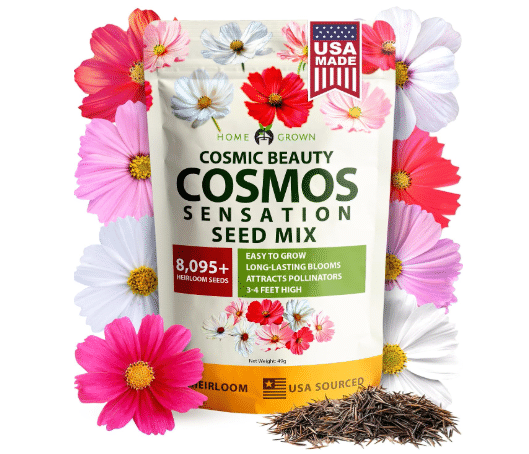
5. Seed Needs – Cosmos Sensation Mix
Product Description: Cosmos are the definition of effortless grace. The Seed Needs Sensation Mix produces tall, wispy stems topped with delicate, daisy-like flowers in pastel pinks, purples, and striking whites. They are famous for thriving on neglect—in fact, planting them in poor soil actually encourages more blooms and less leafy growth.
-
Price: Budget-Friendly ($6 – $8 range for large packets)
-
Key Features and Benefits:
-
Extremely drought tolerant once established.
-
Thrives in poor, unfertilized soil.
-
Grows up to 3 to 4 feet tall, creating movement in the garden as they sway in the wind.
-
Highly attractive to beneficial pollinators.
-
-
Pros and Cons:
-
Pros: Easiest flower to grow in poor conditions, prolific bloomer, excellent for pressing or drying.
-
Cons: Can become leggy and flop over if planted in highly fertile soil or overly shaded areas.
-
-
Amazon Customer Ratings and Reviews: 4.6/5 stars. Reviewers love how quickly they grow and how they continue to bloom brilliantly during the hottest, driest weeks of late summer.
-
Why It’s a Good Choice for Poor Soil: If you have a patch of rocky, sandy, or dry clay soil where nothing else seems to survive, Cosmos will gladly take over and turn it into a floral showcase.
-
Ideal Use Case: Gardeners dealing with less-than-ideal soil conditions, or those wanting a romantic, cottage-garden aesthetic with zero fuss.
6. Botanical Interests – Nasturtium Trailing Single Blend
Product Description:
Nasturtiums are the multi-taskers of the garden world. The Botanical Interests Trailing Blend produces long, cascading vines covered in stunning, lily-pad shaped leaves and vivid yellow, orange, and red blooms. Not only do they look beautiful spilling over the edges of raised beds or hanging baskets, but every part of the plant—from the leaves to the flowers—is completely edible, adding a peppery kick to summer salads.

-
Price: Budget-Friendly ($3 – $5 range)
-
Key Features and Benefits:
-
100% Heirloom and untreated.
-
Trailing vines can reach up to 5-6 feet in length.
-
Flowers and leaves are edible (tastes similar to watercress or arugula).
-
Acts as a “trap crop,” drawing aphids away from your valuable vegetables.
-
-
Pros and Cons:
-
Pros: Extremely fast-growing, edible, thrives in poor soil, excellent for vertical gardening.
-
Cons: Cannot tolerate frost; highly fertile soil will cause them to produce lots of leaves but very few flowers.
-
-
Amazon Customer Ratings and Reviews: 4.5/5 stars. Gardeners love using these in hanging baskets and heavily praise the high germination rates, even when seeds are planted directly into the ground without starting indoors.
-
Why It’s a Good Choice for Container Gardening: The trailing nature of this specific blend makes it the perfect “spiller” plant for container designs, giving your patio pots a professional, overflowing look with almost zero effort.
-
Ideal Use Case: Culinary enthusiasts looking to grow edible garnishes, or apartment dwellers wanting rapid, cascading color for balcony planters.
7. Survival Garden Seeds – English Lavender (Vera)
Product Description:
English Lavender (Lavendula angustifolia) is prized worldwide for its intoxicating fragrance, therapeutic properties, and striking purple spikes. Survival Garden Seeds provides a rugged, heirloom variety known as ‘Vera’. While lavender can be famously tricky to start from seed, this non-GMO, open-pollinated packet is selected for its hardiness and ability to establish deep, drought-resistant roots that will return for years.

-
Price: Budget-Friendly ($4 – $6 range)
-
Key Features and Benefits:
-
True perennial that returns year after year (Zones 5-9).
-
Highly aromatic foliage and blooms, perfect for drying and essential oils.
-
Naturally deer and rabbit resistant due to its strong scent.
-
Drought tolerant once fully established in the soil.
-
-
Pros and Cons:
-
Pros: Unbeatable fragrance, attracts bees and butterflies, long-term garden investment (perennial).
-
Cons: Lavender seeds have a notoriously slow germination rate (often 14-28 days) and require cold stratification (chilling the seeds) for the best results.
-
-
Amazon Customer Ratings and Reviews: 4.2/5 stars. While some beginners note the slower sprouting time, experienced gardeners praise the vigor of the plants once they take hold, noting they survive harsh winters beautifully.
-
Why It’s a Good Choice for Aromatic Landscaping: Planting lavender from seed saves you an absolute fortune compared to buying established nursery shrubs. Once grown, it provides a permanent, low-water border that smells heavenly every time you brush past it.
-
Ideal Use Case: Gardeners looking to build a dedicated herb garden, homeowners with high deer populations, or crafters wanting to harvest and dry their own lavender wands.
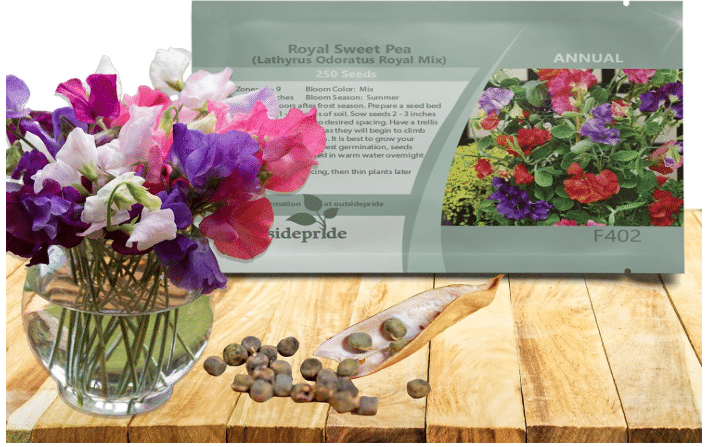
8. Outsidepride – Royal Sweet Pea Vine Mix
Product Description:
For climbing color and old-fashioned romance, nothing beats the Sweet Pea. The Outsidepride Royal Mix produces vigorous climbing vines that reach up to 6–8 feet tall, bursting with delicate, ruffled blooms in shades of pink, purple, red, and white. They are famous for their intense, honey-and-orange-blossom fragrance, making them one of the most highly sought-after cut flowers for spring bouquets.
-
Price: Budget-Friendly ($5 – $7 range for large packets)
-
Key Features and Benefits:
-
Vigorous climbing habit (requires a trellis, fence, or netting).
-
Produces incredibly fragrant, ruffled blooms.
-
Cool-weather loving; perfect for early spring planting.
-
Long stems ideal for vase arrangements.
-
-
Pros and Cons:
-
Pros: Intoxicating fragrance, rapid vertical growth, excellent cut flowers.
-
Cons: They despise intense heat and will quickly die back once peak summer temperatures arrive; requires a support structure to grow properly.
-
-
Amazon Customer Ratings and Reviews: 4.4/5 stars. Reviewers are obsessed with the scent, though many advise soaking the hard seeds in water for 24 hours before planting to speed up the sprouting process.
-
Why It’s a Good Choice for Vertical Interest: If you have an ugly chain-link fence or a bare garden trellis, Sweet Peas will rapidly climb and cover it in lush foliage and fragrant blooms before summer even officially starts.
-
Ideal Use Case: Gardeners in cooler climates, or those looking to maximize small garden spaces by growing vertically rather than horizontally.
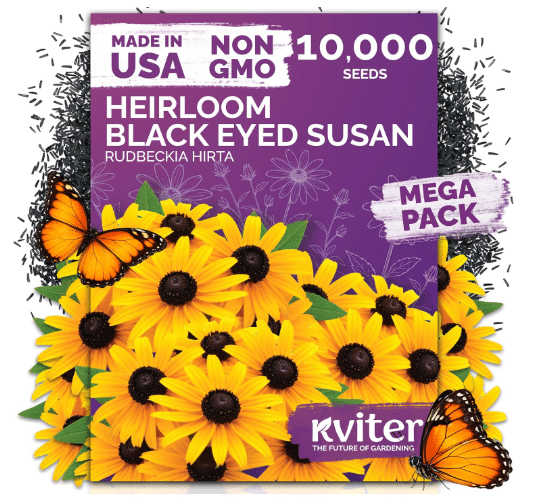
9. Eden Brothers – Black-Eyed Susan (Rudbeckia)
Product Description:
A true North American native, the Black-Eyed Susan (Rudbeckia hirta) is the ultimate workhorse of the late-summer garden. Eden Brothers offers premium seeds for these cheerful, golden-yellow daisy-like flowers with distinctive dark brown centers. As a hardy perennial (or self-seeding biennial depending on your zone), they bring a rugged, prairie-style beauty to the landscape that lasts well into autumn.
-
Price: Mid-Range Bulk ($8 – $12 range)
-
Key Features and Benefits:
-
Native wildflower that is highly adapted to local soils and pests.
-
Blooms continuously from mid-summer through the first hard frost.
-
Exceptional heat, humidity, and drought tolerance.
-
Deer resistant while highly attractive to goldfinches and butterflies.
-
-
Pros and Cons:
-
Pros: Practically indestructible once established, self-seeds to fill in garden gaps, incredible late-season color.
-
Cons: Can sometimes be aggressive spreaders if not managed or deadheaded.
-
-
Amazon Customer Ratings and Reviews: 4.7/5 stars. Buyers love that they can plant these seeds, practically forget about them, and be rewarded with a sea of gold in August when other flowers are wilting from the heat.
-
Why It’s a Good Choice for Low-Maintenance Color: Rudbeckia thrives on neglect. They don’t need fertilizer, they rarely need supplemental watering, and they stand up to the most brutal summer sun without scorching.
-
Ideal Use Case: Gardeners looking to establish a native pollinator garden, or anyone who wants vibrant, reliable late-summer color with absolutely minimal maintenance.
10. Sow Right Seeds – Purple Coneflower (Echinacea)
Product Description:
Purple Coneflower (Echinacea purpurea) is not only a stunning architectural addition to the garden but also a renowned medicinal herb. These seeds from Sow Right Seeds produce tall, sturdy stems topped with drooping pinkish-purple petals and a prominent, spiky central cone. They are native perennials that serve as a beacon for pollinators during the summer and a vital food source for songbirds in the winter.

-
Price: Budget-Friendly ($4 – $6 range)
-
Key Features and Benefits:
-
100% Non-GMO, heirloom, and native to the US.
-
Deep taproot makes them highly resilient to drought.
-
Roots and flower heads can be harvested for herbal teas and tinctures.
-
Stiff stems rarely require staking, even in high winds.
-
-
Pros and Cons:
-
Pros: Dual-purpose (ornamental and medicinal), feeds birds in winter, long lifespan as a perennial.
-
Cons: Like many perennials grown from seed, they may not produce blooms during their first year as they focus on root development.
-
-
Amazon Customer Ratings and Reviews: 4.5/5 stars. Gardeners highlight the excellent packaging and instructions, noting that these seeds yield vigorous, healthy plants that become the centerpiece of their perennial beds.
-
Why It’s a Good Choice for Eco-Friendly Gardens: Echinacea is the cornerstone of any butterfly or native habitat garden. Leaving the dried seed heads on the stems through the winter provides crucial foraging for local wildlife.
-
Ideal Use Case: Herbalists wanting to grow their own medicinal plants, or eco-conscious homeowners building a permanent, native pollinator sanctuary.
Creating a breathtaking garden doesn’t require a landscaping crew or maxing out your credit card at the local nursery. By starting your flowers from seed, you unlock a world of unique varieties, stronger plants, and the deep satisfaction of watching your landscape come to life from scratch.
Our Final Verdict & Top Recommendations:
-
Best for Absolute Beginners: You cannot fail with the Sow Right Seeds Zinnia Mix. They are fast, vibrant, and forgiving.
-
Best for Large, Empty Spaces: Broadcasting the Nature’s Blossom Wildflower Mix is the most cost-effective way to replace barren dirt with a self-sustaining ecosystem.
-
Best for Companion Vegetable Gardening: Plant the Burpee French Marigolds around your tomatoes and peppers to enjoy a beautiful, organic pest-defense system.
-
Best for Native & Low Maintenance: The Eden Brothers Black-Eyed Susan and Purple Coneflower are rugged, beautiful native perennials that will reward you for years to come.
Frequently Asked Questions (FAQ)
What is the difference between starting seeds indoors and direct sowing?
Starting seeds indoors allows you to control the environment (light, heat, and moisture) and gives your flowers a head start on the growing season, which is crucial for varieties that take a long time to mature. Direct sowing means planting the seeds directly into the garden soil where they will ultimately grow. Direct sowing is often easier and is required for certain plants (like sunflowers and poppies) that develop deep taproots and resent having their roots disturbed during transplanting.
Do I need a heat mat or grow lights to start seeds indoors?
While you do not strictly need a heat mat, many indoor seeds germinate much faster and more reliably when the soil is kept between 65°F and 75°F. Grow lights, however, are highly recommended. A sunny window rarely provides enough direct light for seedlings, causing them to stretch and become thin, weak, and “leggy”. Suspending fluorescent or LED grow lights a few inches above the trays ensures strong, sturdy stems.
How deep should I plant my flower seeds?
As a general rule, seeds should be planted twice as deep as their width. However, it is critical to read the seed packet. Some seeds (like Cosmos and Nasturtium) need to be buried to germinate, while others (like Zinnias and Petunias) actually require sunlight to sprout and should simply be pressed gently onto the surface of the soil rather than covered.
What does “stratification” mean?
Stratification is essentially a man-made winter. Many perennials, such as Lavender and Coneflowers, have naturally evolved to stay dormant until they have experienced a period of cold, damp weather. To stratify seeds, you mix them with a damp paper towel or sand in a sealed bag and place them in the refrigerator for 4 to 8 weeks before planting to break their dormancy. Your seed packet will indicate if this step is required.
Can I just save seeds from the flowers I grew this year?
It depends on the type of seed. If you planted heirloom or open-pollinated varieties, yes! The seeds you collect will grow into plants that look just like the parents. However, if you planted hybrid varieties, the seeds are a genetic lottery. They will not grow “true to type” and the resulting flowers may look entirely different in size, color, or shape.
Why didn’t my seeds sprout?
The most common culprits for poor germination are planting the seeds at the wrong depth (especially burying seeds that need light), keeping the soil too dry or too waterlogged, or attempting to grow warm-season flowers in soil that is still too cold. It could also be that the seeds were too old; you can test old seeds by wrapping ten in a damp paper towel in a warm spot to see how many sprout within a week.
When should I move my indoor seedlings outside?
You must wait until two things occur: the seedlings have developed a few sets of “true leaves” (the leaves that appear after the initial two seed leaves) and all danger of frost has passed in your area. Before planting them in the ground, you must “harden them off” by gradually exposing them to outdoor sunlight, wind, and temperature fluctuations over the course of a week to prevent transplant shock.