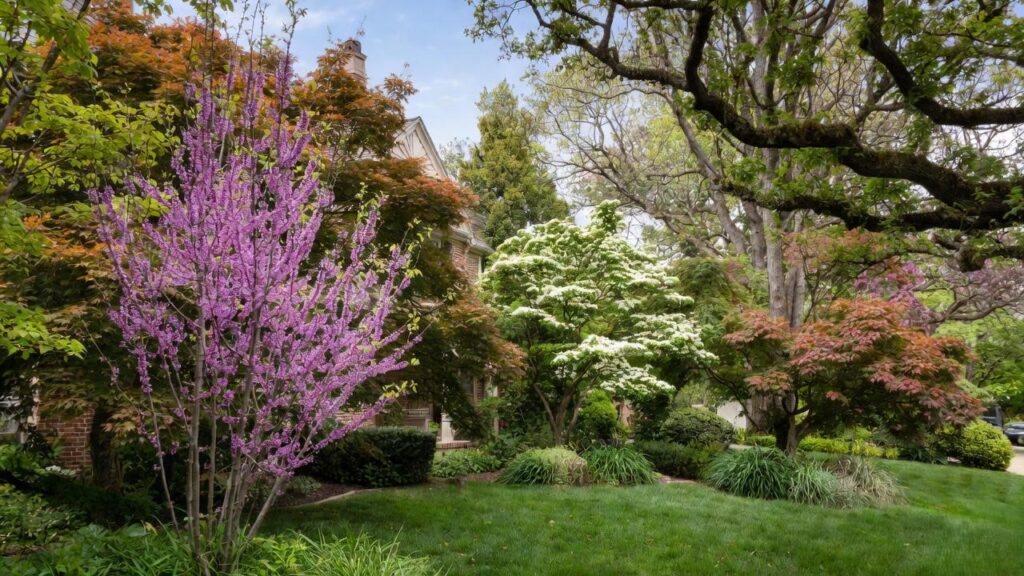
Imagine pulling up to your home and being greeted by a stunning, vibrant front yard that turns heads in the neighborhood—one with a beautifully shaped tree bursting with spring blooms, fiery fall colors, or elegant evergreen structure. Yet, many homeowners struggle with best 10 front lawn trees that fit their space, only to end up with bland lawns overshadowed by poor choices, invasive roots cracking driveways, or oversized giants blocking windows and power lines. These common pitfalls not only diminish curb appeal but can lower property value and create ongoing maintenance headaches.
The good news? Selecting the perfect front lawn tree doesn’t have to be overwhelming. With the right tree, you can dramatically boost your home’s curb appeal, provide welcoming shade, attract pollinators and birds, and even increase your property’s value by up to 15%. But the key is choosing wisely—focusing on compact varieties that stay under 30 feet at maturity to avoid overwhelming small or medium yards.
In this comprehensive guide, we’ve researched the best 10 front lawn trees of 2025 based on expert landscaping recommendations, real customer experiences from top nurseries and retailers like Amazon, popularity among homeowners, and performance factors like multi-season interest, non-invasive roots, deer resistance, and low maintenance. Our selections prioritize dwarf and compact cultivars ideal for front yards, drawing from consensus across sources like Martha Stewart Living, Better Homes & Gardens, and arborist insights.
We’ll walk you through essential buying factors, a handy comparison table, and in-depth reviews to help you make a confident, informed decision. By the end, you’ll know exactly which tree will transform your front lawn into a low-maintenance, eye-catching masterpiece. Let’s dive in and find your perfect match!
How to Choose the Best Front Lawn Tree for Your Yard
Choosing the ideal front lawn tree involves balancing aesthetics, practicality, and your specific yard conditions. Here are the key factors to consider:
- Yard size and mature tree height/spread: For most front yards, opt for trees under 30 feet tall to avoid overwhelming the space or interfering with power lines and foundations.
- USDA hardiness zone and climate adaptability: Check your zone (most of these trees thrive in zones 5-9, with some extending to 4 or 10).
- Soil type, sun exposure, and drought tolerance: Most prefer well-drained soil and full sun, but some tolerate partial shade or clay.
- Desired features: Look for spring flowers, fall color, evergreen foliage, shade, or wildlife attraction (e.g., berries for birds).
- Maintenance level, root invasiveness, and wildlife benefits: Prioritize non-invasive roots, disease resistance, and low pruning needs.
- Common mistakes to avoid: Don’t plant too close to the house (at least 15-20 feet away), sidewalks, or utilities. Avoid fast-growing invasives like Bradford pears.
Quick buyer’s guide: Start planting in spring or fall for best establishment. Water deeply weekly the first year, mulch around the base, and fertilize sparingly. Expect compact varieties to reach maturity in 10-20 years, providing long-term value with minimal effort.
Comparison Table: The 10 Best Front Lawn Trees at a Glance
| Tree Name | Mature Height | Key Features |
|---|---|---|
| Eastern Redbud | 20-30 ft | Pink spring blooms, heart-shaped leaves, fall yellow |
| Japanese Maple (Bloodgood) | 15-25 ft | Red/purple foliage, fall color |
| Flowering Dogwood | 15-30 ft | White/pink bracts, red berries, fall red |
| Crape Myrtle (dwarf) | 10-20 ft | Summer flowers (various colors), exfoliating bark |
| Little Gem Magnolia | 20-25 ft | Fragrant white flowers, evergreen |
| Kwanzan Flowering Cherry | 20-30 ft | Double pink blooms, bronze fall |
| Prairiefire Crabapple | 15-20 ft | Pink flowers, red fruit, disease-resistant |
| Dwarf Alberta Spruce | 6-12 ft | Dense evergreen, conical shape |
| Weeping Cherry | 20-30 ft | Cascading pink blooms |
| Serviceberry | 15-25 ft | White flowers, edible berries, fall color |
Note: Prices for live plants typically range $30-150 depending on size (1-3 ft starters common on Amazon/nurseries). Ratings average 4.3-4.7 stars based on thousands of reviews. Affiliate links may be used for purchases.
Detailed Reviews: The 10 Best Front Lawn Trees
1. Eastern Redbud (Cercis canadensis)
The Eastern Redbud is a native standout, often called the harbinger of spring for its profusion of vibrant pink-purple flowers that emerge directly on bare branches and trunks in early spring, creating a magical display before heart-shaped leaves appear. This compact tree offers multi-season interest with glossy green summer foliage turning brilliant yellow in fall, and its zigzag branching adds winter structure
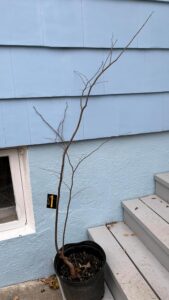
Price: Starter plants (1-2 ft) ~$40-80; larger (3-5 ft) ~$100-200.
Key features and benefits: Non-invasive roots, attracts pollinators, deer-resistant once established, adaptable to various soils, provides light shade.
Pros: Native and eco-friendly, low maintenance, stunning early bloom. Cons: Prefers protection from harsh winds; occasional leaf spot in humid areas.
Amazon/customer ratings and reviews summary: 4.5+ stars across thousands of reviews; buyers praise healthy arrivals, fast growth, and vibrant blooms (“Transformed my yard!”).
Why it’s a good choice: Its compact size and non-aggressive roots make it safe for front yards near foundations, while delivering unmatched spring color.
Ideal use case or who should buy it: Homeowners in zones 4-9 wanting a native, low-maintenance focal point for small to medium yards.
2. Japanese Maple (Acer palmatum ‘Bloodgood’)
The ‘Bloodgood’ Japanese Maple is prized for its deep burgundy-red foliage that holds color through summer, turning fiery scarlet in fall. This upright variety features delicate, palmate leaves and a graceful, layered branching habit that creates an elegant, artistic silhouette year-round.
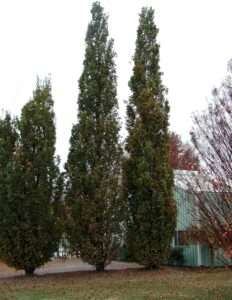
Price: $42.00
Key features and benefits: Slow growth for easy control, stunning color contrast, partial shade tolerance, deer often avoid.
Pros: Exceptional fall display, versatile in containers or landscapes. Cons: Needs protection from hot afternoon sun in southern zones; sensitive to drought.
Amazon/customer ratings and reviews summary: 4.6 stars; rave reviews for color retention and health (“Best red foliage tree ever!”).
Why it’s a good choice: Provides bold, year-round color without overwhelming space, perfect for modern or Asian-inspired gardens.
Ideal use case or who should buy it: Those in zones 5-8 seeking dramatic foliage for partially shaded front yards or patios.
3. Flowering Dogwood (Cornus florida)
The classic Flowering Dogwood dazzles with large white (or pink) bracts in spring, red berries in fall that feed birds, and vibrant red-purple autumn foliage. Its horizontal branching creates a layered, elegant form.
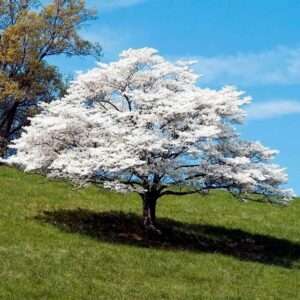
Price:$43.94
Key features and benefits: Four-season interest, wildlife magnet, moderate shade provider.
Pros: Iconic beauty, disease-resistant varieties available. Cons: Prefers acidic soil; susceptible to anthracnose in poor conditions.
Amazon/customer ratings and reviews summary: 4.4 stars; customers love the blooms and berries (“Birds flock to it!”).
Why it’s a good choice: Offers timeless Southern charm with compact growth safe for front lawns.
Ideal use case or who should buy it: Zones 5-9 gardeners wanting wildlife-friendly elegance under larger trees.
4. Crape Myrtle (Lagerstroemia, dwarf cultivars like ‘Tonto’ or ‘Pocomoke’)
Dwarf Crape Myrtles explode with long-lasting summer blooms in reds, pinks, or whites, followed by smooth, exfoliating bark and orange-red fall color. Compact varieties stay shrub-like or small-tree form.
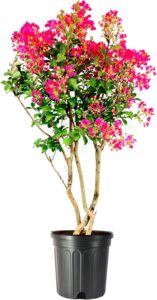
Price: $69.97
Key features and benefits: Heat/drought tolerant, mildew-resistant modern breeds, extended bloom period.
Pros: Low maintenance, vibrant color in hot climates. Cons: Deciduous in cold zones; needs pruning for shape.
Amazon/customer ratings and reviews summary: 4.7 stars; top for summer performance (“Blooms nonstop!”).
Why it’s a good choice: Thrives where others struggle, adding bold color to sunny fronts.
Ideal use case or who should buy it: Southern zones 7-10 homeowners needing heat-tolerant, colorful accents.
5. Little Gem Magnolia (Magnolia grandiflora ‘Little Gem’)
This dwarf Southern Magnolia offers glossy evergreen leaves with rusty undersides and large, fragrant creamy-white flowers from spring to fall—a compact version of the iconic magnolia.
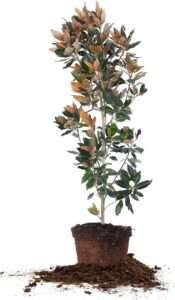
Price: $140.15
Key features and benefits: Year-round privacy, intoxicating scent, slow growth.
Pros: Evergreen screen, prolific bloomer. Cons: Prefers acidic soil; avoid extreme cold.
Amazon/customer ratings and reviews summary: 4.5 stars; praised for fragrance and compactness.
Why it’s a good choice: Provides evergreen structure and flowers in smaller spaces.
Ideal use case or who should buy it: Zones 7-10 for fragrant, formal front yards.
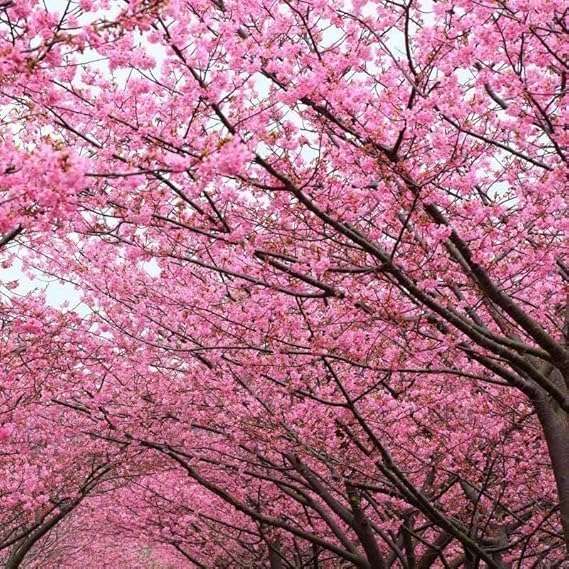
6. Kwanzan Flowering Cherry (Prunus serrulata ‘Kwanzan’)
The Kwanzan bursts with double pink pom-pom blooms in spring, creating a cloud-like effect, followed by bronze new leaves and golden fall tones.
Price: $37.90
Key features and benefits: Sterile (no fruit mess), vase shape.
Pros: Spectacular bloom display. Cons: Short-lived (20-30 years); needs good drainage.
Amazon/customer ratings and reviews summary: 4.6 stars; “Best cherry for color!”
Why it’s a good choice: Delivers unmatched spring drama in compact form.
Ideal use case or who should buy it: Zones 5-9 for dramatic focal points.
7. Crabapple (Malus ‘Prairiefire’)
‘Prairiefire’ features vibrant pink-red spring blooms, persistent red fruit for wildlife, purple-tinged leaves, and excellent disease resistance.
Price: $6.00
Key features and benefits: Bird attractor, fall/winter interest.
Pros: Tough, colorful fruit. Cons: Occasional pruning for shape.
Amazon/customer ratings and reviews summary: 4.5 stars; highly rated for resistance.
Why it’s a good choice: Reliable performer with multi-season appeal.
Ideal use case or who should buy it: Zones 4-8 needing pollinator-friendly ornamentals.
8. Dwarf Alberta Spruce (Picea glauca ‘Conica’)
This dense, conical evergreen offers soft, bright green needles year-round, forming a perfect pyramid without pruning.
Price: $47.99
Key features and benefits: Ultra-compact, formal look.
Pros: No maintenance shape, winter interest. Cons: Slow growth; protect from harsh sun.
Amazon/customer ratings and reviews summary: 4.4 stars; popular for symmetry.
Why it’s a good choice: Adds structured evergreen accent to fronts.
Ideal use case or who should buy it: Zones 3-8 for formal or container plantings.
9. Weeping Cherry (Prunus pendula varieties)
Graceful cascading branches covered in pink or white spring blooms create a romantic, fountain-like effect.
Price: $39.97
Key features and benefits: Dramatic form, spring show.
Pros: Unique silhouette. Cons: Needs staking young; fruitless varieties preferred.
Amazon/customer ratings and reviews summary: 4.6 stars; adored for weeping habit.
Why it’s a good choice: Provides elegant movement and bloom.
Ideal use case or who should buy it: Zones 5-8 for romantic accents.
10. Serviceberry (Amelanchier spp.)
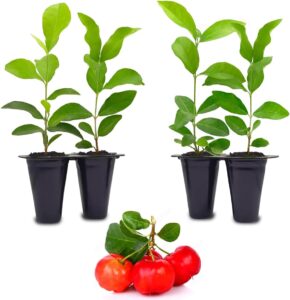
Serviceberry offers white spring flowers, edible purple berries in summer (like blueberries), and brilliant orange-red fall color.
Price: $28.99
Key features and benefits: Native, fruit for jams/birds.
Pros: Multi-purpose, low care. Cons: Berries can drop/mess.
Amazon/customer ratings and reviews summary: 4.5 stars; loved for edibles.
Why it’s a good choice: Eco-friendly with tasty rewards.
Ideal use case or who should buy it: Zones 4-9 wanting native, fruitful trees.
Product Comparison Section
- Best Overall: Eastern Redbud – Versatile, native, stunning spring color.
- Best for Small Yards: Dwarf Alberta Spruce – Ultra-compact evergreen.
- Best Flowering: Kwanzan Cherry – Unmatched pink blooms.
- Best Low-Maintenance: Crape Myrtle – Heat-tolerant, long bloom.
- Best Value: Serviceberry – Native, edible, multi-season.
Head-to-head: Redbud and Dogwood excel in spring; Japanese Maple in foliage color; Magnolia and Spruce for evergreens.
Buying Guide: Where to Buy and What to Look For
Purchase from reputable online nurseries or Amazon sellers offering healthy, potted plants (avoid bare-root if inexperienced). Look for well-branched, pest-free specimens with moist roots. Spring/fall shipping ideal. Costs: $30-200 based on size.
Planting and Care Tips for Long-Term Success
- Dig hole twice as wide as root ball, same depth.
- Amend soil if needed; mulch 3 inches deep.
- Water deeply weekly first year.
- Prune lightly after flowering; fertilize spring.
- Watch for pests; most are resistant.
Common issues: Overwatering (root rot); solutions: Improve drainage.
Conclusion
The right front lawn tree can elevate your home’s beauty, ecology, and value for decades. From the blooming splendor of redbuds and cherries to evergreen reliability of spruces and magnolias, these top 10 options offer something for every yard. Choose based on your climate and style, plant with care, and enjoy the transformation. Ready to boost your curb appeal? Pick your favorite today!