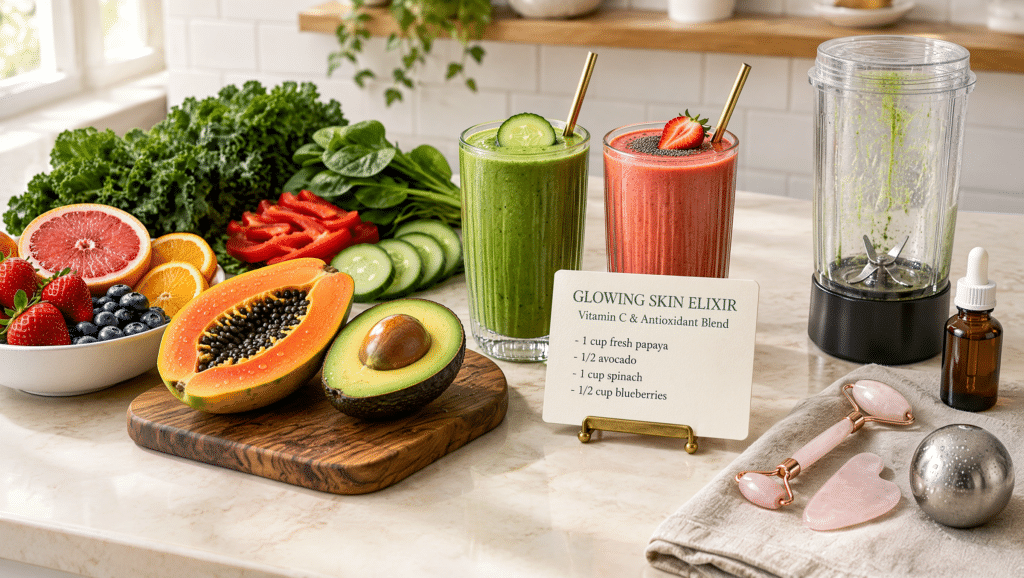
If you have been buying serums, moisturizers, and masks but still struggle with dullness, dryness, breakouts, or uneven skin tone, your routine may be missing something foundational: what you eat every day. A diet rich in vitamin C, beta-carotene, lutein, healthy fats, and antioxidants can support collagen production, skin-cell renewal, and the skin’s defense against oxidative stress.
This guide covers the best 10 fruits and vegetables for skin, explains how they support a healthier-looking complexion, and recommends practical Amazon products that make it easier to prepare juices, smoothies, salads, and skin-friendly meals consistently.
Important: Food can support skin health, but it is not a substitute for sunscreen, medical treatment, or advice from a dermatologist. Prices and Amazon ratings change frequently, so confirm the live listing before buying.
Quick Answer: Best 10 Fruits and Vegetables for Skin
| Food | Key Skin Benefit | Best Way to Use It |
|---|---|---|
| Blueberries | Antioxidant support | Smoothies, yogurt bowls, snacks |
| Strawberries | Vitamin C for collagen support | Salads, smoothies, fruit bowls |
| Kiwi | Vitamin C and digestive fiber | Smoothies, fruit salads, snacks |
| Oranges | Vitamin C and hydration | Fresh juice, snacks, salads |
| Papaya | Vitamin C and carotenoids | Smoothies, breakfast bowls |
| Avocado | Healthy fats and vitamin E | Toast, salads, smoothies |
| Carrots | Beta-carotene for skin-cell health | Juice, salads, roasting |
| Sweet potatoes | Beta-carotene and fiber | Roasting, bowls, soups |
| Spinach and kale | Lutein and antioxidants | Smoothies, salads, sautés |
| Red bell peppers | Very high vitamin C | Salads, stir-fries, snacks |
Vitamin C is needed for collagen production and is found in citrus fruits, kiwi, strawberries, peppers, and broccoli. Beta-carotene, found in orange produce such as carrots, sweet potatoes, and pumpkin, and lutein, found in kale, papaya, and spinach, are important for normal skin-cell development.
How Diet Affects Skin Health
Your skin is constantly renewing itself, and it relies on nutrients to build structural proteins, maintain moisture, and manage oxidative stress. Vitamin C supports collagen formation, while carotenoids such as beta-carotene and lutein support normal skin-cell development and may help protect against UV-related oxidative damage when eaten consistently.
What diet can realistically do
-
Support a healthier-looking, more radiant complexion over time.
-
Provide antioxidants that help the body manage oxidative stress.
-
Supply nutrients involved in collagen production and skin-cell renewal.
-
Encourage better overall eating habits, hydration, and fiber intake.
What diet cannot do
-
Instantly erase wrinkles, acne scars, or pigmentation.
-
Replace sunscreen, which remains essential for protecting against UV damage.
-
Cure medical skin conditions without proper diagnosis and treatment.
-
Deliver results overnight; consistency matters more than any single “superfood.”
Whole foods, smoothies, or juice?
Whole fruits and vegetables are generally the best starting point because they provide fiber along with vitamins and minerals. Smoothies retain more fiber than juice, while juice can be a convenient way to add carrots, leafy greens, citrus, and other produce to a busy routine. The best choice depends on your goal: use a blender for fiber-rich smoothies, a juicer for concentrated vegetable juice, and a chopper for salads and whole-food meals.
How We Selected the Products
To make this guide useful rather than generic, the product recommendations prioritize:
-
Amazon popularity: Best-seller placement and recent purchase volume.
-
Customer satisfaction: Star rating, review volume, and recurring feedback themes.
-
Everyday usability: Ease of cleaning, capacity, noise, storage, and setup.
-
Fit for skin-friendly produce: Ability to handle berries, citrus, carrots, leafy greens, peppers, and sweet potatoes.
-
Value: Balance of price, durability, performance, and warranty.
Amazon currently lists the Elite Gourmet 24 oz Electric Citrus Juicer as a top juicer best seller, with a 4.5-star rating from more than 8,800 reviews and a listed price of $13.99. The Juilist 3-inch Wide Mouth Juicer is another prominent best seller, with a 4.2-star rating from nearly 6,900 reviews and a listed price of $41.99.
Best Products at a Glance
| Product | Best For | Price / Rating |
|---|---|---|
| Elite Gourmet Electric Citrus Juicer | Fresh orange, lemon, and grapefruit juice | $13.99 / 4.5 stars, 8.8K+ reviews amazon+1 |
| Juilist 3-Inch Wide Mouth Juicer | Budget carrot, apple, celery, and greens juice | $41.99 / 4.2 stars, 6.8K+ reviews amazon+1 |
| Ninja Cold Press Blender | Smoothies and cold-press-style juicing | Check Amazon / 4.6 stars, 894 reviews |
| AMZCHEF 2L Cold Press Juicer | Family-size slow juicing | Check Amazon / 4.3 stars, 4K+ reviews |
| Fullstar Pro Vegetable Chopper | Fast salads, stir-fries, and meal prep | Check Amazon |
| Salad Spinner | Clean, crisp leafy greens | Check Amazon |
| Produce Storage Containers | Keeping berries and greens fresh longer | Check Amazon |
| Vegetable Steamer | Gentle cooking for carrots, broccoli, and greens | Check Amazon |
Product Comparison Table
| Product | Best For | Price / Amazon Rating |
|---|---|---|
| Elite Gourmet Electric Citrus Juicer | Fresh citrus juice for vitamin C | $13.99 / 4.5 stars, 8.8K+ reviews amazon+1 |
| Juilist 3-Inch Wide Mouth Juicer | Affordable fruit and vegetable juice | $41.99 / 4.2 stars, 6.8K+ reviews amazon+1 |
| Ninja Cold Press Blender | Fiber-rich skin smoothies | Check Amazon / 4.6 stars, 894 reviews |
| AMZCHEF 2L Cold Press Juicer | Larger batches of slow-pressed juice | Check Amazon / 4.3 stars, 4K+ reviews |
| Fullstar Pro Vegetable Chopper | Quick salads and vegetable prep | Check Amazon |
| Salad Spinner | Crisp greens for salads and smoothies | Check Amazon |
| Produce Storage Containers | Reducing waste and keeping produce fresh | Check Amazon |
| Vegetable Steamer | Easy, gentle vegetable cooking | Check Amazon |
In-Depth Product Reviews
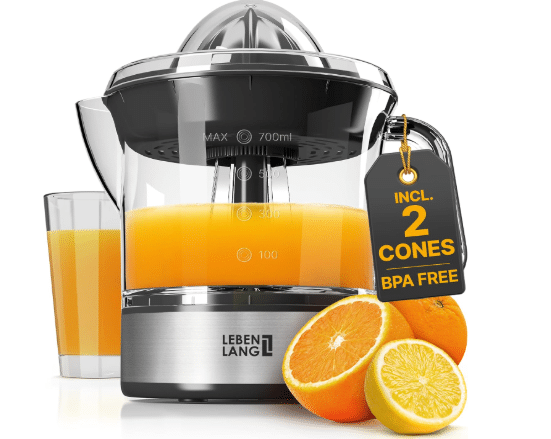
1. Elite Gourmet 24 oz Electric Citrus Juicer — Best Budget Citrus Juicer
The Elite Gourmet ETS623 is a compact electric citrus juicer designed for people who want fresh orange, lemon, lime, or grapefruit juice without buying a large, expensive juicing machine. It has a 40-watt motor, a 24-ounce container, pulp-control settings, an auto-reversing reamer, an easy-pour spout, and dishwasher-safe parts.amazon+1
For a skin-focused diet, it is especially useful for oranges and other citrus fruits, which are convenient sources of vitamin C—a nutrient involved in collagen production. Because it is inexpensive and simple to operate, it is also a strong choice for beginners who want to build a daily citrus-juice habit without committing to a full juicer.
-
Price: $13.99 at the time of review.amazon+1
-
Key features: 40W motor, 24 oz capacity, pulp control, auto-reversing reamer, seed and pulp strainer, easy-pour spout, dishwasher-safe parts, BPA-free construction.amazon+1
-
Benefits: Fast citrus juicing, easy cleanup, compact storage, low cost, and simple operation.
-
Pros: Excellent value; highly rated; easy to clean; ideal for oranges, lemons, limes, and grapefruit; compact enough for small kitchens.acibademhealthpoint+1
-
Cons: Not suitable for carrots, leafy greens, or hard vegetables; smaller capacity than a full-size juicer; best for citrus only.
-
Amazon ratings and reviews: 4.5 out of 5 stars from more than 8,800 ratings, with Amazon highlighting strong feedback for ease of use and cleaning.amazon+1
-
Why it is good for skin: Makes it easy to prepare fresh orange or grapefruit juice, both useful ways to add vitamin C-rich fruit to your routine.
-
Ideal buyer: Beginners, students, renters, small-kitchen owners, and anyone who mainly wants fresh citrus juice.
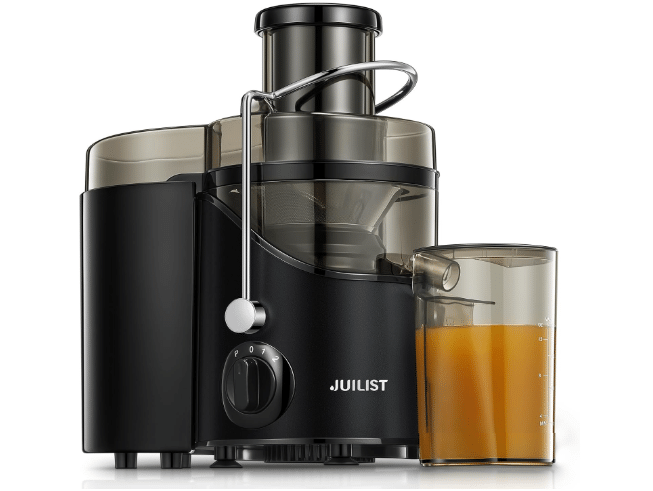
2. Juilist 3-Inch Wide Mouth Juicer — Best Budget Fruit and Vegetable Juicer
The Juilist 3-inch Wide Mouth Juicer is a centrifugal juice extractor built for everyday fruit-and-vegetable juicing. It features a wide feed chute, three speed settings, a 400W motor with up to 800W peak power, a compact countertop body, safety lock, and easy-clean components.bbcgoodfood+1
This is a more versatile option than a citrus juicer because it can handle apples, carrots, celery, cucumbers, oranges, and leafy greens. For readers focused on skin-friendly eating, it makes carrot juice, green juice, and citrus-vegetable blends much more practical. Carrots are a particularly useful ingredient because they provide beta-carotene, an antioxidant that the body converts into vitamin A.
-
Price: $41.99 at the time of review.amazon+1
-
Key features: 3-inch wide mouth, 3-speed settings, 400W motor with up to 800W peak power, compact body, safety lock, easy-clean parts.bbcgoodfood+1
-
Benefits: Affordable entry into fruit-and-vegetable juicing; wide chute reduces pre-cutting; multiple speeds help handle softer and harder produce.
-
Pros: Strong value; large feed chute; suitable for carrots, apples, celery, and greens; compact footprint; highly popular on Amazon.bbcgoodfood+2
-
Cons: Centrifugal juicers generally produce more foam and separate faster than cold-press juice; some customers report mixed experiences with cleaning, juice quality, durability, and size.bbcgoodfood
-
Amazon ratings and reviews: 4.2 out of 5 stars from about 6,800 ratings. Customers commonly praise its value, ease of use, appearance, and affordability, while some disagree on cleaning, juice quality, durability, and size.bbcgoodfood+1
-
Why it is good for skin: A practical way to make carrot, celery, apple, citrus, and greens juices that add skin-supportive nutrients to your diet.
-
Ideal buyer: First-time juicer owners, budget-conscious shoppers, and people who want a simple machine for daily vegetable-and-fruit juice.
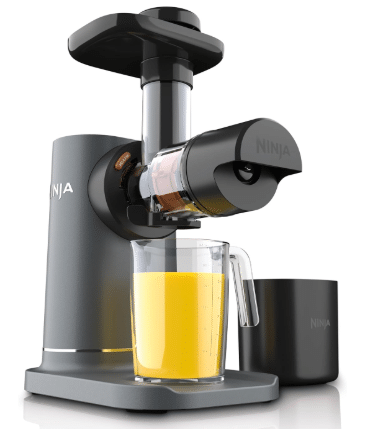
3. Ninja Cold Press Blender — Best for Skin-Friendly Smoothies
The Ninja Cold Press Blender is designed for people who want smoothies and juice-style drinks while retaining more of the whole produce. Unlike a traditional centrifugal juicer, a blender keeps the pulp and fiber in the drink, which can make it more filling and better aligned with whole-food eating.
For skin health, this is an excellent choice for blending spinach or kale with kiwi, strawberries, blueberries, papaya, avocado, and citrus. Kiwi and strawberries provide vitamin C, while leafy greens supply lutein and other antioxidants; these nutrients are associated with collagen support, skin-cell development, and antioxidant protection.
-
Price: Check the current Amazon listing, as pricing varies by model, bundle, and promotion.
-
Key features: Cold-press blending system, vegetable-and-fruit compatibility, detachable components, compact countertop design.
-
Benefits: Makes fiber-retaining smoothies; handles leafy greens, frozen fruit, and soft produce; suitable for quick breakfasts and post-workout drinks.
-
Pros: High customer rating; versatile for smoothies and juicing; convenient for daily use; strong brand recognition.
-
Cons: Some users report wet pulp and lower juice yield compared with dedicated juicers; blending is not the same as true juice extraction.
-
Amazon ratings and reviews: 4.6 out of 5 stars from 894 ratings on Amazon’s listing.
-
Why it is good for skin: Ideal for making whole-food smoothies with berries, kiwi, spinach, avocado, and other nutrient-dense ingredients.
-
Ideal buyer: Busy people, smoothie drinkers, and anyone who prefers fiber-rich drinks over clear juice.
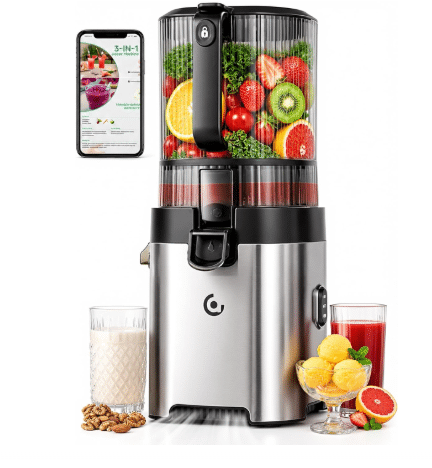
4. AMZCHEF 2L Cold Press Juicer — Best for Family-Size Slow Juicing
The AMZCHEF 2L Cold Press Juicer is a larger slow-juicing machine aimed at households that want to prepare bigger batches of juice with less frequent refilling. Its large-capacity design and whole-fruit feeding approach make it convenient for carrot, apple, celery, orange, and leafy-green juices.
Cold-press juicers generally operate more slowly than centrifugal models, which can appeal to people who prioritize juice quality and quieter operation. For a skin-focused routine, it is useful for preparing carrot-apple-ginger juice, orange-carrot blends, or green juices with cucumber, celery, and leafy greens.
-
Price: Check the current Amazon listing, as price varies by marketplace and promotion.
-
Key features: 2-liter capacity, large whole-fruit feed chute, slow cold-press extraction, automatic operation, easy-clean design.
-
Benefits: Suitable for larger batches; reduces the need to cut produce into very small pieces; convenient for families or meal-prep users.
-
Pros: Large capacity; strong customer rating; large feed chute; suitable for frequent juicing.
-
Cons: Larger footprint than compact juicers; slow juicing takes longer than centrifugal extraction; may be more than casual users need.
-
Amazon ratings and reviews: 4.3 out of 5 stars from about 4,001 customer reviews on Amazon’s UK listing.
-
Why it is good for skin: Makes it easier to prepare larger quantities of carrot, citrus, cucumber, celery, and green juices for a consistent routine.
-
Ideal buyer: Families, juice enthusiasts, and people who want to prep juice for several days at a time.
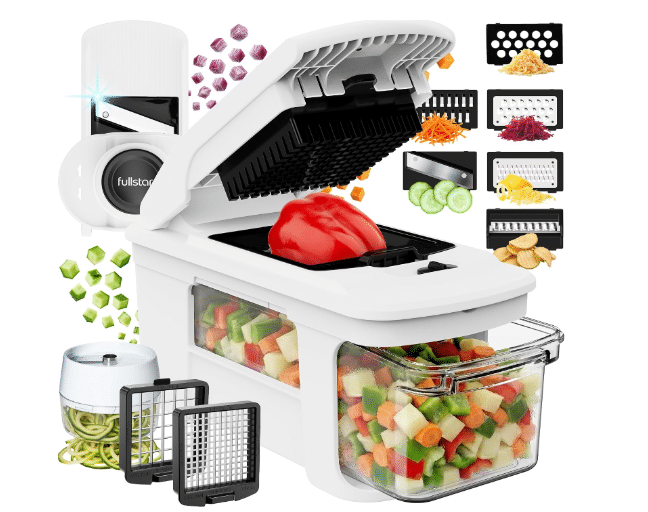
5. Fullstar Pro Vegetable Chopper and Spiralizer — Best for Fast Salad Prep
The Fullstar Pro Vegetable Chopper and Spiralizer is a multi-function prep tool for people who want to eat more vegetables without spending 20 minutes chopping after work. It can dice, slice, spiralize, and prepare vegetables for salads, stir-fries, soups, and meal-prep containers.
This is one of the most practical tools for a skin-supportive diet because it lowers the friction of eating vegetables. Red bell peppers, cucumbers, carrots, onions, zucchini, and leafy greens become much easier to prepare quickly. Red bell peppers are particularly valuable because they are among the vitamin-C-rich vegetables associated with collagen support.
-
Price: Check the current Amazon listing.
-
Key features: Multiple blade attachments, vegetable chopper, spiralizer function, container/collection system, compact storage design.
-
Benefits: Saves prep time; encourages more salads and vegetable-based meals; reduces knife work; useful for meal prep.
-
Pros: Versatile; good for beginners; helps increase daily vegetable intake; compact compared with owning several separate tools.
-
Cons: Blades require careful handling and cleaning; not ideal for very soft fruits; plastic components may stain with turmeric, carrots, or tomato-based foods.
-
Amazon ratings and reviews: Check the live Amazon listing for the current rating and review count.
-
Why it is good for skin: Makes it easier to prepare vitamin-C-rich peppers, beta-carotene-rich carrots, and fiber-rich salads consistently.
-
Ideal buyer: Busy professionals, meal preppers, salad lovers, and anyone who wants to eat more vegetables with minimal effort.
6. Salad Spinner — Best for Fresh Leafy Greens
A salad spinner is a simple but underrated tool for anyone trying to eat more spinach, kale, arugula, romaine, and mixed greens. It washes and dries greens quickly, helping salads taste fresher and preventing watery dressings.
Leafy greens such as spinach and kale provide lutein and other antioxidants that support normal skin-cell development. A salad spinner also helps reduce moisture on greens before storage, which can help them stay crisp longer.

-
Price: Check the current Amazon listing.
-
Key features: Washing basket, spin-dry mechanism, locking lid, large bowl, non-slip base.
-
Benefits: Quickly cleans and dries greens; improves salad texture; helps reduce sogginess; useful for herbs and vegetables.
-
Pros: Inexpensive; easy to use; encourages more salads; helps preserve greens.
-
Cons: Takes cabinet space; not essential if you buy pre-washed greens; requires hand operation.
-
Amazon ratings and reviews: Check the live Amazon listing for the current rating and review count.
-
Why it is good for skin: Makes leafy greens more convenient, supporting regular intake of lutein- and antioxidant-rich vegetables.
-
Ideal buyer: Salad eaters, smoothie makers, meal preppers, and households that buy fresh greens weekly.
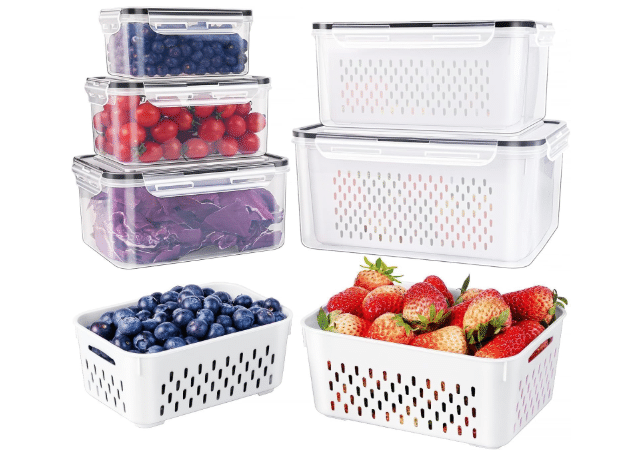
7. Produce Storage Containers — Best for Reducing Food Waste
Fresh berries, leafy greens, cut peppers, and chopped vegetables can spoil quickly, which makes it harder to maintain a skin-supportive diet. Produce storage containers help extend freshness by managing moisture and airflow.
This is especially useful for strawberries, blueberries, spinach, kale, and cut bell peppers. When healthy food is visible, accessible, and still fresh, you are more likely to use it in smoothies, salads, snacks, and meals.
-
Price: Check the current Amazon listing.
-
Key features: Ventilated lids, moisture-control design, stackable construction, dishwasher-safe materials, multiple sizes.
-
Benefits: Helps keep produce fresher; reduces waste; makes healthy snacks more visible; supports meal prep.
-
Pros: Practical for berries and greens; helps organize the refrigerator; useful for weekly grocery routines.
-
Cons: Takes refrigerator space; effectiveness varies by produce type; requires washing between uses.
-
Amazon ratings and reviews: Check the live Amazon listing for the current rating and review count.
-
Why it is good for skin: Helps you keep skin-friendly produce usable longer, making daily consumption more realistic.
-
Ideal buyer: People who waste produce, weekly grocery shoppers, meal preppers, and smoothie drinkers.
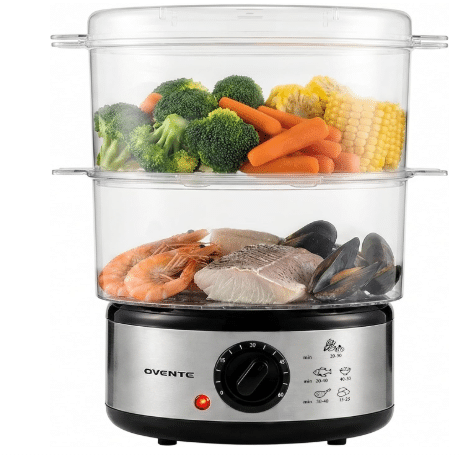
8. Vegetable Steamer — Best for Gentle Cooking
A vegetable steamer is ideal for readers who prefer cooked vegetables but do not want to lose texture through boiling. Steaming carrots, broccoli, sweet potatoes, peppers, and leafy greens is quick, simple, and requires little added fat.
Carrots and sweet potatoes are valuable sources of beta-carotene, while peppers and broccoli provide vitamin C. A steamer makes these foods easy to prepare alongside lean proteins and whole grains for balanced, skin-supportive meals.
-
Price: Check the current Amazon listing.
-
Key features: Collapsible or stackable design, heat-resistant handles, dishwasher-safe materials, compatibility with pots or microwave use.
-
Benefits: Gentle cooking; preserves vegetable texture; requires minimal oil; easy cleanup.
-
Pros: Affordable; compact; versatile; useful for meal prep and side dishes.
-
Cons: Limited capacity depending on model; not as convenient as an electric multi-cooker for large meals.
-
Amazon ratings and reviews: Check the live Amazon listing for the current rating and review count.
-
Why it is good for skin: Makes beta-carotene-rich and vitamin-C-rich vegetables easy to prepare regularly.
-
Ideal buyer: People with small kitchens, beginners, and anyone who wants simple vegetable side dishes.
The 10 Best Fruits and Vegetables for Skin
1. Blueberries
Blueberries are one of the easiest fruits to add to a skin-supportive diet because they are sweet, versatile, and rich in plant compounds with antioxidant properties. Antioxidants help the body manage oxidative stress, which is one of the factors involved in visible skin aging and environmental damage.eatingwell+1
Blueberries pair especially well with Greek yogurt, oatmeal, smoothies, and whole-grain pancakes. For a simple skin-friendly breakfast, combine half a cup of blueberries with plain yogurt, chia seeds, and a small handful of walnuts.
-
Key nutrients: Antioxidants, polyphenols, fiber, vitamin C, and water.
-
Skin benefits: Supports the body’s antioxidant defenses and contributes to a balanced, nutrient-rich diet.
-
How much to eat: About half a cup several times per week.
-
Best preparations: Fresh snacks, frozen smoothies, yogurt bowls, oatmeal toppings, and fruit salads.
-
Simple recipe: Blend frozen blueberries, banana, spinach, Greek yogurt, and water for a five-minute antioxidant smoothie.
-
Best Amazon tool: A high-performance blender, such as the Ninja Cold Press Blender, is ideal for frozen blueberries and leafy greens.
2. Strawberries
Strawberries are a practical vitamin-C fruit because they are affordable, widely available, and easy to eat without preparation. Vitamin C is needed for collagen production, making strawberries a useful addition to a diet aimed at supporting skin structure and elasticity.
They also work well in both sweet and savory dishes. Add sliced strawberries to spinach salads, blend them into smoothies, or pair them with yogurt and oats for a quick breakfast.
-
Key nutrients: Vitamin C, manganese, folate, fiber, and antioxidants.
-
Skin benefits: Supports collagen production and provides antioxidant support.
-
How much to eat: About one cup several times per week.
-
Best preparations: Fresh snacks, salads, smoothies, yogurt bowls, and infused water.
-
Simple recipe: Toss spinach, sliced strawberries, cucumber, red onion, and balsamic dressing for a quick skin-friendly salad.
-
Best Amazon tool: Produce storage containers help keep strawberries fresh longer, reducing waste and making healthy snacks more accessible.
3. Kiwi
Kiwi is one of the most underrated fruits for skin because it delivers a meaningful amount of vitamin C in a small, convenient package. Vitamin C supports collagen formation, and kiwi also provides fiber, which supports digestion and overall dietary balance.webmd
Kiwi works particularly well in green smoothies because its tangy flavor balances mild greens such as spinach. It also pairs well with banana, papaya, and citrus.
-
Key nutrients: Vitamin C, vitamin K, potassium, fiber, and antioxidants.
-
Skin benefits: Supports collagen production and provides antioxidant support.webmd
-
How much to eat: One kiwi daily or several times per week.
-
Best preparations: Smoothies, fruit salads, yogurt bowls, and fresh snacks.
-
Simple recipe: Blend kiwi, spinach, banana, and water for a simple green smoothie.
-
Best Amazon tool: A personal blender is ideal for single-serve kiwi-spinach smoothies.
4. Oranges
Oranges are a classic skin-friendly fruit because they are convenient, hydrating, and rich in vitamin C. Vitamin C plays a role in collagen production, and citrus fruits are specifically identified as useful dietary sources of this nutrient.
Whole oranges provide more fiber than juice, so they are a good everyday snack. If you enjoy juice, freshly squeezed orange juice can be a useful addition, but it is best consumed in moderation because juice contains less fiber and more concentrated natural sugars.
-
Key nutrients: Vitamin C, folate, potassium, and water.
-
Skin benefits: Supports collagen production and hydration through high water content.
-
How much to eat: One whole orange daily or several times per week.
-
Best preparations: Whole snacks, salads, fresh juice, and citrus vinaigrettes.
-
Simple recipe: Combine orange segments, avocado, red onion, spinach, and olive oil for a bright citrus salad.
-
Best Amazon tool: The Elite Gourmet Electric Citrus Juicer is a low-cost option for fresh orange juice, with a 4.5-star rating from more than 8,800 reviews.amazon+1
5. Papaya
Papaya is a tropical fruit that provides vitamin C, carotenoids, and digestive enzymes. It is especially useful in smoothies because its soft texture blends smoothly and its natural sweetness reduces the need for added sugar.
Papaya also contains lutein, a carotenoid found in foods such as papaya, kale, and spinach that supports normal skin-cell development. Its bright orange color is a good visual clue that it contains carotenoid compounds.
-
Key nutrients: Vitamin C, vitamin A precursors, lutein, folate, fiber, and digestive enzymes.
-
Skin benefits: Supports antioxidant intake and normal skin-cell development.
-
How much to eat: About one cup a few times per week.
-
Best preparations: Smoothies, breakfast bowls, fruit salads, and frozen desserts.
-
Simple recipe: Blend papaya, banana, lime juice, coconut water, and ice for a refreshing tropical smoothie.
-
Best Amazon tool: A blender is the best choice because papaya becomes creamy when blended with banana or yogurt.
6. Avocado
Avocado is technically a fruit, and it is one of the best sources of healthy fats among commonly eaten produce. Healthy fats support overall dietary quality and help the body absorb fat-soluble nutrients from other foods.
Avocado also contains vitamin E and provides a creamy texture that makes smoothies more satisfying. It pairs well with citrus, tomatoes, leafy greens, and whole-grain toast.
-
Key nutrients: Monounsaturated fats, vitamin E, potassium, fiber, and folate.
-
Skin benefits: Supports a balanced diet and helps the body use fat-soluble nutrients.
-
How much to eat: About half an avocado several times per week.
-
Best preparations: Toast, salads, smoothies, guacamole, and grain bowls.
-
Simple recipe: Mash half an avocado with lemon juice, spread it on whole-grain toast, and top with cherry tomatoes and black pepper.
-
Best Amazon tool: A blender can turn avocado into a creamy smoothie base, especially when combined with kiwi, spinach, and citrus.
7. Carrots
Carrots are one of the best-known beta-carotene foods. Beta-carotene is an antioxidant that the body can convert into vitamin A, a nutrient involved in normal skin-cell growth.
Carrots are inexpensive, shelf-stable, and easy to use in both raw and cooked dishes. They are especially useful in juices because their natural sweetness balances stronger vegetables such as celery, kale, and ginger.
-
Key nutrients: Beta-carotene, fiber, vitamin K, potassium, and antioxidants.
-
Skin benefits: Provides beta-carotene, which supports normal skin-cell growth.
-
How much to eat: One medium carrot or half a cup daily.
-
Best preparations: Juicing, roasting, salads, soups, and raw snacks.
-
Simple recipe: Juice carrots with apple, ginger, and lemon for a bright, skin-friendly drink.
-
Best Amazon tool: The Juilist 3-inch Wide Mouth Juicer is a budget-friendly choice for carrot juice, with a 4.2-star rating from nearly 6,900 reviews.amazon
8. Sweet Potatoes
Sweet potatoes are another excellent source of beta-carotene. Like carrots, their orange color reflects carotenoid content, which supports normal skin-cell development and contributes antioxidant compounds to the diet.
They are more filling than many other vegetables because they contain fiber and complex carbohydrates. This makes them useful for balanced meals that keep you satisfied while still delivering skin-supportive nutrients.
-
Key nutrients: Beta-carotene, fiber, potassium, vitamin C, and complex carbohydrates.
-
Skin benefits: Provides beta-carotene and supports balanced, satisfying meals.
-
How much to eat: One medium sweet potato several times per week.
-
Best preparations: Roasting, baking, mashing, soups, and grain bowls.
-
Simple recipe: Roast sweet-potato cubes with olive oil, paprika, and garlic; serve with leafy greens and a protein source.
-
Best Amazon tool: A vegetable steamer or air fryer makes sweet potatoes easy to prepare for weekly meal prep.
9. Spinach and Kale
Spinach and kale are two of the most versatile leafy greens for a skin-focused diet. They provide lutein, antioxidants, fiber, and a wide range of micronutrients while adding volume to smoothies and salads without overwhelming flavor.
Spinach is ideal for beginners because it blends easily and has a mild taste. Kale has a stronger flavor and firmer texture, so it works especially well in salads, soups, sautés, and baked chips.
-
Key nutrients: Lutein, vitamin K, folate, fiber, iron, and antioxidants.
-
Skin benefits: Provides lutein and antioxidant compounds associated with normal skin-cell development.
-
How much to eat: One to two cups of leafy greens daily.
-
Best preparations: Smoothies, salads, sautés, soups, and stir-fries.
-
Simple recipe: Sauté kale with garlic and olive oil, then finish with lemon juice and a pinch of salt.
-
Best Amazon tool: A salad spinner helps wash and dry greens quickly, while a blender makes spinach smoothies nearly effortless.
10. Red Bell Peppers
Red bell peppers are one of the best vegetable sources of vitamin C. In fact, peppers are specifically listed among vitamin-C-rich foods that support collagen production.
They are also crunchy, colorful, and easy to add to meals. Eat them raw with hummus, slice them into salads, roast them for grain bowls, or blend them into soups and sauces.
-
Key nutrients: Vitamin C, vitamin A precursors, fiber, and antioxidants.
-
Skin benefits: Supports collagen production through high vitamin-C content.
-
How much to eat: Half to one bell pepper daily or several times per week.
-
Best preparations: Raw snacks, salads, stir-fries, roasting, and soups.
-
Simple recipe: Slice red bell peppers, carrots, and cucumbers; serve with hummus for a quick skin-friendly snack.
-
Best Amazon tool: The Fullstar Pro Vegetable Chopper and Spiralizer makes pepper, carrot, and cucumber prep much faster.
Buying Guide: Choose the Right Tool for Your Routine
The best appliance is the one you will actually use several times per week. If your goal is more fiber, choose a blender or chopper. If your goal is concentrated vegetable juice, choose a juicer. If your goal is simply eating more vegetables with less effort, start with a chopper, salad spinner, and storage containers.
Juicer vs. blender vs. chopper
| Tool | Best For | Main Trade-Off |
|---|---|---|
| Juicer | Concentrated carrot, citrus, celery, and green juices | Removes most fiber and requires cleanup |
| Blender | Fiber-rich smoothies with berries, greens, and avocado | Thicker texture; not true juice |
| Chopper | Salads, stir-fries, meal prep, and whole-food eating | Does not make drinks |
What to look for in a juicer
-
Wide feed chute to reduce chopping.
-
Easy-to-remove parts for faster cleaning.
-
Adequate motor power for carrots, apples, and celery.
-
Pulp-control or pulp-ejection system.
-
Compact footprint if counter space is limited.
-
Safety lock and stable base.
-
Reasonable warranty and available replacement parts.
The Juilist juicer includes a 3-inch wide mouth, three speeds, a compact body, safety lock, and easy-clean parts, making it a practical entry-level choice.amazon
What to look for in a blender
-
Strong blades for frozen fruit and leafy greens.
-
Enough power to create smooth textures.
-
Dishwasher-safe or easy-rinse components.
-
A tamper if you plan to make thick smoothie bowls.
-
Suitable jar size for one person or a family.
-
Quiet operation if you blend early in the morning.
The Ninja Cold Press Blender is a strong option for smoothie-focused users, with a 4.6-star rating from 894 Amazon reviews, though some users note wet pulp and lower juice yield than a dedicated juicer.
Budget tiers
-
Under $50: Citrus juicers, manual tools, basic choppers, and entry-level centrifugal juicers.
-
$50–$150: Better centrifugal juicers, personal blenders, and mid-range prep tools.
-
$150–$300: Higher-powered blenders and larger cold-press juicers.
-
$300+: Premium blenders, high-capacity slow juicers, and multi-function kitchen systems.
Simple decision guide
-
Want whole-food fiber? Choose a blender or chopper.
-
Want quick vegetable juice? Choose a centrifugal juicer.
-
Want quieter operation and slower extraction? Choose a cold-press juicer.
-
Mostly drink orange or grapefruit juice? Choose a citrus juicer.
-
Want to eat more salads? Choose a chopper and salad spinner.
-
Keep throwing away produce? Choose storage containers first.
7-Day Skin-Supportive Meal and Drink Plan
This plan is designed to be flexible. Use it as a template rather than a strict diet, and adjust portions based on your hunger, activity level, allergies, and medical needs.
Day 1
-
Morning: Blueberry, spinach, banana, and Greek yogurt smoothie.
-
Lunch: Spinach salad with strawberries, avocado, and grilled chicken.
-
Dinner: Roasted sweet potato, kale, and salmon.
-
Snack: Orange slices.
Day 2
-
Morning: Kiwi, banana, and spinach smoothie.
-
Lunch: Carrot, cucumber, and red-pepper salad with hummus.
-
Dinner: Sweet-potato and black-bean bowl.
-
Snack: Fresh papaya.
Day 3
-
Morning: Carrot, apple, ginger, and lemon juice.
-
Lunch: Kale salad with avocado and cherry tomatoes.
-
Dinner: Stir-fried red bell peppers, broccoli, and tofu.
-
Snack: Blueberries and yogurt.
Day 4
-
Morning: Orange, strawberry, and banana smoothie.
-
Lunch: Spinach and papaya salad with lime dressing.
-
Dinner: Roasted carrots, sweet potatoes, and chicken.
-
Snack: Kiwi.
Day 5
-
Morning: Green smoothie with spinach, kiwi, avocado, and water.
-
Lunch: Red-pepper and cucumber salad with quinoa.
-
Dinner: Sweet-potato soup with kale.
-
Snack: Carrot sticks and hummus.
Day 6
-
Morning: Papaya, banana, and coconut-water smoothie.
-
Lunch: Kale, strawberry, and avocado salad.
-
Dinner: Roasted vegetables with bell peppers, carrots, and sweet potatoes.
-
Snack: Fresh orange.
Day 7
-
Morning: Blueberry, spinach, and kiwi smoothie.
-
Lunch: Carrot-ginger juice with a whole-grain wrap.
-
Dinner: Baked sweet potato, sautéed kale, and lean protein.
-
Snack: Strawberries and yogurt.
Common Mistakes to Avoid
-
Relying only on juice: Juice can be convenient, but whole fruits and vegetables provide more fiber.
-
Buying an appliance you will not clean: A difficult-to-clean juicer often ends up unused.
-
Expecting overnight results: Dietary changes support skin health gradually through consistency.
-
Ignoring sunscreen: Nutrition complements sun protection; it does not replace it.
-
Overloading smoothies with sugar: Use fruit for sweetness, but avoid adding excessive juice, syrup, or sweetened yogurt.
-
Neglecting protein and healthy fats: Skin health benefits from a balanced diet, not produce alone.
-
Buying more produce than you can use: Storage containers and meal planning reduce waste.
FAQs
What are the best fruits for glowing skin?
Blueberries, strawberries, kiwi, oranges, papaya, and avocado are excellent choices. They provide vitamin C, antioxidants, fiber, and healthy fats that support a balanced, skin-friendly diet.webmd
Which vegetables are best for clear skin?
Carrots, sweet potatoes, spinach, kale, red bell peppers, broccoli, and cucumbers are useful options. Carrots and sweet potatoes provide beta-carotene, while peppers provide vitamin C.
Is juicing better than eating whole fruits and vegetables?
Whole fruits and vegetables are generally preferable because they retain fiber. Juice can still be useful for convenience, especially when made with vegetables such as carrots, celery, cucumber, and leafy greens.
Can diet improve acne?
Diet may support overall skin health, but acne is influenced by hormones, genetics, skincare, medications, and other factors. Anyone with persistent or severe acne should consult a dermatologist.
How long does it take to see skin benefits from diet?
There is no fixed timeline. Many people focus on consistency for several weeks to months, while also maintaining sleep, hydration, sun protection, and a balanced skincare routine.
Are smoothies healthy for skin?
Yes, when they are built around vegetables, fruit, protein, and healthy fats. A smoothie with spinach, kiwi, blueberries, Greek yogurt, and avocado can be more balanced than a fruit-juice-only drink.
What is the best budget juicer for beginners?
The Juilist 3-inch Wide Mouth Juicer is a strong budget option because of its wide chute, multiple speeds, compact design, and 4.2-star rating from nearly 6,900 reviews.amazon
Which blender is best for spinach, berries, and frozen fruit?
A high-powered blender such as the Ninja Cold Press Blender is a good fit for smoothies made with leafy greens, frozen berries, and soft fruit.
Do I need organic produce for skin health?
No. The most important goal is eating a variety of fruits and vegetables consistently. Buy organic when it fits your budget and preferences, but do not avoid produce entirely if organic options are unavailable.
Can food replace sunscreen or skincare products?
No. A nutrient-rich diet supports skin health from the inside, but sunscreen, appropriate skincare, sleep, hydration, and medical care remain important.