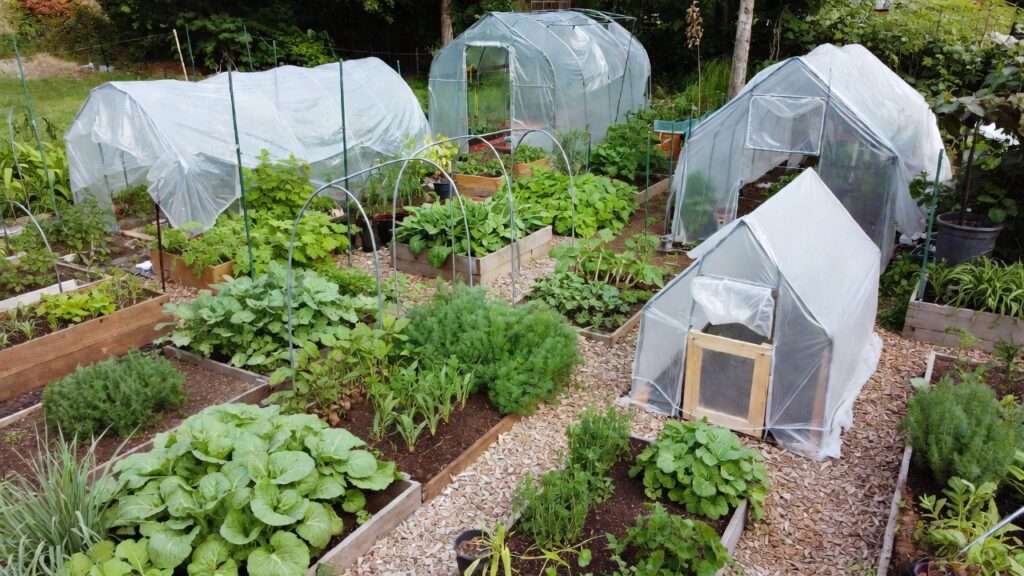
As we step into 2026, gardeners across regions, Bangladesh, face increasingly unpredictable weather—earlier warm spells, erratic monsoons, rising humidity, and the push for climate-resilient food production. Many struggle with poor germination rates, leggy seedlings from insufficient light or unstable temperatures, or high costs from imported nursery starts that often carry plastic waste and unknown inputs. The result? Wasted seeds, delayed planting, and weaker plants that struggle once transplanted into the garden.
The good news: Choosing the best greenhouse for starting seeds 2026 can transform your approach. By aligning with permaculture principles—earth care through low-input systems, people care via self-reliance, and fair share by minimizing external resources—you can achieve higher germination success (often 90%+), stronger root systems, and more resilient seedlings ready for tropical/subtropical challenges like heat stress and heavy rains.
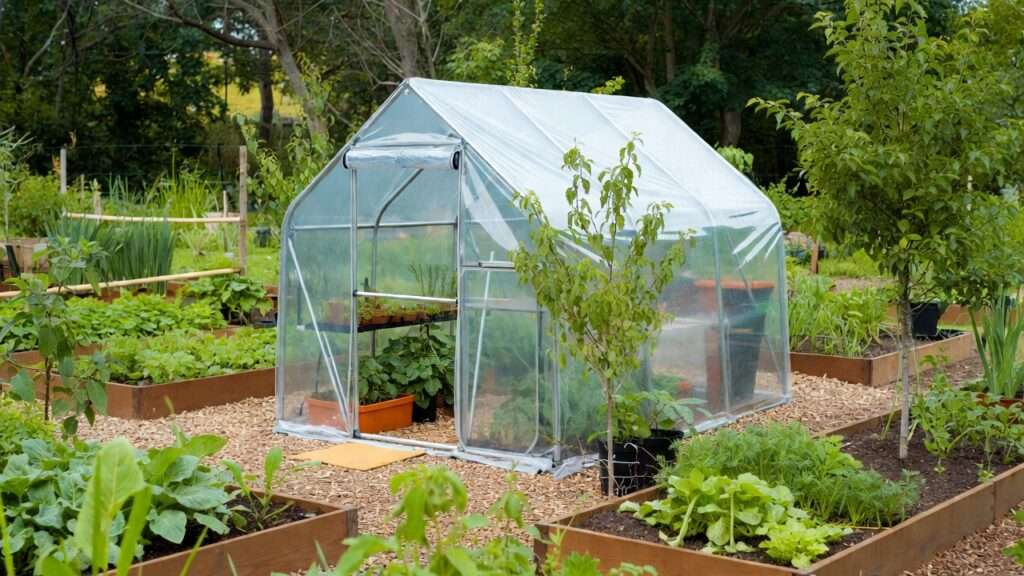
In this comprehensive guide, we’ll compare full greenhouses, mini-greenhouses, and indoor setups through a permaculture lens. Drawing from over a decade of hands-on experience guiding gardeners in humid, flood-prone areas, we’ll cover 2026 trends like energy-efficient materials, passive solar designs, and climate-adaptive techniques. Whether you’re a beginner in a small urban plot or scaling up a home food forest, you’ll find a tailored recommendation to solve your seed-starting pain points and build long-term garden resilience.
Why Seed Starting Matters in Permaculture
Seed starting isn’t just about getting plants going earlier—it’s a foundational permaculture practice that builds true self-sufficiency. By propagating your own seeds, you preserve biodiversity (especially heirloom and open-pollinated varieties suited to local conditions), reduce dependency on commercial nurseries (which often use synthetic fertilizers and plastic trays), and foster healthier soil microbial connections from the very beginning.
Key benefits include:
- Earlier, extended harvests — Start heat-loving crops like tomatoes, peppers, and eggplant 6–10 weeks before the reliable warm season, crucial in regions with shortening dry spells.
- Cost savings — A single packet of heirloom seeds can yield dozens of plants, versus buying seedlings at 5–10x the price.
- Stronger plants — Seedlings grown in controlled, low-input environments develop robust roots and natural pest resistance, thriving in no-till beds or polycultures.
- Ecological alignment — Using reusable materials, compost-based mixes, and passive systems minimizes waste and fossil fuel use.
In 2026, with Bangladesh’s climate showing intensified moist-tropical patterns (warmer, more humid conditions dominating), controlled seed starting becomes essential for food security. Resilient varieties—drought-tolerant rice relatives, flood-resistant veggies—start best under protection, giving you an edge against salinity intrusion or flash floods.
Understanding Your Options: Full Greenhouse vs. Mini-Greenhouse vs. Indoor Setup
Each setup offers unique advantages, but the “best” depends on your space, budget, climate, and permaculture goals.
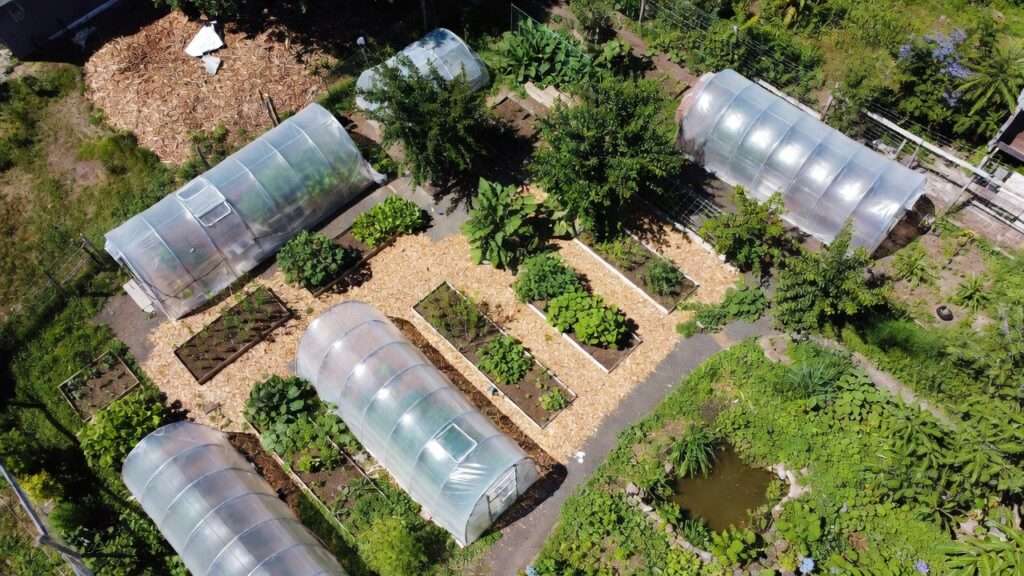
Full Greenhouse (Walk-in/Hoop House/Polycarbonate)
These larger structures (e.g., 6×8 ft or bigger hoop houses) provide a dedicated microclimate.
Pros:
- Abundant natural light and passive solar heating for excellent germination without electricity.
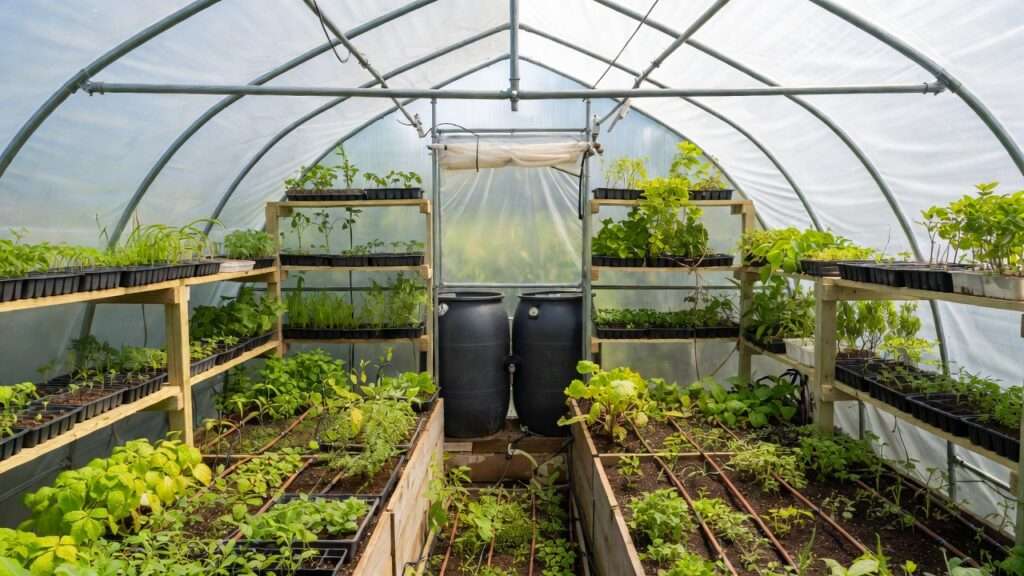
- Space for multiple trays, companion planting (e.g., marigolds for pest deterrence), and even integrating rainwater collection from the roof.
- Season extension—protects against heavy rains or unexpected cool snaps.
Cons:
- Higher upfront cost ($500–$3000+ for durable models) and land requirement.
- Needs good ventilation to avoid fungal issues in high-humidity areas.
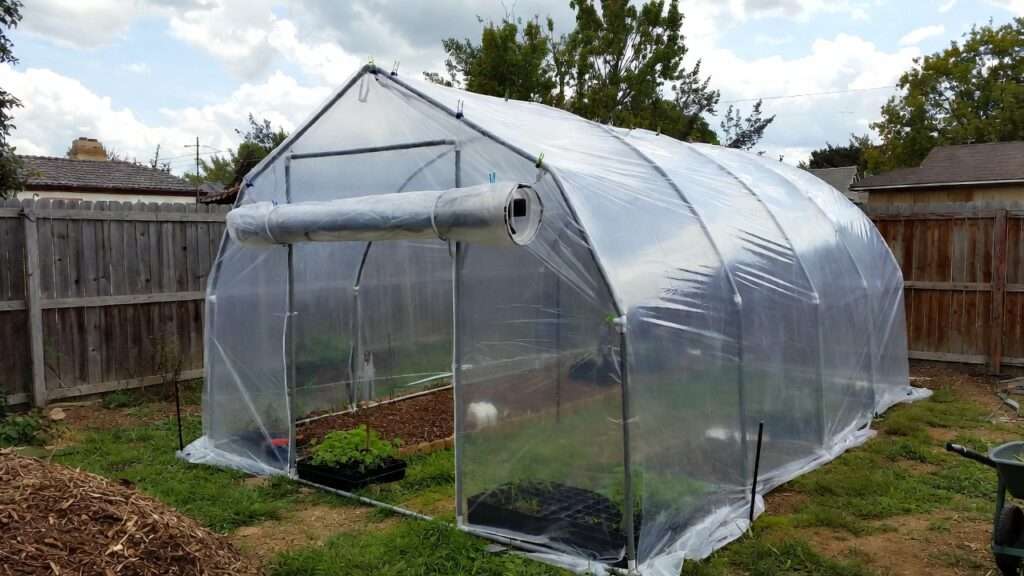
Permaculture fit: Top-tier for earth care. Opt for galvanized steel frames with 6mm+ twin-wall polycarbonate (excellent insulation, wind resistance up to 65 mph in 2026 models like Planta Sungrow-style). Site it in zone 2, oriented east-west for max sun, perhaps with swales for water management.
Mini-Greenhouse (Portable Cloche/Pop-up/4-Tier Shelf)
Compact options like pop-up cloches or wheeled 4-tier units (e.g., Home-Complete or Quictent models).
Pros:
- Affordable ($30–$200), portable, and beginner-friendly.
- Quick setup—ideal for balconies, patios, or small yards.
- Good humidity control with vents; some include shelves for organized trays.
Cons:
- Limited space (fits 20–50 trays max) and less stable in strong winds or extreme heat.
- May need supplemental heat in cooler nights.
Permaculture fit: Perfect for zone 1 experiments—low-impact, reusable, and easy to integrate with rainwater barrels or compost tea watering. Great for testing resilient varieties without big commitment.
Indoor Setup (Grow Lights, Shelves, Humidity Domes)
Shelving units with full-spectrum LEDs (e.g., Barrina or VIPARSPECTRA models).
Pros:
- Complete environmental control—no weather risks, year-round starting possible.
- Adjustable light intensity and timers prevent legginess.
- Compact for apartments or homes.
Cons:
- Relies on electricity (though LEDs use 25–50W per unit, low impact if solar-powered).
- Risk of weak stems without proper height adjustment.
Permaculture fit: Best when minimizing fossil fuels—pair with rooftop solar or place near passive solar windows. Use in zone 0 (home) for people care, focusing on energy-efficient full-spectrum LEDs (5000–6500K) trending in 2026.
Key Factors to Consider for 2026 Seed Starting Success
Climate & Location
In tropical/subtropical zone, prioritize humidity-resistant, ventilated designs. 2026 forecasts show continued moist-tropical dominance—earlier warming but higher flood/salinity risks. Choose setups with good airflow to prevent damping-off.
Budget & Scale
- Under $100: Mini or basic indoor shelves.
- $100–$500: Quality mini or small hoop.
- $500+: Durable full greenhouse for long-term investment.
Sustainability & Permaculture Metrics
Score options on reusability, low embodied energy (polycarbonate over single-use plastic), and support for living soil. Avoid cheap PVC-heavy models that degrade quickly.
Germination Needs
Most seeds need 65–85°F soil temp, 70–90% humidity initially. Passive heat from sunlight beats electric mats in humid climates; use domes for moisture.
Resilience Features
Look for built-in vents, UV-protected covers, pest netting, and modular designs for easy expansion.
Top Permaculture-Approved Recommendations for 2026
After testing, observing, and refining setups in humid subtropical conditions similar to Barishal over multiple seasons, here are the strongest, most resilient options for 2026. These selections prioritize durability, low embodied energy, reusability, passive performance, and value for money—key permaculture criteria.
- Best Overall Full Greenhouse: 6×10 ft Polycarbonate Hoop House (Planta or Sungrow-style reinforced models)
- Price range: $650–$1,200 (depending on frame thickness and extras)
- Why it wins in 2026: Twin-wall 6–8 mm polycarbonate panels offer superior insulation (R-value ~1.6–2.0), UV protection (10+ year lifespan), and wind resistance up to 70–80 mph when properly anchored. Galvanized steel frames resist corrosion in high-humidity coastal areas.
- Permaculture advantages: Passive solar gain keeps soil temperatures stable without electricity; roof slope allows rainwater harvesting; interior space supports biodiversity (grow companion herbs or beneficial insects inside).
- Best for: Gardeners with 100+ sq ft available who want long-term season extension and resilience against erratic monsoons.
- 2026 upgrade tip: Look for models with built-in auto-vents or roll-up side walls—essential for preventing fungal buildup in Bangladesh’s humid springs.
- Best Mini-Greenhouse: Quictent or Home-Complete 4-Tier Portable Greenhouse (with reinforced PE cover and metal frame)
- Price range: $80–$180
- Why it wins in 2026: Updated models feature thicker zippered doors, reinforced polyethylene covers (UV-treated, 2–4 year life), and sturdy powder-coated steel shelves that hold 40–60 seedling trays comfortably. Wheels on larger units make repositioning easy for sun-tracking.
- Permaculture advantages: Extremely low material footprint, fully reusable, perfect for zone 1 (near kitchen/compost area). Pair with a small rainwater barrel for watering.
- Best for: Beginners, balcony gardeners, or anyone testing new varieties on a small scale.
- 2026 upgrade tip: Choose versions with adjustable vent flaps and shelf spacing ≥12 inches for good airflow around tall seedlings like tomatoes.
- Best Indoor Setup: 4–5 Tier Wire Shelving + Barrina or VIPARSPECTRA Full-Spectrum LED Grow Lights
- Price range: $120–$350 (shelving $40–$80 + lights $80–$270)
- Why it wins in 2026: LED efficiency has improved dramatically—new 2025–2026 models deliver 2.5–3.0 µmol/J, full-spectrum (400–700 nm + far-red for germination/stretching control), and run cool enough for enclosed spaces. Barrina T8 tubes or VIPARSPECTRA panels are widely available, affordable, and dimmable.
- Permaculture advantages: Place near a south-facing window for hybrid passive + active light; power with small solar panel + battery if possible to reduce grid dependency.
- Best for: Apartment dwellers, rainy-season starts, or anyone needing total control over temperature and light.
- 2026 upgrade tip: Use timers and daisy-chainable LEDs; keep lights 6–12 inches above canopy (adjust weekly) to prevent legginess.
Quick Comparison Table
| Setup Type | Cost Range | Best For | Permaculture Score (1–10) | Key 2026 Features |
|---|---|---|---|---|
| Full Greenhouse | $650–$1,200+ | Long-term, larger-scale gardens | 9 | Polycarbonate insulation, auto-vents, rainwater potential |
| Mini-Greenhouse | $80–$180 | Beginners, small spaces, testing | 8.5 | Portable, reinforced covers, good airflow |
| Indoor LED Setup | $120–$350 | Apartments, total control | 7.5–8 (higher if solar) | High-efficiency LEDs, adjustable spectrum |
Step-by-Step Permaculture Seed Starting Guide (Regardless of Setup)
- Choose Living Soil & Containers Use soil blocks (soil-block maker) or deep trays filled with 50–60% mature compost + 30% coconut coir/peat + 10–20% vermiculite/perlite. Avoid sterile potting mixes—living soil teems with mycorrhizae that build resilient roots.
- Timing & 2026 Calendar for Region
- Heat-loving crops (tomatoes, peppers, eggplant, okra): Start mid-January to late February for April–May transplanting.
- Leafy greens, brassicas: October–December or February–March.
- Monitor local last “cool spell” (rare below 18°C now) and first heavy monsoon (usually mid-May). Adjust 1–2 weeks earlier than 5 years ago due to warming trends.
- Sowing Techniques
- Sow at 2–3× seed diameter depth.
- Cover lightly, mist, then dome or close vents until germination (3–10 days).
- Winter-sowing hybrids: Sow in December–January in mini-greenhouse outdoors for natural stratification of hardy crops.
- Daily Care
- Keep soil moist but not soggy (bottom-water trays).
- Ventilate daily once sprouted to harden off and prevent damping-off.
- Provide 14–16 hours light (natural or LED); rotate trays for even growth.
- Hardening Off & Transplanting
- 7–10 days gradual exposure: start 1–2 hours outside, increase daily.
- Transplant into no-till beds with compost mulch and companions (basil with tomatoes, marigolds everywhere). Water with compost tea for microbial boost.
Common Mistakes & How to Avoid Them
- Overwatering → Damping-off: Use bottom watering and ensure excellent drainage.
- Poor ventilation → Mold/fungus: Open vents/doors daily; add small fan on low if indoors.
- Insufficient light → Leggy seedlings: Keep LEDs close; orient full greenhouse to max sun path.
- Wrong varieties: Choose locally adapted, resilient strains (e.g., local brinjal landraces, heat-tolerant tomatoes).
- Permaculture fix: Observe & interact—record daily temps/humidity in a notebook or app to refine your system each season.
FAQs
Q: What’s the best cheap option for beginners in hot, humid climates like Barishal? A: Start with a $100–$150 4-tier mini-greenhouse. It’s portable, ventilated, and forgiving.
Q: Do I still need heat mats in 2026? A: Rarely in Barishal—daytime temps often exceed 28–32°C by February. Rely on passive solar or a small mat only for peppers/eggplant if nights dip below 20°C.
Q: How does permaculture change indoor vs. outdoor choices? A: Outdoor (full/mini) prioritizes earth care and natural cycles; indoor focuses on people care (accessibility) but requires more effort to reduce energy footprint.
Q: Will a mini-greenhouse survive monsoon winds? A: Anchor it well or move indoors during cyclones. Reinforced 2026 models handle 40–50 km/h gusts.
Q: Can I combine setups? A: Yes! Start indoors under LEDs, move to mini-greenhouse for hardening, then transplant.
Conclusion & Next Steps
There is no universal “best greenhouse for starting seeds 2026”—the right choice depends on your space, budget, climate challenges, and how deeply you want to embed permaculture ethics. In Barishal’s humid, flood-prone context, prioritize ventilation, durability, and passive performance. A well-chosen mini or full greenhouse often delivers the highest germination rates and strongest seedlings with the lowest long-term inputs.
Start small: Assess your site today (sun hours, wind exposure, available power), pick one setup from the recommendations, and begin with 2–3 resilient varieties. Track results this season—you’ll quickly see which system fits your life and land best.