Creating a beautiful yard from scratch or upgrading an overgrown front lawn can feel overwhelming—especially when you are tired of spending every weekend pulling weeds, trimming unruly hedges, and replacing dead foliage.
Many homeowners waste hundreds of dollars each spring on plants that die within a single season. This happens because they buy whatever looks pretty at the local garden center without considering their specific climate, the plant’s sunlight needs, or the intense maintenance required to keep it alive. The result is a frustrating, patchy lawn and a lot of wasted money and weekend hours.
The secret to a lush, envy-inducing yard isn’t hiring an expensive landscaping crew; it’s choosing resilient, low-maintenance, and visually stunning varieties that practically take care of themselves. By ordering premium live plants online, you get nursery-grade quality with established root systems delivered right to your door. We’ve analyzed USDA hardiness zones, drought tolerance, and thousands of verified Amazon customer reviews to bring you the definitive guide to the best 10 landscape plants to instantly elevate your property value.
II. Expert Buying Guide: How to Make an Informed Landscaping Decision
Before you start digging holes, you need to understand the microclimate of your specific yard.
-
Know Your USDA Hardiness Zone: Buying a plant suited for Zone 9 when you live in Zone 5 is a guaranteed death sentence for the plant. The USDA Hardiness Zone map dictates which plants can survive your region’s coldest winter temperatures. Always check a plant’s zone rating against your zip code before purchasing.
-
Sunlight Mapping (Full Sun vs. Part Shade): Track the sunlight in the exact spot you want to plant. “Full Sun” means the plant needs 6 or more hours of direct, unfiltered light daily. “Part Sun/Part Shade” requires 3 to 6 hours, while “Full Shade” plants will scorch and die if they receive more than 3 hours of morning sun.
-
Plant Function and Placement:
-
Foundation Shrubs: Evergreen structural plants (like Boxwoods) are best placed near the house to hide concrete foundations and anchor the design year-round.
-
Privacy Screens: Fast-growing, tall evergreens (like Arborvitae) should be planted along property lines to block nosy neighbors or street noise.
-
Focal Points: Eye-catching specimens (like Hydrangeas or Japanese Maples) belong in the center of a yard or near entryways to draw the eye.
-
-
Soil and Drainage: Dig a small hole and fill it with water. If it takes hours to drain, you have heavy clay soil; if it drains instantly, you have sandy soil. Most premium landscape plants require well-draining soil to prevent root rot.
-
Buying Live Plants Online: Purchasing from reputable online nurseries via Amazon ensures the plants are grown in optimal conditions, packaged securely in custom breathable boxes, and shipped directly to you without sitting in a hot big-box store parking lot for weeks.
III. At a Glance: Top Landscape Plants
IV. Detailed Product Comparison and Reviews
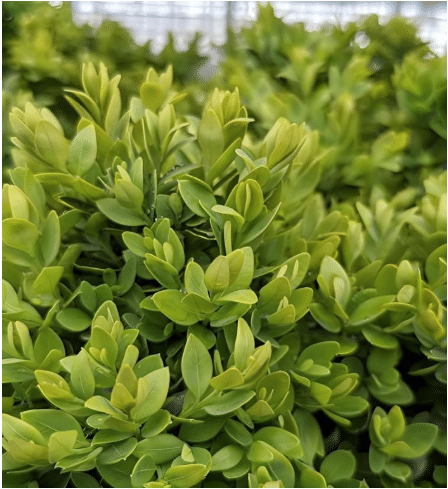
1. Green Velvet Boxwood (Buxus ‘Green Velvet’)
Product Description: The undisputed king of structural landscaping. The Green Velvet Boxwood is a dense, broadleaf evergreen shrub that retains its rich, velvety green color year-round, never dropping its leaves in the winter. It is the quintessential foundation plant for classic, formal, or modern yard designs, providing permanent, living architecture.
-
Price: Budget/Mid-Range (~$30 – $45 for a 2-gallon pot)
-
Key Features and Benefits:
-
Maintains vibrant evergreen foliage in sub-zero temperatures.
-
Thrives in USDA Zones 4-9.
-
Highly deer-resistant and rabbit-resistant.
-
Takes incredibly well to shearing, easily shaped into globes, squares, or seamless low hedges.
-
-
Pros and Cons:
-
Pros: Provides unmatched year-round structure; extremely versatile design-wise; incredibly low maintenance once established.
-
Cons: Has a relatively slow growth rate; susceptible to boxwood blight if planted in poorly draining soil or overwatered from above.
-
-
Amazon Customer Ratings and Reviews: 4.7/5 stars. Customers rave about the plants arriving healthy and well-packaged, consistently noting their immediate impact on hiding ugly foundation concrete and utility boxes.
-
Why It’s a Good Choice: It anchors your entire landscape. While flowers come and go, Boxwoods ensure your yard looks neat, manicured, and green even in the dead of winter.
-
Ideal Use Case: Homeowners wanting a clean, manicured look, seamless low boundary hedges, or classic foundation plantings directly against the house.
2. Endless Summer Hydrangea (Hydrangea macrophylla ‘Bailmer’)
Product Description: Before this variety was cultivated, northern gardeners struggled to get hydrangeas to bloom after a harsh winter. The Endless Summer Hydrangea is a revolutionary blooming shrub that flowers on both old and new wood. This guarantees a spectacular, uninterrupted show of massive, mophead blooms from late spring all the way through the first frost of fall.

-
Price: Mid-Range (~$40 – $55 for a 2-gallon pot)
-
Key Features and Benefits:
-
True re-blooming variety (flowers multiple times a season).
-
Flowers can change color based on soil pH (pink in alkaline soil, vibrant blue in acidic soil).
-
Thrives in USDA Zones 4-9.
-
Blooms make exceptionally long-lasting cut flowers for indoor vases.
-
-
Pros and Cons:
-
Pros: Continuous blooming for months rather than weeks; massive, show-stopping color; highly cold-tolerant.
-
Cons: Requires consistent watering (they will visibly wilt in the afternoon sun if the soil is dry); heavily prefers partial shade in hot, southern climates.
-
-
Amazon Customer Ratings and Reviews: 4.6/5 stars. Buyers love the sheer size of the 8-inch blooms and are frequently amazed by how quickly the shrub establishes a deep root system in its first year.
-
Why It’s a Good Choice: It injects a massive splash of vibrant, cottage-garden color into the front yard without the tedious fuss of planting delicate annuals every single year.
-
Ideal Use Case: Gardeners looking for a show-stopping focal point near entryways, front porches, or partially shaded garden beds under large trees.
3. Emerald Green Arborvitae (Thuja occidentalis ‘Smaragd’)
Product Description: The ultimate living fence. If you want to block out a busy street or a nosy neighbor without spending $10,000 on custom lumber, this is your plant. The Emerald Green Arborvitae is a narrow, pyramidal evergreen tree that grows tall and thick, providing dense privacy and a lush green backdrop for other plants without eating up valuable horizontal yard space.

-
Price: Mid-Range (~$45 – $60 for a 3-4 foot starter tree)
-
Key Features and Benefits:
-
Grows 12-15 feet tall but maintains a narrow 3-4 foot width.
-
Thrives in USDA Zones 3-8 (incredibly cold-hardy).
-
Maintains its bright emerald color through the winter without bronzing.
-
Requires almost no pruning to maintain its tight, conical shape.
-
-
Pros and Cons:
-
Pros: The best natural, space-saving privacy screen available; highly disease-resistant; adds massive vertical interest to flat yards.
-
Cons: Very sensitive to extreme drought while establishing during the first year; requires protection from hungry deer in heavily wooded rural areas.
-
-
Amazon Customer Ratings and Reviews: 4.8/5 stars. Reviewers frequently buy these in bulk (packs of 5 or 10) and praise how effectively and affordably they establish a beautiful, living property line.
-
Why It’s a Good Choice: It creates an immediate, beautiful boundary that absorbs sound, blocks wind, and looks exponentially better than a harsh wooden or vinyl fence.
-
Ideal Use Case: Homeowners needing backyard privacy, natural windbreaks, or property line borders in tight suburban spaces.
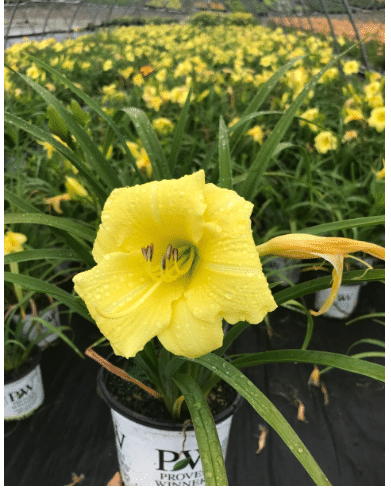
4. Stella D’Oro Daylily (Hemerocallis ‘Stella D’Oro’)
Product Description: A true “plant it and forget it” perennial. The Stella D’Oro is arguably the most popular daylily in the world for a reason. It produces a massive abundance of golden-yellow, trumpet-shaped flowers that rise above neat clumps of grass-like foliage, blooming continuously from early summer all the way to the first frost.
-
Price: Budget (~$15 – $25 for a bare root or 1-gallon pot)
-
Key Features and Benefits:
-
Blooms continuously for months.
-
Highly drought-tolerant once established.
-
Thrives in USDA Zones 3-9.
-
Multiplies and spreads naturally over time to fill in empty spaces.
-
-
Pros and Cons:
-
Pros: Nearly indestructible; tolerates poor soil, road salt, and harsh city pollution; provides reliable, bright color every single year with zero effort.
-
Cons: Each individual flower only lasts one day (though it produces hundreds of them); requires dividing with a shovel every 3-4 years as the clump spreads.
-
-
Amazon Customer Ratings and Reviews: 4.7/5 stars. Users call this the absolute “workhorse” of their garden, noting it survives severe neglect, intense heat waves, and inexperienced gardeners.
-
Why It’s a Good Choice: It fills in empty garden spaces, borders, or difficult, hard-to-mow slopes with reliable, cheerful color that requires zero babysitting.
-
Ideal Use Case: Beginner gardeners, budget-conscious buyers, and anyone looking to mass-plant a colorful, drought-resistant border along a driveway or sidewalk.
5. Patriot Hosta (Hosta ‘Patriot’)
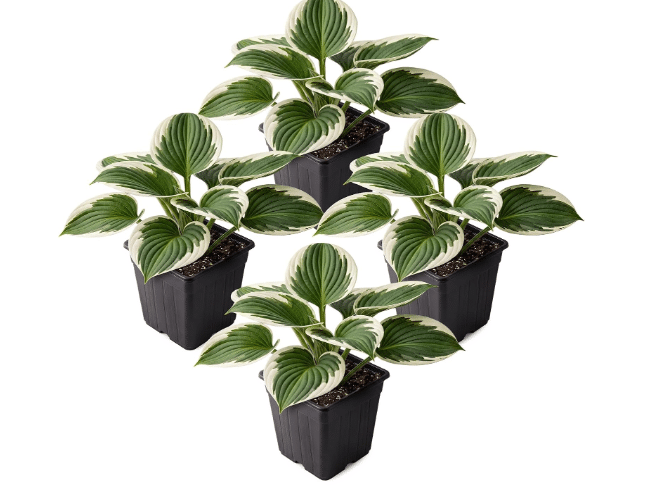
Product Description: The ultimate solution for the darkest, shadiest corners of your yard where grass refuses to grow. The Patriot Hosta features stunning, wide ovate green leaves with stark, crisp white margins. It instantly brightens up areas under dense tree canopies or on the north side of your house where the sun refuses to shine.
-
Price: Budget (~$20 – $30 for a 1-gallon pot)
-
Key Features and Benefits:
-
Thrives perfectly in full to partial shade.
-
Hardy in USDA Zones 3-9.
-
Produces tall stalks of pale lavender, bell-shaped flowers in mid-summer.
-
Creates an exceptionally lush, tropical-looking ground cover.
-
-
Pros and Cons:
-
Pros: The absolute best plant for deep shade; provides striking contrast and bold texture; very long-lived and reliable.
-
Cons: Highly attractive to slugs, snails, and deer (requires some pest management if these are prevalent in your neighborhood).
-
-
Amazon Customer Ratings and Reviews: 4.6/5 stars. Customers love how rapidly it grows and expands, often noting that the stark white leaf margins seem to glow beautifully in the evening shade.
-
Why It’s a Good Choice: It turns a barren, muddy, or shaded patch of dirt under a mature oak tree into a lush, highly textured oasis.
-
Ideal Use Case: Homeowners with heavily shaded properties, woodland gardens, or north-facing foundation beds where sun-loving plants fail.
6. Autumn Joy Sedum (Sedum spectabile ‘Autumn Joy’)
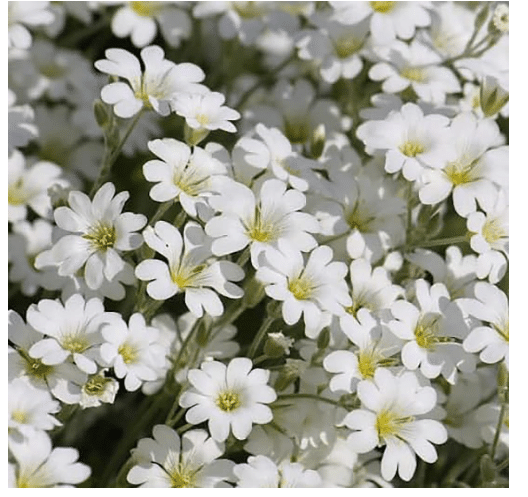
Product Description: An absolute must-have for fall interest. When your summer perennials start looking tired and yellow by late August, the Autumn Joy Sedum is just getting started. This succulent-like perennial features thick, fleshy leaves that store water, topped with massive, broccoli-like flower heads. The flowers transition from pale pink in the late summer to a deep, striking rusty red in the autumn.
-
Price: Budget (~$20 – $25 for a 1-gallon pot)
-
Key Features and Benefits:
-
Extreme drought tolerance (its fleshy leaves store excess water).
-
Hardy in USDA Zones 3-9.
-
Massive pollinator magnet; you will see bees and butterflies flocking to it in September.
-
Provides crucial late-season color.
-
-
Pros and Cons:
-
Pros: Thrives on absolute neglect and poor, rocky soil; requires almost zero watering once established; adds beautiful winter interest to the yard if the dried flower heads are left intact during the snow.
-
Cons: Can become leggy and flop over if planted in soil that is too rich or if given too much fertilizer.
-
-
Amazon Customer Ratings and Reviews: 4.8/5 stars. Buyers praise it as a “bulletproof” plant, frequently recounting how it survived intense summer heat waves without a single drop of supplemental water.
-
Why It’s a Good Choice: It seamlessly extends your yard’s colorful aesthetic well into October and November when almost all other flowers in the neighborhood have died off.
-
Ideal Use Case: Xeriscaping, rock gardens, hot borders next to asphalt driveways, and eco-conscious gardeners who want to support local pollinator populations late in the season.
7. Pink Muhly Grass (Muhlenbergia capillaris)
Product Description: Ornamental grass at its finest. Pink Muhly Grass forms a neat, tidy clump of fine, needle-like green foliage for most of the year. But in late summer and early fall, it erupts into a breathtaking, hazy cloud of cotton-candy pink plumes that catch the sunlight and dance beautifully in the autumn wind.

-
Price: Budget/Mid-Range (~$25 – $35 for a 1-gallon pot)
-
Key Features and Benefits:
-
Spectacular, feathery pink fall blooms.
-
Highly heat and drought tolerant.
-
Thrives in USDA Zones 6-9.
-
Fast growth rate, reaching 3-4 feet in height and width.
-
-
Pros and Cons:
-
Pros: Creates an ethereal, high-end landscape look when planted in large sweeping masses; very low maintenance (you only need to cut it back once a year in late winter before new growth starts).
-
Cons: Not suitable for freezing northern climates (Zones 5 and below); requires full sun to produce the best pink color.
-
-
Amazon Customer Ratings and Reviews: 4.7/5 stars. Reviewers are obsessed with the late-summer color explosion, frequently stating that their front yard display literally stops neighborhood foot traffic.
-
Why It’s a Good Choice: It adds modern texture, physical movement, and a dramatic pop of unique color to an otherwise static, all-green landscape.
-
Ideal Use Case: Modern landscape designs, coastal gardens, hillside erosion control, and southern gardeners dealing with extreme summer heat and dry spells.
8. Bloodgood Japanese Maple (Acer palmatum ‘Bloodgood’)
Product Description: The crown jewel of ornamental trees. The Bloodgood Japanese Maple boasts delicate, deeply cut leaves that hold a stunning, rich burgundy-red color from the moment they emerge in spring, straight through the heat of summer. This display culminates in a brilliant, fiery crimson presentation before the leaves drop in the fall.

-
Price: Premium (~$80 – $150 for a 2-3 foot starter tree)
-
Key Features and Benefits:
-
Striking, consistent burgundy foliage.
-
Beautiful, graceful, and natural canopy shape.
-
Grows to a highly manageable 15-20 feet at maturity (won’t overwhelm a house like an Oak tree).
-
Hardy in USDA Zones 5-8.
-
-
Pros and Cons:
-
Pros: An unparalleled focal point that immediately increases curb appeal and property value; the perfect size for small suburban front yards.
-
Cons: Premium price point; requires protection from harsh, drying afternoon winds in hotter climates to prevent the delicate leaf tips from scorching.
-
-
Amazon Customer Ratings and Reviews: 4.5/5 stars. Buyers are thrilled with the secure shipping of the live trees, noting that the deep red foliage color is even more vibrant in person than in the photos.
-
Why It’s a Good Choice: It anchors your entire landscape design with a high-status, elegantly structured ornamental tree that changes with the seasons but always draws the eye.
-
Ideal Use Case: Homeowners wanting a sophisticated centerpiece for a front yard island bed, a Zen garden, or a focal point near a front entryway.
9. Double Play Spirea (Spiraea japonica)
Product Description: Why choose between colorful foliage and bright flowers when you can have both simultaneously? This compact, mound-forming shrub emerges with fiery red and orange foliage in the early spring, transitions to a vibrant chartreuse green, and then is absolutely smothered in clusters of hot pink flowers by early summer.

-
Price: Mid-Range (~$30 – $45 for a 2-gallon pot)
-
Key Features and Benefits:
-
Two distinct seasons of intense, contrasting color.
-
Naturally compact and mounded (stays around 2-3 feet tall).
-
Highly deer resistant and adaptable to various soils.
-
Hardy in USDA Zones 3-8.
-
-
Pros and Cons:
-
Pros: Provides multiple waves of visual interest; requires very little pruning to maintain its neat shape; highly durable and tough once established in the ground.
-
Cons: It is deciduous, meaning it will lose its leaves in the winter, leaving bare twigs until the spectacular spring flush.
-
-
Amazon Customer Ratings and Reviews: 4.6/5 stars. Users love how foolproof this shrub is, stating it bounces back beautifully with a flush of flowers even after severe, unexpected winter freezes.
-
Why It’s a Good Choice: It maximizes the visual impact of a small space. By offering changing leaf colors and bright blooms, you get the visual power of three different plants in a single, compact shrub.
-
Ideal Use Case: Mixed shrub borders, low maintenance foundation plantings under low windows, and gardeners looking for easy-care pops of hot pink.
10. English Lavender (Lavandula angustifolia)
Product Description: Bring the romantic charm and intoxicating fragrance of the French countryside right to your front walkway. English Lavender is a gorgeous, silvery-green perennial herb that sends up elegant spikes of brilliant purple, highly fragrant flowers that bloom for weeks on end.

-
Price: Budget (~$15 – $25 for a 1-quart or 1-gallon pot)
-
Key Features and Benefits:
-
Incredible, world-renowned aromatherapy fragrance.
-
Extreme drought tolerance.
-
Naturally repels mosquitoes while attracting beneficial bees.
-
Hardy in USDA Zones 5-9.
-
-
Pros and Cons:
-
Pros: Smells absolutely heavenly; has culinary and crafting uses (can be harvested and dried for sachets); thrives in poor, rocky, and neglected soils.
-
Cons: Extremely susceptible to root rot—it must be planted in well-draining soil and does not tolerate heavy, wet clay or overwatering by automated sprinkler systems.
-
-
Amazon Customer Ratings and Reviews: 4.5/5 stars. Customers love planting these along stone pathways so they release their relaxing scent whenever brushed against, though some warn to add sand or gravel to your soil before planting to ensure drainage.
-
Why It’s a Good Choice: It engages the senses. It adds a highly sophisticated, aromatic, and tactile element to the yard while requiring almost zero summer watering.
-
Ideal Use Case: Sunny walkway borders, sensory gardens, dry Mediterranean-style landscapes, and homeowners dealing with high deer populations (deer hate the smell of lavender).
IV. Conclusion & Final Verdict
You do not need a degree in horticulture to have the best-looking yard on the block. A stunning, head-turning landscape is easily achieved by mixing reliable structural evergreens (like Boxwoods) with tough, low-maintenance perennials (like Sedum and Daylilies), and anchoring the entire design with a striking focal point (like a Japanese Maple).
Our Top Recommendations Awarded:
-
Best for Privacy: The Emerald Green Arborvitae is the fastest, most beautiful way to block out the world and secure your backyard oasis.
-
Best for Deep Shade: The Patriot Hosta brings brilliant, variegated light to the darkest corners of your property where grass simply refuses to grow.
-
Best Unkillable Flower: The Stella D’Oro Daylily provides months of cheerful color while asking for absolutely nothing in return.
-
Best High-End Focal Point: The Bloodgood Japanese Maple acts as the ultimate status symbol for your yard, changing colors with the seasons and boosting curb appeal instantly.
Take a walk around your yard, determine your hardiness zone, and sketch out a quick layout. By clicking the affiliate links above, you can order these premium live plants directly from Amazon’s top-rated nurseries and completely transform your landscape this weekend.
Frequently Asked Questions (FAQ)
Is it safe to order live plants online through Amazon? Yes, absolutely. The landscape and nursery industry has perfected the shipping process. High-quality sellers use custom-designed, breathable cardboard boxes that lock the soil in place and protect the foliage during transit. Ordering online often means you get a plant pulled directly from a temperature-controlled greenhouse, rather than one that has been baking on the hot asphalt of a big-box store parking lot for three weeks.
When is the best time of year to plant new landscaping? Fall and early spring are the absolute best times to plant new trees, shrubs, and perennials. Planting in the fall (about 6 weeks before your first hard frost) allows the plant to focus all its energy on establishing a deep, strong root system in the warm soil without the stress of the blazing summer sun. If planting in the spring, do it after the last frost but before the intense heat of July arrives.
Do I need to fertilize my new plants immediately? No. In fact, fertilizing a brand-new plant with a harsh chemical fertilizer can burn its delicate roots and shock the plant. When you plant, simply backfill the hole with a 50/50 mix of the native soil and organic compost. Wait until the plant has been in the ground for a full year before applying a slow-release, granular fertilizer designed for that specific plant type.
How often should I water my new landscape plants? The most critical time for any plant’s survival is its first year in the ground. Even highly “drought-tolerant” plants like Lavender and Sedum require consistent watering during their first growing season to establish their root systems. Water them deeply at the base (avoid spraying the leaves to prevent mildew) 2 to 3 times a week, depending on rainfall. After the first year, they can largely fend for themselves.