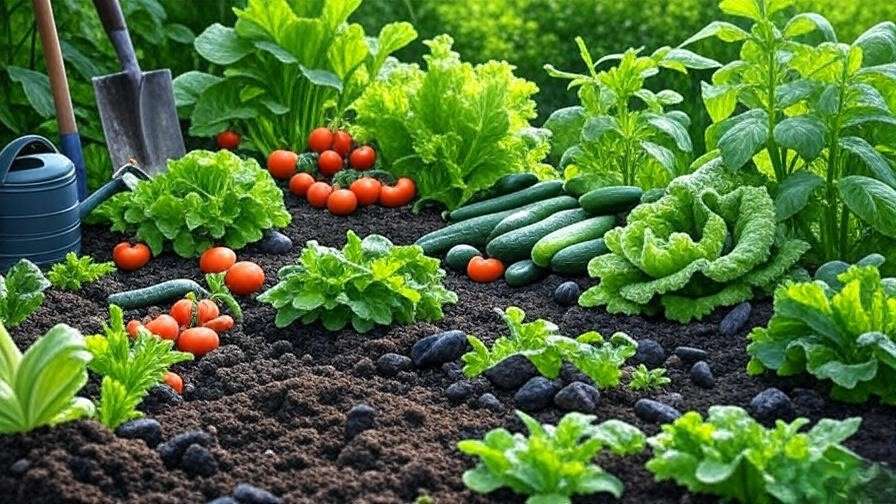
You’ve finally built or bought the perfect raised bed, filled it with premium organic soil, and are ready to step into your backyard and grow your own food. But staring at that blank, fertile canvas of dirt can quickly turn excitement into paralysis. What should you actually plant?
The biggest mistake new gardeners make is treating a raised bed exactly like a traditional ground plot. Planting sprawling, massive vines or giant, deep-rooted crops in a compact raised bed inevitably leads to overcrowding, rapid nutrient depletion, and a frustratingly small harvest. You end up with a jungle of green leaves but very few vegetables.
The secret to success is understanding that raised beds offer a unique microclimate. They feature superior drainage, looser soil, and they warm up significantly faster in the spring than the ground beneath them. To maximize your yield, you need to choose compact, high-producing varieties that thrive in these specific, contained conditions. We’ve analyzed plant growth habits, root depth requirements, and thousands of verified Amazon reviews to bring you the definitive guide to the best 10 plants for raised bed gardening.
II. Expert Buying Guide: How to Make an Informed Planting Decision
A successful raised bed requires strategic planning before a single seed touches the dirt. Here is what you need to consider when buying your plants and seeds:
-
Determinate vs. Indeterminate: When shopping for tomatoes or beans, you will often see these two words. “Indeterminate” varieties grow as massive, sprawling vines that will quickly take over a 4×4 raised bed. You should always prioritize “determinate” (or bush) varieties. These are genetically programmed to grow to a compact, manageable height, set all their fruit at once, and stay out of the way of your other plants.
-
The Magic of Loose Soil for Root Crops: Raised beds are the absolute best environment in the world for root vegetables (like carrots and radishes). Because you are filling the bed with fluffy, organic soil blends, it completely eliminates the hard, compacted clay and rocks found in native ground soil. This allows root crops to grow perfectly straight and deep.
-
Companion Planting: A raised bed is an ecosystem. Do not just plant vegetables; mix in herbs and flowers. Strong-scented herbs (like basil) and flowers (like marigolds) naturally deter pests, attract beneficial pollinating bees, and maximize your square footage without competing for the same root depth.
-
Seeds vs. Live Starter Plants: Evaluating the cost-benefit is crucial. Seeds (like radishes, beans, and carrots) are incredibly cheap and sprout rapidly directly in the soil. However, for slow-growing crops like tomatoes or peppers, purchasing live starter plants delivered directly via Amazon saves you 6 to 8 weeks of indoor growing time under expensive grow lights.
III. At a Glance: Top 10 Plants for Raised Beds
| Plant Type & Brand | Growth Habit | Best For |
| Bush Goliath Tomato | Determinate Bush | Maximizing Tomato Yield |
| Heirloom Carrots | Deep Root | Utilizing Loose Bed Soil |
| Provider Bush Beans | Compact Bush | High Yield & Soil Health |
| French Breakfast Radish | Shallow Root | Fast Growth (25 Days) |
| Salad Greens Mix | Cut-and-Come-Again | Continuous Harvests |
| California Wonder Pepper | Upright Bush | Warm, Elevated Soil |
| Black Beauty Zucchini | Contained Bush | High Volume Eaters |
| Organic Basil | Herb / Upright | Companion Planting |
| Bush Slicer Cucumber | Trailing Bush | Cascading Over Edges |
| French Marigolds | Floral / Bush | Natural Pest Control |
IV. Detailed Product Comparison and Reviews
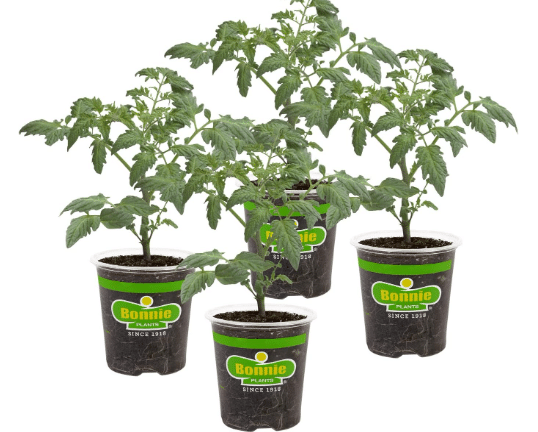
1. Bush Tomatoes (Product: Bonnie Plants Live Bush Goliath Tomato Plant)
Product Description: Tomatoes are the crown jewel of any summer garden, but traditional vining tomatoes can quickly turn a raised bed into a tangled nightmare. The Bush Goliath is a live, vigorous determinate tomato plant shipped directly to your door. It is bred specifically for patio containers and raised beds, offering massive, sweet slicing tomatoes on a compact, incredibly sturdy bush that rarely requires heavy staking.
-
Price: Premium (~$15 – $20 for a Live Starter Plant)
-
Key Features and Benefits:
-
Determinate growth habit (stops growing at a manageable 3-4 feet).
-
Produces large, 3-to-4 inch fruits perfect for sandwiches.
-
Highly disease-resistant against common soil-borne wilts.
-
Arrives as a healthy, rooted plant ready for immediate transplanting.
-
-
Pros and Cons:
-
Pros: Saves you two months of seed-starting indoors; massive fruit on a tiny plant; keeps your raised bed looking tidy and organized.
-
Cons: Because it is a determinate variety, it produces its massive harvest over a concentrated 3-4 week period rather than trickling out fruit all summer.
-
-
Amazon Customer Ratings and Reviews: 4.6/5 stars. Customers rave about the secure packaging the live plants arrive in, noting that the root systems are incredibly healthy and the plants bounce back immediately after planting.
-
Why It’s a Good Choice: It maximizes your tomato yield without requiring massive, 6-foot wire cages or trellises that inevitably cast dark shadows over the rest of your raised bed crops.
-
Ideal Use Case: Raised bed owners who crave fresh, juicy slicing tomatoes but have limited vertical space or strict homeowner association (HOA) rules about tall garden structures.
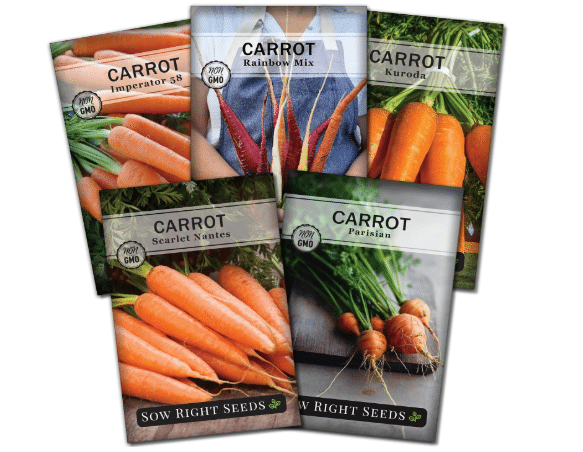
2. Carrots (Product: Sow Right Seeds – Heirloom Rainbow Carrot Seed Collection)
Product Description: Trying to grow carrots in standard backyard dirt often results in stubby, twisted, and deformed vegetables because the roots hit rocks and hard clay. A raised bed filled with light, fluffy soil is the ultimate carrot-growing environment. This premium packet of non-GMO heirloom seeds features a stunning rainbow mix (orange, purple, yellow, and white) that looks incredible on a dinner plate.
-
Price: Budget (~$10 – $12 for a Multi-Seed Pack)
-
Key Features and Benefits:
-
100% Non-GMO and untreated heirloom seeds.
-
High germination rate.
-
Thrives in the loose, friable, and stone-free soil of raised beds.
-
Different colors offer varying nutritional profiles (like high anthocyanins in the purple varieties).
-
-
Pros and Cons:
-
Pros: Extremely inexpensive way to grow dozens of pounds of food; visually stunning colors; stores for months in the refrigerator after harvest.
-
Cons: Carrot seeds are notoriously tiny and can easily be washed away if you water them too aggressively with a hose before they sprout.
-
-
Amazon Customer Ratings and Reviews: 4.7/5 stars. Buyers love the visual variety, frequently stating that their children are much more eager to eat vegetables they grew themselves in vibrant purple and yellow hues.
-
Why It’s a Good Choice: It takes total advantage of the deep, uncompacted, and rock-free soil that raised beds naturally provide, ensuring perfectly straight, long roots.
-
Ideal Use Case: Families gardening with children, root-vegetable lovers, and those practicing square-foot gardening (you can fit up to 16 carrots in a single square foot!).
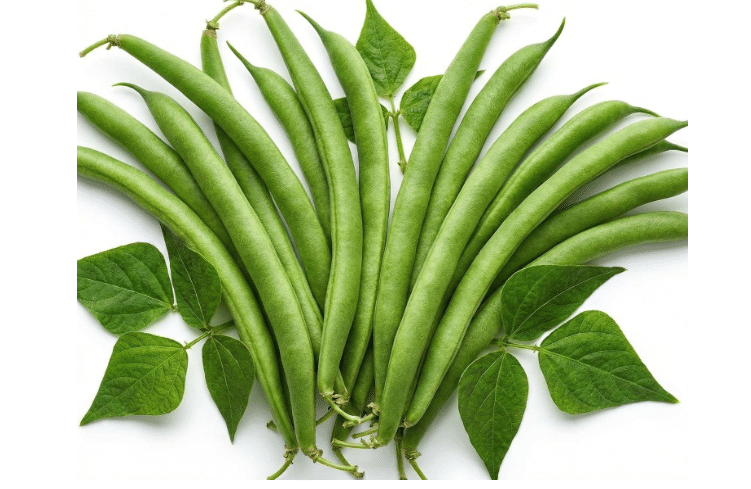
3. Bush Beans (Product: Botanical Interests Provider Bush Bean Seeds)
Product Description: “Provider” bush beans are legendary in the gardening community for their massive, early yields and incredible reliability. Unlike pole beans, which require tall, elaborate trellises to climb, the Provider variety grows in a neat, tidy, compact bush. They fit perfectly into the corners of a raised bed and begin producing crisp, stringless green beans in less than 50 days.
-
Price: Budget (~$6 – $8)
-
Key Features and Benefits:
-
Incredible high-yield production.
-
Stringless, tender pods are perfect for fresh snacking or canning.
-
Legumes act as “nitrogen fixers,” actively pulling nitrogen from the air and releasing it into the soil to feed neighboring plants.
-
-
Pros and Cons:
-
Pros: Extremely fast to harvest; improves the overall health of your raised bed soil; requires absolutely zero structural support.
-
Cons: You must harvest them every few days during peak season, or the beans will become tough and the plant will stop producing.
-
-
Amazon Customer Ratings and Reviews: 4.8/5 stars. Gardeners frequently refer to these as “foolproof,” noting almost 100% germination rates and harvests so heavy they have to give bags of beans away to neighbors.
-
Why It’s a Good Choice: You get rapid, heavy harvests and natural soil improvement without sacrificing vertical space or dealing with complicated trellises.
-
Ideal Use Case: Beginners looking for a high-confidence crop that practically guarantees success, and gardeners who want to naturally revitalize their soil’s nitrogen levels.
4. Radishes (Product: Survival Garden Seeds – French Breakfast Radish)
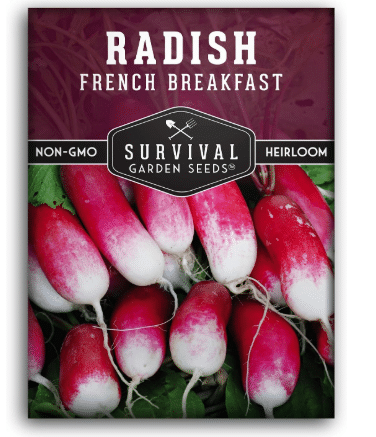
Product Description: If you want instant gratification in the garden, nothing beats the radish. The French Breakfast radish is an heirloom favorite known for its elongated shape, striking red-to-white color gradient, and crisp, mild flavor (much less spicy than round red radishes). They go from a tiny seed to a fully harvested vegetable in an astonishing 25 to 30 days.
-
Price: Budget (~$5 – $7)
-
Key Features and Benefits:
-
Extremely fast 25-day maturity window.
-
Mild, crisp, and slightly sweet flavor.
-
Tiny footprint allows them to be squeezed into any available empty space.
-
-
Pros and Cons:
-
Pros: The fastest growing vegetable in the garden; excellent for breaking up soil surface tension; perfect for continuous succession planting (planting a new row every two weeks).
-
Cons: If left in the ground too long, or if the weather gets too hot, they will quickly become woody and overly spicy.
-
-
Amazon Customer Ratings and Reviews: 4.7/5 stars. Reviewers love planting these alongside slower-growing crops, stating that it keeps them motivated while waiting for tomatoes and peppers to ripen.
-
Why It’s a Good Choice: It allows you to practice “intercropping.” You can plant a border of radishes around your larger, slower-growing plants (like tomatoes) and harvest them long before the tomato plant gets big enough to shade them out.
-
Ideal Use Case: Impatient gardeners, children learning how seeds work, and those practicing intensive, high-density square-foot gardening.
5. Spinach & Salad Greens (Product: Sweet Yards Seed Co. Salad Greens Mix)
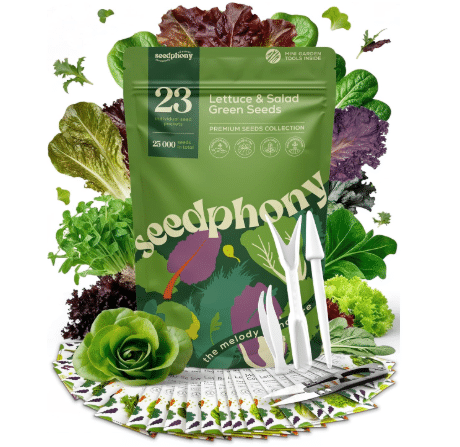
Product Description: Growing delicate salad greens directly in the ground is an open invitation for slugs, snails, and rabbits to decimate your harvest. Raised beds naturally elevate these tender crops away from ground-dwelling pests. This bulk mix includes a curated blend of cut-and-come-again lettuces, spinach, and arugula that provides a constant supply of fresh salad bowls right outside your door.
-
Price: Budget (~$12 – $15 for a Bulk 1oz pack)
-
Key Features and Benefits:
-
“Cut and come again” harvesting (cut the leaves with scissors, and they regrow in weeks).
-
Highly shade tolerant.
-
Resistant to bolting (going to seed) during the erratic temperature swings of early spring.
-
-
Pros and Cons:
-
Pros: A single packet contains thousands of seeds; incredibly cost-effective compared to buying plastic tubs of greens at the grocery store; can be planted in the shady shadow of taller plants.
-
Cons: Most greens do not tolerate extreme mid-summer heat and will turn bitter in July and August.
-
-
Amazon Customer Ratings and Reviews: 4.6/5 stars. Health-conscious buyers love the massive volume of seeds, noting they scatter a handful into their raised beds every few weeks for a never-ending supply of spring greens.
-
Why It’s a Good Choice: It secures a continuous, daily harvest of fresh, highly nutritious salads from a surprisingly small footprint in your garden.
-
Ideal Use Case: Health-conscious homeowners, smoothie enthusiasts, and gardeners with partially shaded raised beds who need crops that don’t demand full, blinding sun.
6. Bell Peppers (Product: Burpee California Wonder Bell Pepper Seeds)
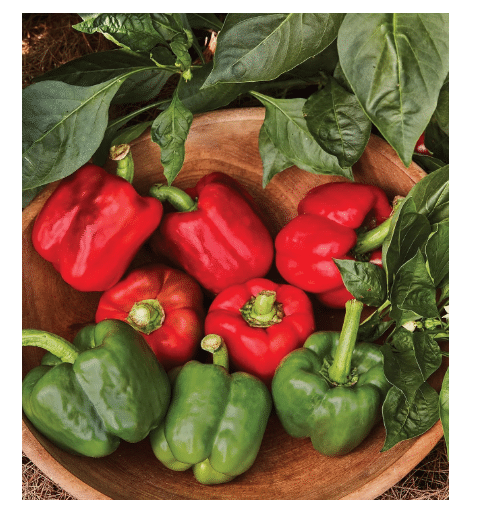
Product Description: Bell peppers are notoriously fussy about cold roots. Because raised beds sit above ground level, the soil warms up significantly faster in the spring than native ground dirt. This makes raised beds the ultimate environment for heat-loving peppers. The Burpee California Wonder is the classic, thick-walled heirloom green bell pepper that grows in a sturdy, upright bush, perfectly suited for the confined footprint of a garden box.
-
Price: Budget (~$6 – $9)
-
Key Features and Benefits:
-
Thrives in warm, elevated soil.
-
Compact, upright growth habit (reaches about 24-30 inches tall).
-
Highly productive, yielding blocky, 4-inch thick-walled peppers.
-
-
Pros and Cons:
-
Pros: Exceptionally sweet flavor (especially if left on the bush to turn red); sturdy stems rarely require heavy staking; naturally pest-resistant compared to leafy greens.
-
Cons: Seeds require very warm soil to germinate, so they must be started indoors over a heat mat 8 weeks before your last frost.
-
-
Amazon Customer Ratings and Reviews: 4.5/5 stars. Customers constantly praise the robust germination rates of Burpee seeds and note that the California Wonder out-produces modern hybrids in extreme summer heat.
-
Why It’s a Good Choice: It capitalizes on the elevated temperature of raised bed soil, rewarding you with faster fruiting and a heavier harvest than ground-planted peppers.
-
Ideal Use Case: Culinary enthusiasts, fajita lovers, and gardeners in cooler climates who need the heat-retaining properties of a raised bed to get a head start on the growing season.
7. Zucchini/Summer Squash (Product: Seed Needs – Black Beauty Bush Zucchini)
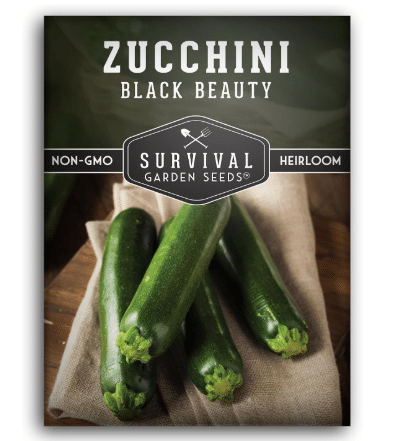
Product Description: Traditional zucchini is notorious for turning into an aggressive, creeping vine that will completely take over an entire 4×8 raised bed, suffocating everything in its path. The “Black Beauty” is a brilliant bush variety. It produces the exact same massive yields of dark green, glossy summer squash, but it stays contained in a central, upright mound.
-
Price: Budget (~$7 – $10)
-
Key Features and Benefits:
-
Contained bush growth habit (won’t vine out of the bed).
-
Incredibly prolific yield (often producing a new squash every 2-3 days at peak season).
-
Fast-growing; ready to harvest in roughly 50 days.
-
-
Pros and Cons:
-
Pros: Solves the number one problem of growing squash in small spaces; massive culinary yield; very easy to grow from direct-sown seed.
-
Cons: The large leaves still require roughly a 2×2 foot dedicated footprint; prone to powdery mildew if watered from above on the leaves rather than at the soil base.
-
-
Amazon Customer Ratings and Reviews: 4.7/5 stars. Reviewers jokingly complain that they get so much zucchini they are forced to leave bags of it on their neighbors’ porches.
-
Why It’s a Good Choice: It allows you to get massive, reliable summer squash yields without sacrificing half of your raised bed real estate to aggressive vines.
-
Ideal Use Case: High-volume vegetable eaters, home canners, and those working with standard 4×4 or 4×8 garden boxes who want maximum food production.
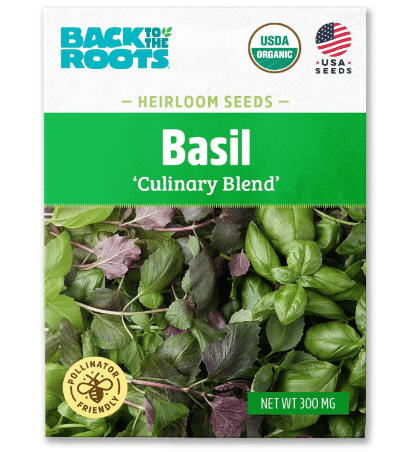
8. Basil (Product: Back to the Roots Organic Basil)
Product Description: A raised bed should not just contain vegetables; it needs herbs to act as a natural defense system. Basil is the ultimate companion plant, especially when planted right at the base of your Bush Goliath tomatoes. Its strong, pungent scent naturally deters the devastating tomato hornworm and whiteflies, while simultaneously attracting beneficial pollinating bees to your yard.
-
Price: Budget (~$10 – $15 for seeds or small starter kit)
-
Key Features and Benefits:
-
Acts as a highly effective, natural pest deterrent.
-
Thrives in the warm, well-draining soil of raised beds.
-
Provides a continuous “cut and come again” harvest all summer.
-
-
Pros and Cons:
-
Pros: Improves the flavor of neighboring tomatoes (both in the soil and on the plate); easy to grow; repels mosquitoes from your patio.
-
Cons: Highly sensitive to frost; will immediately blacken and die at the first sign of freezing temperatures.
-
-
Amazon Customer Ratings and Reviews: 4.6/5 stars. Buyers love the intense, aromatic flavor and frequently note a sharp drop in garden pests when they interplant basil with their nightshades.
-
Why It’s a Good Choice: It maximizes bed efficiency through strategic companion planting, protecting your most valuable crops while yielding fresh herbs for the kitchen.
-
Ideal Use Case: Home chefs, pesto lovers, and organic gardeners looking to naturally protect their tomato and pepper crops without harsh chemical sprays.
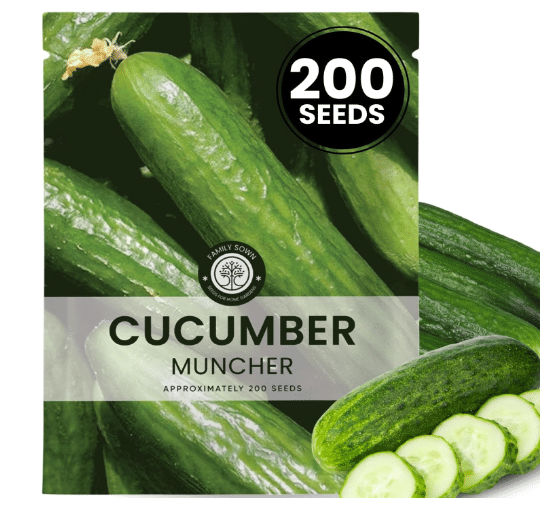
9. Cucumbers (Product: Sprout Rite Bush Slicer Cucumber Seeds)
Product Description: Traditional cucumbers require massive, towering A-frame trellises that cast long shadows over a raised bed. Bush slicers are a genetic marvel. They form compact, tidy mounds that produce crisp, full-sized, 6-to-8 inch slicing cucumbers. They are perfectly suited for the perimeter edges of a raised bed, where their short vines can gently cascade over the wooden sides.
-
Price: Budget (~$6 – $8)
-
Key Features and Benefits:
-
Compact bush habit (max 24-36 inch spread).
-
Highly disease-resistant against cucumber mosaic virus.
-
Perfect for draping over the edges of elevated garden boxes.
-
-
Pros and Cons:
-
Pros: Eliminates the need for tall, shadow-casting trellises; utilizes the vertical drop of the raised bed walls; incredibly crisp and sweet.
-
Cons: Because the plant stays compact, the total yield per plant is slightly lower than a massive 8-foot vining cucumber.
-
-
Amazon Customer Ratings and Reviews: 4.5/5 stars. Users with small 4×4 raised beds swear by this variety, noting they easily harvest a dozen cucumbers from a plant that takes up almost no horizontal space.
-
Why It’s a Good Choice: It allows you to utilize the vertical exterior walls of the raised bed by letting the plant spill over the side, freeing up the valuable internal soil space for upright crops.
-
Ideal Use Case: Picklers, salad lovers, and urban gardeners maximizing the edges of their patio boxes or elevated planters.
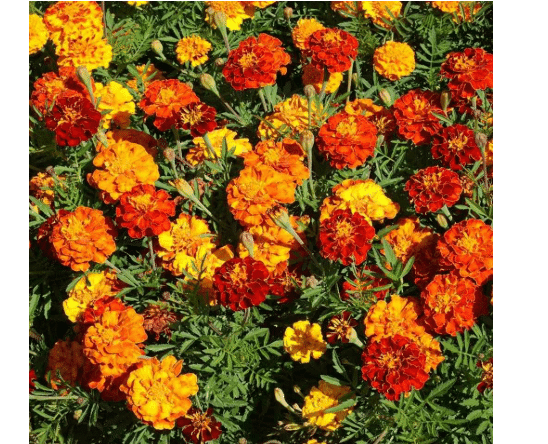
10. Marigolds (Product: Outsidepride French Marigold Seeds)
Product Description: No raised bed is complete without a border of flowers, and the French Marigold is the undisputed champion of the vegetable garden. They are the ultimate organic garden defenders. Their roots secrete a natural chemical that kills harmful, root-destroying soil nematodes, while their distinct, pungent scent repels whiteflies, cabbage moths, and even stray rabbits.
-
Price: Budget (~$8 – $12 for a bulk seed pack)
-
Key Features and Benefits:
-
Provides the ultimate organic pest control.
-
Attracts beneficial pollinators (bees and butterflies) to increase vegetable yields.
-
Blooms continuously from early summer until the first hard frost.
-
-
Pros and Cons:
-
Pros: Extremely cheap to grow from seed; provides a brilliant pop of bright orange and yellow color; protects the roots of neighboring tomatoes.
-
Cons: You must actively “deadhead” (pinch off) the dying flowers to force the plant to keep blooming throughout the summer.
-
-
Amazon Customer Ratings and Reviews: 4.8/5 stars. Gardeners universally consider marigolds a mandatory purchase, often stating they completely eliminated their aphid and nematode problems within a single season.
-
Why It’s a Good Choice: It creates a holistic, organic, and pesticide-free raised bed environment while adding incredible visual curb appeal to your vegetable boxes.
-
Ideal Use Case: Organic gardeners, tomato growers, and anyone wanting a brilliant pop of continuous color mixed in among their leafy greens.
V. Skyscraper Value-Add: Square Foot Gardening Basics
To truly maximize your raised bed, you should adopt the famous “Square Foot Gardening” method. Instead of planting in long, traditional rows (which wastes massive amounts of space on dirt walkways), you visually divide your raised bed into a 1×1 foot grid.
By doing this, you know exactly how many plants can comfortably thrive in each square without overcrowding:
-
Extra Large (1 per square foot): Bush Tomatoes, Bell Peppers, Basil.
-
Large (4 per square foot): Leafy Salad Greens, Swiss Chard.
-
Medium (9 per square foot): Provider Bush Beans, Spinach.
-
Small (16 per square foot): Radishes, Carrots.
Note: Bush Zucchini is the exception, requiring roughly 4 square feet (a 2×2 grid) even for compact varieties.
VI. Conclusion & Final Verdict
Growing a massive amount of food in a small space is entirely possible if you choose the right genetics. By pairing deep root crops (that take advantage of the loose soil) with compact, determinate bush varieties (that won’t vine out of control), you can turn a simple wooden box into a high-yielding grocery aisle.
Our Top Recommendations Awarded:
-
Best for Beginners: Provider Bush Beans & French Breakfast Radishes are practically foolproof, offering massive, rapid harvests that build immediate gardening confidence.
-
Best Yield & Value: The Bush Goliath Tomato and Black Beauty Bush Zucchini deliver the heavy, summer-defining harvests you crave without suffocating the rest of your bed.
-
The Essential Companions: Never plant a bed without French Marigolds and Organic Basil to naturally defend your crops and attract crucial pollinators.
Stop staring at a box of empty dirt. Sketch out your 1×1 foot grid, click the affiliate links above to secure your heirloom seeds and live starter plants, and catch the upcoming planting window to grow your best harvest yet.
VII. Frequently Asked Questions (FAQ)
How deep should my raised bed be for these plants? For the vast majority of vegetables (including bush beans, peppers, greens, and radishes), a standard raised bed depth of 8 to 12 inches is perfectly fine, assuming the bed is sitting on top of the native earth where water can drain. However, if you are growing deep root crops (like long heirloom carrots) or heavy feeders (like tomatoes), a raised bed depth of 12 to 18 inches provides the optimal loose soil environment for deep root development.
Should I buy seeds or live starter plants? It depends on the crop’s maturity timeline. Root vegetables (carrots, radishes) and fast-growing legumes (beans, peas) absolutely hate having their roots disturbed and should always be grown from seeds directly sown into the raised bed. Conversely, heat-loving, slow-growing crops (like tomatoes and bell peppers) require 8 weeks of indoor growth before the last frost. Buying these as live starter plants saves you the massive expense of buying indoor grow lights and heat mats.
What is the best soil mix for raised bed vegetables? Never fill a raised bed with bags of cheap “Top Soil.” Top soil is heavy, holds too much water, and compacts into concrete. The ideal raised bed mix is affectionately known as “Mel’s Mix” (from the Square Foot Gardening method): 1/3 coarse vermiculite or perlite (for drainage), 1/3 peat moss or coconut coir (for moisture retention), and 1/3 blended organic compost (for nutrients).